Why Ants Sometimes Invade Cars and How Property Conditions Contribute
Learn why ants invade cars, how food residue and parking conditions attract them, and what property owners can do to prevent infestations.
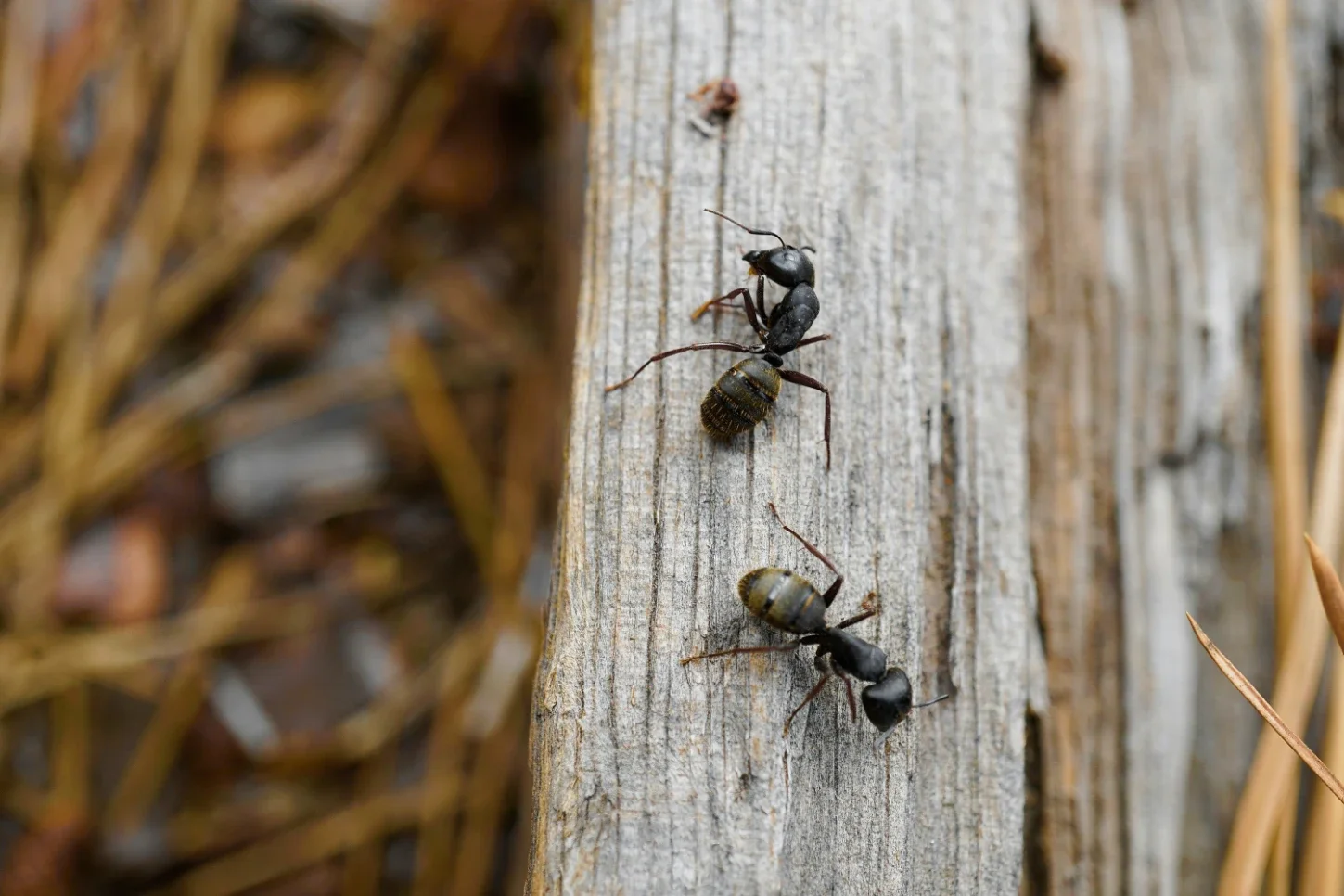
A line of ants crossing the dashboard during a morning commute is hard to ignore. The first assumption is usually that the car itself is to blame. Often the real cause is parked beside it. A vehicle sits in the same spot every night, close to the soil, trees, and cracked concrete where colonies live. Cars offer warmth, shelter, and a steady supply of crumbs. Ants find all of it. Cleaning the interior helps, but ants return if the parking area keeps feeding them. The sections below explain what draws ants to vehicles, how the property contributes, and how to break the cycle.
What Brings Ants Into a Parked Car
Ants enter vehicles for food, water, and warmth. Crumbs between seat cushions, a dried soda spill in a cup holder, and a forgotten candy wrapper all attract scout ants. When a scout finds food, she lays a chemical trail back to the nest, and workers follow it in numbers, sometimes within hours.
Heat plays a part. Engine compartments, dashboard vents, and dark upholstery hold warmth long after the car is turned off, which is attractive on cool spring nights. Sweet liquids inside the cabin matter most, since many ant species prefer sugar. Spilled juice or a leaking sports drink can feed a colony for days.
Most ants that wander into a car are foragers from a nest outside. Occasionally a colony moves into the vehicle itself, usually into a warm, sheltered gap. If ants appear carrying white larvae or pupae, a nest may exist inside the car, and a professional or mechanic should inspect it.
How the Driveway and Garage Feed the Problem
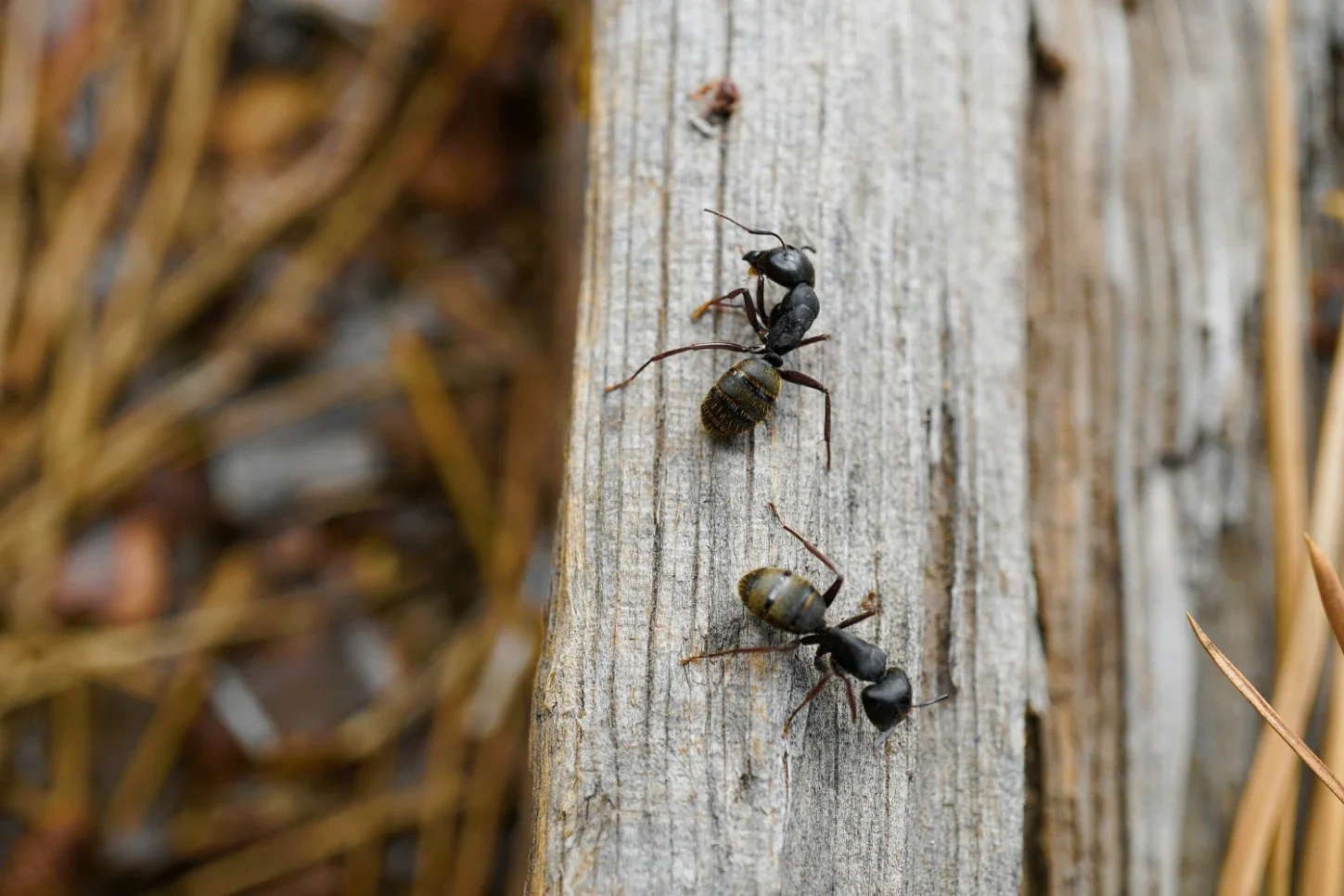
Where a car is parked decides how often ants reach it. A vehicle under a mature tree or beside dense shrubs gives ants a ready bridge. Branches that touch the roof, mirrors, or roof rack allow species like Argentine ants and carpenter ants to bypass the tires entirely. Trees also host aphids, and aphids produce a sugary liquid called honeydew that ants harvest. Honeydew dripping onto a hood or windshield draws more ants straight to the car.
Pavement matters too. Cracked concrete with weeds along the edges shelters pavement ants a few feet from the tires. Garages add risk when they hold unwashed recycling bins, open pet food bags, or bags of mulch, all of which sustain large foraging groups.
When homeowners struggle with ants in car problems that keep returning, the surrounding parking surface usually shows trails leading from a lawn border or planter to the tires. Following those trails to the source gives a better answer than cleaning the cabin alone.
Following the Trail From Tire to Dashboard
Ants rarely appear inside the cabin by magic. They climb, and the route is usually easy to trace. Common access points include:
Tires, which act as ramps from the pavement into the wheel wells and engine bay
Tree limbs that touch the roof rack or windshield and form overhead bridges
Leaves and debris packed into the windshield wiper wells
Wiring openings and ventilation intakes that lead into the dashboard
Early morning is a good time to watch. Ants are often most visible then, and a few minutes of observation can show which direction they travel. Workers moving down the tire onto the driveway suggest a nest in the lawn or pavement cracks. Workers moving in both directions along a seat seam suggest a food source inside. Tracing the trail also reveals whether the colony is outside or inside the vehicle, which determines what to do next. A flashlight helps when checking under the car and along the wheel wells.
Cleaning the Cabin Without Harsh Sprays
Removal starts with a thorough clean. Vacuum the carpets, seat seams, trunk, and the gaps beside the console to remove crumbs. Wipe the dashboard, cup holders, and seats with mild soapy water, which clears sugary residue and removes the scent trails that guide other ants.
Avoid household insecticide sprays inside the cabin. The fumes linger in a small enclosed space, the liquid can stain upholstery, and some products can harm electronics. Sprays also tend to scatter foragers rather than eliminate the colony.
Slow-acting bait works better because workers carry it back to the nest. Enclosed, tamper-resistant bait stations placed near the trail, and kept out of reach of children and pets, give the best results with the least mess. Persistent trouble with ants in car interiors may point to an indoor nest, and a mechanic or pest professional can check hidden spaces such as door panels and wheel wells. Patience matters, since bait may take days to reduce the colony.
Changing the Parking Spot Itself
Lasting results depend on the property. Trim tree limbs at least three feet away from the driveway and carport roof so ants cannot drop onto the car. If aphids are visible on a tree, treating or pruning it reduces honeydew drip.
Seal cracks in the driveway and remove weeds along the garage edges, since both shelter ground-nesting ants. Store recycling bins, firewood, pet food, and mulch away from the parking bay, and keep trash cans lidded. Washing the car occasionally removes sticky residue that attracts insects.
When possible, park a few feet away from planters and lawn borders. A short gap of clean pavement gives ants less chance to find the tires. Checking the spot once a month for new trails catches problems before they reach the cabin.
Key Takeaways
Ants in a car almost always trace back to food inside and conditions outside. Crumbs and sugary spills attract scouts, warm surfaces offer shelter, and nearby trees, cracks, and planters supply the colony. Cleaning the cabin with soapy water and using enclosed bait remove the immediate problem. Trimming branches, sealing the driveway, and moving food sources away from the parking area prevent a repeat. When trails keep returning, or ants appear to be nesting inside the vehicle, a professional can confirm the cause and recommend a targeted fix.
Stay up to date with our latest ideas!