15 Duck Cage Ideas for a Safe and Comfortable Space
Explore 15 duck cage ideas that keep your flock safe, dry, and happy, from raised coops to mobile pens.
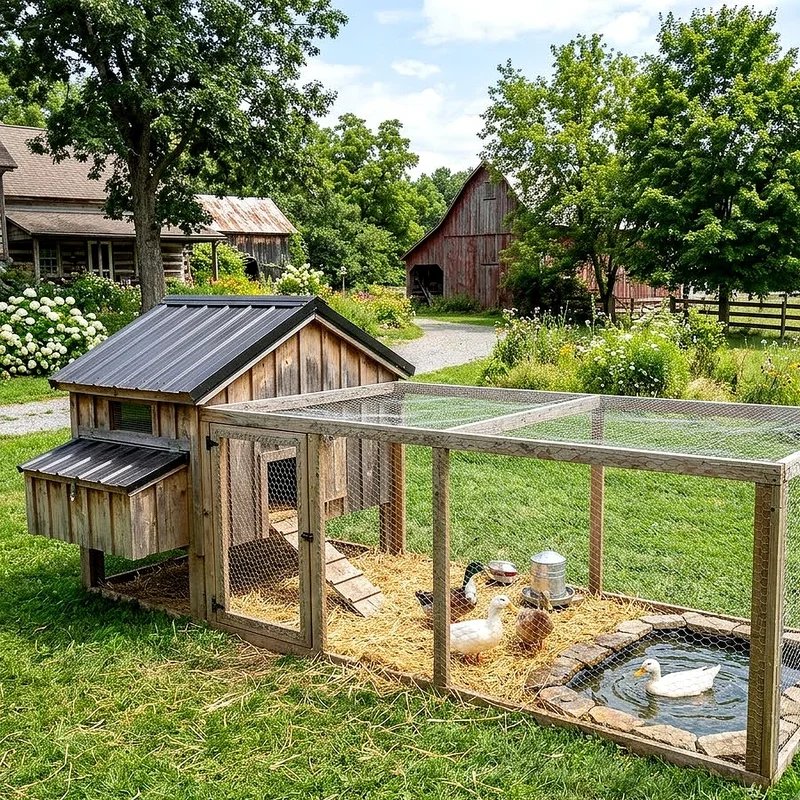
Ducks are messy, loud, endlessly curious, and completely worth the trouble. But here's the thing nobody warns you about: a cage built for chickens rarely suits them. Ducks splash, they waddle instead of perch, and they sleep flat on the floor like tired toddlers. So how do you build a space that respects all that weirdness while keeping predators out? That's exactly what we're digging into today. Below you'll find fifteen practical duck cage ideas, ranging from weekend pallet projects to roomy walk-in enclosures. Some cost almost nothing, others take a little sweat, and every one of them gives your birds room to breathe. Grab a coffee, and let's find the setup your flock deserves.
1. Raised Wooden Duck House With a Gentle Ramp
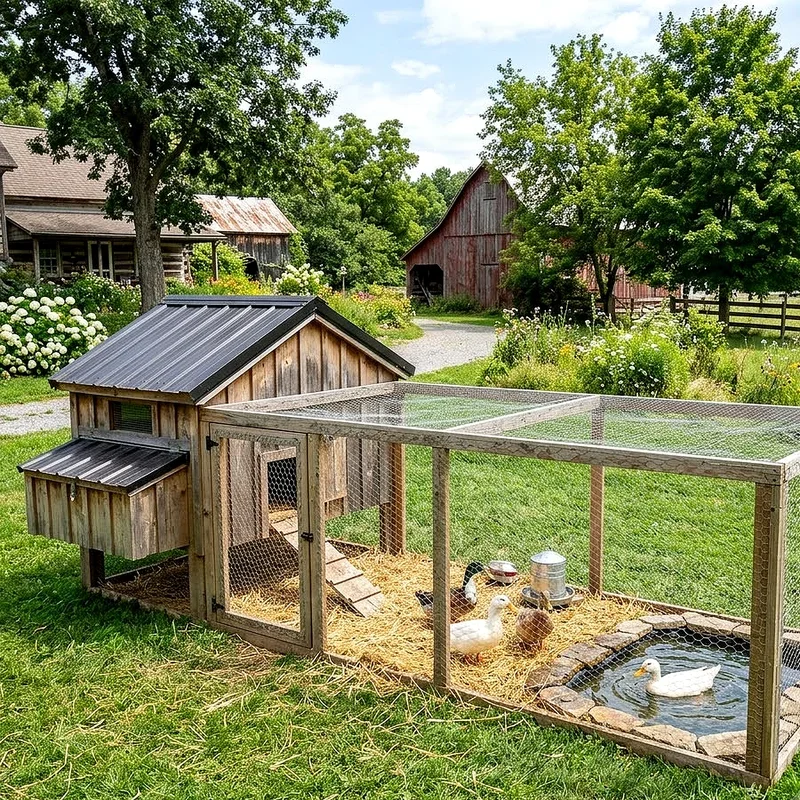
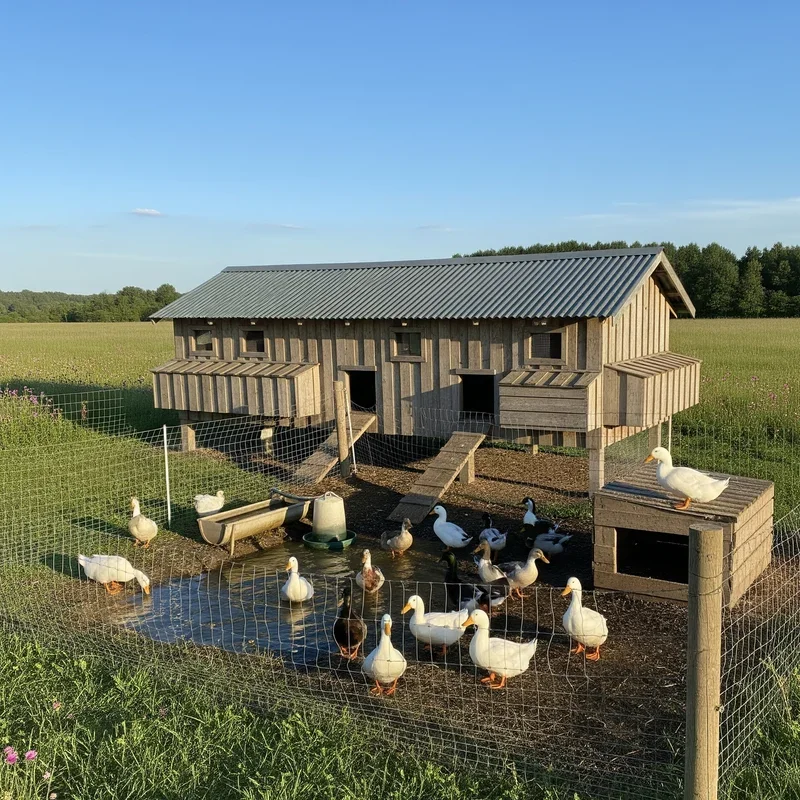
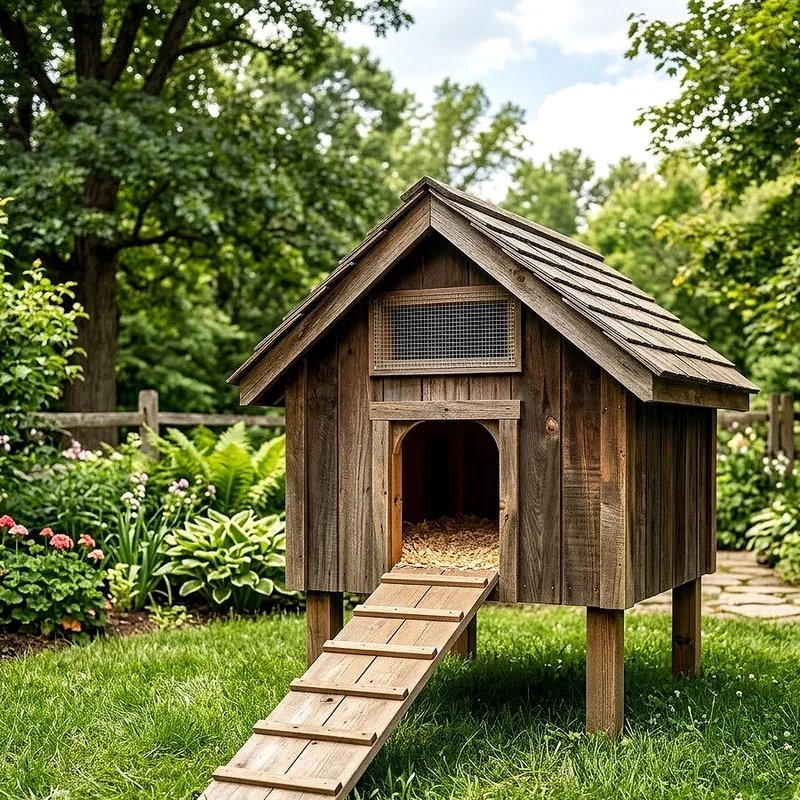
Think of a raised duck house as a dry penthouse sitting above all the mud your flock creates. You lift the floor roughly twelve inches off the ground, which stops rain from soaking the bedding and keeps rodents from tunneling in underneath. Ducks cannot fly up like chickens, so skip the ladder and build a wide ramp with thin cleats every few inches for grip. Make that slope gentle, because heavy breeds like Pekins waddle rather than climb. The shaded space beneath the house becomes a bonus loafing spot during hot afternoons. Use exterior plywood, seal every seam, and add a hinged roof so cleaning takes minutes instead of an hour. Your back will thank you, and your ducks will settle in fast.
2. Repurposed Dog Kennel Turned Duck Haven
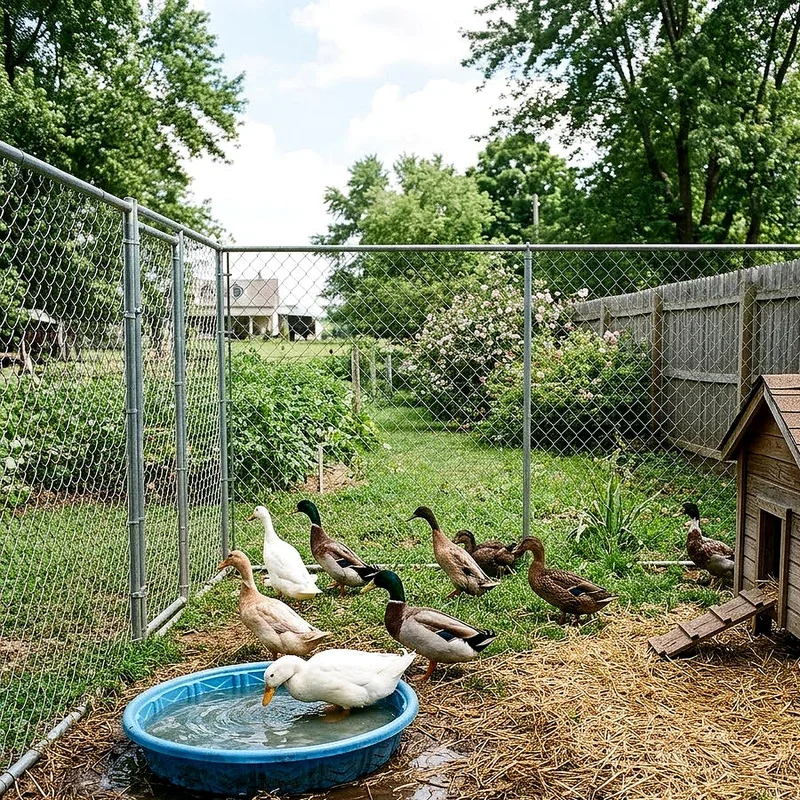
Got an old chain link dog kennel gathering rust in the yard? You're already halfway to a solid duck enclosure. The frame gives you height, structure, and a lockable door, so the hard engineering work is finished before you start. Wrap the entire panel system in half inch hardware cloth, because raccoons reach straight through chain link like it's a buffet line. Cover the top with welded wire or corrugated roofing to block hawks and heavy rain. Bury an apron of wire around the perimeter, since digging predators treat soft soil as an open invitation. Drop a small shelter box inside for nighttime, add pine shavings, and you've converted forgotten junk into a safe home. Why buy new when your shed already holds the answer?
3. A-Frame Duck Coop for Tight Backyards
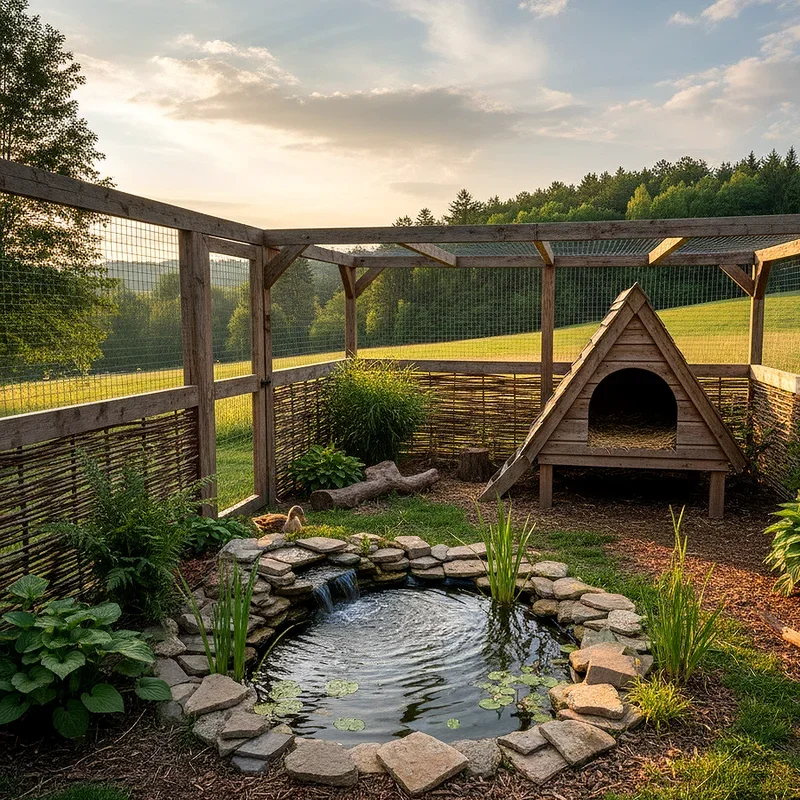
Small yards demand clever shapes, and the A-frame is the champion of squeezing comfort into a narrow footprint. Two slanted walls meet at a peak, which sheds rain beautifully and costs far less lumber than a boxy build. You place the sleeping quarters at one end and leave the rest open as a wire covered run, so your ducks stroll between shelter and sunshine freely. Keep the base wide enough that adult birds can stand without bumping the sloped sides, roughly four feet across works well. Add a hinged side panel for easy raking, because ducks produce wet bedding at an impressive speed. Paint the wood a light color to bounce heat away. It looks tidy, costs little, and fits beside a fence perfectly.
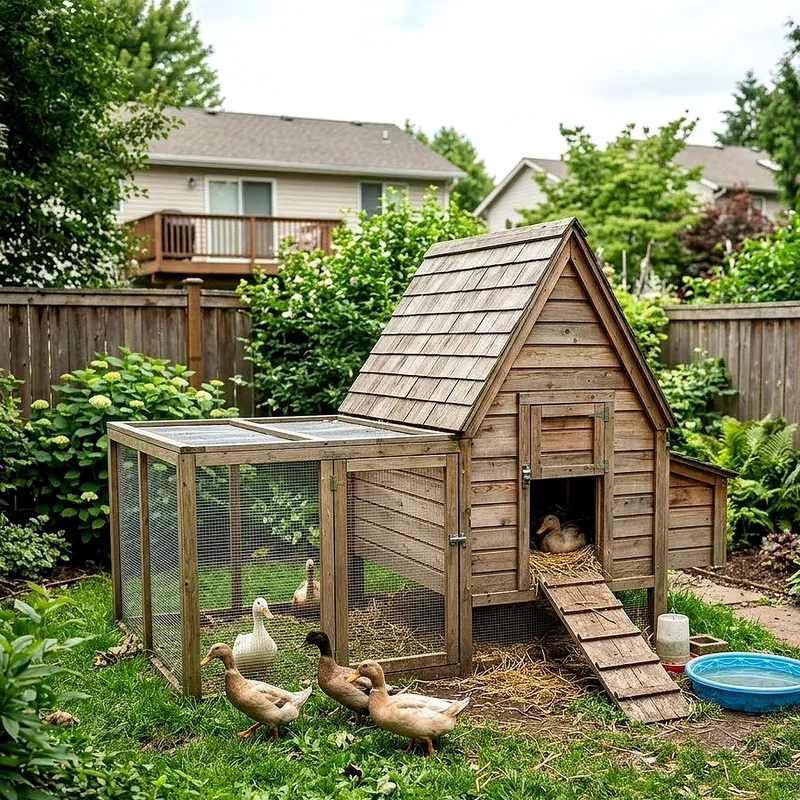
4. Walk-In Aviary Style Duck Enclosure
If you want a setup you can actually step inside, the aviary style enclosure changes everything. You frame a tall structure with treated posts, wrap it in sturdy mesh, and roof the whole thing with wire or clear panels. Suddenly feeding, cleaning, and catching a stubborn drake stops feeling like a wrestling match with a low doorway. Height also lets you hang feeders, run a hose, and store supplies without stooping. Ducks benefit too, since airflow improves dramatically and ammonia never builds up in the corners. Plant a shrub or two inside for shade and natural foraging. Yes, it demands more materials and a weekend of labor, but the daily comfort pays you back every single morning you walk through that door.
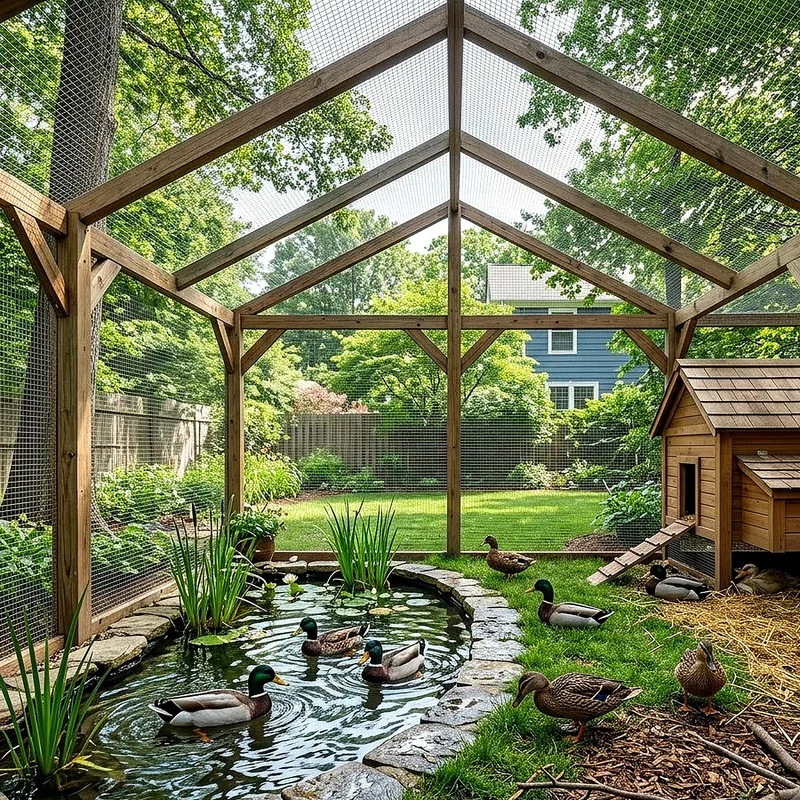
5. Mobile Duck Tractor on Wheels
A duck tractor works like a grazing machine that fertilizes your lawn as it rolls. You build a lightweight frame, attach two wheels on one end and handles on the other, then move it a few feet each day. Fresh grass appears constantly, droppings spread evenly instead of piling up, and slugs vanish from your garden beds. Keep the weight down by using PVC or thin furring strips rather than heavy timber, since ducks are bigger than chickens and you'll be pulling regularly. Include a shaded end with solid walls for napping and a mesh section for airflow. Check the ground clearance carefully, because a gap of even two inches lets a determined weasel slip inside. Rotation keeps everything cleaner naturally.
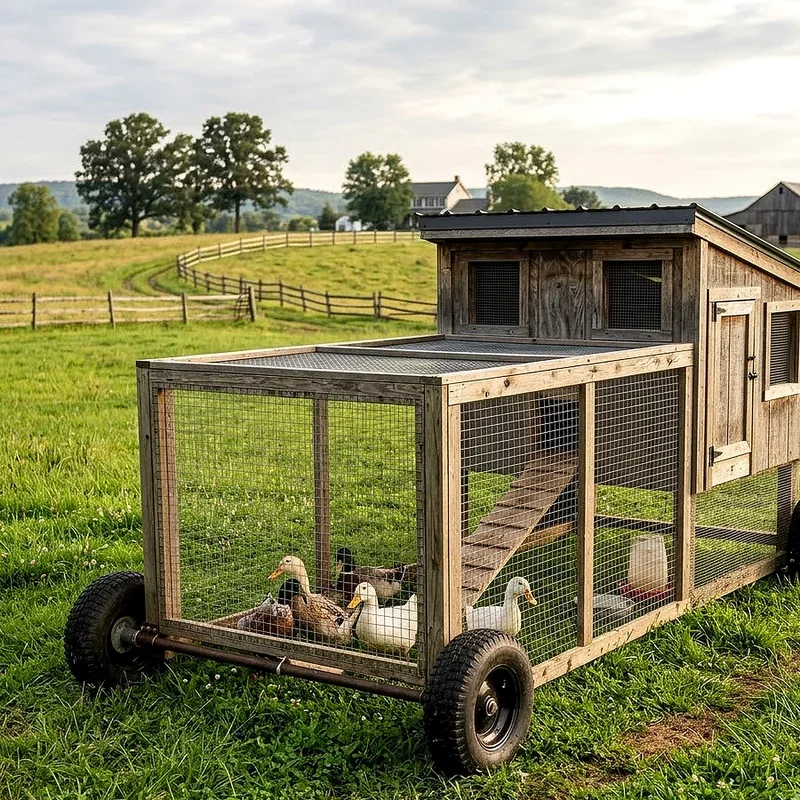
6. Recycled Pallet Duck Cage on a Budget
Pallets are the duct tape of homesteading, and stacking them into a duck cage costs almost nothing. Source heat treated pallets only, marked with an HT stamp, since chemically treated wood leaches nasty stuff into wet bedding. Stand four upright to form walls, brace the corners with two by fours, then line the inner faces with plywood so cold wind cannot whistle through the gaps. Cover the openings with hardware cloth rather than flimsy chicken wire, which stops nothing determined. Top it with a sloped metal sheet and you've got weather protection for the price of lunch. Sand any rough edges near duck level. It won't win a design award, but your flock measures comfort in dryness, not aesthetics, and this delivers.
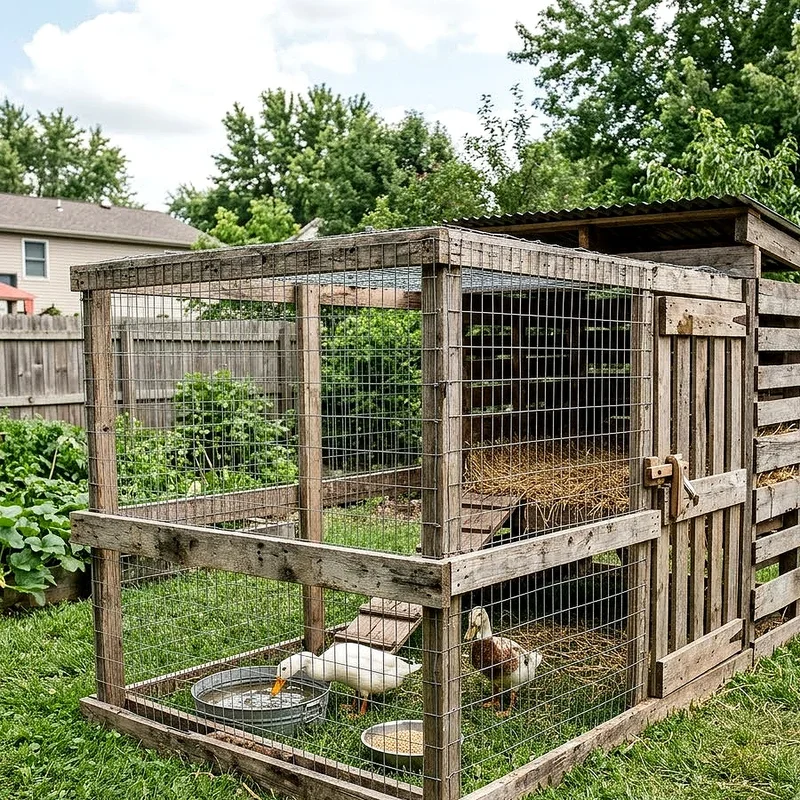
7. Predator-Proof Hardware Cloth Run
Every beautiful duck cage fails the moment something hungry finds a weak spot, so this idea focuses purely on defense. Replace chicken wire everywhere with half inch galvanized hardware cloth, because chicken wire holds birds in but keeps nothing out. Bury a twelve inch skirt of the same material flat around the perimeter, forming an underground barrier that stops foxes from digging. Secure every panel with screws and washers instead of staples, which raccoons pry loose with disturbing ease. Latches matter enormously too, so choose two step locks that need thumbs to open. Cover the top completely, since owls hunt silently at dusk when ducks are settling. Walk the perimeter weekly, pressing on corners. Five minutes of checking beats losing your favorite hen overnight.
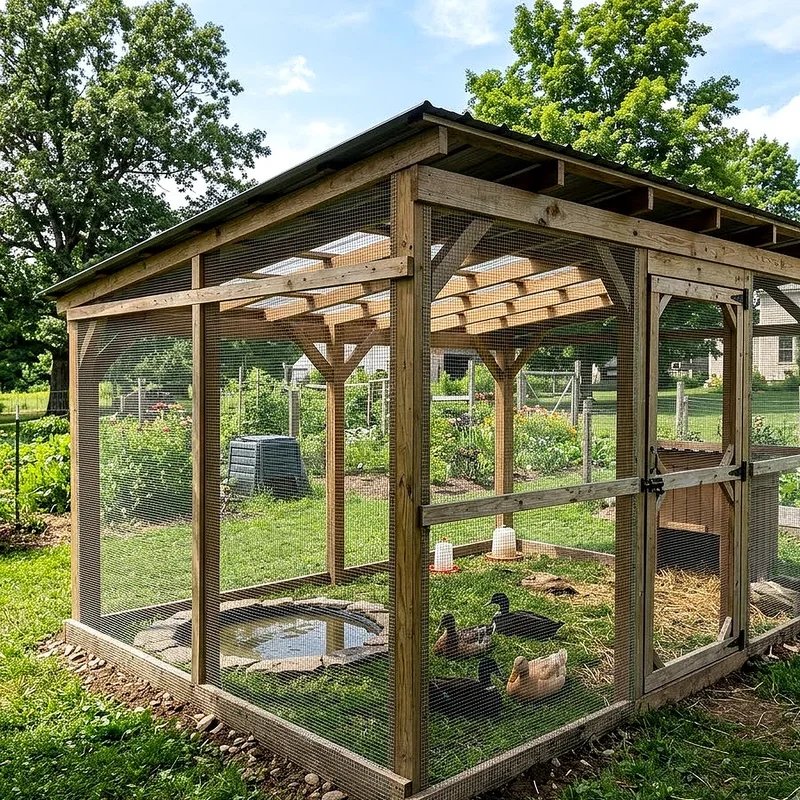
8. Duck Cage With an Attached Splash Pool
Ducks without water access look genuinely miserable, so building the pool right into the design solves your biggest daily chore. Set a shallow tub or hard plastic kiddie pool into a gravel lined pit just outside the sleeping area, then connect the two with a short fenced walkway. Gravel drains the splash out fast and stops that swampy smell from taking over. Install a simple bilge pump or drain plug so you empty and refill in a minute rather than tipping fifty pounds of murky water by hand. Keep the pool outside the bedding zone, always. Ducks need water to clean their nostrils and eyes, and watching them dive in each morning honestly never gets old for anyone.
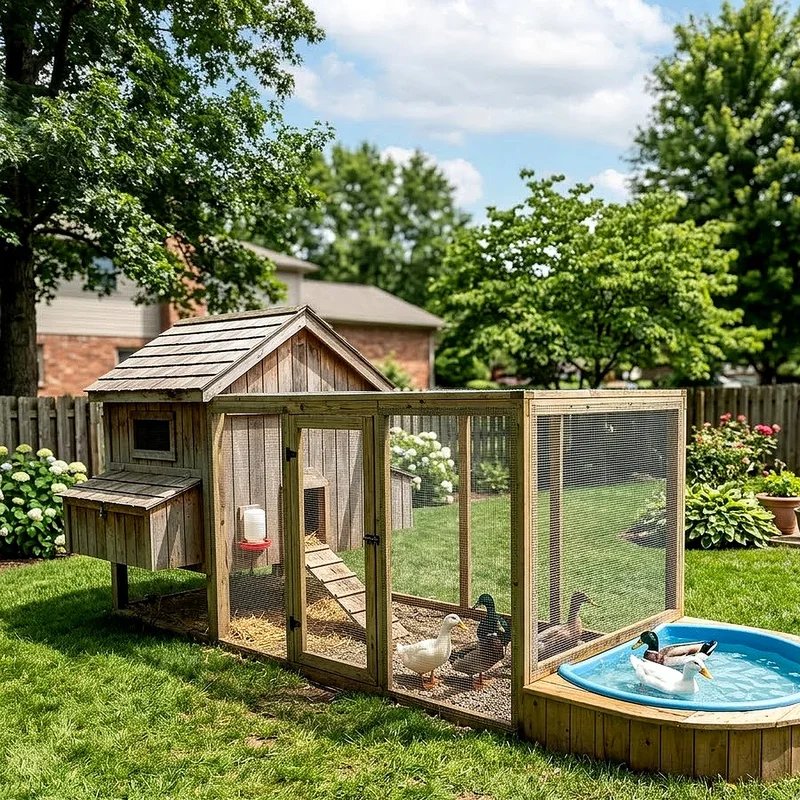
9. Greenhouse Style Winter Duck Shelter
Cold climates call for creative thinking, and a small greenhouse frame makes a surprisingly cozy winter duck house. Clear polycarbonate panels trap sunlight during short January days, raising the inside temperature noticeably without a single watt of electricity. Ducks handle cold far better than damp, so the real job here is blocking wind while letting moisture escape. Add adjustable vents near the roof peak and keep them cracked even in freezing weather. Lay thick straw on the floor and refresh it often, since frozen wet bedding chills feet fast. Shade cloth goes over the top once spring arrives, or the whole thing turns into an oven. It doubles as seedling storage during summer. Two purposes, one structure, and warmer birds all season long.
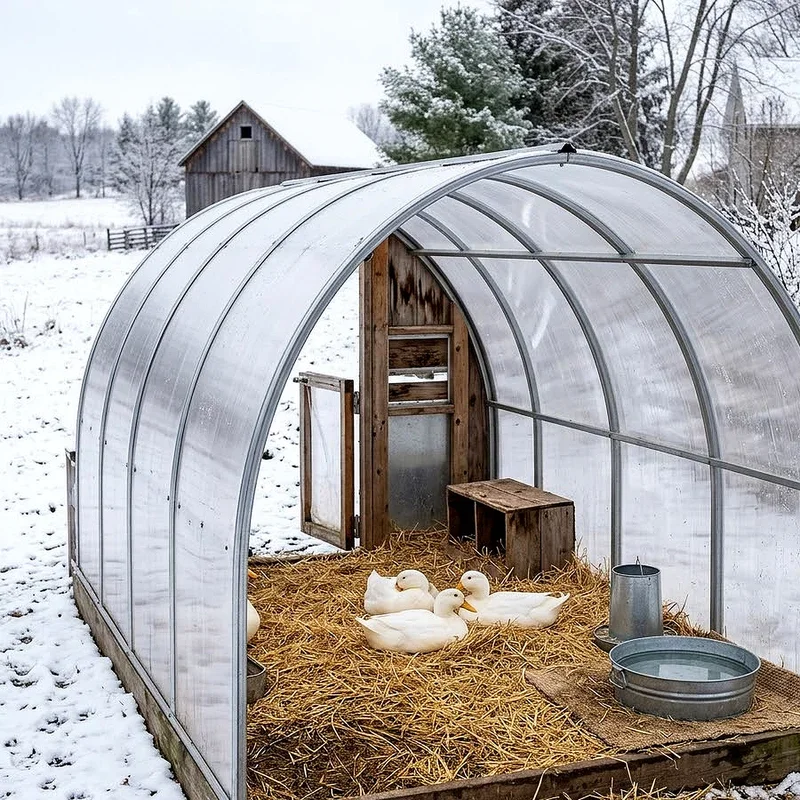
10. Stacked Nesting Box Cage for Layers
If your ducks lay well, giving them proper nesting space turns egg hunting into simple collection. Unlike chickens, ducks refuse elevated boxes, so build a row of open fronted compartments directly on the floor along one wall. Each box needs roughly fourteen inches square, filled deep with clean straw they can rearrange into a proper bowl. Add a low lip at the front to keep bedding and eggs from rolling out. A hinged exterior panel lets you reach in from outside without disturbing anyone, which matters at six in the morning. Ducks usually lay before dawn, so keep them enclosed until mid morning. Otherwise you'll spend your day searching flowerbeds. Dim, private corners encourage consistent laying more than any fancy feature ever will.
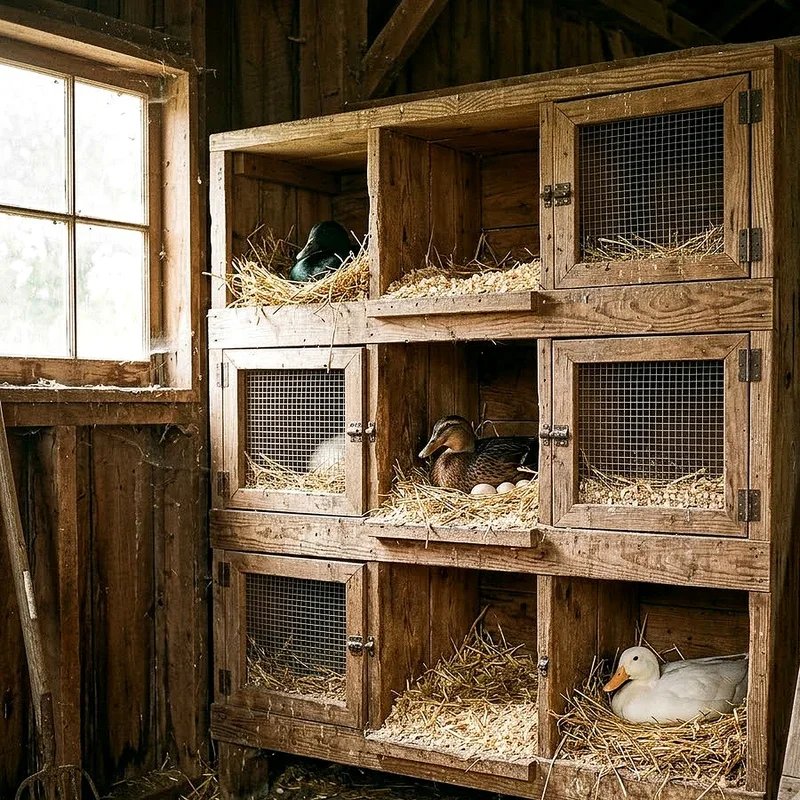
11. Shaded Garden Corner Duck Pen
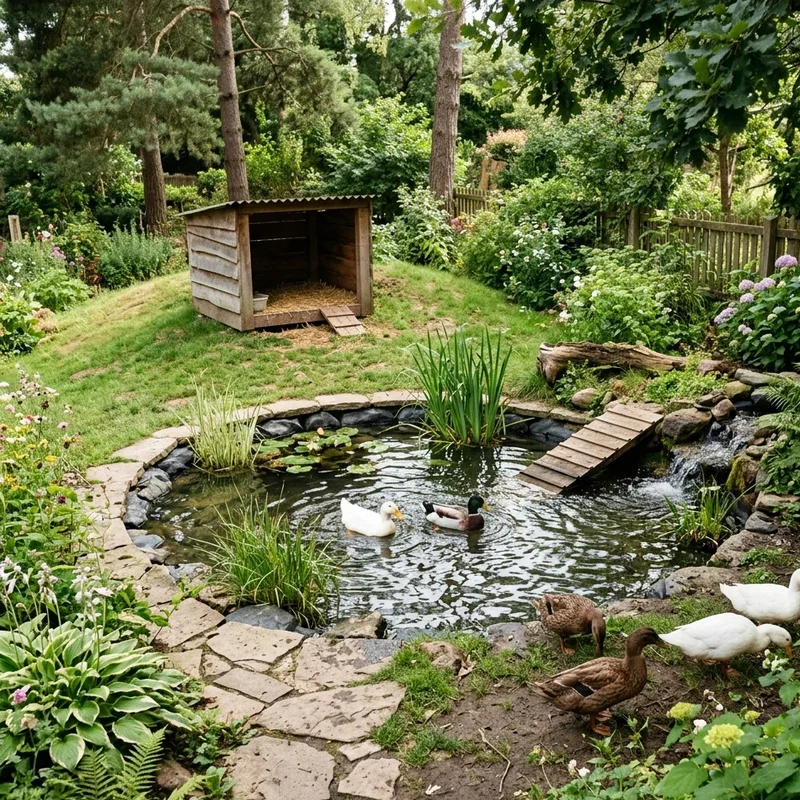
Tucking a duck pen into a shaded garden corner blends practicality with genuine curb appeal. You use two existing fence lines as walls, which slashes material costs immediately, then frame the remaining two sides with posts and mesh. Overhanging tree branches deliver natural cooling, and ducks flop under leafy shade like sunbathers hiding from noon heat. Plant hardy shrubs such as elderberry or hazel just outside the fence for extra shelter without giving predators a climbing route. Lay wood chips inside, since grass disappears within weeks under webbed feet. Slope the ground slightly so rain drains away instead of pooling. The result looks intentional rather than agricultural, which keeps neighbors happy and gives your flock a genuinely pleasant place to spend afternoons.
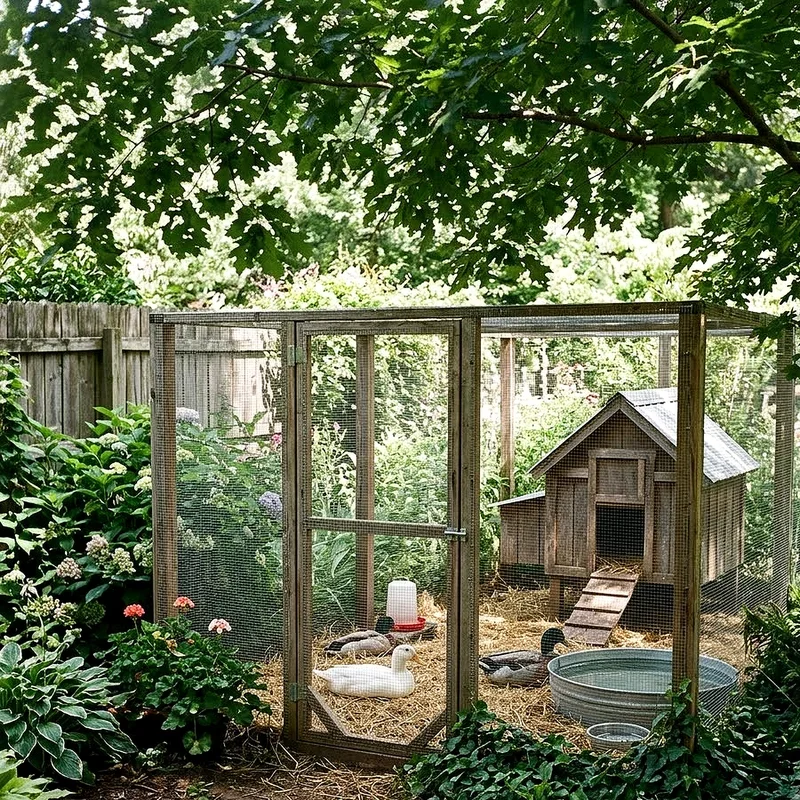
12. Convertible Chicken Coop Reworked for Ducks
Plenty of people inherit a chicken coop and wonder whether ducks can move in. They can, with a few honest modifications. Rip out the roosting bars first, because ducks sleep flat and those perches only waste headroom. Remove the elevated nest boxes too, replacing them with floor level compartments. Widen the pop door, since a broad bodied Pekin cannot squeeze through an opening built for a bantam. Swap the ramp for a gentler slope with grip strips, and seal the floor with linoleum so daily moisture does not rot your plywood. Ventilation needs doubling, as ducks release far more humidity overnight than chickens do. Ten dollars of leftover vinyl and an afternoon of work turns yesterday's coop into a comfortable duck home.
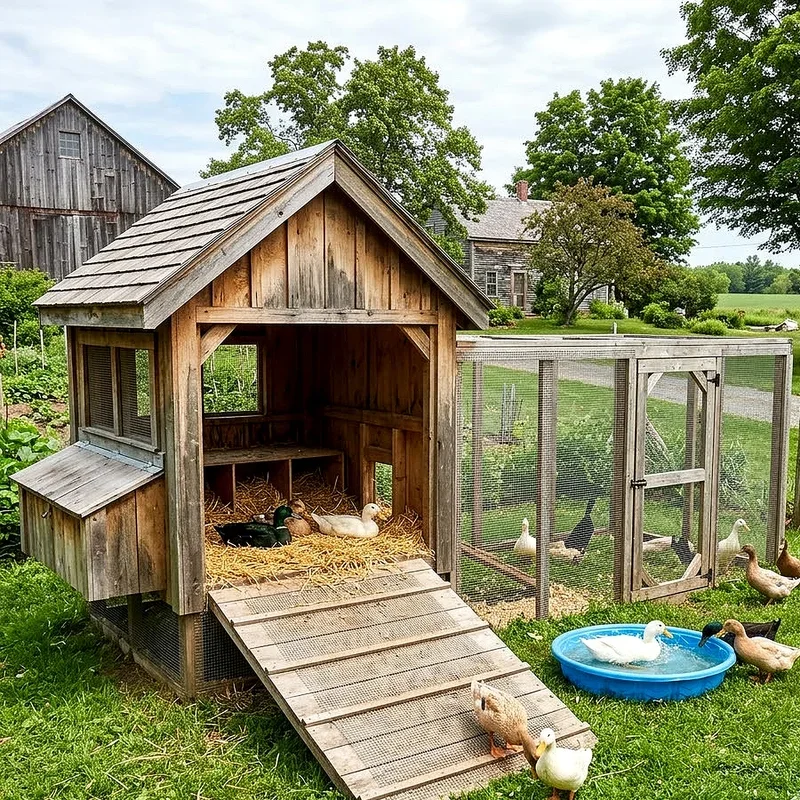
13. Compact Patio Cage for Two or Three Ducks
Not everyone owns acreage, and a tiny flock on a patio can still live well with thoughtful design. Build a narrow enclosure roughly six feet long, split between a solid sided shelter and an open wire run. Use a removable tray floor lined with rubber matting so you slide out mess and hose it down daily, which keeps neighbors from noticing anything. Ducks need about four square feet each inside and more outside, so limit yourself to two or three birds, honestly. Add a small tub of water on the washable side. Put the whole thing on locking casters and you can roll it into shade or shelter whenever weather turns. Small space living works, provided you commit to cleaning often.
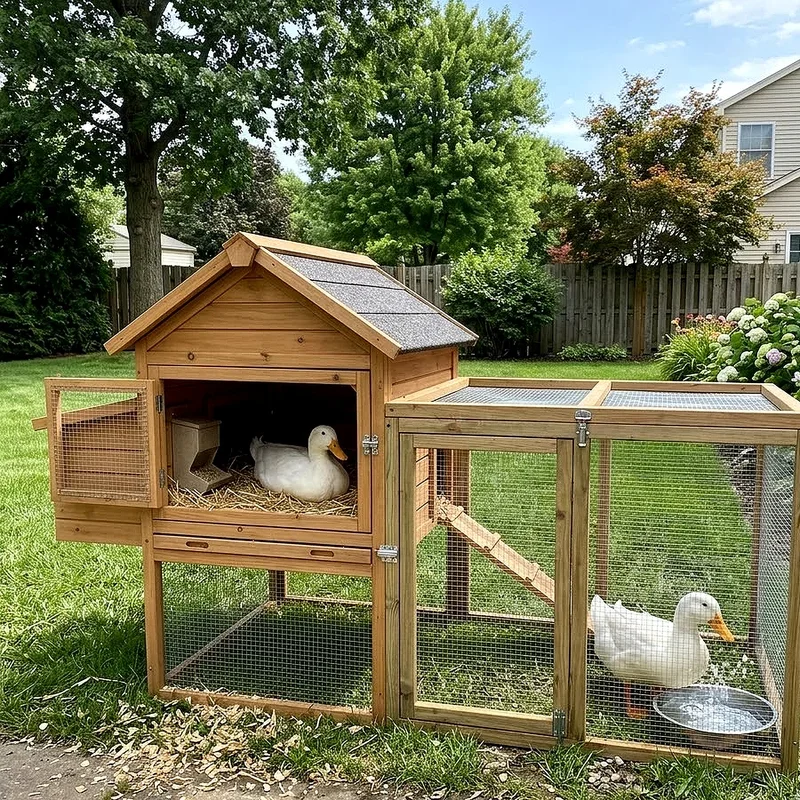
14. Straw Bale Insulated Duck Shelter
Straw bales act like thick natural blankets, and stacking them into walls creates warmth no thin plywood can match. Arrange bales two high in a rough rectangle, leave a doorway gap, then lay a plywood or metal roof across the top secured with cord and stakes. The dense straw blocks wind completely while still breathing, which prevents the trapped dampness that harms duck feet. Keep the roof overhanging generously, since soaked bales collapse and grow mold quickly. Come spring, you break the whole structure apart and compost it or mulch the garden beds. Nothing goes to waste. It costs maybe forty dollars, takes an hour to assemble, and gives your flock a genuinely snug retreat through the harshest weeks.
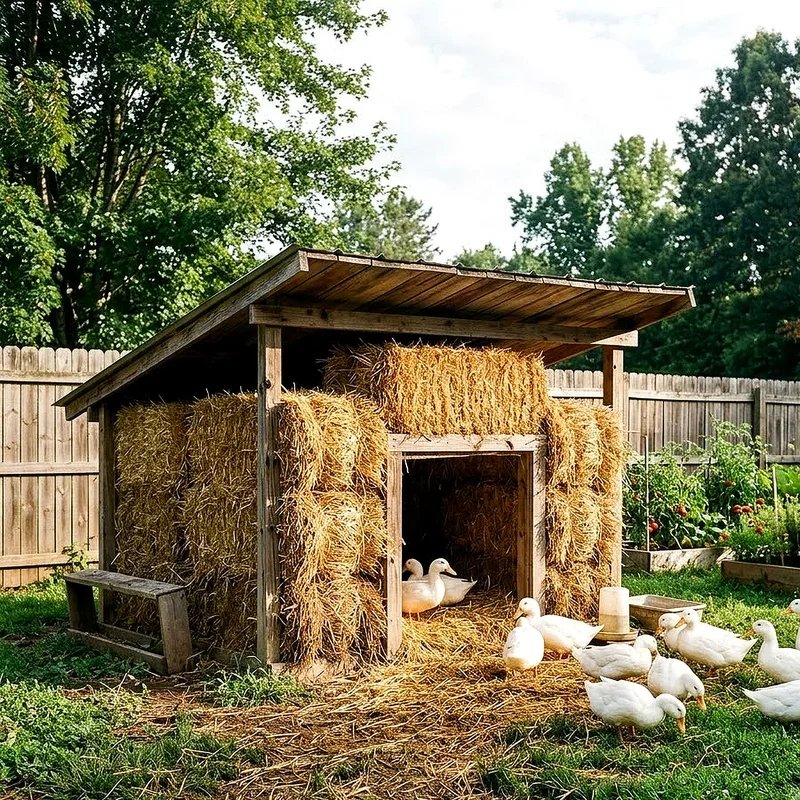
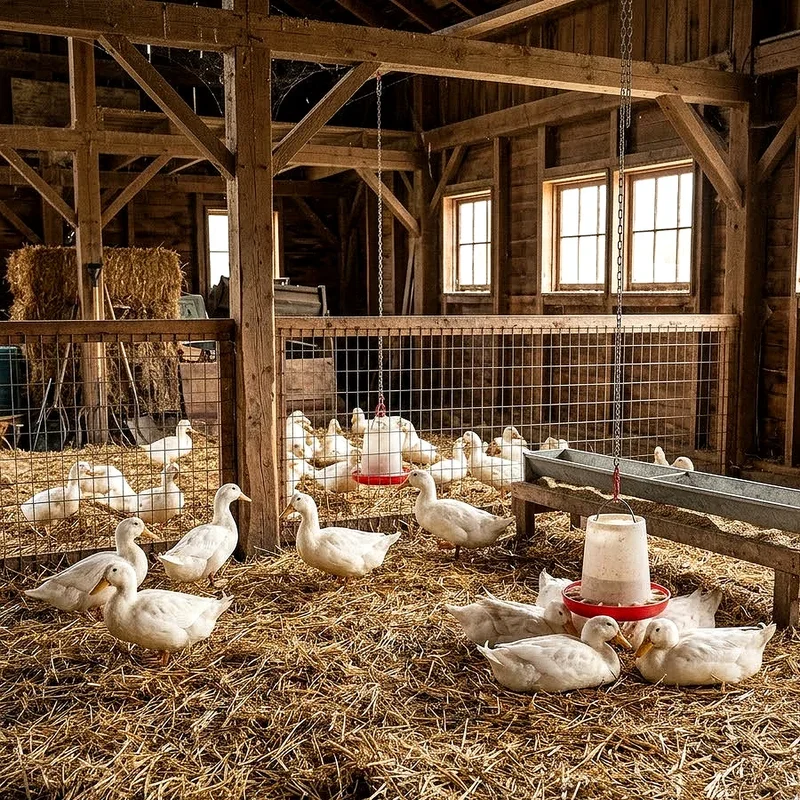
15. Deep Litter Floor Duck Barn
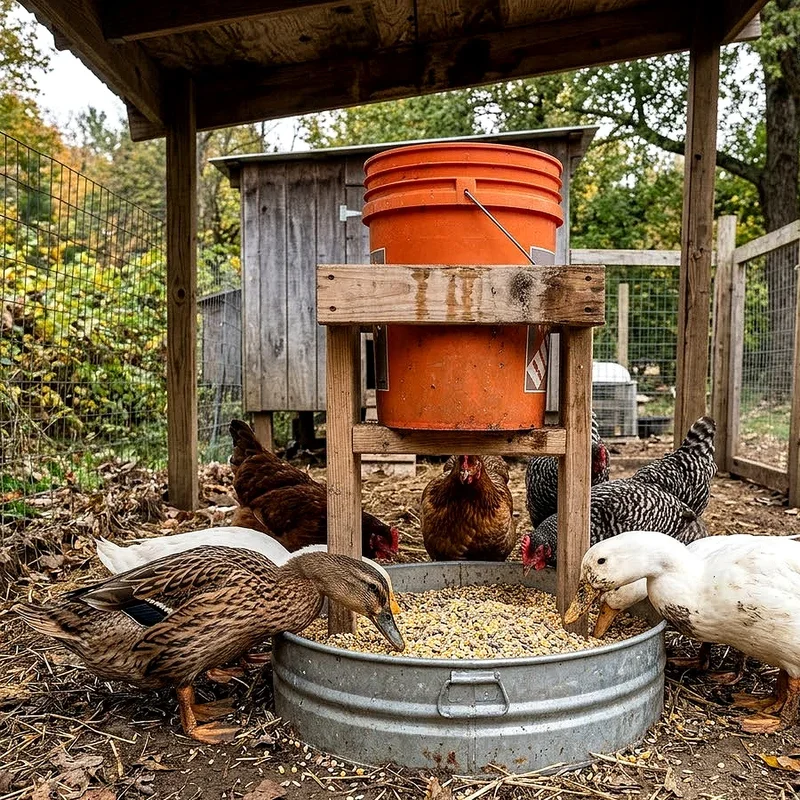
The deep litter method turns cleaning from a weekly chore into a seasonal one, and ducks thrive under it when you manage moisture properly. You start with six inches of pine shavings or chopped straw on a dirt or sealed floor, then add fresh material over soiled spots rather than stripping everything out. Beneficial microbes break waste down, generating gentle heat that warms the barn through winter. The trick with ducks is water discipline, so keep drinkers on a wire covered drain pan far from the bedding. Turn the litter with a fork weekly to add oxygen. By spring you shovel out rich compost your garden will love. Less labor, warmer birds, better soil, and honestly it smells earthy rather than foul.
Conclusion
Building the right duck cage really comes down to three things: staying dry, staying safe, and having room to be a duck. Whether you stack pallets on a shoestring or frame a walk-in aviary, the principles never change. Cover the top, bury the wire, ventilate generously, and keep water away from bedding. Start with whatever materials you already own, watch how your flock actually uses the space, then adjust as you go. Your ducks will tell you what works through their behavior. Pick one idea from this list and begin building this weekend.
Read next: 15 Duck Feeder Ideas for Backyard Ducks and Poultry
Frequently Asked Questions
Q1: How much space does each duck need inside a cage?
A: Allow four square feet indoors per duck and fifteen square feet outdoors for comfortable movement.
Q2: Can ducks and chickens share the same cage safely?
A: Yes, though ducks create constant moisture, so separate sleeping areas prevent damp bedding and illness.
Q3: Do ducks need a pool inside their enclosure?
A: They need water deep enough to submerge their heads, cleaning eyes and nostrils daily.
Q4: What wire keeps predators out of duck cages best?
A: Half inch galvanized hardware cloth, buried twelve inches deep and screwed down with washers everywhere.
Q5: Should duck cages have roosting bars like chicken coops?
A: No, ducks sleep flat on bedding, so bars waste space and risk foot injuries.
Stay up to date with our latest ideas!