What North Carolina Pet Owners Should Know About Black Widow Spiders Around the Home
Learn how North Carolina pet owners can identify black widow spiders, understand their risks, spot hiding places, and protect pets with practical prevention tips.

A dog nosing behind a stack of flowerpots or a cat curling up in a dusty corner of the garage is doing what animals do, investigating quiet places. Those same places suit black widow spiders. These spiders are shy and rarely seek out confrontation, but they build webs in the spots where pets like to poke around. Knowing where black widows settle and how to reduce those hiding places lets you protect your animals without panic. The sections below cover likely hiding spots, why pets end up near them, what the local risk looks like, and the habits that make pet areas safer.
Where Black Widows Hide Around Pet-Accessible Areas
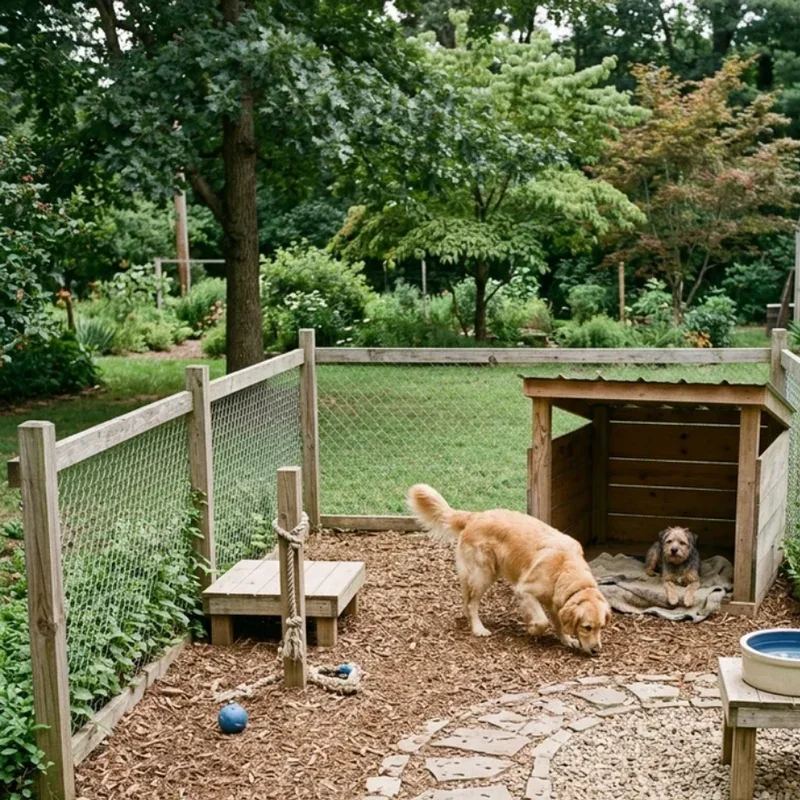
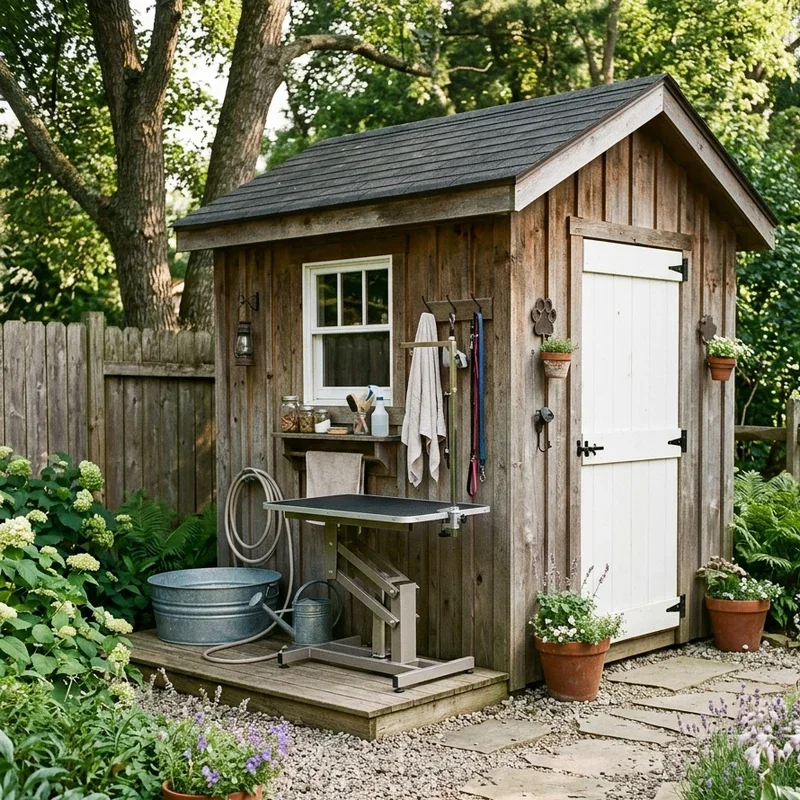
Black widows favor dark, dry, undisturbed corners close to the ground. Garages and sheds top the list, especially behind shelving, inside stacked boxes, and under workbenches. Outdoor kennels and dog houses can host webs along the underside of roofs or in the gap between the floor and the wall.
Wood piles are another favorite, since the gaps between logs offer shelter and a steady supply of insects. Patio furniture deserves a look as well. The underside of a table rim, the folds of a stored umbrella, and the frame beneath a chair cushion all give a spider a protected anchor point. Their webs look tangled and messy, with strong, sticky threads that run close to the surface. Females are glossy black and usually carry a red or orange hourglass marking on the underside of the abdomen. Because they stay put once they find a good spot, one undisturbed corner can hold a spider for months.
Why Pets Investigate Sheltered Spaces
Animals explore with their noses and paws, and sheltered corners smell interesting. Dogs dig and sniff at the edges of stacked materials, and cats climb into boxes and cubbies as a matter of habit. Both are drawn to the same dark, quiet places that spiders prefer, so the overlap is natural.
Curiosity also leads pets to bat at movement. A spider that drops from a web or scurries along a wall can trigger a chase. A bite typically happens when a spider is pressed or cornered, not when it is left alone. Outdoor pets face more exposure, since kennels, wood piles, and shaded yard corners stay cool and calm during the day. Young animals tend to be the most inquisitive and the least cautious, which makes supervision useful in garages, sheds, and storage areas. Understanding this behavior helps you decide where to look first.
What Pet Owners Should Know About Local Risk
Anyone reading up on the black widow in north carolina will learn that the state is home to native widow species, including the southern black widow, and that sightings are not unusual around sheds, woodpiles, and garages. The species is shy, and most encounters end without incident. Still, a bite deserves attention, since the venom affects the nervous system. Small animals and cats are generally considered more vulnerable than large dogs, though reactions vary.
Signs after a possible bite can include sudden pain, trembling, restlessness, drooling, stiffness, or weakness. If you suspect a bite, keep the animal calm and call a veterinarian or an emergency animal clinic right away. Do not wait for symptoms to worsen. Local risk is real but modest, and awareness mostly means knowing the places worth checking. Treating the black widow in north carolina as a known neighbor of garages and woodpiles, instead of an alarming surprise, keeps your response calm and practical.
Checking and Clearing Pet Resting Areas
A short inspection routine catches most problems before a pet meets one. Look at each of these spots every few weeks, using a flashlight and a tool such as a broom handle to move objects:
Dog houses and kennels, including roof corners, the floor edge, and bedding
Garage and shed corners, shelves, and spaces behind stored items
Wood piles, particularly the ends facing walls or fences
The underside of patio tables, chairs, and planters
Gaps along fences, railings, and under steps where pets nap
Reducing clutter is the most effective step. Fewer boxes and loose materials means fewer hiding places and easier visibility. Raise firewood off the ground and keep it away from walls. Wash pet bedding regularly, and shake it out before putting it back. Vacuum or sweep away webs you find, since removing them also removes egg sacs, which look like small papery, tan balls. Moving a kennel a few feet from a wall or fence can also reduce the number of anchor points for webs.
Safe Handling When Moving Stored Materials
Spiders bite most often when a hand lands on them unexpectedly. Wear thick gloves and long sleeves when you move boxes, lumber, or old equipment, and lift items slowly instead of grabbing them. Shake out stored cloth, tarps, and gloves before use. Close shoes are wise for the same reason.
Avoid handling spiders directly, even when you think you have identified a harmless one. If you find a suspected widow, you can remove it with a long-handled tool, a jar and a piece of card, or a vacuum attachment, then dispose of it outdoors away from the house. Keep pets inside during cleanup so they do not rush in. Children should be kept away, and anyone who is bitten should seek medical care. A persistent problem in a garage or shed may call for a licensed pest professional, particularly when many webs or egg sacs appear.
End Note
Black widows settle where pets like to explore, so the best defense is a tidy, well-lit, regularly inspected space. Cut clutter, lift wood and boxes off the floor, check kennels and resting spots, and use gloves and tools when moving stored items. Know the warning signs in your animals and call a veterinarian quickly if a bite seems possible. Steady habits make these spiders a minor concern instead of a recurring worry.
Stay up to date with our latest ideas!