Why Does My Dog Stretch When He Sees Me?
Why does my dog stretch when he sees me? Learn the heartwarming reasons behind this cute greeting and what your pup is really saying.
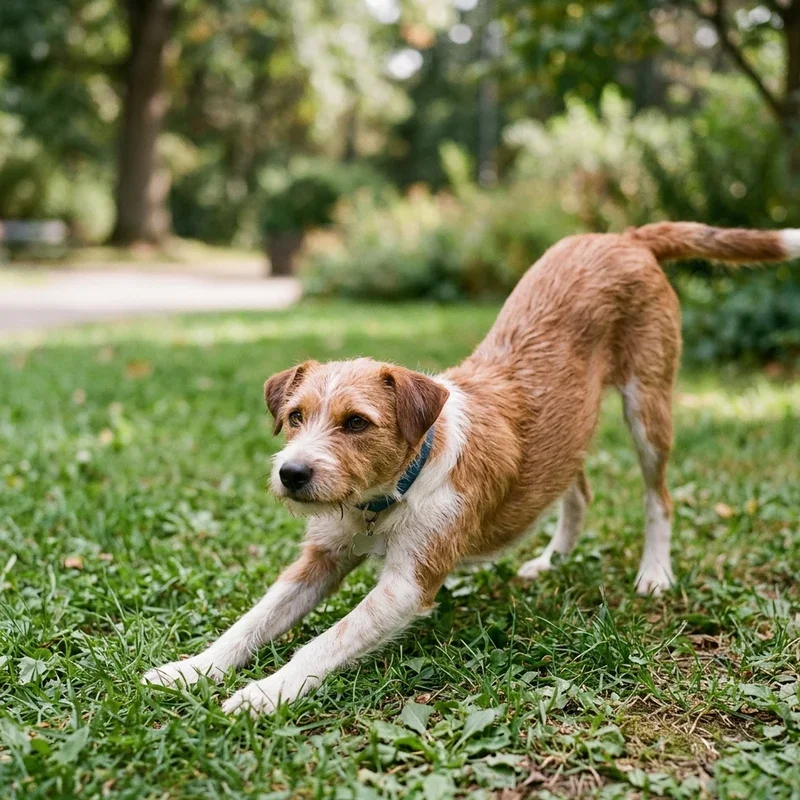
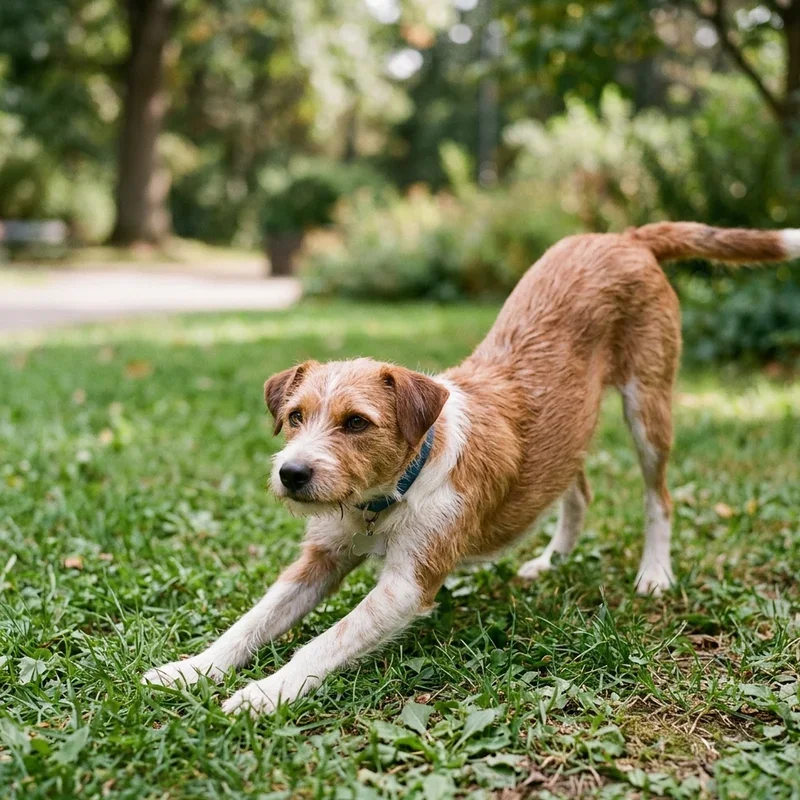
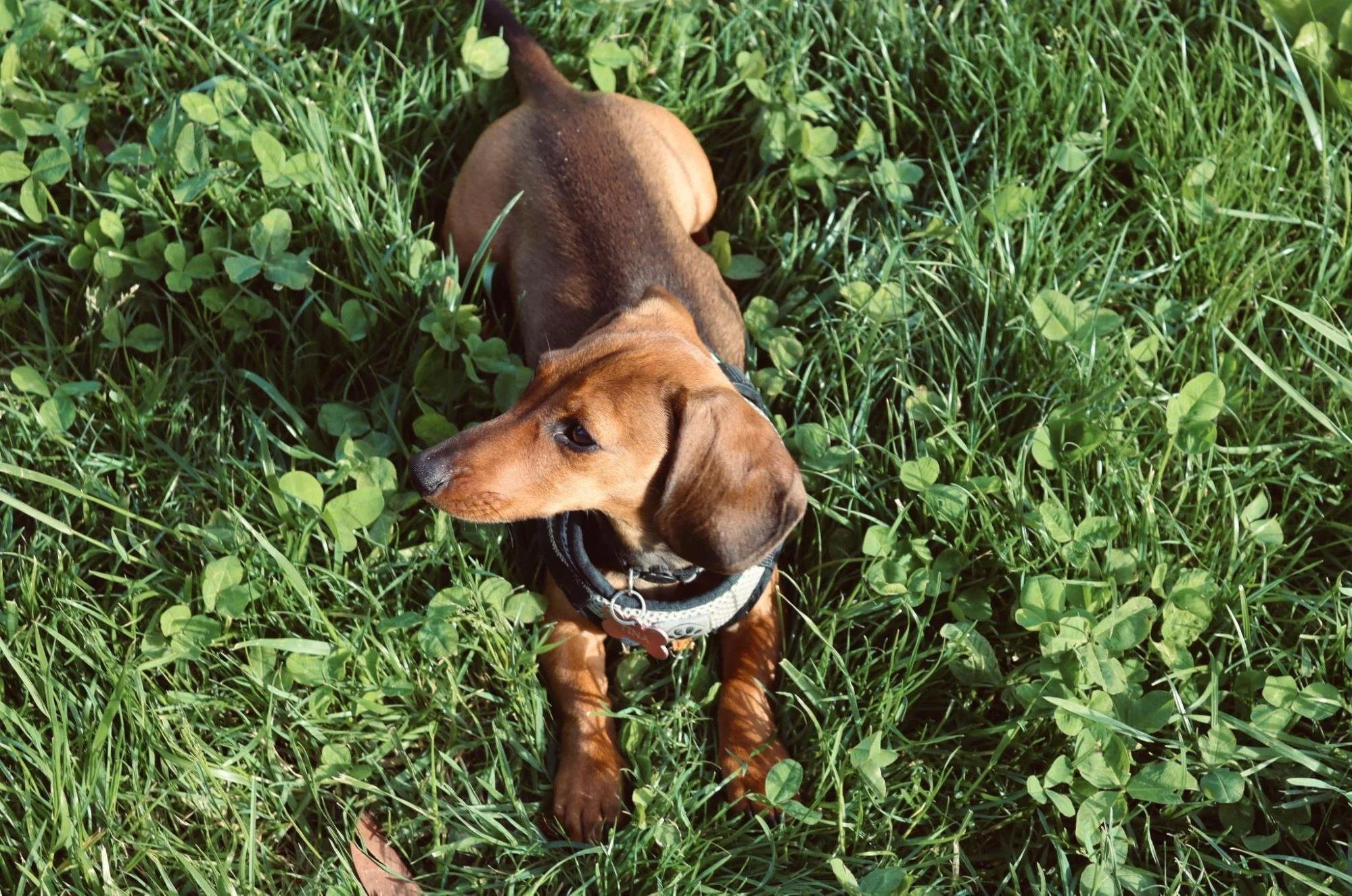
You walk through the front door after a long day, and there it is. Your dog spots you, locks eyes, and goes into this dramatic full-body stretch like they are about to compete in a canine yoga championship. Front paws way out in front, chest low to the ground, rear end up in the air, and that tail going absolutely nuts. Sound familiar?
If you have ever caught yourself wondering "Why Does My Dog Stretch When He Sees Me?" you are definitely not alone. Dog owners all over the world notice this quirky little ritual and can not help but wonder what on earth it means. Is your pup just loosening up stiff muscles? Are they bowing to you like some kind of furry little royal subject? Or is something deeper going on?
Well, the answer is actually pretty heartwarming. That stretch your dog does when they see you is packed with meaning, and once you understand it, your bond with your four-legged friend will feel even stronger. So let us unpack this adorable behavior together and figure out exactly what your dog is trying to tell you.
The Greeting Stretch What Exactly Is Happening
Before we get into the why, let us talk about the what. The stretch most dog owners notice is technically called a "greeting stretch" or sometimes a "greeting bow." It looks an awful lot like the play bow you see dogs do with each other at the park, but there are some subtle differences.
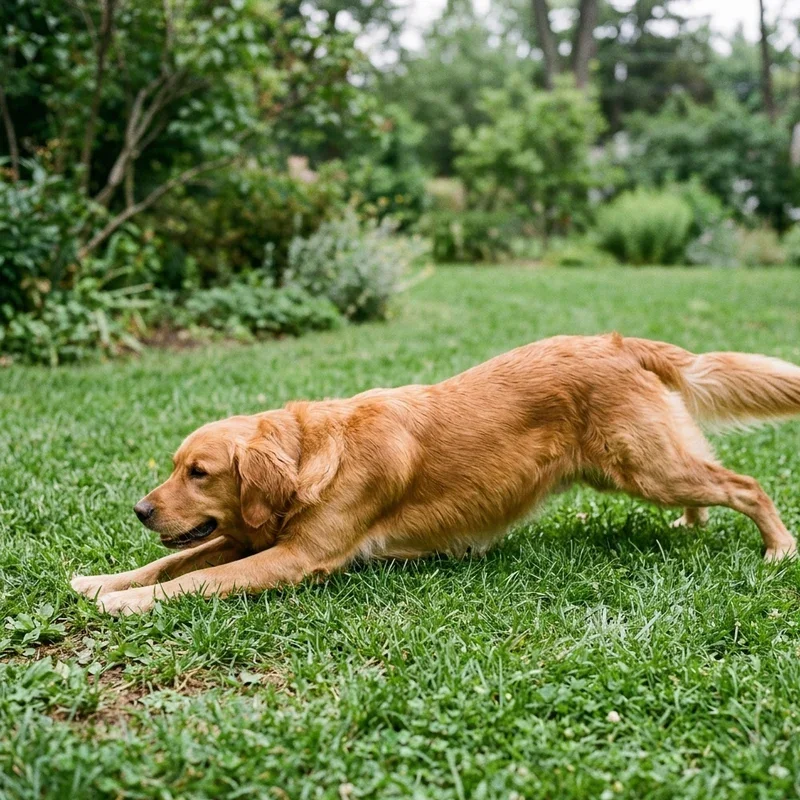
During a greeting stretch, your dog typically extends their front legs out in front of them while keeping their back legs relatively straight. Their chest dips toward the floor, and their hindquarters stay elevated. The tail is usually wagging, the ears are relaxed, and their whole body language screams happiness.
This is not the same stretch your dog does after waking up from a nap, where they are just working out the kinks. The greeting stretch happens specifically when they see you, and the timing is what makes it so special. It is a deliberate, intentional behavior directed right at you, and that makes all the difference in the world.
Why Does My Dog Stretch When He Sees Me? The Core Reasons
Now here is where things get really interesting. That adorable stretch is not just one thing. It is actually a cocktail of emotions and instincts all mixed together. Let us break down the primary reasons your dog does this.
It Is Their Way of Saying Hello
First and foremost, the greeting stretch is exactly what it sounds like. It is a hello. Dogs do not have words, so they communicate through body language. And this particular stretch is one of the warmest, most affectionate greetings in the canine communication playbook.
Think of it like this. When you see a good friend you have not seen in a while, you might open your arms wide for a hug, flash a big smile, or let out an excited "Hey!" Your dog is doing their version of the exact same thing. That stretch is their open arms, their big smile, and their excited greeting all wrapped up in one fluid motion.
They Are Showing You Love and Trust
Here is the really sweet part. When your dog stretches in front of you, they are putting themselves in a pretty vulnerable position. Their belly is partially exposed, their head is down, and they are not exactly ready to bolt at a moment's notice. In the animal kingdom, that kind of vulnerability is a big deal.
By stretching in your presence, your dog is basically saying "I trust you completely, and I feel totally safe around you." It is one of the purest expressions of love and security that a dog can offer. If your pup does this every time you come home, congratulations. You have earned their unconditional trust, and that is not something they hand out to just anybody.
They Genuinely Are Loosening Up Their Muscles
Okay, let us not overthink this entirely. Sometimes a stretch really is just a stretch. If your dog has been lounging on the couch or sleeping in their crate while you were gone, their muscles are going to be a bit stiff. When you walk through the door, the excitement of seeing you gives them a reason to get up and move, and that naturally triggers a good stretch.
It is kind of like when your alarm goes off in the morning and you reach your arms overhead and arch your back before getting out of bed. Your dog was relaxed, maybe even drowsy, and now they are transitioning from rest mode to play mode. The stretch helps get blood flowing to their muscles and loosens up any tightness from being still for a while.
It Is an Invitation to Play
In many cases, the greeting stretch doubles as a play invitation. Dogs use a very similar posture called the "play bow" to signal to other dogs that they are in the mood for some fun. Front end down, back end up, tail wagging like crazy.
When your dog does this as you walk in the door, they might be telling you "Hey, I have been waiting all day, and now that you are here, let us go play!" It is their way of setting the tone for the interaction. They do not want you to just pat them on the head and walk to the kitchen. They want engagement, interaction, and maybe a game of fetch or tug-of-war.
It Relieves Excitement and Nervous Energy
Dogs experience a lot of pent-up energy, especially when they have been home alone for several hours. When you finally show up, all that anticipation comes flooding out at once. The stretch serves as a kind of pressure release valve, helping your dog channel that burst of excitement into a physical movement rather than just losing their mind completely.
You have probably noticed that dogs who do the greeting stretch tend to be slightly calmer in their overall greeting than dogs who jump up, spin in circles, or bark like maniacs. The stretch helps them process that initial wave of excitement in a more controlled way. It is almost like taking a deep breath before doing something thrilling.
The Science Behind the Greeting Stretch
Dog behaviorists and veterinary researchers have spent a good deal of time studying canine body language, and the greeting stretch consistently shows up as a positive, affiliative behavior. That is just a fancy way of saying it is a sign of a healthy, happy relationship between dog and owner.
Studies on canine social behavior show that dogs reserve certain gestures specifically for humans they have strong bonds with. The greeting stretch is one of those gestures. Dogs rarely do this dramatic, drawn-out stretch when they see strangers or people they feel neutral about. It is a behavior that is almost exclusively reserved for their favorite humans.
From a physiological standpoint, the stretch also triggers the release of endorphins in your dog's body. Just like how a good stretch feels amazing for us after sitting at a desk all day, your dog gets a little rush of feel-good chemicals when they do their greeting stretch. So not only are they showing you love, but they are also literally making themselves feel happier in the process. Pretty clever, right?
Researchers at the University of London have also noted that dogs who display frequent greeting stretches tend to have lower cortisol levels overall. Cortisol is the stress hormone, so this suggests that dogs who regularly engage in this behavior feel more secure and less anxious in their home environment. Your dog stretching when they see you is actually a sign of good mental health.
Greeting Stretch vs. Play Bow How to Tell the Difference
People often confuse the greeting stretch with the play bow, and honestly, they do look pretty similar. But there are a few key differences that can help you figure out which one your dog is doing.
The greeting stretch tends to be slower and more deliberate. Your dog holds the position for a moment, almost like they are savoring the moment of seeing you. Their body is relaxed, and there is a sense of calm affection in the gesture.
The play bow, on the other hand, is quick and bouncy. Your dog drops into the position and then springs back up almost immediately, often barking or darting around right afterward. It is high-energy and usually followed by some kind of playful action like grabbing a toy or running in circles.
The context also matters a lot. If your dog stretches right as you walk through the door, it is almost certainly a greeting stretch. If they drop into a similar position in the middle of a play session or when another dog is nearby, that is a play bow.
Of course, sometimes the two overlap. Your dog might start with a greeting stretch and then transition into full play mode within seconds. That is totally normal and just means your pup is both happy to see you and ready to have some fun.
When the Stretch Might Mean Something Else
Now, it is worth mentioning that not every stretch is a warm and fuzzy greeting. In some cases, stretching can indicate something else entirely, and it is important to know when to pay closer attention.
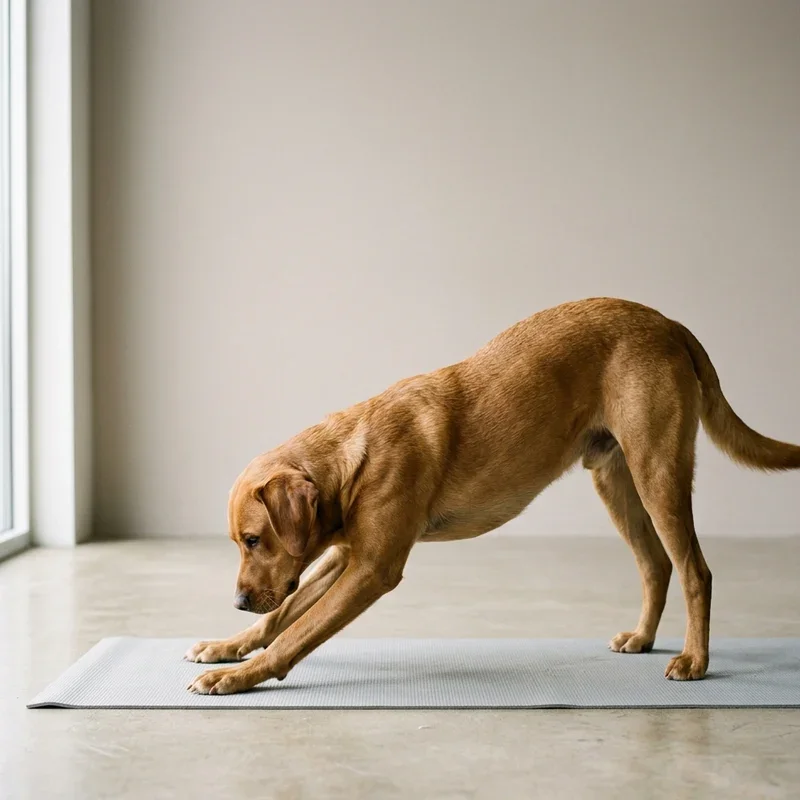
If your dog stretches repeatedly throughout the day, even when you have not just arrived, it could be a sign of abdominal discomfort. Dogs sometimes adopt a stretching posture when they are experiencing stomach pain or bloating. This is especially true if the stretch looks more like a "praying" position, with the front end way down and the back end high up, and it is accompanied by signs of distress like whining, panting, or refusal to eat.
Pancreatitis, gastrointestinal blockages, and other digestive issues can cause dogs to stretch in this way. If you notice excessive stretching that seems unrelated to greetings or play, it is definitely worth a trip to the vet to rule out any medical concerns.
Joint stiffness and arthritis can also cause dogs to stretch more frequently. Older dogs, in particular, might need to stretch more often just to keep their joints mobile and comfortable. If your senior pup is stretching a lot and seems to move a bit stiffly afterward, talk to your veterinarian about pain management options.
The key is to look at the whole picture. A dog who stretches specifically when they see you, with a wagging tail and relaxed body, is giving you a greeting. A dog who stretches constantly, looks uncomfortable, or shows other signs of pain needs medical attention.
What Your Response Should Be
So now that you understand "Why Does My Dog Stretch When He Sees Me?" the next question is how should you respond? Well, the good news is that the best response is also the most natural one.
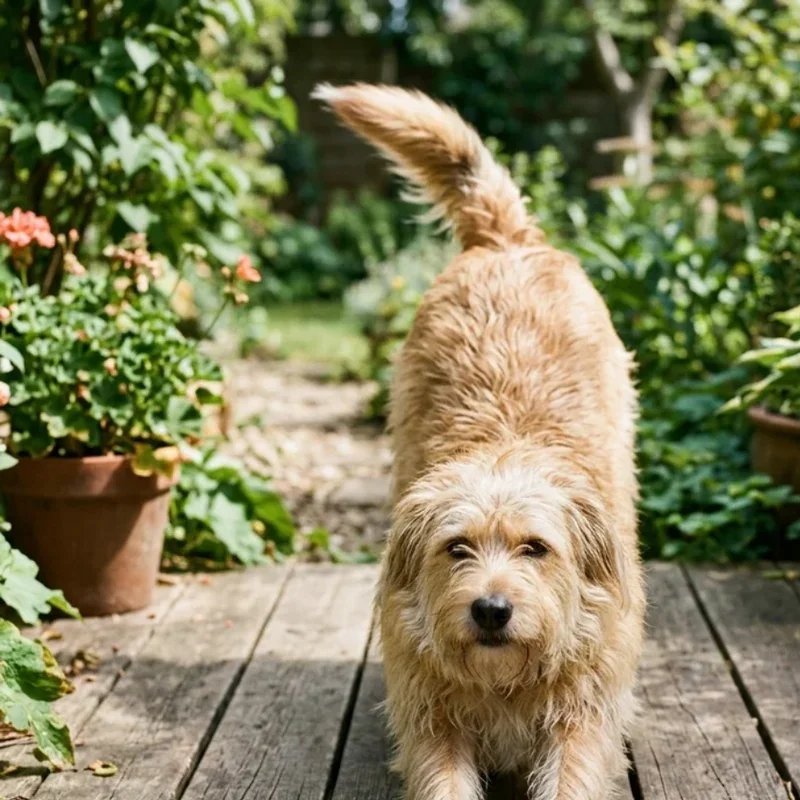
When your dog greets you with a stretch, acknowledge them warmly. Get down to their level if you can, give them a gentle pat, and talk to them in that happy voice we all use with our pets even though we would never admit it in public. Matching their energy tells them that you are just as happy to see them as they are to see you.
Avoid ignoring the greeting stretch. Dogs are perceptive creatures, and if they consistently greet you with love and affection only to be brushed off, it can affect their emotional wellbeing over time. You do not need to throw a parade every time you come home, but a few seconds of genuine acknowledgment goes a long way.
If the stretch transitions into a play invitation, try to spend at least a few minutes engaging with your dog before you get busy with other things. A quick game of fetch, a belly rub, or even just some animated conversation can satisfy their need for connection and help them settle down more quickly.
Breeds That Are Known for the Greeting Stretch
While any dog can do the greeting stretch, some breeds seem to be more enthusiastic about it than others. Retrievers, both Golden and Labrador, are notorious for their dramatic greeting stretches. These breeds are deeply people-oriented and tend to wear their emotions on their furry sleeves.
Boxers are another breed that takes the greeting stretch to the next level. If you have ever been greeted by a Boxer, you know they do not do anything halfway. Their stretches are big, exaggerated, and often accompanied by full-body wiggles that could register on a seismograph.
Greyhounds and Whippets also tend to do a beautiful, elegant version of the greeting stretch. Their long, lean bodies make the stretch look almost balletic, and it is genuinely a sight to see.
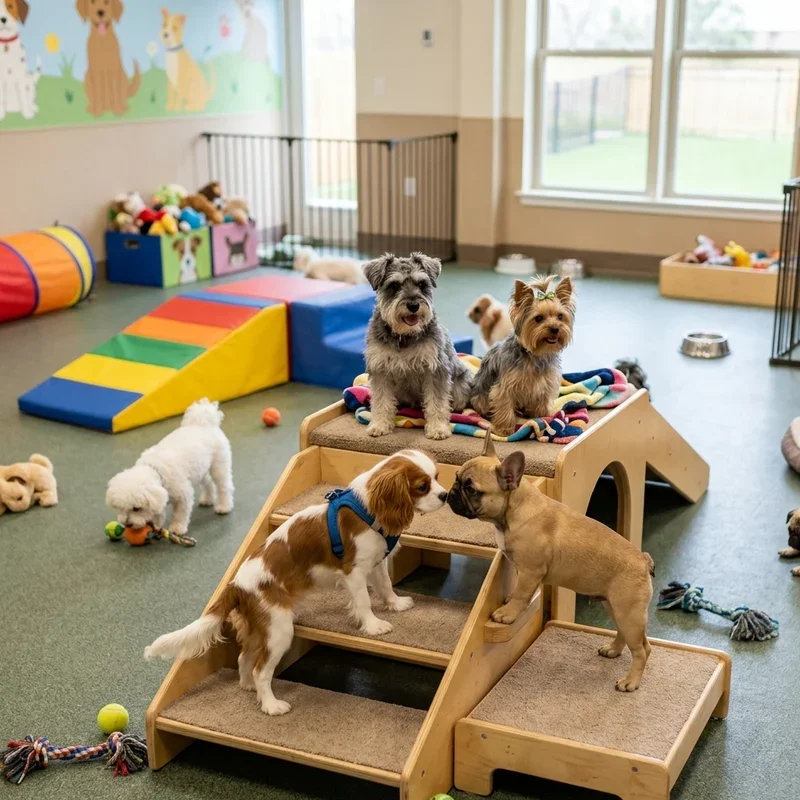
Smaller breeds like Cavalier King Charles Spaniels and French Bulldogs are also frequent greeting stretchers. What they lack in size, they more than make up for in enthusiasm. A tiny dog doing a full greeting stretch with their tail going a million miles an hour is one of the most endearing things you will ever witness.
That said, every dog is an individual. Some dogs prefer to greet you by jumping, spinning, fetching a toy, or simply leaning against your legs. The greeting stretch is just one of many ways dogs express their joy, and the absence of it does not mean your dog loves you any less.
How to Strengthen the Bond That the Greeting Stretch Represents
The greeting stretch is a reflection of the bond you share with your dog, and like any relationship, that bond benefits from intentional nurturing. Here are some ways to keep that connection strong.
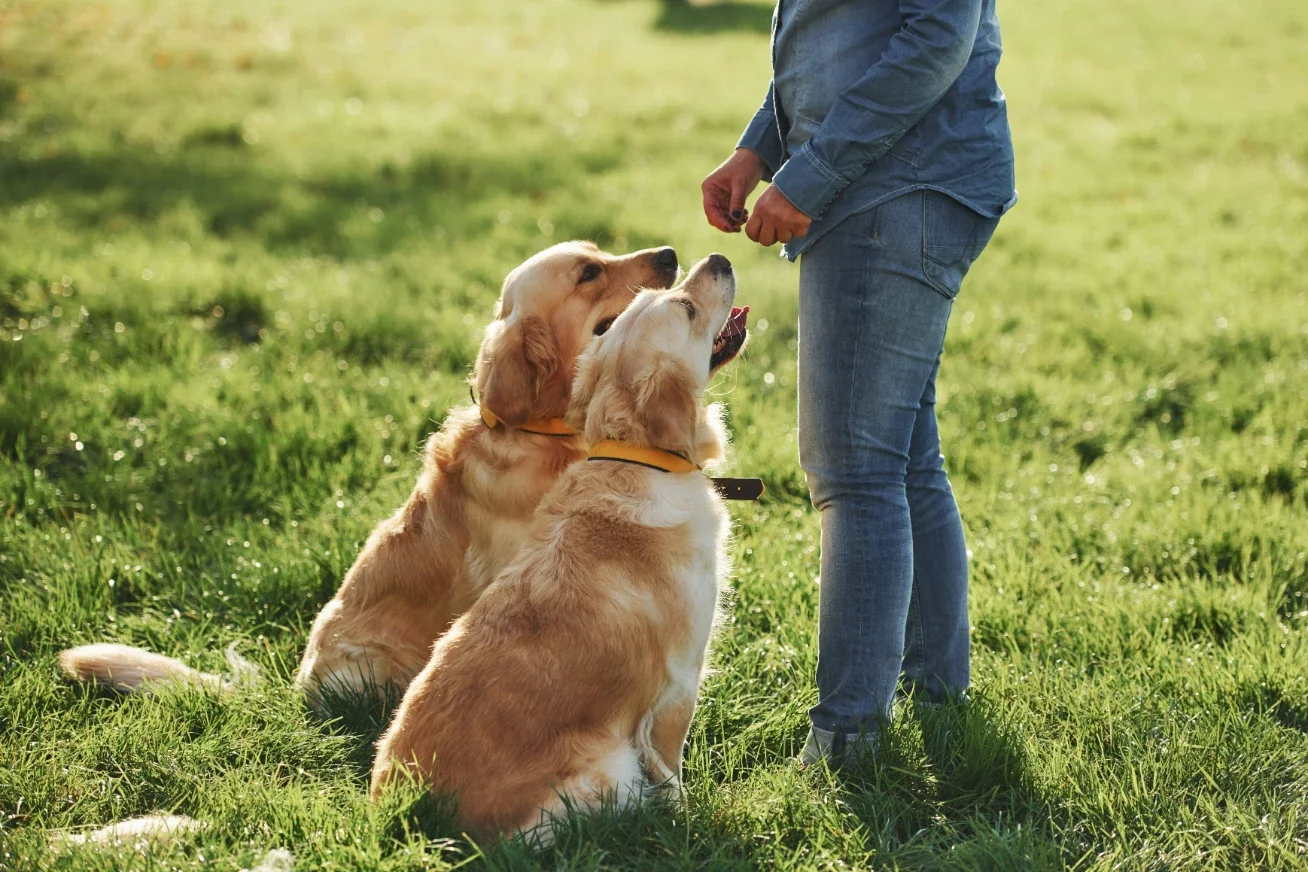
Spend quality time together every single day. It does not have to be hours of activity. Even fifteen minutes of focused, undistracted time with your dog, whether it is a walk around the block, a training session, or just sitting together on the couch, reinforces your bond.
Be consistent in your routines. Dogs thrive on predictability, and knowing when you are going to come home, when meals happen, and when playtime starts helps them feel secure. That security is what fuels confident, happy behaviors like the greeting stretch.
Use positive reinforcement in all your interactions. Reward good behavior with treats, praise, and affection. Avoid punishment-based training methods, which can erode trust and make your dog less likely to display open, vulnerable behaviors like stretching in your presence.
Pay attention to their body language beyond just the greeting stretch. Learning to read your dog's full range of communication signals, from ear position to tail carriage to facial expressions, deepens your understanding of their emotional world and helps you respond more effectively to their needs.
Why Does My Dog Stretch When He Sees Me? Explained for Curious Pet Parents
If you have read this far, you now have a thorough understanding of this charming canine behavior. "Why Does My Dog Stretch When He Sees Me?" is one of those questions that seems simple on the surface but opens up a fascinating window into the emotional lives of our dogs.
The greeting stretch is a beautiful blend of affection, trust, physical need, and social communication. It tells you that your dog is happy, healthy, and deeply bonded to you. And in a world where so many things are complicated, there is something wonderfully pure about a dog who greets you with a stretch and a wagging tail every single time you walk through the door.
Conclusion
That full-body stretch your dog does every time you come home is far more than a simple muscle movement. It is a love letter written in body language, a declaration of trust, and an invitation to connect. Dogs who greet their owners with a stretch are telling you that you are their safe place, their favorite person, and the highlight of their day. So the next time your pup drops into that adorable pose, take a moment to appreciate it. You have earned every bit of that tail-wagging, stretch-filled welcome.
Read next: 15 Pet Shrine Ideas to Honor and Celebrate Your Beloved Pet
Frequently Asked Questions
1.Why does my dog only stretch when he sees me and not other people?
Dogs reserve greeting stretches for people they trust most and feel strongest emotional bonds with.
2.Is the greeting stretch the same thing as a play bow?
They look similar but greeting stretches are slower and calmer while play bows are quick and energetic.
3.Should I be worried if my dog stretches all the time?
Frequent stretching unrelated to greetings could signal stomach discomfort or joint pain requiring veterinary attention.
4.Do puppies do the greeting stretch or is it only adult dogs?
Puppies can start greeting stretching once they develop strong bonds, usually around three to four months old.
5.Can I train my dog to do a greeting stretch on command?
Yes, you can shape this behavior with positive reinforcement, though most dogs do it naturally and instinctively.
Stay up to date with our latest ideas!