How Pet Owners in Flowery Branch Can Reduce Pest Risks Around Feeding and Resting Areas
Learn how Flowery Branch pet owners can reduce pest risks around feeding and resting areas with smart cleaning habits, food storage, and preventive care.

Pets bring warmth into a home, and they bring an unintentional buffet for pests as well. A bowl of kibble, a damp water dish, a worn bed, and a shady corner of the yard all offer something insects and rodents want. Ants follow the scent of food, flies gather around leftovers, fleas ride in on fur, and mice look for easy meals in quiet corners. Prevention works best when it covers both the indoor routine and the outdoor spaces pets use. The sections below describe how pet areas attract pests, which indoor habits matter, how to handle bedding and outdoor zones, and what to do when problems persist.
Why Pet Areas Draw Pests
Pet spaces combine three things pests look for: food, moisture, and shelter. Dry kibble is high in fat and protein, and it keeps for weeks, which makes it as attractive to mice as it is to dogs. Water bowls sit at floor level and often collect spills that dampen the surrounding area. Bedding retains warmth, hair, and dander, which fleas and other insects use for feeding and breeding.
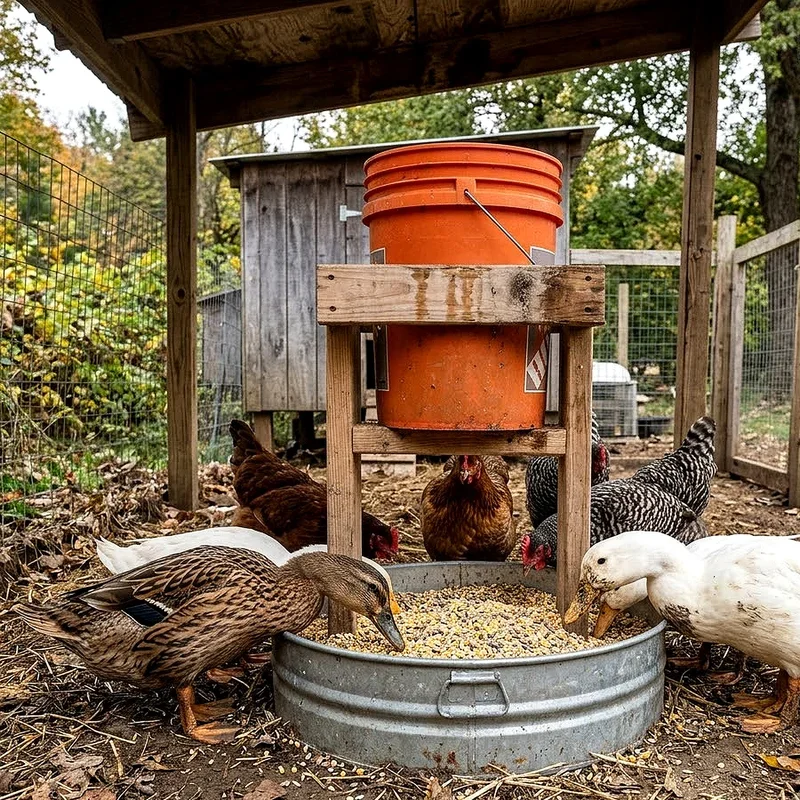
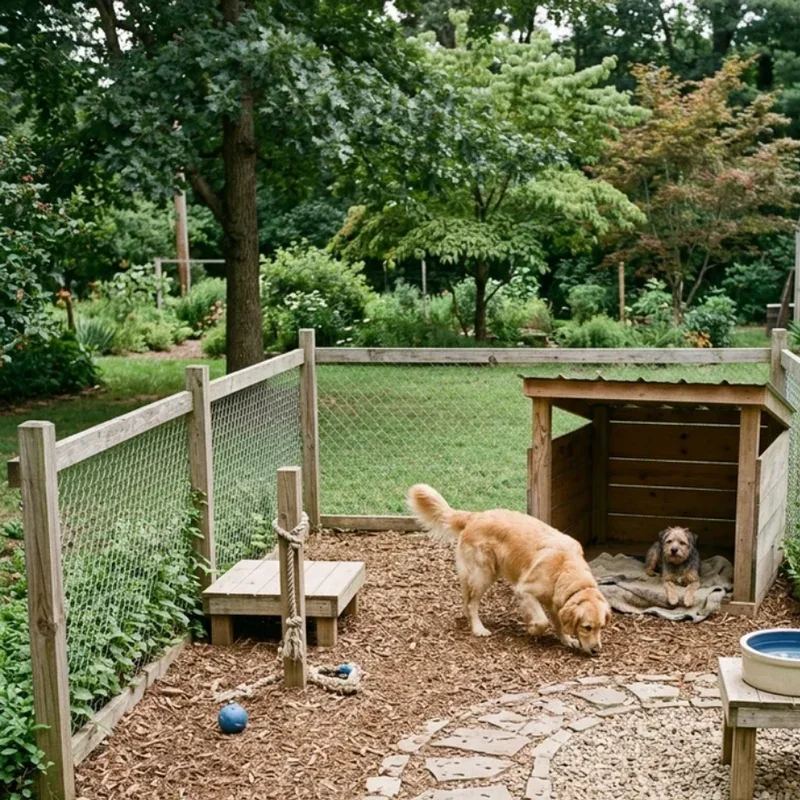
Outdoors, the picture is similar. Kennels, dog houses, and shaded resting spots stay cooler and damper than open lawn, and they collect fur, spilled food, and waste. Toys left in the yard hold moisture and attract insects. Flies find leftover food quickly, and ants arrive within minutes of a spill. Pests do not distinguish between an owner’s kitchen and a pet’s feeding corner, so a well-kept house can still have a weak spot at the dog’s bowl. Recognizing each of these attractants makes it easier to deal with them one at a time.
Indoor Habits That Limit Food and Water Access
Food storage comes first. Keep pet food in airtight containers made of hard plastic or metal, and avoid leaving open bags in a garage or pantry. Mice chew through paper and thin plastic easily, and moths and beetles infest dry food in opened packaging. Scoop only what the pet will eat, and clean up crumbs and spilled kibble right away.
Avoid leaving food out overnight. Pets that graze all day are convenient to feed, but they leave a continuous supply for ants, roaches, and rodents. Feed at set times, pick up bowls once the meal is finished, and wipe the area underneath. Wash food and water bowls daily with hot, soapy water, since residue and biofilm attract insects and spread bacteria. Place a mat under the bowls to catch spills, and wash it regularly. Check that floors near feeding stations are dry. Moisture invites roaches and ants even when food is limited.
Bedding, Toys, and Outdoor Resting Zones
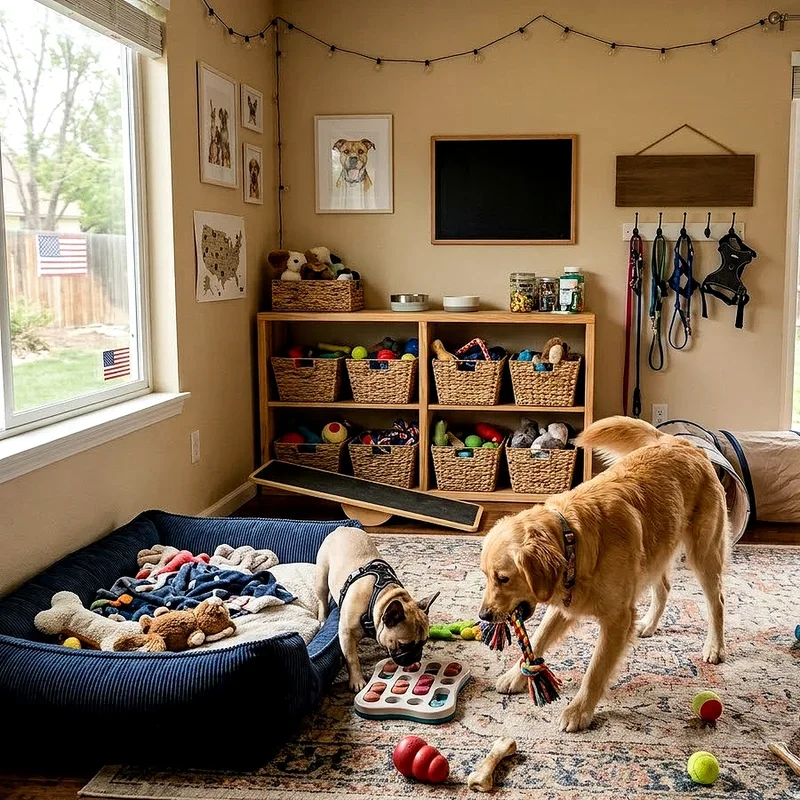
Bedding deserves a regular wash. Fleas lay eggs that fall off the pet into blankets, carpet, and cushions, and the larvae develop in those protected spots. Washing bedding in hot water and drying it on high heat kills eggs and larvae. Vacuum the floors and furniture where pets rest, then empty the vacuum outside. Toys, particularly soft ones, should be washed or replaced when they become dirty.
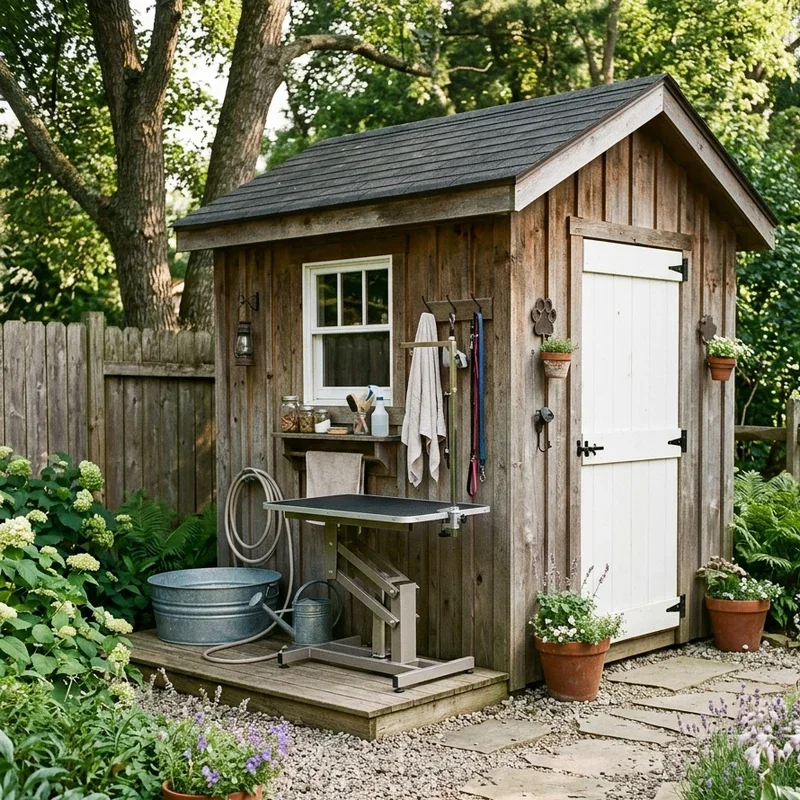
Outdoor resting zones need similar attention. Look under kennels, porches, and decks where pets nap, and clear away old food, damp bedding, and debris. Trim grass and brush around these areas, since tall vegetation shelters fleas, ticks, and rodents. Move kennels away from fences and walls so rodents cannot use them as shelter. Check pest control company in Flowery Branch options only if signs keep returning, since most outdoor issues improve with cleaning, drainage, and removal of clutter. Standing water in bowls, buckets, and low spots should be emptied daily to limit mosquitoes and flies.
When Good Habits Are Not Enough
Sometimes the routine is solid, and pests still appear. Ants may keep returning to the feeding area, fleas may persist despite regular washing, or droppings may turn up near stored food. Several checks help narrow the cause:
Look for entry points near the feeding area, such as gaps along baseboards, pipe openings, and door thresholds
Inspect nearby storage for hidden food, such as treats or loose kibble in cabinets
Check for leaks or condensation beneath water dishes, sinks, and appliances
Examine pet bedding and carpeted areas closely for flea dirt, which looks like black specks
Review outdoor shelter, including kennels, woodpiles, and dense plantings
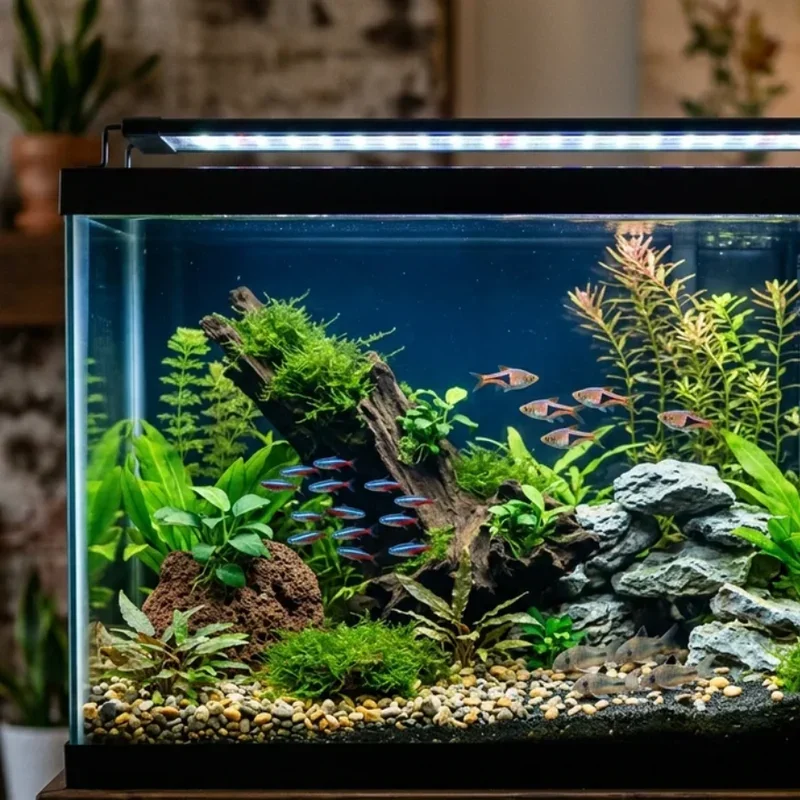
If activity continues after these steps, a pest control company in Flowery Branch can inspect for sources that are hard to see, such as nests inside wall voids, flea populations in carpet or soil, or rodent routes along the foundation. Professional guidance is also useful for deciding on treatments, since products must be chosen with pets in mind. Owners should always tell any provider about the animals in the household, including birds and fish, which can be sensitive to certain products. Persistent problems rarely reflect poor care, and they often indicate an issue the usual routine cannot reach.
Building a Routine That Works Indoors and Out
Consistency beats intensity. A simple routine of daily bowl washing, weekly bedding washing, regular vacuuming, and a quick outdoor check keeps most problems from taking hold. Write the tasks on a calendar if needed, and tie them to existing habits such as morning feeding or weekend yard work.
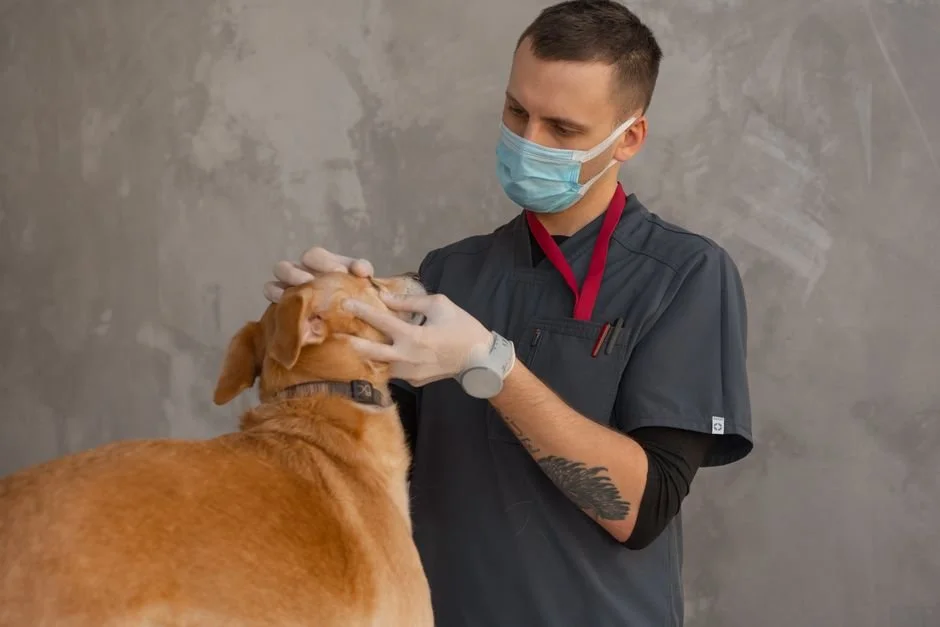
Seasonal changes matter. Spring and summer bring fleas, ants, and flies, while autumn pushes rodents toward warm shelter. Adjust the routine accordingly, with extra attention to outdoor zones in warm months and food storage in cooler ones. Involve everyone in the household so feeding rules, such as removing uneaten food and sealing containers, are followed by all. Talk to a veterinarian about flea and tick prevention for the animals themselves, since treating the pet and the environment together works better than either alone.
End Note
Pets create food, moisture, and shelter in places pests readily find. Secure food in airtight containers, clean bowls daily, wash bedding often, check outdoor resting areas, and avoid leaving food out overnight. Those habits prevent most problems before they begin. When activity continues despite careful cleaning, look for hidden sources and consider professional input. A routine that covers both indoor and outdoor spaces keeps animals comfortable and the home free of unwanted visitors.
Stay up to date with our latest ideas!