What California Pet Owners Should Know About Rat Activity Around Yards and Homes
Learn what California pet owners should know about rat activity around yards and homes, including warning signs, health risks, and practical prevention tips.

A bowl of dog food on the patio, a bag of birdseed in the garage, a cat door that stays open overnight, and a trash can with a loose lid all seem harmless. Together, they can tell a rat that the yard is a good place to live. Pet owners often provide food, water, and shelter without meaning to, and rats are quick to take advantage.
Rodent activity around a yard matters long before rats enter the house. It affects pets, who may chase, bring home, or eat what rats leave behind. It also signals that conditions on the property are supporting a population that may eventually look for a way inside. The sections below explain what attracts rats, why yard activity matters for pet households, and what steps reduce the risk.
What Makes a Yard Attractive to Rats
Rats look for reliable food, water, and shelter, and they prefer places where they can find all three close together and out of sight. Pet households can supply each one. Dry and wet pet food, treats, and scraps are high in energy and easy to find. Water bowls and leaking hoses provide moisture. Dense plants, woodpiles, stored items, and gaps under structures provide cover.
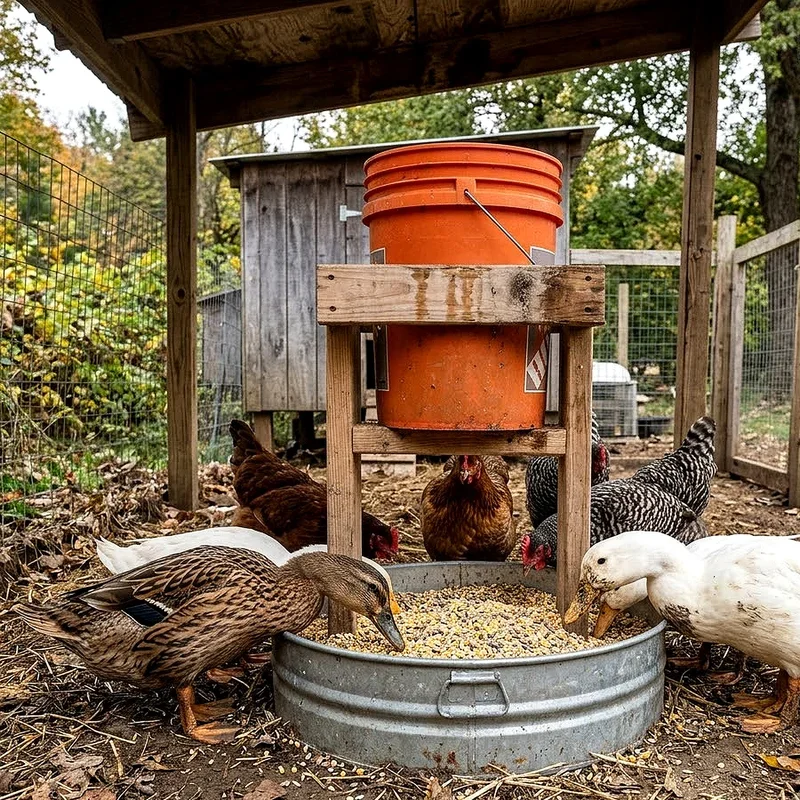
Outdoor feeding areas are one of the biggest draws. Food left in bowls overnight, spilled kibble, and the crumbs around a feeding station give rats a nightly meal. Feeders for birds and wildlife drop seed onto the ground, where rats gather. Chicken or rabbit feed, if stored loosely, adds to the supply.
Waste attracts rats as well. Pet waste left in the yard, trash bags stored outside, and bins with loose lids offer food odors. Compost piles with food scraps are another source. Fallen fruit from backyard trees adds to the buffet.
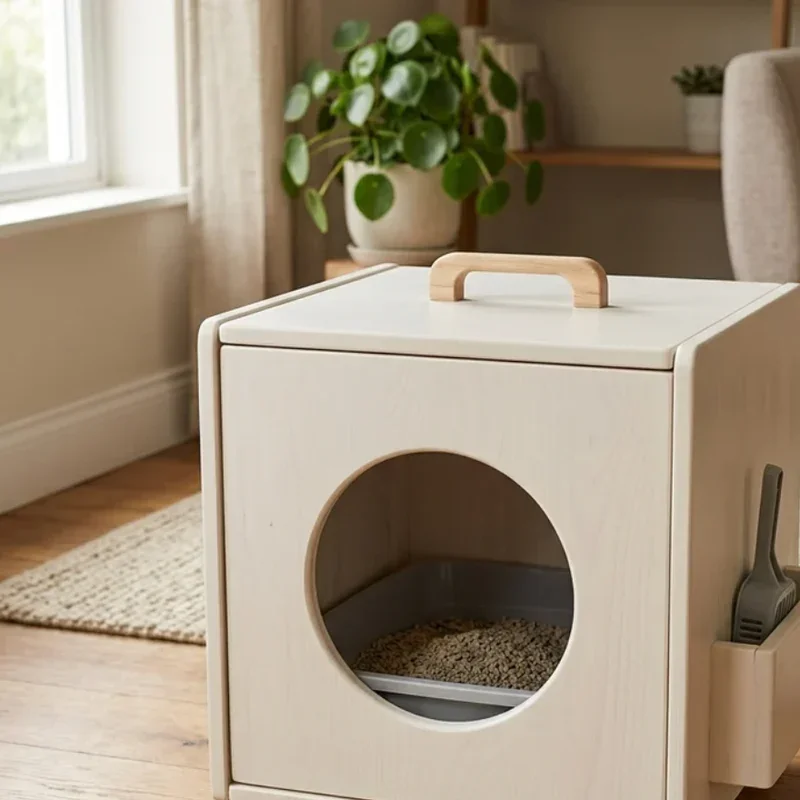
Pet doors create a direct route. A flap that is left open, damaged, or large enough for small animals can allow rats to enter garages, laundry rooms, and kitchens, especially at night when pets are asleep. Rats can also follow the scent of food left near the door.
Why Rat Activity Matters Even Before Rats Enter the Home
Rodent presence in a yard is an early warning. Rats established under a shed, along a fence, or in dense vegetation will explore nearby structures. Once the population grows or conditions change, they search for new shelter. A house with gaps in the roofline, foundation, or utility lines is an easy target.
Pets are directly involved. Dogs and cats may chase, catch, or investigate rats, and encounters can lead to bites and scratches. Pets may bring dead or injured rodents into the home or eat them. Rats can carry parasites and can contaminate food, water bowls, and surfaces with droppings and urine.
Poison baits are another concern. Rodenticides can harm pets and wildlife that eat the bait or an animal that has eaten it. If baits are used on a property, they should be handled by professionals using tamper-resistant stations and a plan that accounts for pets. Exclusion, sanitation, and trapping methods are often preferred in households with animals.
Understanding the types of rats helps. In many parts of California, roof rats and Norway rats are both found. Roof rats climb well and nest above ground in trees, attics, and dense vines. Norway rats tend to burrow and nest at ground level, under structures, and in banks.
People who are unsure how much concern is reasonable often ask are there rats in california near ordinary neighborhoods, and the honest answer is that they are common enough to justify routine precautions around feeding areas.
Local Questions About Rats
Pet owners often search for local answers to a simple question: are there rats in california, and should they expect them around their homes? Rats are found throughout the state, in cities, suburbs, and rural areas. Whether a particular yard has a problem depends on conditions such as food, shelter, and nearby sources, not on a household's cleanliness or care.
Activity can vary by season. Rats may be more noticeable when food is scarce or when weather pushes them to seek shelter. Fruit-bearing trees, dense ivy, and nearby construction can all change local pressure. Watching for early signs allows owners to respond before numbers grow.
Signs include droppings that look like dark grains, gnaw marks on wood or plastic, greasy rub marks along walls and fences, burrows near foundations, nests in attics or woodpiles, and noises at night. Tracks in dust or soft soil, and chewed food bags, are also clues. A pet that is unusually interested in a particular spot may be reacting to scent or sound.
Early detection helps because rats reproduce quickly. A small group can become a large one within months. Taking action at the first signs is far easier than controlling an established infestation.
Habits That Reduce Attraction Around Pet Areas
A set of steady habits lowers the appeal of the yard:
Feed pets indoors when possible, or pick up bowls as soon as meals are finished
Store pet food and birdseed in sealed metal or heavy plastic containers
Clean feeding areas, sweep up spilled food, and hose down the area regularly
Use trash cans with tight-fitting lids, and keep them away from walls and fences
Pick up pet waste daily, and bag it securely
Harvest fruit promptly and remove fallen produce
Check pet doors for damage and gaps, and lock them at night if possible
Keep woodpiles, boxes, and stored items off the ground and away from structures
Trim dense shrubs, ivy, and branches that touch the house or roof
Water management also helps. Fix leaking hoses, spigots, and irrigation lines, and empty containers that hold water. Bring in water bowls at night when practical.
Walk the yard regularly. Look along fences, under decks and sheds, and around the base of walls for burrows, droppings, and chewed material. Inspect the exterior of the home for gaps around pipes, vents, and the roofline, and seal them with durable materials such as metal mesh and sealant.
Watch your pets. A change in behavior, such as persistent sniffing or digging in one area, can indicate rodent activity. Keep pets away from suspect areas and from any bait or trap stations.
When to Seek Help
Occasional signs may respond to better sanitation and sealing. But if droppings, gnawing, or sightings continue, or if activity moves toward the house, professional help is warranted. A technician can identify the species, locate nests and entry points, and recommend a plan that fits a household with pets.
Ask about methods and safety. Request details on trapping options, tamper-resistant stations, and how treated areas will be separated from pets. Ask what follow-up visits will include and what repairs or habit changes will make the plan work.
Veterinary advice matters if a pet has contact with rats or bait. Contact a veterinarian promptly if a pet has eaten a dead rodent, been bitten, or shows signs of illness, and bring information about any products used on the property.
Keep records of sightings, repairs, and treatments. These notes help track progress and show whether conditions are improving. Continued habits after treatment keep rats from returning.
Key Takeaways
Pet food, water bowls, outdoor feeding areas, waste, birdseed, and pet doors can unintentionally make a property attractive to rats. Yard activity matters for pet households even before rats reach the home, since it can bring parasites, contamination, and pressure on the house.
Bringing food indoors, cleaning feeding areas, securing waste, checking pet doors, and watching for droppings or gnawing near pet spaces reduce the appeal of the yard. When signs persist, professional help can find the cause and protect both the home and its animals.
Small changes around feeding areas and waste make a yard far less welcoming. Pet owners who build those habits protect their animals, their homes, and their peace of mind.
Stay up to date with our latest ideas!