15 Old Barn Restoration Ideas to Preserve Rustic Charm
Bring an old barn back to life with 15 restoration ideas that protect weathered wood, honest structure, and all that hard-earned rustic charm.
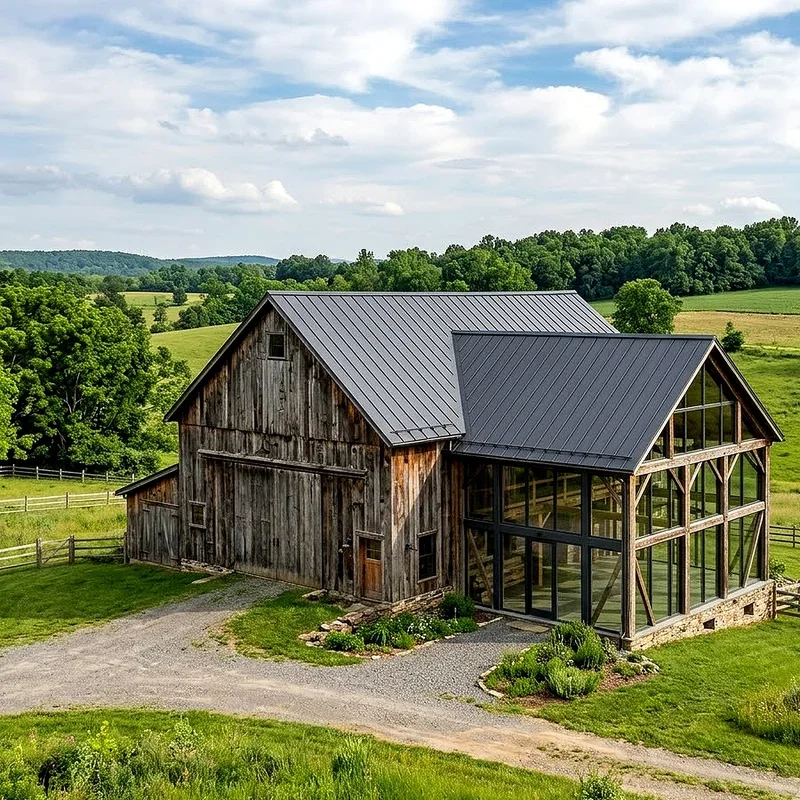
There's something about an old barn that grabs you by the collar. Maybe it's the silvered siding, or the way sunlight slices through gaps in the boards like light through a cathedral window. But charm alone doesn't hold up a roof. If you've inherited a leaning, creaking barn and you're wondering whether to save it or level it, I'd say give it a fighting chance first. Restoration isn't about making the building look new. It's about keeping the scars, the hand-hewn beams, and the stories baked into the grain, while quietly fixing everything that keeps it standing. Here are fifteen ideas that do exactly that.
1. Start With an Honest Structural Check
Before you fall in love with paint colors, crawl around and find out what the barn is actually telling you. Grab a screwdriver and press it into the posts near ground level, because rotten wood surrenders instantly while sound timber pushes right back. Look for sagging ridgelines, bowed walls, and daylight showing up where daylight has no business being. Check whether the beams still sit square in their pockets or whether gravity has been quietly winning for forty years. I sketch a rough map of every problem I find, then rank each one by how badly it threatens the whole frame. Think of it like triage in an emergency room. Cosmetic issues can sit in the waiting area. Rot, insects, and a failing foundation cannot.
2. Save the Original Timber Frame Wherever You Can
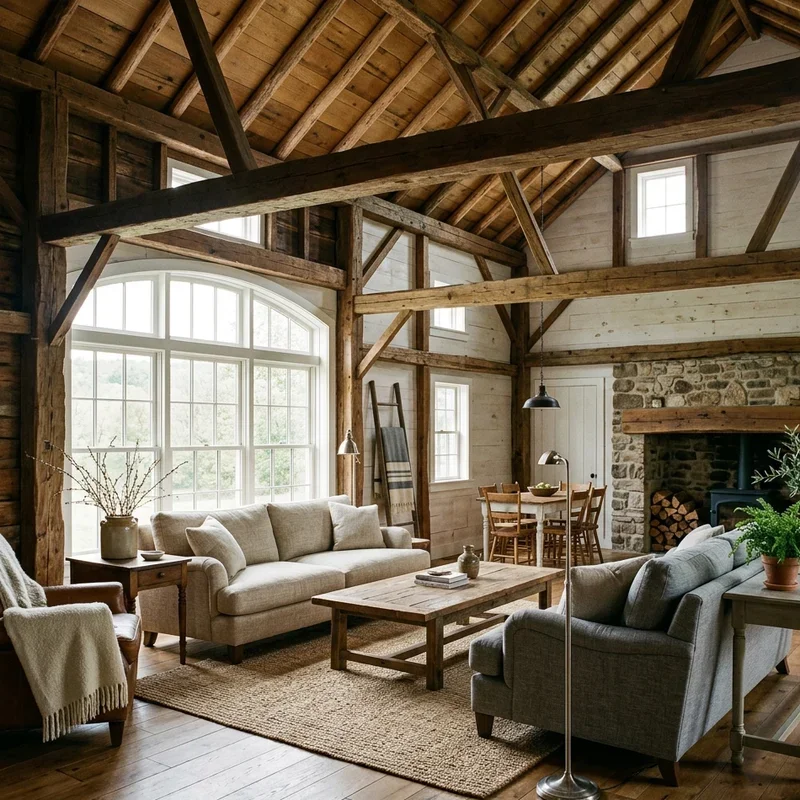
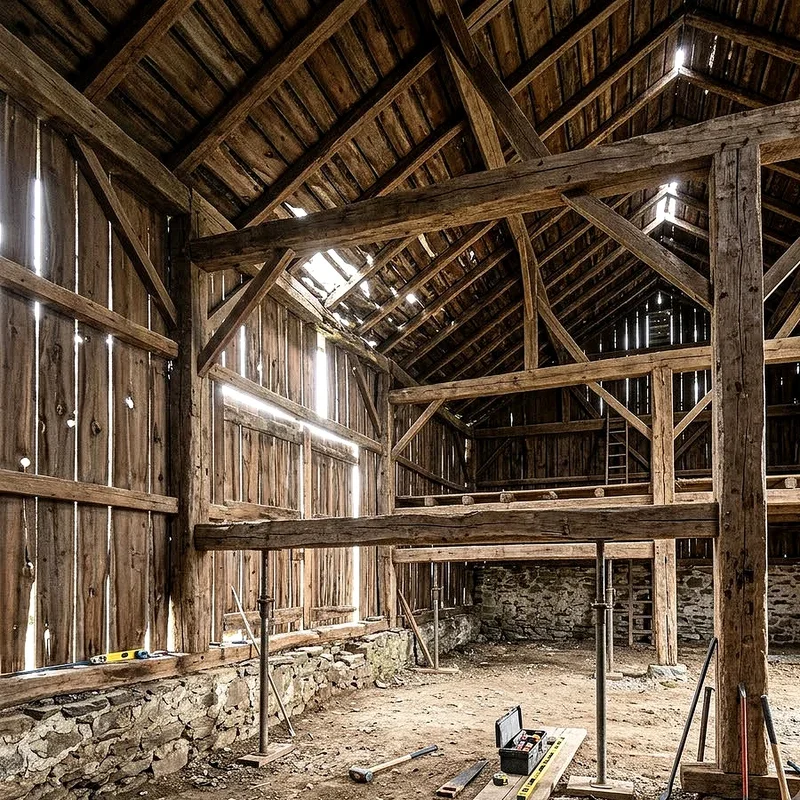
That frame is the soul of the building, so treat it like a patient rather than a problem. Old mortise and tenon joinery was cut by hand, pegged tight, and designed to flex with wind and snow load, which is why so many of these barns outlive the houses beside them. Instead of ripping out a compromised post, consider scarf joints, sistered members, or steel plates tucked where nobody looks. Why replace a beam that carries two centuries of axe marks when you can splice a healthy section onto its bad end? Clean the timbers gently with a stiff brush, never a pressure washer, because blasting away that patina erases the exact thing you're trying to protect. Patience here pays off enormously.
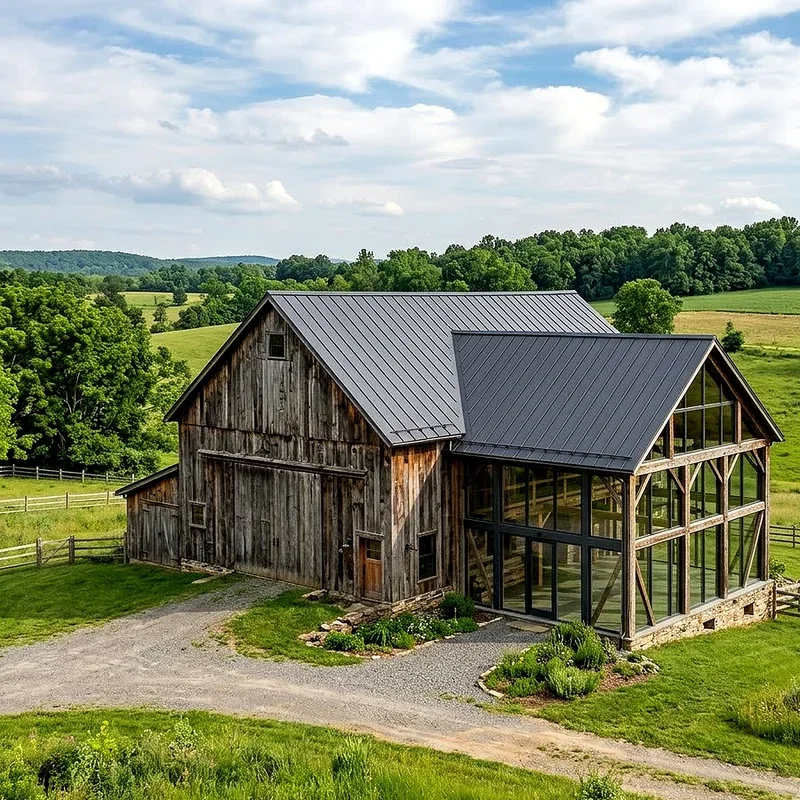
3. Repair the Foundation and Sill Beams First
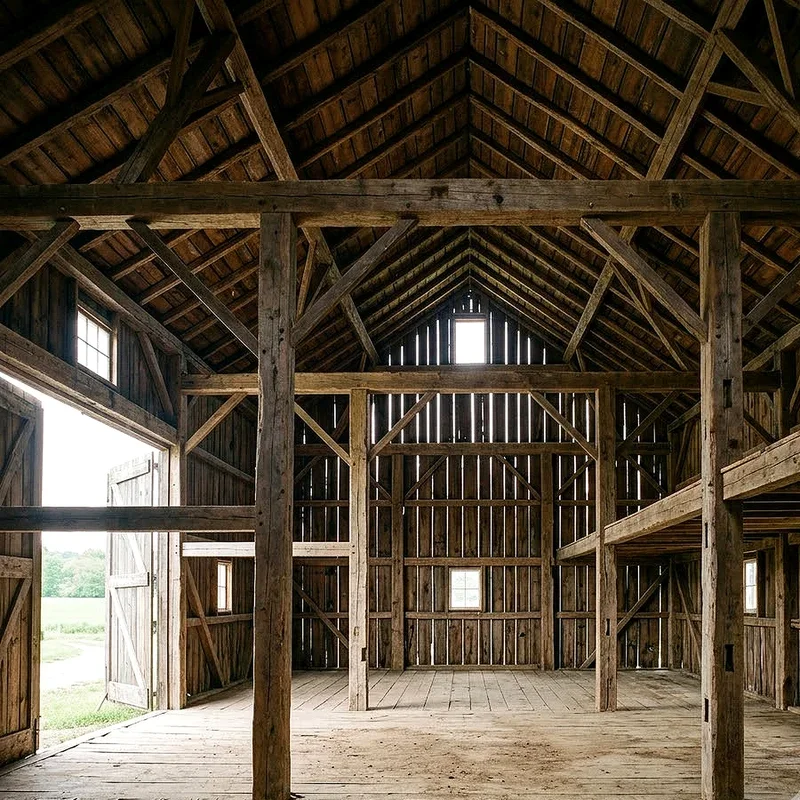
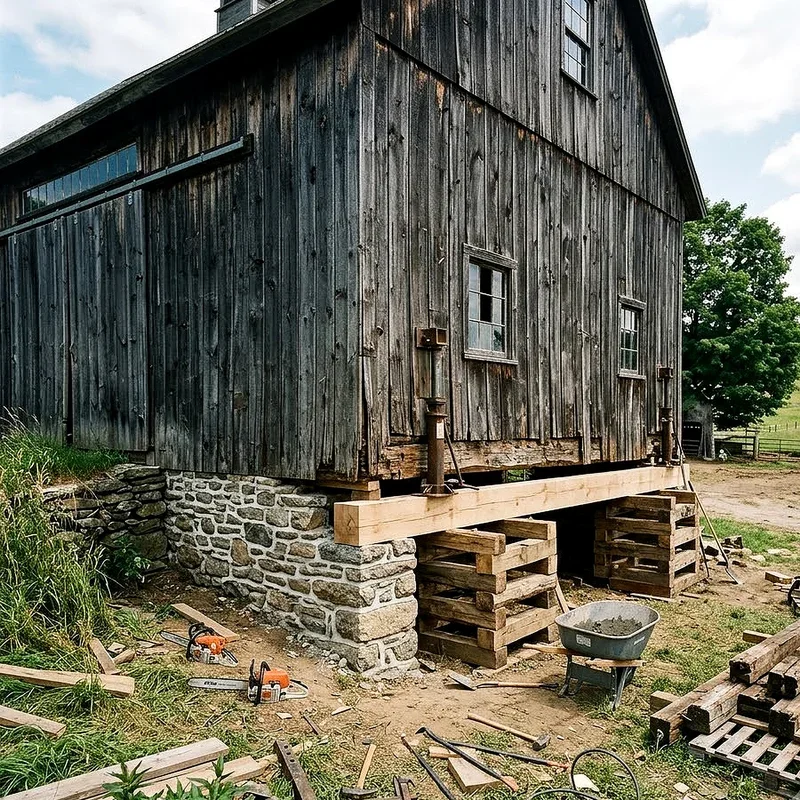
Water is the real villain in every barn story, and it always attacks from the bottom. Sill beams rest closest to the ground, soak up splashback, and quietly turn into sponge before anyone notices. Jack the structure slowly, an eighth of an inch at a time, and let the frame settle between lifts so nothing cracks in protest. Replace failed sills with pressure treated timber or salvaged oak, then set them on a proper stone or poured footing that keeps moisture at arm's length. Regrade the soil so rainwater runs away from the walls instead of pooling against them. Fix this layer and everything above it stops moving. Skip it, and every other repair you make is basically decoration on a sinking ship.
4. Re-roof With Standing Seam Metal
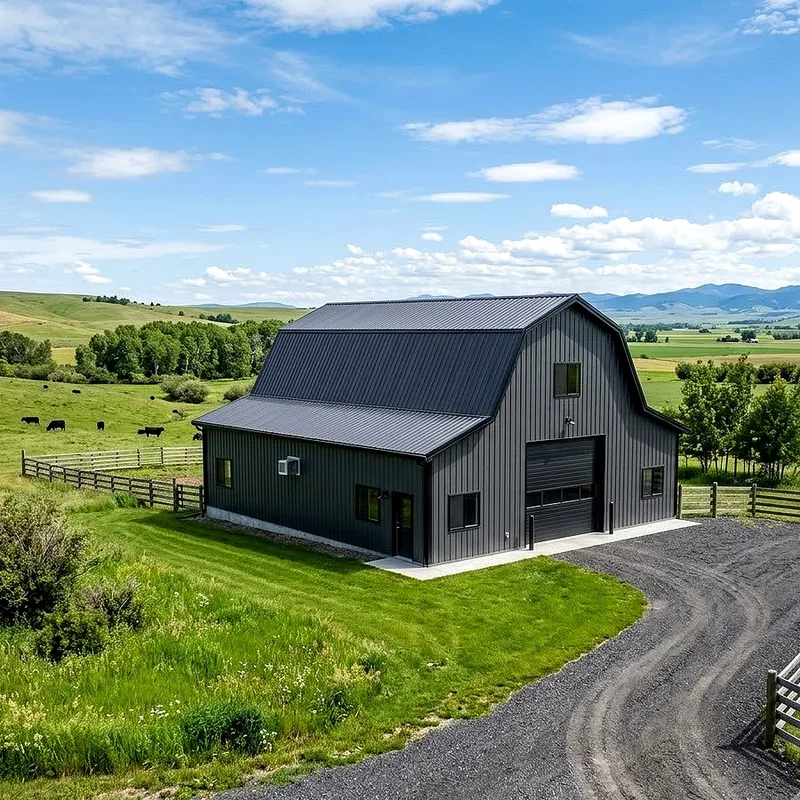
A leaking roof will undo months of careful work faster than anything else, so make it your first big investment after the structure is stable. Standing seam metal suits barns beautifully because it echoes the corrugated tin many of them wore originally, sheds snow like a dream, and lasts fifty years with almost no fuss. Choose a muted color, think weathered galvanized, deep barn red, or matte black, so the roof reads as authentic rather than suburban. Before the panels go on, replace any punky sheathing and add a breathable underlayment. If your barn still has its original cedar shakes and they're salvageable, restoring those is the purist's path. Either way, the rule stays simple. Dry building, happy building.
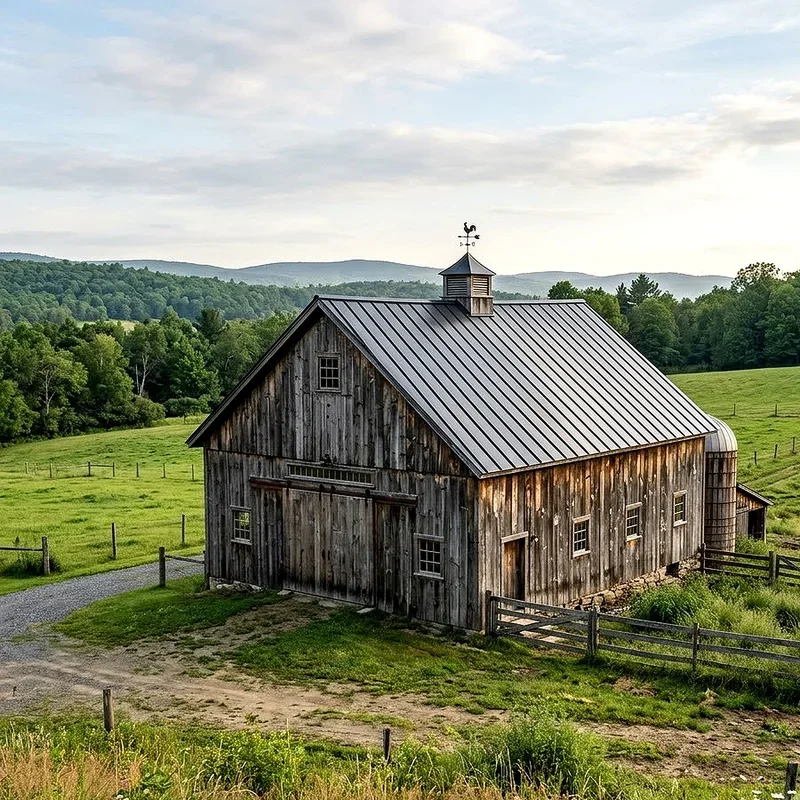
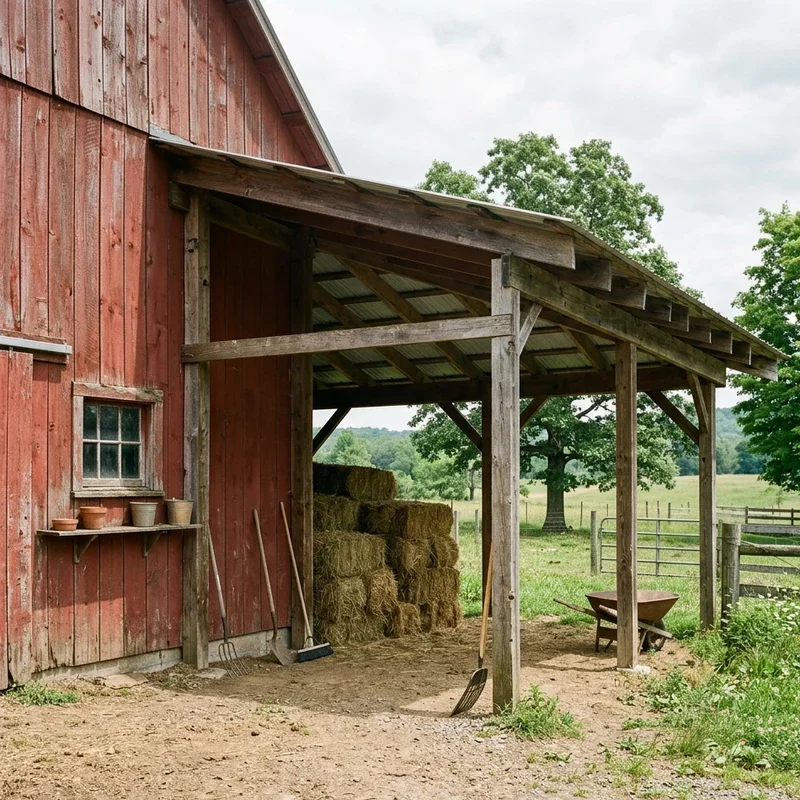
5. Keep the Weathered Siding and Patch It Smartly
Here's where people make their biggest mistake. They tear off the gray, cracked, gorgeously aged siding and staple up fresh boards that look like a movie set. That silvery surface took decades of sun and rain to develop, and you cannot buy it in a store. Instead, pull only the boards that have rotted through, then patch with reclaimed lumber scavenged from the barn's hidden side or a salvage yard. Match the width and saw pattern so repairs disappear into the wall. For gaps that let in weather, add a layer of sheathing behind the siding rather than filling every crack in front. The outside stays honest and old. The inside finally stays warm and dry.
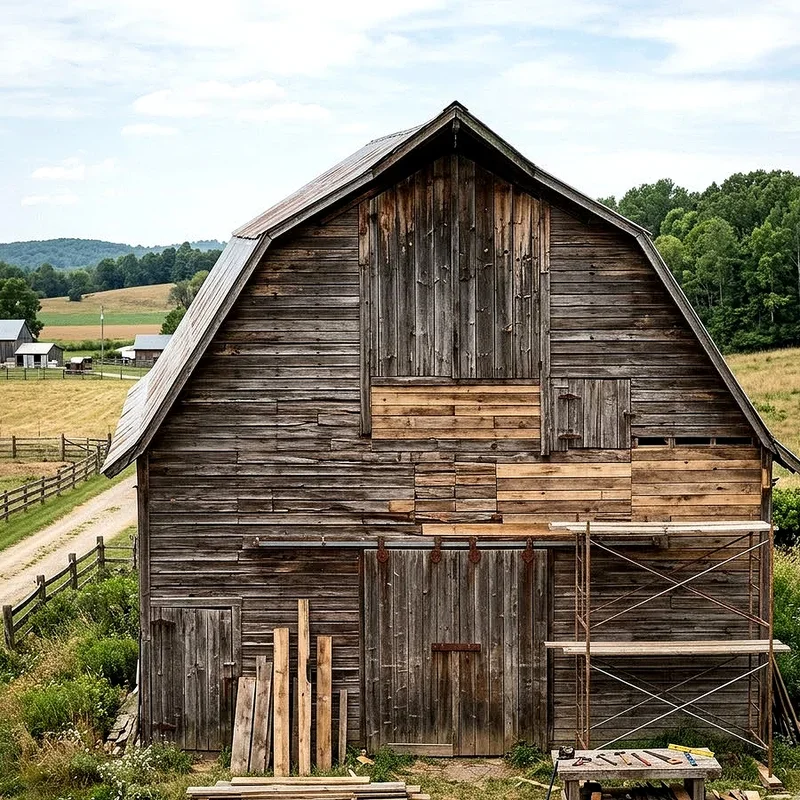
6. Bring Back the Big Sliding Barn Doors
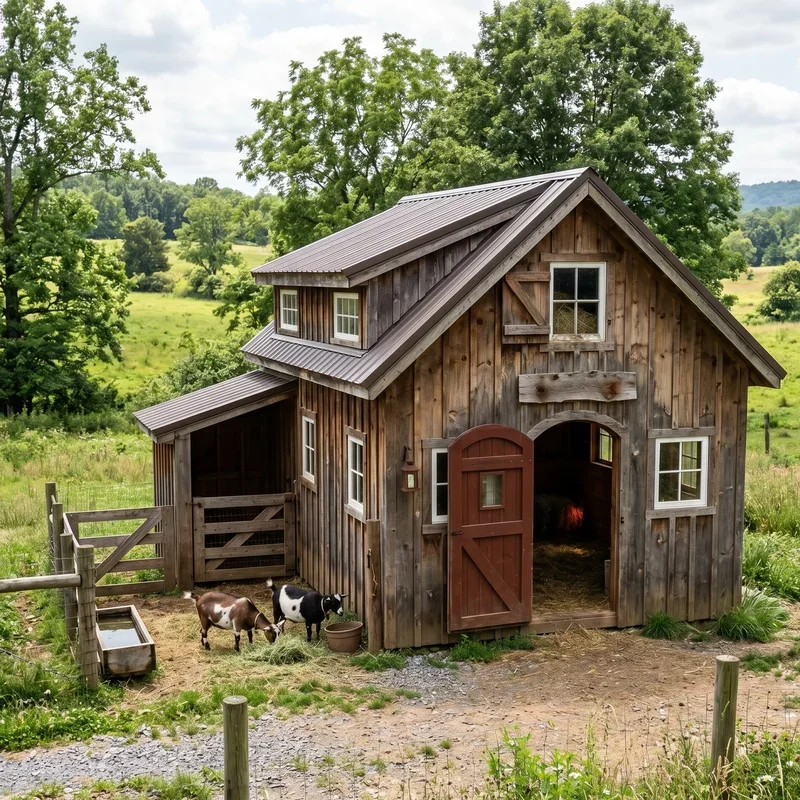
Nothing announces a restored barn quite like a pair of massive doors gliding open on a steel track. If the originals still exist, rebuild them rather than replacing them, tightening the cross bracing, replacing split boards, and soaking the hardware in vinegar to lift decades of rust. Hung correctly, a door weighing several hundred pounds should move with one hand, almost like a cathedral gate on ball bearings. Missing your originals? Build new doors from reclaimed planks using the same Z brace or chevron pattern common in your region, and hang them on exposed black rail hardware. Add a smaller walk door inside one panel for daily use, so you're not sliding a monster open just to fetch a rake.
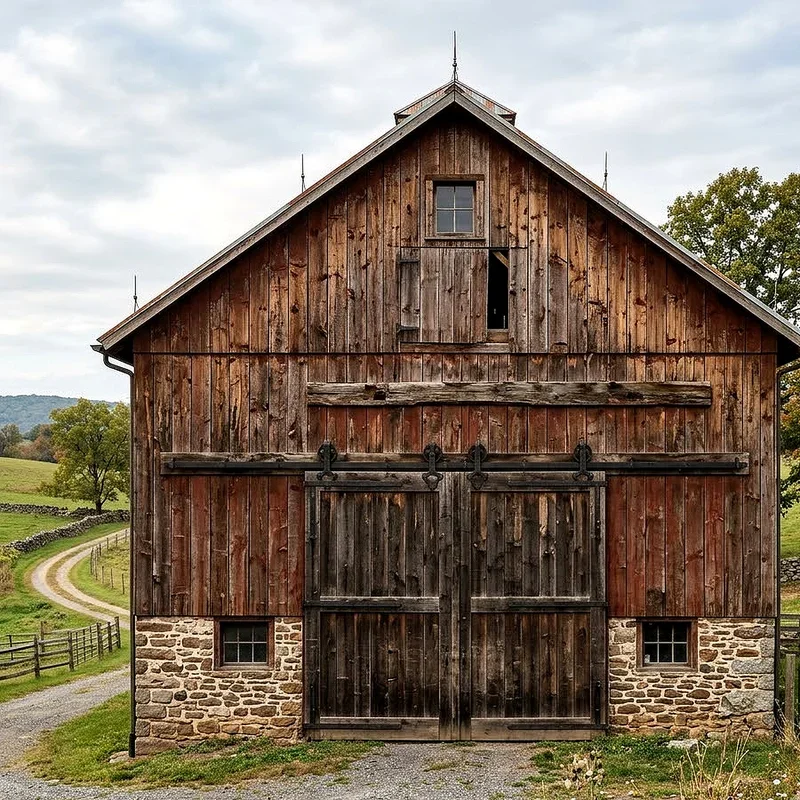
7. Add Windows That Flood the Space With Light
Barns were built for livestock and hay, not for reading novels, so they're usually dim as a cave. Fixing that without wrecking the exterior takes restraint. Start by restoring existing openings, reglazing old sash, and freeing shutters that haven't moved since the Carter administration. Then look for spots where new glass reads naturally, like the gable ends, the old hay door opening, or a single large sliding glass panel tucked behind an existing door track. Divided lite windows in black frames feel right at home. Resist the urge to punch symmetrical rows of vinyl windows across a wall, because barns were never symmetrical and that pattern screams renovation. Let the light in through openings the building already understands.
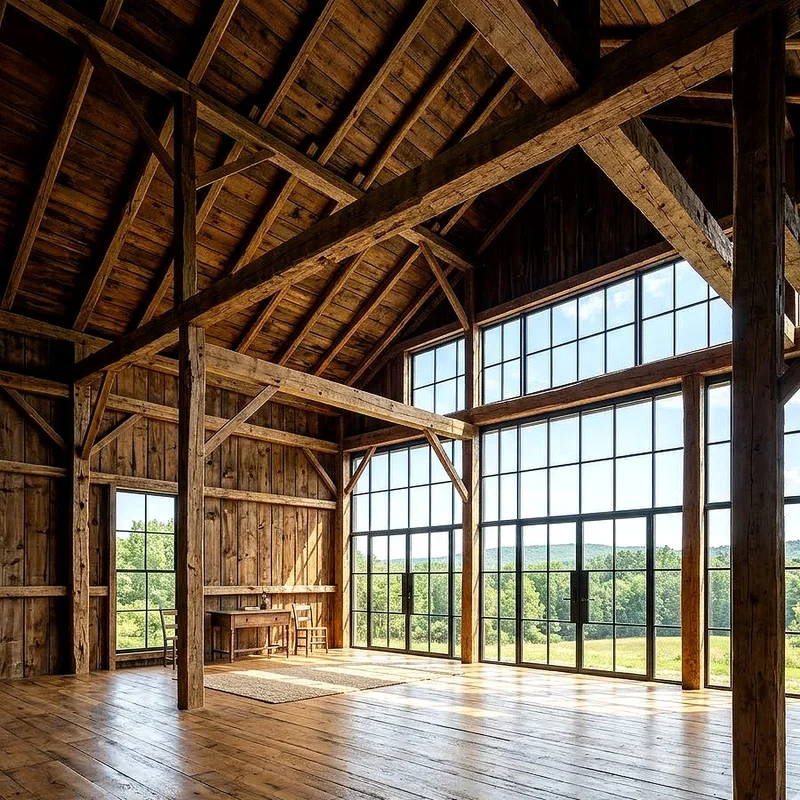
8. Restore the Hayloft as a Usable Second Level
That loft has been storing dust and pigeons for years, and it's begging for a second act. Check the joists carefully, sister anything questionable, and confirm the floor can handle people rather than loose hay, which distributes weight completely differently. Once it's solid, the possibilities open up fast. A guest sleeping area, a studio, a reading nook, or simply an open mezzanine that lets you look down into the main volume below. Keep the railing simple, maybe black pipe, cable, or reclaimed boards, so it disappears against the timber. Leave the original ladder in place as sculpture and add proper stairs elsewhere. Suddenly you've nearly doubled your usable square footage without touching the footprint or the roofline.
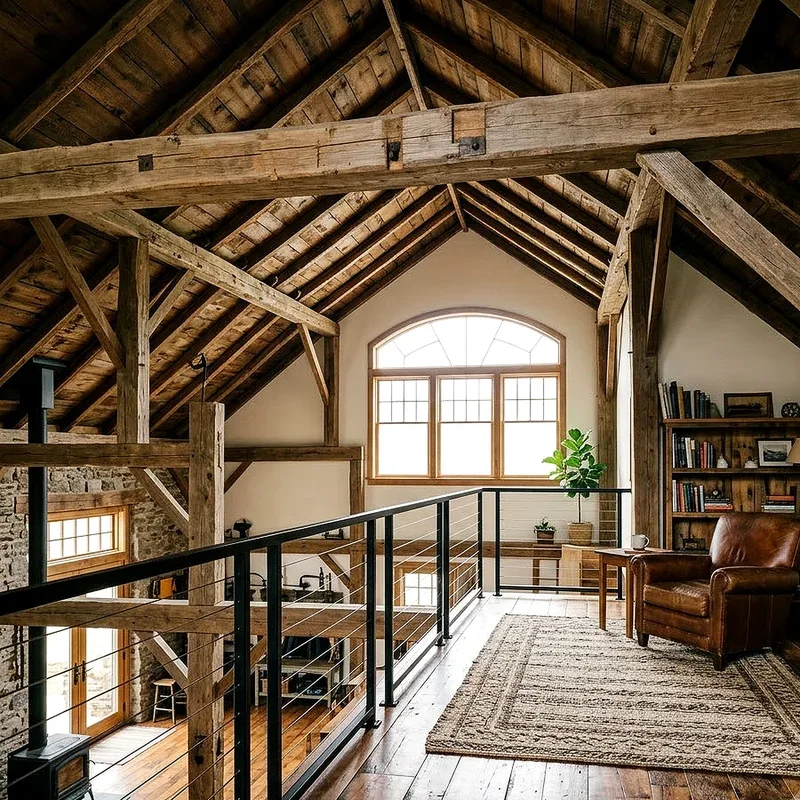
9. Turn Old Stalls Into Storage or Seating Nooks
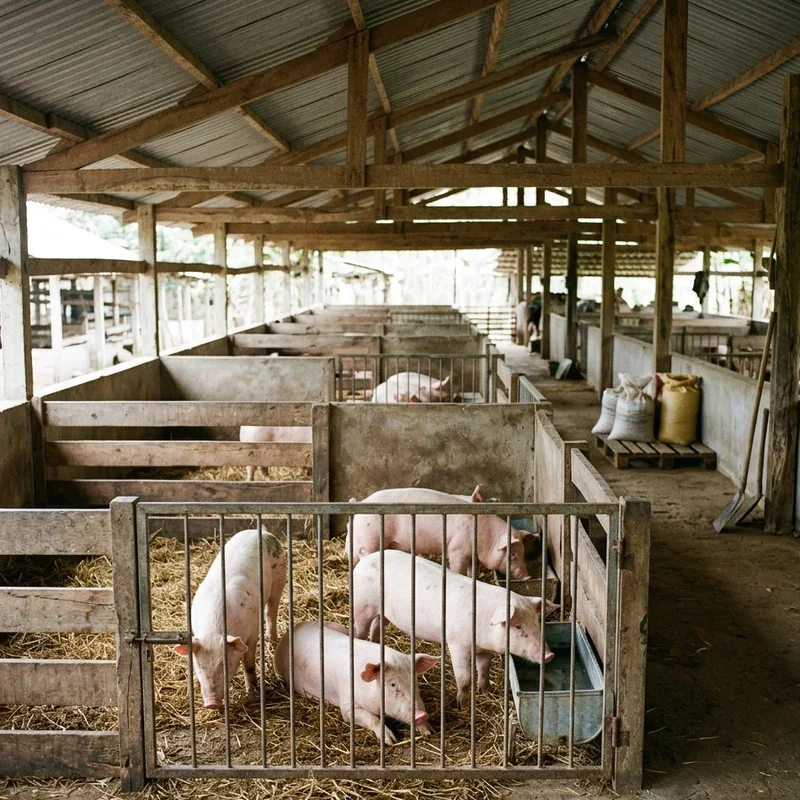
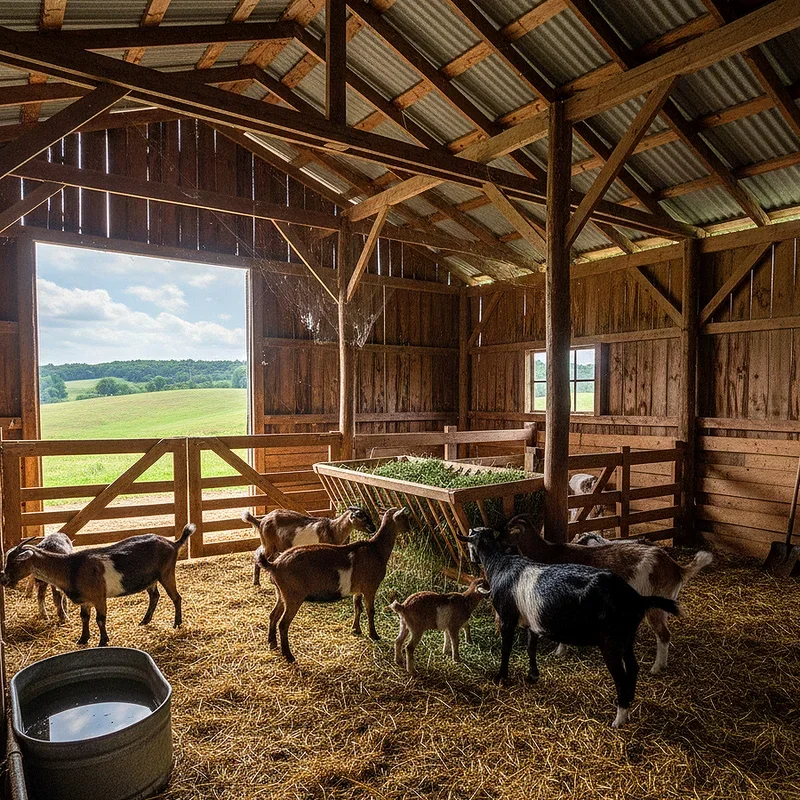
Don't bulldoze the interior partitions just because horses moved out decades ago. Those stall walls, feed bins, and hay racks carry more character than anything you'll build from scratch. Convert a stall into a mudroom with hooks along the worn top rail, or line one with cushions and turn it into a window seat that feels like a private booth. Feed troughs make excellent planters, firewood bins, or beverage coolers when you're hosting. I once saw a former tack room become a pantry, complete with original bridle hooks holding cast iron pans. The bones already define the space beautifully, so work with those divisions instead of fighting them. Adaptive reuse always beats demolition when charm is the goal.
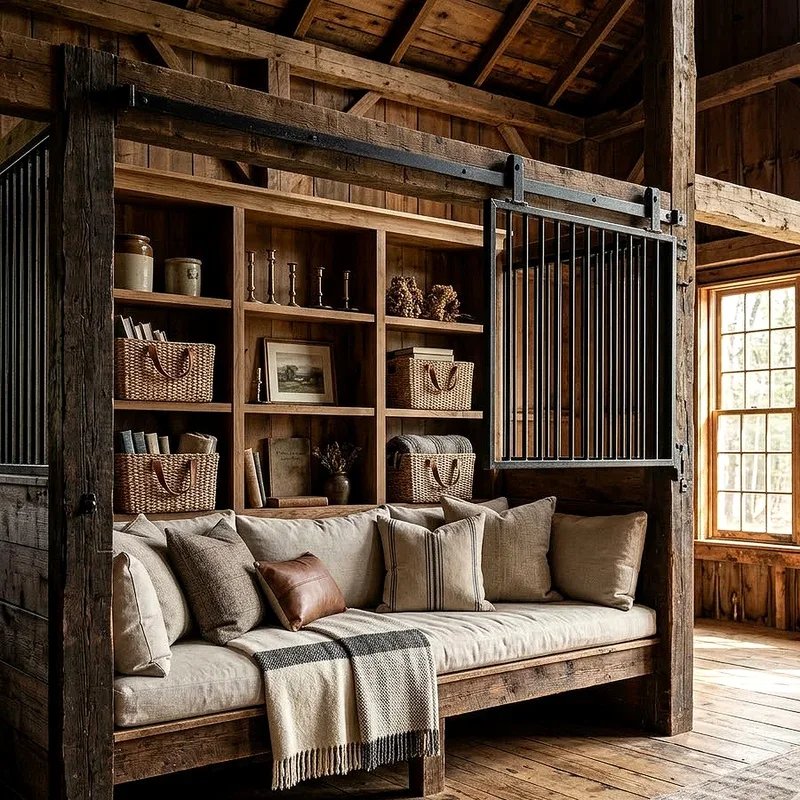
10. Choose a Floor That Honors the History
Flooring makes or breaks the whole mood, and you've got three strong directions. Original wide plank wood, if it survives, deserves nothing more than cleaning, securing loose boards, and a matte penetrating oil that leaves the color alone. Dirt or gravel floors can be replaced with polished concrete, which sounds modern but actually reads beautifully against rough timber, like a still pond beneath a forest canopy. Radiant heat tucked inside that slab solves comfort problems in one move. The third option is reclaimed wood from another building, laid in mixed widths so it never looks factory fresh. Whatever you pick, skip glossy finishes and fake distressing. Real barns earn their wear honestly, and your floor should be allowed to do the same.
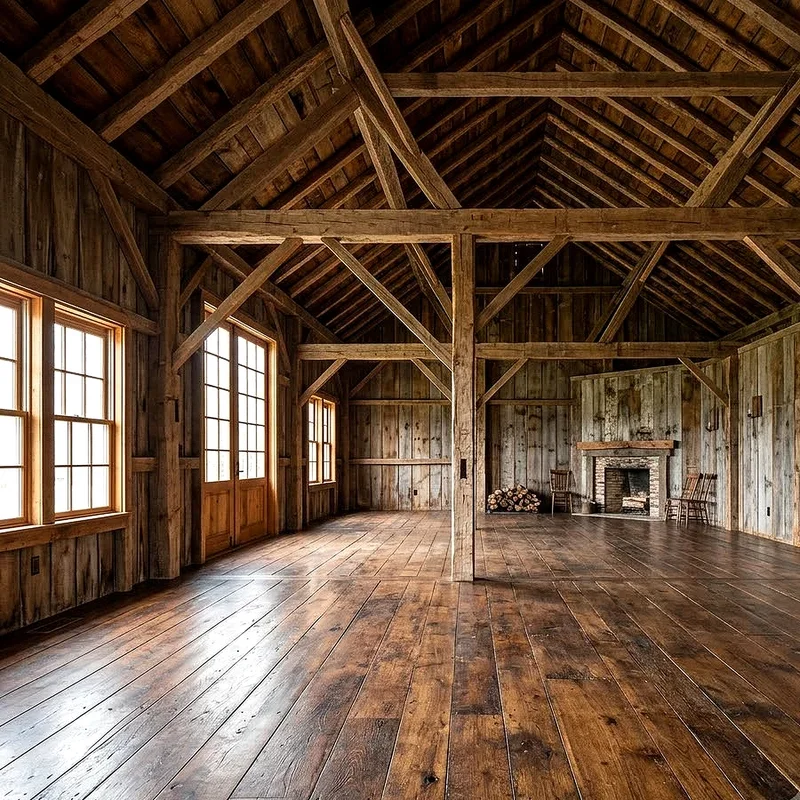
11. Hide Modern Systems Inside Rustic Bones
Electricity, plumbing, and HVAC all need to exist somewhere, and nothing kills atmosphere faster than white conduit stapled across a hand hewn beam. Plan these runs before insulation or drywall goes anywhere. Chase wiring through stud bays, inside furred out walls, or behind new interior partitions you build specifically to conceal them. In exposed areas, black metal conduit actually looks intentional and even a little industrial, which suits the setting fine. Mini split heat pumps work wonders because they need only a small line set rather than a full duct network. Put the mechanical equipment in a former grain room or a discreet closet. The goal is simple. Modern comfort should be felt everywhere and seen almost nowhere.
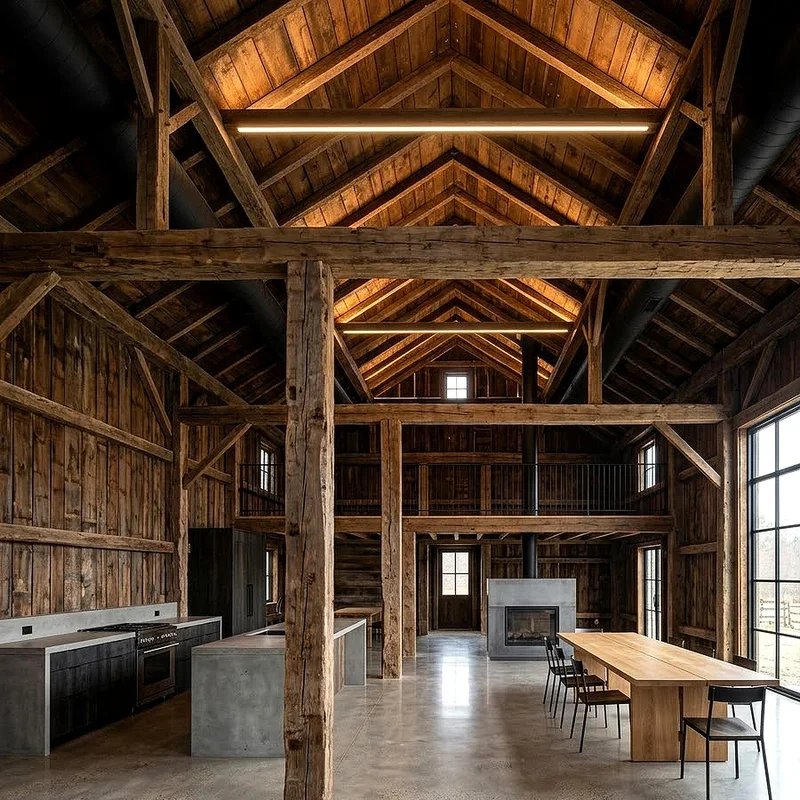
12. Insulate Without Smothering the Character
This is the puzzle that keeps barn owners up at night. Insulate wrong and you either lose the exposed timber you love or trap moisture inside walls that were designed to breathe. Closed cell spray foam applied to the roof deck and exterior walls performs brilliantly, seals air leaks, and leaves the interior frame fully visible. Alternatively, build an insulated shell inside a portion of the barn, a room within a room, so you heat only what you actually use while the rest stays gloriously raw. Rigid foam behind new siding works too when you're residing anyway. Whatever method you pick, pay attention to vapor control. A barn that sweats behind its walls will rot quietly for years before anyone notices.
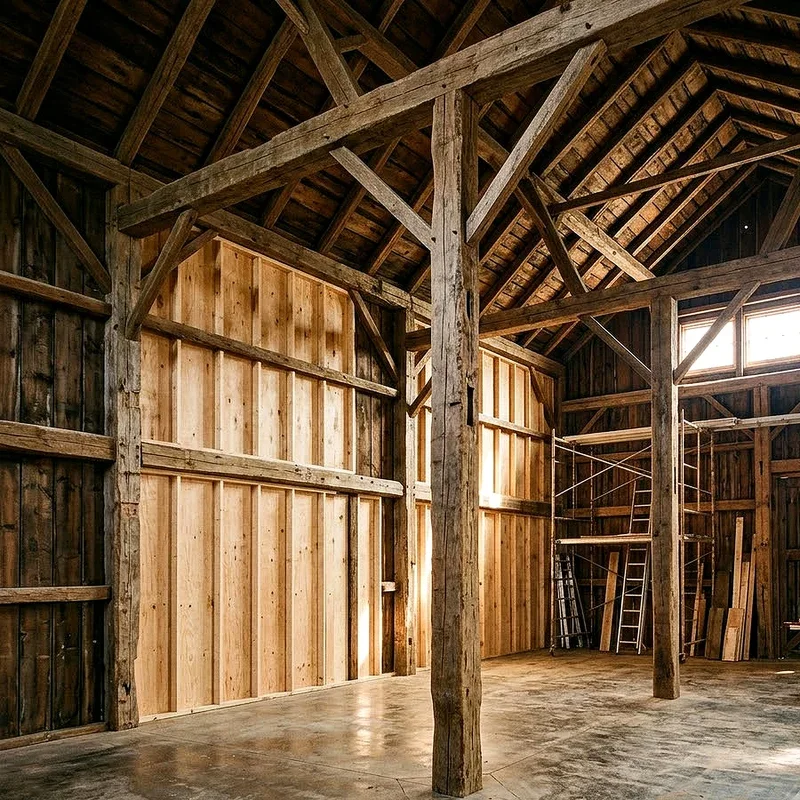
13. Light It Like a Barn, Not a Warehouse
Lighting is where restorations either glow or go flat. Skip the grid of recessed cans, because barns never had ceilings that would host them, and that even wash flattens every beautiful shadow. Instead, layer your sources. Hang industrial gooseneck or dome pendants over work areas, run a few oversized fixtures down the ridge, and tuck warm uplights at the base of posts so the timber throws dramatic shadows upward. Keep color temperature around 2700K, that honeyed candlelight range, rather than the bluish daylight bulbs that make everything feel clinical. Add dimmers everywhere. A barn at full brightness feels like a workshop, while the same barn at forty percent feels like a place you never want to leave.
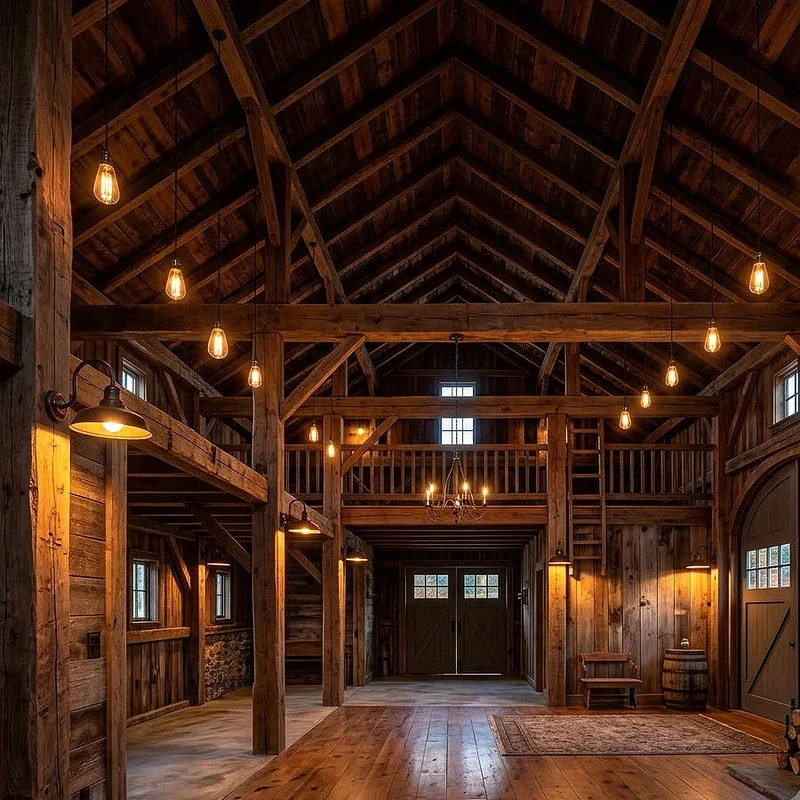
14. Reuse Every Salvaged Board, Hinge, and Nail
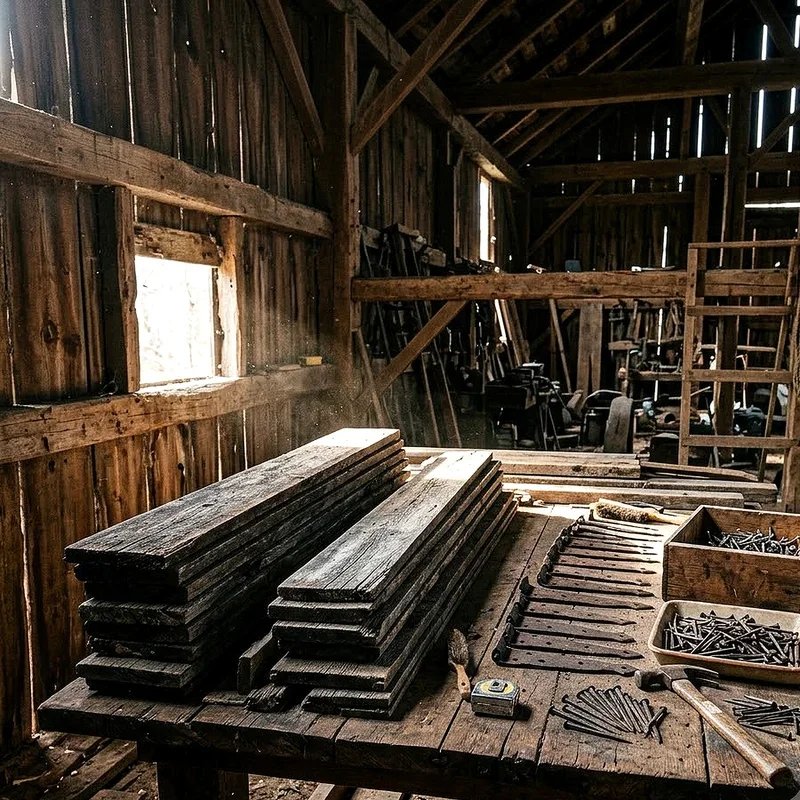
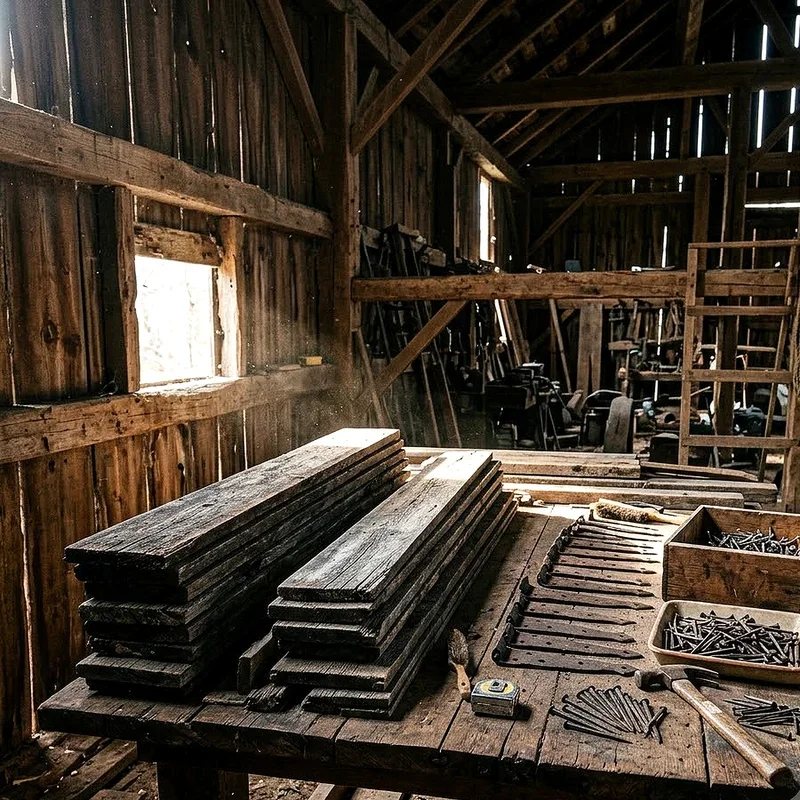
Treat your debris pile as a treasure chest, not trash. Every board you pull off, every rusted strap hinge, every square cut nail carries the same age and weathering as the building itself, and that consistency is impossible to fake. Rotten siding still yields good sections for patching. Old beams become mantels, floating shelves, counter supports, or a farmhouse table. Hardware cleans up with a wire wheel and a coat of oil, then goes right back to work on new doors. Even broken windows give you glass panes for a frame or a cabinet door. Why buy distressed reproduction fittings online when authentic ones are sitting in a heap by your door? Sort it, label it, store it dry.
15. Landscape the Surroundings to Match the Barn
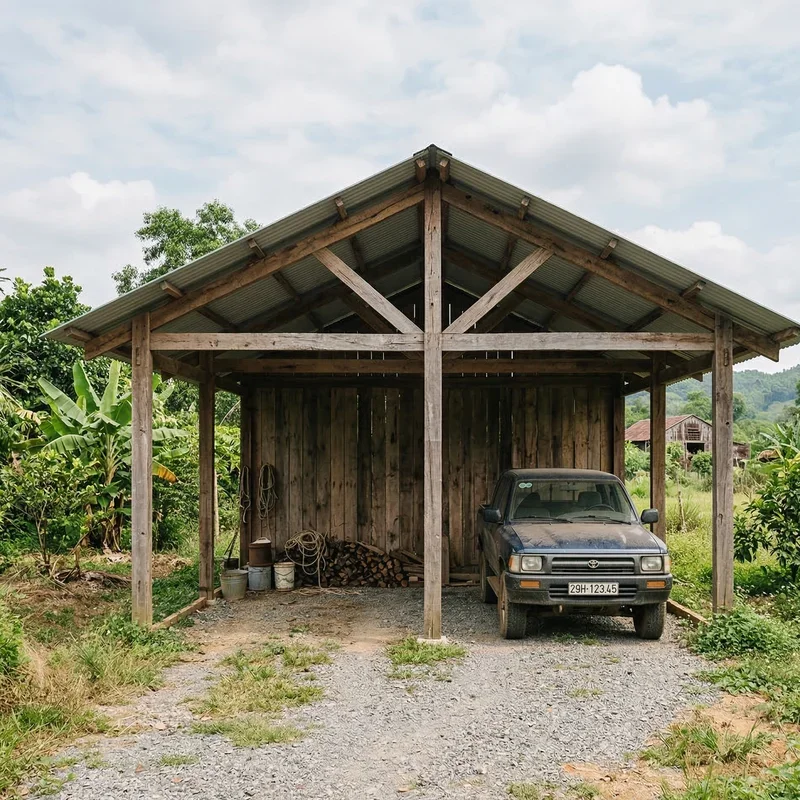
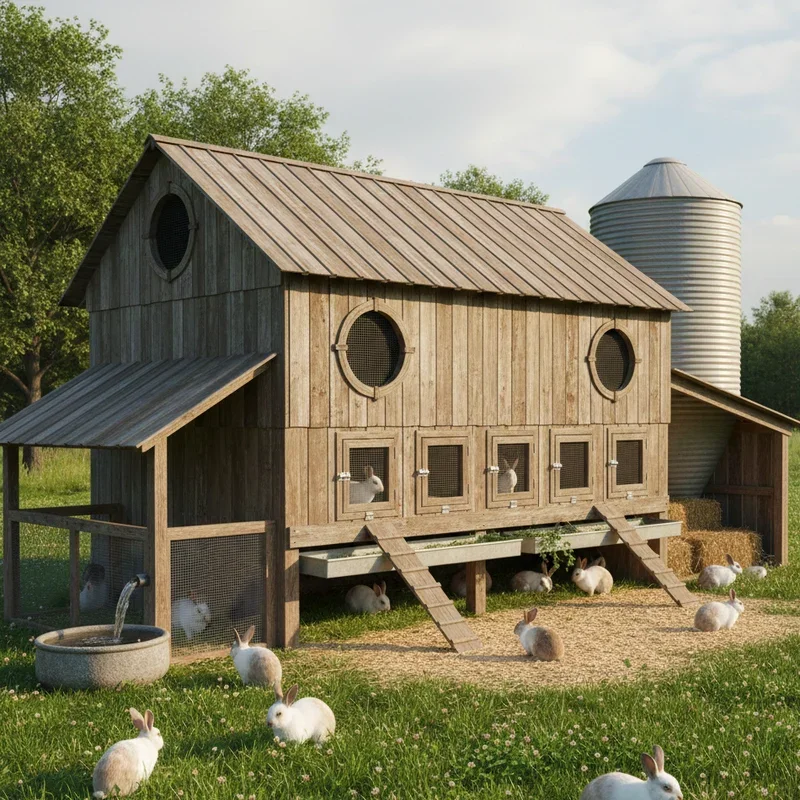
A gorgeous restoration surrounded by tidy suburban shrubs feels like a cowboy in dress shoes. Let the setting stay a little wild and agricultural. Gravel drives and stone paths beat poured walkways every time. Split rail fencing, old troughs planted with wildflowers, and a hedgerow of native grasses all reinforce the story the building is telling. Keep drainage in mind while you're at it, sloping grade away from the sills and adding a gravel drip edge where the roof sheds water. If you've got space, an old silo, corn crib, or equipment shed nearby deserves stabilizing too, because those companions give the barn context. The landscape should feel like it grew up alongside the building, not around it.
Conclusion
Restoring an old barn tests your patience, your budget, and occasionally your back. But you're doing something rare here. You're keeping a piece of working history upright instead of hauling it to a landfill. Start with the structure, respect the weathered surfaces, and hide modern comforts where they won't shout. Every hand hewn beam you save and every silvered board you patch keeps the building honest. Take it season by season, fix what matters first, and let the charm stay exactly where generations of weather already put it.
Read next: 15 Conex Barn Ideas for Durable and Modern Farm Use
Frequently Asked Questions
Q1: How much does restoring an old barn typically cost?
A: Costs range widely, roughly fifty to two hundred dollars per square foot depending on structure.
Q2: Can I restore a leaning barn myself?
A: Small repairs yes, but straightening and jacking a frame really needs experienced timber framing professionals.
Q3: Should I pressure wash weathered barn siding?
A: No, pressure washing strips the aged patina permanently. Use a stiff brush and gentle cleaner instead.
Q4: Is old barn wood safe to reuse indoors?
A: Usually yes, though check for lead paint, pesticide residue, insects, and hidden metal fasteners first.
Q5: Do restored barns need building permits?
A: Almost always, especially for structural work, electrical, plumbing, or converting the barn into living space.
Stay up to date with our latest ideas!