How to Choose the Right Pet Care for Your Dog or Cat in Smyrna
Identify white bugs on plants with a practical ID guide and learn how to remove common pests, protect plant health, and prevent future infestations.
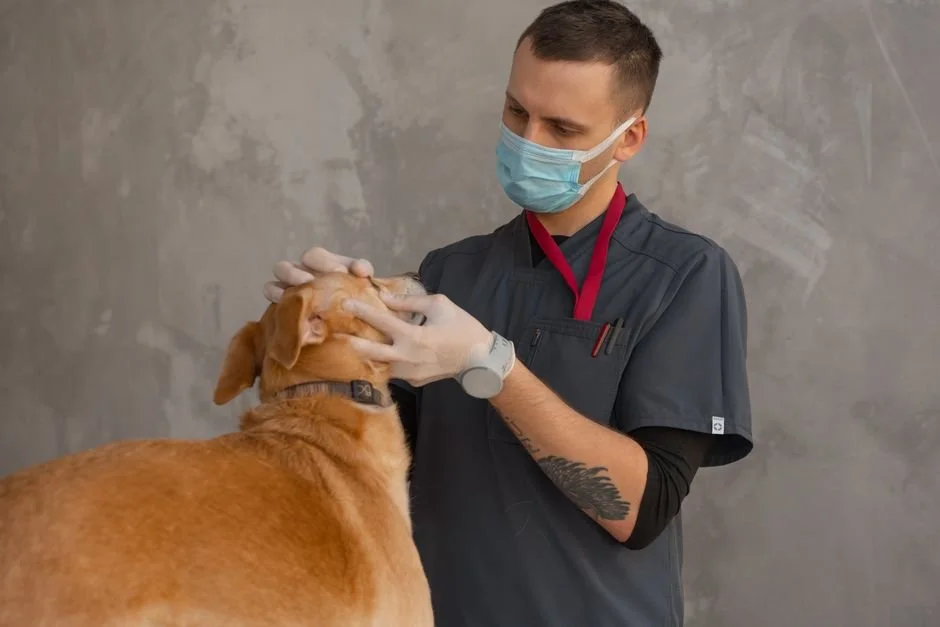
If you live in Smyrna, you already know pet ownership comes with a local rhythm. Busy weekdays, weekend errands, school pickups, and Tennessee heat can all affect how you care for your dog or cat. Picking the right support matters more than many people expect. Good care helps your pet stay healthy, calm, and comfortable, while poor choices can create stress, surprise costs, and a very unhappy carrier ride home.
Look for a Full-Service Option When Possible
Running to one place for vaccines, another for diagnostics, and a third for boarding gets old fast. It also makes your pet’s records harder to track. A full-service clinic can simplify your life and improve continuity of care.
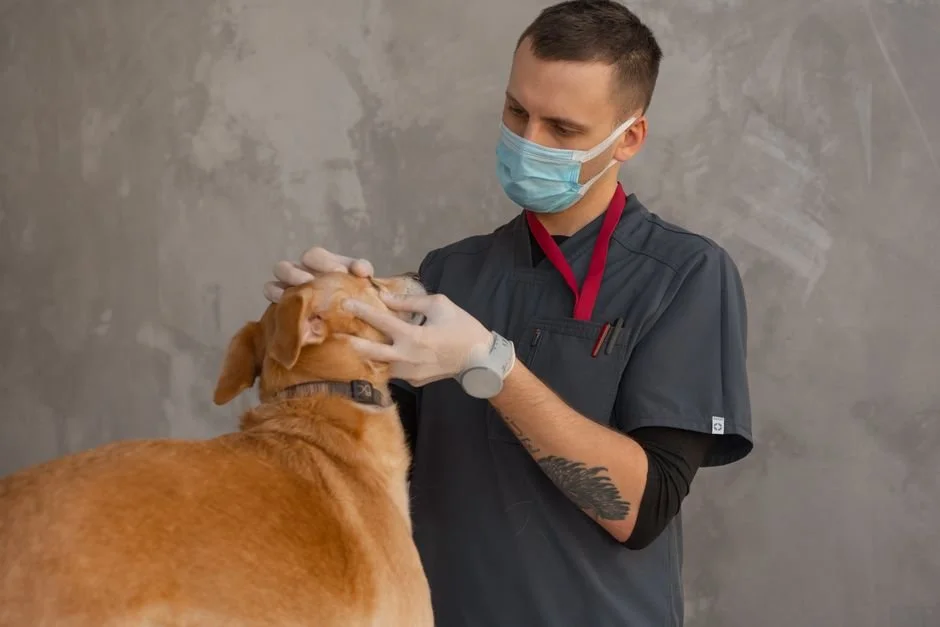
If you’re comparing pet care services in Smyrna, pay attention to whether the provider handles wellness exams, diagnostics, surgery, dental treatment, and boarding in one setting. That setup can save you time and reduce stress when something unexpected happens.
It also helps your veterinarian spot patterns over time. If your dog has recurring skin issues or your cat’s weight keeps changing, a team that knows your pet’s history has a better shot at catching problems early.
Your calendar will appreciate it too.
Know What Your Pet Actually Needs
Before you compare providers, get clear on what your pet needs right now. That sounds obvious, but many owners look for “the best” option without defining the job.
A healthy young dog may need routine vaccines, parasite prevention, and occasional boarding. An older cat may need lab work, dental monitoring, and a clinic that handles nervous pets gently. Puppies and kittens often need more frequent visits, which means convenience matters.
Make a short list that includes:
- Preventive care
- Sick visits
- Dental care
- Grooming support, if needed
- Boarding or drop-off care
- Emergency guidance
When you know the real priorities, you avoid paying for extras that sound impressive but don’t fit your pet. Fancy is nice. Useful is better.
Pay Attention to Cleanliness, Communication, and Staff Behavior
You can learn a lot from one visit or even one phone call. The clinic might have polished branding, but the daily experience tells the real story.
Watch for details like:
- Clean exam rooms and lobby areas
- Calm, organized staff
- Clear answers to simple questions
- Respectful handling of nervous pets
- Transparent pricing and treatment explanations
If the staff seems rushed, dismissive, or vague, take that seriously. You want a team that explains what they’re doing and what it costs before you’re standing there with a confused Labrador and an invoice that feels like a plot twist.
Good communication matters even more when your pet is sick. You need to understand test results, treatment options, follow-up steps, and warning signs to monitor at home.
Think Beyond Routine Visits
A lot of people choose care based only on annual checkups. Routine care is important, but real life rarely stays routine. Pets eat things they shouldn’t, develop infections, limp after backyard adventures, and occasionally act like they missed the part about self-preservation.
Choose a provider that can support you through both ordinary and unexpected needs. Ask whether they offer same-day sick appointments, diagnostic imaging, surgery, and ongoing treatment plans for chronic conditions.
This matters because switching clinics in the middle of a health issue can delay care and create confusion. It’s much easier when the same team already knows your pet’s baseline behavior, medical history, and medications.
For senior pets especially, long-term care planning matters. Arthritis, dental disease, kidney issues, and weight changes often develop gradually, not all at once.
Consider Your Pet’s Stress Level, Not Just Your Schedule
Convenience matters, but your pet’s emotional experience matters too. Some animals walk into a clinic like they own the building. Others begin panicking the second the carrier appears.
If your pet gets anxious, ask how the staff handles fearful animals. A quieter environment, patient handling, and efficient appointments can make a huge difference. For cats, even small changes such as reduced waiting time and gentle restraint can lower stress.
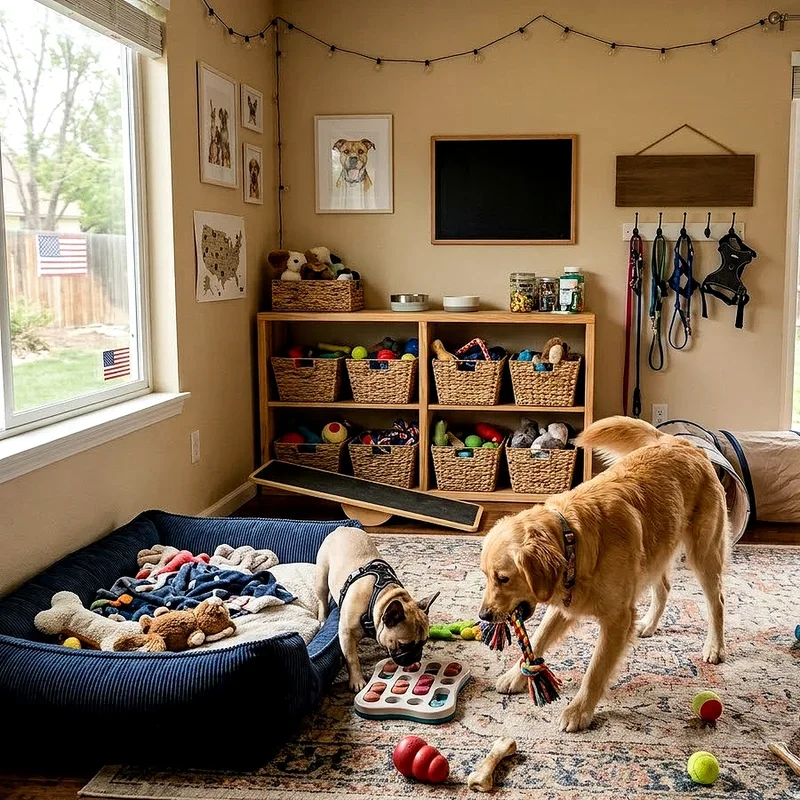
Boarding is another area where temperament matters. Some dogs love the action. Some prefer a calmer setup. Your choice should reflect your pet’s personality, energy level, and tolerance for noise and change.
A good provider doesn’t treat every animal like the same model with different fur. They adjust their approach based on behavior, age, and health.
Make the Final Choice Based on Long-Term Fit
The right pet care provider should feel like a practical long-term match, not just a one-time solution. Price matters, location matters, and availability matters, but consistency is what often shapes your pet’s overall health.
Ask yourself a few final questions:
- Do you trust the team?
- Do they explain things clearly?
- Can they handle both preventive and urgent needs?
- Does your pet seem reasonably comfortable there?
- Will this setup still work a year from now?
When the answer is yes, you’ve likely found a solid fit. Great pet care isn’t only about treating problems. It’s about building a relationship with professionals who help you make smart decisions before small issues become expensive ones.
Your pet may never thank you in words, of course. But a healthier coat, steadier appetite, and less stressed tail wagging come pretty close.
Stay up to date with our latest ideas!