Are 'Hypoallergenic' Dogs Real? Low-Shedding Breeds Explained
Learn whether hypoallergenic dogs are real, how low-shedding breeds differ, and what allergy sufferers should know before choosing a dog.

If you are a dog lover who experiences sneezing, itching or wheezing in the presence of dogs, then you may have heard of the "hypoallergenic" dog. Some breeders advertise them, some shelters talk about them and many allergy sufferers look for them. Do hypoallergenic dogs really exist? The simple answer is not what you may have been lead to believe.
What Actually Causes Dog Allergies?
Dog hair is often blamed for causing allergies, but this is not the case. Allergens are primarily proteins in dogs, specifically a protein known as Can f 1 that is present in urine, dander and saliva. Hair simply transports these allergens throughout the house. All allergens become airborne or are deposited onto furniture, carpets and bedding when a dog rubs on furniture, sheds or licks itself.
For this reason the term hypoallergenic is misleading as all dogs produce these allergens and no breed is entirely hypoallergenic.
So Are Hypoallergenic Dogs Real?
Not completely. There have been studies to support this. A 2011 study published in the American Journal of Rhinology & Allergy looked at homes with so-called hypoallergenic dogs versus homes with other dogs and found no significant difference in the amount of allergens present in the homes. In fact, "hypoallergenic" dogs have been found to actually have more allergens in their coat than non-"hypoallergenic" dogs.
But this isn't to say that the concept is without value. There are lower-shed, lower-dander dogs and for many allergy patients these types of dogs are often more tolerable. Also, individual dogs do differ. Factors such as skin condition, sex, coat care, size and even the individual dog contribute to the amount of allergens that a specific dog will produce. Breed alone is not the only factor.
Why Low-Shedding Breeds Can Still Help
Curly or wavy coated dogs do tend to pickup loose hairs and dander instead of shedding it in the home. This will result in fewer allergens settling on your floors and sofa even if the animal produces the same allergens. Smaller dogs also produce less dander and less skin surface area. There just simply less dog.
These may be sufficient to allow a dog to be suitable for a person with mild to moderate allergies.
Popular Low-Shedding Breeds
Here are some breeds commonly recommended for allergy-prone households:
Poodles (Toy, Miniature, and Standard): The classic low-shedding dog. Intelligent, trainable, and available in a range of sizes. Their dense curly coat needs regular professional grooming.
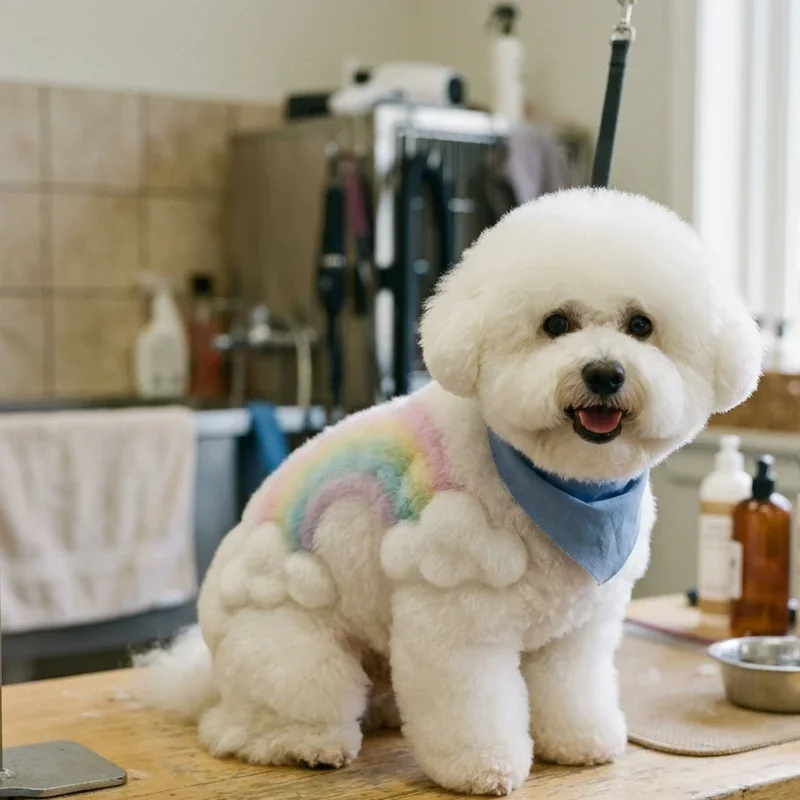
Bichon Frise: A cheerful, fluffy companion that sheds very little. Great for apartments, though the coat mats easily without frequent brushing.
Maltese: A small, silky-coated breed that sheds minimally and suits smaller living spaces.
Miniature Schnauzer: A sturdy, alert little dog with a wiry coat that sheds lightly. Regular trimming keeps dander in check.
Shih Tzu: Affectionate and calm, with a long coat that sheds little but needs daily care.
Portuguese Water Dog: A larger, active breed with a low-shedding curly or wavy coat, ideal for energetic families.
Poodle crosses (Cavoodle, Labradoodle, Maltipoo and others): Popular because they aim to combine a poodle's low-shedding coat with another breed's temperament. A word of caution: coat type in crossbreeds is unpredictable. Puppies from the same litter can inherit very different coats, so one may shed more than you expect.
Tips for Choosing the Right Dog if You Have Allergies
Visit the dogs or breed several times before you commit. Reacting to a specific dog is more important than to a breed.
Check out the parent animals. To a certain extent, a puppy's coat will be similar to that of its parents.
Ask about the coat. If you are considering a cross, ask the breeders about the consistency of the low-shed coat in that litter.
Talk to your physician. An allergist can determine the allergens which cause your allergy and can guide you through therapies that can ease allergy to a pet. This may include antihistamines or immunotherapy.
Find a reputable breeder or pet seller. A responsible breeder or pet seller will be truthful about a breed's ability and inability to be suitable for allergy sufferers. No responsible breeder or pet seller will guarantee a dog that is allergy safe.
Managing Allergies at Home
Even for a low-shedding breed, some small steps can help:
Brush and bathe regularly. Regular brushing helps to remove dander and allergens from the coat. Check with your veterinarian to determine how often your pet's skin needs cleansing.
Try to keep your pet out of your bedroom. You spend about a third of your life in your bedroom. Allergy-free sleeping is important.
Consider a HEPA air purifier. This will help to remove allergens from the air.
Try to be smart about cleaning. Vacuum with a HEPA filter vacuum. Wash your dog's bed weekly. If possible, try to use hard flooring instead of thick carpet.
Wash your hands after playing or petting your pet and try to refrain from face touching.
The Bottom Line
Truly "hypoallergenic" dogs are a myth, because every dog produces allergens. However low shedding dogs do exist and can be much easier for allergy sufferers who want to have a dog. Set reasonable expectations and choose a low shedding breed. Try to test your own sensitivities prior to purchasing a puppy. Maintain a regular cleaning and grooming cycle and discuss with your physician.
Despite sniffles dogs can still be a great part of the family if you are properly prepared. Begin searching for your perfect dog and find the perfect dog to fit your lifestyle.
Stay up to date with our latest ideas!