How Long Can a Betta Fish Go Without Eating?
Learn how long a betta fish can go without eating, what affects survival, warning signs to watch for, and how to maintain a healthy feeding routine.
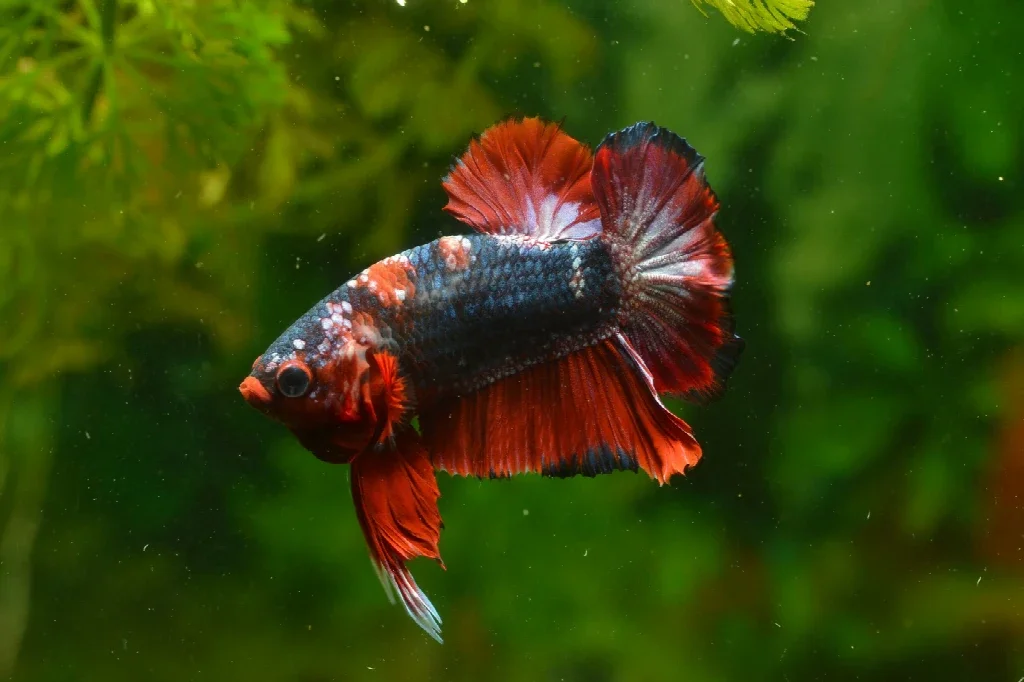
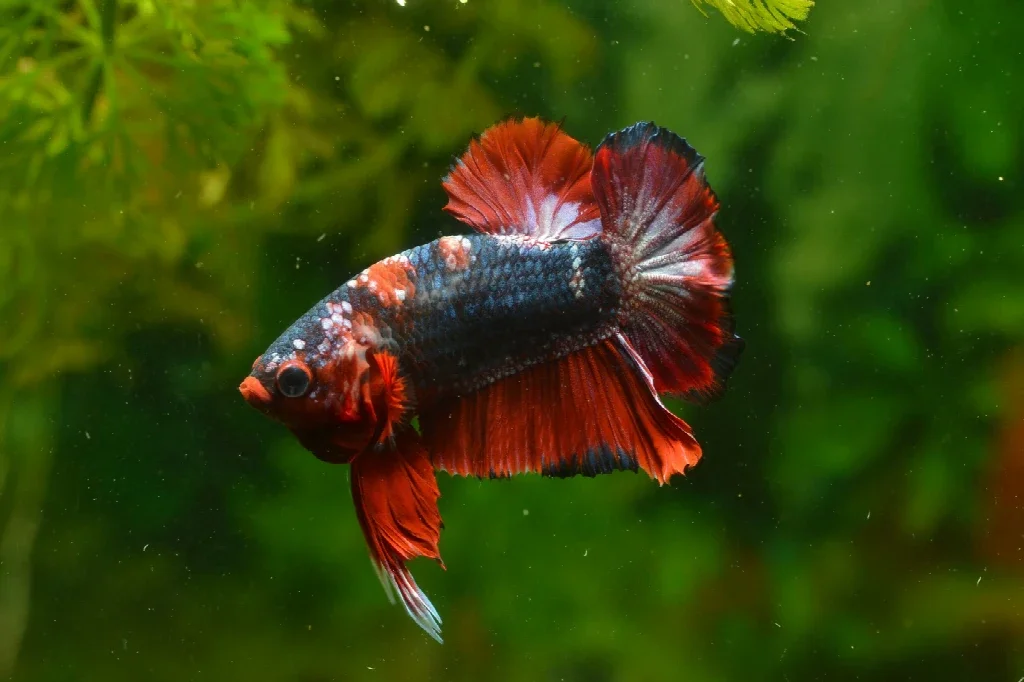
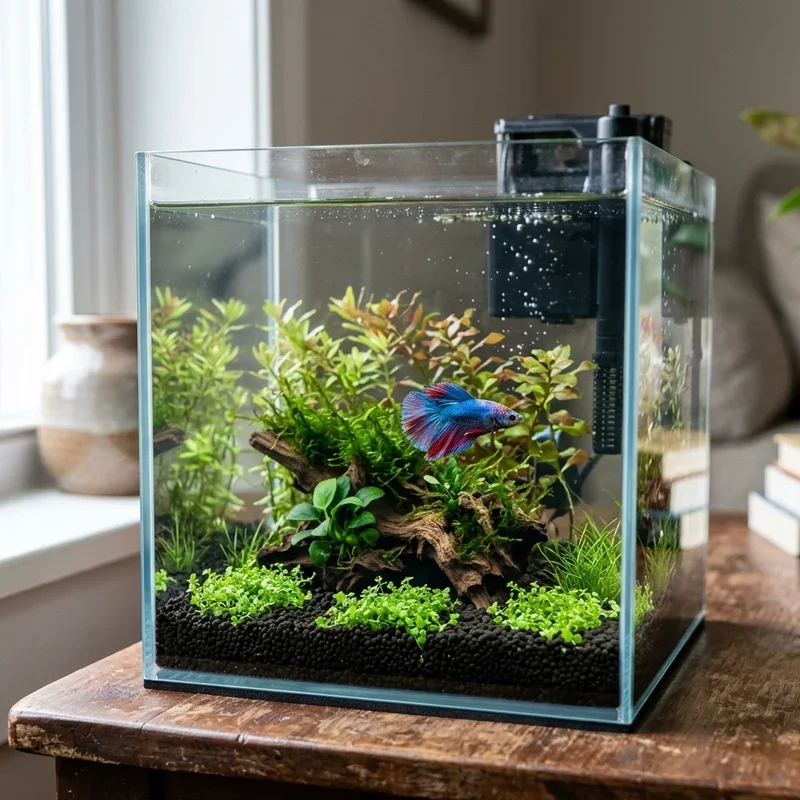
A betta fish looks like it was built for attention, all trailing fins and saturated color drifting around a small tank. It is also one of the pets people most often ask the same practical question about: how long can it actually go without being fed.
The honest answer depends on the fish's age, health, and the conditions around it, which makes a lot more sense once you know a bit about what a betta actually is and where it comes from before landing on a number.
Understanding Betta Fish
Betta splendens is the scientific name behind the fish most people just call a betta, a member of the gourami family known for an unusually combative streak and an equally unusual set of survival tools. A typical adult grows to about six or seven centimeters, not counting its fins, and can live for two to four years with reasonably steady care.
A Fish Built to Survive Rough Water
One trait sets bettas apart from most aquarium fish: a labyrinth organ that lets them gulp air directly from the surface instead of relying only on oxygen dissolved in the water. That adaptation is why a betta can survive in a small bowl or a low-oxygen container that would stress out most other fish, and it turns out to matter just as much when the conversation shifts from breathing to eating.
Why Betta Fish Became Popular Pets
Part of the appeal is practical. A betta tolerates a smaller footprint than most fish, does not need a bubbling filter system to survive, and can sit in a modest tank on a desk or a shelf without much fuss. That combination made it an easy recommendation for beginners long before aquascaping became a hobby of its own.
The other part of the appeal is entirely visual. Decades of selective breeding have pushed betta coloring and fin shape in directions the wild fish never had, producing strains known by names like halfmoon, crowntail, and plakat, each bred for a different silhouette rather than any practical advantage.
From Fighting Rings to Living Rooms
Long before betta fish became a staple of pet shops, they were bred and kept in Thailand and neighboring parts of Southeast Asia, including Indonesia, for staged matches between two males placed in adjoining tanks, a tradition old enough to have shaped both the species' name and its reputation for aggression. Those same traits, territorial confidence and a dramatic flare display, eventually caught the attention of hobbyists more interested in appearance than combat, and selective breeding gradually shifted from hardiness in the ring toward color and fin length in the home aquarium.
How Are They in the Wild
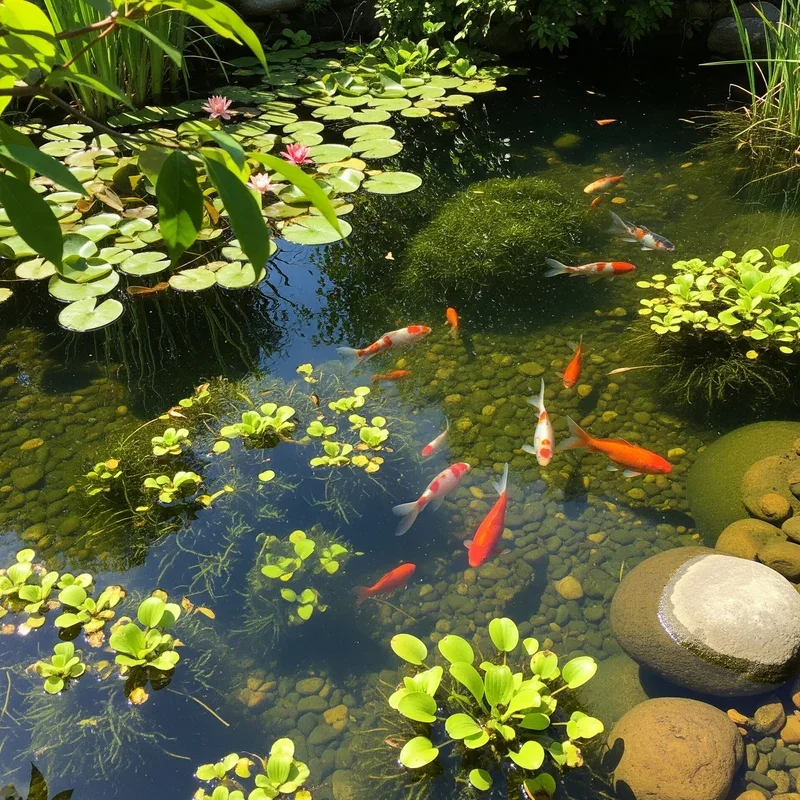
Left to their own devices, wild bettas live in shallow, slow-moving water across Thailand, Cambodia, Vietnam, and parts of Indonesia, in places like rice paddies, roadside ditches, and flooded fields that run warm and low on oxygen. Their labyrinth organ lets them breathe air at the surface and survive there when other fish can't, while sticking close to plants and debris and blending into muddy water helps them avoid birds and larger predators. Food is just as opportunistic, since a wild betta simply picks off insects, larvae, and small crustaceans as they turn up rather than eating on any kind of schedule.
Indonesia is one of the countries most closely associated with betta fish, though most visitors are actually drawn there for something else entirely, Bali's reputation for surfing and its underwater sport scene. Travelers already in the area often add on a trip to diving in Lembongan, a short crossing away, to spend a day among reef life that looks nothing like the quiet ditches a betta calls home.
How Long a Betta Fish Can Go Without Eating?
Given that background, it helps to put an actual number on it. As a general range, a healthy adult betta fish can go anywhere from about a week to two weeks without food, provided the water stays clean and at a stable, warm temperature. That same habit of coping with meals that never arrive on schedule is part of why a betta can handle a longer gap in feeding than most owners expect. It is also why bettas have a reputation for being forgiving pets even when a feeding gets missed here and there.
Healthy Adult Bettas Can Handle More Than Most Owners Expect
An adult betta's slower metabolism and its labyrinth organ both work in its favor during a longer gap without food. Body fat and muscle reserves cover the shortfall for a while, so a healthy fish that misses a feeding or two rarely shows any real effect. Past the two-week mark, though, the odds of noticeable weight loss and weakened immunity start climbing, so that window is better treated as an upper limit than a target.
Young Bettas and Fry Have Far Less to Fall Back On
Juvenile bettas and especially fry are a different story entirely. With almost no fat reserves and a much higher metabolic rate relative to their size, fry generally need several small feedings a day and can start to weaken within just a day or two without food. A gap that a mature betta would barely notice can be genuinely risky for a young one, which is worth keeping in mind for anyone raising a batch from eggs rather than keeping a single adult.
That range is not fixed, though. A handful of conditions push it up or down, starting with something as simple as water temperature.
What Affects a Betta Fish's Eating Habits
A drop in appetite usually traces back to one of a few underlying aspects rather than appearing at random. Temperature, stress, and age or health each pull on appetite in a different way, and telling them apart makes it much easier to know whether a fasting fish needs a warmer tank, a little patience, or closer attention.
Water Temperature
Bettas are tropical fish and generally stay healthiest in water kept between roughly 24 and 27 degrees Celsius. When the temperature drops below that range, even by a few degrees, their metabolism slows down considerably and their appetite drops along with it. This is one of the more common reasons a betta kept without a heater suddenly stops eating once the surrounding room cools down, particularly during a rainy or overcast stretch when ambient temperature swings more than usual.
Stress
Moving to a new tank, adjusting to new tank mates, or even a change in the position of the bowl can throw a betta off its feeding routine for a few days. Stress affects appetite in fish much the same way it does in many other animals, and a newly introduced betta will often ignore food entirely until it settles into its surroundings.
Age
Older bettas tend to eat less overall as their metabolism slows, which can look like a loss of appetite even when nothing else is wrong. Illness is a separate concern, since conditions such as swim bladder issues, constipation, or fin rot can also make a betta reluctant to eat, sometimes alongside other visible symptoms.
Planned Fasting or Time Away From Home
Not every gap in feeding is a problem to solve. Many betta owners intentionally skip a feeding day once a week, since it is generally believed to support digestion and reduce the risk of bloating from overfeeding. That same tolerance is part of why a healthy adult betta can usually handle a short trip away without anyone topping up its bowl, whether that means a weekend away or something longer. In most cases, a few missed days will not cause lasting harm as long as the water stays clean and at a stable temperature.
How to Track a Betta Fish's Condition During a Long Fast
Since a betta cannot be monitored around the clock, most owners are working from what they notice once or twice a day. Knowing which details actually matter helps avoid overreacting to a fish that is simply between meals.
Signs the Fast Is Still Within Normal Range
Fins held up and flared normally rather than clamped tight to the body.
Steady swimming and normal interest in its surroundings.
No visible thinning along the belly or spine.
Quick interest in food as soon as it is reintroduced.
Common Signs That Get Misread as a Bigger Problem
Resting near the bottom or at the surface, which is often just normal behavior for the species rather than a symptom.
A slightly paler color after a water change or a stressful move, which usually returns within a day or two.
Reduced activity on a colder day, which typically resolves once the water warms back up.
Ignoring one type of food while still willing to eat another, which is more about preference than appetite loss.
When to Get Help From an Aquatic Vet or Fish Specialist
Most drops in appetite resolve on their own once temperature, stress, or a deliberate fasting period is accounted for. It is worth reaching out to an aquatic vet, an experienced local fish keeper, or a specialty aquarium shop if a betta refuses food for more than two weeks, shows visible signs of illness such as bloating, sores, or discoloration, or has stopped moving normally altogether.
Bringing a note of what has changed recently, including tank size, water parameters, and how long the fish has gone without eating, makes it easier for someone experienced to narrow down what is actually going on.
FAQs
Is it normal for a betta fish to go a few days without eating?
Yes. Short gaps are common and are often linked to temperature changes, stress, or a deliberate fasting day, rather than a sign of illness on their own.
What do betta fish eat?
A varied diet of betta-specific pellets, along with occasional treats such as bloodworms or brine shrimp, generally covers their nutritional needs in captivity.
Can a betta fish be left alone during a short trip?
In most cases, yes. A healthy adult can typically go around a week to two without food as long as water quality and temperature stay stable, though longer trips are usually handled more comfortably with an automatic feeder or a helper who can check in.
Why does a betta fish sometimes ignore food that is offered?
This can come down to water temperature, recent stress, or simple pickiness about the type of food, rather than a complete loss of appetite.
Should feeding resume gradually after a long fast?
Offering a smaller portion than usual for the first feeding or two can help avoid overloading its digestive system after an extended gap.
Do betta fish need to eat every day?
Not strictly. Many care routines include one fasting day a week, and a betta's slower metabolism means it does not rely on daily feeding the way some other pets do.
Is overfeeding after a fast risky?
Yes, feeding too much right after a fast can lead to bloating or constipation, which is why a smaller, gradual return to normal portions is generally recommended.
Does tank size affect how long a betta fish can go without food?
It can. A larger, well-established tank tends to hold a more stable temperature and water quality than a small bowl, which gives the fish a steadier environment to fast in.
Final Thoughts / Takeaway
A betta fish going without food for a few days is rarely something to worry about on its own, especially given how the species evolved to handle unpredictable meals in the wild long before it ever saw an aquarium. The more telling signs are physical, such as clamped fins, fading color that does not recover, or a noticeably thinner body, so those are worth watching more closely than the fasting itself. Keeping the water stable during any gap in feeding tends to matter more than the gap itself, whether the cause is a cold snap, a house move, or simply being away for a while.
Stay up to date with our latest ideas!