15 40 Gallon Fish Tank Ideas for Stunning Aquascapes
Discover 15 amazing 40 gallon fish tank ideas for stunning aquascapes that transform your aquarium into a mesmerizing underwater world at home.
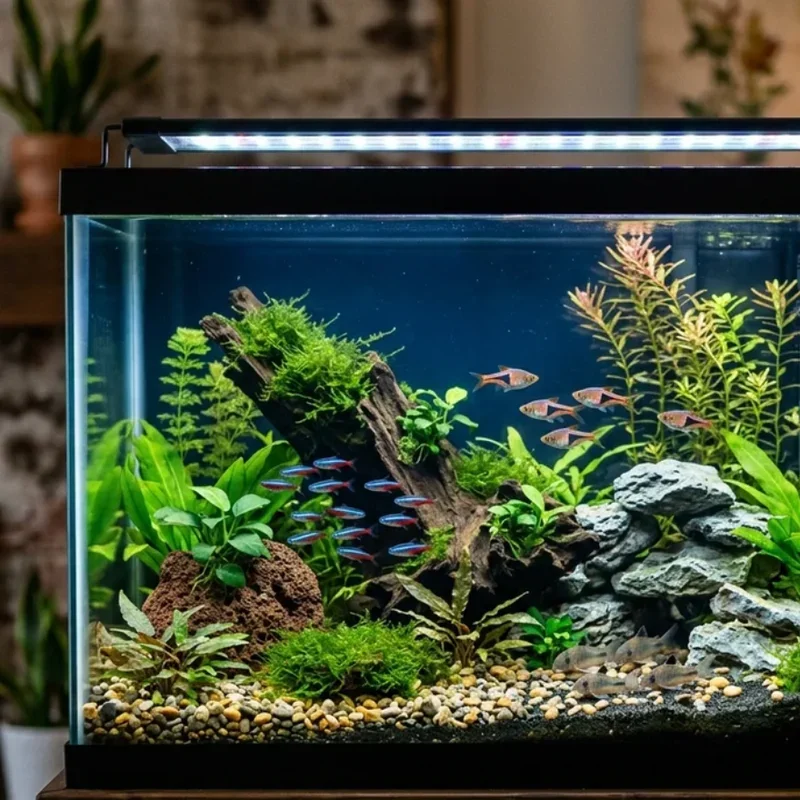
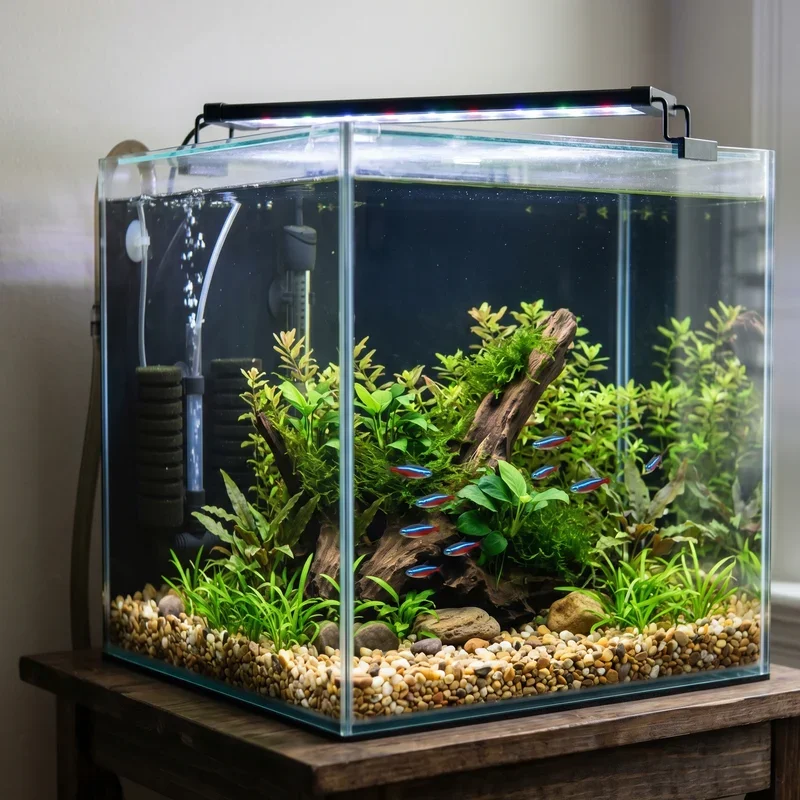
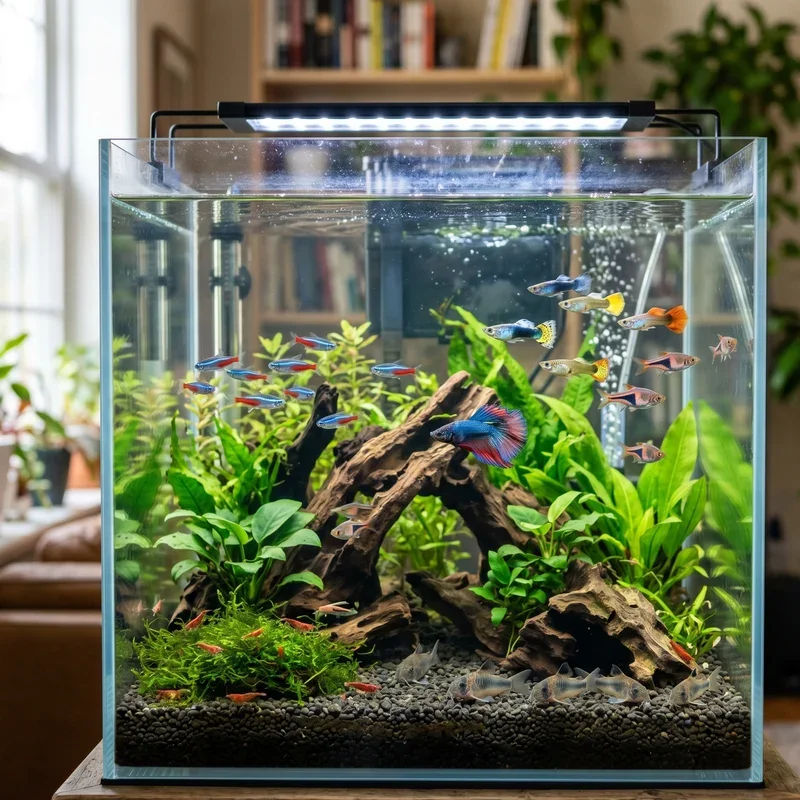
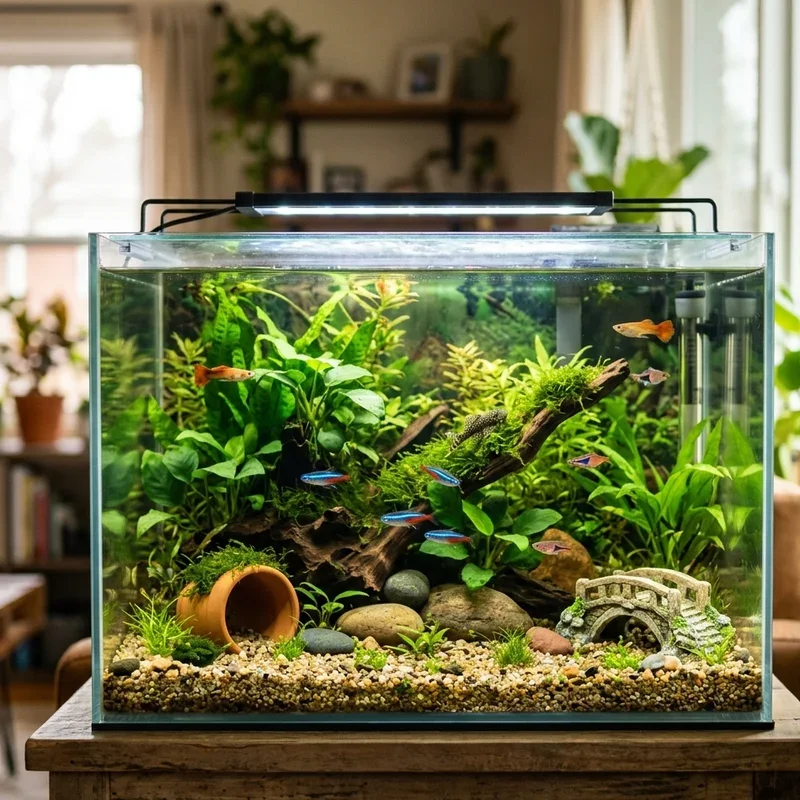
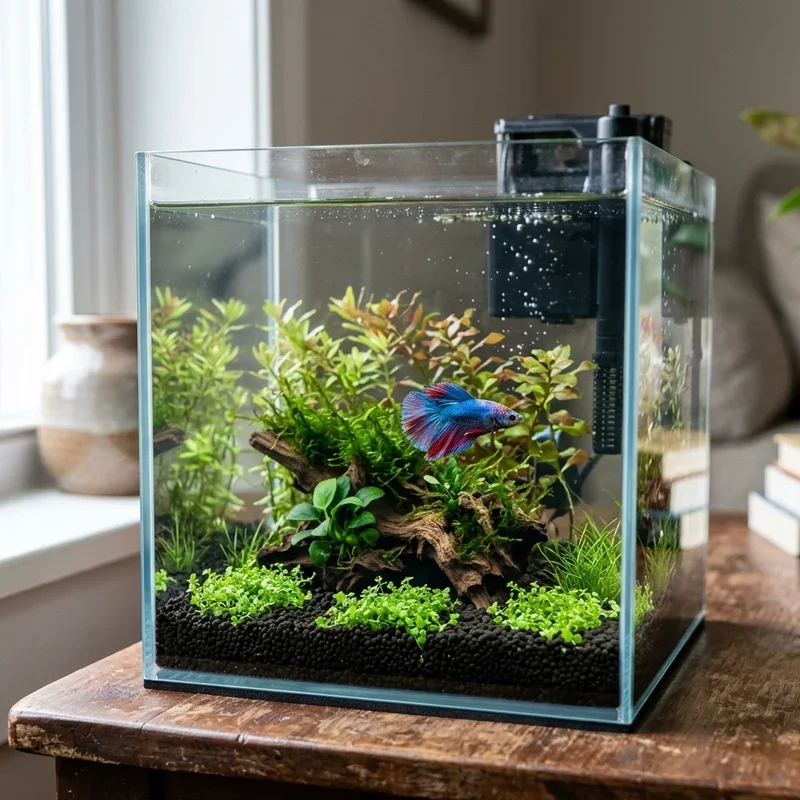
A 40 gallon fish tank hits the sweet spot where serious aquascaping ambition meets manageable home aquarium size, giving you enough water volume to create genuinely breathtaking underwater landscapes without overwhelming your living space or your maintenance schedule. Have you ever stared into a beautifully designed aquarium and felt transported into another world entirely, as if the glass dissolved and you were actually standing inside the scene? That hypnotic pull drives aquascaping passion, where rocks, plants, wood, and carefully chosen fish combine into living art that evolves and grows every single day. Think of a 40 gallon tank like a living canvas, where water replaces paint and nature provides the palette. Whether you dream of lush planted jungles or dramatic rock formations, this versatile tank size accommodates stunning designs. Let's explore fifteen ideas.
1. Iwagumi Minimalist Rock Garden
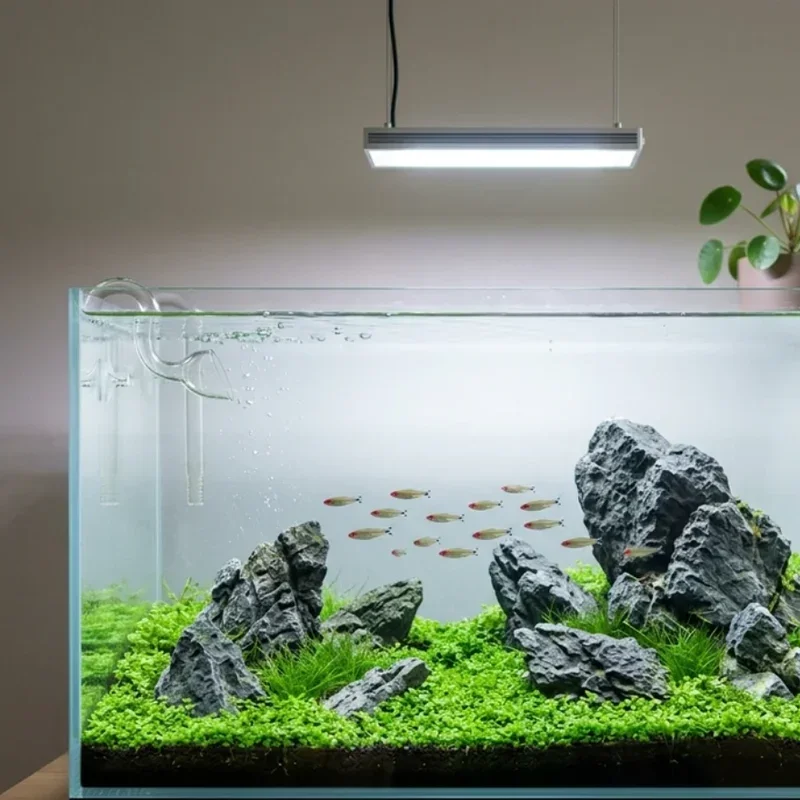
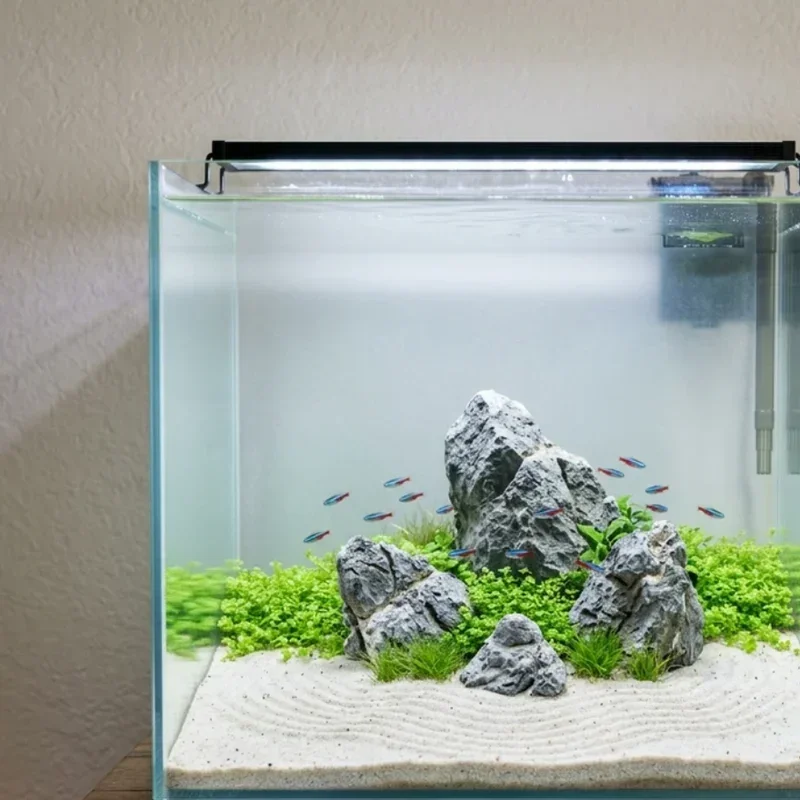
An Iwagumi minimalist rock garden arranges carefully selected stones into a clean, balanced composition inspired by Japanese garden philosophy, where fewer elements create more powerful visual impact than crowded, busy layouts achieve. Choose one large main stone flanked by smaller supporting rocks, since the Iwagumi style demands an odd number of stones arranged in deliberate asymmetrical harmony. Plant a low carpet of dwarf hairgrass, Monte Carlo, or HC Cuba around the base, because the uniform green foreground contrasts beautifully against the grey stone rising above. Use fine sand between the rocks for clean, raked-garden texture. Stock with small schooling fish like cardinal tetras, since tiny bodies respect the scale of the minimalist design. Think of Iwagumi like underwater zen gardens. Your tank gains serene, powerful simplicity.
2. Dense Planted Jungle Scape
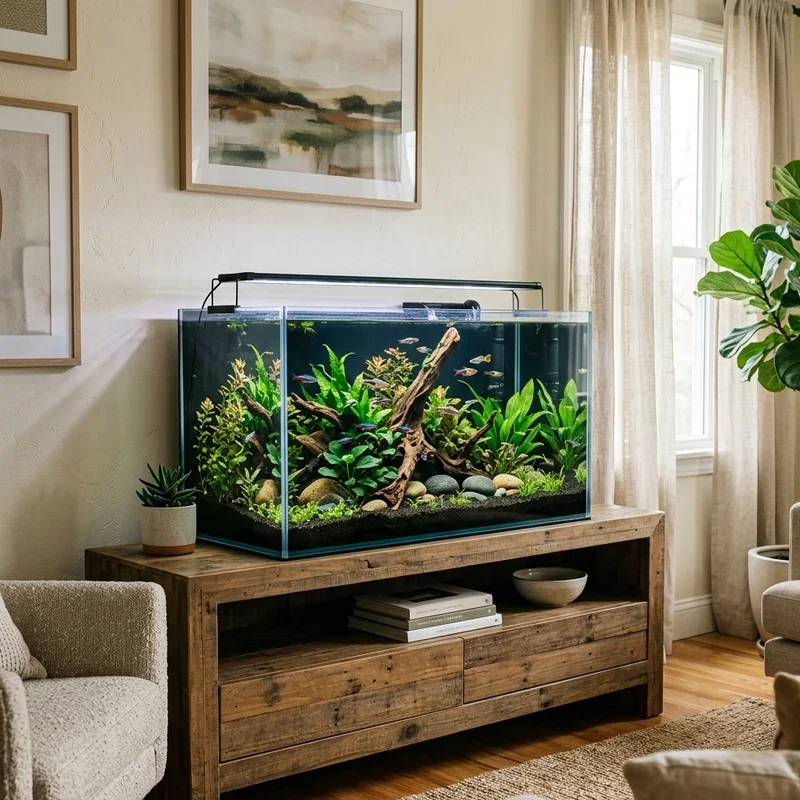
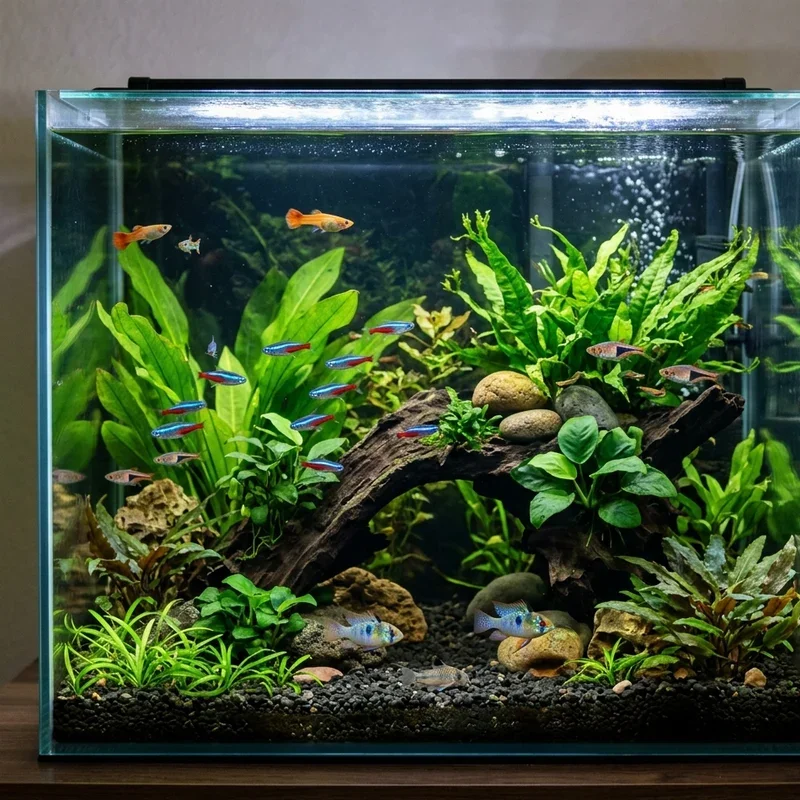
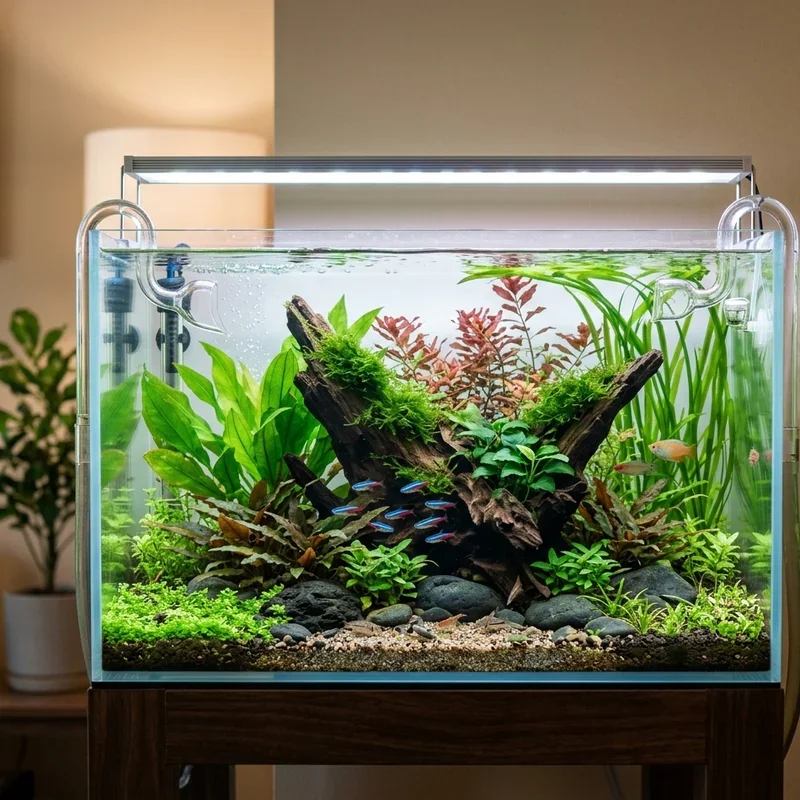
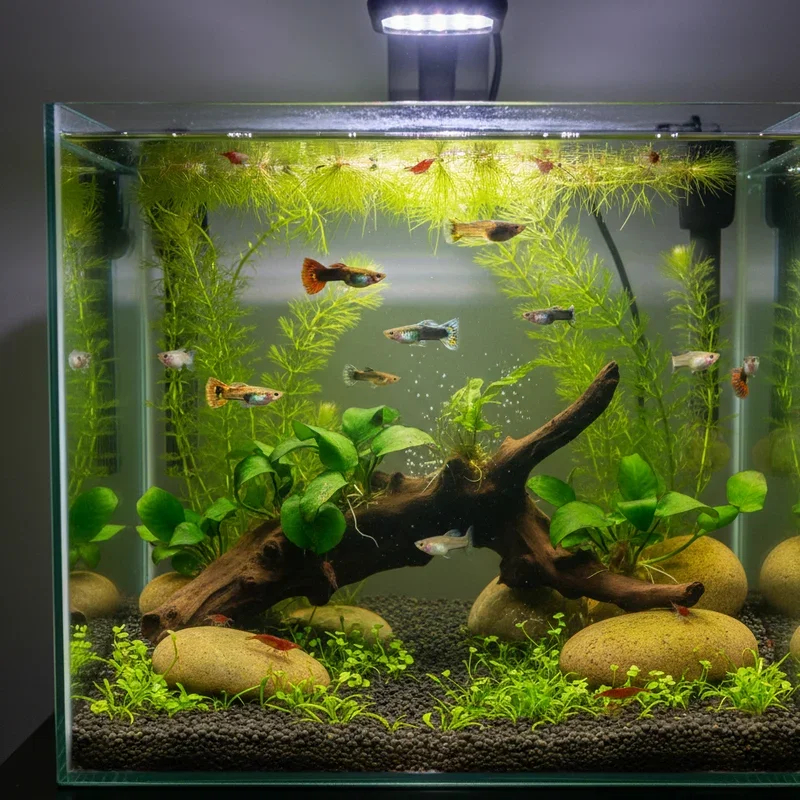
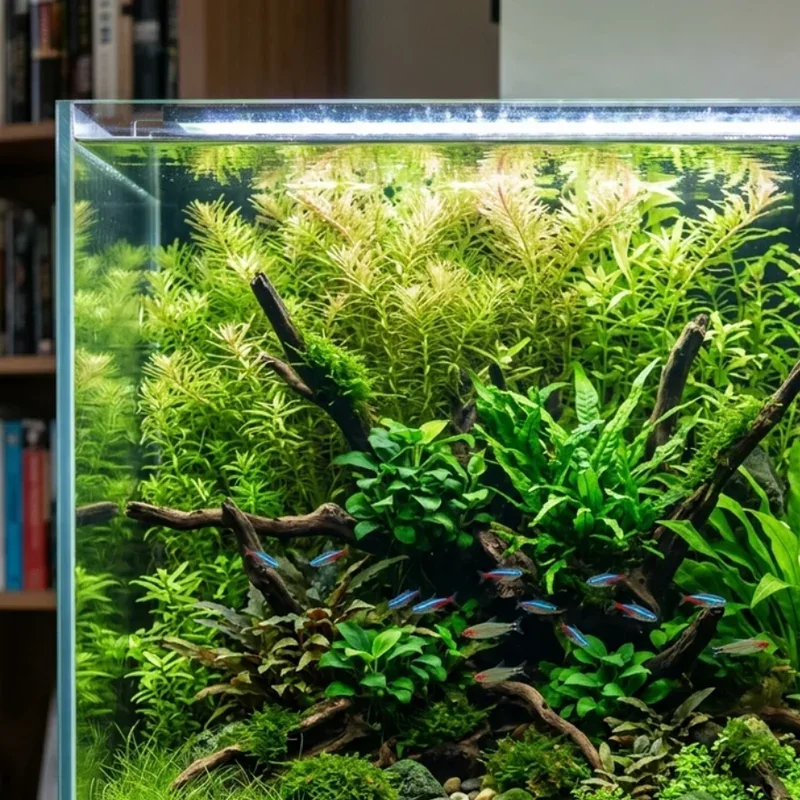
A dense planted jungle scape fills every visible inch with lush aquatic vegetation, creating an underwater rainforest where fish swim through towering stem plants, broad-leafed swords, and trailing vines that reach from substrate to surface. Plant tall stem varieties like Rotala, Ludwigia, and Bacopa across the background, since fast-growing stems create the dense, wild canopy that defines jungle aquascaping. Add mid-ground plants like cryptocorynes and Anubias on driftwood, because the varied leaf shapes build the layered complexity real jungles display above water. Carpet the foreground with low-growing species. Inject CO2 for accelerated plant growth, since dense layouts demand supplemental carbon that atmospheric levels alone cannot provide. Think of jungle scapes like tropical forests submerged in glass. Your tank explodes with green.
3. Driftwood Forest Layout
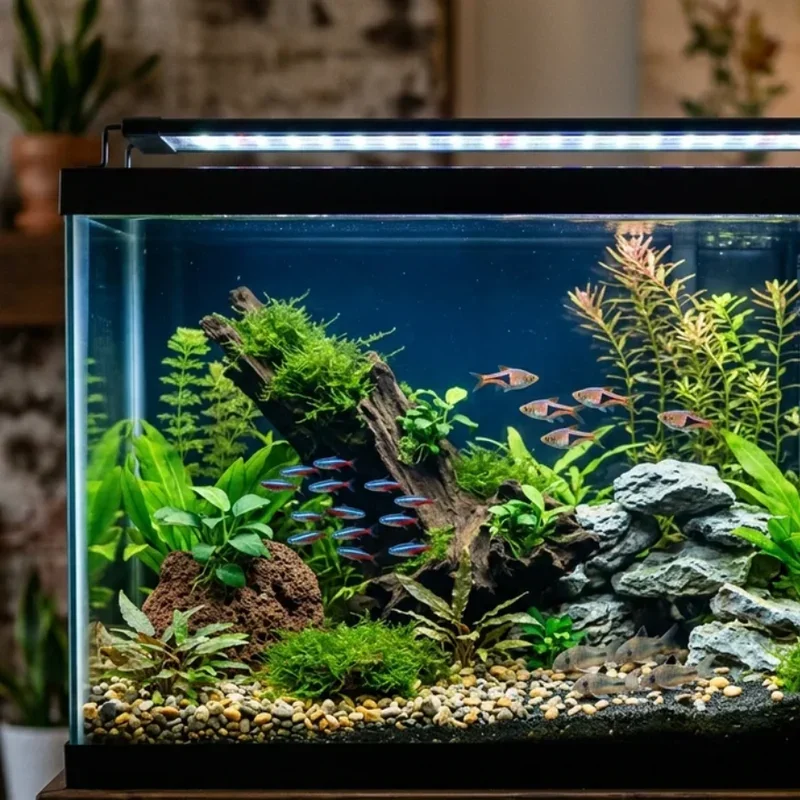
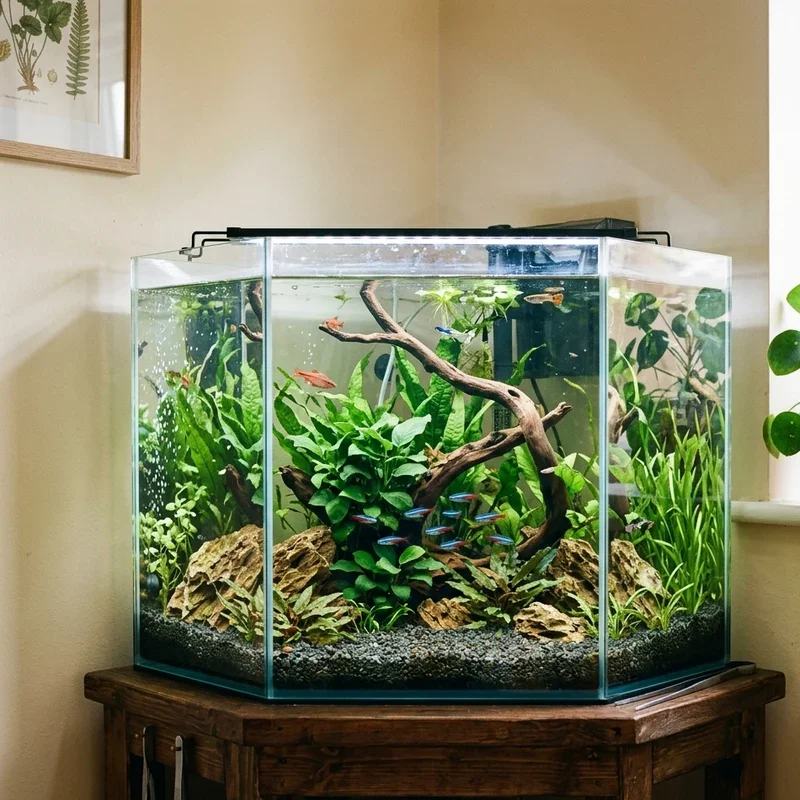
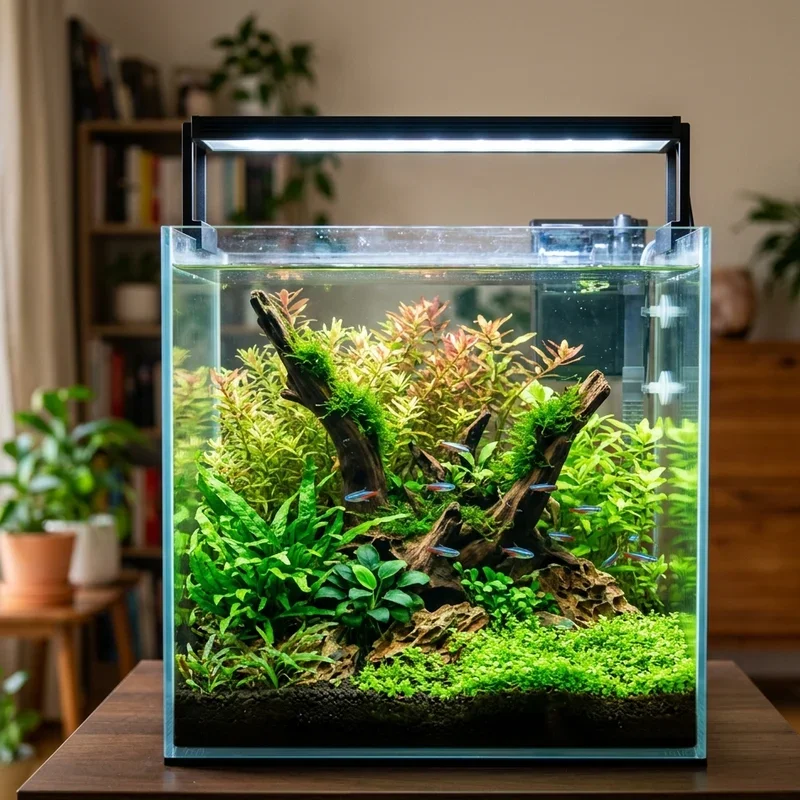
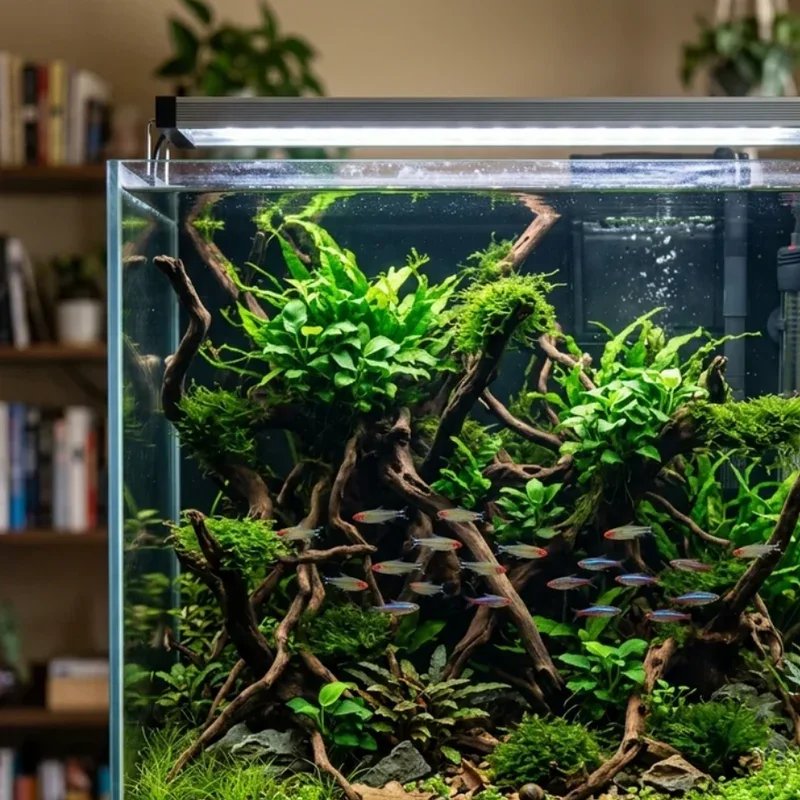
A driftwood forest layout arranges branching wood vertically, creating a submerged woodland where tangled branches rise like bare winter trees and fish navigate between the trunks like birds through a canopy. Choose spider wood, manzanita, or Malaysian driftwood with dramatic branching patterns, since vertical orientation mimics tree trunks standing in a flooded forest naturally. Attach Java moss, Bucephalandra, and Anubias to the branches, because epiphytic plants growing directly on wood surfaces create the overgrown, ancient atmosphere that makes forest scapes feel genuinely alive. Use dark substrate to simulate a forest floor, since earthy tones ground the vertical drama above. Add small rasboras or ember tetras. Think of driftwood forests like enchanted woods frozen underwater. Your tank gains magical woodland atmosphere.
4. African Cichlid Rockscape
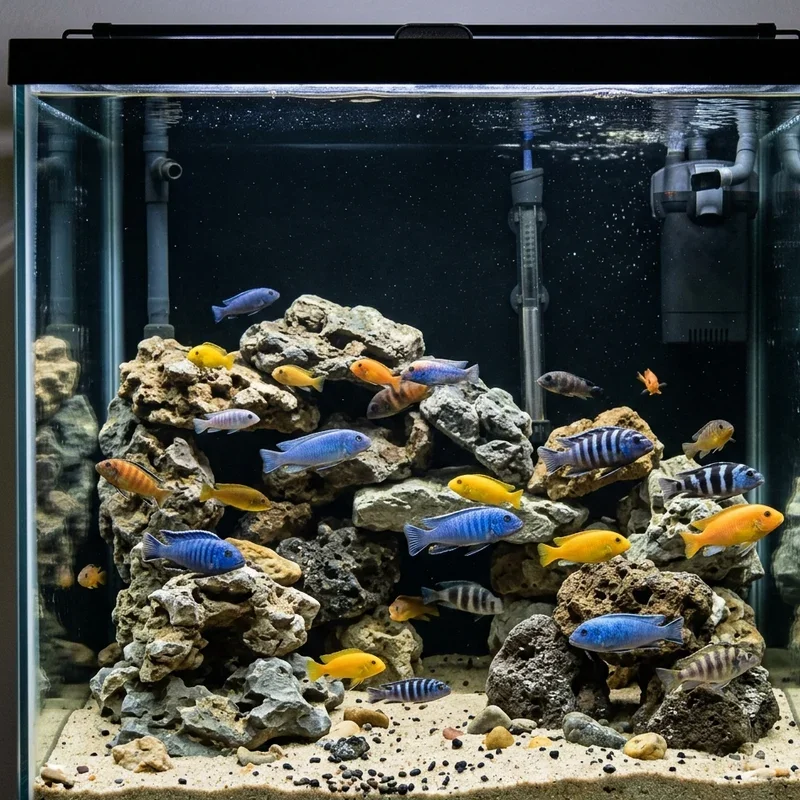
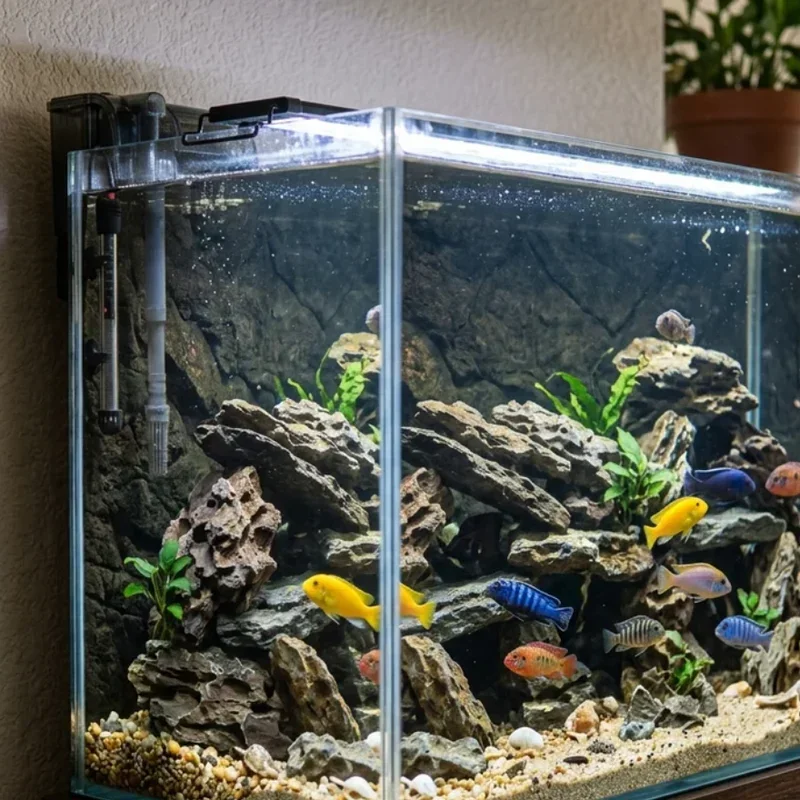
An African cichlid rockscape builds dramatic rocky terrain that replicates the limestone shores of Lake Malawi or Lake Tanganyika, giving your colorful, active cichlids the cave-filled environment their territorial instincts demand. Stack rocks creating multiple caves, crevices, and swim-through tunnels, since African cichlids claim individual territories and need visual barriers preventing constant aggression between competing males. Choose limestone, Texas holey rock, or ocean rock, because alkaline-friendly stones buffer the hard, high-pH water conditions that African cichlids require for healthy long-term thriving. Skip live plants, since most African cichlids uproot and destroy vegetation aggressively. Use crushed coral or aragonite substrate. Think of cichlid rockscapes like underwater mountain ranges inhabited by living jewels. Your tank gains colorful, dynamic display.
5. Blackwater Biotope Design
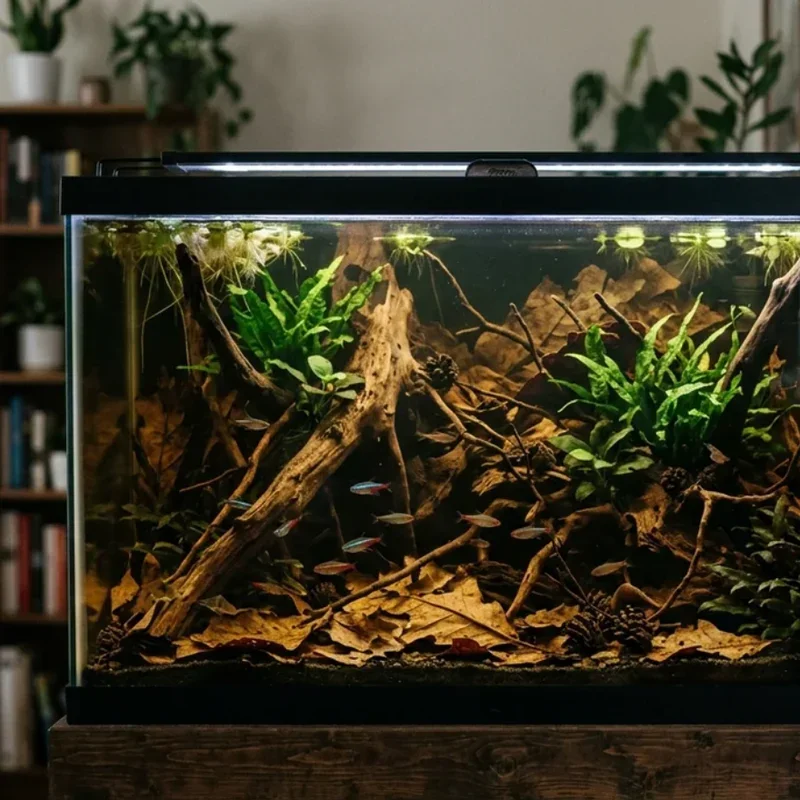
A blackwater biotope design recreates the tea-stained, tannin-rich waters of South American or Southeast Asian rivers, where dark water, fallen leaves, and scattered botanicals create a hauntingly beautiful natural environment. Add Indian almond leaves, alder cones, and seed pods to the substrate, since decomposing botanicals release tannins that stain the water amber while lowering pH naturally for soft-water species. Use driftwood and scattered branches rather than organized hardscape, because blackwater environments look naturally scattered rather than deliberately arranged. Choose dim lighting, since the dark water absorbs light for a moody, shadowy atmosphere. Stock with neon tetras, dwarf cichlids, or chocolate gouramis. Think of blackwater tanks like liquid amber preserving tiny forest worlds. Your tank gains mysterious natural beauty.
6. Dutch Style Planted Tank
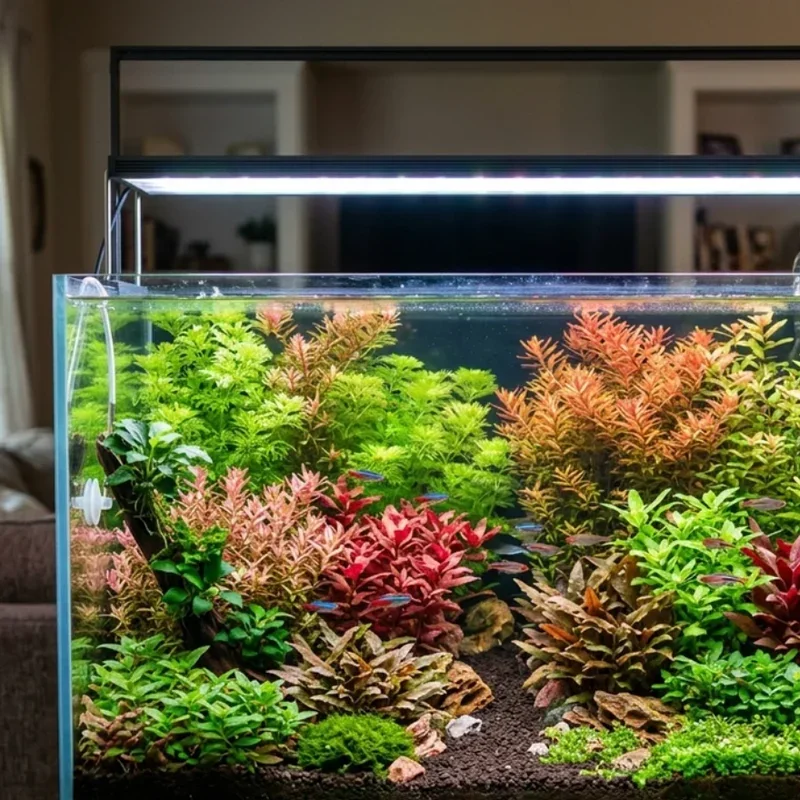
A Dutch style planted tank arranges aquatic plants in organized rows and groupings that create a lush, garden-bed aesthetic emphasizing color contrast, varied leaf textures, and structured planting arrangement over hardscape or natural chaos. Plant species in distinct clusters, grouping each variety tightly before transitioning to the next, since the organized separation creates the visual rhythm that defines Dutch aquascaping's deliberately cultivated beauty. Choose plants with contrasting leaf colors, from deep reds through bright greens through golden yellows, because chromatic variety across the arranged beds produces the garden-like richness this style demands. Trim regularly, since maintained proportions keep each species visible. Skip prominent rocks and wood. Think of Dutch tanks like botanical gardens submerged in glass. Your aquarium gains structured, colorful plant artistry.
7. Moss Wall Background Scape
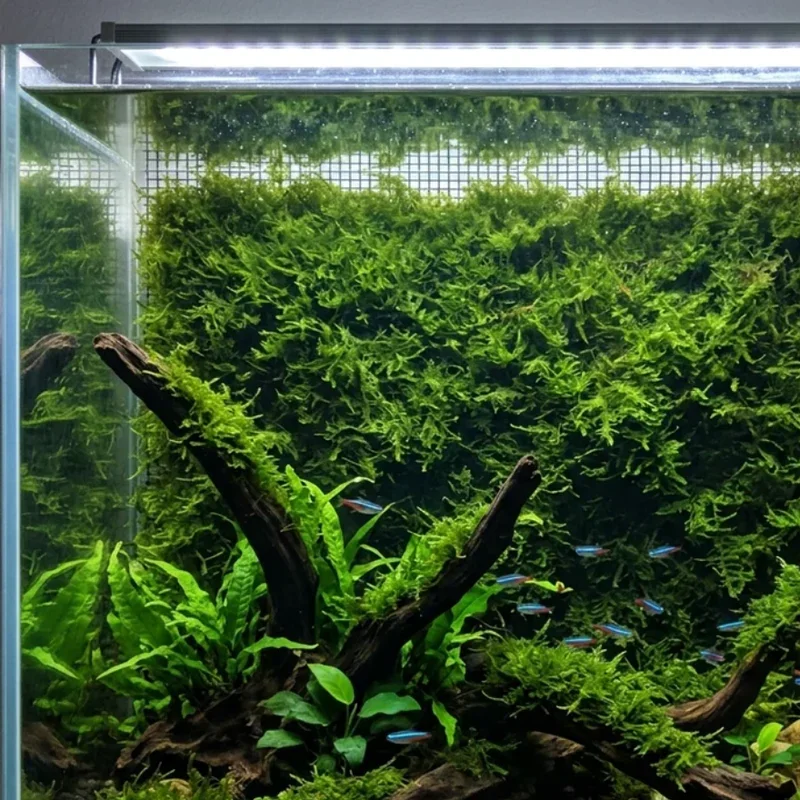
A moss wall background scape covers the rear glass with a lush green living carpet, creating a verdant backdrop that makes fish colors pop while adding the natural depth that bare or printed backgrounds cannot replicate with the same living beauty. Attach stainless steel mesh or plastic craft canvas to the back glass, then tie or glue Java moss, Christmas moss, or flame moss across the surface, since the attachment points anchor moss until it roots and spreads naturally across the entire panel. Trim the growing wall periodically, since maintenance prevents uneven patches and maintains the dense, carpet-like texture. Add foreground plants and driftwood. Think of moss walls like living green curtains behind your aquatic stage. Your tank gains lush, dimensional background beauty.
8. Coral Reef Saltwater Setup
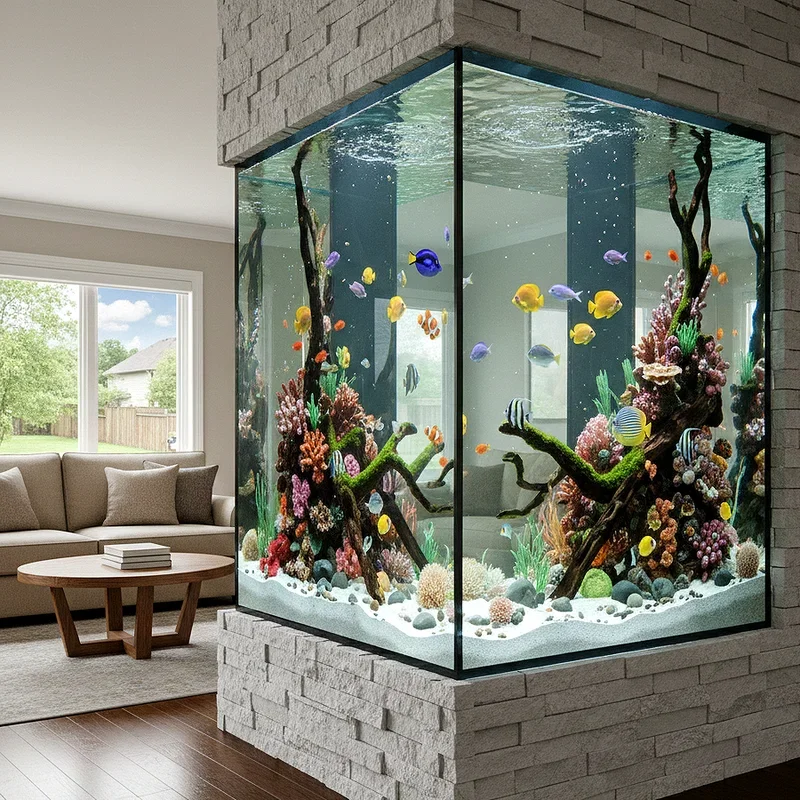
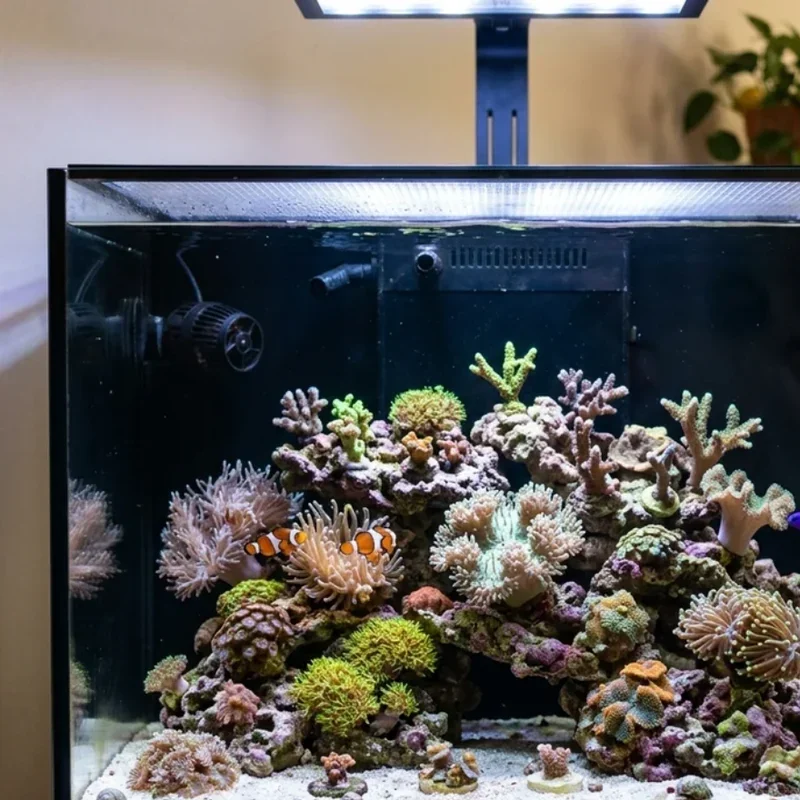
A coral reef saltwater setup transforms your 40 gallon into a miniature ocean ecosystem where colorful corals, live rock, and marine fish create a vibrant slice of tropical reef inside your living room. Build the foundation with quality live rock, since the porous limestone provides biological filtration and the structural base that corals attach to as the reef grows. Start with beginner-friendly soft corals like zoanthids, mushroom corals, and leather corals, because hardy species forgive the learning curve that saltwater chemistry demands during early months. Add a protein skimmer, powerheads, and quality lighting, since reef tanks require precise equipment that freshwater setups do not. Stock with clownfish or gobies. Think of reef tanks like ocean windows. Your home gains a living coral display.
9. Paludarium Half-Land Design
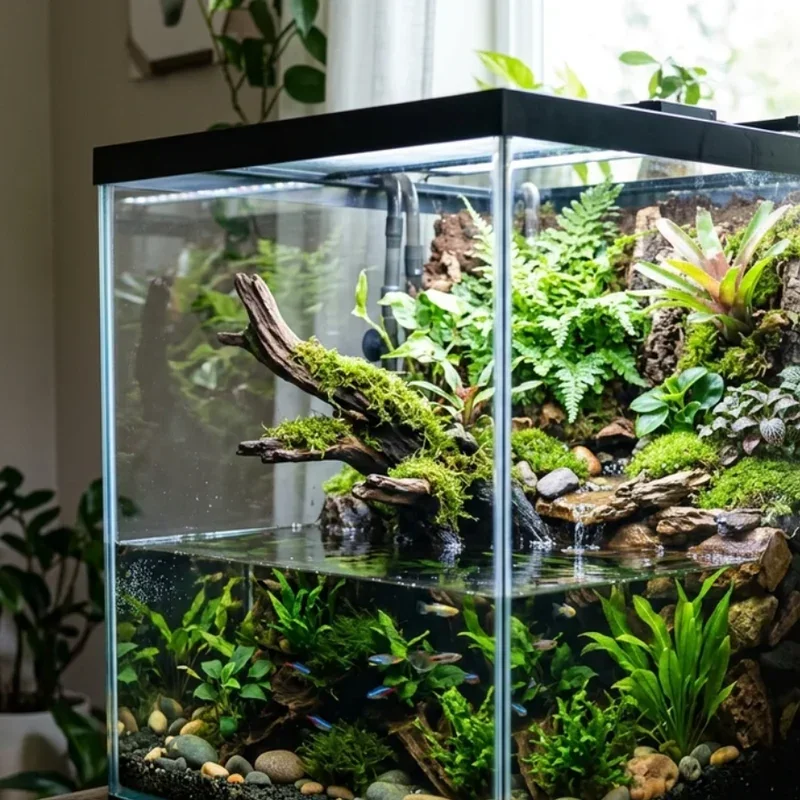
A paludarium half-land design splits your 40 gallon into above-water and below-water zones, creating a tropical environment where terrestrial plants grow above the waterline while fish swim beneath in a seamlessly connected ecosystem. Build a hardscape rising above the water level using rocks, cork bark, or expanding foam sculpted into land formations, since the elevated terrain creates the terrestrial zone that distinguishes paludariums from standard aquariums. Plant tropical ferns, mosses, and humidity-loving species above water, because the enclosed tank moisture sustains terrestrial plants without separate misting systems. Stock the water section with small fish, shrimp, and aquatic plants for complete dual-zone ecosystem balance. Think of paludariums like rainforest riverbanks captured inside glass boxes. Your tank gains stunning dual-world design.
10. Betta Sorority Community Tank
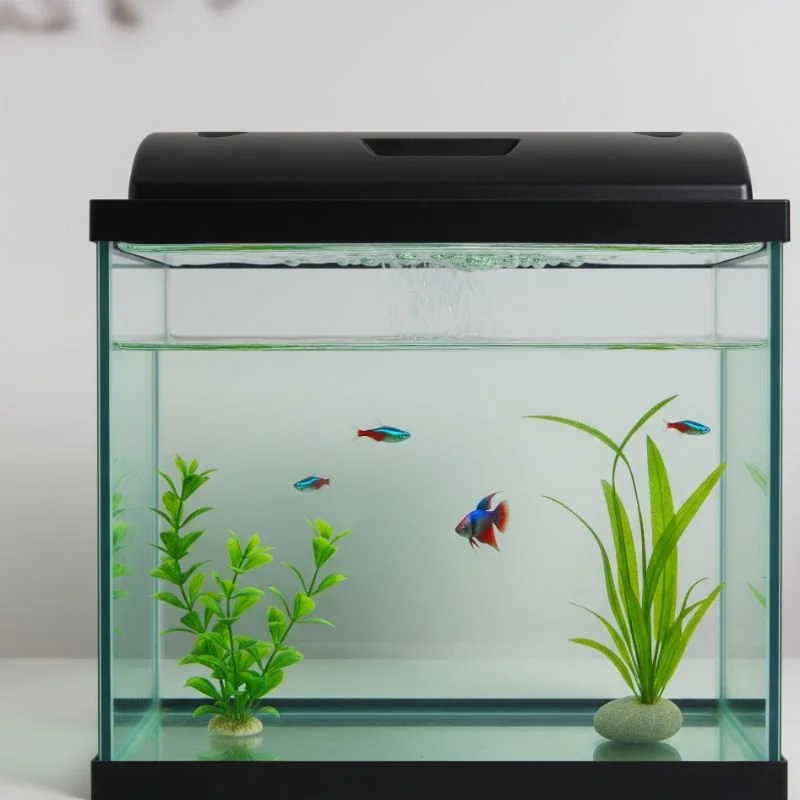
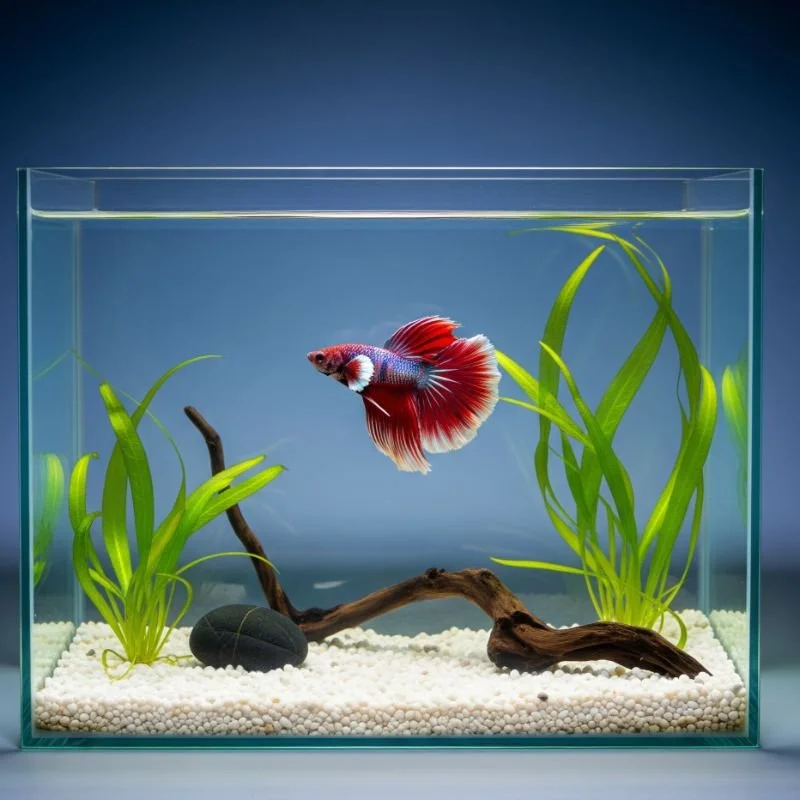
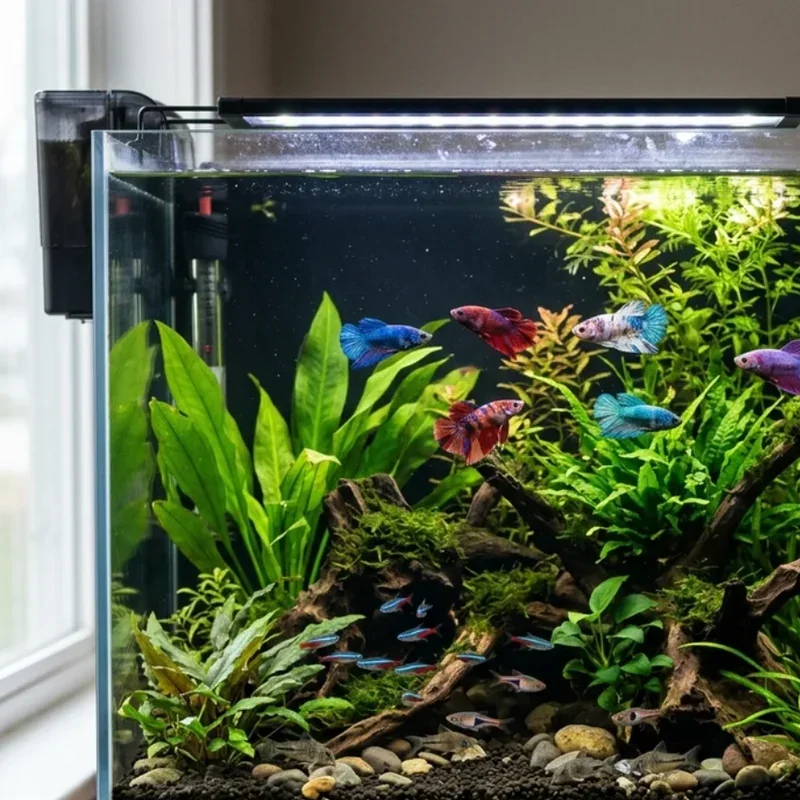
A betta sorority community tank houses a group of female bettas alongside peaceful tank mates, creating a colorful, active community that showcases the flowing fins and vibrant personalities bettas carry without the aggression that male-only groupings inevitably produce. Stock five to seven female bettas together, since odd-numbered groups prevent paired bullying dynamics that even numbers sometimes create. Add heavily planted areas with dense stem plants and floating cover, because visual barriers break sightlines that trigger territorial chasing between competing females. Include peaceful bottom-dwellers like corydoras catfish and kuhli loaches for varied mid-level and bottom activity. Monitor closely during the first weeks. Think of betta sororities like all-female dance troupes performing in planted theaters. Your tank gains colorful community.
11. Zen Minimalist Sand Scape
A zen minimalist sand scape fills your 40 gallon with sweeping white sand, a single dramatic rock, and almost nothing else, creating meditative negative space that calms the mind through deliberate emptiness rather than overwhelming fullness. Choose bright white sand covering the entire substrate, then place one carefully selected stone slightly off-center, since asymmetrical positioning creates natural visual tension that centered placement feels too static to achieve. Rake gentle wave patterns into the sand around the stone, because the textured surface mimics Japanese rock garden aesthetics translated underwater beautifully. Stock with a small school of one species only, since minimal fish complement minimal design. Keep filtration hidden. Think of zen scapes like underwater meditation spaces. Your tank gains serene, contemplative atmosphere.
12. Riverbed Fast-Flow Setup
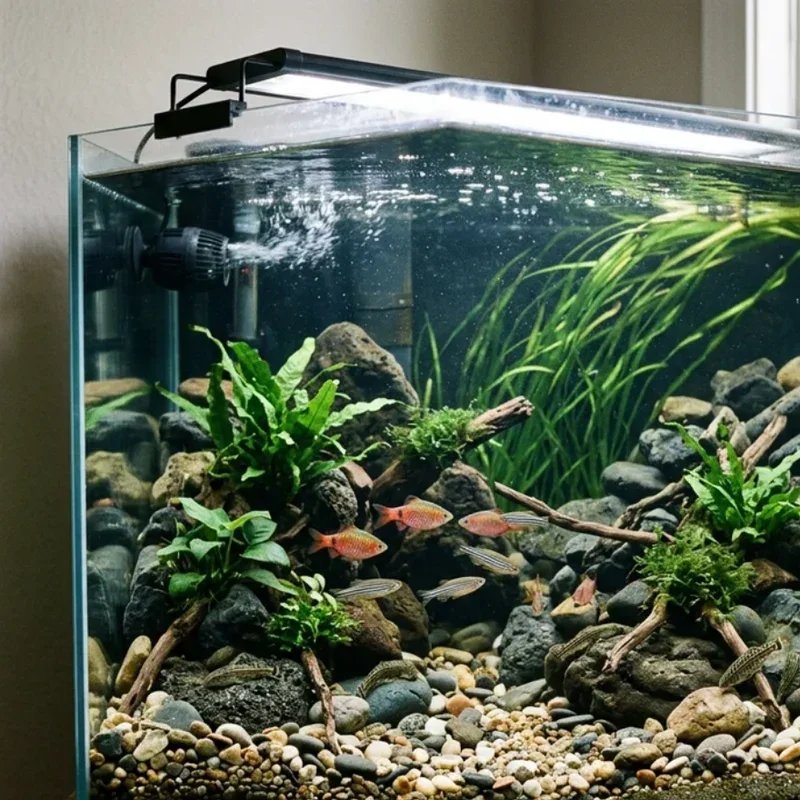
A riverbed fast-flow setup recreates the oxygen-rich, current-swept environment of mountain streams where smooth stones, fast water, and rheophilic fish species thrive in conditions most standard aquarium setups never attempt to replicate. Use rounded river stones and smooth pebbles across the substrate, since the tumbled, water-worn shapes authentically reproduce natural streambed textures. Add powerheads creating strong directional flow, because current-loving species like hillstream loaches, white cloud minnows, and stiphodon gobies need water movement to display natural behaviors and thrive physiologically. Skip tall plants that current flattens, choosing instead to attach Anubias and mosses to rocks, since low-profile vegetation withstands flow that stem plants cannot tolerate. Think of riverbeds like mountain streams bottled in glass. Your tank gains dynamic, flowing energy.
13. Cave and Tunnel Rockwork
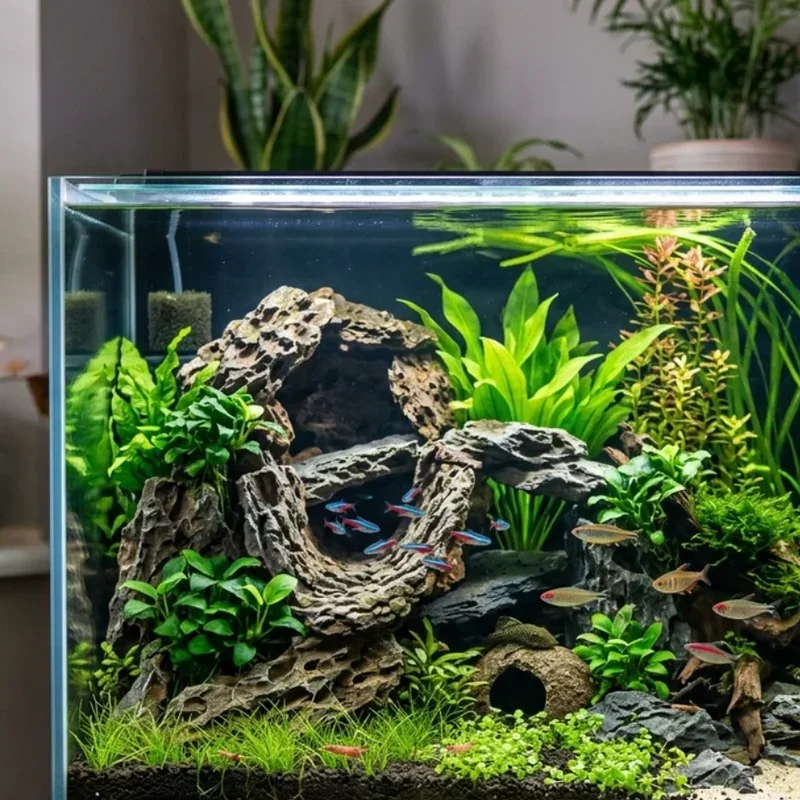
Cave and tunnel rockwork builds dramatic three-dimensional structures that create hidden passages, shadowy overhangs, and swim-through tunnels where fish explore, hide, and claim territories within an exciting architectural underwater playground. Stack rocks creating arched openings, stacked ledges, and deep crevices, since the varied formations provide the environmental complexity that intelligent fish species genuinely need for mental stimulation and stress reduction. Use aquarium-safe silicone to secure heavy rocks, because unstable stacks risk catastrophic collapse that crushes livestock and cracks glass. Choose fish that utilize caves, like plecos, cichlids, or catfish, since cave-dwelling species bring the architecture to life through active exploration. Think of cave scapes like underground cities built for fish. Your tank gains dramatic structural complexity.
14. Floating Island Aquascape
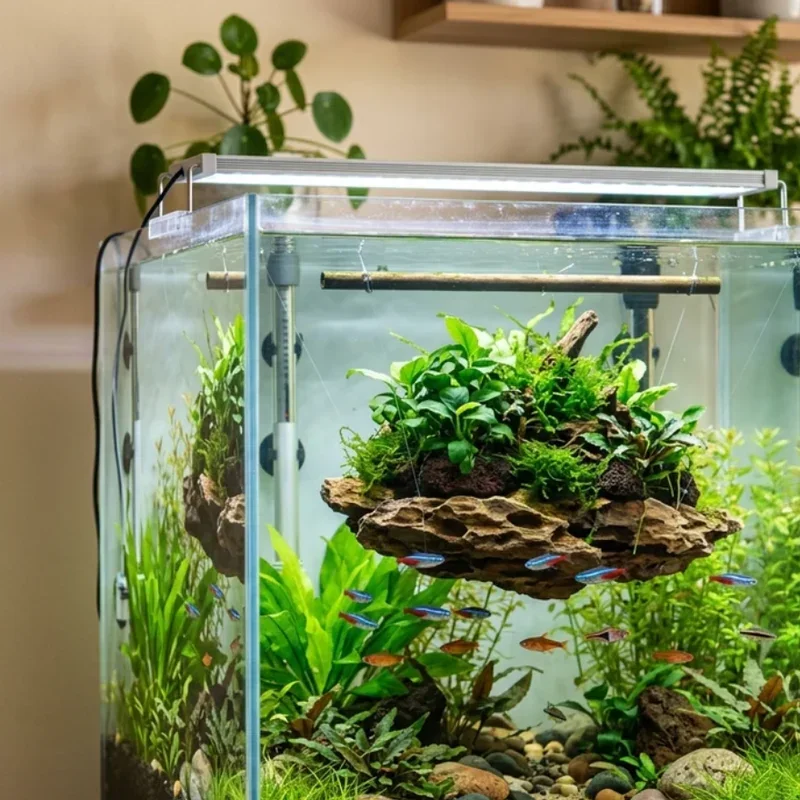
A floating island aquascape suspends a planted mass above the substrate using fishing line or thin supports, creating the illusion of a verdant island hovering weightlessly in mid-water like a scene from a fantasy world. Attach plants like Java moss, Anubias, and Bucephalandra to a piece of driftwood or volcanic rock, then suspend the planted mass from the tank rim using invisible fishing line, since thin monofilament disappears visually while supporting the structure securely. Position the floating island at mid-tank height, allowing fish to swim both above and below the hovering garden. Plant ground cover beneath. Think of floating islands like suspended gardens defying underwater gravity. Your tank gains magical, impossible-looking beauty that amazes viewers.
15. Fancy Goldfish Paradise Garden
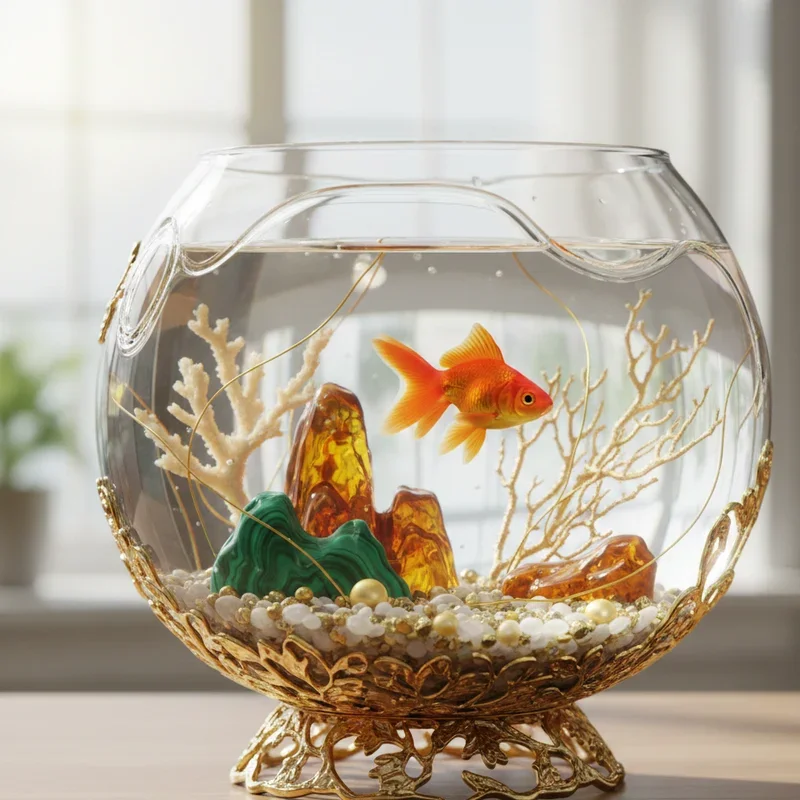
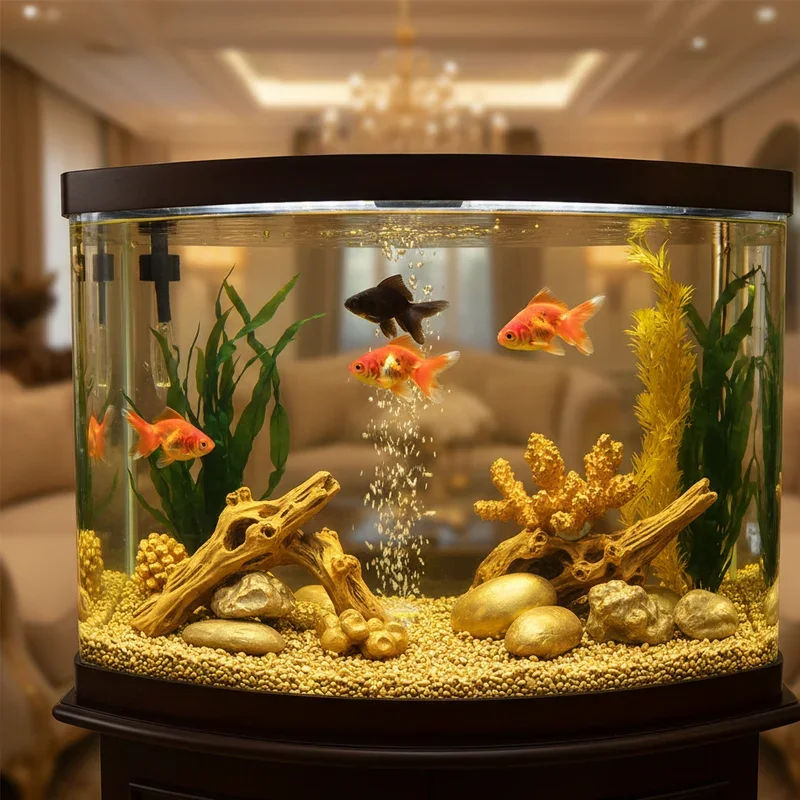
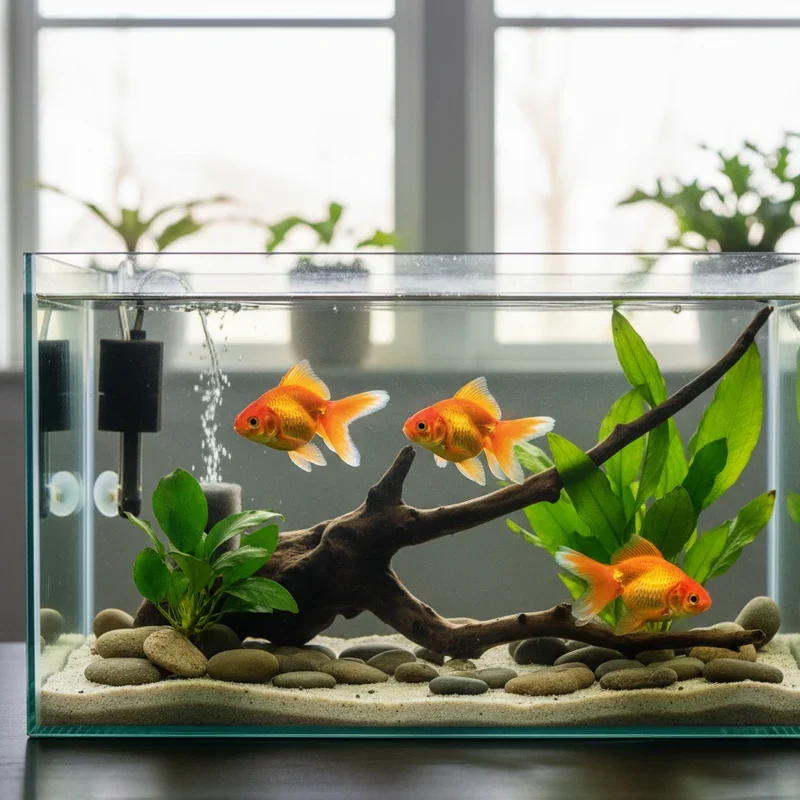
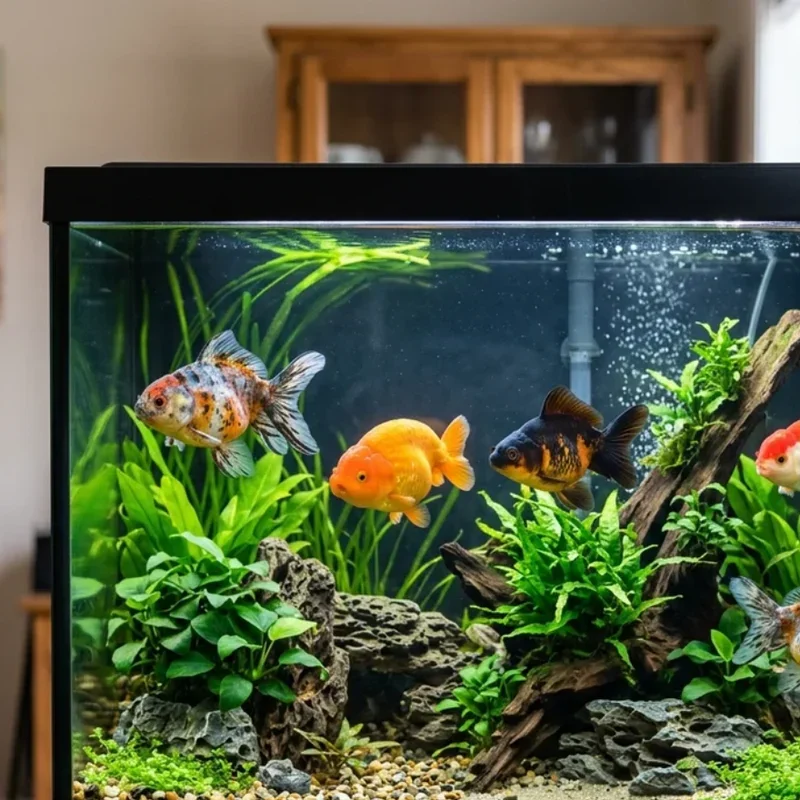
A fancy goldfish paradise garden builds a spacious, plant-friendly environment specifically designed for the flowing fins, gentle personalities, and surprisingly large waste production that fancy goldfish bring to any aquarium they inhabit. Choose cold-water-tolerant plants like Anubias, Java fern, and Vallisneria, since these hardy species survive the cooler temperatures and enthusiastic nibbling that goldfish impose on their environment. Use smooth gravel or sand substrate, because fancy goldfish forage along the bottom where sharp-edged gravel risks injuring their flowing fins and delicate eyes. Add rounded river rocks and smooth driftwood for natural decoration. Run powerful filtration. Stock only three to four fancy goldfish, since the 40 gallon provides appropriate space. Think of goldfish gardens like regal estates. Your tank gains gentle, graceful beauty.
Conclusion
A 40 gallon fish tank delivers the perfect canvas for stunning aquascapes that range from serene Iwagumi rock gardens to vibrant coral reef displays, matching every fishkeeping passion and skill level with breathtaking underwater artistry. These fifteen ideas span minimalist zen scapes to dense planted jungles, proving that one versatile tank size accommodates wildly different aquatic worlds depending on your creative vision. Whether you suspend a floating island or recreate a blackwater biotope, thoughtful design transforms glass and water into living art. The secret lies in choosing a style matching both your aesthetic taste and maintenance commitment. Start building your underwater masterpiece today.
Frequently Asked Questions
Q1: How many fish can a 40 gallon tank hold comfortably?
A: Stock approximately one inch of fish per gallon, adjusting for species size, activity level, and waste production.
Q2: Do 40 gallon tanks need CO2 injection for planted aquascapes?
A: Heavily planted tanks benefit significantly, but low-tech plants like Java fern and Anubias thrive without supplemental CO2.
Q3: What filtration works best for a 40 gallon aquarium?
A: A canister or hang-on-back filter rated for fifty to sixty gallons provides adequate flow and biological filtration.
Q4: How much does setting up a 40 gallon aquascape cost?
A: Basic planted setups start around two hundred dollars, while premium aquascapes with CO2 cost significantly more.
Q5: How long does a new 40 gallon tank need to cycle before adding fish?
A: Allow four to six weeks for the nitrogen cycle to establish beneficial bacteria before adding livestock.
Stay up to date with our latest ideas!