How Port St. Lucie Pet Owners Can Prevent Fleas and Ticks From Moving Indoors
Learn how Port St. Lucie pet owners can prevent fleas and ticks from entering their homes with practical tips for pet care, yard maintenance, and prevention.

A dog returns from a morning walk, flops onto the couch, and within a week the family notices scratching, tiny dark specks in the bedding, or a tick crawling along a baseboard. Pet owners in Port St. Lucie see this sequence often, since mild winters and humid summers allow fleas and ticks to remain active for much of the year. The animals do not appear from nowhere. They ride in on fur, collars, and paws after picking up hitchhikers outdoors. Stopping the cycle depends on understanding where pets collect parasites and what happens once those parasites reach the home.
Where Pets Pick Up Fleas and Ticks Outdoors
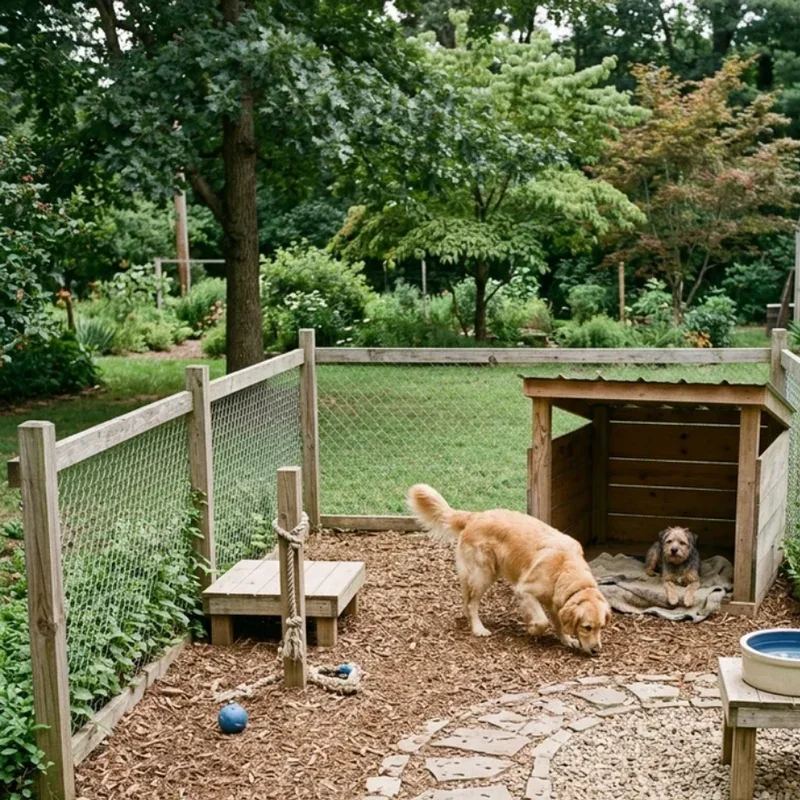
Fleas and ticks wait in places that offer shade and moisture. Tall grass at the edge of a yard, shaded leaf litter beneath trees, brushy borders, and the damp soil under shrubs are common sites. Walking routes can be just as productive. A trail beside a canal, a park with dense vegetation, or a neighbor's overgrown lot all expose a pet to parasites even if the home's own yard is tidy.
Wildlife plays a larger role than many owners realize. Raccoons, opossums, rodents, and stray cats pass through residential yards at night and leave flea eggs behind as they move. Those eggs fall into soil and sheltered corners, develop, and hatch when a warm host walks by. Ticks climb to the tips of grass or low plants and attach when an animal brushes past. Because the exposure is often brief and invisible, a pet can bring parasites home after an ordinary ten-minute stroll, with no sign anything happened until days later.
What Happens After Parasites Reach Carpets, Bedding, and Furniture
Once a flea jumps off a pet, the home becomes part of its life cycle. Adult fleas spend most of their time on the animal, but the eggs they lay fall off into whatever the pet touches. Carpet fibers, couch seams, bedding, and cracks in hardwood floors hold eggs, larvae, and pupae. The pupal stage is protected by a sticky cocoon that can stay dormant for weeks, then hatch when vibration or warmth signals a host is near.
That delay explains why a pet can be treated and the problem still appears to return. Fleas that emerge from the environment re-infest the animal, and the loop continues. Ticks behave differently, since they generally do not breed indoors in large numbers, but a fed female can drop off in a bedroom and lay eggs in a protected spot. The practical lesson is that treating only the symptoms, such as itching or bites, leaves most of the population untouched. Both the animal and its surroundings need attention at the same time.
Habits That Catch Problems Early
Daily routines make the biggest difference because parasites are easiest to stop before they establish. After outdoor time, run a fine-toothed flea comb through the coat, concentrating on the neck, belly, base of the tail, and between the toes. Check ears, armpits, and skin folds for ticks. Combing over a white towel shows flea dirt, which looks like specks of pepper and turns reddish when moistened.
A few habits help keep the home from becoming a breeding ground:
Wash pet bedding, blankets, and removable cushion covers in hot water every week.
Vacuum carpets, upholstery, and floor edges often, and empty the canister outdoors.
Inspect and comb pets after walks, park visits, or time in the yard.
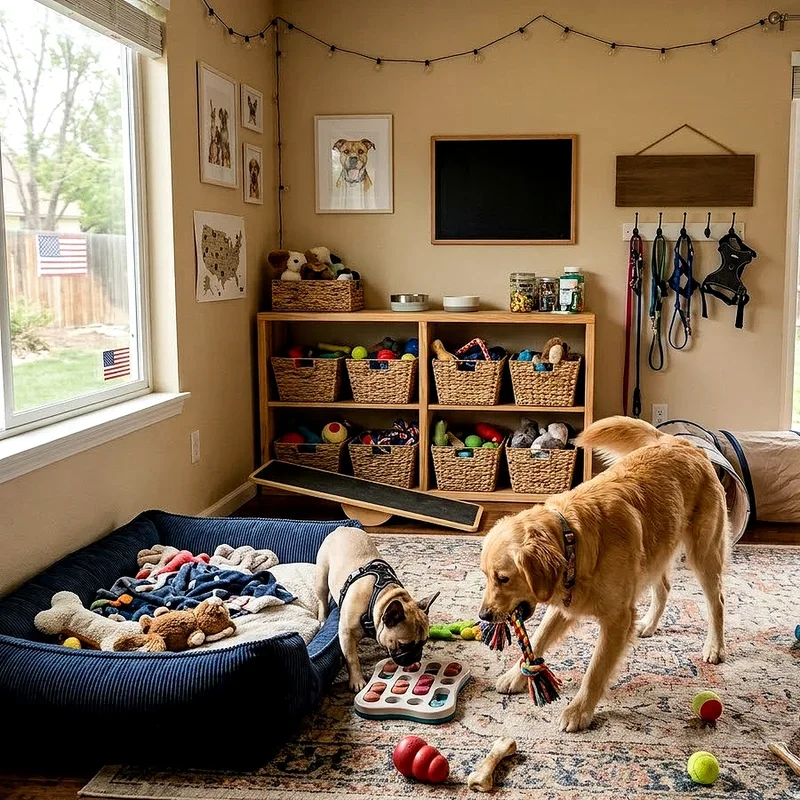
Clean the spots where animals rest, including crates, mats, and favorite sofa corners.
Watch for repeated scratching, biting at the skin, or small dark specks on fur.
Follow a veterinarian's guidance on year-round preventive treatment.
If checks keep turning up parasites despite steady effort, the source may be the yard or an area of the home that is hard to reach. In those cases a pest control company in Port St. Lucie can assess the environment and recommend a treatment plan that complements what the veterinarian provides for the animal.
Managing the Yard to Reduce Exposure
A yard that is hard for fleas and ticks to live in is one of the best long-term protections. Mow regularly and keep grass short, since ticks favor tall vegetation. Trim shrubs and low branches that create shade near play areas or resting spots. Remove leaf litter, brush piles, and any clutter that holds moisture. Gravel or mulch borders between lawns and wooded edges give ticks a harder path to cross.
Wildlife access deserves a look as well. Secure trash lids, bring pet food indoors at night, and close gaps beneath decks and sheds where animals may nest. Reducing the number of visitors lowers the number of eggs left behind. Pet owners who maintain the yard this way and still find fleas outdoors may be dealing with a larger infestation in soil or shaded areas. Contacting a pest control company in Port St. Lucie at that stage gives them a way to treat the yard and the house together instead of repeating separate efforts that do not connect.
Reading the Signs of a Persistent Problem
A few fleas in the spring do not always mean trouble, but certain signs suggest the issue has outgrown routine care. Pets that scratch intensely even after treatment, hair loss or red, irritated patches of skin, and visible fleas in light carpet or on socks around the ankles all point to an established population. Finding multiple ticks over a short period, or ticks indoors after the pet has been kept home, suggests the yard or entry points need closer review.
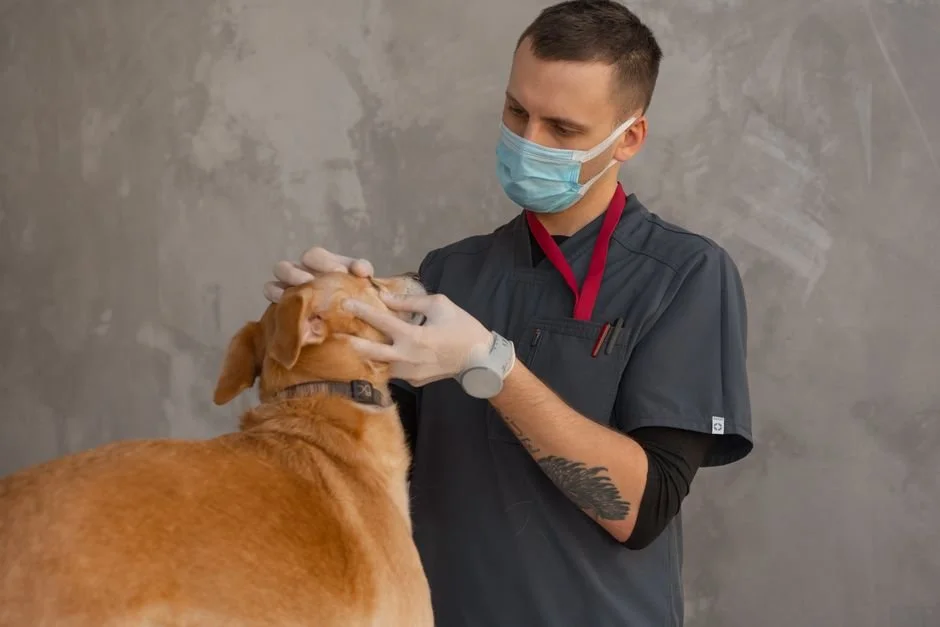
Pets with these symptoms should see a veterinarian, since flea allergy dermatitis and tick-borne illnesses require medical attention. At the same time, the household should keep a record of when and where problems appear. Notes about which rooms show activity and which outdoor spots the pet frequents help both the veterinarian and any pest professional identify patterns. Treating the animal without addressing the environment, or the reverse, tends to lead to repeated rounds of the same trouble.
Key Takeaways
Fleas and ticks reach the home through ordinary outings, which makes prevention a matter of daily habits rather than special events. Checking pets after time outdoors, washing bedding, vacuuming, and cleaning favorite resting spots interrupt the parasite life cycle in the places where it continues. Keeping grass short, clearing leaf litter, and limiting wildlife access make the yard less welcoming.
When scratching continues, bites appear on people, or parasites keep turning up in the same areas, the problem has likely moved beyond what routine care can handle. Combining veterinary care with a professional assessment of the home and yard offers the most complete path to relief, and it allows the pet and the household to return to a comfortable routine.
Stay up to date with our latest ideas!