German Shepherd Guide: Temperament, Care and How to Choose a Healthy Puppy
A German Shepherd can be one of the most rewarding dogs you will ever own: loyal, intelligent, protective and endlessly devoted.

Few dog breeds are as instantly recognisable, or as widely admired, as the German Shepherd. Intelligent, loyal and brave, these dogs work alongside police officers, soldiers, search-and-rescue teams and guide dog services around the world. At home, they are devoted family companions and natural protectors of their property and people. It is no surprise that German Shepherds are among the most popular breeds for families looking for both a friend and a guard dog. But they are also demanding dogs that need proper training, exercise and care. This guide explains what to expect from the breed, how to care for one and how to choose a healthy puppy responsibly.
A brief history of the breed
The German Shepherd was developed in Germany in the late nineteenth century, when breeders set out to create the ideal herding dog: intelligent, strong, obedient and tireless. The breed's working ability soon made it popular for police and military work, and over the decades German Shepherds have served as messenger dogs, guard dogs, search-and-rescue dogs and guide dogs. Today, the breed remains one of the most versatile working dogs in the world.
Why German Shepherds are so popular
Intelligence: they learn commands quickly and excel at obedience training.
Loyalty: they form strong bonds with their families.
Protective instincts: they are naturally alert and watchful, making excellent guard dogs.
Versatility: they can be trained for security, sport, therapy and companionship.
Striking appearance: their athletic build and noble expression make them stand out.
Because of the breed's popularity, many puppies and adult dogs are offered for sale, and quality varies greatly between breeders. If you are looking in Kenya, browsing current listings for a German Shepherd lets you compare puppies and adult dogs from different breeders and locations, check whether vaccination and registration records are offered and understand typical prices. Comparing several listings is a useful first step before visiting breeders in person.
Appearance and size
German Shepherds are medium to large dogs with a strong, muscular build. Adult males typically stand around 60–65 cm at the shoulder, and females around 55–60 cm. Males commonly weigh between 30 and 40 kg, while females are usually lighter. Their lifespan is typically around 9 to 13 years with good care.
The breed has a double coat, with a dense undercoat and a harsher outer coat. Common colours include black and tan, sable and solid black. There are also long-coated German Shepherds, which have a softer, longer outer coat and require more grooming.
Temperament: what are they like to live with?
A well-bred and well-trained German Shepherd is confident, calm, loyal and eager to please. They are usually gentle with their families, including children, but naturally cautious with strangers. This makes them excellent watchdogs, but it also means early socialisation is essential to prevent fearfulness or excessive aggression.
German Shepherds are highly energetic and intelligent. Without enough exercise and mental stimulation, they can become bored, anxious and destructive, and may bark excessively, dig or chew. They thrive when they have a job to do, whether that is guarding the compound, learning new commands or playing active games.
Is a German Shepherd right for you?
A German Shepherd may suit you if:
You have enough space, ideally a secure compound or yard.
You can provide at least one to two hours of exercise and activity every day.
You are willing to invest time in training and socialisation.
You can afford quality food, regular vet care and preventive treatments.
You want a loyal companion that also offers security.
They may not be the best choice for people who are away from home for long periods, live in small apartments without access to exercise areas or prefer a low-energy, low-maintenance pet.
Choosing a healthy puppy
Find a responsible breeder
A good breeder prioritises health and temperament over quick profits. Look for breeders who:
Allow you to visit and see the puppies with their mother, and ideally the father.
Keep the dogs in clean, spacious and safe conditions.
Provide vaccination and deworming records from a veterinarian.
Offer registration papers from a recognised kennel club, if you want a pedigree dog.
Can tell you about health screening of the parents, such as hip and elbow checks.
Ask you questions about your home and lifestyle to ensure the puppy is a good fit.
Signs of a healthy puppy
Bright, clear eyes and clean ears without a bad smell.
A shiny coat without bald patches, sores or fleas.
Active, curious and playful behaviour.
A healthy body weight, neither bloated nor too thin.
No discharge from the eyes or nose, and no coughing or diarrhoea.
Puppies should generally stay with their mother until they are at least eight weeks old.
Avoid puppy scams
Unfortunately, fake puppy advertisements are common. Never send a deposit or payment for a puppy you have not seen in person, be wary of prices far below the market average and be suspicious of sellers who refuse visits or pressure you to pay quickly for "transport" or "vaccination" fees.
Consider adoption
Adult German Shepherds sometimes need new homes. Rescue organisations and animal welfare groups can match you with a dog whose personality is already known, which can be a great option for experienced owners.
Preparing your home for a new puppy
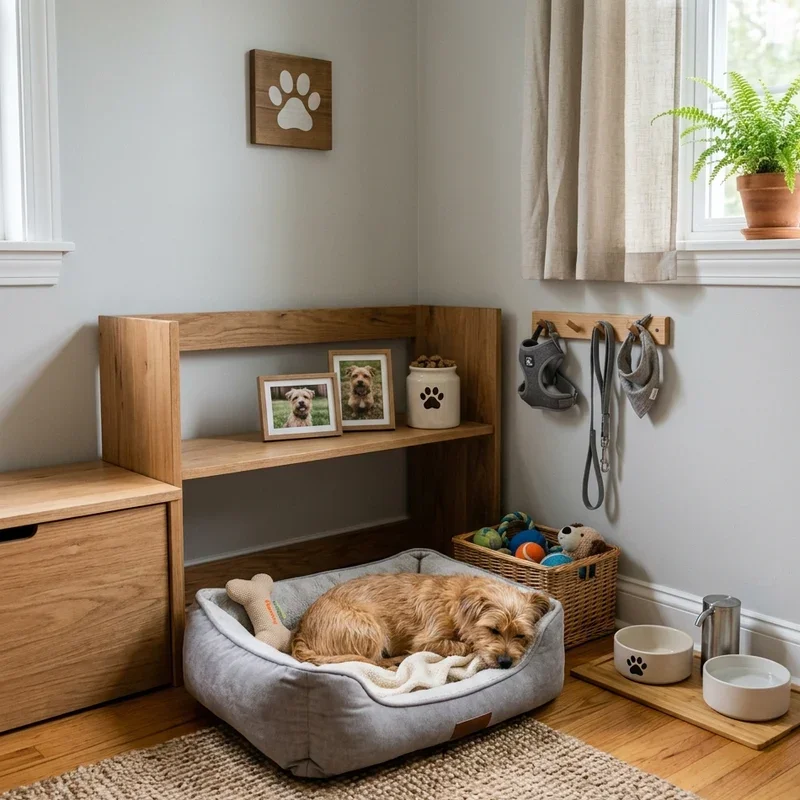
Before your puppy arrives, get the essentials ready so the first days are smooth and stress-free:
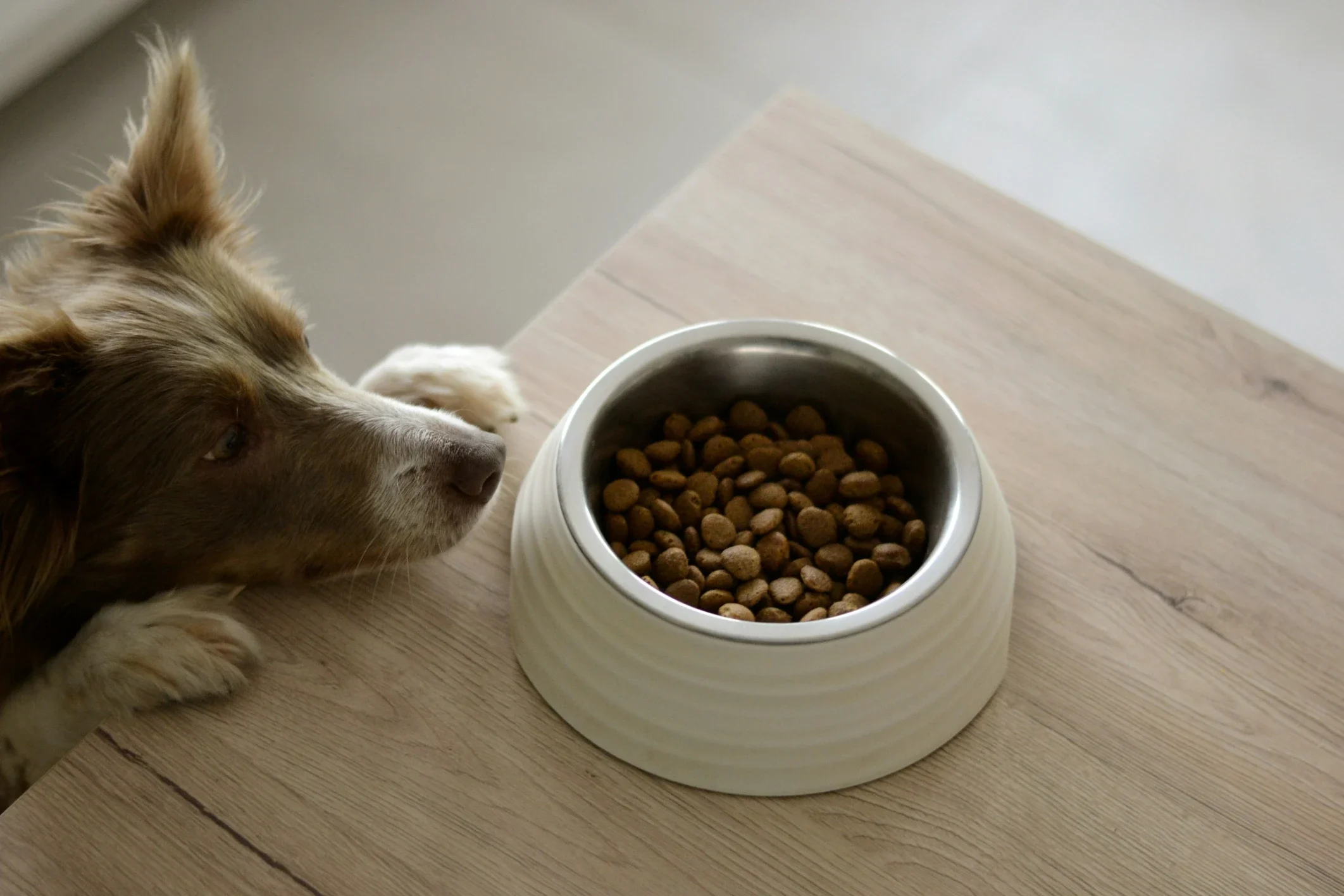
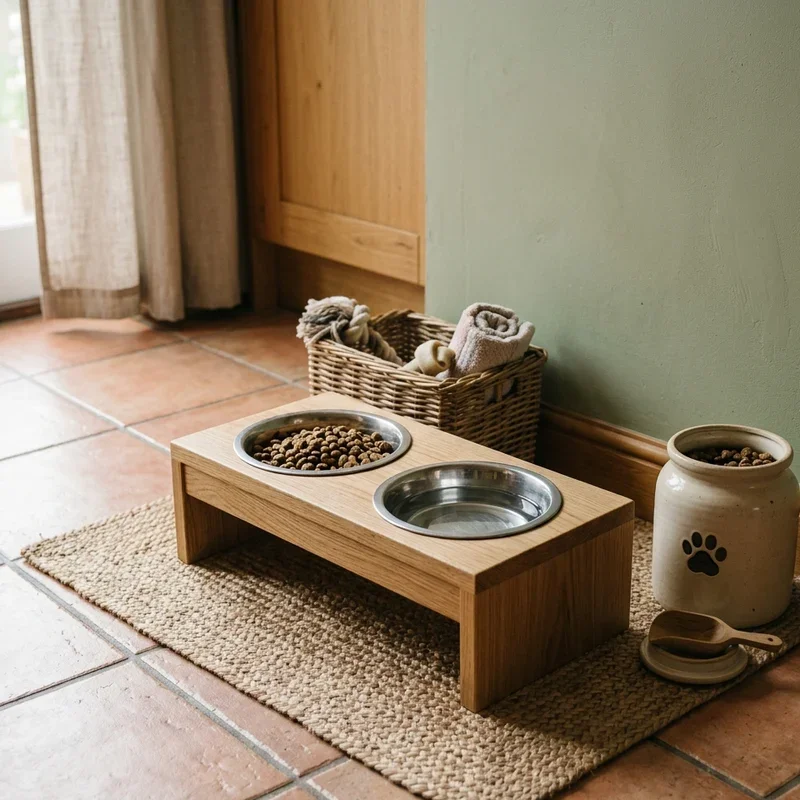
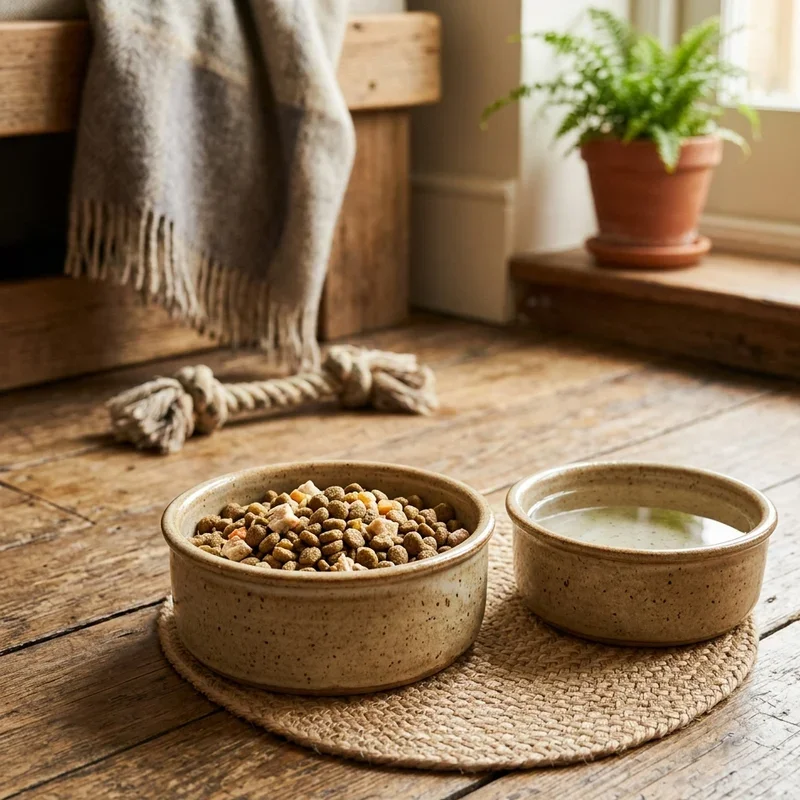
Food and water bowls, ideally stainless steel, which is durable and easy to clean.
Quality puppy food, preferably the same brand the breeder has been using, to avoid stomach upsets. Change foods gradually if needed.
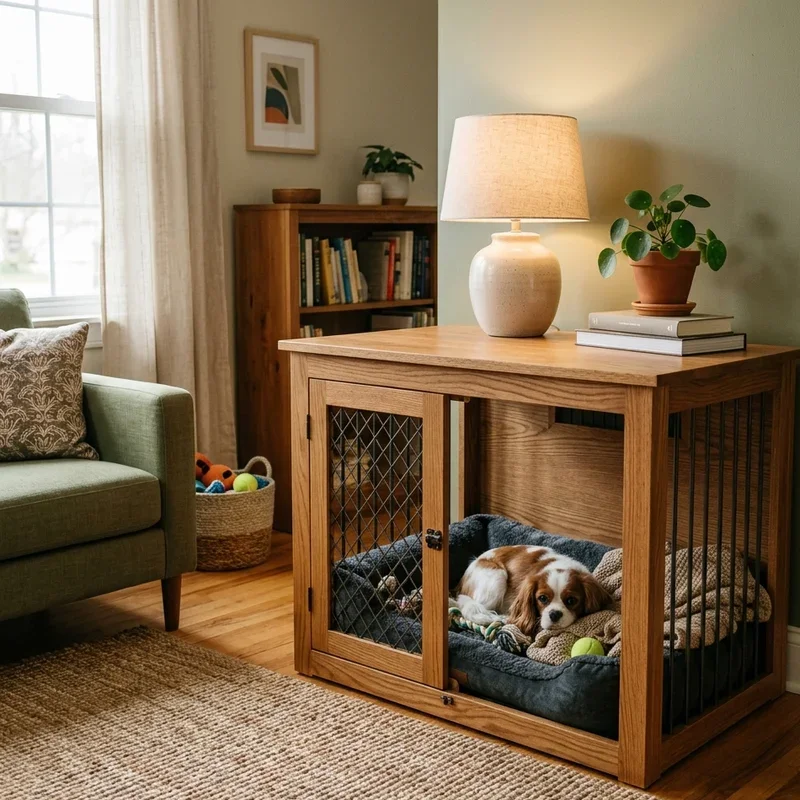
A comfortable bed and a safe sleeping area away from draughts.
A collar, lead and identification tag with your phone number.
Chew toys to satisfy teething and protect your furniture and shoes.
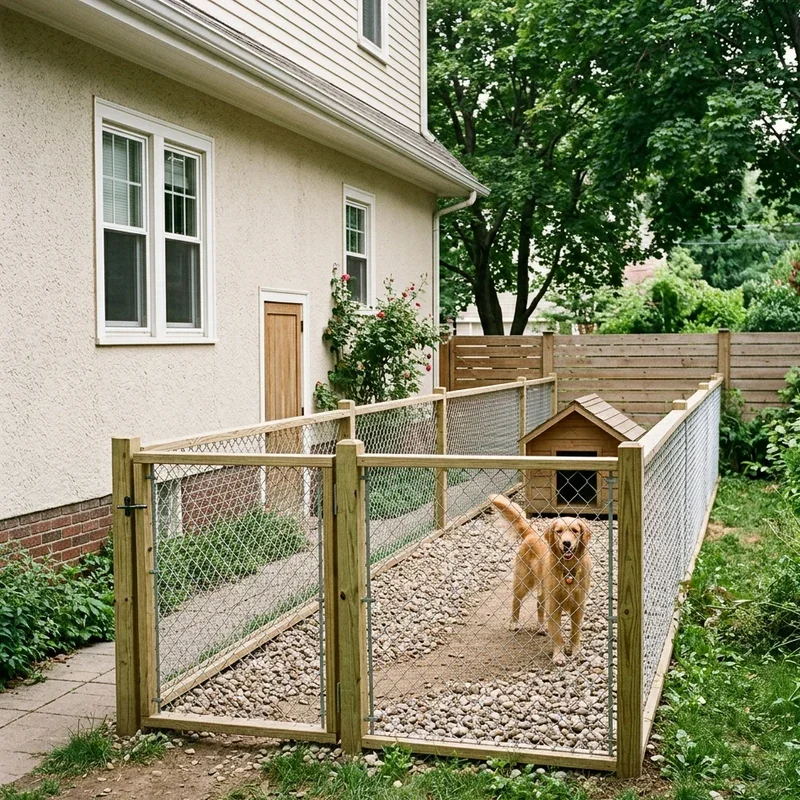
A secure compound: check fences and gates for gaps, and remove toxic plants, chemicals and small objects the puppy could swallow.
A vet appointment within the first few days for a health check and to confirm the vaccination schedule.
Expect the first nights to be unsettling for a young puppy leaving its mother and littermates. Patience, a consistent routine and gentle reassurance will help it settle in quickly.
Caring for your German Shepherd
Nutrition
Feed a high-quality diet suitable for large breeds and the dog's life stage: puppy, adult or senior. Large-breed puppy food supports healthy bone and joint development. Divide meals into two or more portions a day, avoid overfeeding and provide fresh, clean water at all times. Ask your vet for guidance on portion sizes.
Exercise
German Shepherds need daily walks, runs and play sessions. Games like fetch, tracking and agility exercises keep them physically fit and mentally stimulated. Avoid intense exercise immediately before or after meals, and be careful not to over-exercise young puppies, whose joints are still developing.
Training and socialisation
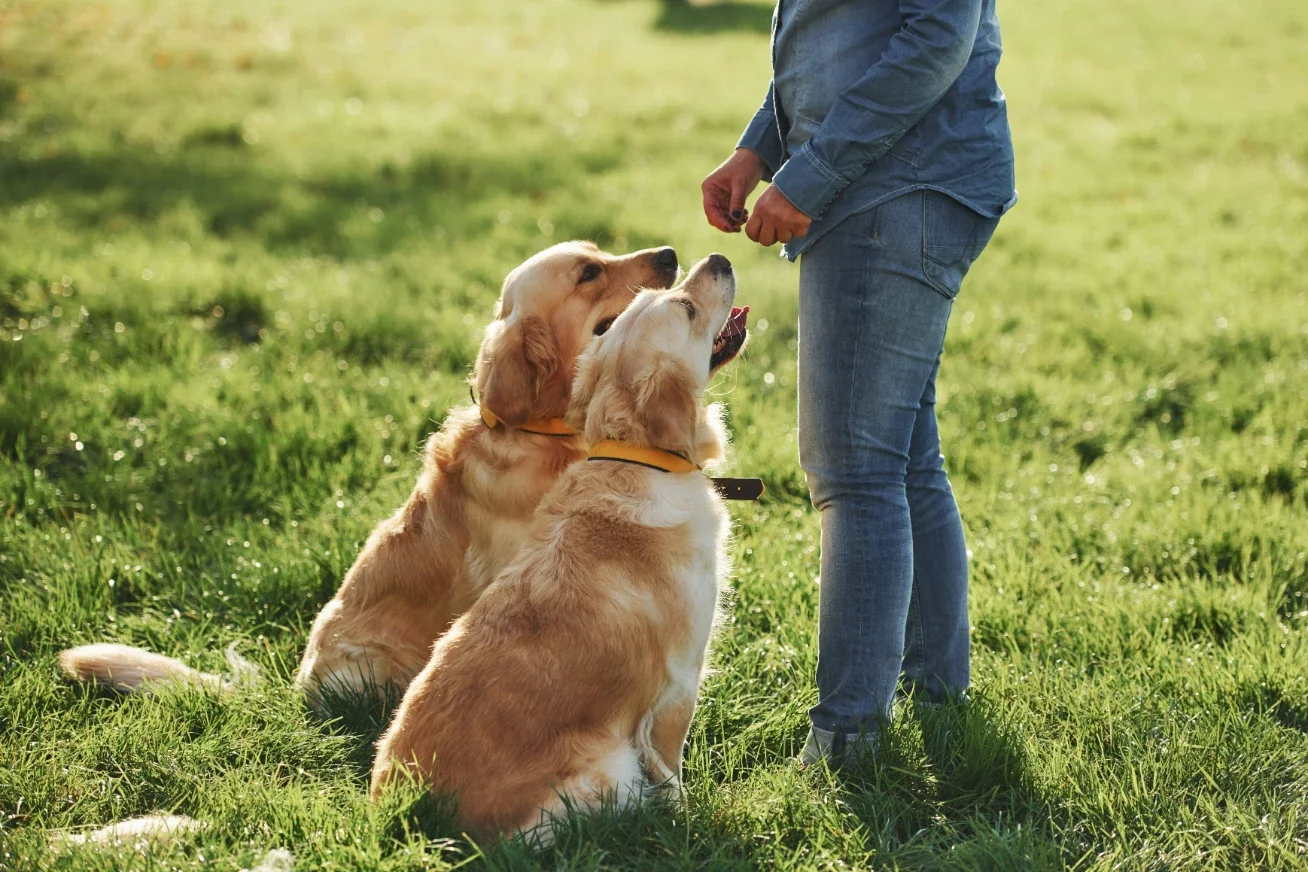
Start training early using positive reinforcement such as praise, treats and play. Teach basic commands like sit, stay, come and leave it. Introduce your puppy to different people, animals, sounds and environments from a young age to build confidence. Professional obedience classes are highly recommended, especially for first-time owners or anyone who wants a well-trained guard dog.
Grooming
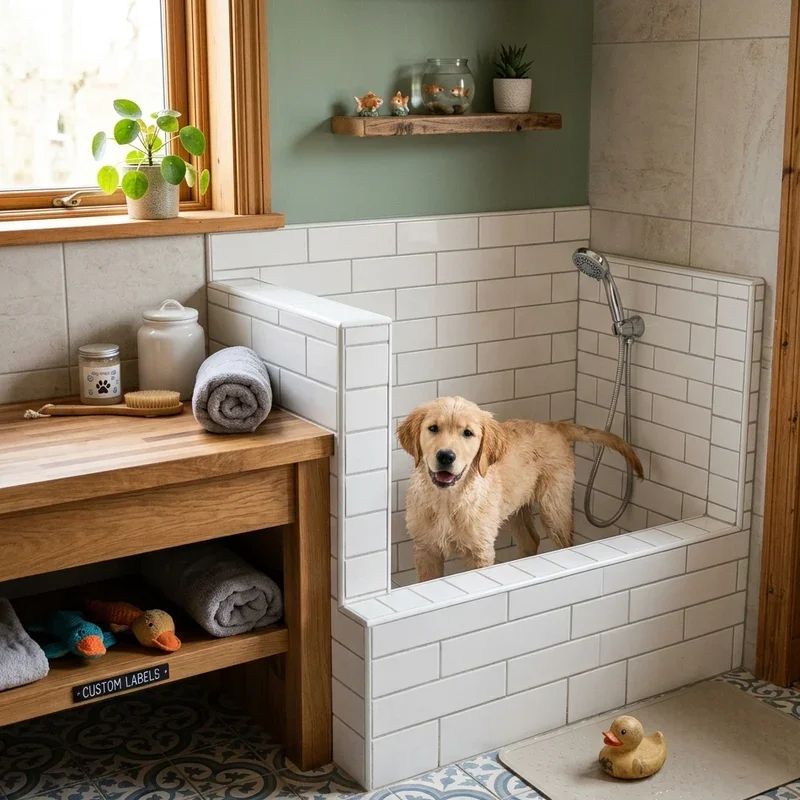
German Shepherds shed throughout the year and more heavily during seasonal coat changes. Brush them several times a week to remove loose hair and keep the coat healthy. Bathe only when necessary, trim nails regularly, clean ears and check teeth.
Shelter and comfort
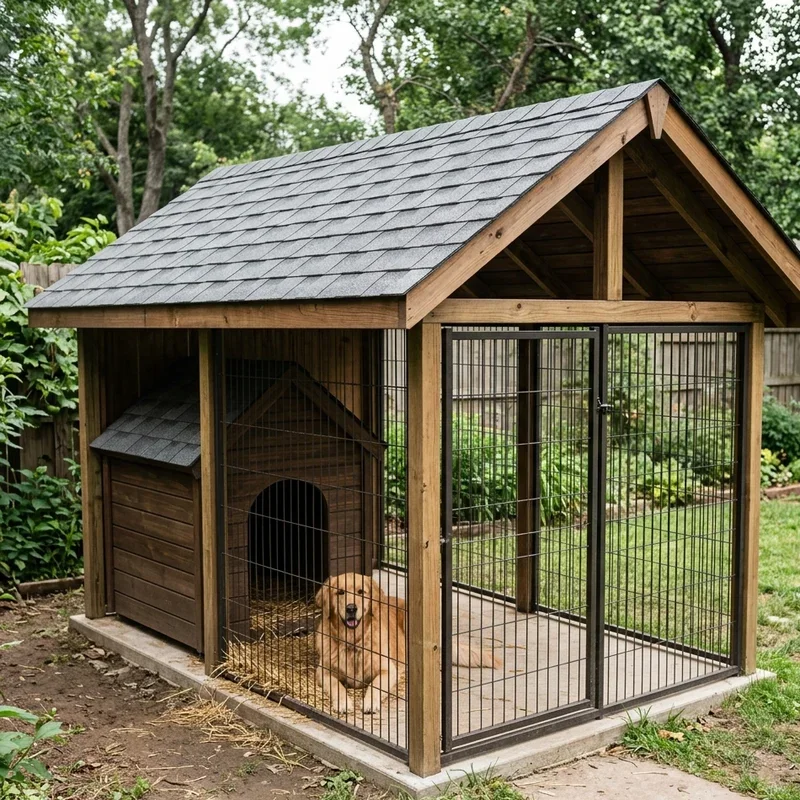
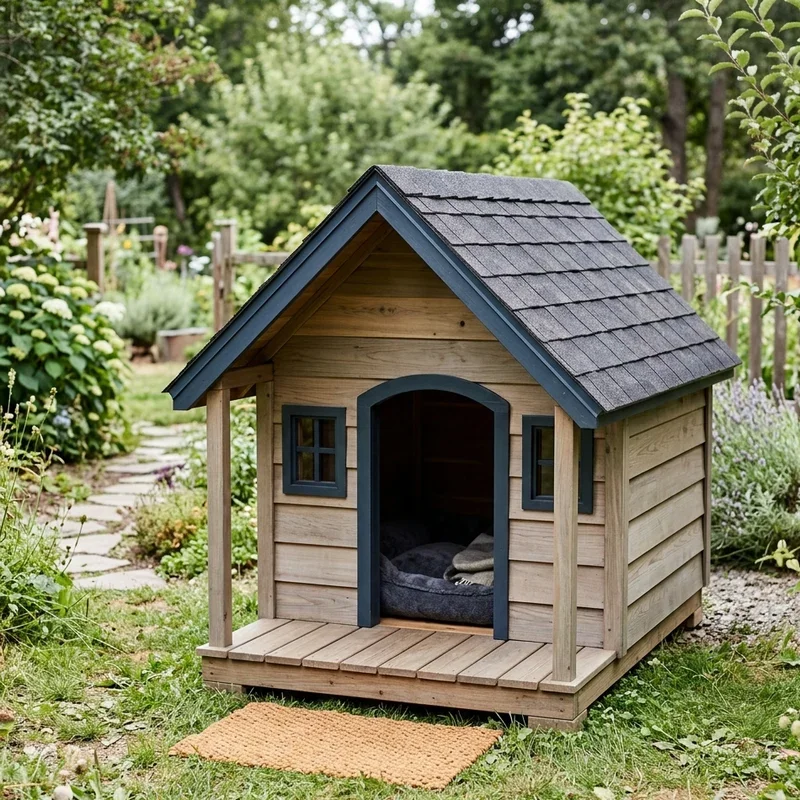
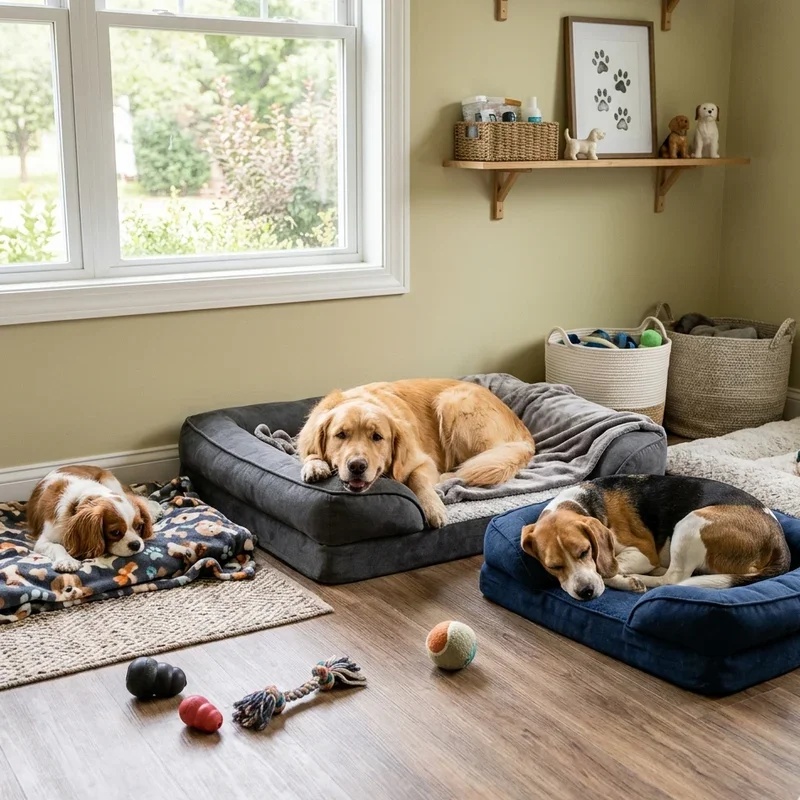
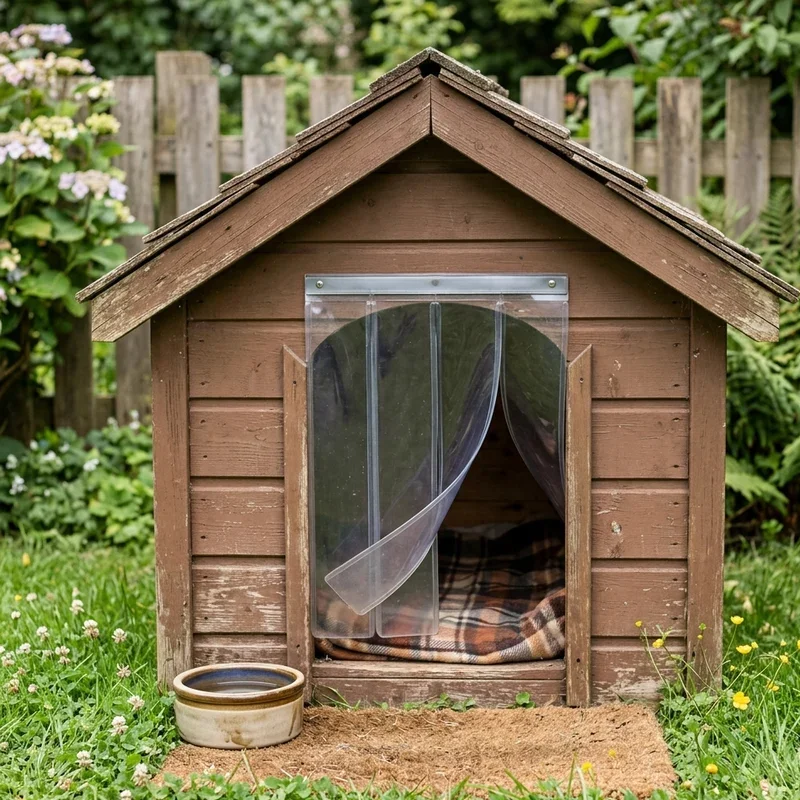
Provide a clean, dry, well-ventilated shelter or kennel that protects your dog from sun, rain and cold nights. Include comfortable bedding and access to shade and water. Remember that German Shepherds are social animals and do best when they spend time with their families rather than being isolated.
Health care
Like many large breeds, German Shepherds can be prone to certain health issues, including hip and elbow dysplasia, degenerative myelopathy, bloat (a life-threatening stomach condition), skin allergies and digestive sensitivities. Regular vet check-ups help catch problems early.
Vaccinations: follow your vet's vaccination schedule, including rabies vaccination, which is a legal requirement in Kenya and many other countries.
Parasite control: regular deworming and tick and flea prevention are essential, as tick-borne diseases can be serious.
Spaying or neutering: discuss the benefits and timing with your vet.
Bloat awareness: learn the warning signs, such as a swollen belly, restlessness and unproductive retching, and seek emergency care immediately if they appear.
The bottom line
A German Shepherd can be one of the most rewarding dogs you will ever own: loyal, intelligent, protective and endlessly devoted. In return, it needs time, training, exercise, good nutrition and regular veterinary care. Choose a healthy puppy from a responsible breeder or consider adopting an adult dog, invest in training and socialisation from the start and your German Shepherd will be a trusted companion and guardian for many years.
Stay up to date with our latest ideas!