Common Pest Control Mistakes Pet Owners Can Avoid Around the Home
Learn common pest control mistakes pet owners should avoid, with practical tips for choosing safer treatments, preventing infestations, and protecting pets.

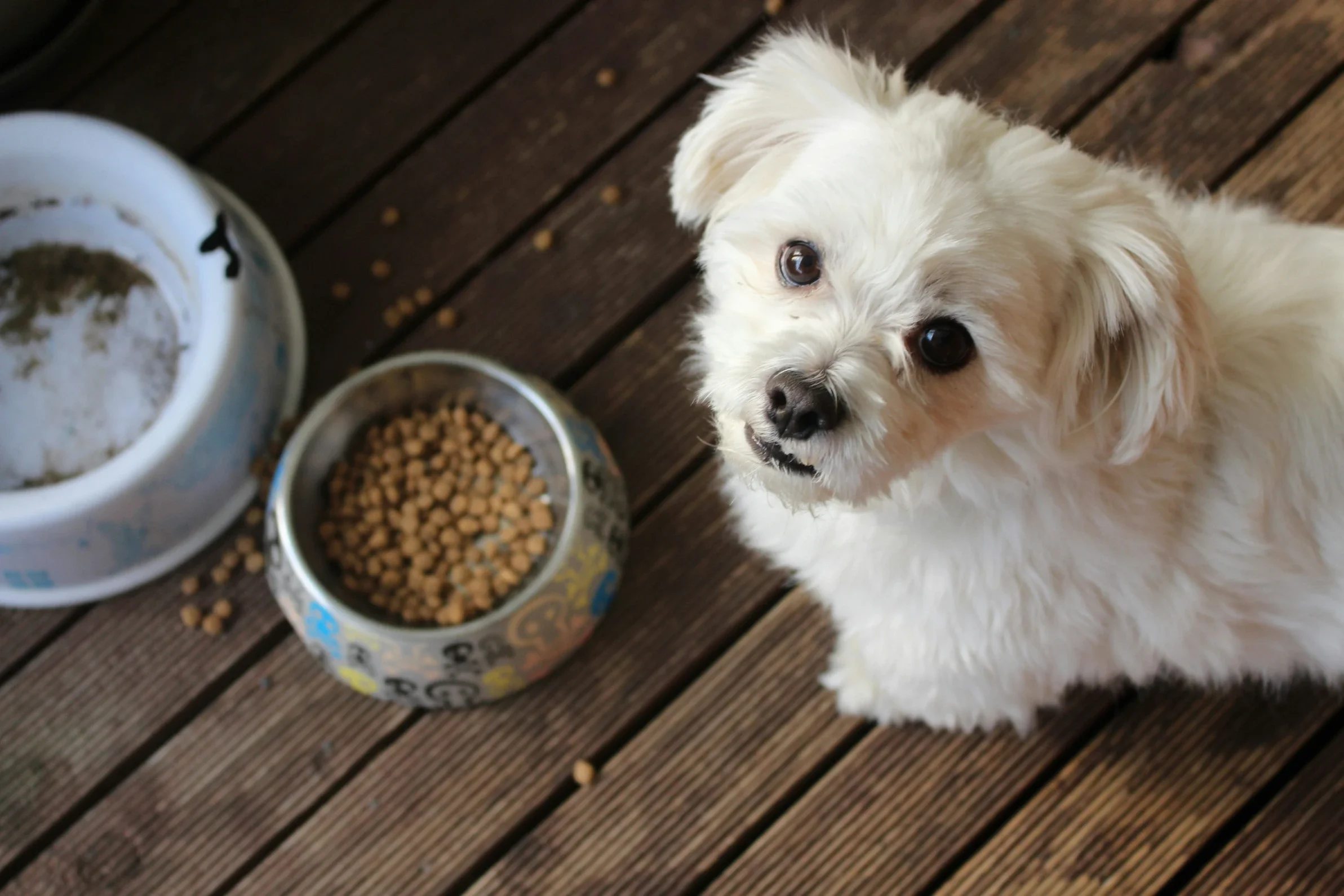
A bowl of kibble left out overnight feels like a kindness to a pet that grazes. To an ant colony, a roach, or a mouse, it is an open invitation. Homes with pets face a different set of pest problems from homes without them, because food, bedding, fur, and outdoor access all create openings. The same homes also face tighter limits on how problems can be handled, since a product that is fine in an empty kitchen may not suit a floor where a dog naps. Small errors compound quickly. The sections below cover the mistakes that cause the most trouble and the safer habits that replace them.
Why Homes With Pets Need a Different Approach
Pets change the household in several ways. They bring food into the home, shed hair and skin flakes that feed fabric-eating insects, and go in and out through doors that may stay open. They also rest low to the ground, lick surfaces, and groom themselves, which means anything applied to floors or baseboards can reach them.
Pests respond to the same cues. Pet food draws ants, cockroaches, and rodents. Warm bedding shelters fleas. Outdoor water bowls breed mosquitoes. A dog returning from the yard may carry ticks or fleas that start a problem indoors.
Because of this overlap, pest control in a pet household is as much about habits as about products. Prevention that removes food, moisture, and shelter reduces the need for stronger measures later, and that matters when animals share the space.
Leaving Food Out and Ignoring Where It Is Stored
Food is the biggest invitation. Kibble in an open bowl overnight, treats in a torn bag, and a pet food container with a loose lid all feed pests. Ants find crumbs within hours, and cockroaches and mice forage at night, when the house is quiet.
Better habits are easy to keep. Feed pets at set times, pick up bowls when they finish, and wipe the area around the dish, since spilled bits and drool leave scent trails. Store dry food in airtight containers made of hard plastic or metal, and keep them off the floor if possible. Wash water bowls daily, because biofilm and spilled water attract insects.
Small errors in this area can make a household pest problem harder to resolve, a pattern described in 7 common pest control mistakes, where simple oversights allow a manageable situation to grow. A quick scan of the feeding area each night, looking for crumbs, spills, and open bags, catches most trouble before it spreads.
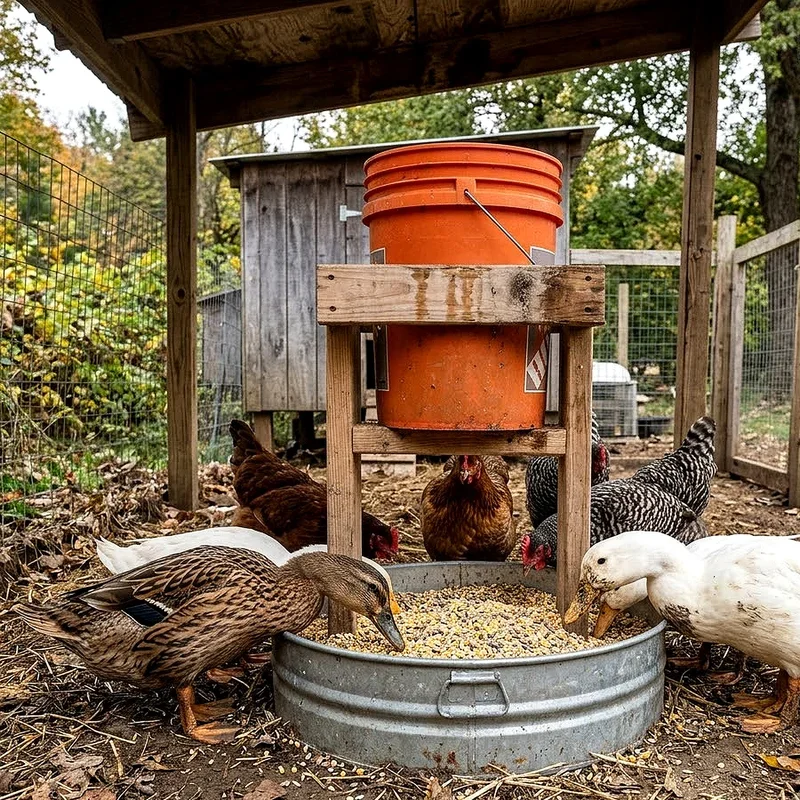
Do not forget bird feeders, outdoor pet food, and the cat food that someone leaves on the porch. Those sources draw ants, flies, and sometimes raccoons and rodents near the house.
Treating Only the Pests You Can See
Seeing a few ants or roaches usually means a larger group is hiding. Spraying the visible insects offers a brief sense of progress, and the problem returns within days. Many sprays also scatter colonies, so the insects move into new rooms instead of dying out.
A better approach tracks where the activity starts. Note the room, time of day, and nearby food or moisture each time you see something, and follow ant trails back to their entry point. A trail that leads to a gap beside a pipe, a crack under a door, or a damp cabinet points to the real source. Fixing that source does more than any quick spray.
Pet households carry an extra reason for patience. The less product you apply in living areas, the less chance a curious animal comes into contact with it. Sealing gaps, repairing leaks, and removing food sources reduces pressure without introducing anything pets might lick or walk through.
When the pattern keeps returning despite these steps, a professional inspection can trace hidden sources behind walls or under floors, and a technician can recommend options that consider the animals living in the home.
Overlooking Outdoor Sources and Moving Infested Bedding
Many indoor problems start outside. Ticks and fleas ride in on pets from tall grass, shaded corners, and wildlife paths. Mosquitoes breed in buckets and clogged gutters near the door. Ants nest in soil along the foundation and travel to the pet bowl inside.
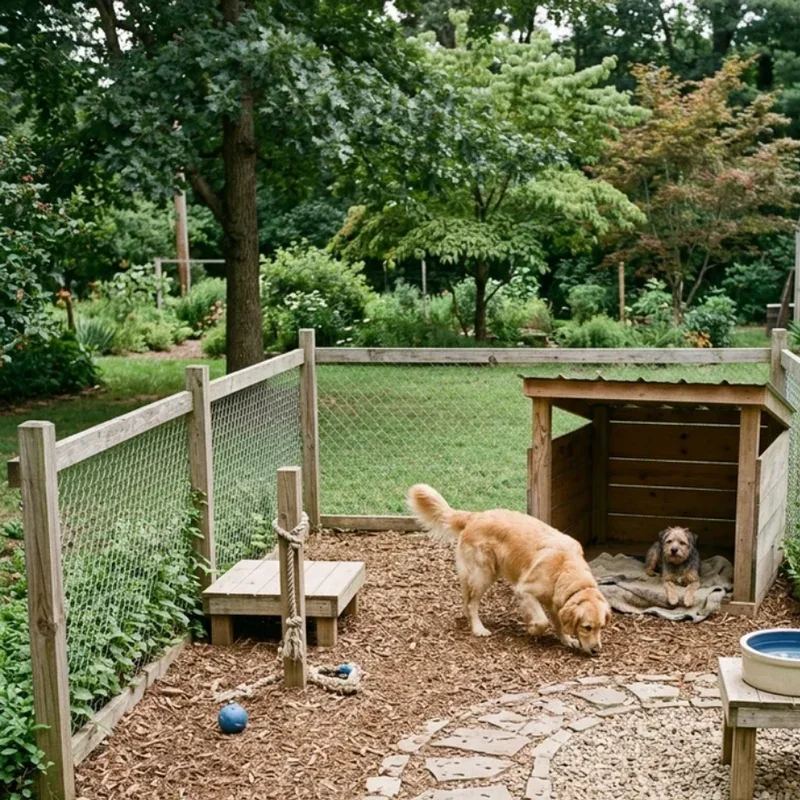
Ignoring these sources lets the problem refill the house as fast as you clean it. Mow and trim areas where pets play, clear leaf litter, empty standing water weekly, and check the places where animals rest, such as a porch, a doghouse, or a shaded corner. Ask your veterinarian about flea and tick prevention suited to each pet.
Bedding creates another common mistake. Carrying infested bedding from room to room spreads fleas, eggs, and larvae along the route. Seal bedding in a bag or bin before moving it, wash it in hot water if the label allows, and vacuum the spot where it lay. Empty the vacuum outdoors afterward.
People also tend to miss how quickly a small error grows. A short overview such as 7 common pest control mistakes can help owners recognize patterns like skipping the outdoor check, using the wrong product, or stopping treatment too early.
Using Products Without Thinking About Pet Access
Pet safety deserves care at every step. Products behave differently around animals, and the label is the best source of guidance. Some flea treatments made for dogs are dangerous to cats, and a few common ingredients are toxic to birds, fish, and reptiles. Rabbits and small mammals have their own sensitivities.
Habits that protect animals include:
Reading the full label before using any product, and following the directions exactly
Keeping pets out of treated areas for as long as the label states, and until surfaces are dry
Placing baits and traps where animals cannot reach them, such as inside tamper-resistant stations
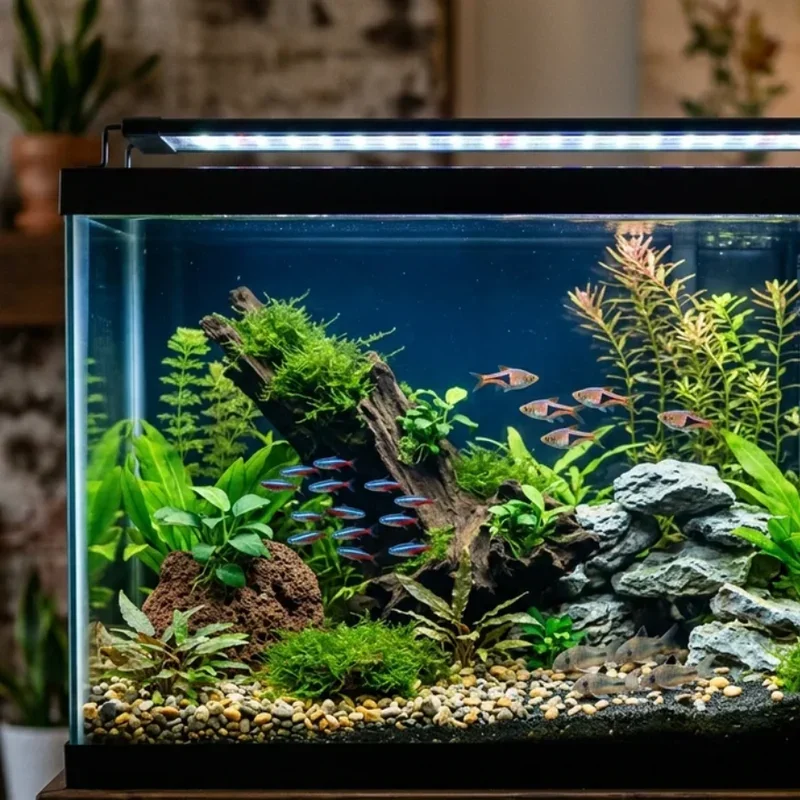
Covering or moving fish tanks and bird cages before any indoor treatment
Storing all pest products in a locked cabinet, away from food and pet supplies
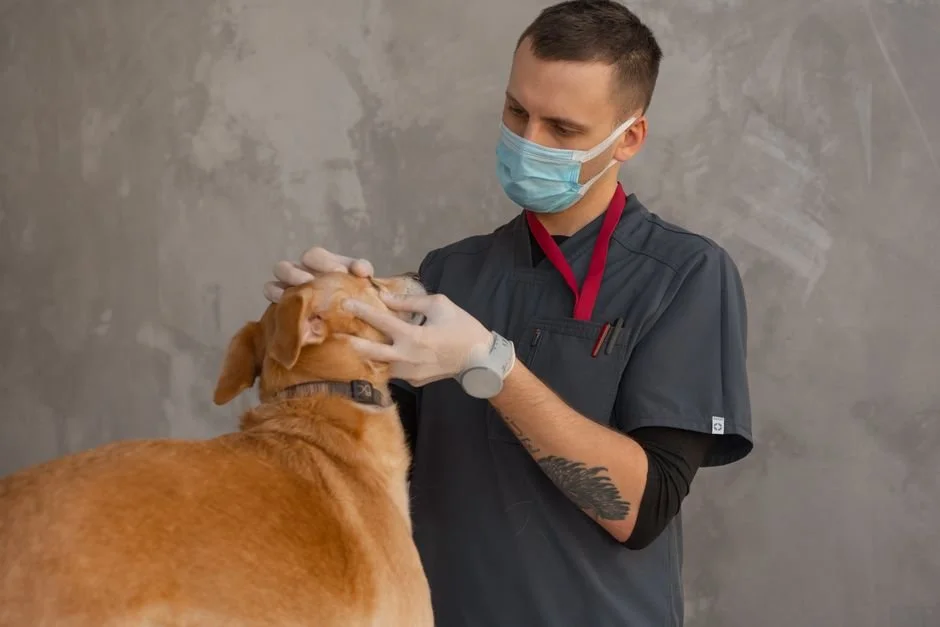
Calling a veterinarian or an animal poison control service immediately if a pet may have been exposed
Mixing products or using more than the label allows is a common error. Stronger is not better, and combining chemicals can produce fumes or residues that harm animals and people. If unsure, ask a veterinarian or a licensed pest professional how to proceed with the specific animals in your home.
Key Takeaways
Pet households can avoid most pest trouble with a few steady habits. Store food in sealed containers, pick up bowls, and clean pet resting areas often. Track where pests start instead of spraying what you see, and deal with outdoor sources such as standing water, tall grass, and shaded resting spots. Move bedding in sealed bags, read product labels carefully, and keep animals away from treated areas. When problems persist, a professional can find hidden sources and suggest options that fit a home with animals.
Stay up to date with our latest ideas!