How Bella Vista Pet Owners Can Reduce Pest Risks Around Yards and Pet Spaces
Discover how Bella Vista pet owners can reduce pest risks around yards and pet spaces with smart cleaning habits, landscaping tips, and preventive measures.

A dog that dozes in a shady corner of the yard, a water bowl beside the back steps, and a bag of kibble in the garage make up a comfortable routine for a pet. They also make up a well-stocked camp for fleas, ticks, ants, and rodents. Bella Vista sits in a heavily wooded part of Northwest Arkansas, so wildlife and insects are never far from the property line. The sections below explain how pet spaces draw pests, why wooded surroundings raise the stakes, when persistent problems justify professional help, which cleaning habits matter most, and how to check animals after time outdoors.
How Pet Spaces Draw Pests
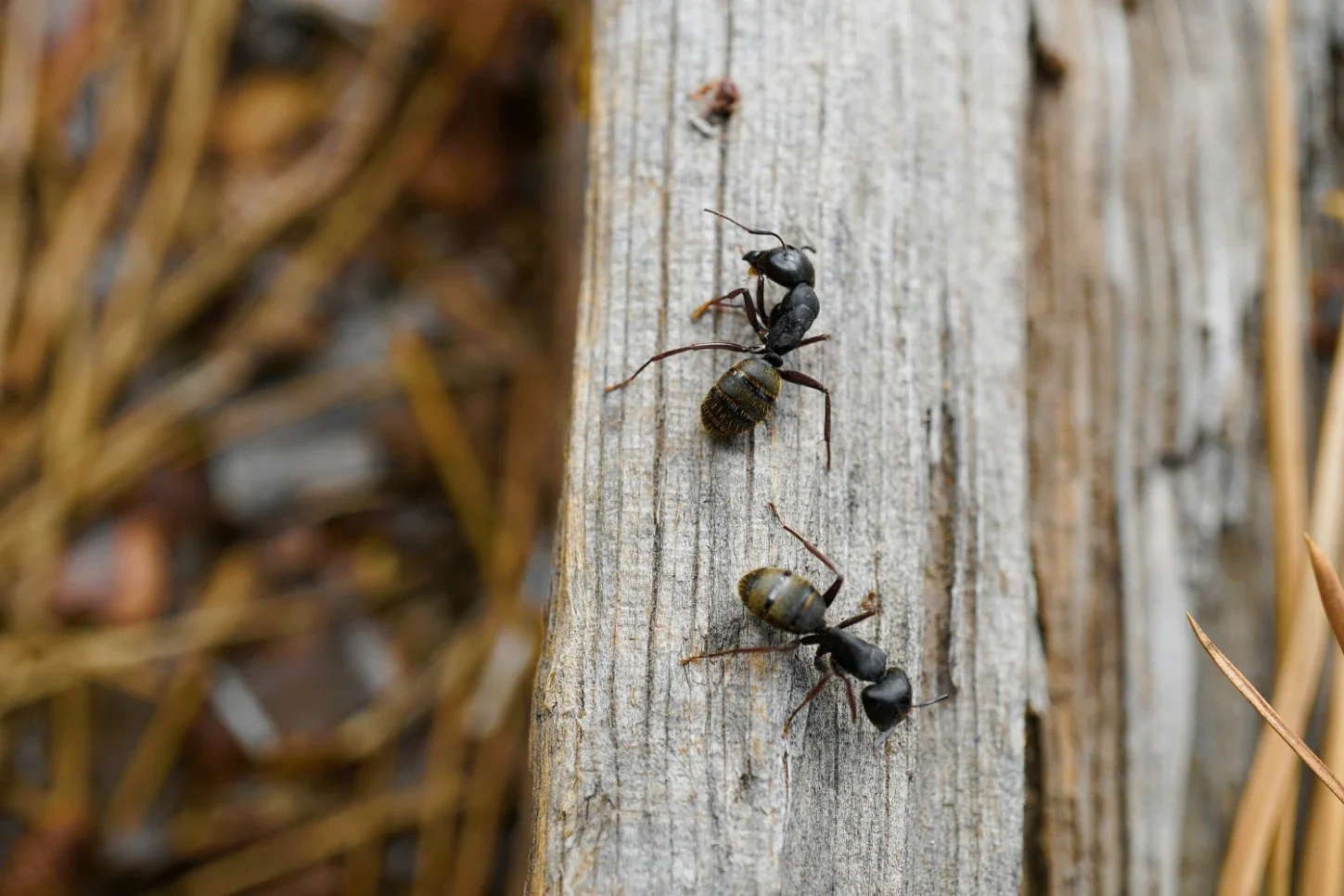
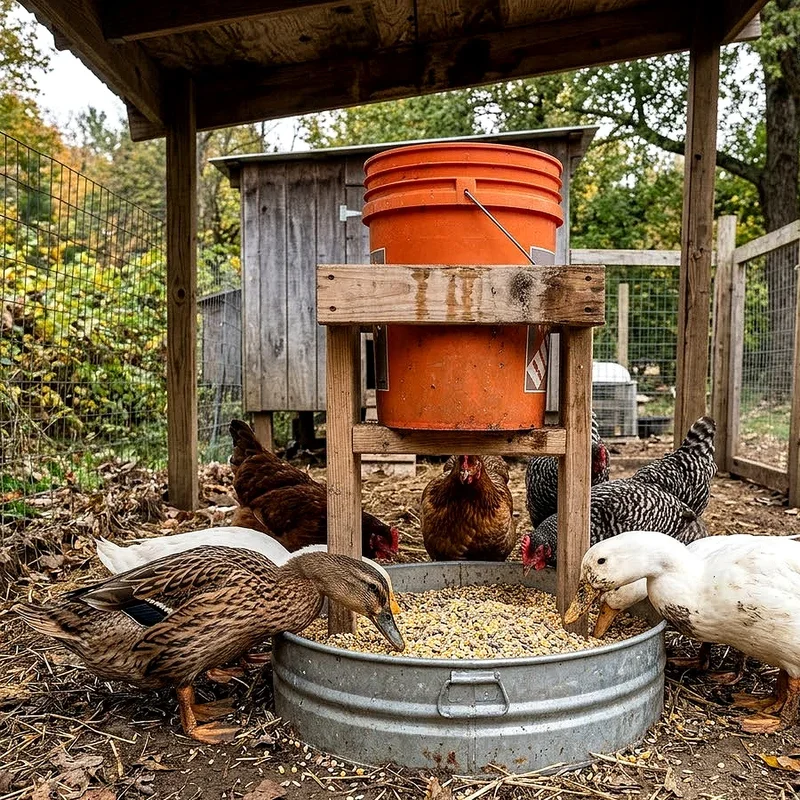
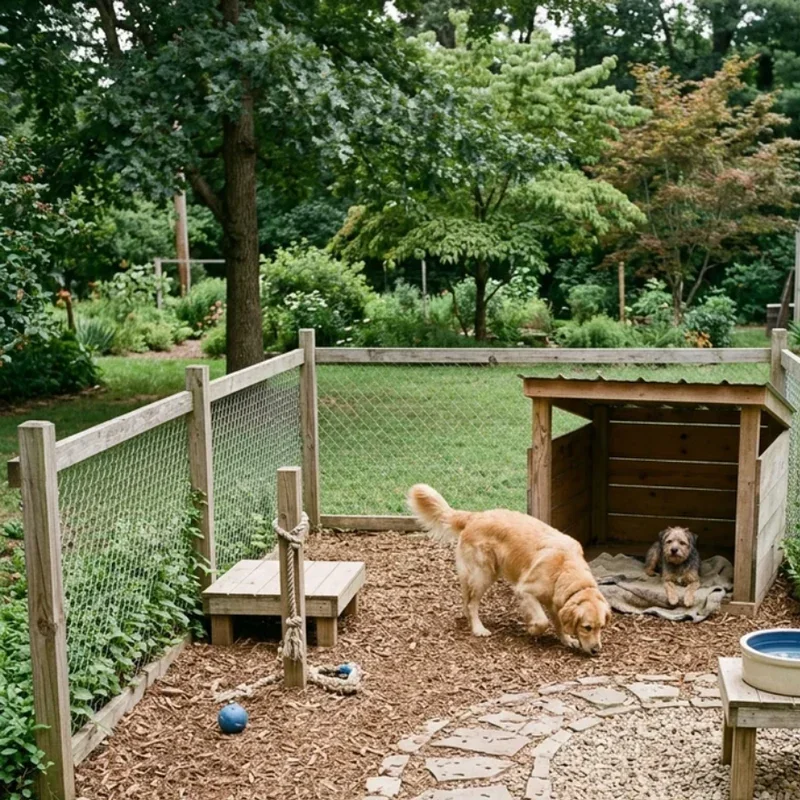
Pet areas combine food, moisture, and shelter in small, concentrated spots. Kibble is high in fat and protein, and it keeps for weeks, so mice and rats find it as appealing as dogs do. Water bowls collect spills that dampen the ground, which attracts ants and gives mosquitoes a place to breed. Outdoor bedding holds warmth, hair, and dander, and fleas use all three.
Shaded yards and fenced corners add to the effect. Cool, damp soil under a tree or along a fence line is where flea larvae develop and where ticks wait in leaf litter. Dog houses, kennels, and covered patios offer dry cover for spiders and rodents. Fallen fruit, birdseed, and food scraps tossed to wildlife widen the buffet, and a yard that feeds raccoons, squirrels, and opossums also brings the fleas and ticks they carry. Each of these attractants is small on its own, yet together they turn a pet zone into a pest hub.
Why Homes Near Wooded Areas Need Extra Attention
Wooded lots sit next to the habitat where ticks, mice, chipmunks, and deer live. Ticks climb tall grass and brush, then drop onto passing animals, and the edge between lawn and forest is where encounters are most frequent. Wildlife also moves through yards at night, leaving fleas, droppings, and parasites behind, and rodents use fences, woodpiles, and brush as travel routes toward the house.
Leaf litter and dense groundcover hold moisture, which supports ticks and fleas through warm months. Pets that roam the yard, especially near the tree line, pick up hitchhikers more often than animals kept in open, sunny lawns. That does not mean wooded properties are unmanageable. It means the buffer between forest and pet space deserves regular attention, with extra care in spring and fall when tick activity is typically higher. Talk with your veterinarian about flea and tick prevention suited to local conditions, since treating the animal and the yard together works better than either alone.
When Problems Persist Despite Good Habits
Some situations resist cleaning and trimming. Fleas keep reappearing after bedding is washed and the pet is treated, ants return to the feeding area every few days, or droppings turn up near stored food. Those patterns suggest a source that home care cannot reach, such as a nest in a wall void, a rodent route along the foundation, or a heavily infested patch of yard.
Homeowners facing that kind of persistence often contact Allen Pest Management in Bella Vista to have the property inspected and the species identified. Keeping notes ahead of time makes the visit more productive. Record where you see activity, what you have already tried, and which areas your pets use most. Persistent pests rarely mean poor care. More often they point to a hidden cause that a trained eye can find.
Feeding Areas, Bedding, and Food Storage
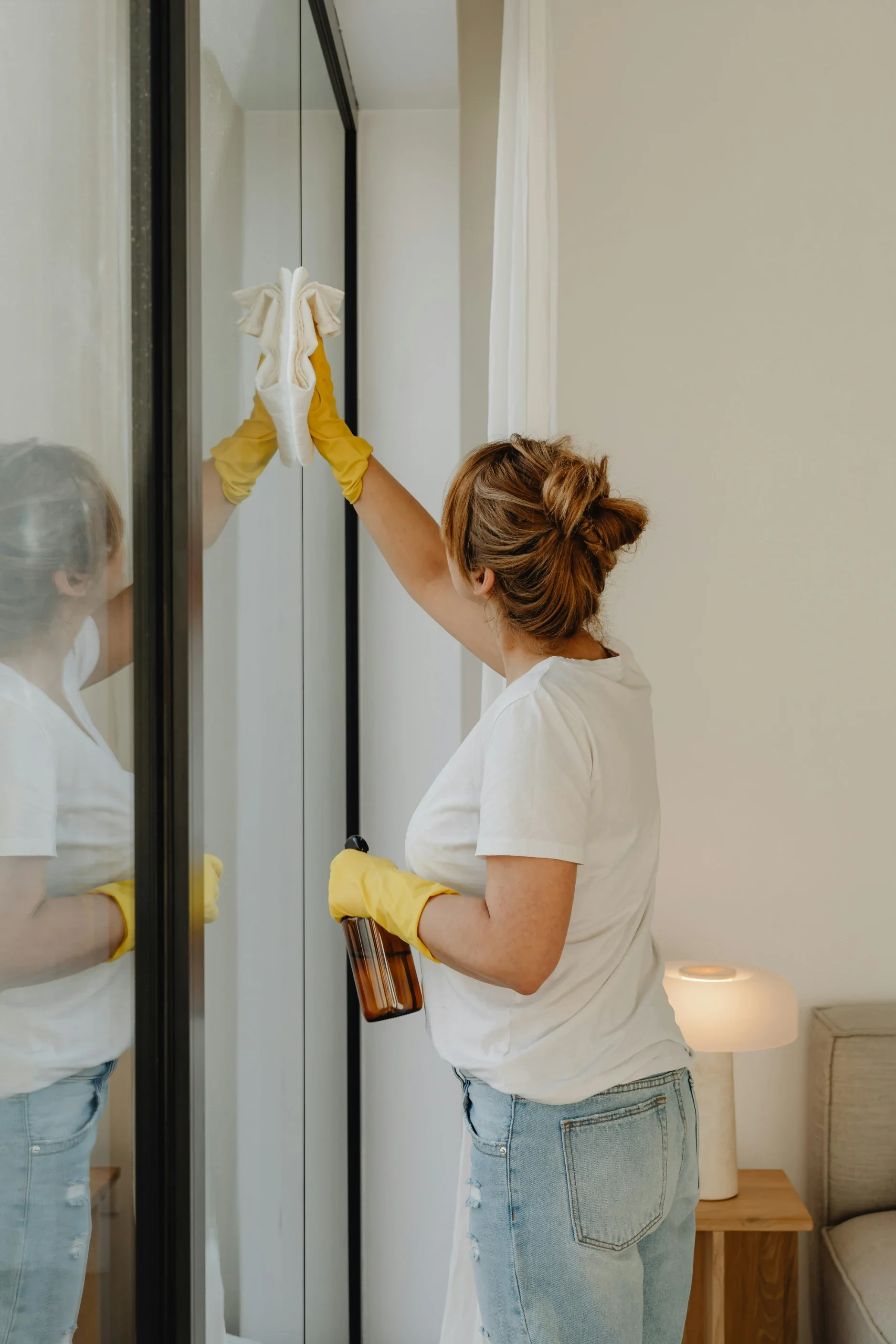
Start with the bowls. Feed at set times, pick up leftovers once the meal ends, and wash food and water dishes daily with hot, soapy water. Residue and biofilm draw ants and flies, and leaving food out overnight invites rodents and wildlife. A washable mat under the bowls catches spills and makes cleanup easier.
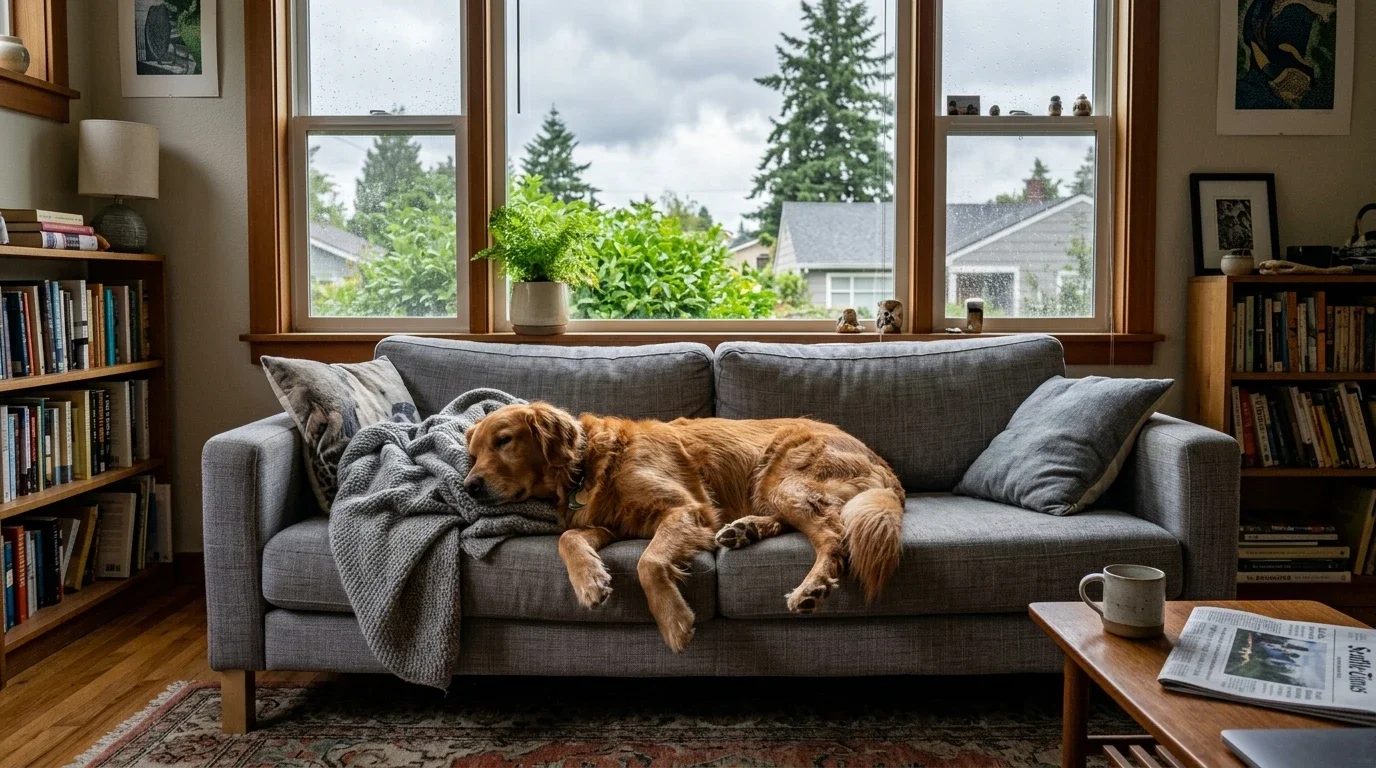
Store food securely. Keep kibble in airtight metal or heavy plastic containers, since mice chew through paper bags and thin plastic without much effort. Avoid parking open bags in the garage or on a porch. Bedding needs a regular wash as well. Fleas lay eggs that fall into blankets and cushions, and the larvae develop there, so wash bedding in hot water and dry it on high heat. Vacuum rugs and furniture where pets rest, then empty the vacuum outdoors. If a household has not yet found relief, pest management professionals can advise on which areas deserve treatment alongside these routines, and any provider should know about every animal in the home, including birds, fish, and small mammals, so products are chosen with their safety in mind.
Checking Pets and Trimming the Yard
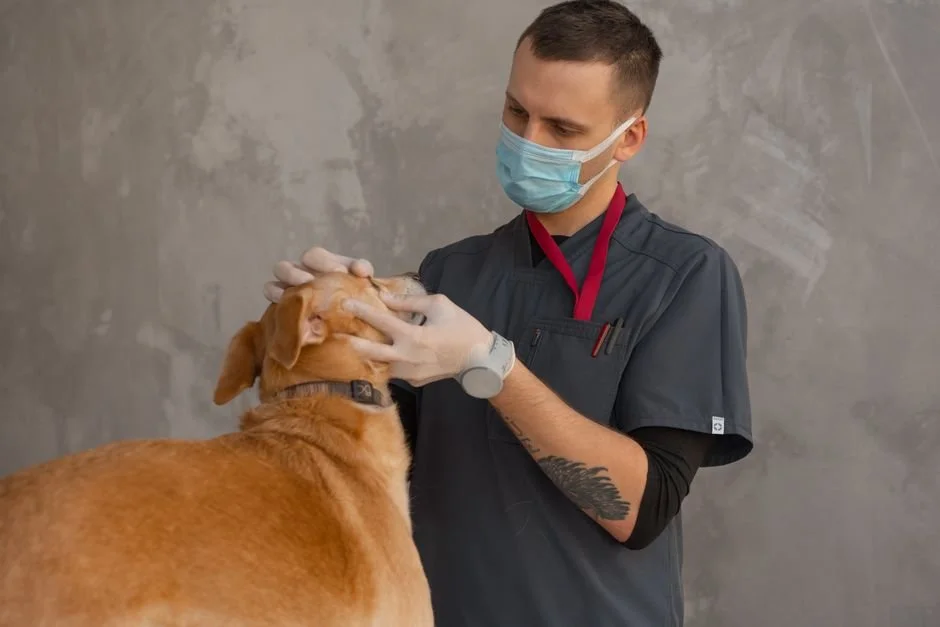
A quick check after outdoor time catches ticks early. Run your fingers through the coat, paying attention to ears, armpits, the groin, between the toes, and around the collar. Look for small dark bumps or specks of flea dirt, which look like black pepper and turn reddish when moistened. Remove ticks promptly with fine-tipped tweezers, grasping close to the skin and pulling straight out, then ask your veterinarian about any that have been attached for a while.
Yard care reduces what the pet picks up in the first place. These habits help:
Mow regularly and keep grass short in play areas
Trim shrubs and low branches so sunlight reaches the soil
Remove leaf litter, brush piles, and debris where ticks and rodents hide
Stack firewood off the ground and away from the house and kennels
Fill or drain spots where water collects, and empty buckets and toys
Pick up pet waste promptly, since it draws flies and rodents
Creating a dry, sunny strip of mulch or gravel between the tree line and the lawn discourages ticks from crossing into pet areas. Fencing in good repair keeps wildlife from wandering through, and sealing gaps beneath sheds and decks closes off shelter.
End Note
Pet spaces attract pests through food, moisture, and shelter, and wooded Bella Vista lots add wildlife and ticks to the mix. Clean feeding areas, store food in sealed containers, wash bedding often, check animals after outdoor time, and keep vegetation trimmed back from play areas. A steady routine handles most problems before they start. When activity continues despite those efforts, a professional inspection can uncover the cause and protect both pets and people.
Stay up to date with our latest ideas!