Can I Eat Curd Rice During Fever? What You Actually Need to Know
Can I eat curd rice during fever? Learn when curd rice helps recovery, when to avoid it based on your symptoms, and how to prepare it safely for best results.
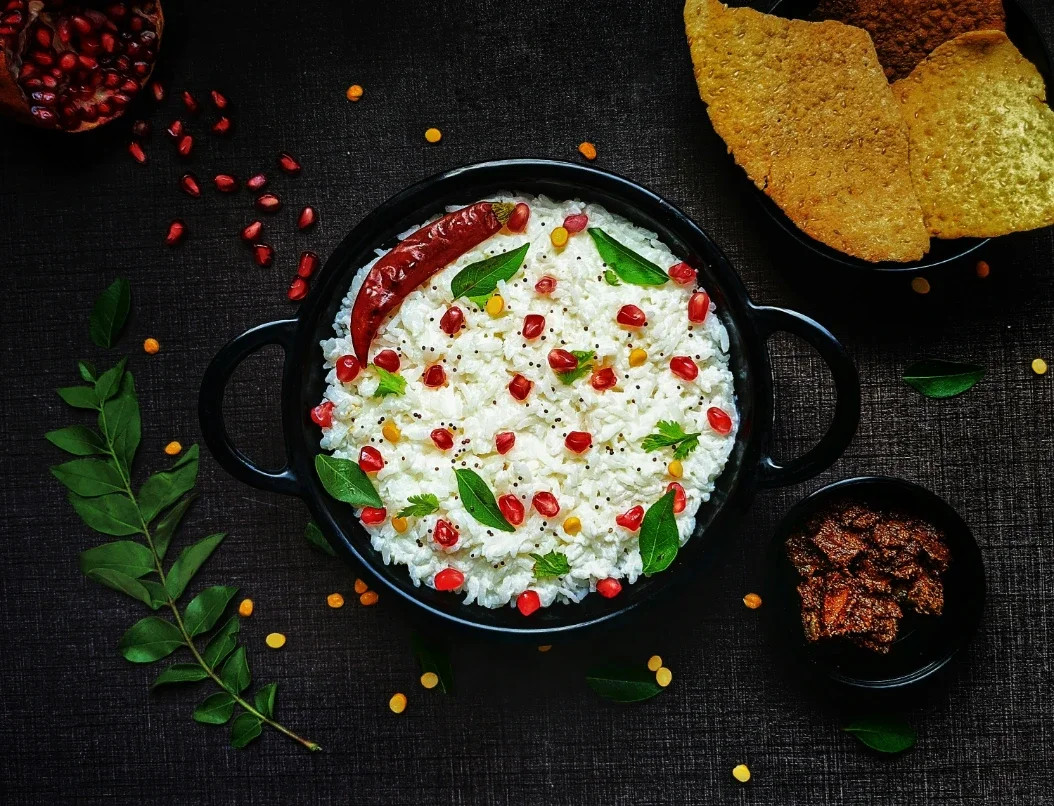
When you're sick and barely have an appetite, comfort food matters. One question that comes up constantly in Indian households is can I eat curd rice during fever — and the answer isn't a simple yes or no. It depends on the type of fever, your symptoms, and how you prepare it.
Can Curd Be Eaten During a Fever?
In most cases of mild viral fever without congestion, curd rice is actually a decent choice. It's soft, easy to swallow, and provides probiotics that support gut health. A 2014 study in the British Journal of Nutrition found that fermented dairy can modestly boost immune response during infections.
However, if your fever comes with heavy cough, sore throat, or nasal congestion — skip it. Curd's cooling nature may worsen mucus-related symptoms, especially in the evening.
Is It Okay to Eat Rice During a Fever?
Plain rice is one of the safest foods during illness. It's easy to digest, provides quick energy, and doesn't irritate the stomach. Combined with curd, you get protein, electrolytes, and around 200 calories per serving — helpful when you can barely eat anything else.
Is Curd Rice Cold or Warm for the Body?
Ayurveda classifies curd as cooling (sheeta). For pitta-type fevers with burning sensations, this cooling effect helps. But for kapha-dominant conditions with congestion and lethargy, curd suppresses agni (digestive fire) and may increase ama (toxins). The key distinction matters alot.
Curd Rice and Different Fever Types
Not all fevers are equal. During dengue or typhoid, digestion is severely compromised — heavy dairy can trigger nausea. Stick to rice gruel or kanji instead. For simple viral fever without GI symptoms, curd rice at room temperature during lunch is generally fine.
If there's diarrhea or vomiting alongside fever, avoid curd rice completely. Your gut needs rest, not fermented foods.
How to Eat Curd Rice Safely When Sick
A few practical tips that actually make a difference:
Use room-temperature curd, never cold from the fridge
Add roasted cumin and a pinch of salt for digestion
Keep portions small — half a bowl is enough
Eat it between 11 AM and 2 PM when digestion is strongest
Avoid combining with fruits or sweets
Can I Give Curd Rice During Fever to Kids?
For toddlers above 12 months with mild fever, a small amount of curd rice is okay. But if the child has cough or cold alongside fever, most pediatricians recommend avoiding dairy temporarily. Always consult your doctor before changing a sick child's diet.
FAQ
Can we drink buttermilk during fever and cold?
Buttermilk is lighter than curd and easier to digest. With added ginger and pepper, it's a better option than curd rice when cold symptoms are present.
What to eat during fever and weakness?
Khichdi, dal water, vegetable soup, and bananas are excellent choices. They're gentle on the stomach and provide essential nutrients without taxing digestion.
Can I eat curd rice during throat infection?
Best to avoid it. Cold or cooling foods can irritate an inflamed throat. Warm soups and herbal teas work much better here.
The Bottom Line
Curd rice isn't universally good or bad during fever. It works well for mild viral fevers without respiratory symptoms, especially when eaten warm-ish at midday in small portions. But for fevers with congestion, GI distress, or in conditions like typhoid — there are far better options. When in doubt, talk to your doctor. Your body knows what it can handle, listen to it.
Stay up to date with our latest ideas!