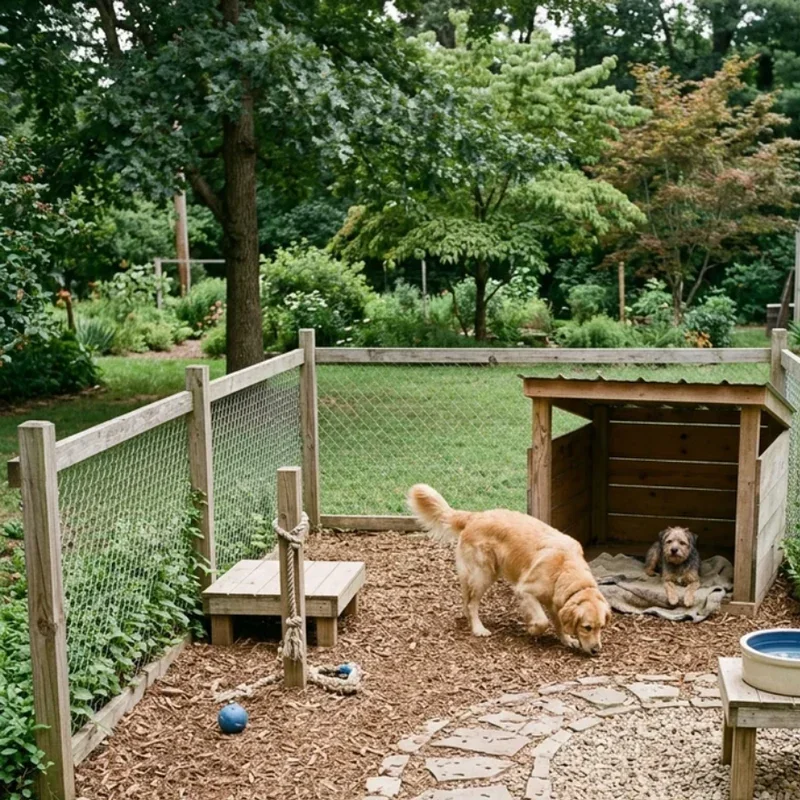
Plan a stress-free long-distance move with pets using practical tips for safe travel, packing essentials, comfort, and helping your furry companions adjust.

The part of a cross-country move that ambushes people isn't the boxes. It's calling a vet three days before the truck leaves for a health certificate and learning the exam has to fall inside a specific window, the rabies record has to be current, and the clinic is booked out a week. A long move with an animal runs on two clocks most owners don't see until they're already behind on both: a paperwork clock and a travel-logistics clock, neither of which cares about your packing timeline.
You already know your dog or your cat. What this guide covers is the machinery around them: the documents to start weeks out, how to get the animal from the old home to the new one, what each option runs, and how to keep a frightened pet from slipping out a door on the day everything is propped open.
Start with the paperwork, not the packing
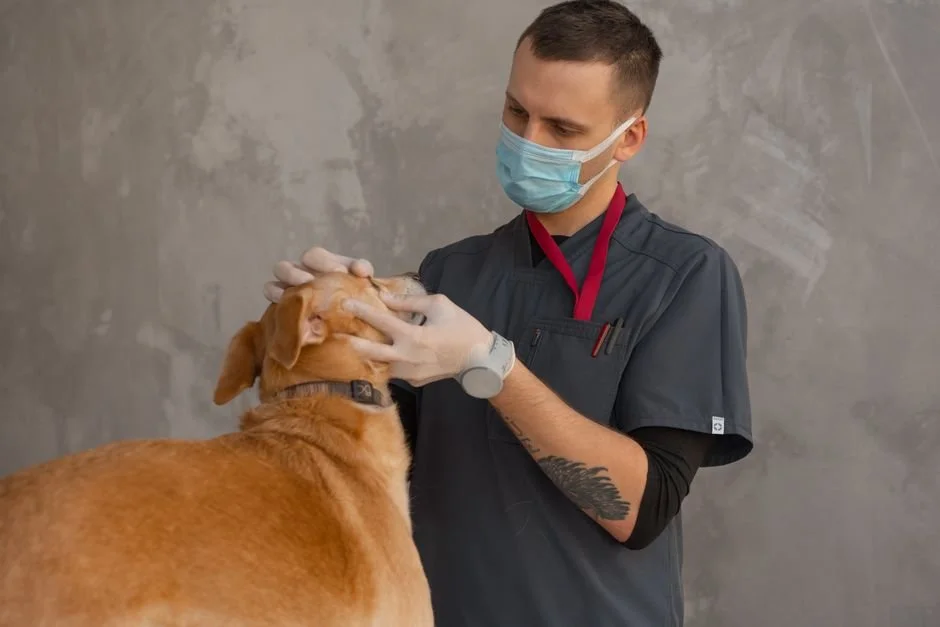
For a move that crosses state lines, most states want a Certificate of Veterinary Inspection (CVI), the document people mean when they say "pet health certificate." A licensed vet examines the animal, confirms it's healthy enough to travel, and records current vaccinations, rabies included. The catch is timing. A CVI is only valid for a set window before you travel, often 30 days and sometimes shorter depending on the destination state, so it can't be done months ahead or the night before. Book the exam for the last week or two before you leave, and book it early, because that slot fills. The USDA APHIS pet travel site lists what each destination requires.
Two things should already be true before that exam, and both take longer than people expect. First, the microchip: if it isn't implanted, do it now, and, more important, log into the registry and update the phone number and email, because a chip pointing at a disconnected number is a dead end. Second, the rabies vaccination has to be current and on paper; a lapsed rabies record is the single most common reason a health certificate stalls.
Your destination has its own rules on top of the state's. Plenty of cities require a dog license within a set number of days of establishing residence, and building access varies wildly. A garden apartment is a different problem than a fourth-floor walk-up. If you're headed somewhere specific, run down the local pet ordinances and your new building's pet policy before you arrive, because some cities put a clock on licensing and plenty of landlords cap breeds or sizes.
The vet visit that decides how the trip goes
Use that last exam for more than the certificate. Ask directly about two different problems people tend to lump together: motion sickness and travel anxiety. They're treated differently. For nausea and drooling in the car, vets commonly prescribe maropitant (sold as Cerenia), an anti-vomiting medication given ahead of travel. For genuine fear (panting, trembling, a cat howling for an hour), the conversation is about anti-anxiety options like gabapentin or trazodone, dosed and trialed before the trip rather than tested for the first time on the highway.
One thing to get straight: sedation for air travel is generally discouraged. The American Veterinary Medical Association and airlines warn that sedatives can interfere with an animal's breathing and temperature regulation at altitude, which is exactly when no one can step in to help. If your pet flies, plan on it being awake. Save any sedative conversation for the car, and only with a vet who sets the dose.
Do a trial run of anything new while you're still home. A pet that reacts badly to gabapentin in your living room is a manageable afternoon; the same reaction 200 miles into a drive is not.
Car or plane: how to make the call
Driving gives you control and no breed or temperature rules to clear, at the cost of days on the road. Flying is faster but adds a layer of airline policy that rules out a lot of pets. Work through the disqualifiers before you assume flying is even on the table.
Small dogs and cats (the animal plus its carrier usually has to come in under about 20 pounds and fit under the seat) can often fly in the cabin for a fee that runs roughly $95 to $150 each way on major U.S. carriers. Anything bigger flies as cargo, and cargo is where the restrictions bite. Snub-nosed (brachycephalic) breeds like bulldogs, pugs, boxers, and Persian cats are barred from cargo by many airlines, because their airways make heat and stress genuinely dangerous. Airlines also run temperature embargoes: if the forecast at any airport on the route is too hot or too cold (above about 85°F or below about 45°F), cargo pets don't fly, which can scrap your plan the morning of.
If you do fly cargo, the crate has to meet IATA live-animal standards: rigid, ventilated on multiple sides, big enough for the animal to stand and turn around, with water access that works. Buy it well ahead so the animal can live with it (more on that next) instead of meeting it the week of the move.
The third path is a professional pet transporter, ground or air. Expect real money: regional ground transport can run a few hundred dollars, while cross-country or air relocation through a pet shipper lands somewhere between roughly $1,000 and $5,000 depending on distance, species, and how much of the paperwork you hand off. It's the priciest option and, for an owner juggling a simultaneous household move, sometimes the one that keeps the animal safest.
The crate has to feel safe before it moves anywhere
A crate introduced the day of travel is a box the animal has been shoved into. A crate introduced three weeks earlier is a den. Give it two to three weeks at least. Leave the door open in a room the pet already uses. Feed meals inside it. Drop treats in when the animal isn't looking, so the crate becomes the place good things appear. Only once they're walking in on their own do you start closing the door for a minute, then five, then a short drive around the block. What you want on travel day is boredom, not novelty.
The multi-day drive is where things go wrong
Map the drive around the pet, not your patience. Stop every three to four hours for water and, for dogs, a leashed walk. Keep the animal harnessed and secured, either a crate strapped down or a crash-tested harness clipped to a seatbelt, because a loose pet in a sudden stop is both a projectile and a driver distraction.
Two failures cause most of the real trouble on a drive. The first is the parked car. Never leave a pet in one, even "for a minute." On an 80°F day a car's interior can pass 100°F in about ten minutes and climb toward 120°F within half an hour; cracking the windows barely moves the number. The second is the rest stop. A spooked animal in an unfamiliar parking lot bolts, and no one catches a terrified cat in a highway median. Clip the leash or lock the carrier before the door opens, every time, even when you're wrecked and it's 11 p.m.
Book pet-friendly hotels ahead instead of gambling at 9 p.m. The label ranges from free to a $75-plus per-night fee with a weight limit, and the cheap end sells out. Pack a day bag you don't have to dig through: food portioned by day, a collapsible bowl, medications, waste bags, a familiar blanket, and paper copies of the vaccination and CVI records in case anyone asks.
Cats don't travel like dogs
A dog can be talked into a road trip. A cat mostly can't, and the plan has to respect that. Cats hide stress until it turns into a health problem, so the quiet you read as "she's handling it" can become a cat that won't eat or use a box for days. Keep the cat in a secured carrier the whole drive, never loose or on a lap, and offer a small litter setup only during stops inside a closed car. Skip food for a few hours before departure to cut down on car sickness. And on arrival, a cat needs the single-room approach (below) even more than a dog does; a whole new house at once is how cats end up wedged behind a water heater for two days.
Moving day: the highest-risk hours
The day the truck comes is the day a pet is most likely to get out. Doors stand open for hours, strangers carry boxes past, and the one familiar human is distracted and frayed. Don't try to supervise the pet and the move at once, because that split attention is exactly how an animal slips out.
The clean fix is to get the pet out of the chaos entirely: a day of boarding, a friend's quiet house, or a closed back room with a sign on the door. Put food, water, and litter or a bed inside, and make it a hard rule that nobody opens it. Separating the human move from the animal also lets the loading run faster, which shortens the window a frightened pet spends around open doors and strangers.
How short that window gets often comes down to whether the moving crew knows the destination. Take a long move that ends in Boston, a city that punishes movers who improvise: triple-deckers with three flights of stairs, Storrow Drive's low bridges that peel the roofs off rented box trucks, and on-street truck permits that run $69 to $109 and have to be filed ahead, especially around the September 1 lease turnover when the city hands out thousands of them. Booked as a long-distance Boston moving company, Move and Care runs that leg on a flat rate tied to weight and mileage under interstate authority (USDOT #3212621), so the truck shows up with its permit and elevator window already sorted instead of your door standing open while someone circles for parking. Its companion guide to moving to Boston with pets handles the arrival half a newcomer tends to miss, from the MBTA's leash-and-muzzle rule for dogs to which neighborhoods (Jamaica Plain, South Boston, Cambridge) actually rent to pet owners.
The first three weeks in the new place
The animal that seemed fine in the car often comes apart on arrival, and it helps to expect it. A widely used shelter guideline, the "3-3-3 rule," is a fair map: roughly three days to decompress, three weeks to settle into a routine, three months to feel genuinely at home. Don't read a rough first week as a permanent problem.
Start small on purpose. Set the pet up in one quiet room with its own bed, bowls, litter or crate, and a few unwashed items that still smell like the old place, then let it expand into the house on its own timeline instead of being toured through every room in the first hour. Before you unpack much else, do the two-minute jobs that matter most: update the microchip registry and the ID tag with the new address and phone, because the days around a move are precisely when a pet goes missing and the chip has to point somewhere real. Then handle the new-city admin: register with a local vet, transfer prescriptions, and check whether the city requires a license and by when.
If you're crossing a border or an ocean
International and island moves are a different tier of planning, measured in months rather than weeks. Hawaii is the sharpest example: the state is rabies-free and enforces it hard. Qualifying for the 5 Day Or Less program, or same-day airport release, means completing a sequence well in advance: a microchip, two rabies vaccinations, a specific FAVN blood test with a waiting period, and paperwork submitted before arrival. Miss a step and the animal can face up to 120 days of quarantine. Other destinations have their own versions. Canada wants a current rabies certificate, and rabies-free countries often require blood titers and waiting periods that can stretch past six months. If a border or an ocean is involved, work backward from your move date and start with the destination's official requirements rather than a checklist written for someone else's trip.
The part of the move you can control is the paperwork and the timeline. Start the vet-and-document chain the moment you have a date, buy the crate early enough to make it boring, and settle the travel-day plan (boarding, back room, or transporter) before the boxes take over your attention. Your pet can't arrange any of that. Doing it weeks ahead instead of the night before is what keeps a hard day from turning into a lost pet or a canceled flight.
Stay up to date with our latest ideas!