How to Teach a Dog to Roll Over Step by Step
Learn how to teach a dog to roll over step by step with easy tips, treat rewards, and patient techniques every dog owner can master quickly.
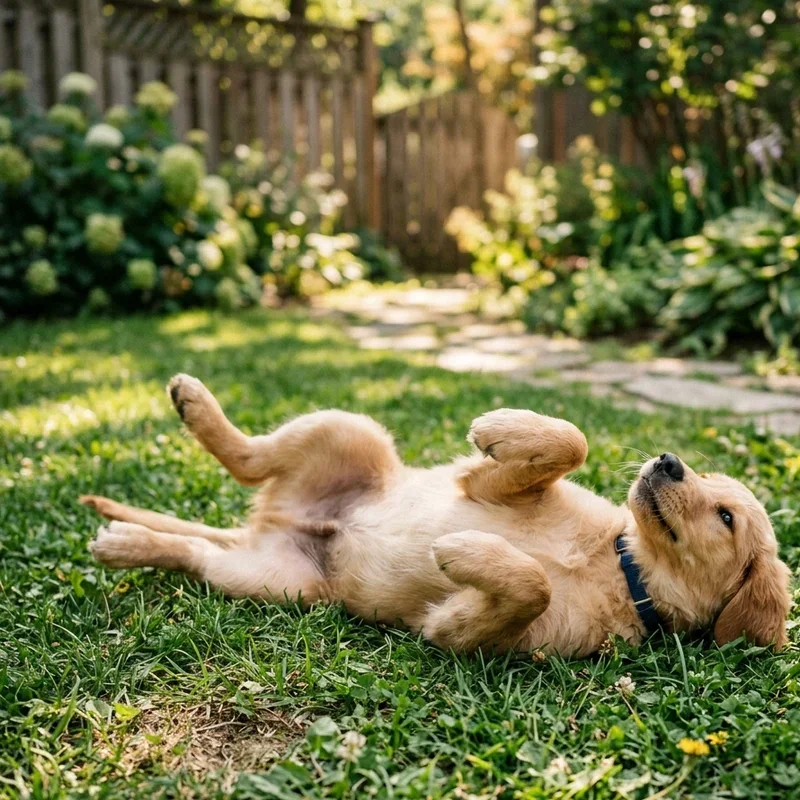
So you want to teach your furry best friend one of the most crowd-pleasing tricks in the canine playbook? Well, you've come to the right place! Teaching a dog to roll over isn't just about showing off at family gatherings, it genuinely strengthens the bond between you and your pup while keeping their mind sharp and engaged. Think of it like learning a new dance together: it takes patience, rhythm, and a whole lot of treats. Whether your dog is a quick learner or a stubborn little goofball, this guide walks you through everything you need to know.
Why Teaching Your Dog New Tricks Actually Matters
Before we dive into the how-to, let's talk about the why. Teaching tricks isn't just a party stunt. It's a genuinely valuable investment in your dog's mental health and behavioral development. Dogs that learn regularly are less anxious, less destructive, and honestly just happier overall. Rolling over specifically requires your dog to trust you completely, since it puts them in a vulnerable belly-up position. That kind of trust? It's worth every single treat you'll go through during training sessions.
Mental stimulation through trick training also burns energy surprisingly effectively. A tired dog, as every experienced owner knows, is a well-behaved dog. So think of training sessions as both a gym workout and a bonding date rolled into one gloriously productive activity.
What You Need Before You Start
Getting your setup right makes the entire process dramatically smoother. Here's what you'll want to have ready before attempting how to teach a dog to roll over step by step:
1. High-value treats: Think small, soft, and smelly. Chicken pieces, cheese cubes, or commercial training treats all work beautifully. 2. A comfortable surface: Carpet or grass works far better than hardwood floors, which feel slippery and uncomfortable for rolling. 3. A clicker (optional but helpful): Clicker training speeds up the learning process significantly for many dogs. 4. Your full attention: Distracted training produces distracted results. Put your phone away. 5. Patience in abundance: Seriously, loads of it. Some dogs nail this in one session; others need two weeks of consistent practice.
Don't attempt training right after a big meal or when your dog is overly hyper from a walk. A calm but alert dog is your ideal training partner every single time.
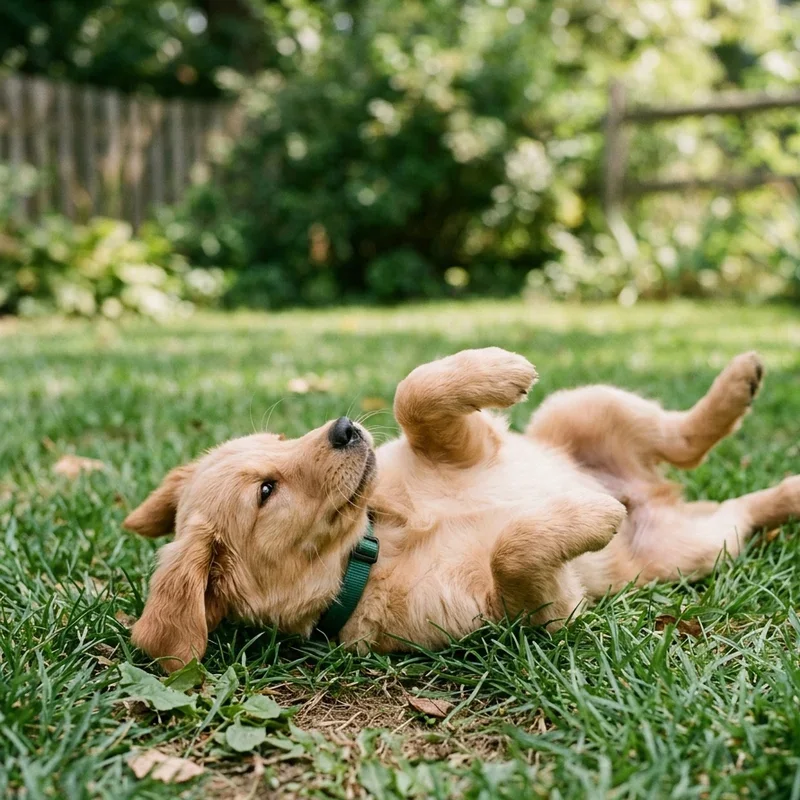
Does Your Dog Know "Down" Already?
Here's the thing: rolling over builds directly on the "down" command. If your dog hasn't mastered lying down on cue yet, you're essentially trying to build the second floor of a house without a foundation. Go back and nail that command first.
Once your dog drops into a down position reliably and happily on command, you've got the perfect launching pad for the roll over trick. It usually takes a few days to a week of consistent practice to get "down" solid, and honestly, that groundwork pays off enormously when you move into rolling territory.
How to Teach a Dog to Roll Over Step by Step
Alright, here's the meat and potatoes of this whole guide. Follow these steps carefully, work at your dog's pace, and celebrate every tiny win along the way.
Step 1: Get Your Dog Into the Down Position
Ask your dog to lie down using their established "down" command. Make sure they're comfortable and relaxed, not stiff or anxious. A dog lying on one hip rather than in a sphinx position actually makes the roll much easier to initiate, so if yours naturally settles that way, brilliant timing!
If they look tense, give them a gentle scratch behind the ears and wait a moment before proceeding. Rushing this foundation step is one of the most common mistakes new trainers make, so breathe and take your time here.
Step 2: Use a Treat to Lure the Nose
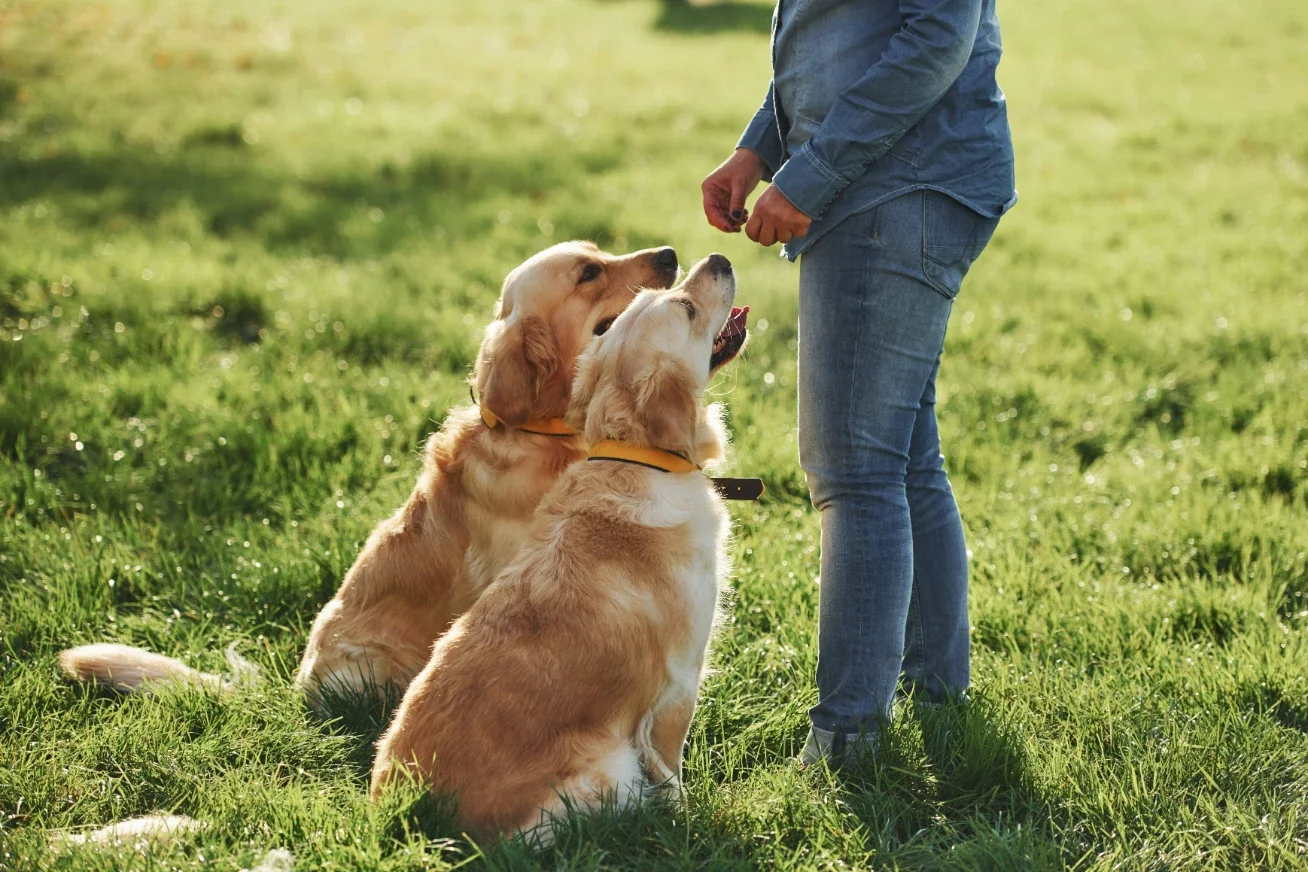
Hold a high-value treat right at your dog's nose so they can smell it clearly. Slowly move the treat from their nose toward their shoulder on one side. Their head will naturally follow the treat, and their body weight will begin shifting in that direction as a result.
Think of the treat as a steering wheel for your dog's body. Where the nose goes, the body eventually follows. This lure technique is the engine driving the entire roll over learning process, so keep the treat movement slow, deliberate, and steady rather than jerky or rushed.
Step 3: Continue the Arc Over Their Back
Once their nose follows the treat toward their shoulder, continue moving the treat in a smooth arc up and over toward their back. You're essentially drawing a half-circle in the air with that treat. Your dog's body should begin tipping onto its side as their head follows this arc naturally.
Some dogs get this immediately and practically fall over themselves trying to get the treat. Others pause halfway and look at you like you've completely lost your mind. Both reactions are completely normal, so keep your energy light and encouraging throughout this step without exception.
Step 4: Complete the Roll to the Other Side
Continue the arc until your dog rolls completely onto their back and then tips over to the other side. The moment all four paws come up and they complete the rotation, immediately reward them with the treat and enthusiastic praise. Use a happy, high-pitched voice because dogs genuinely respond better to excitement during reward moments.
If your dog stops halfway through on their back and won't complete the roll, gently help them along with a light touch on their hip to encourage the full rotation. Never force it aggressively; just provide a gentle nudge and let the treat do the primary motivational work.
Step 5: Add the Verbal Cue
Once your dog is consistently following the lure all the way through the full roll, it's time to add your verbal command. Just before you begin the lure motion, clearly say "roll over" in a cheerful, confident tone. Repeat this pairing of word plus lure motion consistently across multiple training sessions.
After enough repetitions, your dog's brain starts connecting that specific sound with that specific movement. It's like building a new neural pathway, each repetition lays another brick in that mental road until the connection becomes automatic and reliable.
Step 6: Fade the Lure Gradually
Here's where patience really pays off. Begin making your hand gesture smaller and less obvious over time, slowly transitioning from a full treat-in-hand lure to a simple hand signal. Try giving the verbal cue first and using just a finger circle motion as a gesture before eventually fading physical prompts altogether.
If your dog looks confused during this fading stage, that's perfectly okay. Simply go back one step, use the lure again for a few more repetitions, and then try fading again. Progress in dog training rarely moves in a straight line, and that's completely fine.
Step 7: Practice in Short, Frequent Sessions
Keep each training session between five and ten minutes maximum. Dogs, much like toddlers, have attention spans that fade fast under sustained mental effort. Short frequent sessions outperform long occasional ones every single time in terms of retention and enthusiasm.
Train daily if possible, ending every session on a success. If your dog is struggling with roll over, ask for something easier like "sit" or "paw" to finish on a high note. Ending positively keeps your dog excited about training rather than dreading it.
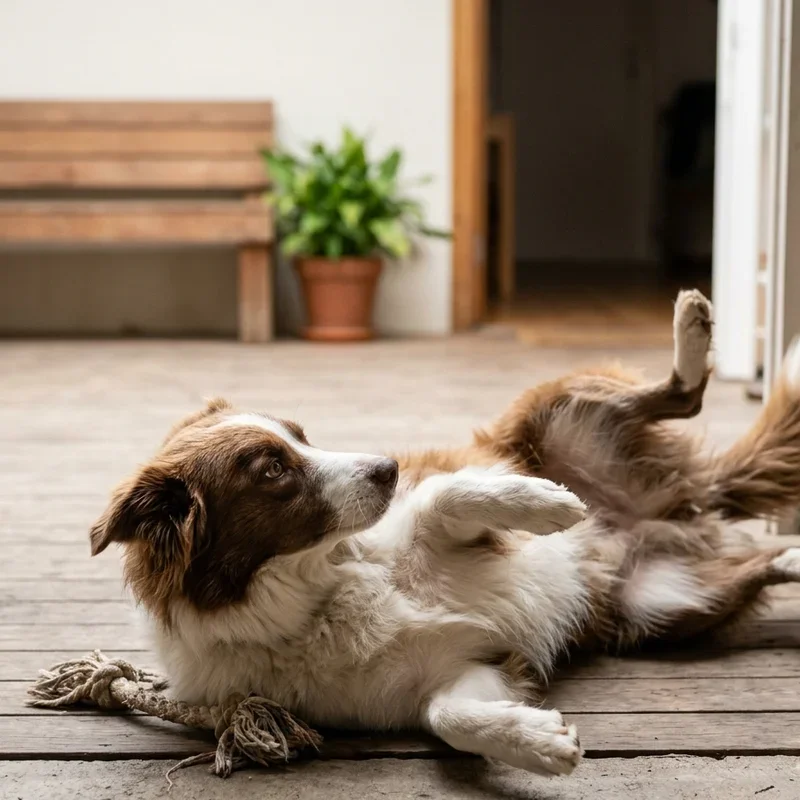
Common Problems and How to Fix Them
Even with the best approach to how to teach a dog to roll over step by step, you'll likely hit a few bumps. Here's how to handle the most common ones:
My dog stops halfway and won't complete the roll. This usually means the lure arc isn't smooth or enticing enough. Try using a higher-value treat and slowing your hand movement down significantly. Some dogs also need a gentle hip assist to understand the full motion initially.
My dog keeps standing up instead of rolling. Your dog might be too excited or the treat is being held too far away. Keep the treat extremely close to their nose throughout the entire lure arc so they stay low and follow it properly.
My dog seems scared of rolling onto their back. Some dogs, especially rescues or anxious breeds, find the vulnerable belly-up position genuinely uncomfortable. Build trust first with regular belly rubs and reward them heavily for simply lying on their side before attempting a full roll.
My dog loses interest quickly. Switch to a higher-value treat, shorten your sessions even further, and check that you're training at a time when your dog is alert but not overstimulated. Timing genuinely matters more than most people realize.
How Breed and Age Affect the Learning Process
Not all dogs learn at the same speed, and that's totally okay. Younger dogs typically pick up new commands faster thanks to their neuroplasticity, but older dogs absolutely can learn new tricks. The old saying that you "can't teach an old dog new tricks" is, frankly, complete nonsense backed by zero scientific evidence.
Breed plays a role too. Border Collies, Poodles, and Golden Retrievers tend to be enthusiastic quick learners. Basset Hounds, Bulldogs, and Chow Chows might need extra patience and motivation. Knowing your specific dog's personality and learning style helps you adjust your technique rather than banging your head against the wall wondering why a standard approach isn't clicking.
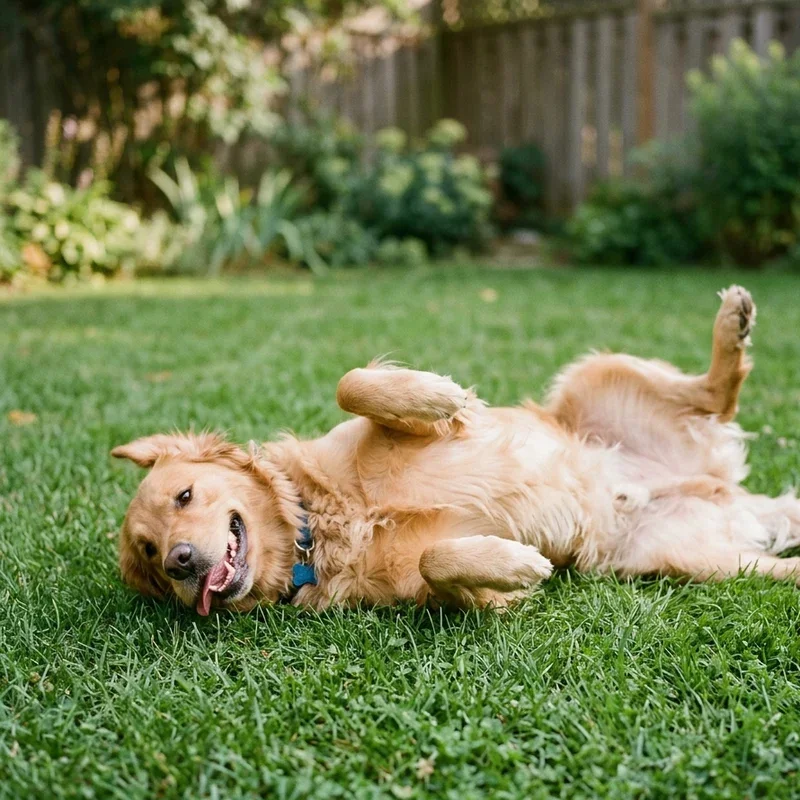
Building on Roll Over What Comes Next?
Once your dog masters roll over, you've genuinely unlocked a new training level together. Consider building toward:
Play dead: Combine "down" and a pause in the belly-up position for dramatic effect.
Barrel roll: Multiple consecutive rolls across the floor, endlessly entertaining at parties.
Crawl: Teaching your dog to crawl forward from a down position opens up a whole new movement vocabulary.
Each new trick builds on existing ones, creating a cumulative repertoire that keeps your dog's mind engaged and your relationship genuinely dynamic and fun over the long term.
Tips to Make Training Faster and More Enjoyable
A few extra pointers that make a real difference when working through how to teach a dog to roll over step by step:
Always train before meals when your dog is slightly hungry and highly food-motivated.
Use a consistent marker word like "yes" or a clicker click at the exact moment of correct behavior.
Keep your body language relaxed and positive throughout every session without exception.
Train in a quiet environment initially before adding distractions gradually as your dog's skill improves.
Never punish mistakes; simply withhold the treat and try again with a cheerful reset.
Conclusion
Teaching your dog to roll over is one of those deeply rewarding experiences that reminds you exactly why you became a dog owner in the first place. It takes consistency, patience, and a genuinely good sense of humor when things go sideways. But once your pup nails that full rotation and looks up at you with pure tail-wagging pride, every single treat and repeated attempt becomes absolutely worth it. Start today, celebrate small wins, and enjoy every silly, wonderful moment of the process together.
Read next: 16 Dog Proposal Ideas for an Unforgettable Engagement
Frequently Asked Questions
1. How long does it typically take to teach a dog to roll over completely?
Most dogs learn the full roll over trick within one to three weeks of consistent daily practice.
2. What is the best age to start teaching a dog to roll over?
Puppies as young as eight weeks old can begin learning simple tricks including roll over successfully.
3. Can I teach roll over without using treats as a reward?
Yes, enthusiastic verbal praise and favorite toys work as effective rewards for some highly motivated dogs.
4. Is rolling over difficult for large or heavy dog breeds to learn?
Larger breeds can learn it, though they may need more space and slightly longer luring motions overall.
5. Should I teach roll over in both directions for my dog?
Teaching both directions is beneficial and provides extra mental stimulation and physical balance for your dog.
Stay up to date with our latest ideas!