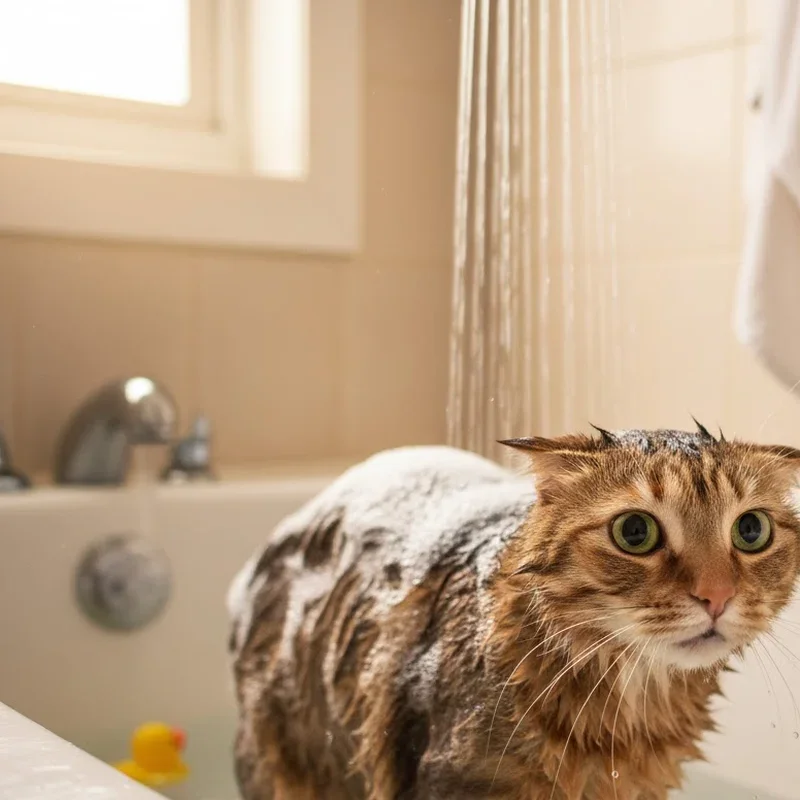
15 Cat Hair Dye Ideas with Playful Color Inspiration
Discover 15 cat hair dye ideas with playful color inspiration using pet-safe products that add temporary, fun flair to your feline's look.
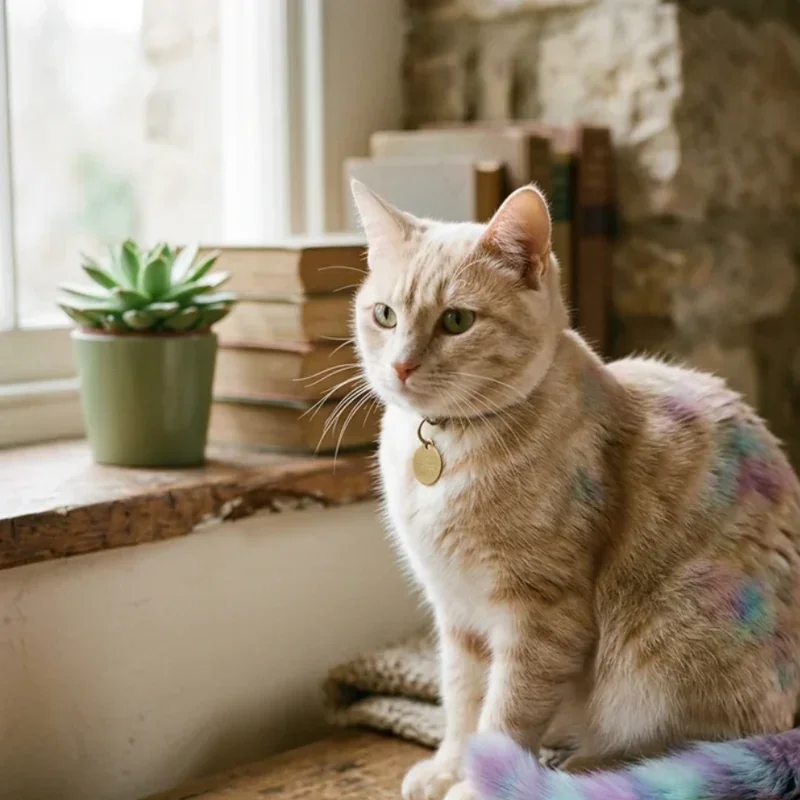
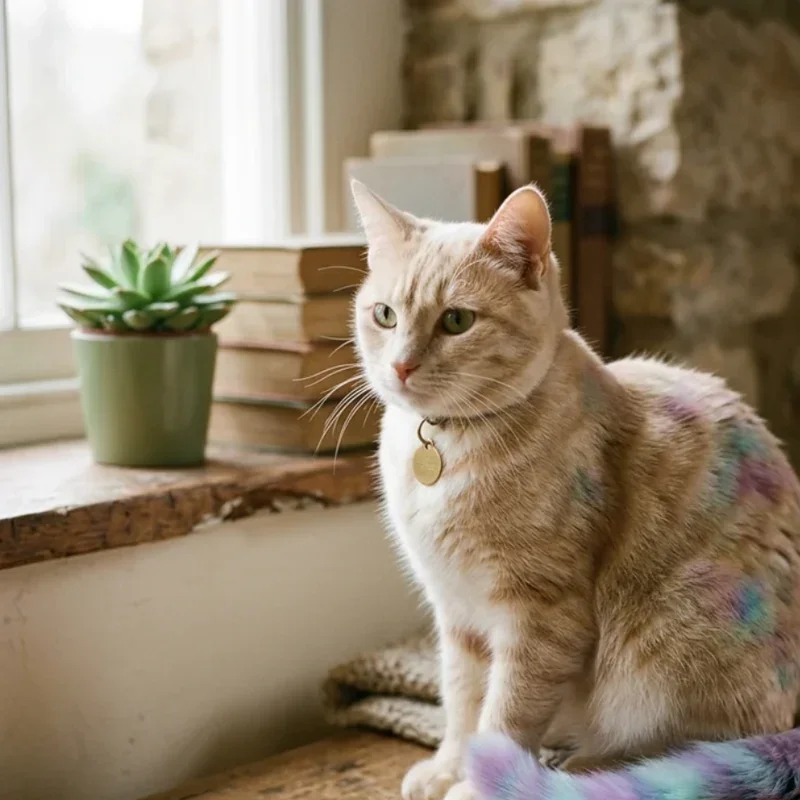
Cat hair dyeing adds playful, temporary pops of color to your feline's fur using pet-safe products specifically formulated for animal coats, turning your already adorable cat into a colorful conversation starter. Have you ever spotted a cat with pastel pink ear tips or a lavender-tinted tail and wondered how the owner achieved that eye-catching look without harming their beloved pet? The answer always starts with safety-first products designed exclusively for animal use, because your cat's health matters infinitely more than any aesthetic trend. Think of pet-safe temporary color like washable markers for fur, where the fun fades naturally while your cat stays completely comfortable and unharmed. Whether you want subtle ear tip accents or bold tail highlights, responsible coloring options exist for adventurous cat owners. Always consult your veterinarian first, and never use human hair dye on any animal. Let's explore fifteen ideas.
1. Pastel Pink Ear Tips
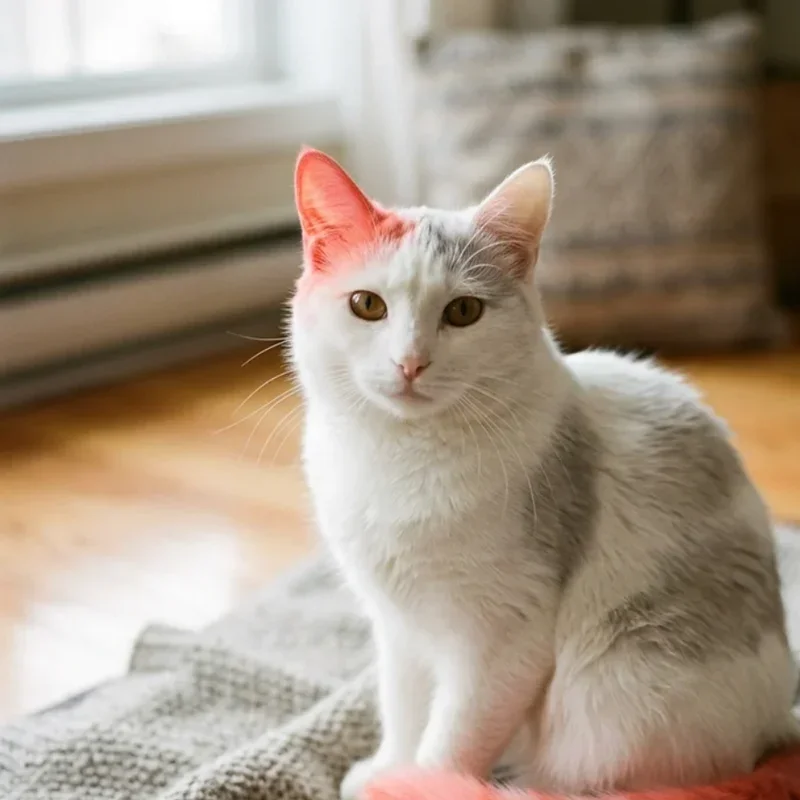
Pastel pink ear tips add the softest, most delicate color accent to your cat's most expressive feature, where light rosy tints on white or light fur create a subtle, fairy-tale look everyone notices during cuddle sessions. Apply a pet-safe, food-grade temporary color to just the ear tips, since small, targeted application minimizes product contact while maximizing visual impact on the most visible part of your cat's silhouette. Choose the palest pink available, because soft tints look naturally beautiful against light-colored fur without appearing harsh or artificial. Work quickly and calmly, since cats tolerate brief, gentle applications far better than prolonged coloring sessions that trigger stress. Monitor your cat's reaction closely. Consult your vet beforehand always. Think of pink tips like tiny blush accents. Your cat gains sweet, subtle flair.
2. Blue Tail Accent
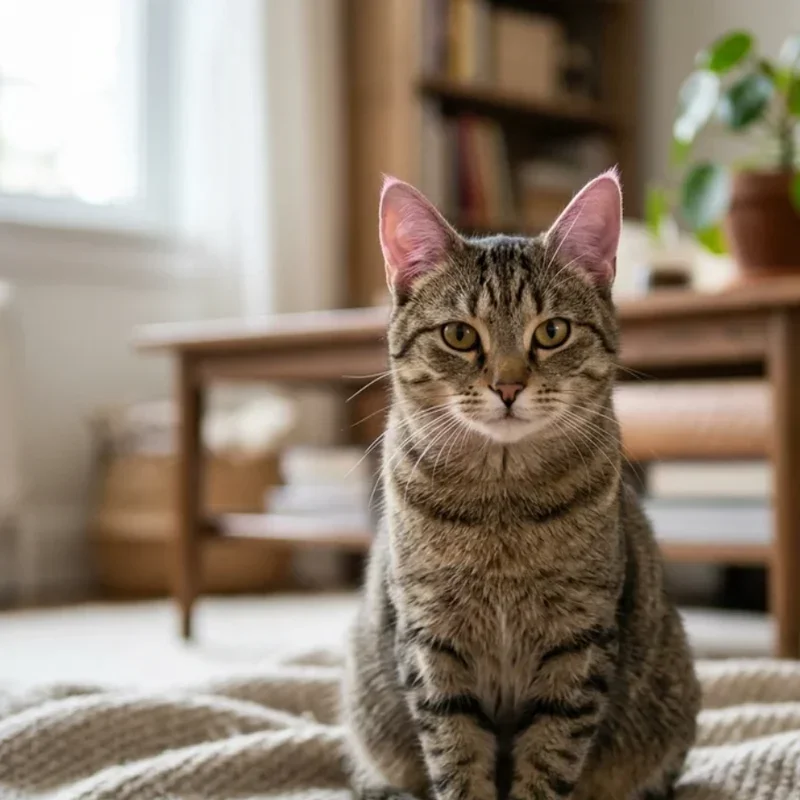
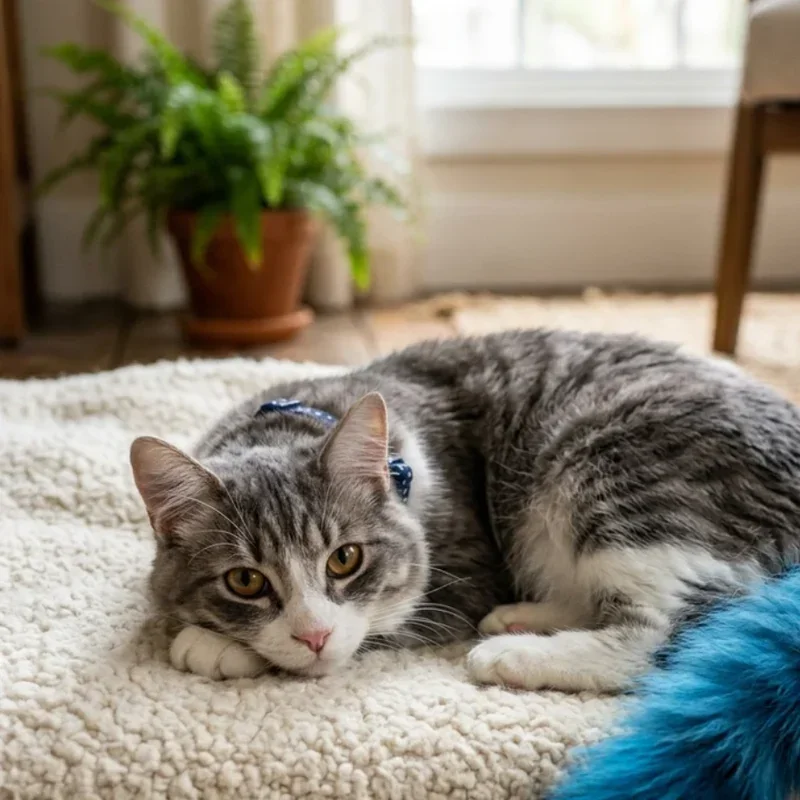
A blue tail accent colors the last few inches of your cat's tail in ocean-inspired hues, creating a striking visual that swishes and sways with every graceful movement across the room. Apply pet-safe temporary blue dye to the tail tip only, since targeted application keeps the colored area small while the constant motion of a cat's tail ensures maximum visibility throughout the day. Choose soft sky blue for light-furred cats, because pale tints show beautifully on white or cream coats while deeper blues require lighter base fur for visible results. Work gently, since tails contain sensitive vertebrae that deserve careful handling during any grooming or coloring process. Distract with treats throughout. Think of blue tails like ocean waves trailing behind your cat. Your feline gains eye-catching movement color.
3. Purple Paw Highlights
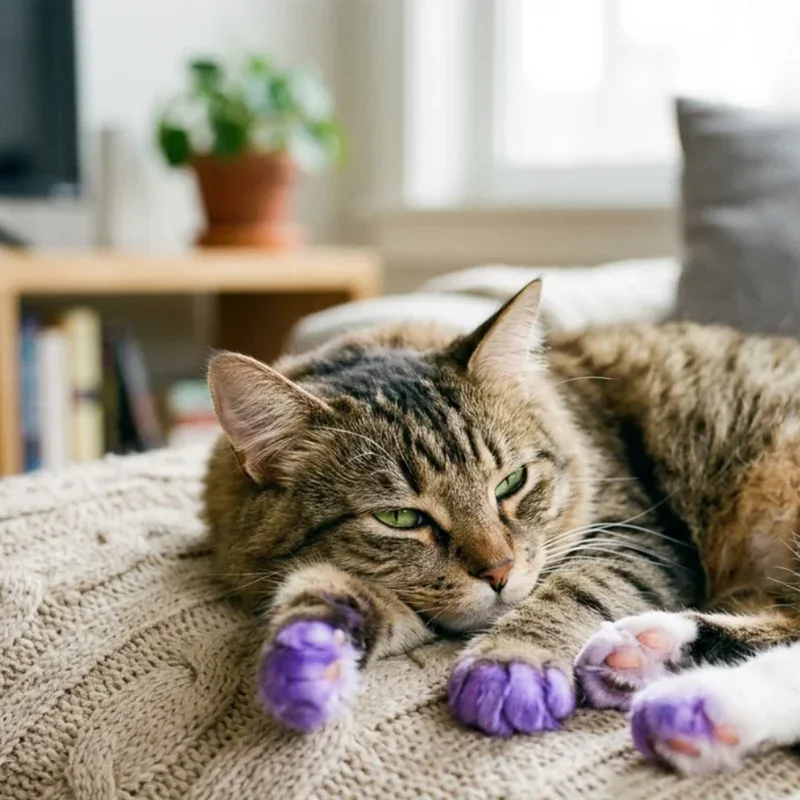
Purple paw highlights add whimsical color to the fur around your cat's feet, creating the adorable illusion that your feline walked through a field of lavender and carried the purple home on tiny, fluffy paws. Apply pet-safe temporary color to the fur above each paw, avoiding the paw pads themselves, since colored pad surfaces create slipping hazards on smooth floors while irritating the sensitive skin between toes. Choose soft lilac or pale violet, because gentle purple tones look playful without overwhelming your cat's natural coat coloring. Work on one paw at a time, keeping sessions brief and rewarding cooperation with treats. Allow complete drying before releasing your cat. Think of purple paws like tiny painted boots. Your cat leaves colorful impressions everywhere.
4. Rainbow Chest Tuft
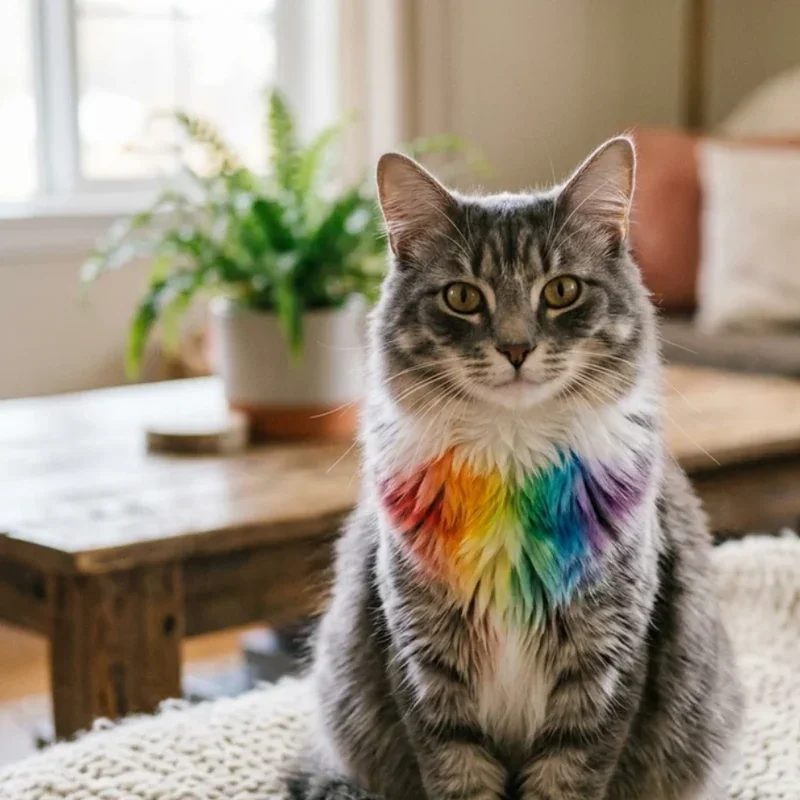
A rainbow chest tuft layers multiple gentle colors across the fluffy chest fur, creating a small, vibrant canvas on the one spot your cat proudly displays during belly-up lounging sessions and chest-out struts. Apply thin stripes of pet-safe pink, blue, yellow, and green in narrow bands across the chest fluff, since the layered arrangement creates rainbow effect when your cat sits facing you. Choose the chest specifically, because this area remains visible during frontal interactions while staying accessible for easy application without awkward positioning. Use the smallest amount of product possible, because multi-color applications multiply product contact that minimal single-color accents avoid. Monitor your cat for any licking or irritation. Think of rainbow chests like tiny pride flags worn by fabulous felines. Your cat gains colorful chest personality.
5. Green Mohawk Stripe
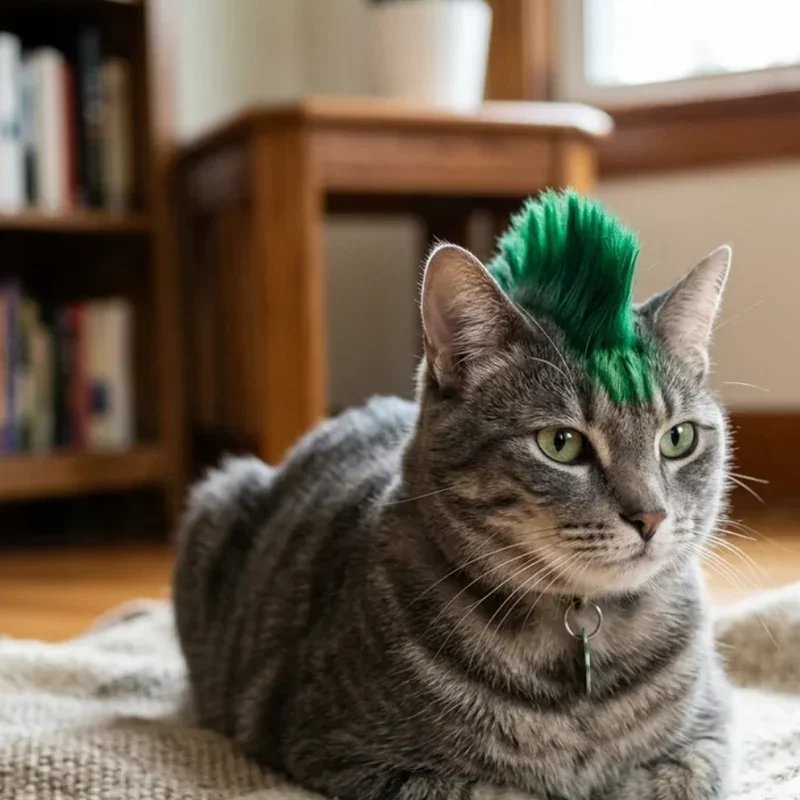
A green mohawk stripe runs a thin line of color along the top of your cat's head between the ears, creating a punk-inspired accent that gives your feline instant rebellious attitude in the most adorable way possible. Apply a narrow stripe of pet-safe green dye along the crown, since the thin application keeps product volume minimal while the bold placement delivers maximum visual personality. Choose bright lime or soft sage depending on your aesthetic preference, because varied green shades create different moods from punk rock through woodland fairy across the same placement. Keep the stripe narrow, since thin lines look intentional while wide patches look like accidents. Distract your cat with chin scratches during application. Think of green mohawks like tiny rebellious statements. Your cat gains effortlessly cool attitude.
6. Coral Ear and Tail Combo
A coral ear and tail combo colors both extremities in warm, sunset-toned hues that frame your cat's entire body with matching peachy accents at both ends for a coordinated, polished look. Apply the same pet-safe coral shade to ear tips and the last two inches of the tail, since matching colors at opposite ends create visual bookends that tie the whole look together harmoniously. Choose warm coral over hot orange, because softer warm tones complement natural fur colors more flatteringly than aggressive neon alternatives. Apply to each area separately, giving your cat breaks between applications, since splitting the process into shorter sessions reduces stress significantly. Think of coral combos like sunset accents framing your feline from ears to tail. Your cat gains warm, coordinated color.
7. Lavender Light Body Tint
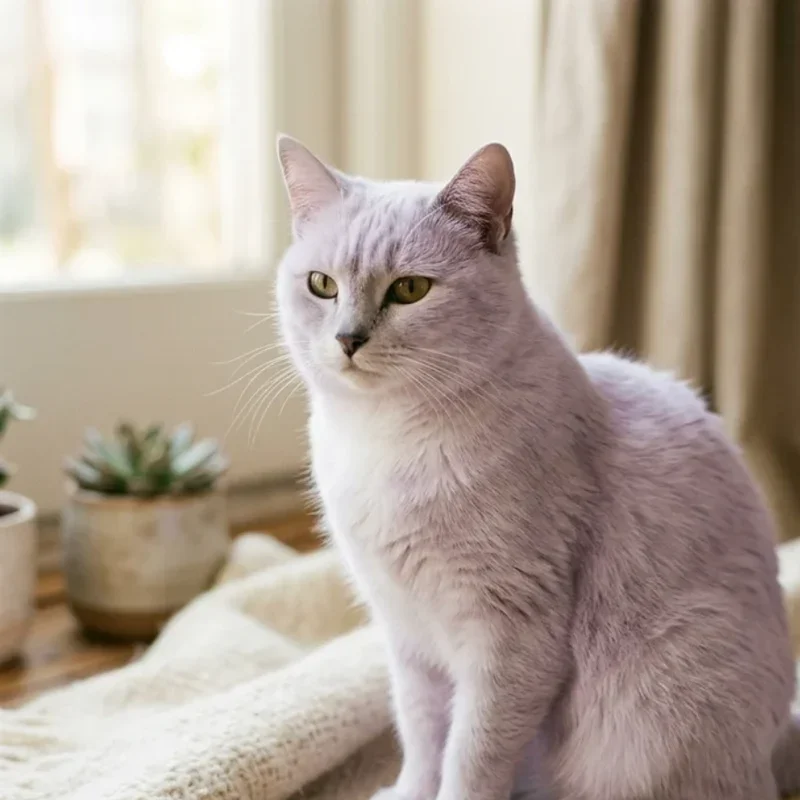
A lavender light body tint washes your white or light-furred cat in the faintest purple hue, creating an all-over ethereal glow that makes your feline look like a creature from a fantasy storybook. Use a highly diluted pet-safe color mixed into a gentle bath solution, since the thinned formula produces a sheer tint rather than solid, opaque coverage that heavier applications create. Choose this idea only for cats who tolerate baths calmly, because stressed, thrashing cats make any coloring process dangerous and counterproductive regardless of product safety. Rinse thoroughly, since residual product invites excessive grooming that increases ingestion risk. Towel dry gently and reward your patient cat generously. Think of lavender tints like whispered color. Your cat gains magical, otherworldly beauty.
8. Gold Shimmer Highlight
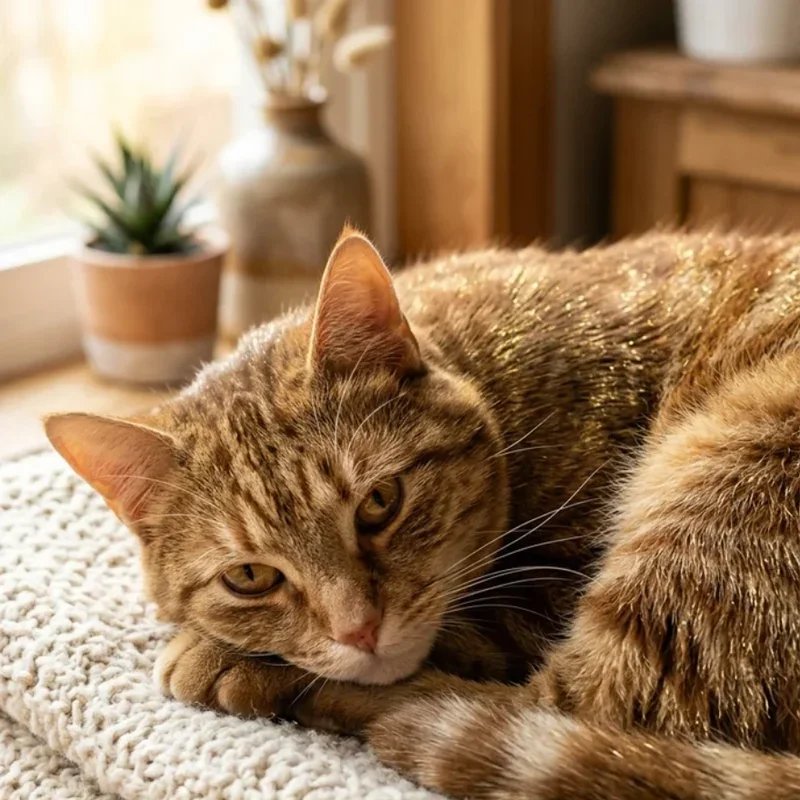
A gold shimmer highlight brushes pet-safe metallic color across your cat's back or shoulders, adding subtle sparkle that catches light during movement for a glamorous, regal effect worthy of feline royalty. Apply a small amount of pet-safe gold coloring gel to the upper back or shoulder area, since these zones remain visible during walking while staying relatively inaccessible to your cat's tongue during self-grooming sessions. Choose formulas specifically labeled as non-toxic and pet-safe, because metallic pigments in human products contain compounds that are dangerous if ingested through grooming. Use the barest amount for a sheer shimmer rather than heavy metallic coverage. Monitor closely after application. Think of gold highlights like crowns of light draped across royal shoulders. Your cat gains glamorous, regal shimmer.
9. Ombre Tail Fade
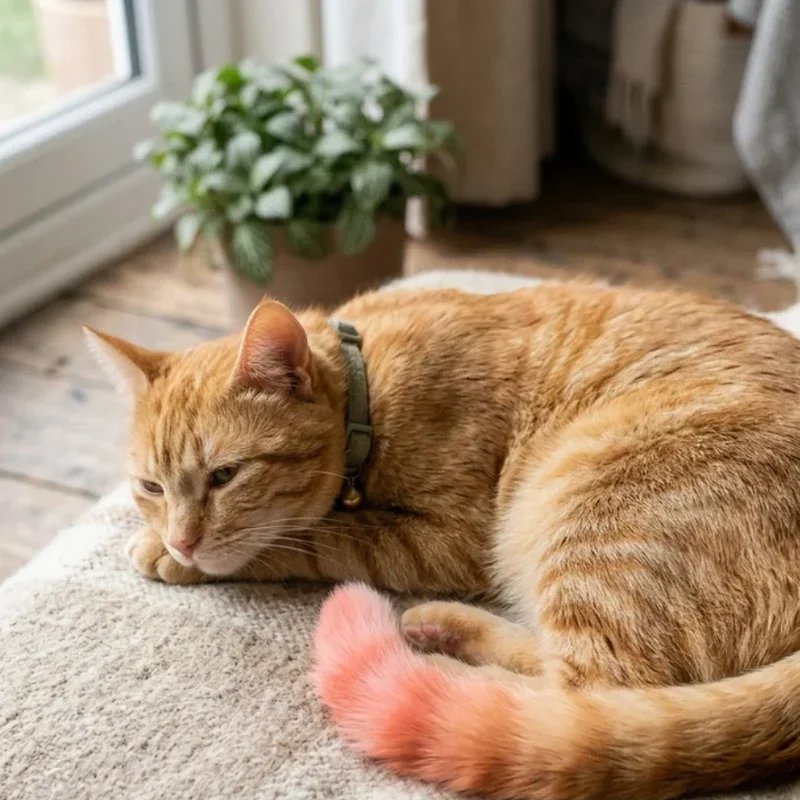
An ombre tail fade graduates color from saturated tip through fading mid-section to natural fur at the base, creating a smooth transition that looks sophisticated rather than abruptly painted on your cat's most expressive appendage. Apply the deepest concentration of pet-safe dye at the very tip, then dilute progressively as you work toward the tail base, since the graduated technique produces the natural-looking fade that defines ombre styling beautifully. Choose one color family, because single-hue gradients look elegant while multi-color ombre attempts risk looking muddled on narrow tail fur. Work from tip upward, since the natural direction prevents color from traveling beyond your intended area. Think of ombre tails like painted sunset gradients. Your cat gains sophisticated, blended tail color.
10. Pink and Blue Split Accent
A pink and blue split accent divides a small section of fur into two-toned color, placing soft pink on one side and gentle blue on the other for a playful, candy-colored contrast that draws immediate attention. Apply each color to a separate ear tip, since the natural bilateral symmetry creates a balanced split-color effect that makes visual sense from every viewing angle. Choose pastel shades, because soft tints look harmonious together while bold neons clash aggressively on delicate cat features. Apply one color at a time, allowing the first to dry completely before adding the second, since wet colors bleed together into muddy purple when they touch prematurely. Think of split accents like cotton candy divided between two ears. Your cat gains playful, dual-toned charm.
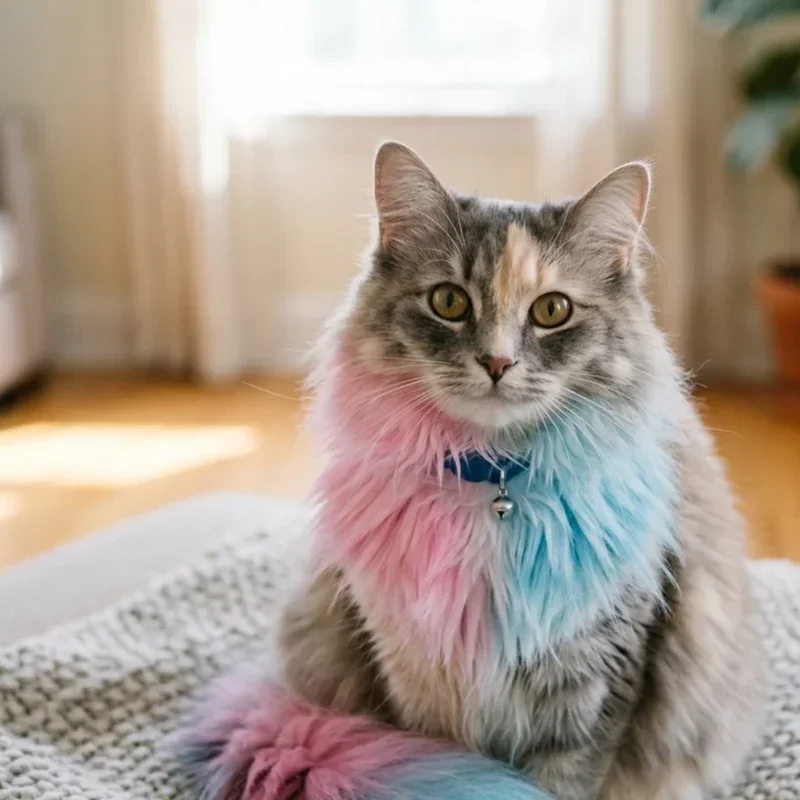
11. Orange Tiger Stripe Accent
An orange tiger stripe accent adds warm, fiery highlights that mimic wild tiger markings, giving your domestic cat a subtle nod to their fierce jungle ancestors through carefully placed color bands. Apply thin stripes of pet-safe orange along your cat's sides or forehead, since these natural-looking placements echo the tabby patterns that wild cats carry through genuine genetics. Choose warm amber or burnt orange rather than neon, because natural warm tones blend convincingly with existing fur for a look that appears almost natural rather than artificially applied. Keep stripes thin and few, since less always looks more intentional than heavy coverage on delicate domestic coats. Think of tiger stripes like whispered reminders of wild ancestry. Your cat gains fierce, natural-looking warmth.
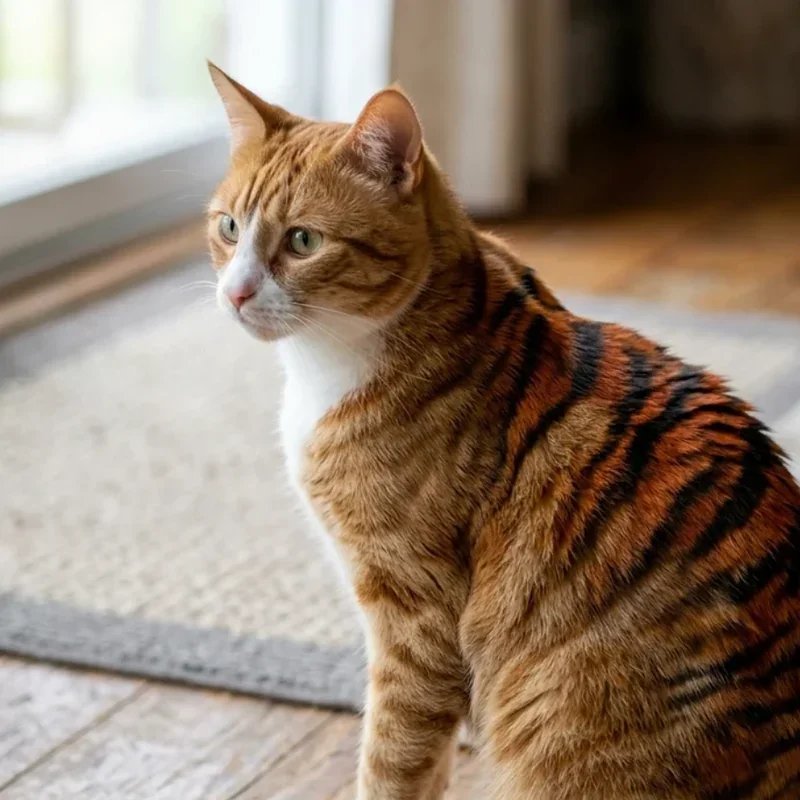
12. Teal Ear Tips
Teal ear tips add cool, ocean-inspired color to your cat's pointed ears, where the blue-green hue creates a striking jewel-toned accent that stands out dramatically against both light and dark natural fur colors. Apply pet-safe teal dye to the outermost ear fur only, since the pointed tip provides a natural, defined boundary that keeps the color contained within a small, visible area. Choose a shade leaning blue for cooler vibes or greener for earthy tones, because the teal spectrum offers flexibility matching different personal preferences. Apply with a small brush for precision, since ear fur grows in thin layers that saturate quickly with minimal product. Monitor for any head shaking. Think of teal tips like tiny gemstones crowning your cat. Your feline gains striking, jeweled accents.
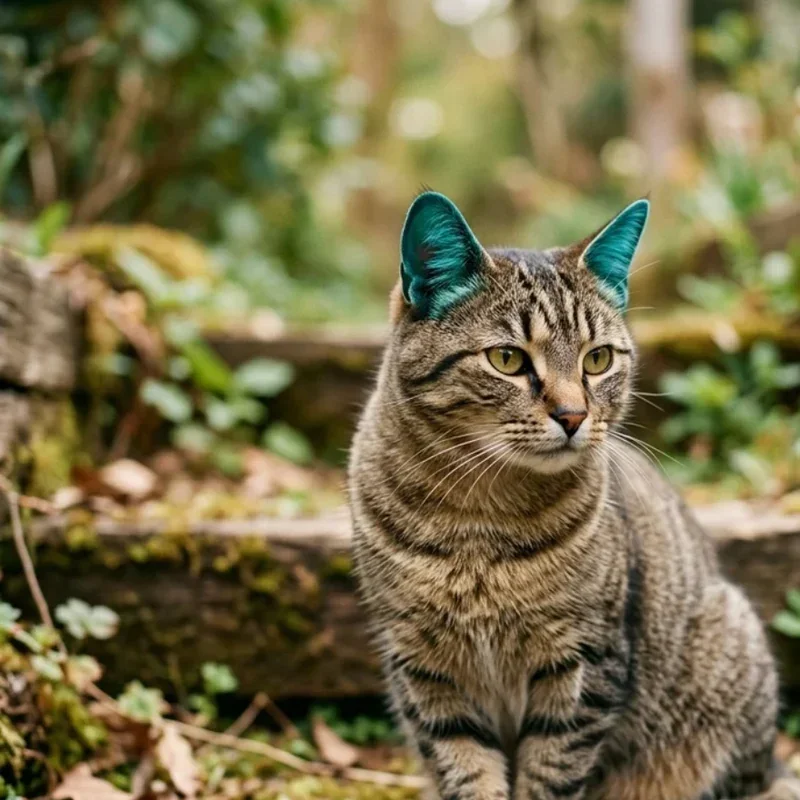
13. Seasonal Holiday Color
Seasonal holiday color transforms your cat's accent areas into festive, celebration-ready displays that match the current holiday spirit, from orange and black for Halloween through red and green for Christmas to pastel for spring celebrations. Choose one or two accent spots like ear tips and tail end, then apply pet-safe temporary color matching the season, since holiday-themed pets generate maximum social media engagement during festive periods when themed content peaks. Use the most temporary products available, because seasonal colors need to fade quickly once the holiday passes and the next one approaches. Never sacrifice your cat's comfort for an aesthetic trend. Think of holiday colors like costume accessories applied with gentle, impermanent touch. Your cat joins seasonal celebrations safely.
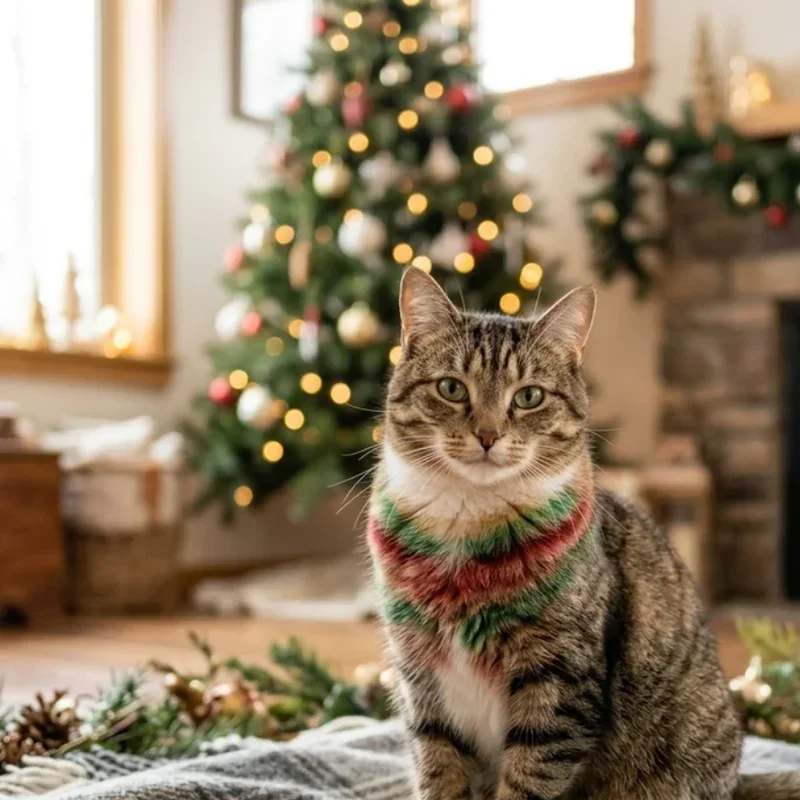
14. Chalk Temporary Color
Chalk temporary color offers the quickest, least-invasive coloring option, where pet-safe color chalks rub onto dry fur for instant, single-day accents that brush out completely with one gentle grooming session. Choose pet-formulated color chalks over human hair chalk, since pet-specific products exclude ingredients that are dangerous if ingested through the extensive self-grooming every cat performs daily. Rub the chalk lightly along ear tips, tail ends, or back fur for sheer, powdery color that photographs beautifully while lasting only hours rather than days. Brush out the chalk gently before your cat's next grooming session, since removing the color prevents ingestion entirely. Think of chalk color like temporary tattoos for fur. Your cat gains instant, commitment-free fun color.
15. Stencil Pattern Design
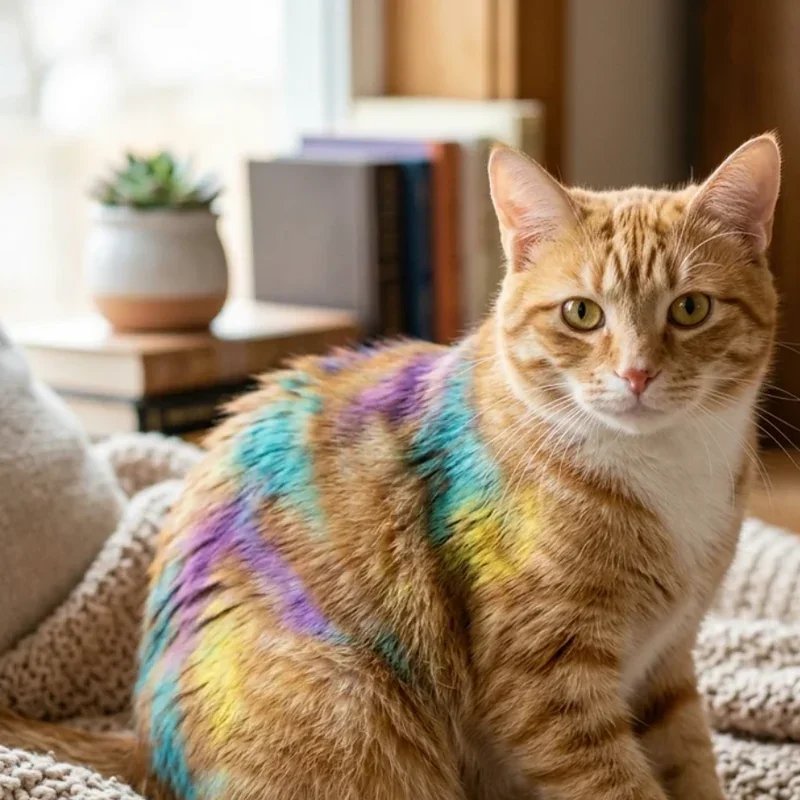
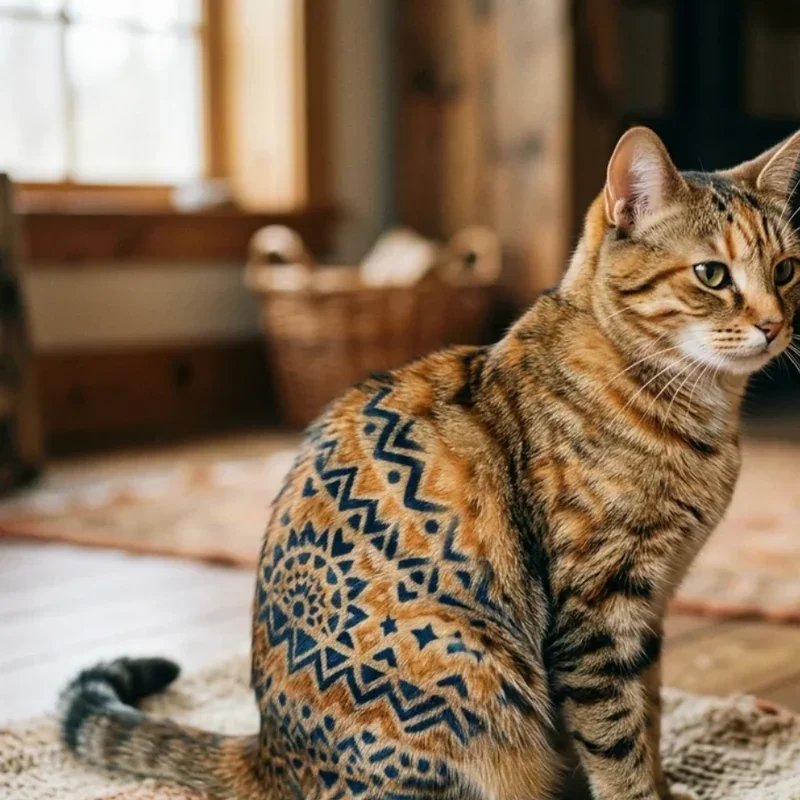
A stencil pattern design presses shaped cutouts against your cat's fur, applying pet-safe color through the openings for precise, detailed designs like hearts, stars, or paw prints that no freehand application achieves with the same clean-edged accuracy. Hold a small stencil gently against the fur, then dab pet-safe temporary color through the openings using a sponge applicator, since the controlled method prevents product from spreading beyond the intended shape. Choose simple shapes with bold outlines, because intricate designs blur on textured fur surfaces that flat human skin does not replicate. Work quickly, since cats tolerate stencil contact for only brief moments. Use the smallest stencil possible. Think of stencil patterns like stamped art on living canvas. Your cat gains precise, creative designs.
Conclusion
Cat hair dye ideas prove that temporary, pet-safe coloring adds playful personality to your feline's look when applied responsibly with your cat's comfort and health as the absolute top priority above any aesthetic goal. These fifteen ideas span pastel ear tips to stencil pattern designs, matching every creative ambition with safety-conscious approaches that protect your beloved pet throughout the coloring process. Always consult your veterinarian before applying any product to your cat, and never use human hair dye on any animal under any circumstances. The secret lies in choosing genuinely pet-safe products and keeping your cat's wellbeing first always.
Frequently Asked Questions
Q1: Is it safe to dye my cat's fur with color?
A: Only using veterinarian-approved, pet-safe, non-toxic products specifically formulated for animal use, never human dye.
Q2: How long does pet-safe cat hair dye typically last?
A: Most temporary pet-safe colors last one to four weeks depending on product type and grooming frequency.
Q3: Can I use human hair dye on my cat?
A: Never, human hair dye contains toxic chemicals that cause serious poisoning, skin burns, and allergic reactions.
Q4: Should I consult a vet before dyeing my cat's fur?
A: Yes, always consult your veterinarian before applying any coloring product to your cat's fur or skin.
Q5: What if my cat licks the dyed fur area?
A: Use only pet-safe, food-grade products and monitor closely, removing color if excessive licking or irritation occurs.
Stay up to date with our latest ideas!