How to Keep Dogs and Cats Safe During a Home Renovation
Learn how to keep dogs and cats safe during a home renovation with practical tips for reducing stress, hazards, noise, dust, and access to work areas.

A renovation fills your house with strangers, loud tools, propped-open doors and floors covered in dust and nails. For a dog or cat, that is a lot of change at once. Most of the injuries and escapes that happen during construction can be avoided, and the planning takes very little time as long as you do it before the crew shows up.
Whether you are gutting a kitchen, replacing flooring or reworking the yard, here is what to sort out first.
Set Up a Safe Room Before Work Starts
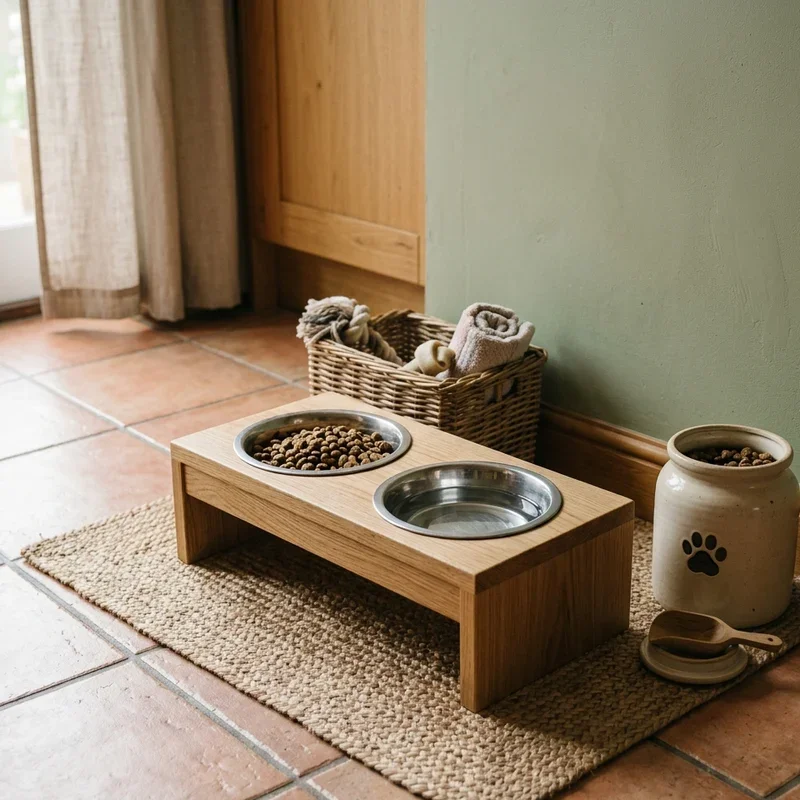
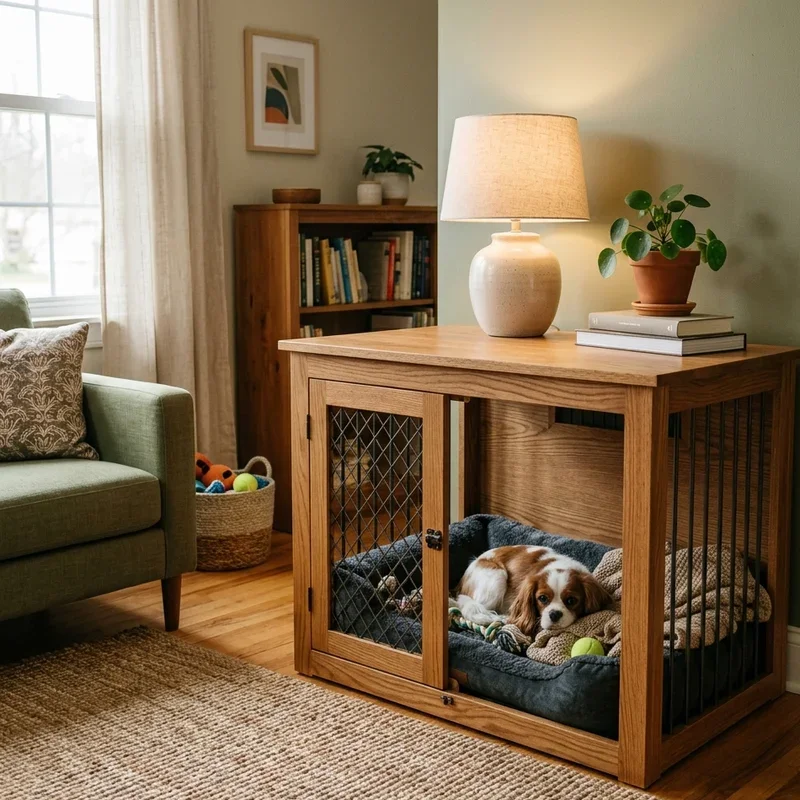
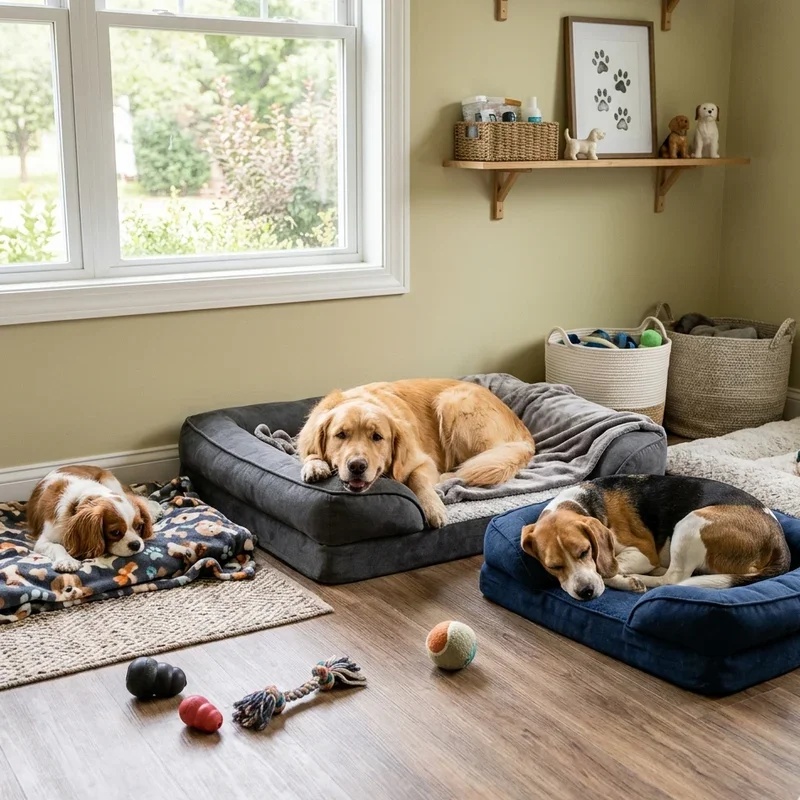
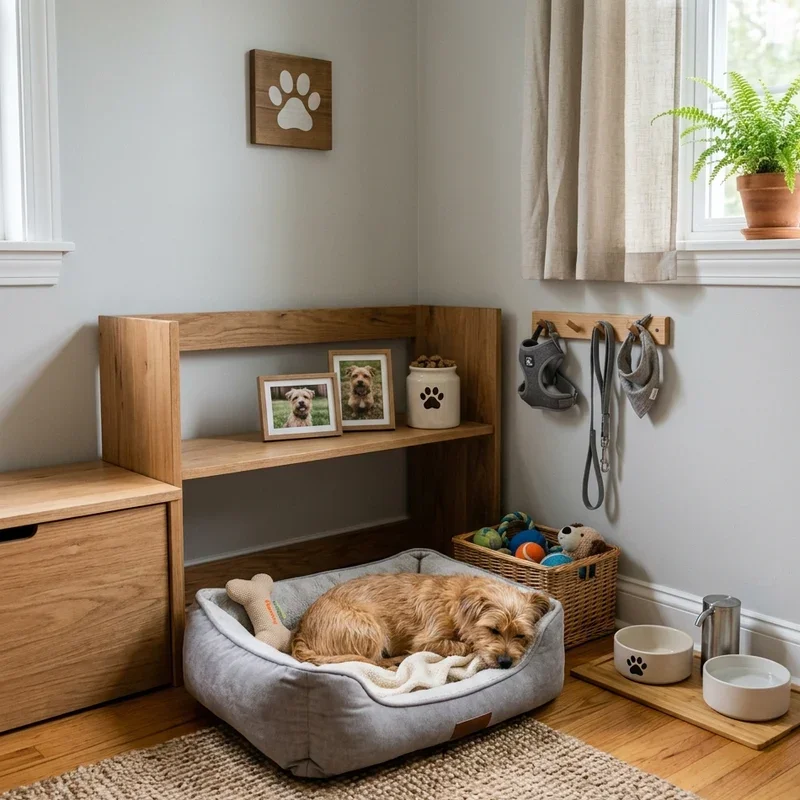
Give your pet one room that the renovation never touches. Choose somewhere the contractors have no reason to enter, ideally on the far side of the house from the work, and get it ready the day before they arrive rather than on the morning itself. Move in the bed, the bowls, a few familiar toys and the litter box if you have a cat.
That one room takes care of most of the problems below. No dust reaches it, no tools get stored in it, and there is a closed door between your pet and every exterior door that is going to be standing open.
It will not be enough for heavy demolition or a solid week of sanding. If the noise is going to run all day, boarding your pet or arranging a stay with a sitter for the worst of it is usually the kinder option.
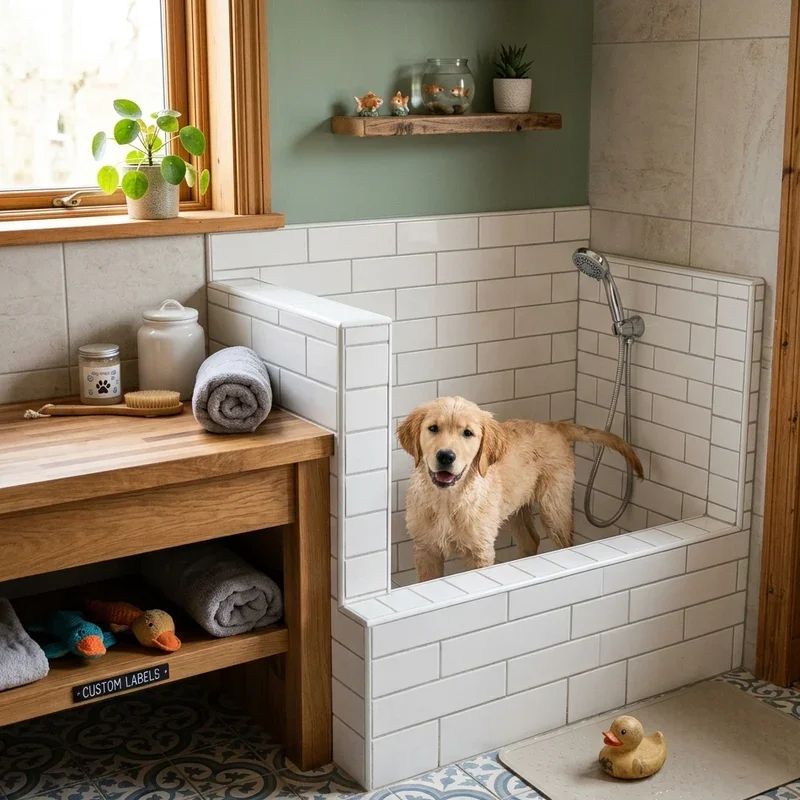
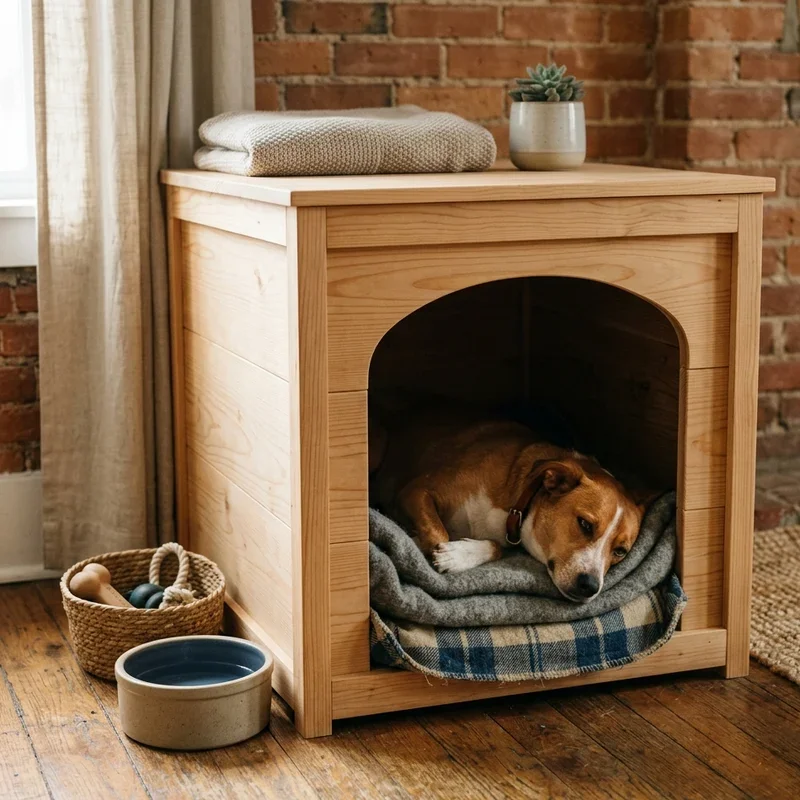
If your project includes new flooring or built-in storage, it is worth thinking past the construction period too. A few choices made now will leave you with a pet-friendly home once everything is finished.
How Do Pets Escape During Renovations?
Almost always through a door nobody meant to leave open. Workers carry lumber in through the front, run cords out through the garage, and leave the side gate unlatched while they load a truck. Any of those is enough for a frightened dog.
Keeping pets behind a solid closed interior door prevents most of it. A baby gate will not, since a determined dog can clear it and a cat will ignore it completely. Check that collar tags are still current, and if your pet is microchipped, log in to the registry and confirm your contact details before day one. That last step is the one that actually gets a lost pet home, and it is the one people forget.
Dust, Paint and Chemicals
Drywall dust and insulation fibers travel well beyond the room they come from, and they irritate a pet's eyes and airways at levels you probably will not notice yourself. Seal off the work zone with plastic sheeting and closed doors, and vacuum the surrounding rooms while the job is running rather than waiting until it is over. Floors matter most here, because pets groom their paws and swallow whatever has settled there.
Paint, solvents, adhesives and sealers should go back in their containers and off the floor at the end of every day. Keep pets out of any room that has been treated until the surfaces have properly cured and the space has been aired out, which usually takes longer than the touch-dry time printed on the label.
Tools, Nails and Debris
A working site is full of things that cut paws or get swallowed, including nails, screws, staples, broken tile, glass and offcuts of wire. Cords and power tools are an added draw for a curious dog.
Ask your contractor to bag debris and get tools off the floor at the end of each day rather than at the end of the week. Walk the space yourself before you let anyone back into it.
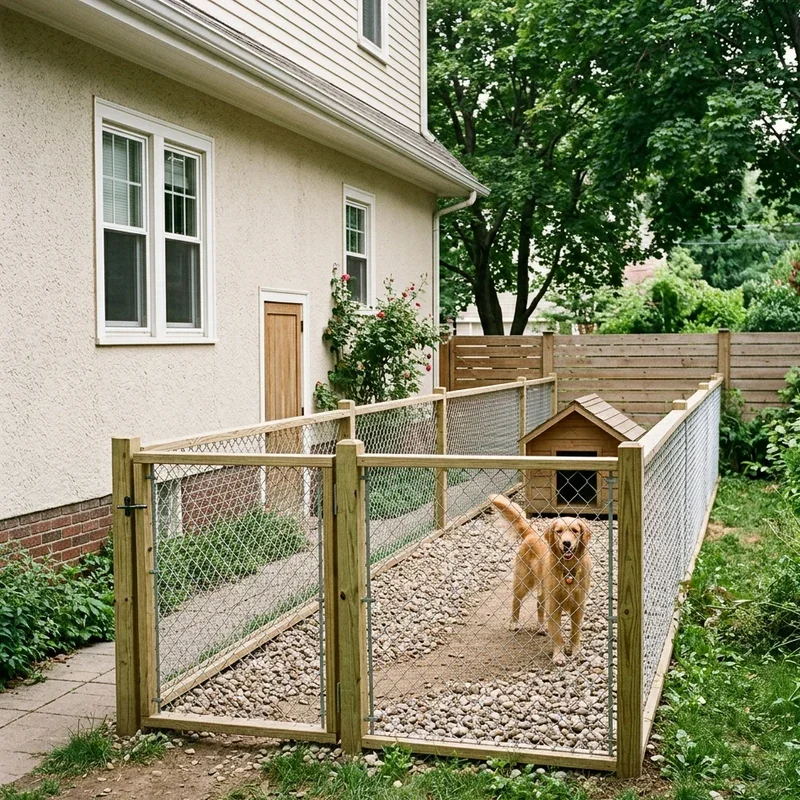
If you need to close off a hallway or an open-plan area without installing anything permanent, these DIY indoor dog fence ideas work well as temporary boundaries.
Dumpsters and Renovation Waste

Old cabinets, torn-out flooring, roofing tear-off and drywall pile up quickly, and once that material is spread across the driveway your yard becomes as hazardous as the room being gutted. Getting it all into one container solves that. Homeowners running a project in Monmouth County can arrange a dumpster rental in Freehold NJ and keep the debris contained from the first day.
Treat the container itself as off limits. Position it away from the route your dog normally takes into the yard, and check the ground around it each day for nails and glass that have dropped during loading. Gates need to stay latched, and outdoor time needs supervision for as long as the project runs.
Why Construction Noise Stresses Pets
Saws, nail guns and demolition equipment are loud and unpredictable, which is the combination animals find hardest to cope with. Dogs tend to bark, pace and refuse to settle. Cats usually go the other way and hide for hours, eat less, and start looking for a way out of the house. Both cope better when the rest of the day stays familiar.
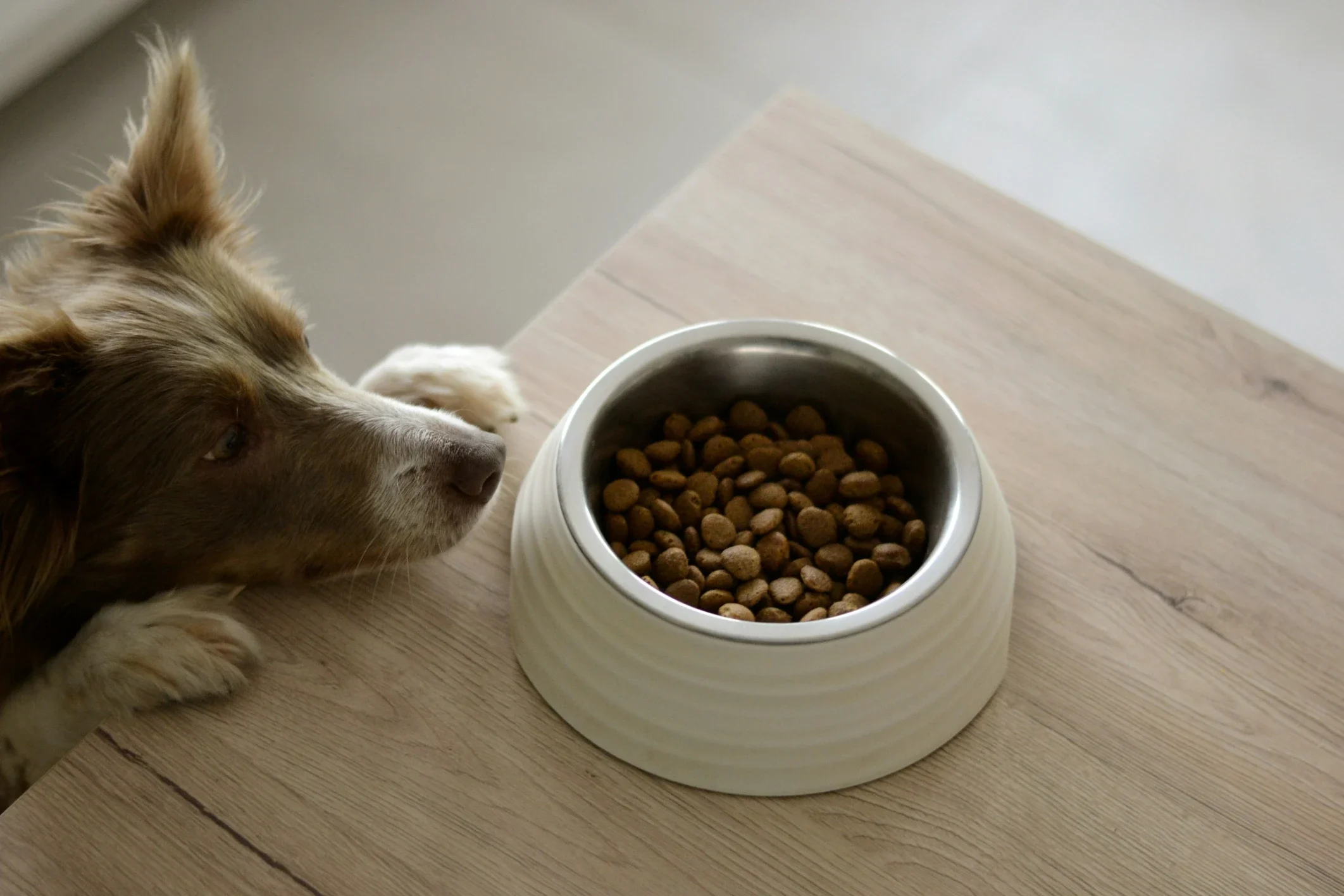
Keep feeding times, walks and bedtime where they normally are. A fan or a radio in the safe room will mask some of the sharper noise. Scheduling a walk to overlap with the loudest part of the day gets your dog out of the house altogether for an hour.
If your pet already struggles with fireworks or thunderstorms, speak to your vet before the project starts rather than partway through it.
What to Tell Your Contractor
Tell the crew on the first morning that there are animals in the house, show them which room the pets are in, and ask them not to open that door for any reason. Make the point about exterior doors and gates explicitly, including for short trips out to the truck.
Then put a sign on the safe room door and another on the gate. Subcontractors and delivery drivers will not have been there for the conversation.
When Can Pets Go Back In?
Later than most people assume. The work finishing and the hazards clearing are not the same day.
Go through the space first and check the floors, corners, stair treads and the ground immediately outside for nails, screws, wire clippings and anything small enough to swallow. Vacuum, then wipe the surfaces down, because fine dust keeps settling for a day or two after the final cleanup.
Give paint, adhesives and flooring finishes the full cure time stated on the label. Once the room is clean and cured, bring your pet back in for short supervised visits instead of reopening the whole house at once.
Planning Ahead
Nearly all of this comes down to a handful of decisions made before the first day: one secure room, doors that stay shut, dust kept where it belongs, debris cleared daily, and a crew that knows the pets are there. Sort those out early and you will spend the project thinking about the build instead of keeping one eye on the pets.
Stay up to date with our latest ideas!