Why Is My Dog Biting His Tail? Common Causes
Wondering why is my dog biting his tail? Common causes range from fleas to anxiety. Learn what triggers this behavior and how to help.
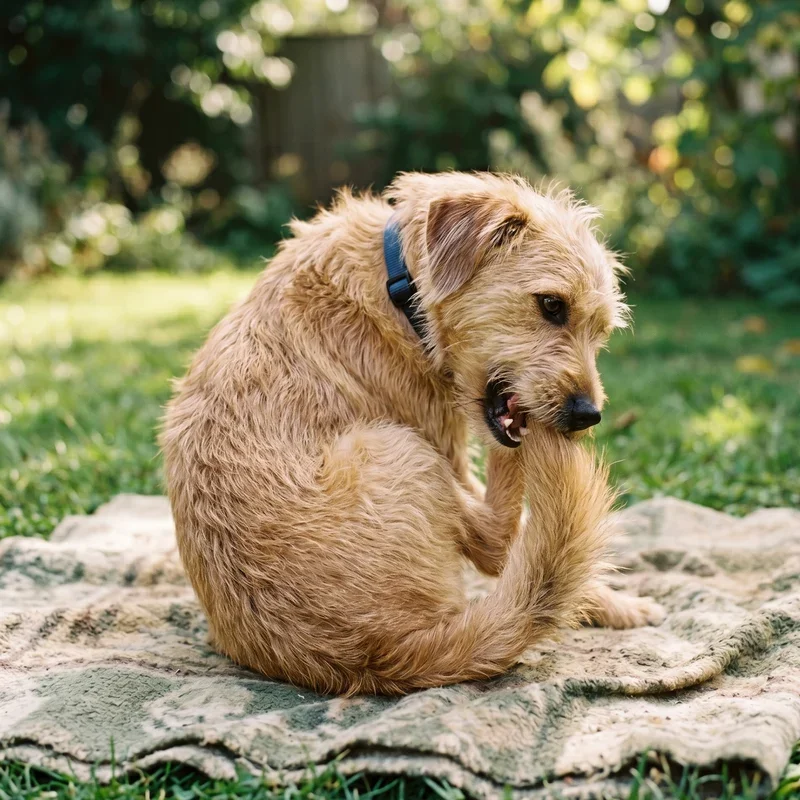
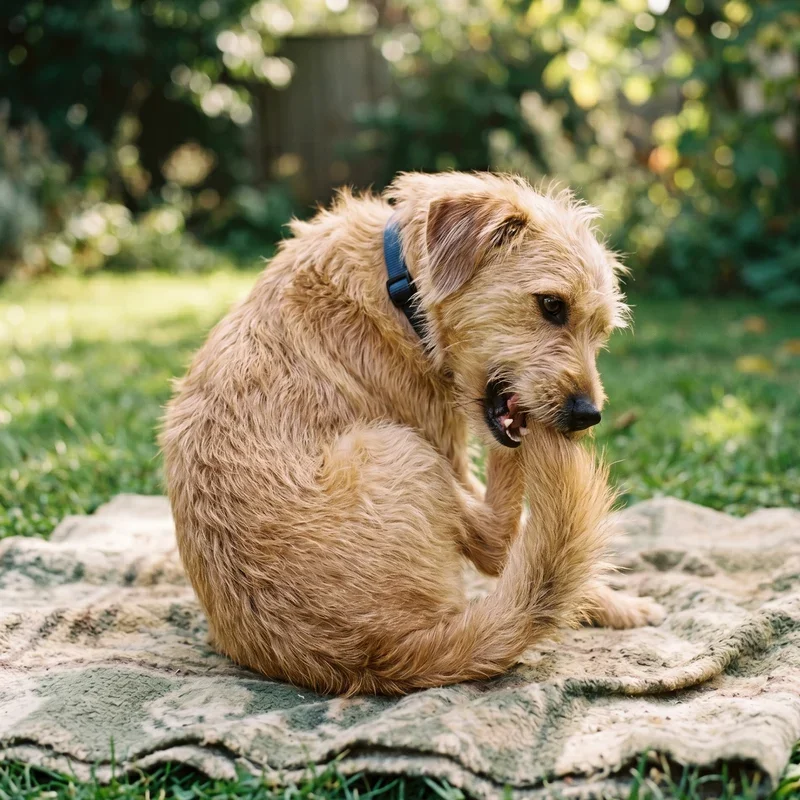
So, you've noticed your furry friend spinning in circles and chomping down on his own tail like it's a chew toy. It's kind of funny at first, right? But when it keeps happening, that nagging worry starts creeping in. You're probably asking yourself, "Why is my dog biting his tail?" and honestly, you're not alone. Thousands of pet owners find themselves puzzling over this exact same behavior every single day.
Here's the thing. Tail biting isn't just some quirky habit your pup picked up for fun. More often than not, there's something going on beneath the surface, whether it's a pesky flea making itself at home or a bout of anxiety that's driving your dog up the wall. Understanding the root cause is half the battle, and once you figure it out, you can finally give your four-legged companion the relief he deserves.
In this article, we're going to break down everything you need to know about why is my dog biting his tail, common causes that vets see all the time, and practical solutions that actually work. Grab a cup of coffee, settle in, and let's get to the bottom of this tail-chasing mystery together.
Fleas and Parasites Are Usually the First Suspects
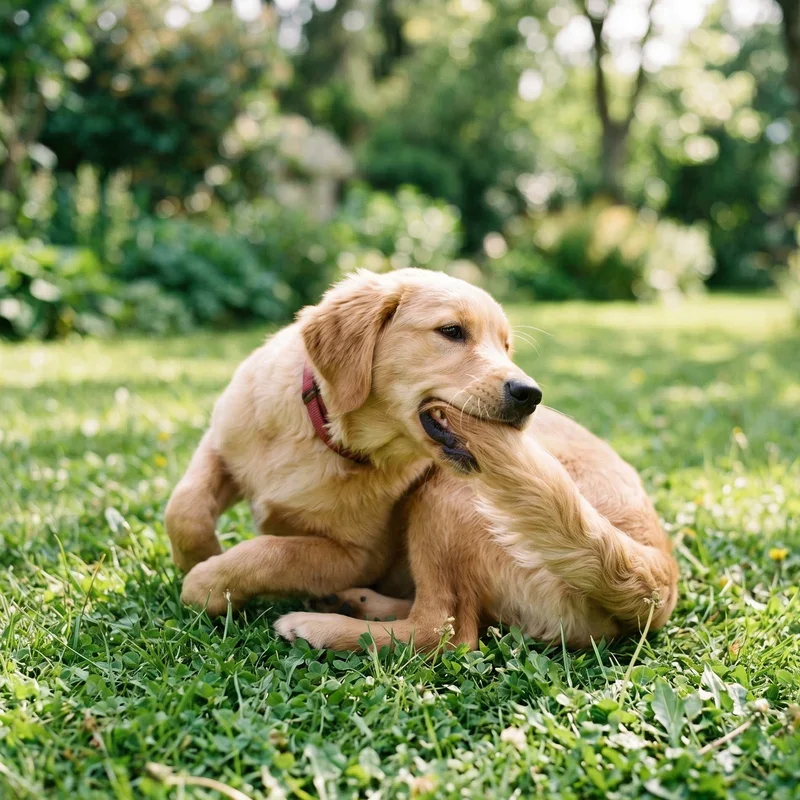
Let's start with the most obvious culprit. If your dog is going after his tail like there's no tomorrow, fleas might be throwing a party back there. These tiny little pests love to hang out near the base of the tail, and even a single flea bite can send a sensitive dog into a frenzy of scratching, licking, and biting.
It's not just fleas, either. Ticks, mites, and intestinal parasites like tapeworms can all trigger that obsessive tail-biting behavior. Tapeworms are particularly sneaky because they cause itching around the rear end, which naturally leads your dog straight to his tail.
You might not even see the fleas themselves. Some dogs are so allergic to flea saliva that one tiny bite causes a massive reaction. This condition goes by the name flea allergy dermatitis, and it's way more common than most folks realize. Your dog could be scratching and biting for days after just one encounter with a flea.
What should you do about it? Well, keeping up with regular flea and tick prevention is an absolute game changer. Talk to your vet about monthly treatments, and don't skip those doses during winter months. Fleas are tough little survivors, and they can thrive indoors year-round.
Skin Allergies and Irritations That Drive Dogs Crazy
Moving beyond parasites, allergies are another major reason dogs go to town on their tails. Just like people get hay fever or break out in hives, dogs can develop allergic reactions to all sorts of things in their environment.
Food allergies are a big one. Certain proteins, grains, or additives in commercial dog food can trigger intense itching that shows up everywhere, including the tail area. Environmental allergens like pollen, dust mites, and mold can also wreak havoc on your dog's skin.
Then there are contact allergies. Maybe you switched laundry detergents, or your dog rolled around in something at the park. These kinds of irritants can cause localized reactions that make the tail area unbearably itchy.
Signs that allergies might be behind the tail biting include redness on the skin, hot spots that seem to pop up out of nowhere, constant licking of the paws alongside the tail biting, and recurring ear infections that just won't quit. If you're noticing a pattern where the biting gets worse during certain seasons or after eating specific foods, allergies are almost certainly playing a role.
An elimination diet supervised by your vet can help pinpoint food-related triggers, and antihistamines or prescription medications might provide some much-needed relief in the meantime.
Anxiety and Stress Can Turn Into Tail Biting
Here's something that catches a lot of pet owners off guard. Dogs can develop compulsive behaviors when they're stressed or anxious, and tail biting is one of the most common outlets for that pent-up nervous energy.
Think about it from your dog's perspective. If he's left alone for long stretches, dealing with changes in the household, or feeling overwhelmed by loud noises like thunderstorms and fireworks, he needs some way to cope. Biting his tail becomes a self-soothing mechanism, kind of like how some people bite their nails when they're nervous.
Separation anxiety is a particularly common trigger. Dogs who panic when their owners leave the house often resort to destructive behaviors, and that destruction can be directed at their own bodies. You might come home to find your dog's tail raw and chewed up, and it breaks your heart every time.
Boredom plays into this equation too. A dog who isn't getting enough physical exercise or mental stimulation is going to find ways to entertain himself, and chasing and biting his tail fits the bill perfectly. It starts as something to do and gradually morphs into a compulsive habit that's hard to break.
Increasing daily exercise, providing puzzle toys, and creating a calm environment can make a world of difference. In severe cases, your vet might recommend behavioral therapy or even anti-anxiety medication to help your dog find healthier coping strategies.
Injuries and Hot Spots You Might Not Notice Right Away
Sometimes the answer to why is my dog biting his tail comes down to a simple injury that you haven't spotted yet. Dogs are active creatures, and they can easily scrape, cut, or bruise their tails during everyday adventures. A tail caught in a door, a scratch from rough play at the dog park, or even a small wound hidden under all that fur can cause persistent discomfort.
Hot spots deserve special attention here. These are areas of inflamed, infected skin that develop quickly and can become incredibly painful. They often start small but spread fast when your dog keeps licking and biting at them. The moisture from all that licking creates the perfect breeding ground for bacteria, turning a minor irritation into a full-blown infection practically overnight.
If you notice any swelling, discharge, or an unusual smell coming from your dog's tail, don't wait around hoping it'll clear up on its own. Get your pup to the vet for a proper examination. Early treatment with antibiotics and medicated shampoos can prevent a small problem from snowballing into something much more serious.

Anal Gland Problems and Their Connection to Tail Biting
This one's not exactly dinner table conversation, but it's important to talk about. Dogs have two small glands located on either side of their anus, and when these glands get impacted or infected, the discomfort can radiate to the surrounding area, including the tail.
You'll often see dogs scooting their bottoms across the floor when anal glands are the issue, but tail biting and excessive licking of the rear end are equally common symptoms. The pressure and irritation from full or inflamed glands drive dogs to do whatever they can to find relief.
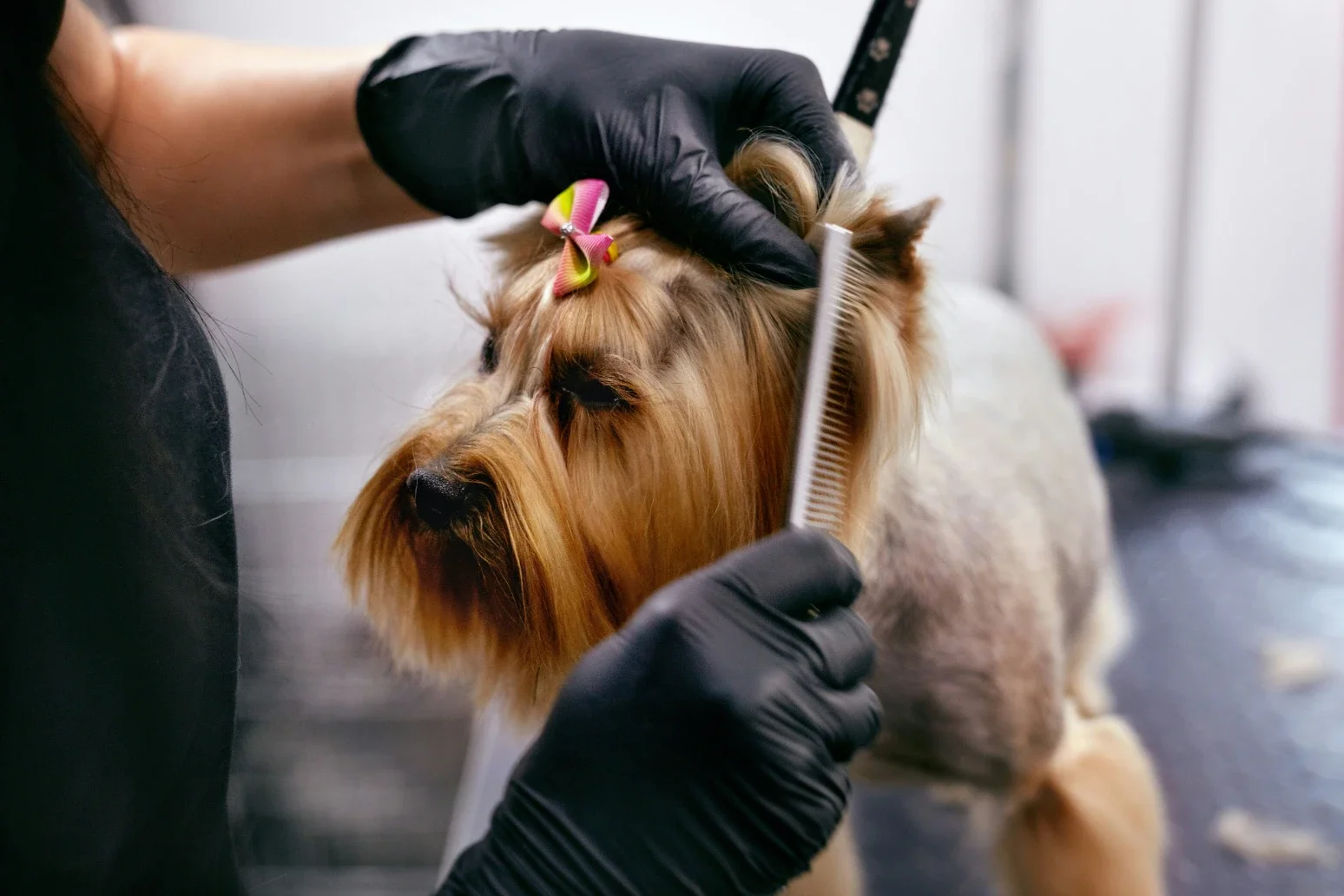
Some breeds are more prone to anal gland problems than others. Smaller breeds tend to experience issues more frequently, though it can happen to any dog regardless of size. Regular expression of the anal glands during grooming appointments can help prevent buildup, and your vet can show you how to check for signs of trouble between visits.
If the glands become infected, antibiotics and sometimes even surgical intervention might be necessary. It sounds scary, but catching it early makes treatment straightforward and recovery quick.
Why Is My Dog Biting His Tail? Common Causes Related to Dry Skin
Believe it or not, dry skin is one of those sneaky causes that often flies under the radar. When the weather turns cold and heating systems suck all the moisture out of the air, your dog's skin can get just as dry and flaky as yours does.
Dry skin leads to itching, and itching leads to biting. The tail, being one of those areas that's harder for dogs to scratch with their paws, becomes a prime target for teeth instead. You might notice white flakes in your dog's coat or patches where the skin looks rough and irritated.
Nutritional deficiencies can contribute to this problem as well. Dogs who aren't getting enough omega-3 and omega-6 fatty acids in their diet are more susceptible to dry, itchy skin. Adding a fish oil supplement or switching to a food formula designed for skin health can produce noticeable improvements within just a few weeks.
Overbathing is another factor worth mentioning. Washing your dog too frequently strips away the natural oils that keep his skin moisturized and protected. Unless your dog has rolled in something truly disgusting, bathing once a month is generally plenty for most breeds.
When Tail Biting Becomes a Compulsive Disorder
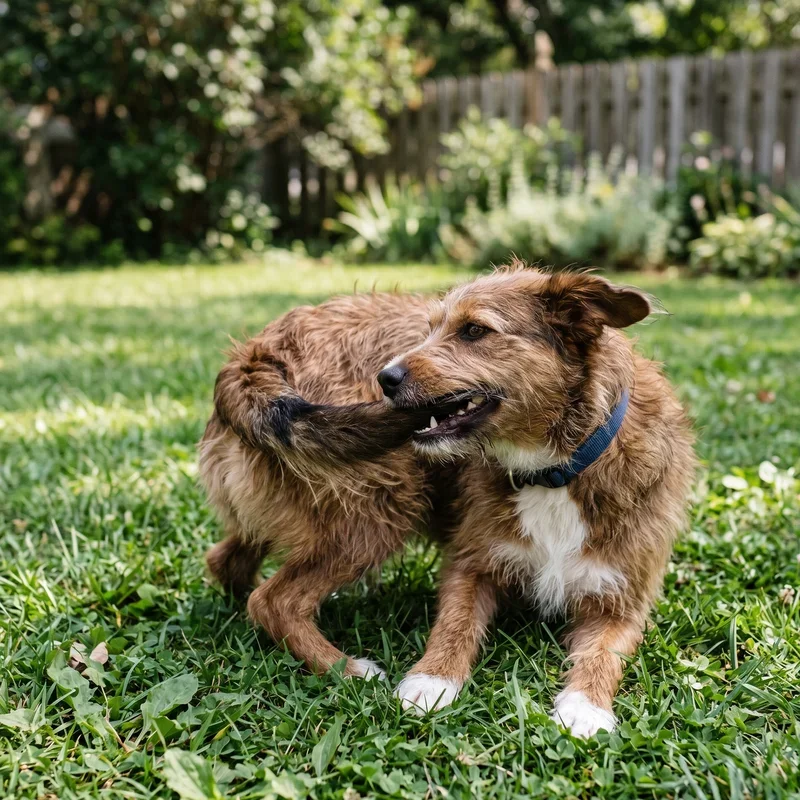
There's a point where normal occasional tail biting crosses the line into obsessive compulsive behavior, and recognizing that threshold is crucial. If your dog is biting his tail so aggressively that he's causing hair loss, drawing blood, or creating open wounds, you're dealing with something that requires professional intervention.
Compulsive tail biting in dogs shares similarities with obsessive compulsive disorder in humans. The behavior becomes repetitive, ritualistic, and seemingly impossible for the dog to stop on his own. He may appear to be in a trance-like state while doing it, completely tuned out to everything happening around him.
Certain breeds seem to be genetically predisposed to developing compulsive behaviors. Bull Terriers and German Shepherds, for example, have higher rates of tail chasing and biting compared to other breeds. However, any dog can develop these tendencies under the right circumstances.
Treatment typically involves a combination of behavioral modification techniques and medication. Working with a veterinary behaviorist who specializes in these kinds of issues gives your dog the best possible chance at recovery.
Practical Steps to Help Your Dog Stop Biting His Tail
Now that we've covered the major reasons behind this behavior, let's talk about what you can actually do about it. Taking action sooner rather than later is always the smart move, because the longer the behavior continues, the harder it becomes to break the cycle.
Start with a thorough veterinary checkup. Your vet can rule out medical causes like parasites, infections, and allergies through physical examination and diagnostic tests. Don't try to diagnose the problem yourself because what looks like a simple itch could have a more complicated underlying cause.
Keep your dog's preventive care up to date. Monthly flea and tick treatments, regular deworming, and routine grooming appointments go a long way toward preventing many of the common causes we've discussed.
Enrich your dog's daily life with plenty of physical activity and mental challenges. A tired dog is a happy dog, and one who's less likely to develop compulsive habits out of sheer boredom. Long walks, fetch sessions, training exercises, and interactive toys all contribute to a well-balanced and content canine companion.
Pay attention to your dog's diet. High quality food with adequate protein, healthy fats, and essential vitamins supports skin health from the inside out. If you suspect food allergies, work with your vet to identify and eliminate trigger ingredients.
Finally, create a calm and secure home environment. Minimize stressors where possible, establish consistent routines, and make sure your dog has a safe, comfortable space where he can retreat when things get overwhelming.
Conclusion
Understanding why is my dog biting his tail and the common causes behind it empowers you to take the right steps toward helping your furry companion feel comfortable again. Whether the culprit turns out to be pesky parasites, stubborn allergies, underlying anxiety, or a hidden injury, the key is acting quickly and working closely with your veterinarian. Your dog depends on you to notice when something's off, and the fact that you're researching this topic shows just how much you care about his wellbeing.
Read next: 15 DIY Indoor Dog Kennel Ideas for Stylish Home Living
Frequently Asked Questions
1.Is tail biting in dogs always a sign of a medical problem?
A: Not always, but persistent tail biting usually indicates an underlying medical or behavioral issue.
2.Can fleas cause a dog to bite his tail even without visible bites?
A: Yes, flea allergy dermatitis can trigger intense itching from just one invisible flea bite.
3.Should I use an Elizabethan cone to stop my dog from biting his tail?
A: A cone provides temporary relief but does not address the actual underlying cause itself.
4.How long does it take for tail biting treatment to show results?
A: Most treatments show noticeable improvement within two to four weeks with consistent application.
5.Can puppies develop compulsive tail biting habits at a young age?
A: Yes, puppies can develop compulsive behaviors, especially when stressed, bored, or understimulated regularly.
Stay up to date with our latest ideas!