How to Create a Pet-Friendly Home That Keeps Dogs Comfortable in Every Season
Learn how to create a pet friendly home that keeps dogs comfortable in every season with practical tips for safety, comfort, and year round care.

Nobody talks about this, but a dog's entire world is your house. That's it. They don't commute. Whatever the temperature is in your living room at 2 pm on a Tuesday in January, that's what your dog is dealing with. Most homes aren't set up with that in mind.
Getting this right isn't expensive. It's mostly just thoughtful.
A Home That Works for Your Dog Starts With Knowing Your Dog
Breed, Age, and Coat Type Change Everything
Here's what catches people off guard: two dogs in the same room can have completely different physical experiences.
A Bernese Mountain Dog sprawled on the couch in summer is probably fine, maybe even hot. A Whippet in the same spot in winter might genuinely be struggling. Age compounds this. A ten-year-old dog feels drafts and temperature dips in ways a three-year-old wouldn't notice.
So before any of the seasonal stuff below becomes useful, figure out your dog's specific thermal profile. Short coat, small body, or older than eight years? They need more intervention, not less.
Spring: Mud, Rain, and Entryways That Actually Function
What Spring Does to Your Home?
The problem with spring isn't just the mud. It's the frequency. Day after day of wet paws, damp fur, temperatures that swing enough to make it hard to know how to dress your dog for a walk. That inconsistency wears on a routine fast.
Setting Up the Entryway Properly
The fix is a cleaning station that takes thirty seconds, not ten minutes. Two washable mats at the door. A hanging towel for paw drying. Tile or sealed hardwood right at the entrance, if you have the option, because fabric flooring near a spring door is just asking for it.
Why a Rain Jacket Belongs by the Front Door?
Skipping walks because of rain is bad for the dog. Walking without gear means you're toweling off a completely soaked animal.
A dog rain jacket solves the second problem and removes the temptation to do the first. Keep it on the same hook as the leash. That way it's not a decision; it's just part of going outside.
Summer: Indoor Heat Is a Real Risk, Not Just Outdoor Heat
What Overheating Actually Looks Like?
Constant panting when the dog hasn't been running. Gums redder than usual. Drinking more than normal. These are signs your dog is too warm inside, not just outside.
Bulldogs, Pugs, Boston Terriers, any flat-faced breed, they hit dangerous temperatures faster because their airway structure makes panting less effective as a cooling tool.
The temperature inside a house without AC on a hot day climbs faster than most people expect.
Making Your Home Cooler Without a Full Renovation
Tile and hardwood floors cool dogs down. Don't cover them with rugs from June through August. Run a fan in whatever room the dog sleeps in.
Put water bowls in more than one location because a hot dog doesn't want to walk across the house to drink. Close curtains on south-facing windows during peak afternoon hours.
Early morning or evening for walks. Not negotiable when it's genuinely hot outside. For senior dogs or flat-faced breeds that overheat quickly, a pet strollers with a UV canopy lets them enjoy outdoor time without walking on scorching pavement.
Fall: The Season People Forget to Prepare For
Why Temperature Shifts Hit Dogs Before They Hit You?
When fall starts, floors get cold before rooms do. Dogs sleep low. They feel the shift in floor temperature well before the room's air catches up. Senior dogs, especially, will start showing joint stiffness earlier in the season than most owners realize is connected to the cold.
Elevated bedding away from exterior walls, away from floor vents that push cold air at night. It's a small thing that makes a noticeable difference.
Getting Seasonal Storage Right Before It Becomes a Problem
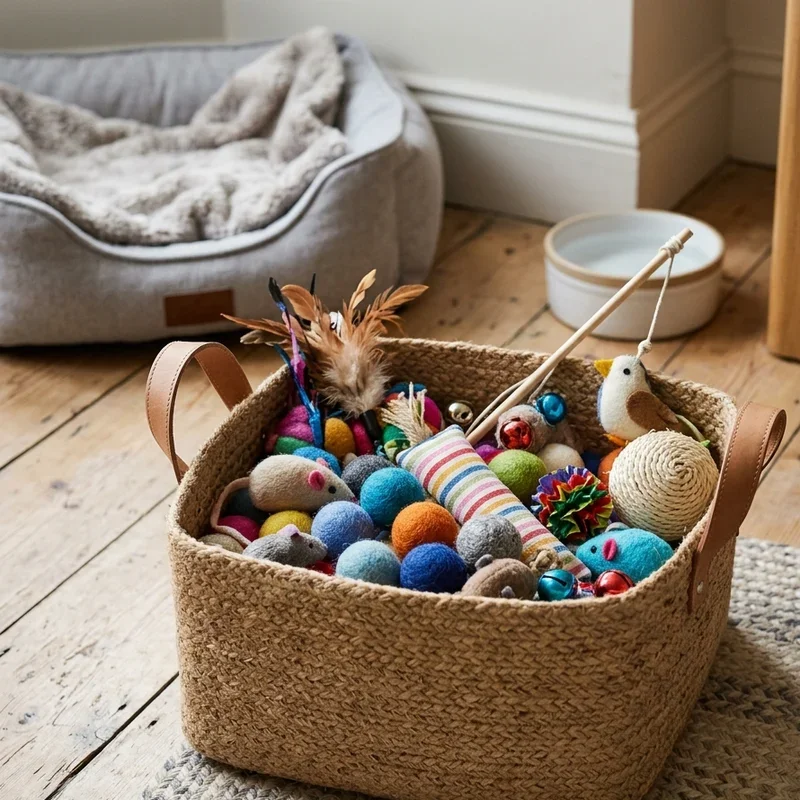
This is the best time to pull out everything dog-related and organize it properly. A hook by the door for leashes. A basket for toys. A shelf or drawer for seasonal items.
When the colder months hit and you need the full rotation of dog apparel readily accessible, a system already in place means you actually use the gear.
Winter: Some Dogs Are Flat-Out Cold Indoors
The Breeds and Ages That Struggle Most
Chihuahuas, Greyhounds, Miniature Pinschers, Italian Greyhounds, Dachshunds. Any senior dog past eight or nine.
These dogs lose body heat fast, and a house set to 68 degrees in January isn't warm enough for them to be genuinely comfortable. This shows up as tight curling, reluctance to move around, and disrupted sleep.
Indoor Warmth Strategies That Work
Heated pet-safe mats with automatic shut-off are worth it for older dogs. Position beds against interior walls, not exterior ones. Keep floor-level drafts sealed at door bottoms.
And for dogs that run cold, custom dog sweaters worn inside the house aren't vanity items. On a thin-coated dog in a cold room, a well-fitting sweater is just practical.
Building a Dog Zone and Getting Safety Details Right
The Dedicated Space Every Dog Needs
A fixed sleeping area. A consistent feeding spot. Somewhere specific for toys and supplies that isn't the floor. The zone matters because dogs are routine animals. When the environment around them is predictable, seasonal transitions are less disorienting.
What People Overlook in Pet-Safe Design?
Slip-resistant floors near stairs. Pet-safe plants, because the toxic ones list is longer than most people expect. Furniture fabrics that wipe clean. Cords managed and secured. Gates for genuinely off-limits spaces. These details don't require a renovation. They just require someone deciding they matter.
The homes that work best for dogs aren't the ones with the most gear. They're the ones where the basics were thought through at each season, and adjusted when they stopped working.
FAQ Section
Do dogs need different care inside the home during each season?
They usually do. What feels comfortable in July might not feel so great in January, so small adjustments throughout the year can help.
How can I make my home more comfortable for a short-haired dog?
Start with a warm, comfortable place to sleep. Short-haired dogs often prefer cozy spots, especially when the weather cools down.
What are the most important seasonal essentials for dog owners?
Nothing complicated. Fresh water, a comfortable bed, regular grooming, and a few season-specific items are usually enough.
How should I organize dog supplies and clothing at home?
Keep the things you use all the time close by. Everything else can be stored away until the season changes.
What features make a home truly pet-friendly?
A pet-friendly home feels comfortable, safe, and easy for a dog to navigate. That's really the heart of it.
Stay up to date with our latest ideas!