Dog Breeds Most Prone to Hip Dysplasia and What Increases Their Risk
Learn which dog breeds are most prone to hip dysplasia and explore the genetic, lifestyle, and environmental factors that can increase their risk.

According to the Orthopedic Foundation for Animals' 2023 database analysis, hip dysplasia affects over 20% of evaluated dogs across all breeds — but the risk jumps to nearly 70% in some large breed populations. As genetic testing becomes more sophisticated and breeding practices evolve, the conversation around hip dysplasia has shifted from simply identifying affected dogs to understanding the complex interplay of genetics, environment, and growth patterns that create vulnerability.
For dog owners, especially those with at-risk breeds, this matters more than ever. Hip dysplasia doesn't just affect mobility — it fundamentally alters a dog's quality of life, often requiring years of management or expensive surgical intervention. The challenge is that by the time obvious symptoms appear, the condition is already well-established. Understanding which breeds face the highest risk and why certain factors amplify that risk gives owners the knowledge to make informed decisions about prevention, early detection, and care strategies that can preserve their dog's comfort and function for years to come.
Which Dog Breeds Are Most Likely to Develop Hip Dysplasia
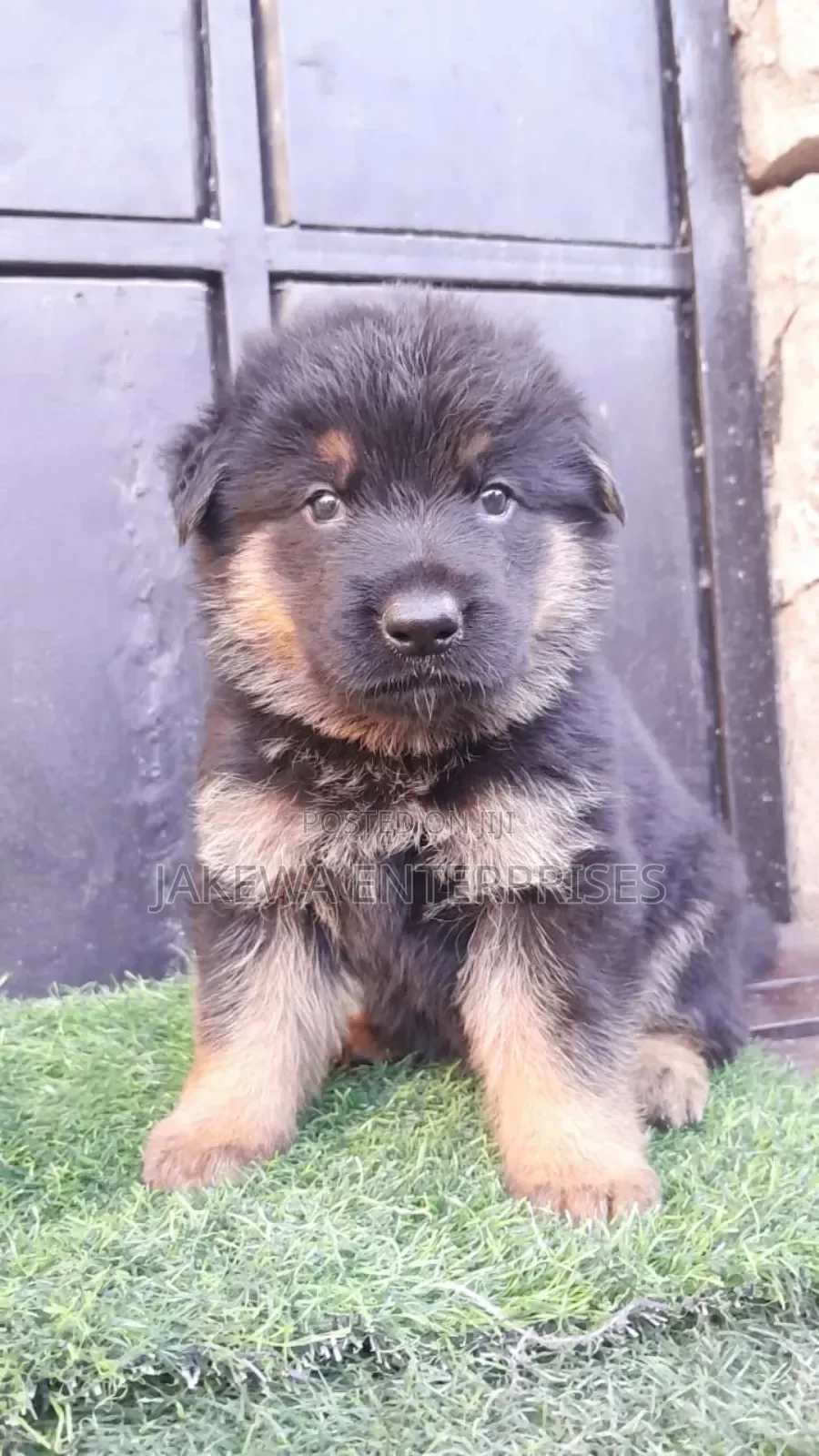
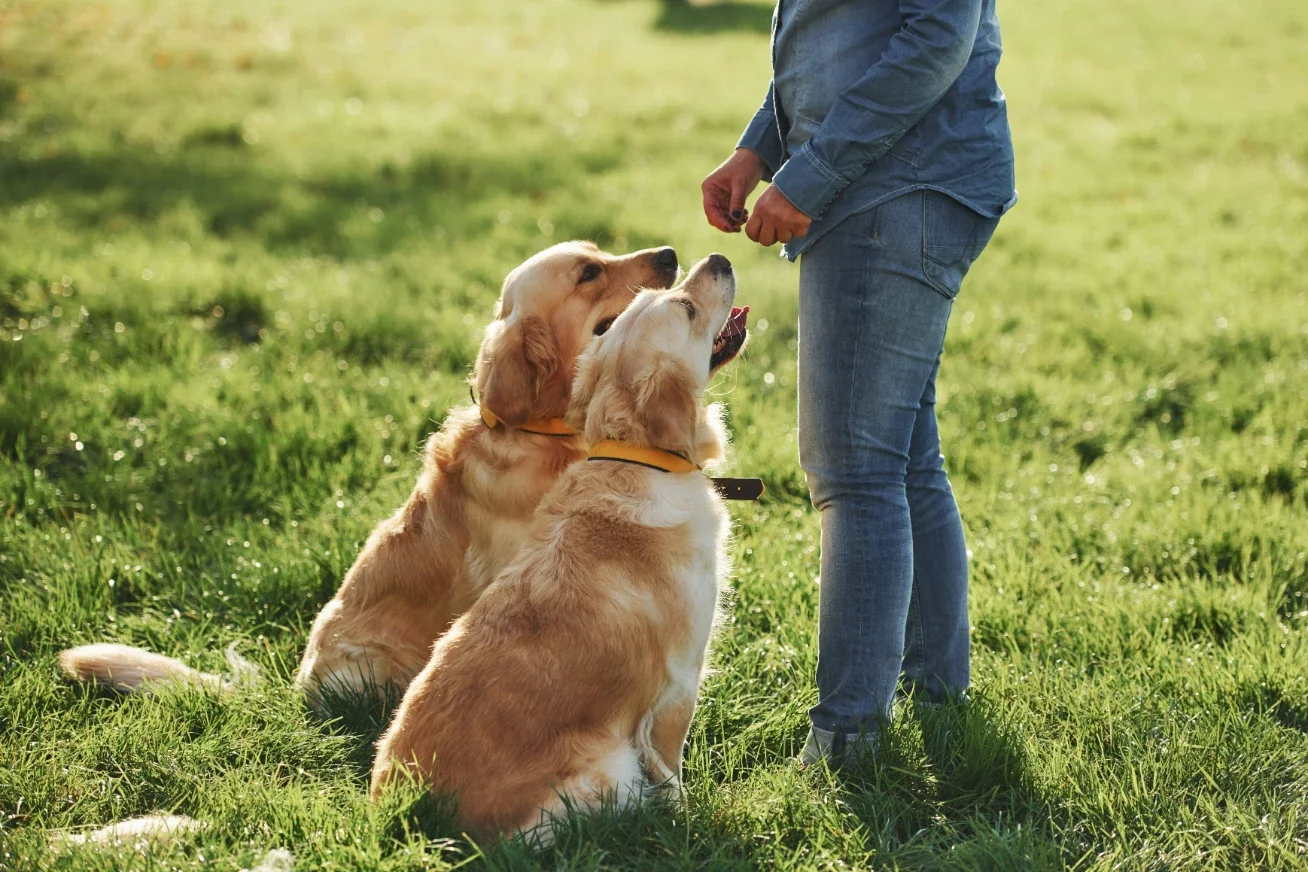
Large and giant breed dogs dominate hip dysplasia statistics, with certain breeds showing consistently elevated rates across decades of orthopedic evaluations. German Shepherds, Labrador Retrievers, and Golden Retrievers consistently rank among the most affected, with prevalence rates ranging from 15% to 25% in screened populations. Rottweilers and Saint Bernards show even higher rates, often exceeding 30% in some breeding lines.
What's particularly striking is how breed size correlates with risk. Dogs weighing over 50 pounds face dramatically higher rates than their smaller counterparts. Bulldogs present an interesting exception — despite their medium size, their unique hip anatomy creates significant predisposition to dysplastic changes. Great Danes and Mastiffs represent the extreme end of the spectrum, where rapid growth combined with substantial adult weight creates ideal conditions for hip malformation during development.
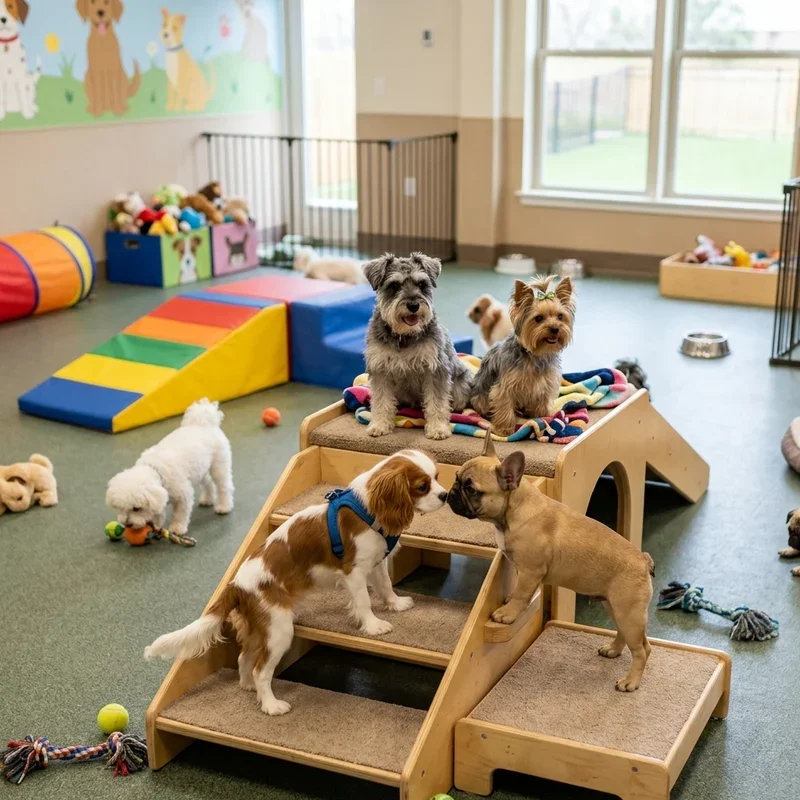
However, hip dysplasia isn't exclusive to large breeds. Border Collies, despite their moderate size and athletic build, show concerning rates in certain genetic lines. Even some smaller breeds like Pugs and French Bulldogs can develop hip issues, though typically less severe than what's seen in giant breeds. The key distinction lies in how the condition manifests — larger dogs experience more dramatic functional impairment due to the mechanical stress their body weight places on compromised joints.
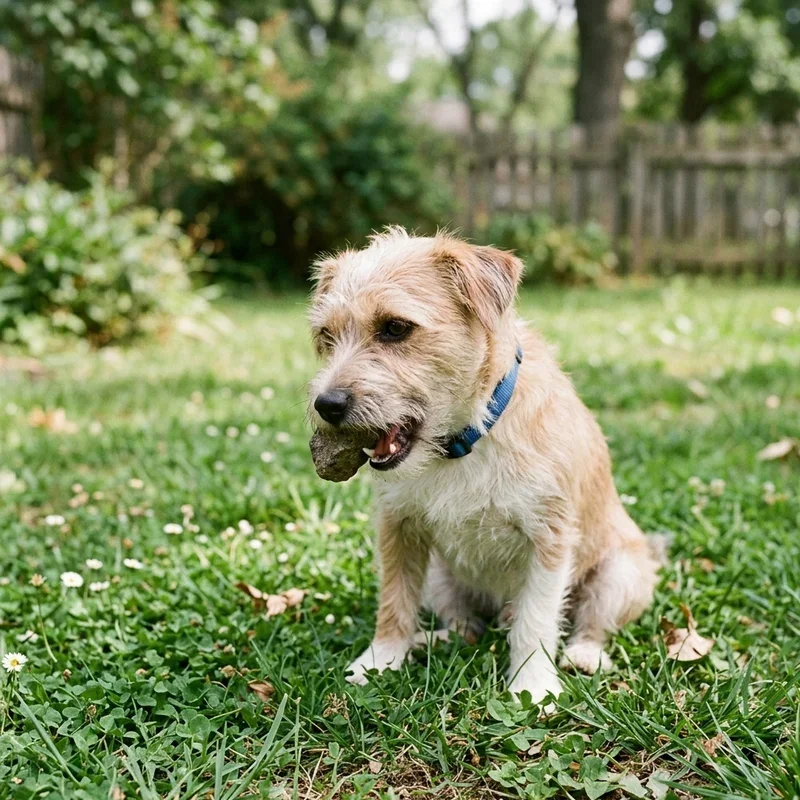
Interestingly, mixed breeds don't automatically escape risk. While hybrid vigor can reduce some genetic predispositions, crosses between two high-risk breeds often maintain elevated susceptibility. A Golden Retriever-Labrador mix, for example, inherits genetic risk factors from both parent breeds. This reality challenges the assumption that purebred dogs are universally more prone to hip problems than mixed breeds.
What Risk Factors Increase Hip Dysplasia in Dogs
Genetics provides the foundation for hip dysplasia risk, but environmental factors determine whether that genetic predisposition becomes clinical reality. The condition operates as a polygenic trait — multiple genes influence hip joint development, making it impossible to predict with certainty based on parentage alone. However, dogs from parents with excellent hip scores show significantly lower rates than those from dysplastic lineages.
Growth rate emerges as a critical environmental modifier. Puppies that grow too rapidly during the first six months often develop looser hip joints than their slower-growing littermates. This explains why nutrition timing matters as much as nutrition quality. High-calorie diets that promote maximum growth rates can inadvertently increase dysplasia risk, even when the food itself is well-balanced. The sweet spot involves controlled growth that allows proper bone and cartilage maturation without excessive mechanical stress.
Exercise patterns during puppyhood also influence joint development. Too little activity fails to provide the mechanical stimulation needed for proper joint formation, while excessive high-impact exercise can damage developing cartilage. Forced exercise — like jogging with young puppies — creates particular concern because immature joints lack the structural integrity to handle repetitive stress. Free play generally provides appropriate activity levels, allowing puppies to self-regulate their exertion.
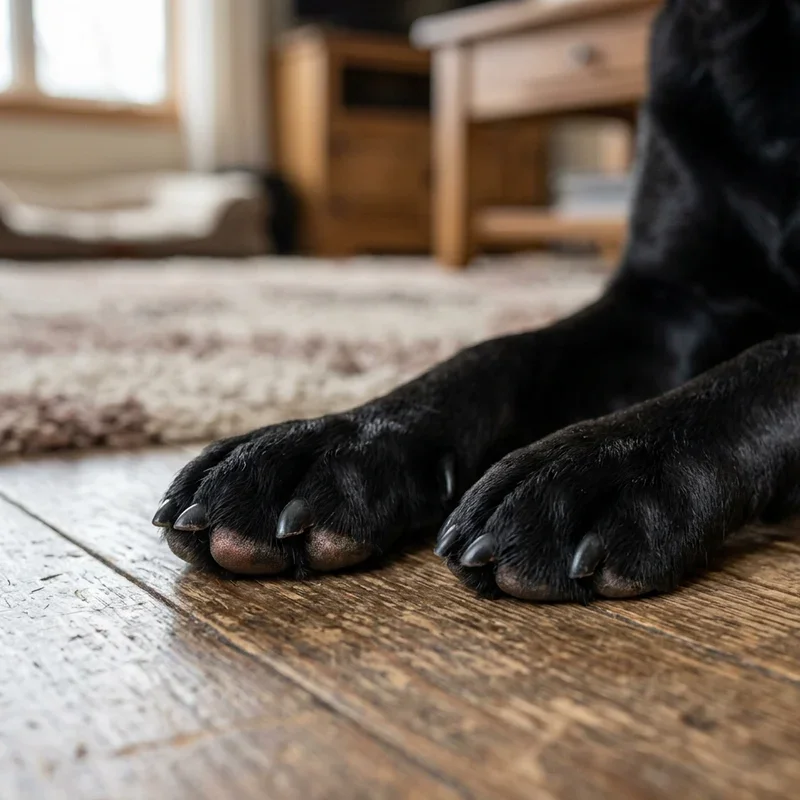
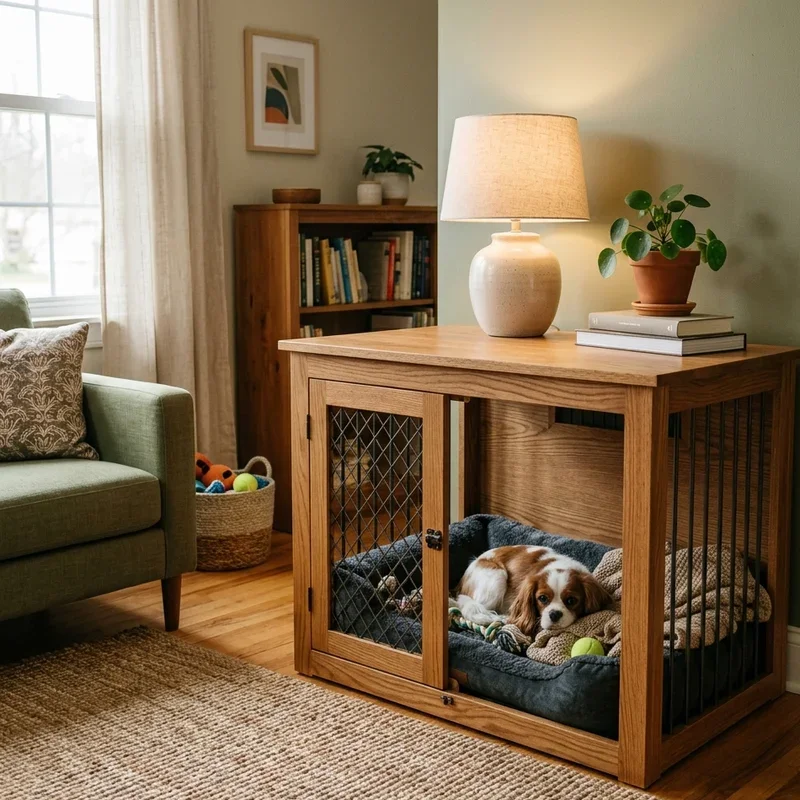
Environmental factors extend beyond the obvious. Slippery flooring during the critical growth period can contribute to abnormal hip development as puppies struggle for traction. Similarly, housing that requires frequent jumping up and down — like high beds or steep stairs — may stress developing joints. Even seemingly minor factors like prolonged crate confinement can affect muscle development around the hip joint, potentially influencing long-term stability.
How Hip Dysplasia Affects a Dog's Mobility and Quality of Life
Hip dysplasia fundamentally alters how dogs move through their world, creating a cascade of compensatory changes that extend far beyond the affected joints. The condition typically begins with subtle lameness after exercise, progressing to stiffness after rest periods and eventually to persistent discomfort that limits normal activities. Dogs often develop characteristic movement patterns — shortened stride length, reluctance to rise from lying positions, and difficulty navigating stairs or jumping into vehicles.
The pain associated with hip dysplasia isn't constant or uniform. Many dogs experience good days and bad days, with weather changes, activity levels, and arthritis progression all influencing comfort levels. This variability can make the condition challenging to recognize early, as dogs naturally adapt their behavior to minimize discomfort. They may choose softer sleeping surfaces, avoid certain movements, or simply become less active without obvious signs of pain.
What makes hip dysplasia particularly problematic is how it affects secondary body systems. Dogs compensating for hip pain often develop back problems, shoulder tension, or overuse injuries in unaffected limbs. The altered gait places abnormal stress on the spine and opposite-side legs, creating new sources of discomfort that complicate both diagnosis and treatment. Some dogs develop muscle atrophy in the hindquarters as they unconsciously shift weight forward to relieve hip pressure.
Beyond physical limitations, hip dysplasia impacts behavioral and emotional well-being. Active breeds may become frustrated or depressed when their mobility decreases. Social dynamics can change if playing with other dogs becomes uncomfortable. For those seeking care for dogs with hip issues, understanding these broader impacts helps guide treatment decisions that address the whole animal, not just the affected joint.
How Is Hip Dysplasia Diagnosed in Dogs
Diagnosing hip dysplasia requires combining clinical observation with specialized imaging, since the condition's symptoms can mimic other orthopedic problems. Veterinarians typically begin with a physical examination that assesses hip range of motion, joint stability, and pain response. The Ortolani test — manipulating the hip to detect abnormal movement — can reveal joint laxity even before radiographic changes become apparent.
However, physical examination alone cannot definitively diagnose hip dysplasia or assess its severity. Radiographic evaluation remains the gold standard, requiring specific positioning to visualize hip joint conformation accurately. The challenge lies in timing — mild dysplasia may not show obvious changes on X-rays until dogs reach skeletal maturity around 18-24 months of age. This creates a diagnostic gap where clinical signs may precede clear radiographic evidence.
Advanced imaging techniques provide additional diagnostic precision. PennHIP evaluation uses specialized positioning to measure hip laxity with greater sensitivity than standard radiographs. This method can detect predisposition to dysplasia as early as 16 weeks of age, though it requires specialized training and equipment. CT scans offer three-dimensional joint visualization but remain primarily research tools due to cost and anesthesia requirements.
The diagnostic process becomes more complex when multiple orthopedic conditions coexist. Cranial cruciate ligament tears, which occur more frequently in dogs with hip dysplasia, can mask or complicate hip-related lameness. Lumbar spine problems may create similar clinical signs, requiring careful examination to differentiate between hip pain and back pain. This complexity explains why definitive diagnosis sometimes requires multiple examinations or specialist consultation.
What Treatment and Prevention Options Exist for Hip Dysplasia
Treatment approaches for hip dysplasia span from conservative management to major surgical reconstruction, with the optimal choice depending on the dog's age, severity of symptoms, activity level, and owner circumstances. Conservative management forms the foundation for most treatment plans, focusing on weight control, controlled exercise, physical therapy, and anti-inflammatory medications. Many dogs with mild to moderate dysplasia maintain comfortable, functional lives through careful medical management.
Surgical interventions range from preventive procedures in young dogs to salvage operations for severely affected adults. Triple pelvic osteotomy, performed in dogs under 18 months with appropriate hip anatomy, can redirect forces across the joint to prevent arthritis development. Total hip replacement represents the ultimate treatment for dogs with severe, painful arthritis, essentially providing a new joint when conservative measures fail.
Prevention strategies center on controlling modifiable risk factors during the critical growth period. Maintaining appropriate body condition prevents excess stress on developing joints — puppies should feel lean through the rib area rather than carrying excess weight that stresses growing bones. Exercise management focuses on encouraging low-impact activities like swimming while avoiding repetitive high-impact exercise until skeletal maturity.
Nutritional approaches emphasize controlled growth rather than maximum growth. Large breed puppy foods with appropriate calcium and phosphorus ratios support proper bone development without promoting excessive growth rates. Supplements like glucosamine and omega-3 fatty acids may provide joint support, though their preventive value remains debated. The most effective prevention remains selecting breeding stock with excellent hip evaluations and managing environmental factors that influence joint development.
For families welcoming at-risk puppies, establishing baseline veterinary care early creates opportunities for monitoring joint development and implementing preventive measures before problems become established. The investment in proper growth management during the first year often pays dividends in maintaining mobility and comfort throughout the dog's lifetime.
Stay up to date with our latest ideas!