Healthy Bonding Habits: Dogs and Pet Parents Recommend
Discover healthy dog bonding habits that go beyond co-sleeping. From positive reinforcement training to daily walks and grooming routines, learn how to build a lasting connection with your dog — with expert guidance from PawChamp.
Every dog-owner relationship develops its own little routines over time. Some dogs greet their owners with a favorite toy every morning. Others wait for evening walks, couch cuddles, or quiet bedtime rituals. These everyday habits may seem small, but they often become the foundation of a strong emotional bond.
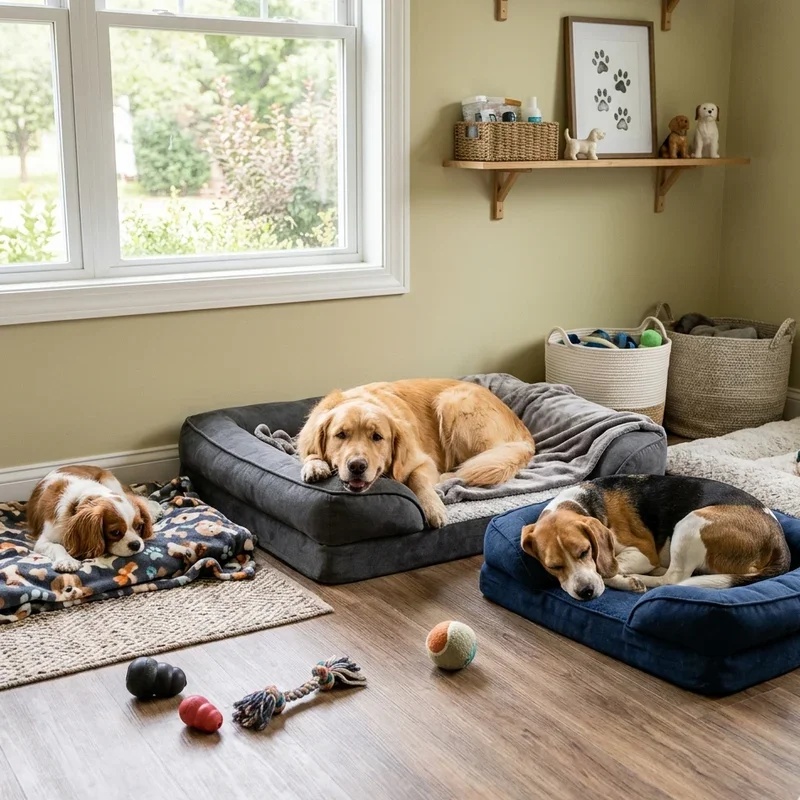
Sleeping with a dog is one of the most emotionally charged habits in modern pet ownership. For many pet parents, it feels like the clearest expression of closeness — a way to confirm trust, safety, and attachment without needing words or training routines. A dog curled up at the foot of the bed or resting their head near you often feels like the most direct form of bonding.
And in many households, it genuinely is.
Co-sleeping can strengthen a sense of security for both sides, especially during the early stages of adjustment when a dog is still learning the rhythm of a new home. Physical proximity during sleep can reinforce calmness, reduce anxiety, and create a shared routine that feels emotionally grounding.
However, the idea that sleeping together is the primary or “best” way to bond with a dog is only part of the picture.
For many pet parents, the reality of co-sleeping comes with a very practical downside — shedding. What feels cozy and emotionally close in theory can quickly turn into a constant layer of fur on bedding, pillows, and clothing. Over time, this becomes one of the most common reasons owners gradually decide to stop sharing the bed with their dog, even when the emotional attachment is strong.
It is not a question of love or closeness. It is a question of comfort, hygiene, and sleep quality.
In this context, some pet parents start considering breeds that naturally fit better into low-shedding lifestyles. Families who want to minimize fur around the home often look into dogs that don’t shed when thinking about long-term comfort and indoor living conditions.
Still, stepping away from co-sleeping does not reduce the emotional bond in any way. Healthy bonding habits extend far beyond where a dog sleeps at night, and in many cases, shifting focus away from shared sleep actually opens the door to more consistent and structured connection throughout the day.
Daily Walks That Feel Relaxed and Enjoyable
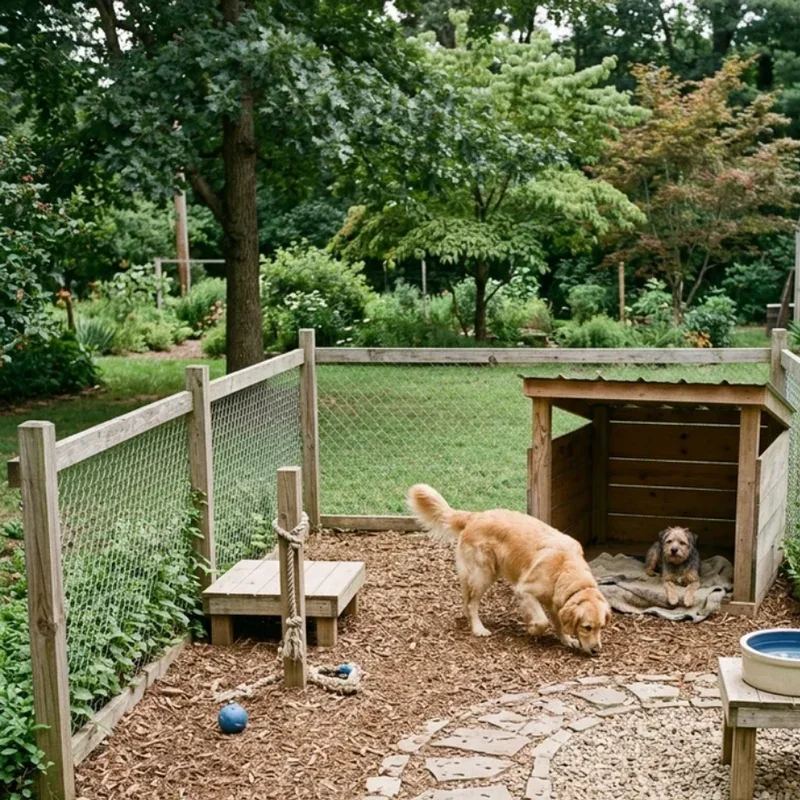
Dogs naturally bond through shared experiences. Calm walks together allow your dog to explore the world while staying connected to you. Even short walks become meaningful when your dog feels safe, included, and unhurried.
Many pet parents notice that relaxed sniff walks help anxious or overly energetic dogs feel calmer at home afterward.
Positive Reinforcement Training
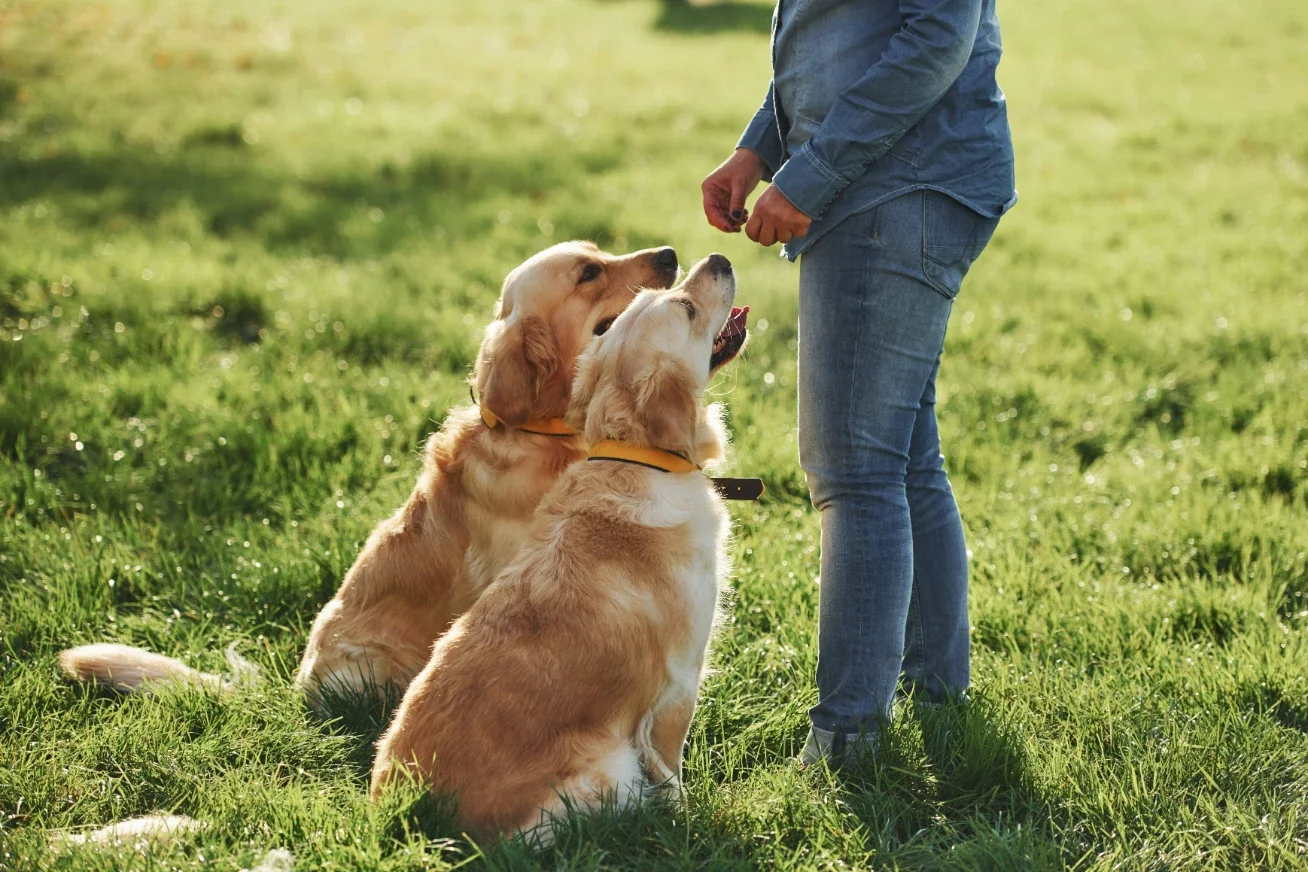
Training is one of the healthiest forms of communication between dogs and humans. Reward-based training helps dogs build confidence while strengthening trust in their owner.
Simple routines like practicing “sit,” “stay,” or fun tricks for a few minutes each day can become bonding moments your dog genuinely looks forward to. Dogs thrive when learning feels encouraging instead of stressful.
Apps like PawChamp make it easy to build these habits with structured, expert-guided sessions designed around positive reinforcement — so learning always feels encouraging, never stressful.
Evening Cuddle and Wind-Down Time
Dogs often love predictable nighttime routines. Quiet attention before bed helps many dogs settle emotionally and feel secure within the household.
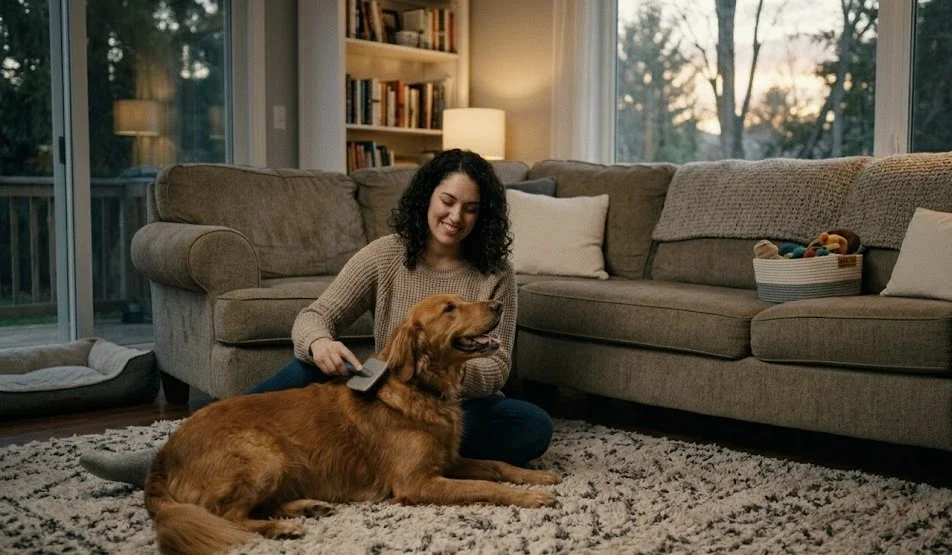
For some families, this means sharing the couch together. For others, it may look like gentle brushing, belly rubs, or relaxing side-by-side before everyone heads to their own sleeping spaces.
Healthy bonding is about emotional connection, not necessarily sharing the same pillow.
Play Sessions That Build Trust
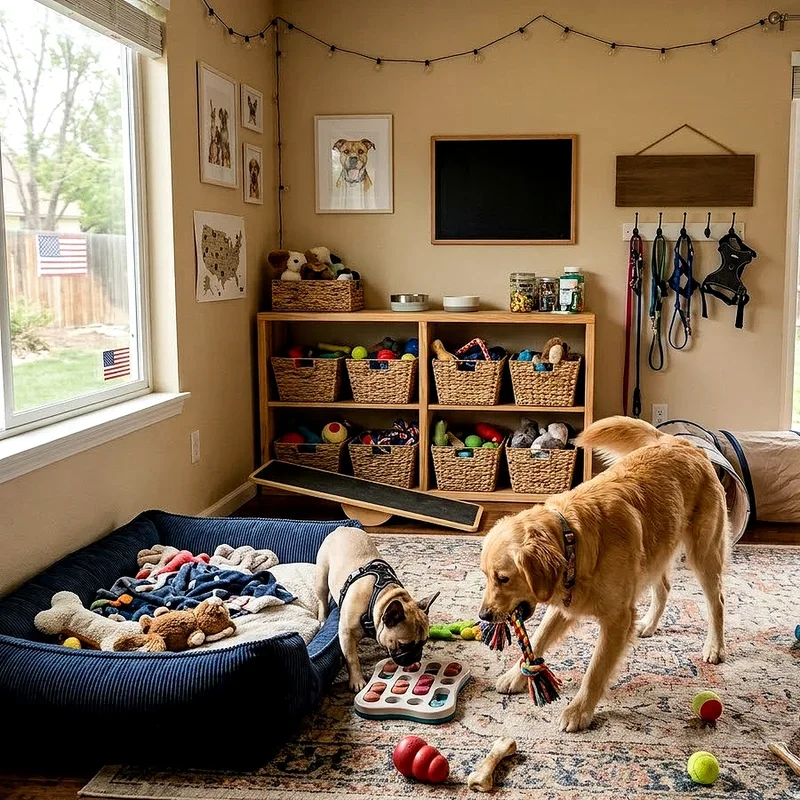
Interactive games help dogs release energy while creating positive associations with their owners. Tug games, fetch, hide-and-seek, and scent activities can all strengthen engagement and communication naturally.
Play also teaches dogs that spending time with you is rewarding and fun.
Grooming as a Bonding Ritual
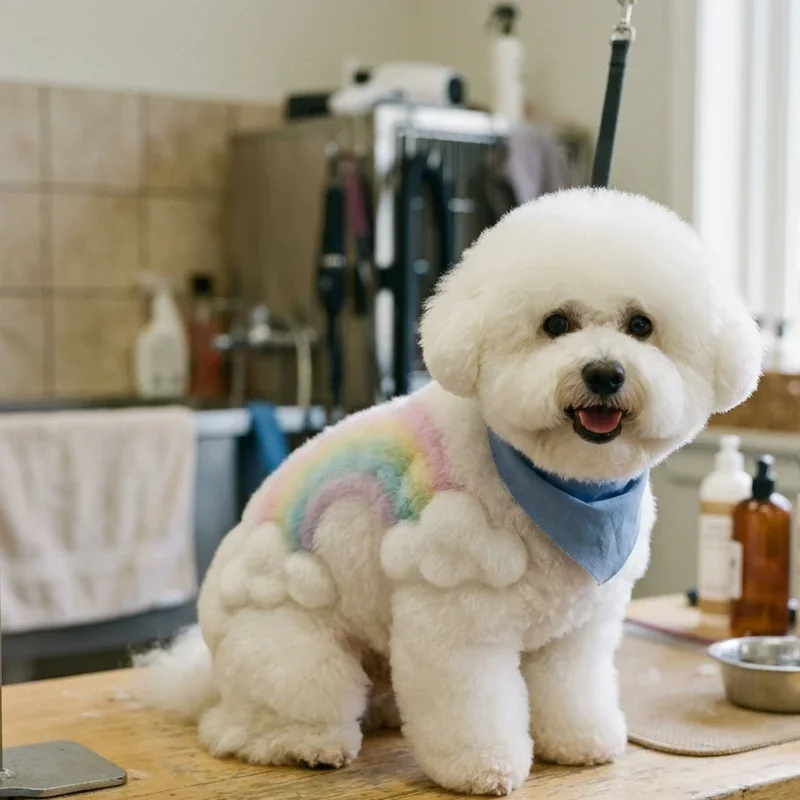
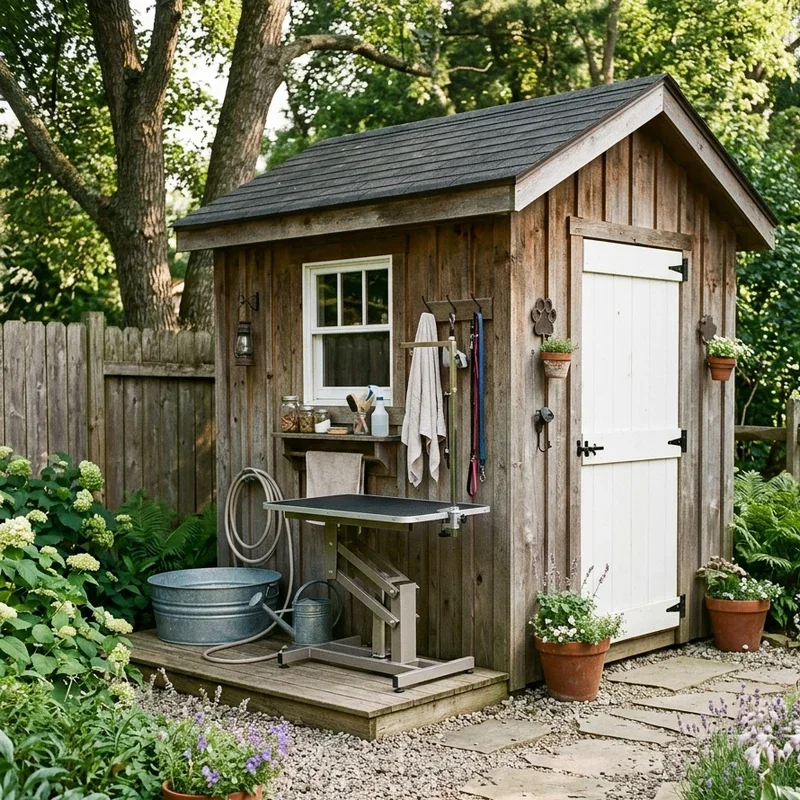
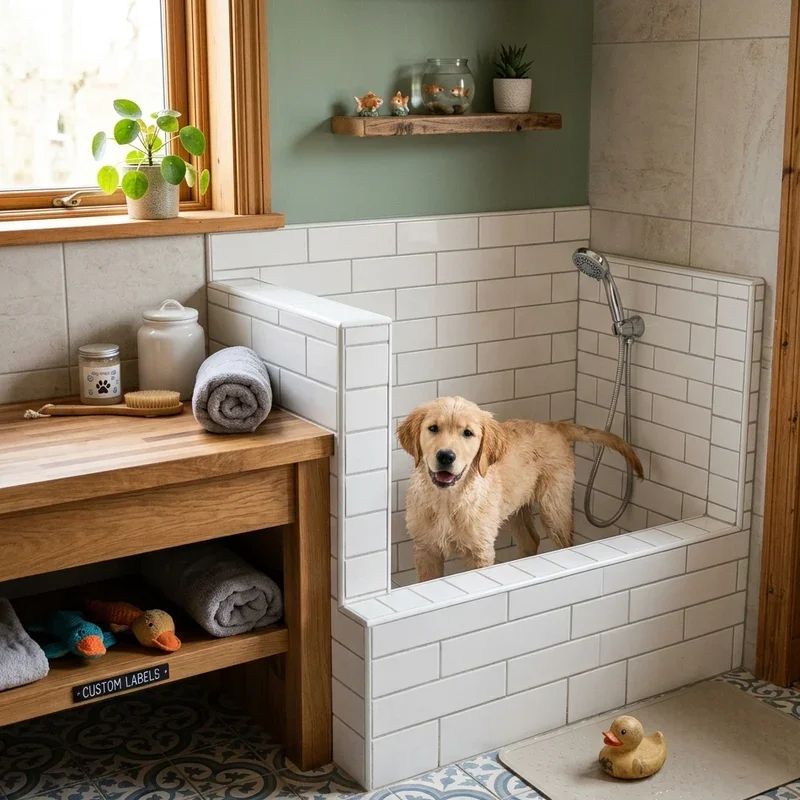
Brushing your dog regularly can become calming one-on-one time instead of just coat maintenance. Many dogs learn to enjoy grooming when it is introduced patiently with praise and reassurance.
This routine becomes especially valuable for dogs with thick coats, seasonal shedding, or longer fur that requires extra care.
Respecting Comfort for Both Dogs and Owners
One of the healthiest things pet parents can do is create routines that feel sustainable for everyone in the home. Loving your dog and maintaining your own comfort are not opposites.
Well-rested owners tend to have more patience, more energy for walks and training, and more emotional availability throughout the day. Dogs benefit from that balance too.
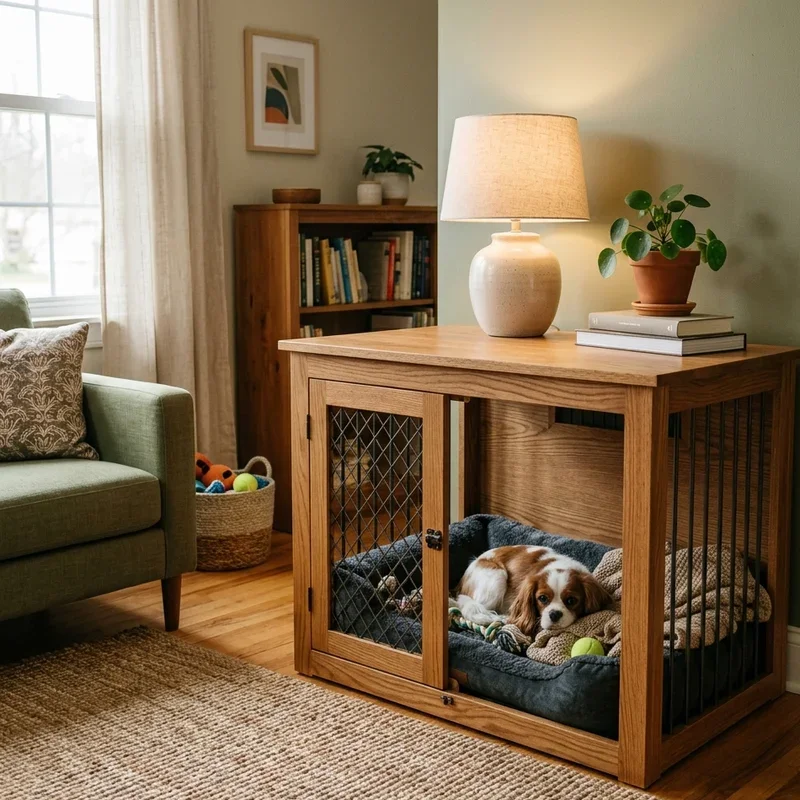
At the end of the day, dogs bond through consistency, affection, trust, and shared experiences. Whether your dog sleeps beside you, near your bed, or in another room entirely, the connection you build together comes from the way you care for each other every single day.
The Bottom Line
A strong bond with your dog is not built in a single habit. It grows through consistency — the walks you show up for, the training sessions that end with a treat, the evenings spent quietly together before bed.
Co-sleeping may feel like the clearest expression of closeness, but it is far from the only one. What matters is that your dog knows you are reliable, present, and safe to be around every single day.
If you want a structured way to build that relationship, PawChamp offers dog training programs and behavior support rooted in positive reinforcement — covering everything from puppy basics and separation anxiety to obedience training and reactive dog behavior. Dog experts, flexible plans, and guidance that fits into real daily life.
Because the best thing you can do for your dog is not where you let them sleep — it is how consistently you show up for them.
Stay up to date with our latest ideas!