Why Does My Dog Cry in His Sleep? Common Reasons
Why does my dog cry in his sleep? Common reasons explained, from dreams to discomfort. Learn when to worry and when to let him snooze.

Picture this: you're curled up on the couch, and your furry best friend is passed out at your feet. Suddenly, he lets out a soft whimper, his paws twitch, and you're left wondering if he's okay. Sound familiar? You're definitely not alone on this one. Tons of dog parents have watched their pups make heartbreaking little noises mid-snooze and felt that pang of worry in their chest. The good news? Most of the time, there's nothing to panic about. This guide dives into why does my dog cry in his sleep? Common reasons you should know, so you can figure out whether your pup needs a belly rub or a vet visit.
The Fascinating World of Doggy Dreams
Ever wondered what goes on inside that furry little head while your dog is snoozing? Turns out, dogs dream pretty much like we do. Researchers have found that canines experience REM sleep, which is the dream stage, and during this time their brains are buzzing with activity. Small dogs tend to have shorter, more frequent dreams, while bigger breeds dream less often but for longer stretches. Puppies and senior dogs also dream more than adults, probably because their brains are either developing or processing a lifetime of memories.
When your dog cries in his sleep, there's a solid chance he's just living out whatever adventure his subconscious cooked up. Maybe he's chasing that squirrel that outsmarted him last week, or perhaps he's reliving the time you accidentally dropped a piece of cheese. Whatever the case, dreams are usually harmless, and those little whimpers are just part of the package.

Why Does My Dog Cry in His Sleep? Common Reasons You Should Know
Let's get right into the meat of it. There are several reasons your pup might be making sad little noises while catching some Z's, and understanding them helps you figure out what's normal and what needs a closer look.
Vivid Dreams Are the Top Suspect
Dogs dream about everyday stuff, like playing fetch, meeting new friends at the park, or that one weird sound the mailman made. During intense dream sequences, their bodies respond with physical reactions. Whimpering, twitching, running motions, and even soft barks are all part of the show. It's kinda cute when you think about it, even if it tugs at your heartstrings a little.
Puppy Dreams Hit Different
If you've got a young pup, expect more drama during nap time. Puppies experience way more REM sleep than adult dogs because their brains are working overtime to process everything they're learning. Every day brings something new to a puppy, from discovering their own tail to figuring out what grass is. All that information needs somewhere to go, and dreams are how their minds sort through the chaos.
Senior Dogs Have a Lot to Process
On the flip side, older dogs also tend to vocalize more during sleep. They've lived full lives packed with memories, and their aging brains sometimes struggle to organize all that information efficiently. Plus, older dogs often deal with aches and stiffness that can make their sleep a bit restless. If your gray-muzzled buddy is crying more in his sleep than he used to, it might be worth paying attention to.
Physical Discomfort and Pain Issues
Sometimes those cries aren't about dreams at all. Dogs can feel physical discomfort while sleeping, just like we do when we've slept funny on our neck. Common culprits include joint pain, arthritis, old injuries acting up, dental problems, or even a belly that's not feeling quite right. If your dog typically sleeps peacefully but suddenly starts crying or whining during naps, something physical might be going on.
Watch for other signs that could point to pain:
Limping or stiffness when they get up
Reluctance to jump or climb stairs
Changes in appetite
Excessive licking of a specific body part
Avoiding being petted in certain areas
Restlessness and difficulty settling down
When these signs show up alongside sleep-crying, a vet visit is probably a smart move. Better safe than sorry, as they say.
Anxiety and Emotional Stuff
Dogs have feelings too, and those feelings don't just disappear when they close their eyes. Separation anxiety, changes in the household, new pets, loud noises, or even a recent move can all stir up emotions that bubble over during sleep. Dogs who have been rescued or had rough pasts sometimes carry that stress with them into dreamland. Those soft cries might be their way of processing what they've been through.
Creating a calm, predictable environment can work wonders here. Consistent routines, cozy sleeping spots, and plenty of affection go a long way in helping anxious pups relax. Some dog parents swear by calming music, while others use pheromone diffusers. Trial and error is part of the journey.

When Your Dog Is Actually Having a Nightmare
Yep, nightmares are a real thing for dogs. Just like us, they can have unsettling dreams that cause them to cry, whimper, or even bark in their sleep. Dogs who have experienced trauma, like being in shelters or surviving abuse, are more prone to nightmares. You might notice these bad dreams seem more intense than regular dreams, with your dog appearing genuinely distressed.
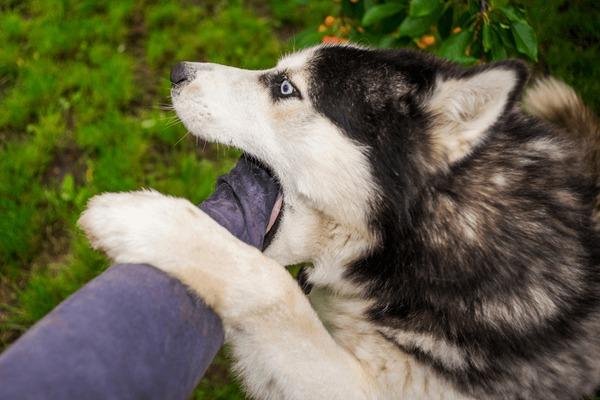
Here's the tricky part: experts generally recommend not waking a dog mid-nightmare. Why? Because a startled dog, even the sweetest one, can snap or bite out of confusion. Instead, speak softly from a safe distance and let them wake up naturally. Once they're awake, comfort them with gentle pets and reassurance.
Breed and Personality Play a Role Too
Believe it or not, some breeds are just more vocal sleepers than others. Hunting breeds like beagles, coonhounds, and retrievers often talk in their sleep because their instincts are strong and their dreams are probably packed with chase scenes. Herding breeds like border collies and shepherds might whimper as they dream of rounding up sheep that aren't actually there.
Beyond breed, individual personality matters a ton. Some dogs are just more expressive, whether awake or asleep. If your pup is generally chatty and dramatic, expect the same energy during nap time. Quiet, reserved dogs tend to sleep more silently. Neither is better or worse, just different flavors of the same furry love.
Sleep Disorders in Dogs Are Real
Though less common, dogs can develop legitimate sleep disorders. Conditions like narcolepsy, REM behavior disorder, and sleep apnea do exist in the canine world. REM behavior disorder, in particular, causes dogs to physically act out their dreams in ways that go beyond normal twitching. If your dog seems to be thrashing, running into walls, or displaying extreme behaviors during sleep, this could indicate something more serious.
Flat-faced breeds like pugs, bulldogs, and boxers are especially prone to sleep apnea because of their airway structure. These pups might snore loudly, gasp, or make strange sounds throughout the night. A chat with your vet can help rule out or address these concerns.
Why Does My Dog Cry in His Sleep? Common Reasons and What to Do About It
So, you know the reasons now, but what's the game plan? First off, take a deep breath. Occasional sleep crying is almost always harmless and doesn't require any action on your part. Let your dog dream in peace, and resist the urge to wake them up unless something seems really wrong.
Here are some practical tips that can help:
Provide a cozy, supportive bed that cushions joints
Keep a consistent sleep schedule
Make sure your dog gets enough exercise during the day
Limit food and water right before bedtime
Create a quiet, dim sleeping environment
Pay attention to any changes in sleep behavior
If you notice new patterns or the crying becomes frequent and intense, keep a little journal for a week or two. Note when it happens, what your dog was doing before bed, and any other symptoms. This info is gold when you talk to your vet.
When Should You Actually Worry?
Here's the million-dollar question every dog parent asks. Most sleep crying is totally normal and doesn't require a trip to the vet. But certain signs should raise a flag. If your dog is excessively vocalizing during sleep, shows signs of pain when awake, has trouble waking up, or displays other weird behaviors, it's time to get professional advice.
Other red flags include:
Sudden changes in sleep patterns
Crying accompanied by seizure-like movements
Difficulty breathing during sleep
Loss of appetite or energy
Unusual aggression upon waking
Trust your gut here. You know your dog better than anyone else, and if something feels off, it probably is. Vets would rather see a false alarm than miss something serious, so don't feel silly for reaching out.
Creating the Perfect Sleep Setup
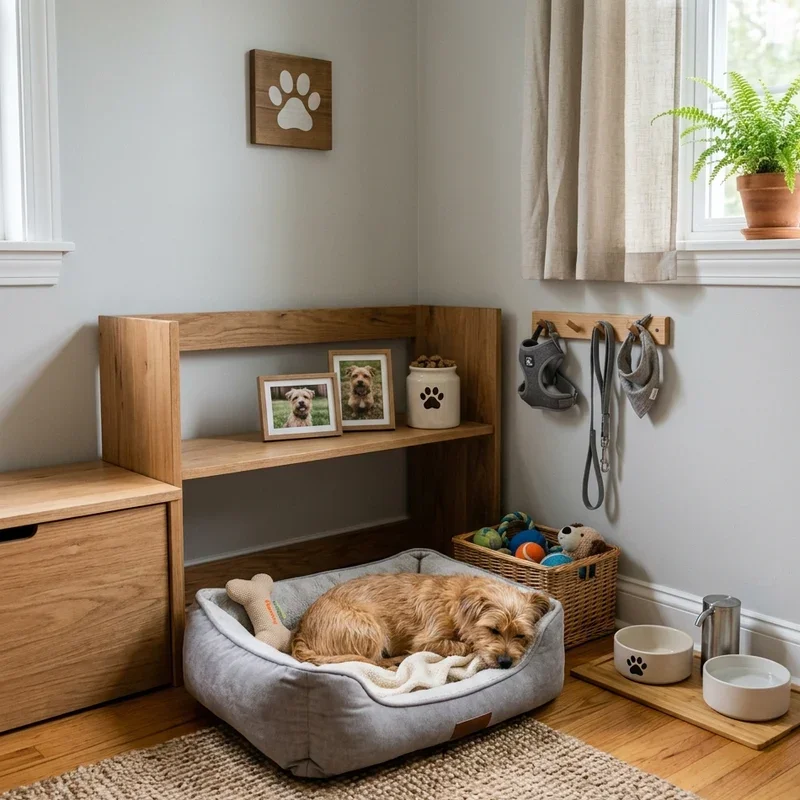
Setting your dog up for sweet dreams starts with the right environment. A quality orthopedic bed makes a huge difference, especially for larger breeds or older dogs. Keep the sleeping area away from drafts and loud noises, and make sure the temperature is comfortable. Some dogs love having a blanket to burrow into, while others prefer to sprawl out on cool surfaces.
Background noise can actually help anxious sleepers. White noise machines, soft music, or even leaving the TV on at a low volume can mask startling sounds that might disturb their rest. Consistency is key, though. Dogs thrive on routine, so try to keep bedtime rituals the same every night.
The Emotional Side for Dog Parents
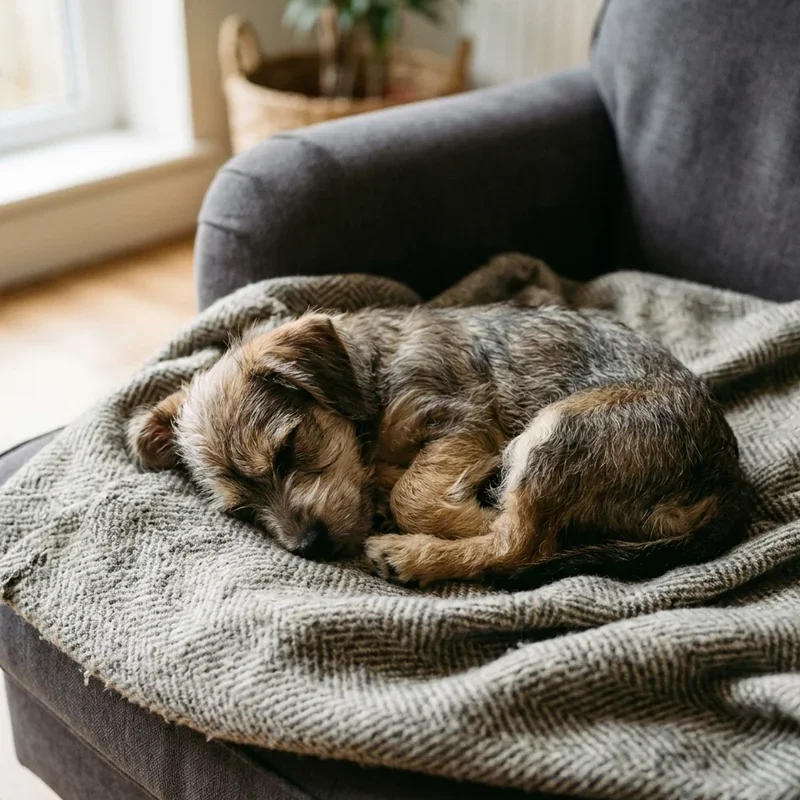
Let's be real for a second. Watching your dog cry in his sleep can be genuinely upsetting. You love this furry little goofball more than most humans, and hearing him make sad sounds pulls at your heart. That's completely normal, and it just shows how much you care. But try not to project human emotions onto canine sleep behavior too much. Your dog isn't experiencing the same kind of distress a crying human would, and in most cases, he's just having a dream that happens to involve some vocalization.
Take comfort in knowing that dogs who dream are processing their lives, their experiences, and their bonds with you. Those cries might just be part of him dreaming about chasing you around the yard or getting the best belly rub of his life. Sweet, right?
Conclusion
At the end of the day, most sleep crying is just a natural part of being a dog. Dreams, physical sensations, emotional processing, and individual quirks all contribute to those little whimpers that tug at your heart. Keep an eye on your pup, note any concerning patterns, and trust your instincts as a pet parent. When in doubt, your vet is always a great resource. For the most part, though, you can let your furry friend sleep peacefully, knowing he's probably just dreaming about squirrels and snacks.
Read next: 15 Backyard Dog Playground Ideas to Keep Dogs Entertained
Frequently Asked Questions
1.Should I wake my dog up when he cries in his sleep?
A: No, letting him wake naturally prevents startling him and potential defensive reactions or accidental bites.
2.Do all dogs cry or whimper during sleep?
A: Not all, but most dogs vocalize occasionally during REM sleep, which is completely normal.
3.Can nightmares cause my dog to cry in his sleep?
A: Yes, dogs can have bad dreams that trigger whimpering, twitching, or distressed vocalizations overnight.
4.How can I tell if it's pain versus dreaming?
A: Painful sleep crying often comes with daytime symptoms like limping, stiffness, or reluctance to move.
5.Is sleep crying more common in certain dog breeds?
A: Yes, vocal breeds like hounds and herding dogs tend to talk more during sleep.
Stay up to date with our latest ideas!