What Are The Tallest Dog Breeds In The World?
Discover the tallest dog breeds in the world, including their size, personality traits, and what makes these giant dogs so unique and lovable.
Canine skeletal structures vary more dramatically than those of any other domesticated mammal species on Earth. This physical diversity reaches its peak in the selection for extreme vertical skeletal frame development. Understanding the biomechanical realities of these massive animals requires an analytical perspective on genetics, veterinary science, and structural architecture.
When analyzing vertical dimensions, measuring from the ground to the top of the scapula ridge establishes the true benchmark of height. Selecting a massive canine companion involves investigating distinct physical traits that dictate living requirements, skeletal vulnerabilities, and specialized management techniques.
What Defines True Vertical Stature In Canines?
Skeletal framework composition dictates height across bloodlines. While limb elongation sets the baseline, the ratio of leg length to chest depth determines if a breed is a swift cursorial hunter or a dense guardian. True vertical height relies on prolonged epiphyseal plate activity, extending bone generation past average growth timelines.
This structural variation becomes clearer when examining standard operational dimensions across different breeds. Utilizing a height comparison tool like https://easyheightcomparison.com/ reveals that while some varieties look substantial due to thick musculature, true architectural height remains a function of frame length and joint alignment. This genetic foundation means that certain breeds consistently secure records for top-tier shoulder clearance.
Which Breeds Anchor The Absolute Peak Of Canine Height?
Evaluating the upper echelons of canine vertical scale reveals specific ancient lineages engineered for specialized labor requiring massive reach.
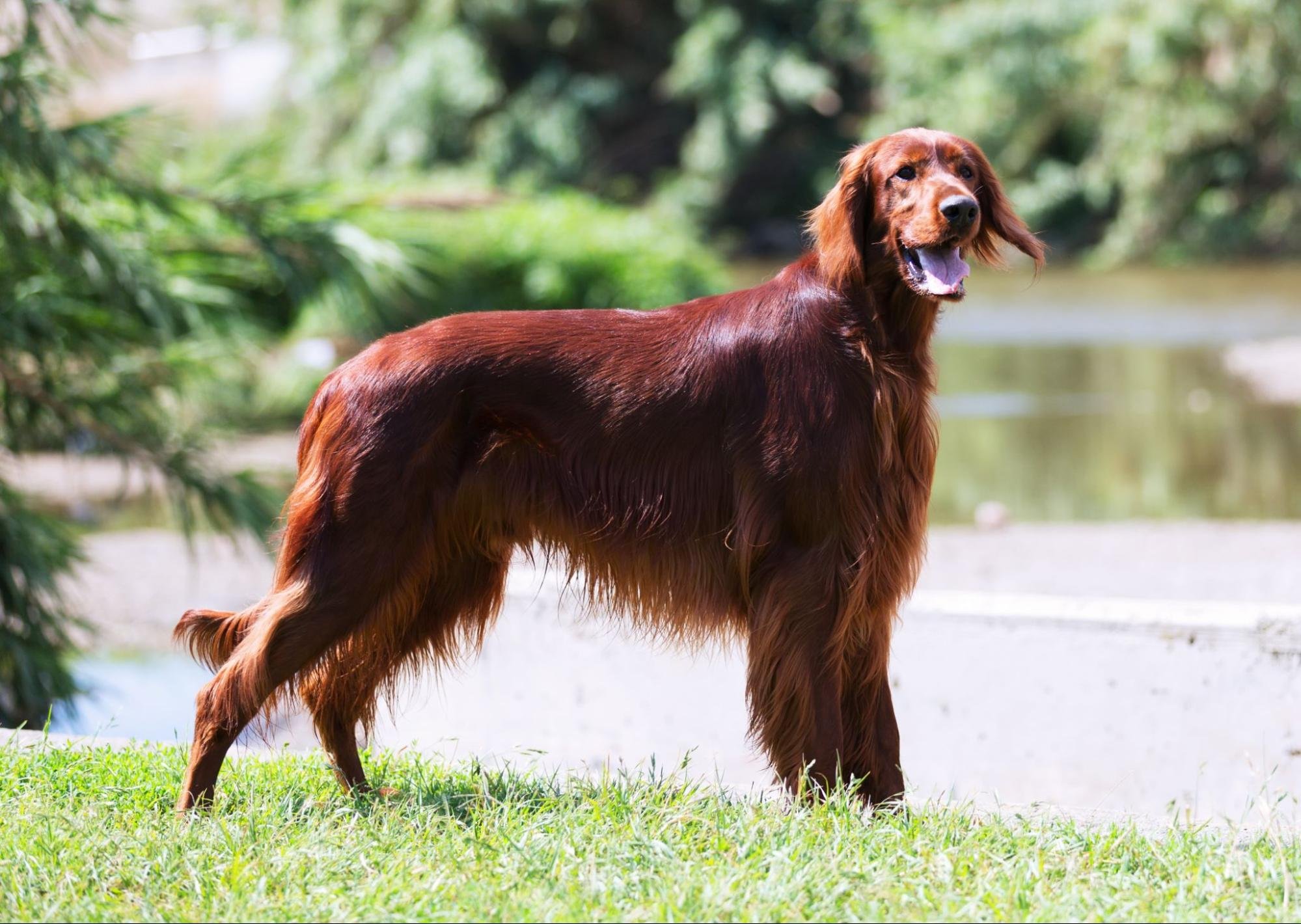
The Irish Wolfhound Frame
According to the Federation Cynologique Internationale official standards, mature male specimens must maintain a desired minimum height of 79 centimeters at the withers, translating to roughly 31 inches. This breed presents the highest average height across an entire population due to its long, sweeping sighthound lines and elongated limb assemblies.
The Great Dane Structure
While tracking lower average population baselines, individual specimens frequently claim the ultimate records for height. The American Kennel Club dictates a minimum height requirement of 30 inches for adult males, though exceptional bloodlines regularly surpass 34 inches at the shoulder ridge.
The Anatolian Shepherd Length
Engineered for livestock protection across rugged terrains, this independent guardian combines structural density with immense vertical reach. Mature specimens regularly register heights between 29 and 31 inches at the shoulder, pairing that stature with a functional, weather-resistant framework.
Why Accelerated Bone Growth Creates Structural Vulnerabilities?
Rapid growth in giant breeds causes structural vulnerabilities when bone expansion outpaces vascular and nutritional support. This physiological lag often leads to developmental orthopedic conditions like osteochondritis dissecans. Additionally, the high center of gravity in tall dogs increases mechanical leverage and weight-bearing stress on joints, accelerating cartilage degradation and requiring early preventative care.
How Biomechanical Mechanics Affect Longevity And Daily Care?
The relationship between massive body mass index and kinetic energy production directly limits the natural lifespan of giant breeds. Large hearts must work significantly harder to pump blood through extended vascular pathways, which contributes to an increased incidence of dilated cardiomyopathy. This physiological strain explains why a 150-pound giant often exhibits a life expectancy of just six to eight years compared to smaller dogs.
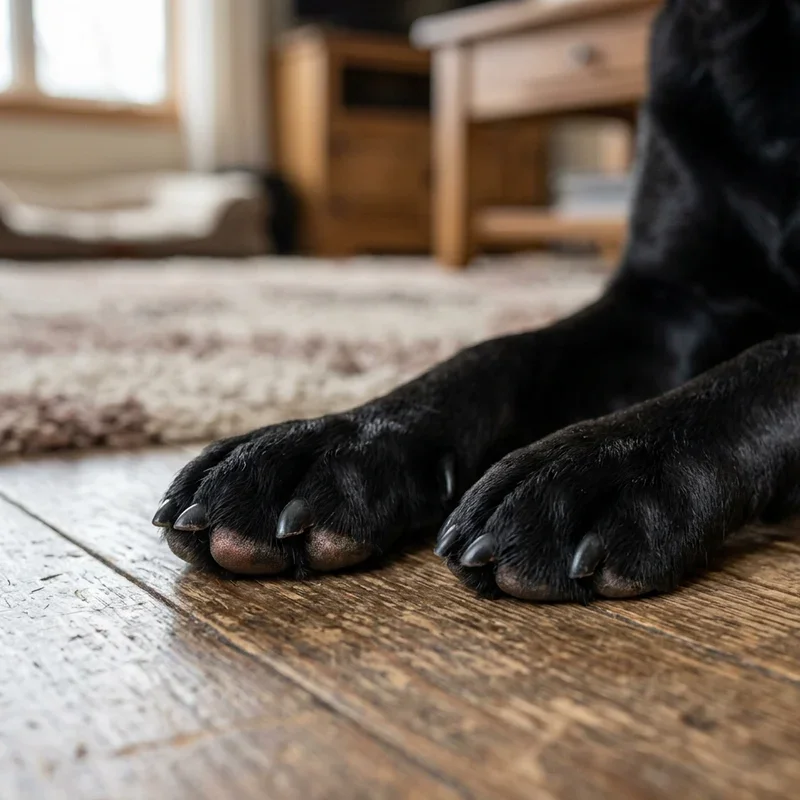
Daily care routines must adapt to accommodate these structural realities by managing environmental stressors that threaten skeletal integrity. Slip hazards on slick flooring can cause severe soft tissue tearing or joint dislocations because these dogs cannot stabilize their massive frames quickly during a sudden slide. Incorporating orthopedic bedding and high-traction mats represents a foundational requirement for preserving functional mobility.
How To Safely Manage A Giant Breed Development?
Preventing permanent structural deformation requires a systematic approach to exercise, nutrition, and environmental modifications.
Nutritional Growth Calibration
Managing calcium and phosphorus ratios strictly prevents the rapid bone expansion that leads to hypertrophic osteodystrophy. Food formulas engineered specifically for giant growth profiles ensure slow, stable skeletal mineralization across the first twenty-four months of development.
Impact Mitigation Protocols
Enforcing strict limits on high-impact activities like jumping from vehicles or leaping over obstacles protects fragile growth plates. Controlled, low-impact exercise like swimming or steady leash walks on natural grass surfaces builds supportive musculature without damaging joint cartilage.
Gastrointestinal Torsion Prophylaxis
Preventing gastric dilatation volvulus involves using specialized feeding strategies designed to reduce air ingestion during meals. Utilizing puzzles, feeding from floor level, and enforcing mandatory rest periods for one hour after eating limits fatal stomach twisting.
What Structural Factors Matter Long-Term?
Acquiring specialized transport equipment and modifying household layouts are essential steps when integrating a canine giant into an environment. Standard doorways, narrow stairwells, and compact vehicles quickly become tight bottlenecks that can cause injury if an animal panics or loses footing. Ramps designed for heavy-weight loads should replace stairs early to protect aging hindquarters from degenerative joint disease.
Financial planning must also adapt to the scaled-up cost of pharmaceuticals, anesthesia, and surgical procedures tailored for giant frames. Veterinary dosages are calculated strictly by body weight, meaning standard treatments often cost four times more than they would for average companions. Ensuring a secure environment and stable medical funding forms the true foundation of successful giant dog stewardship.
Common Questions About Tallest Dog Breeds
What is the tallest dog breed on average?
The Irish Wolfhound maintains the highest average height of any recognized breed, with adult males consistently measuring between 32 and 35 inches at the shoulder ridge across the broader global population.
Do Great Danes grow taller than Wolfhounds?
While Irish Wolfhounds hold the highest average population height, individual Great Danes regularly secure specific world records for absolute vertical stature, occasionally surpassing 40 inches at the withers.
How does height impact a dog's life expectancy?
Extreme vertical stature accelerates metabolic aging, places heavy workloads on the cardiovascular system, and subjects weight-bearing joints to high mechanical stress, which typically limits life expectancy to six or eight years.
Stay up to date with our latest ideas!