From Zoomies to Staring: Understanding Strange Dog Behaviors
Understand strange dog behaviors like zoomies, staring, and spinning with insights into what these actions may reveal about your pet’s mood and instincts.
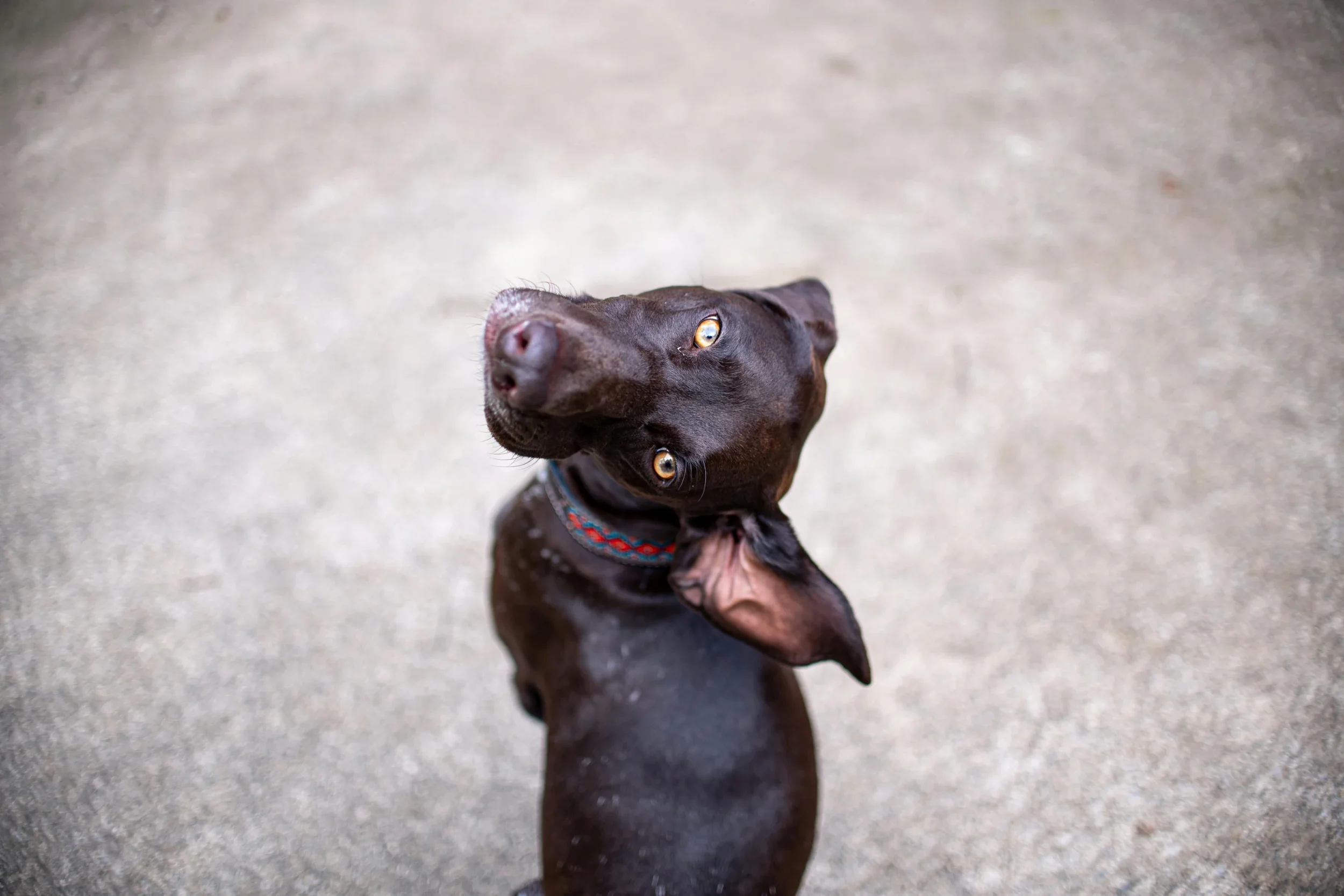
Dogs do the strangest things, and most of the time, their owners are left somewhere between amused and genuinely puzzled. From spinning in circles before lying down to suddenly sprinting laps around the living room for no obvious reason, strange dog behaviors are far more common than people realize.
The good news is that most of these quirks fall into one of three broad categories: normal instinct carried over from wild ancestors, social communication expressed through body language, or a sign of mild discomfort worth keeping an eye on. Very few are cause for immediate alarm.
What actually matters more than the behavior itself is its context. A dog that occasionally stares into space is probably just a dog. A dog that starts doing it constantly, intensely, or out of nowhere after years of not doing it is worth a conversation with a veterinarian. Frequency, intensity, and whether the behavior is new for that particular dog are the real signals to watch. The behaviors covered here are some of the most commonly reported, with plain-language explanations for each.
What Most Weird Dog Behaviors Really Mean
Most odd dog behaviors fall into three buckets: normal instinct, social communication, or possible discomfort. Understanding which bucket a behavior belongs to is usually more useful than trying to stop it outright. A behavior is less important than its frequency, intensity, and whether it is new for that dog. Wild ancestors shaped a lot of what dogs still do today, and much of what looks strange to humans is simply canine body language that has outlasted its original setting. That said, sudden or obsessive changes in any behavior are worth a closer look, and a veterinarian is always the right resource when something feels genuinely off.
Common Quirky Habits and Why Dogs Do Them
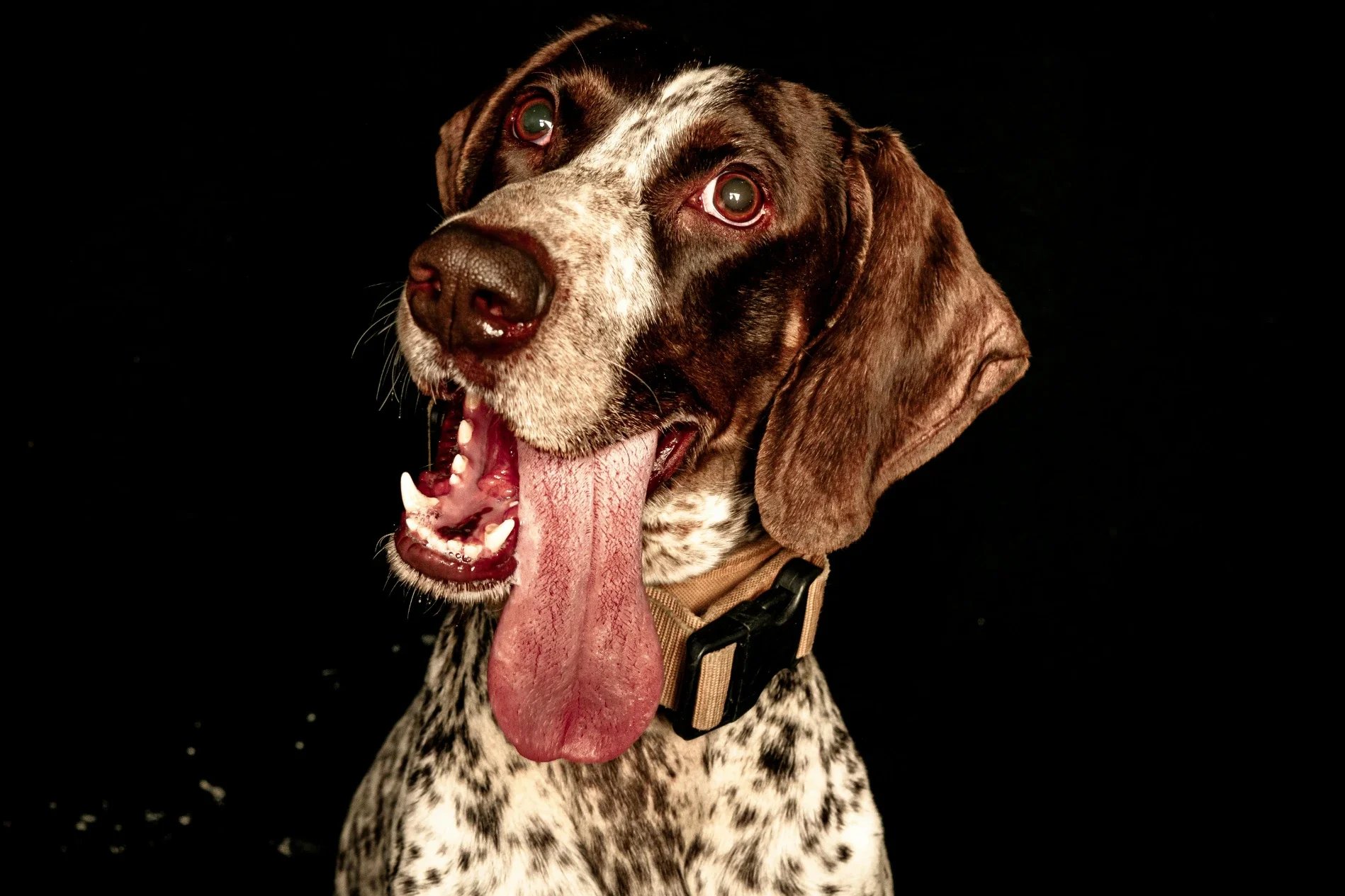
Dogs have a wide range of habits that can seem baffling at first glance. However, most of them make a lot more sense once you understand the instincts and communication patterns behind them.
High-Energy and Attention-Seeking Behaviors
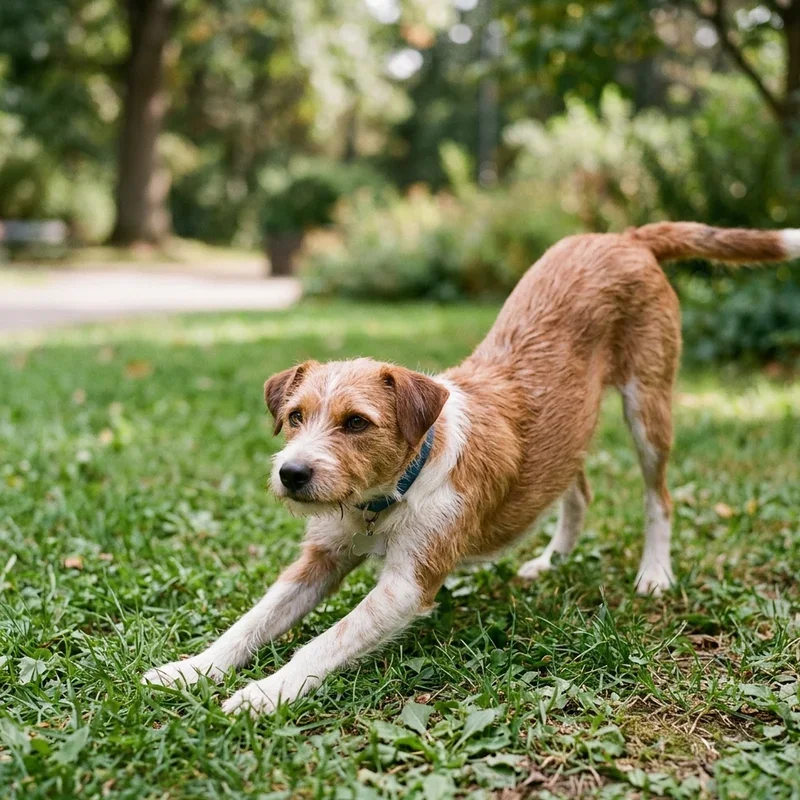
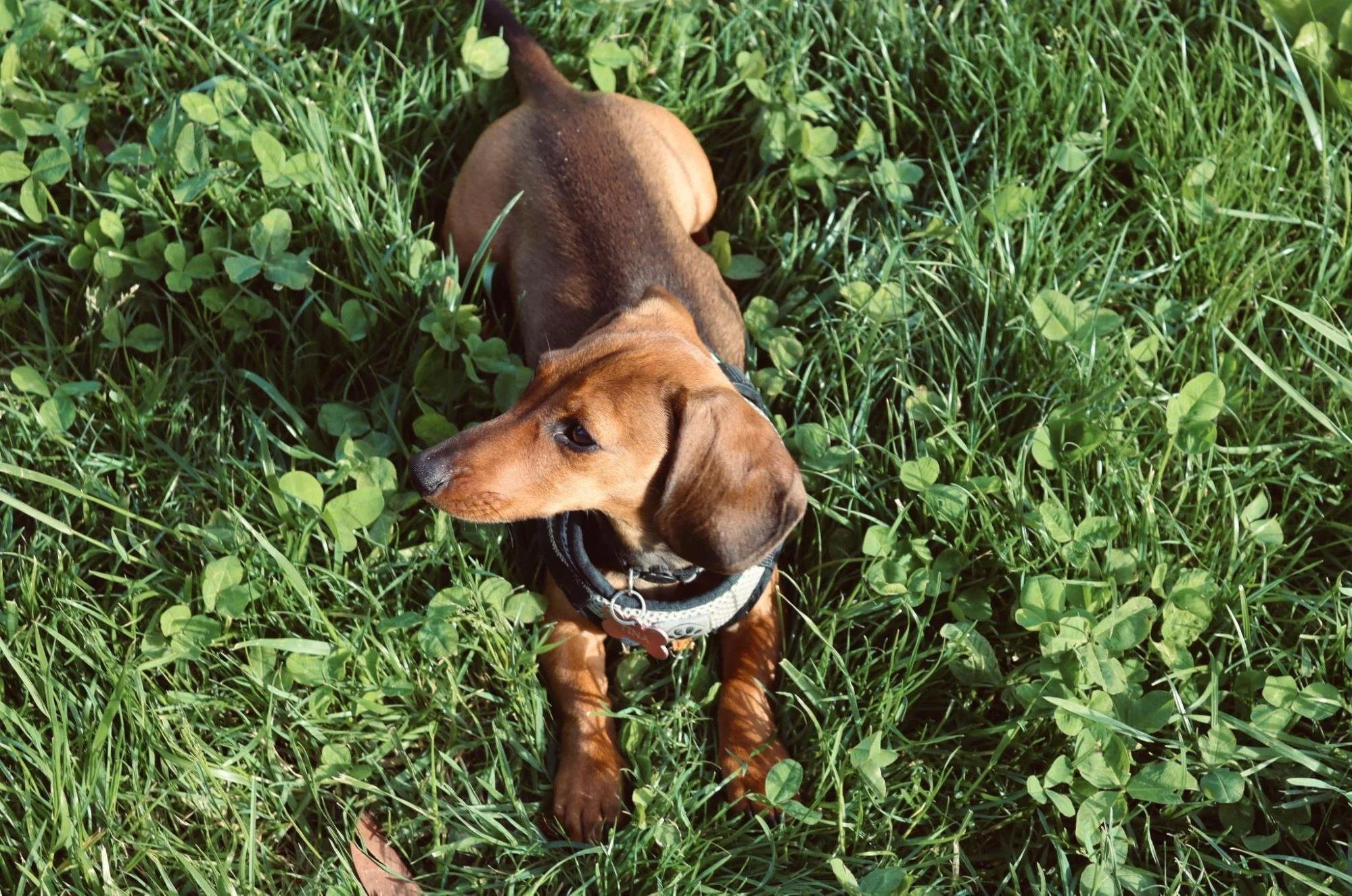
Some of the most dramatic dog behaviors are also the most harmless. Zoomies, those sudden bursts of frantic sprinting, usually happen when a dog is overstimulated or finally releasing built-up energy, often after a bath, a long nap, or a period of being calm.
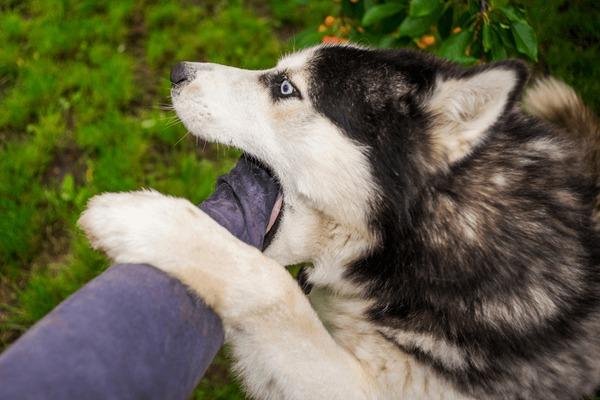
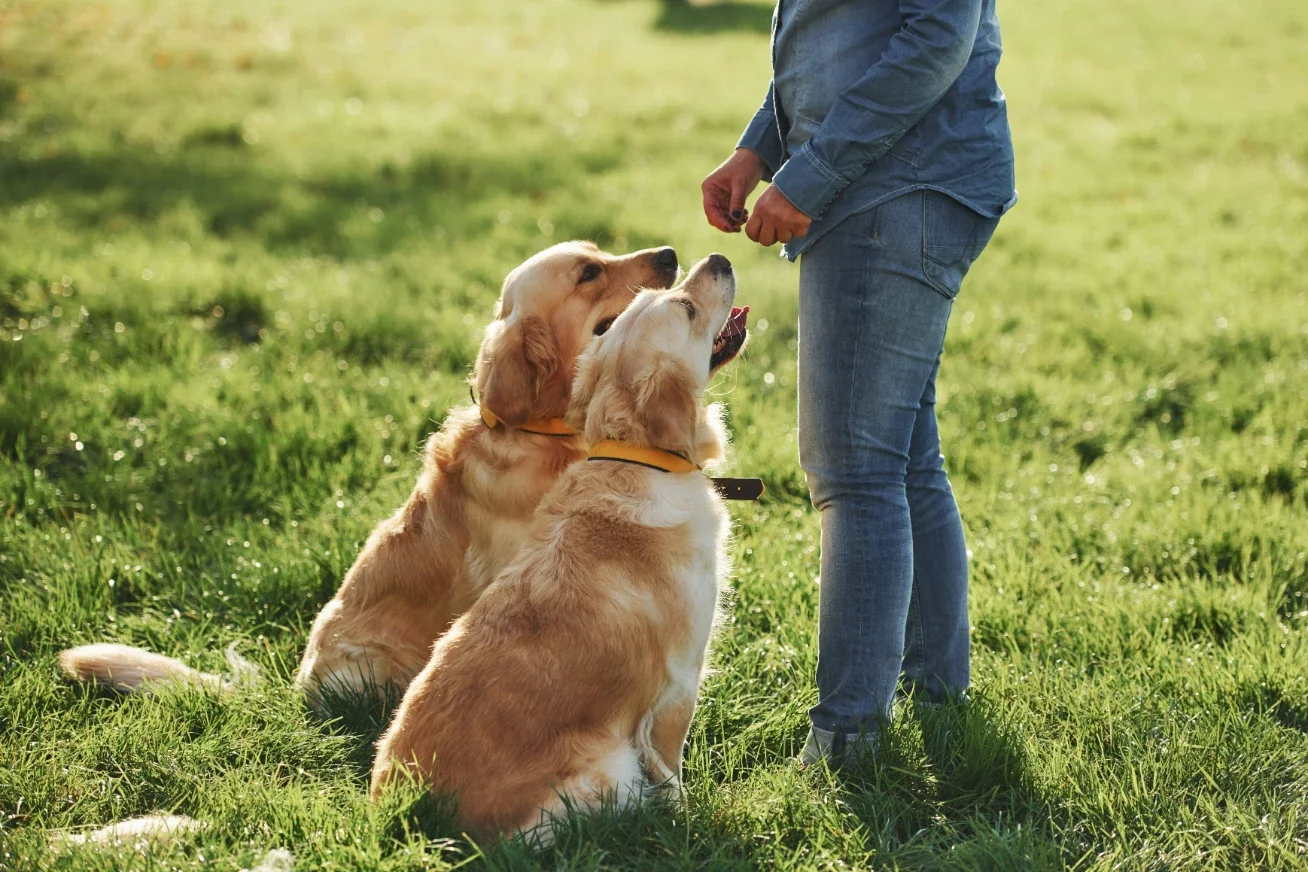
Staring at their owner without moving is another one that catches people off guard. Dogs use eye contact as a form of communication, and sustained staring can signal anything from "I want food" to "I'm waiting for a cue." Humping, despite being socially awkward, is often less about reproduction and more about arousal, excitement, or social dominance.
Tail chasing tends to appear in younger dogs and is typically a playful, self-stimulating behavior. Circling before lying down, meanwhile, traces directly back to wild ancestors who would trample grass or check for hidden threats before settling. These habits reflect normal canine body language that has simply outlasted its original context.
Gross but Usually Normal Behaviors
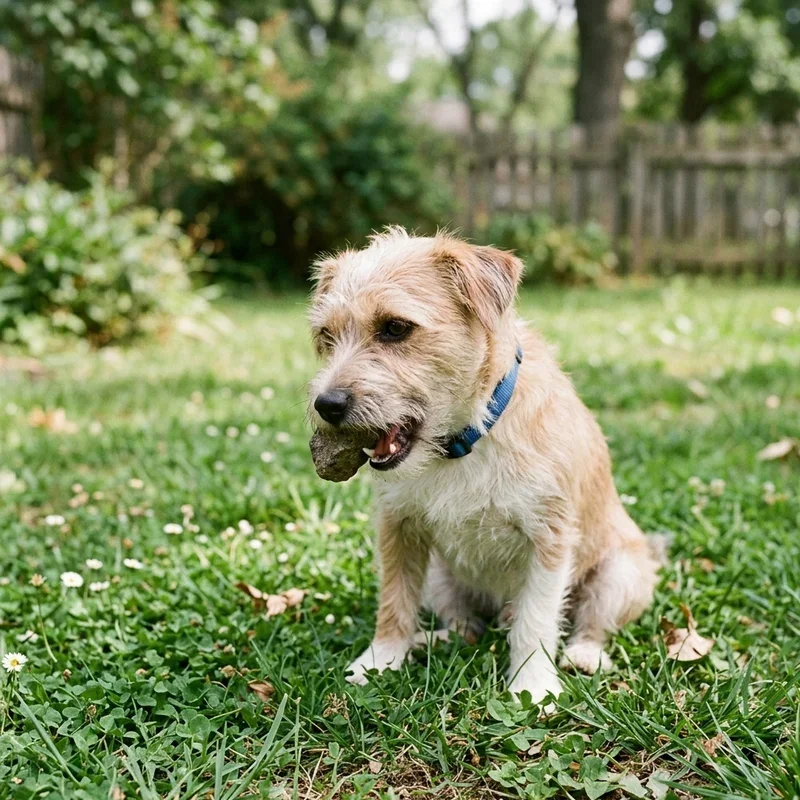
Eating grass is one of the most frequently Googled dog behaviors, and peer-reviewed research suggests it is rarely linked to illness. Sniffing butts is equally normal, serving as a form of chemical communication that gives dogs detailed social information about each other.
Rolling in stinky things and eating poop fall into the same scent-driven category, with instinct and sensory curiosity driving both. Strong odors are genuinely appealing to dogs for deeply wired olfactory reasons, which is why the full picture of why do dogs roll in poop goes deeper than it looks, involving ancestral hunting behavior and scent instincts that remain very much alive in domestic dogs today.
When Odd Behavior May Point to a Problem
Not every strange habit deserves a vet visit, but some behaviors cross from quirky into concerning, and knowing the difference saves a lot of unnecessary worry in both directions.
Scooting is a good example. While it looks almost comically undignified, it often signals anal gland discomfort, skin irritation, or parasites rather than a personality trait. If a dog is doing it repeatedly, that warrants attention.
Persistent staring, nonstop tail chasing, sudden grass eating, or repeated poop eating become more meaningful when paired with other odd canine symptoms to watch for, such as lethargy, changes in appetite, or digestive upset. Any one of these behaviors in isolation is usually fine. The combination is what shifts the conversation.
A useful threshold for owners is this: a sudden change in a previously established pattern, visible distress, risk of injury, digestive disruption, or compulsive repetition that the dog cannot redirect from. These are also moments where recognizing subtle signs of pain in dogs matters, since discomfort does not always look obvious. When in doubt, a veterinarian is the right next step.
FAQs
Why Do Dogs Eat Grass?
Most dogs eat grass out of instinct or mild digestive curiosity rather than illness. It is generally harmless unless done compulsively.
Why Do Dogs Hump?
Humping is usually about excitement, overstimulation, or social signaling, not reproduction. It appears in dogs of all ages and both sexes.
Why Do Dogs Do Zoomies?
Zoomies are sudden energy releases triggered by excitement or overstimulation. They are completely normal and typically short-lived.
Why Do Dogs Stare?
Staring is a form of communication. Dogs use it to seek attention, request something, or read their owner's next move.
Why Do Dogs Scoot on Their Butts?
Scooting usually points to anal gland discomfort, irritation, or parasites. Repeated scooting is worth a veterinary check.
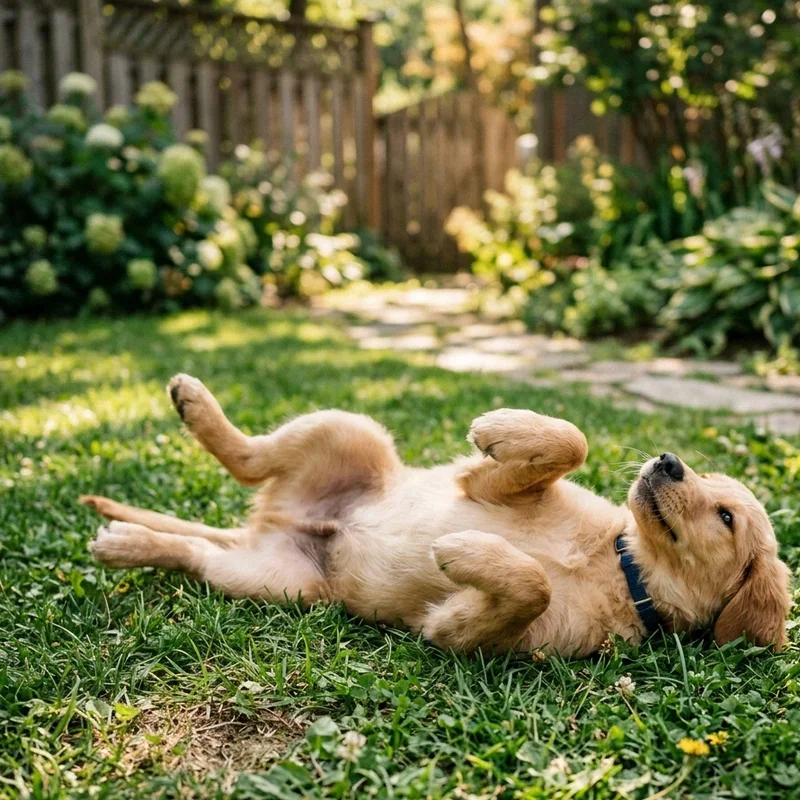
Why Do Dogs Roll Around on the Ground?
Rolling is driven by scent instinct. Dogs may be masking their own smell, picking up new scents, or simply enjoying the sensation.
What Your Dog's Weird Habits Are Telling You
Most strange dog behaviors make complete sense once instinct and communication are factored in. The real job for any owner is watching for shifts in pattern, frequency, or intensity rather than reacting to any single moment.
A dog whose body language changes suddenly, or whose habits intensify out of nowhere, deserves a closer look. When something feels genuinely off, a veterinarian is always the right call.
Stay up to date with our latest ideas!