When Does My Dog Need Booster Shots? Understanding the Vaccination Schedule
Learn when your dog needs booster shots and understand the vaccination schedule that helps maintain long term health and protection from disease.

According to the American Veterinary Medical Association's 2024 guidelines, the majority of vaccine-preventable disease outbreaks in dogs occur when booster shots are delayed or skipped entirely — yet many dog owners remain confused about when these follow-up vaccinations are actually necessary. As veterinary immunology research continues to refine our understanding of canine immune responses, the conversation around booster timing has shifted from rigid annual schedules to more nuanced, individualized approaches based on age, health status, and risk factors.
For the millions of dog owners navigating vaccination decisions, the stakes extend far beyond compliance with local regulations. A lapse in immunity leaves dogs vulnerable to diseases like distemper, parvovirus, and rabies — conditions that can be fatal or require intensive treatment costing thousands of dollars. Staying consistent with veterinary vaccination services helps ensure your dog's immunity is maintained, making it essential for responsible pet ownership in an era where veterinary care costs continue to climb and preventable diseases still claim lives.
The path forward requires distinguishing between the initial vaccination series that builds immunity and the strategic booster schedule that maintains it throughout your dog's life.
Why Are Booster Shots Critical for Dogs?
Booster shots serve a fundamentally different purpose than initial vaccinations — they're designed to refresh and strengthen an immune response that naturally diminishes over time. When puppies receive their initial vaccine series, their immune systems learn to recognize specific pathogens and produce antibodies against them. However, without periodic reinforcement, antibody levels decline and memory cells become less responsive, leaving previously protected dogs vulnerable to infection.
The consequences of skipped boosters can be severe. Parvovirus, for example, remains viable in the environment for months and can kill unprotected dogs within days of infection. Distemper attacks the nervous system and is often fatal even with treatment. Rabies, while less common, is universally fatal once symptoms appear and poses a public health risk. These aren't theoretical concerns — veterinary emergency clinics regularly treat dogs whose owners assumed their pet's puppy vaccines provided lifelong protection.
What makes booster timing particularly crucial is the unpredictable nature of immunity decline. Some dogs maintain protective antibody levels for years beyond their scheduled boosters, while others may become vulnerable within months of their last vaccination. Factors like stress, age, concurrent illness, and individual genetic variation all influence how quickly immunity wanes. This uncertainty is why veterinarians rely on evidence-based scheduling rather than waiting for signs that protection has failed.
The immune system's memory component also benefits from periodic stimulation. Each booster shot not only replenishes circulating antibodies but also reinforces the cellular memory that enables rapid immune response upon pathogen exposure. Dogs that receive consistent boosters typically mount stronger and faster immune responses when challenged by disease, often preventing infection entirely or significantly reducing symptom severity.
Modern booster protocols have evolved to balance protection with practicality. Rather than the traditional "one-size-fits-all" annual approach, many veterinarians now recommend risk-based scheduling that considers a dog's lifestyle, age, and health status. This shift recognizes that a dog living in rural areas with wildlife exposure may need more frequent boosters for certain diseases than an urban apartment dog, while both require consistent core vaccine protection.
How Does the Dog Vaccination Schedule Change with Age?
The relationship between age and vaccination needs reflects the changing dynamics of canine immune function throughout a dog's life. Unlike human vaccination schedules that remain relatively stable after childhood, dogs experience distinct phases where their booster requirements shift significantly based on immune maturity, lifestyle changes, and age-related health considerations.
Puppy Vaccination and Booster Timeline
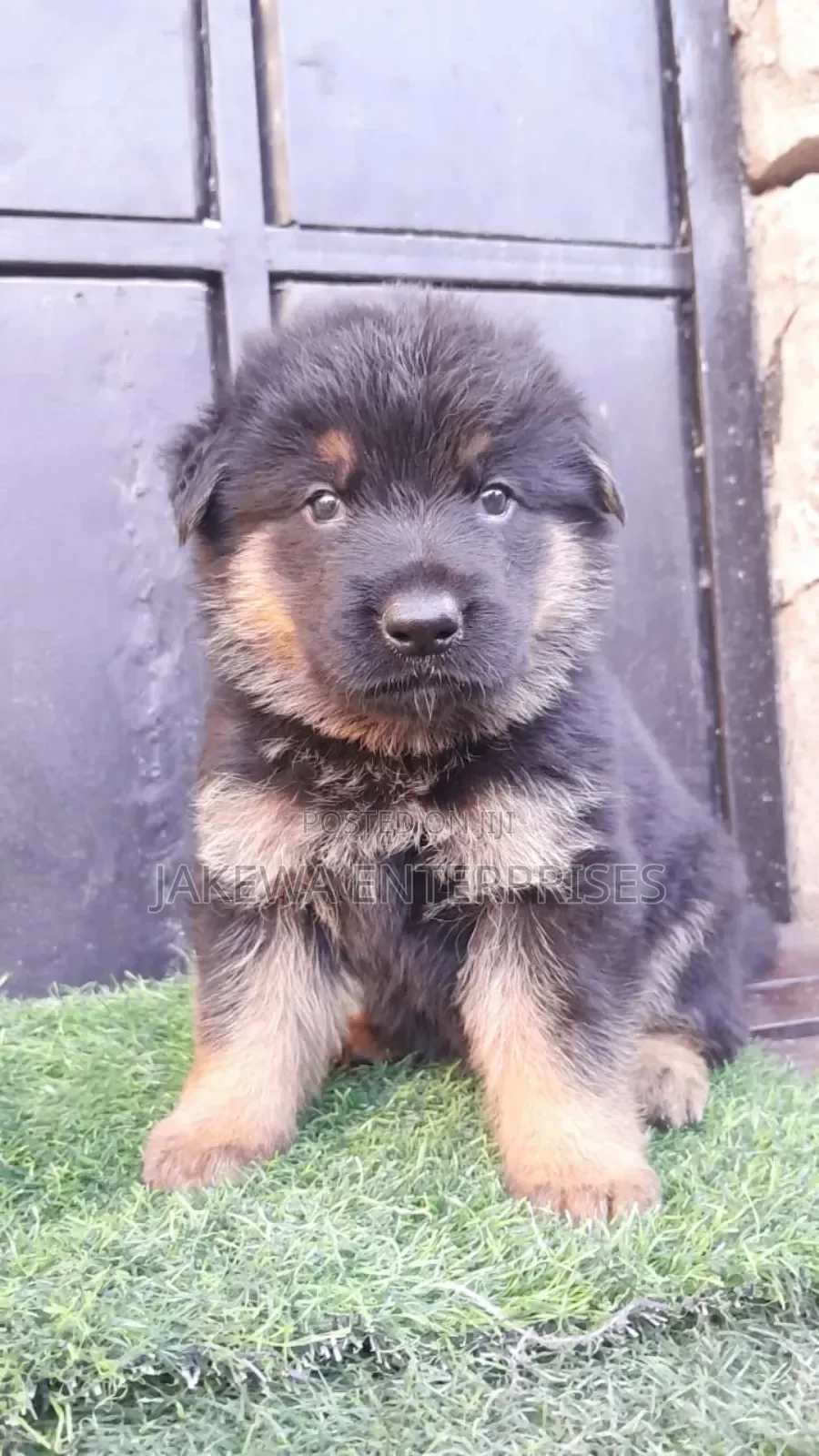
Puppies present unique challenges because maternal antibodies initially protect them but also interfere with vaccination effectiveness. Most puppies begin their vaccination series between 6-8 weeks of age, receiving boosters every 2-4 weeks until approximately 16 weeks old. This overlap period ensures that as maternal antibody protection wanes, vaccine-induced immunity takes its place without leaving dangerous gaps in protection.
The first adult boosters typically occur one year after the completion of the puppy series, regardless of the dog's actual age at that point. This timing capitalizes on the immune system's peak learning period — the year following initial vaccination when memory cell formation is most robust. Puppies who complete their series at 16 weeks would receive their first annual booster around 68 weeks of age, while those finishing later adjust accordingly.
During this first year, puppy immune systems are still developing their full protective capacity. The combination of immature immune function and high-risk behaviors like exploring everything mouth-first makes consistent vaccination timing particularly critical. Veterinary vaccination services during this period often include additional monitoring for adverse reactions, as young dogs may respond more dramatically to vaccines than adults.
Vaccination Needs for Adult and Senior Dogs
Adult dogs typically settle into a more predictable booster rhythm, though the specific intervals depend on vaccine type and risk assessment. Core vaccines like rabies may be administered every one to three years depending on local regulations and vaccine formulation, while non-core vaccines might require annual boosters or be discontinued entirely based on changing lifestyle factors.
Senior dogs face a different set of considerations as their immune systems begin to show age-related changes. Dogs over seven years old may not respond as robustly to vaccines, potentially requiring more frequent boosters to maintain protective antibody levels. Conversely, some elderly dogs with multiple health conditions may need modified vaccination protocols to avoid stressing compromised immune systems.
The transition from adult to senior vaccination schedules often coincides with increased veterinary monitoring through annual wellness exams. These visits provide opportunities to assess not just vaccination needs but also how well previous boosters have maintained immunity. Some practitioners recommend titer testing for senior dogs to determine whether antibody levels remain protective, potentially extending intervals between boosters for dogs who maintain strong immune responses.
How Do Booster Shots Stimulate the Canine Immune System?
The biological mechanism behind booster effectiveness centers on the immune system's sophisticated memory function and its ability to mount increasingly refined responses to familiar threats. When a dog receives a booster shot, the vaccine antigens encounter immune cells that have already been primed by previous vaccinations, triggering what immunologists call a secondary immune response that's both faster and more powerful than the initial reaction.
Memory B cells, which can remain dormant in lymph nodes and spleen tissue for years, rapidly activate upon re-exposure to vaccine antigens. These cells immediately begin producing antibodies with improved specificity and binding strength — a process called affinity maturation. Unlike the primary immune response that takes days to weeks to reach peak effectiveness, the secondary response can produce protective antibody levels within hours to days of booster administration.
The cellular component of immunity also strengthens with each booster. Memory T cells, responsible for coordinating immune responses and directly attacking infected cells, proliferate and develop enhanced recognition capabilities. This dual antibody and cellular memory explains why properly boosted dogs often show no symptoms even when exposed to virulent pathogens — their immune systems neutralize threats before infection can establish.
Timing between boosters influences the quality of this immune memory. Boosters given too close together may actually diminish the response as the immune system becomes temporarily overwhelmed, while boosters spaced too far apart risk losing the memory cell populations that make secondary responses possible. The standard intervals recommended by veterinary immunologists reflect decades of research into optimal timing for sustained protection.
Individual variation in immune response means that some dogs develop stronger, longer-lasting immunity than others from identical vaccination protocols. Factors like genetics, nutrition, stress levels, and concurrent health conditions all influence how effectively the immune system responds to and remembers vaccine antigens. This biological reality underlies the current trend toward individualized vaccination protocols rather than universal schedules.
What Side Effects and Safety Considerations Are Associated with Booster Shots?
Booster shot reactions in dogs typically follow predictable patterns, with most adverse effects appearing within 24-48 hours of vaccination and resolving without intervention. Understanding these normal responses helps dog owners distinguish between expected immune system activation and concerning reactions that require veterinary attention.
Common Mild Reactions and Their Management
The most frequent booster side effects mirror the immune system's natural activation process. Mild lethargy, decreased appetite, and soreness at the injection site affect roughly 20-30% of dogs and usually resolve within 24-48 hours. Some dogs develop a small, firm swelling at the injection site that may persist for several days but typically disappears as the vaccine material is processed.
Low-grade fever is another normal response as the immune system ramps up antibody production. Dogs may seek cool surfaces, drink more water than usual, or appear less energetic than normal. These behaviors represent appropriate immune activation rather than illness, though monitoring remains important to ensure symptoms don't escalate.
Managing mild reactions involves supportive care without interfering with the immune response. Providing a quiet, comfortable environment allows dogs to rest while their immune systems work. Restricting vigorous exercise for 24-48 hours post-vaccination reduces stress on the body while antibody production peaks. Most veterinarians recommend maintaining normal feeding schedules but not forcing food if appetite temporarily decreases.
Recognizing and Responding to Severe Reactions
Serious vaccine reactions, while uncommon, require immediate veterinary intervention. Anaphylactic reactions can develop within minutes to hours of vaccination and include symptoms like facial swelling, difficulty breathing, vomiting, diarrhea, or collapse. These systemic reactions represent immune system overactivation and can be life-threatening without prompt treatment.
Delayed reactions may appear 24-72 hours post-vaccination and include persistent vomiting, severe lethargy, or high fever. While less immediately dangerous than anaphylaxis, these symptoms can indicate immune system complications that require professional evaluation and potential treatment adjustment for future vaccinations.
Dogs with histories of vaccine reactions may need pre-medication with antihistamines or corticosteroids before future boosters, or may benefit from spacing multiple vaccines across several visits rather than administering them simultaneously. Some practitioners recommend monitoring high-risk dogs in the clinic for 30 minutes post-vaccination to ensure immediate intervention availability if severe reactions develop.
What Do Experts Recommend About Booster Frequency Today?
Current veterinary consensus emphasizes risk-based vaccination protocols that consider individual dogs' exposure patterns, health status, and immune response history rather than adhering to rigid annual schedules. The American Animal Hospital Association's 2024 vaccination guidelines acknowledge that one-size-fits-all approaches often result in either over-vaccination of low-risk dogs or under-protection of high-exposure animals.
Titer testing has emerged as a valuable tool for individualizing booster schedules, allowing veterinarians to measure actual antibody levels rather than assuming immunity status based on calendar timing. Dogs with persistently high titers may safely extend intervals between certain boosters, while those showing declining immunity might benefit from more frequent vaccination. However, titer testing isn't universally applicable — rabies vaccination schedules, for example, remain legally mandated regardless of antibody levels.
Geographic and lifestyle factors increasingly influence expert recommendations. Dogs in areas with active disease outbreaks may require accelerated booster schedules, while pets with minimal exposure to other animals might safely follow extended intervals. Working dogs, show animals, and those frequenting boarding facilities face different risk profiles than home-bound companions, leading to correspondingly different vaccination strategies.
Recent research has also highlighted the importance of vaccine duration studies in refining booster recommendations. Three-year rabies vaccines, now widely accepted, resulted from extensive research demonstrating sustained immunity well beyond annual schedules. Similar studies are ongoing for other core vaccines, with preliminary data suggesting that some may provide protection for longer periods than traditionally assumed.
The trend toward individualized protocols requires ongoing communication between dog owners and veterinarians to assess changing risk factors and adjust vaccination schedules accordingly. As our understanding of canine immunity continues to evolve, the most effective approach combines evidence-based guidelines with careful attention to each dog's unique circumstances and immune history.
The key insight emerging from current research is that optimal booster timing depends less on calendar dates than on maintaining functional immunity against diseases that pose genuine risks to each individual dog. This shift toward precision vaccination represents a significant advance in preventive veterinary care, promising better outcomes with more targeted interventions.
Stay up to date with our latest ideas!