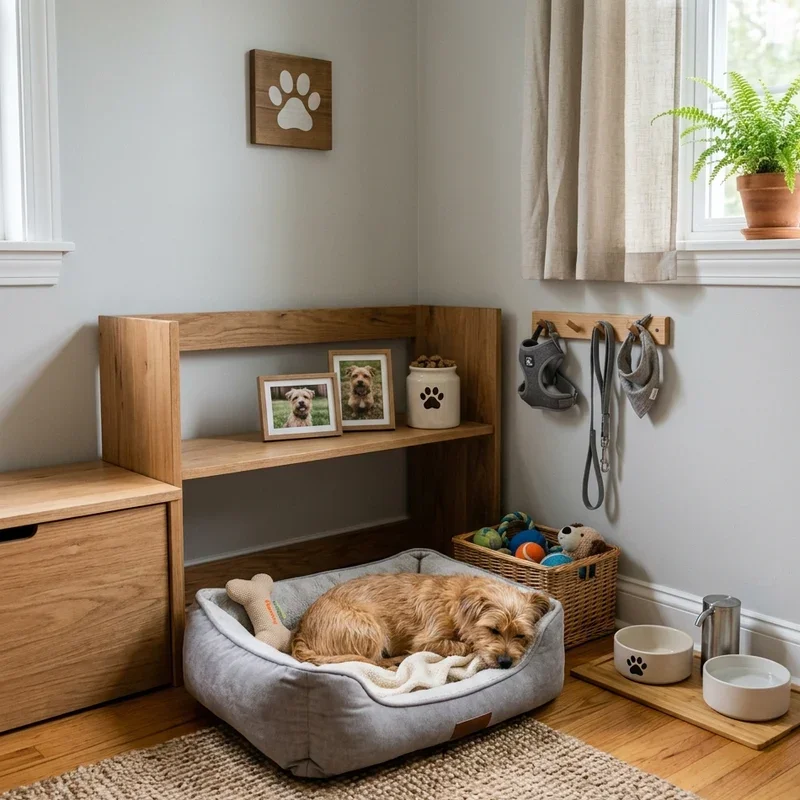
Why Does My Dog Bark at Other Dogs? Common Reasons
Curious why your pup keeps barking at every dog in sight? Discover the real reasons behind this noisy habit and how to handle it.
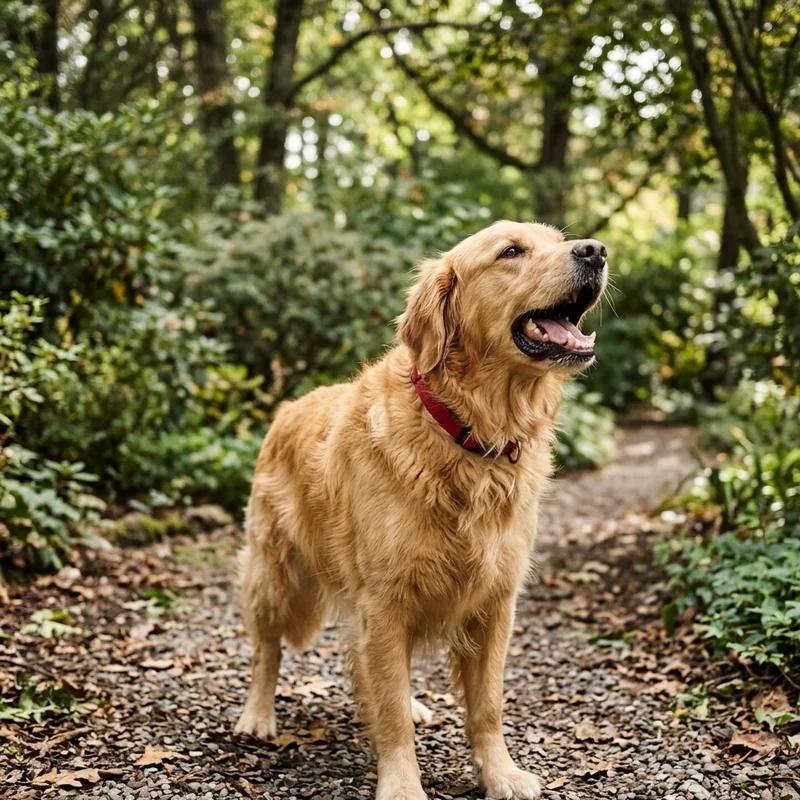
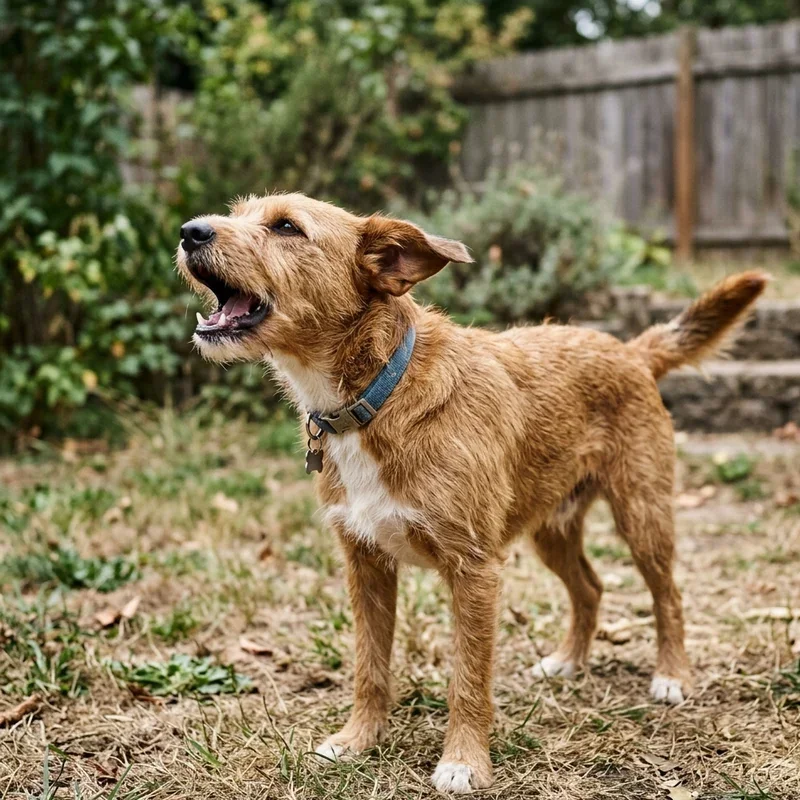
Walking your dog should feel like a peaceful escape, right? But somehow, the second another pooch appears on the horizon, your sweet furry friend turns into a tiny, four-legged opera singer hitting all the high notes. Sound familiar? You're definitely not alone in this. Tons of dog owners scratch their heads wondering what's actually going on inside that fluffy little brain. The good news is, there's almost always a logical explanation behind the chaos. Let's dig into the surprisingly fascinating world of canine communication and figure out what your dog is really trying to say.
Understanding Why Does My Dog Bark at Other Dogs? Common Reasons Behind the Behavior
Before we jump into solutions, here's the thing you've gotta accept first. Barking is your dog's main way of talking, and pretending otherwise is like asking a person to never speak again. It just isn't gonna happen. However, when that barking gets directed at every single dog you pass, something deeper is usually brewing under the surface.
Dogs aren't barking just to drive you up the wall, even though it might feel that way after the third encounter on a single walk. Each bark carries meaning, whether it's a greeting, a warning, or an absolute meltdown of nerves. Once you crack the code, everything starts making a whole lot more sense.
Reason 1: Excitement and Pure, Unfiltered Joy
Picture this. You haven't seen your best friend in weeks, and suddenly they walk through the door. Wouldn't you scream a little? Well, your dog operates on similar wavelengths. Some pups bark at other dogs simply because they're absolutely thrilled at the prospect of meeting a new buddy.
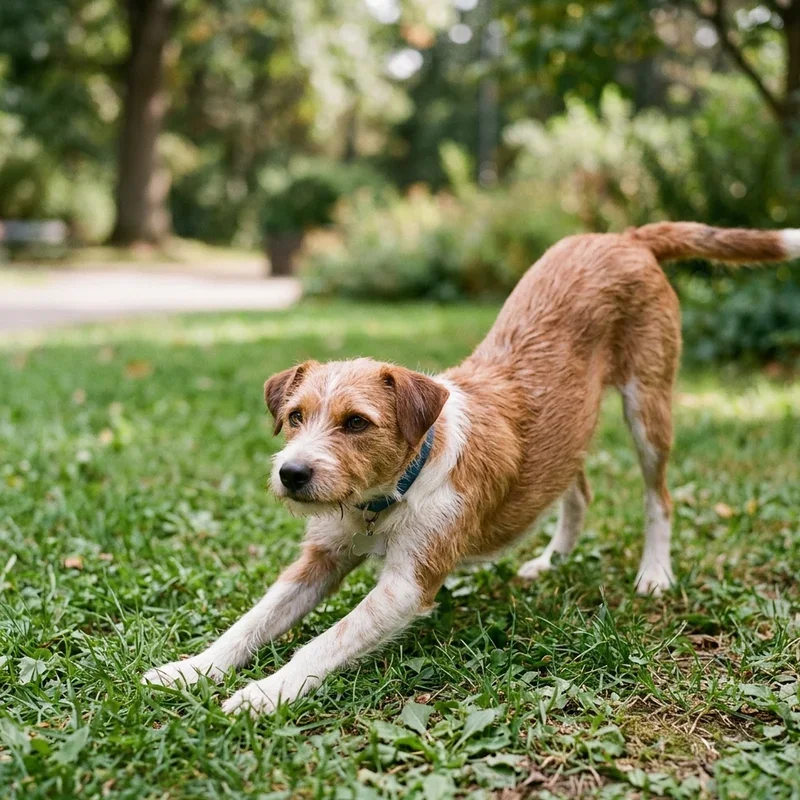
These tail-wagging, bouncy-bodied barkers aren't being aggressive whatsoever. They're just terrible at containing their enthusiasm. You'll spot the signs pretty easily. Loose body posture, a wagging rear end, playful hops, and that classic "play bow" where their front legs go down while the back stays up. It's the canine equivalent of squealing with delight.
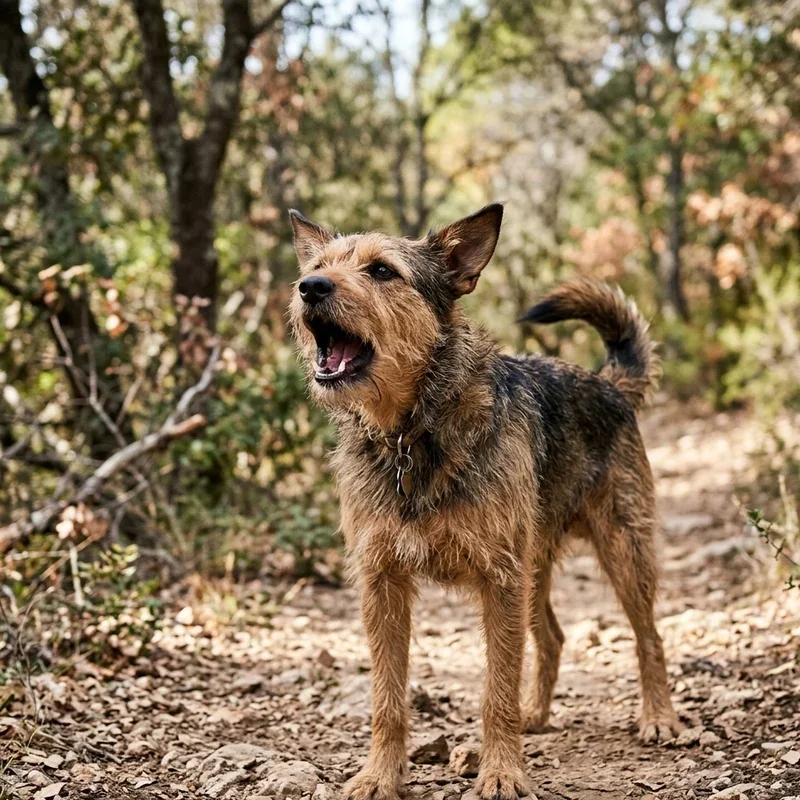
Reason 2: Fear and Anxiety Taking Over
On the flip side, some dogs bark because they're genuinely scared out of their wits. Maybe they had a rough start in life, or perhaps a bad encounter at the dog park left a lasting impression. Either way, fear-based barking is incredibly common and often misunderstood.
A frightened dog typically tries to make itself look bigger and louder, hoping the scary thing will just go away. Their body might be tense, ears pinned back, tail tucked, and you might notice them backing up while still vocalizing. Bless their hearts, they're not trying to start a fight. They're begging the other dog to keep their distance.
Reason 3: Territorial Instincts Kicking In
Dogs have been guarding their turf for thousands of years, and that instinct hasn't gone anywhere. When another dog wanders too close to what your pup considers "theirs," whether that's your home, your yard, or even your personal space during walks, the alarm system goes off.
Territorial barking sounds different from other types. It's deep, repetitive, and laser-focused on the perceived intruder. Some breeds are genetically wired to be more territorial than others. German Shepherds, Akitas, and various guardian breeds tend to take their security duties extra seriously. Anyway, it's not personal against the other dog. It's just business in their minds.
Reason 4: Lack of Proper Socialization
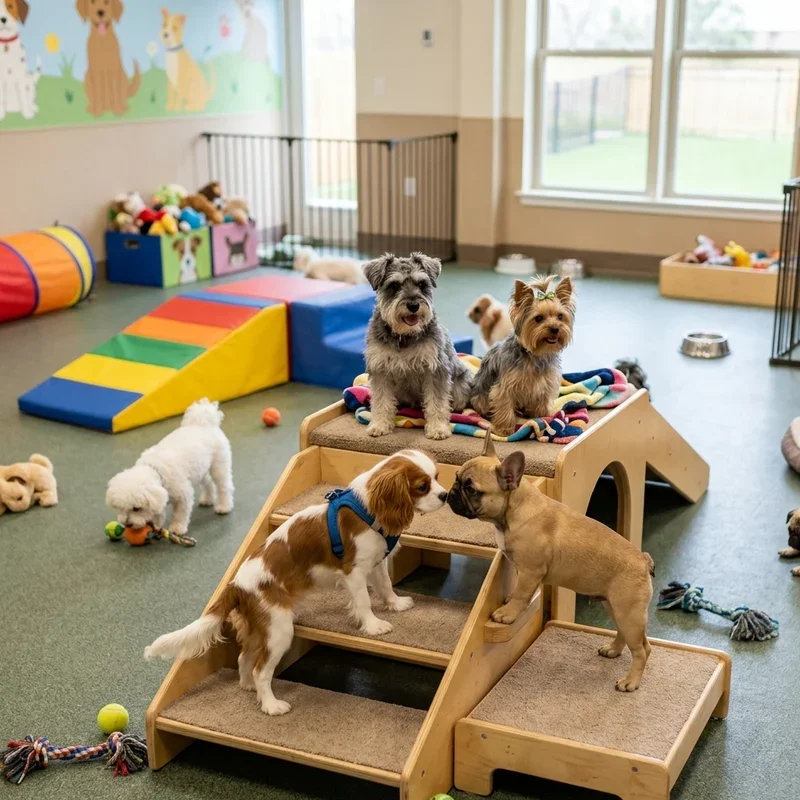
Here's a tough pill to swallow for many owners. If your dog wasn't exposed to lots of other dogs, people, and environments during their critical socialization window (roughly 3 to 14 weeks old), they might struggle with normal canine interactions throughout their lives.
Think about it like this. Imagine being thrown into a foreign country where you don't speak the language and everyone keeps walking up to you. You'd probably feel pretty overwhelmed too, wouldn't you? Undersocialized dogs often bark because they genuinely don't know how to handle the situation any other way.
Reason 5: Frustration on the Leash
Ever heard of leash reactivity? It's basically when your dog turns into a barking, lunging mess specifically when they're on a leash, but acts totally fine off-leash with the same dogs. Frustrating, isn't it? This phenomenon happens for a few interesting reasons.
When your dog is leashed, they can't perform normal canine greeting rituals like circling and sniffing. They feel trapped and unable to escape if they need to. Plus, they often pick up on tension running down the leash from you. It's basically a recipe for a vocal explosion every single time.
Reason 6: Past Negative Experiences
Dogs remember things, especially the bad stuff. If your sweet pup got attacked, scared, or even just startled by another dog at some point, they might bark at every dog afterward as a "never again" defense mechanism. Trauma sticks with our four-legged friends just like it does with us.
The tricky part is, you might not even know what triggered the behavior originally. Rescue dogs in particular often come with mysterious backstories that explain a lot of their reactions. Patience and understanding go a long way in these situations.
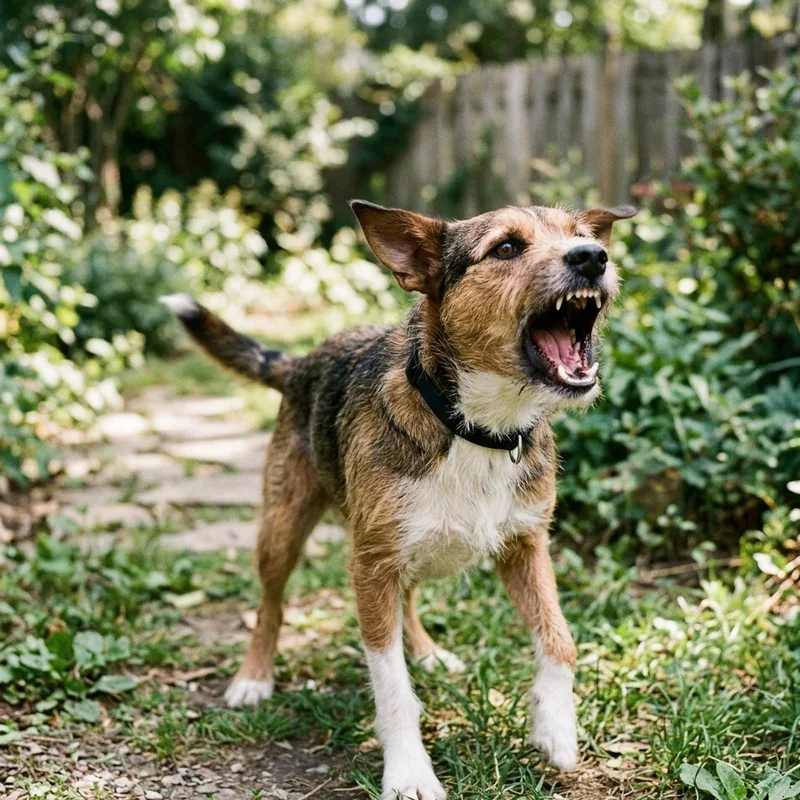
Reason 7: Genetic and Breed Predispositions
Wanna hear something wild? Some dogs are basically programmed to bark more than others. Breeds developed for guarding, herding, or alerting humans tend to be naturally more vocal. Beagles were bred to bay at prey, Terriers to alert hunters, and many small breeds to warn families of intruders.
Trying to silence a naturally vocal breed completely is kinda like asking a fish not to swim. You can manage and reduce the behavior, sure, but expecting total silence is unrealistic. Working with your dog's natural tendencies usually beats fighting against them.
Reason 8: Pent-Up Energy and Boredom
A bored dog is a barky dog. Plain and simple. When your pup doesn't get enough physical exercise or mental stimulation, that excess energy has to go somewhere. Often, it comes out as overreaction to literally everything, including other dogs minding their own business across the street.
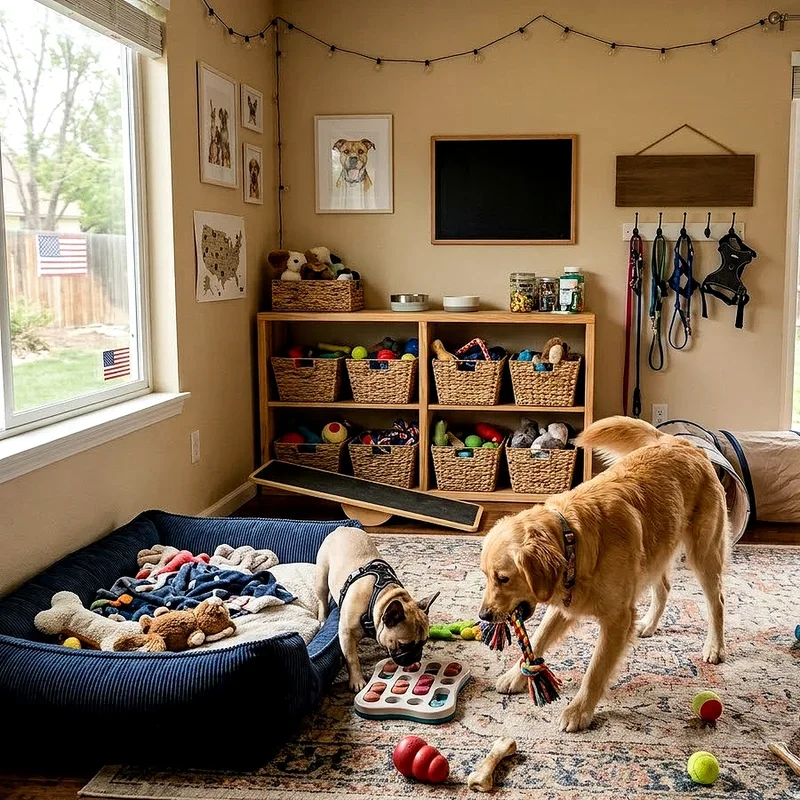
Look, dogs aren't decorations meant to sit quietly in the corner of your living room. They need jobs, puzzles, walks, sniff sessions, and play time. Without these outlets, even the calmest breeds can become reactive nuisances.
Reason 9: Medical Issues You Might Not Suspect
Sometimes the reason isn't behavioral at all. Pain, vision problems, hearing loss, or cognitive decline in older dogs can all manifest as increased barking and reactivity. If your previously chill dog suddenly starts going bananas at other pups, a vet visit should be your first move.
Conditions like canine cognitive dysfunction (basically doggy dementia) can make older dogs confused and anxious about things they used to handle just fine. Hypothyroidism has even been linked to behavioral changes in some cases. So yeah, ruling out medical causes is super important.
Why Does My Dog Bark at Other Dogs? Common Reasons Related to Their Environment
Your dog's surroundings play a massive role in how they react. Crowded urban areas with constant dog encounters can either help socialize a pup or completely overwhelm them. Noisy environments, narrow sidewalks, and sudden appearances around corners all contribute to reactive behavior.
Even weather affects things. Hot, uncomfortable days might shorten your dog's patience. Rainy walks might make them edgier. Paying attention to environmental factors helps you predict and prevent flare-ups before they happen.
Signs to Watch For During Encounters
Reading your dog's body language is honestly a superpower every owner should develop. Here are the key things to look out for:
Stiff, frozen body posture indicating tension or fear
Raised hackles running down the back
Hard, fixed staring at the approaching dog
Lip curling or showing teeth
Tucked tail or extremely high, stiff tail
Whale eye where you can see the whites
Excessive lip licking or yawning out of context
Catching these signals early lets you intervene before the barking starts. Distance is your best friend in these moments. Just create some space and let your dog reset.
How to Address the Barking Issue
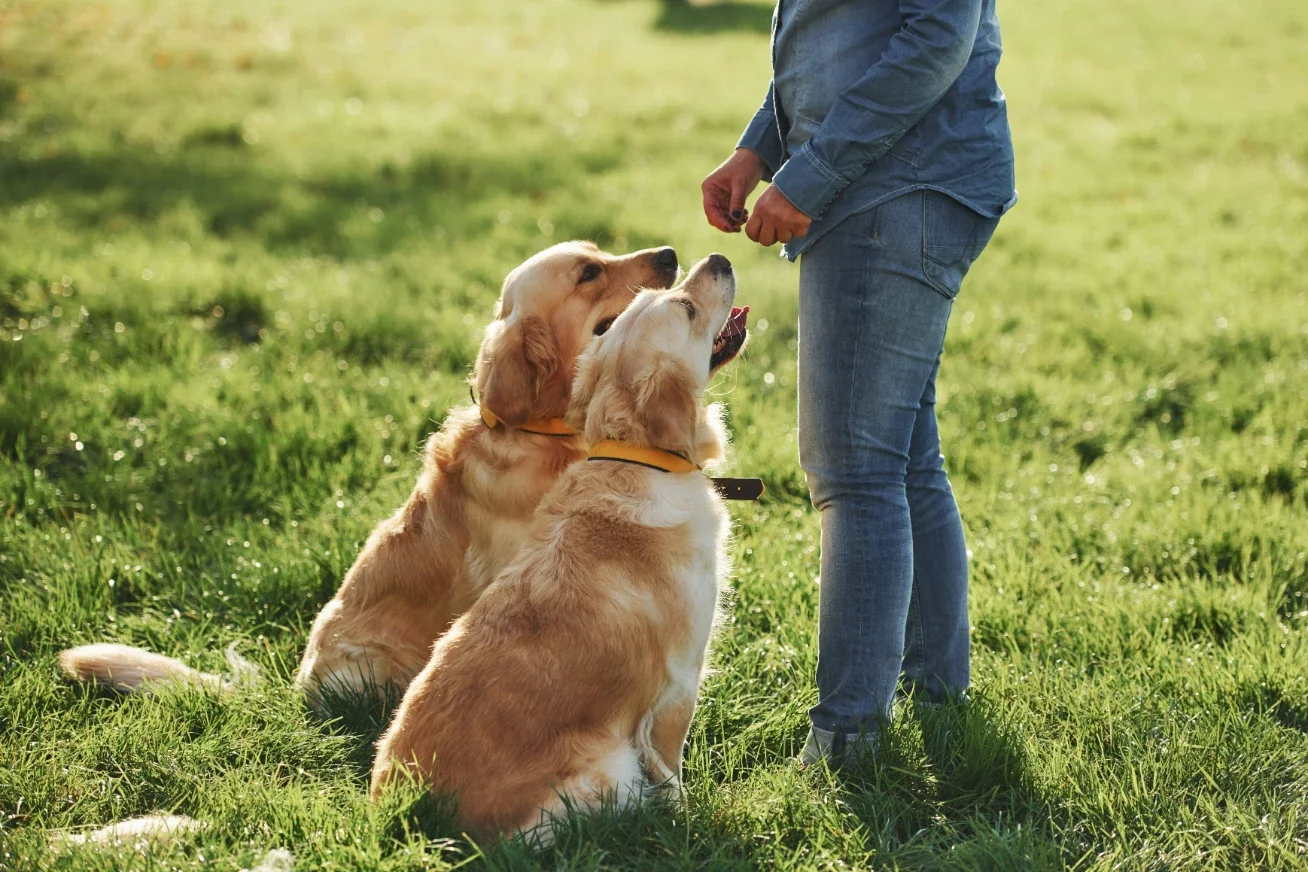
Now that you understand the reasons, what can you actually do about it? Counter-conditioning is probably your most powerful tool. Basically, you teach your dog that other dogs predict good things, like tasty treats, instead of stress.
Start at a distance where your dog notices other dogs but doesn't react. Reward calm behavior generously. Gradually decrease the distance over many sessions. It takes time and consistency, but the results are seriously worth the effort.
Professional help from certified trainers or veterinary behaviorists can absolutely transform difficult cases. There's no shame in calling in the experts when you're stuck. They've seen it all and have tools you might never think of yourself.
Why Does My Dog Bark at Other Dogs? Common Reasons That Require Immediate Attention
Some barking situations need urgent intervention rather than gradual training. If your dog has bitten another dog, shows extreme aggression with intent to harm, or is putting themselves in danger by lunging into traffic, please don't wait. Get professional help right away.
Similarly, if the barking is connected to obvious physical pain, neurological symptoms, or sudden personality changes, the vet should be your first stop. Behavior and health are deeply connected, and addressing one without considering the other rarely works long-term.
Tools That Can Help Manage Reactive Barking
Various tools exist to support your training journey, though none replace actual behavior modification. Front-clip harnesses give you better control without choking your dog. Head halters can redirect attention more effectively than collars for strong pullers.
High-value treats reserved exclusively for training around other dogs work wonders. We're talking real chicken, cheese, hot dogs, the good stuff. Boring kibble simply won't cut it when your dog is competing against the excitement of seeing another pup.
Conclusion
Dealing with a barky dog can absolutely test your patience, but understanding the reasons transforms the whole experience. Whether your pup is excited, scared, frustrated, or just wired that way, there's always a path forward. With consistent training, proper socialization, and tons of patience, most reactive dogs improve dramatically over time. Remember, your dog isn't trying to embarrass you. They're communicating the only way they know how. Listen carefully, respond thoughtfully, and watch the transformation unfold beautifully right before your eyes.
Read next: Why Does My Dog Pant at Night? Common Causes
Frequently Asked Questions
1. Can older dogs still learn to stop barking at other dogs?
Absolutely yes, older dogs can learn new behaviors with consistent training, patience, and proper positive reinforcement techniques.
2. Should I punish my dog for barking at other dogs?
No, punishment usually worsens reactivity and damages trust between you and your dog over time.
3. How long does it take to fix reactive barking behavior?
Progress varies greatly, but most dogs show noticeable improvement within three to six months of consistent training.
4. Are certain breeds harder to train out of barking habits?
Yes, naturally vocal breeds like Terriers and Beagles often require more patience and tailored training approaches.
5. Does neutering or spaying reduce barking at other dogs?
Sometimes it helps with hormone-driven reactivity, but it's not a guaranteed fix for all barking issues.
Stay up to date with our latest ideas!