Why Does My Dog Pant at Night? Common Causes
Wondering why does my dog pant at night? Discover common causes like heat, anxiety, pain, and health issues plus tips to help your pup rest easy.
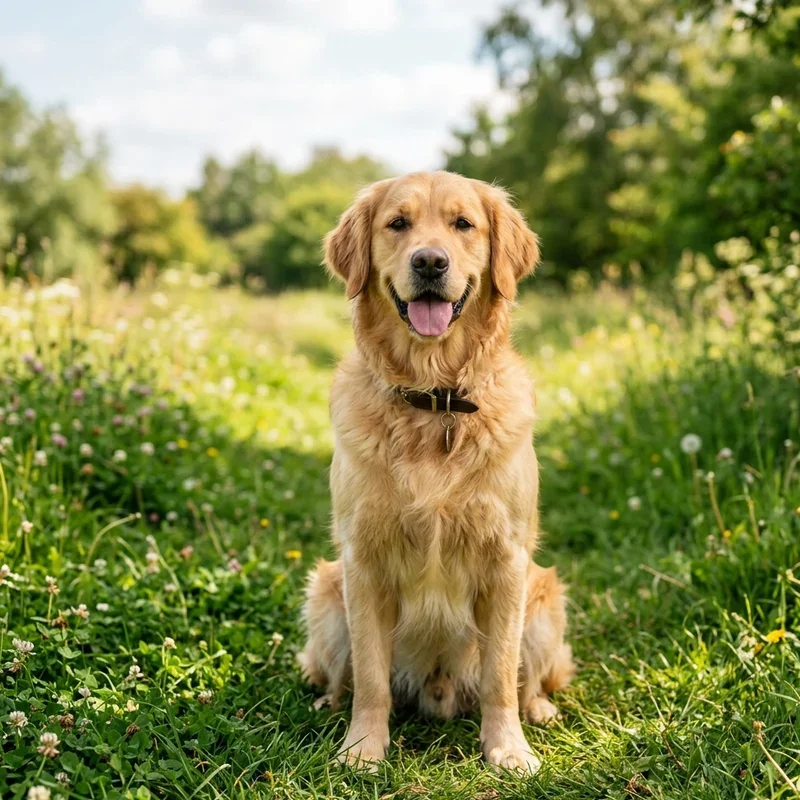
You have just settled into bed after a long day, the lights are off, and everything feels perfectly calm. Then you hear it. Your dog is panting like they just ran a marathon, and they have not moved an inch. It is one of those moments that makes you sit up in the dark and wonder what on earth is going on. If you have ever found yourself asking "why does my dog pant at night," you are definitely not alone. Thousands of pet owners lose sleep over this very question, and honestly, it can be pretty unsettling when your furry best friend sounds like they cannot catch their breath.
Here is the thing. Dogs pant for all sorts of reasons, and most of the time, it is completely normal. But when panting kicks in at night, especially when the house is quiet and cool, it can signal something worth paying attention to. Whether your dog is a tiny Chihuahua or a big old Golden Retriever, nighttime panting deserves a closer look. So grab a cup of coffee, get comfortable, and let us walk through everything you need to know about this common but sometimes confusing behavior.
Understanding Why Does My Dog Pant at Night? Common Causes and What They Mean
Before we jump into the specific reasons, let us get one thing straight. Panting is a dog's natural way of cooling down. Unlike humans, dogs do not sweat through their skin. They rely on panting to regulate their body temperature, and that is perfectly healthy during the daytime after exercise or play. But when your dog starts panting heavily at night without any obvious trigger, that is when things get a bit tricky.
Nighttime panting can stem from a handful of different causes, ranging from something as simple as a warm bedroom to something more serious like an underlying medical condition. The key is figuring out which category your dog falls into so you can respond the right way.
Your Dog Might Be Too Warm
Let us start with the most obvious culprit. Dogs get hot, and they get hot faster than we do. If your bedroom feels toasty or your dog sleeps under heavy blankets, there is a good chance they are just trying to cool off. Some breeds with thick double coats, like Huskies or Bernese Mountain Dogs, are especially prone to overheating even in moderately warm rooms.
Think about it this way. If you are comfortable in a t-shirt but your dog is wearing a permanent fur coat, the temperature difference hits them harder. During summer months or in homes without great air circulation, nighttime panting from heat is incredibly common. Try lowering the thermostat a couple of degrees, offering a cooling mat, or simply making sure your dog has access to fresh water before bed. You would be surprised how often this simple fix does the trick.
Anxiety and Stress Can Keep Your Dog Up
Dogs experience anxiety more than most people realize, and nighttime seems to amplify it. Separation anxiety, noise phobia, or even general nervousness can trigger heavy panting once the house gets quiet. Without the usual daytime distractions, your dog's worries tend to bubble up to the surface.
Thunderstorms rolling in the distance, fireworks from a neighbor's party, or even the subtle hum of appliances can set off an anxious pup. You might also notice other signs alongside the panting, like pacing, whining, trembling, or trying to crawl into your lap. If your dog is a rescue or has been through traumatic experiences, nighttime anxiety is something you will want to address with patience and possibly a conversation with your vet about calming strategies.
Some owners have found success with anxiety wraps, calming supplements, or simply leaving a soft light on in the room. Creating a predictable bedtime routine can also work wonders for dogs who struggle with stress after dark.
Pain or Physical Discomfort
This one is a bit harder to spot because dogs are masters at hiding pain. It is an instinct they inherited from their wild ancestors, and it means that by the time your dog shows obvious signs of discomfort, the issue might have been brewing for a while. Nighttime panting can be a subtle indicator that your dog is dealing with pain somewhere in their body.
Joint problems, arthritis, injuries, dental issues, or even gastrointestinal discomfort can all cause restless panting at night. Older dogs are particularly susceptible to this because conditions like hip dysplasia and degenerative joint disease tend to flare up when the body is at rest. If you notice your dog shifting positions frequently, having trouble getting comfortable, or avoiding certain movements, pain could very well be the root cause.
A trip to the vet is the best course of action here. They can run diagnostics, check for inflammation, and recommend appropriate pain management options to help your dog sleep more peacefully.
Heart and Respiratory Issues
Now, this is where things can get a little more serious. Panting at night can sometimes point to cardiovascular or respiratory problems, especially in older dogs or breeds predisposed to heart conditions. Congestive heart failure, for example, can cause fluid buildup in the lungs, making it harder for your dog to breathe when they lie down.
Respiratory conditions like laryngeal paralysis, collapsing trachea, or chronic bronchitis can also lead to labored breathing and excessive panting during nighttime hours. Brachycephalic breeds such as Bulldogs, Pugs, and Boston Terriers already have compromised airways, so any additional respiratory stress becomes more noticeable when they try to rest.
If your dog's panting is accompanied by coughing, blue-tinged gums, lethargy, or a swollen belly, do not wait around. These are red flags that warrant an immediate veterinary visit. Early detection of heart and lung problems can make a world of difference in your dog's quality of life and long-term prognosis.
Hormonal Imbalances and Metabolic Conditions
Sometimes the answer to why does my dog pant at night lies in something happening internally that you cannot see with the naked eye. Hormonal disorders like Cushing's disease, which causes the body to produce too much cortisol, frequently leads to excessive panting. Dogs with Cushing's often pant more at night because cortisol levels can fluctuate throughout the day and spike during resting hours.
Hypothyroidism, diabetes, and other metabolic conditions can also mess with your dog's ability to regulate their body temperature and breathing patterns. These conditions tend to develop gradually, so you might not connect the dots right away. Other symptoms to watch for include increased thirst, frequent urination, weight changes, hair loss, and a pot-bellied appearance.
Blood tests and a thorough exam from your veterinarian can identify these conditions relatively quickly, and many of them are manageable with medication once properly diagnosed.
Age-Related Changes in Senior Dogs
Getting older is not easy for anyone, and dogs are no exception. Senior dogs experience a whole host of changes that can contribute to nighttime panting. Cognitive dysfunction syndrome, which is basically the canine version of dementia, can cause confusion, disorientation, and anxiety during the night. Your older dog might not even fully understand where they are when they wake up, and that confusion naturally triggers panting.
Additionally, senior dogs tend to have weaker immune systems, more sensitive joints, and a harder time regulating their body temperature. All of these factors stack up and can turn peaceful nights into restless ones. If your aging companion has started panting more at night, it is worth scheduling a senior wellness exam to rule out any emerging health concerns.
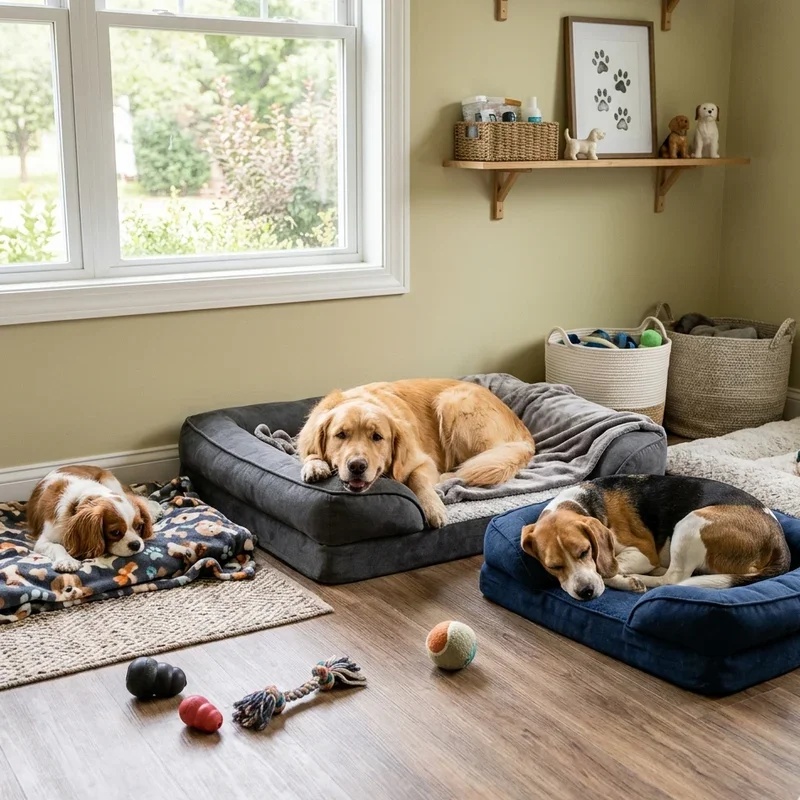
Providing a comfortable orthopedic bed, maintaining a consistent room temperature, and sticking to a regular routine can all help ease your senior dog's nighttime struggles.
Medications and Side Effects
Believe it or not, the very medications prescribed to help your dog might be causing the panting. Steroids like prednisone are notorious for increasing panting, thirst, and restlessness. Certain pain medications, antihistamines, and even some behavioral drugs can also have panting as a side effect.
If your dog recently started a new medication and the nighttime panting followed shortly after, there is a pretty strong connection. Do not stop giving the medication without consulting your vet first, but do bring it up at your next appointment. They might be able to adjust the dosage or switch to an alternative that does not cause as much respiratory disturbance.
What You Can Do to Help Your Dog Tonight
Alright, so now that we have covered the why, let us talk about the what. Here are some practical steps you can take right now to help ease your dog's nighttime panting:
Keep the bedroom cool and well-ventilated, ideally between 65 and 72 degrees Fahrenheit
Provide fresh, cool water near your dog's sleeping area at all times
Invest in a cooling mat or elevated cot designed for dogs who run warm
Create a calm and predictable bedtime routine to reduce anxiety
Limit heavy meals and vigorous exercise within two hours of bedtime
Use white noise machines or soft music to mask anxiety-triggering sounds
Consider calming aids like pheromone diffusers or anxiety wraps for nervous dogs
Schedule a vet checkup if the panting is new, sudden, or accompanied by other symptoms
These steps will not solve every problem, but they can certainly make a noticeable difference for many dogs dealing with mild to moderate nighttime panting.
When Should You Call the Vet?
Not every episode of nighttime panting requires an emergency vet visit, but some situations absolutely do. Trust your gut on this one. You know your dog better than anyone, and if something feels off, it probably is. Here are some signs that it is time to pick up the phone:
The panting is sudden, intense, and does not stop after several minutes
Your dog's gums are pale, white, or bluish instead of their normal pink color
You notice coughing, gagging, or difficulty swallowing alongside the panting
Your dog seems disoriented, unsteady, or unable to get comfortable at all
There is visible swelling in the abdomen or limbs
The panting started after your dog may have ingested something toxic
When in doubt, err on the side of caution. A quick phone call to your vet or an emergency animal hospital can give you peace of mind and potentially catch a serious issue before it escalates.
Conclusion
Understanding why does my dog pant at night and its common causes is the first step toward helping your furry friend sleep soundly. From simple overheating to more complex health conditions, nighttime panting always has a reason behind it. Pay attention to your dog's overall behavior, keep their sleeping environment comfortable, and never hesitate to consult your veterinarian when something does not seem right. Your dog depends on you to notice these things, and a little awareness goes a long way in keeping them happy, healthy, and resting peacefully through the night.
Read next: Why Is My Dog Limping on a Front Leg? Common Causes
Frequently Asked Questions
1.Is nighttime panting in dogs always a medical emergency?
No, nighttime panting is often caused by heat or mild anxiety rather than emergencies.
2.Can certain dog breeds pant more at night than others?
Yes, brachycephalic and thick-coated breeds tend to pant more during nighttime hours.
3.Should I give my dog water if they pant at night?
Absolutely, always keep fresh water accessible near your dog's sleeping spot every night.
4.Does nighttime panting mean my dog is in pain?
It can indicate pain, but panting alone does not confirm it without other symptoms.
5.When should I take my panting dog to the vet?
Visit your vet if panting is sudden, severe, or paired with unusual behavioral changes.
Stay up to date with our latest ideas!