The Importance of Consistency in Dog Training: Building a Better Bond
Learn why consistency in dog training is essential for reinforcing good behavior, strengthening communication, and building a lasting bond with your dog.

Key Takeaways
Consistent training strengthens communication and trust with your dog.
Regular, short training sessions enhance behavioral and social skills.
Positive reinforcement leads to lasting results without using harsh punishments.
Training improves your dog’s safety in various situations.
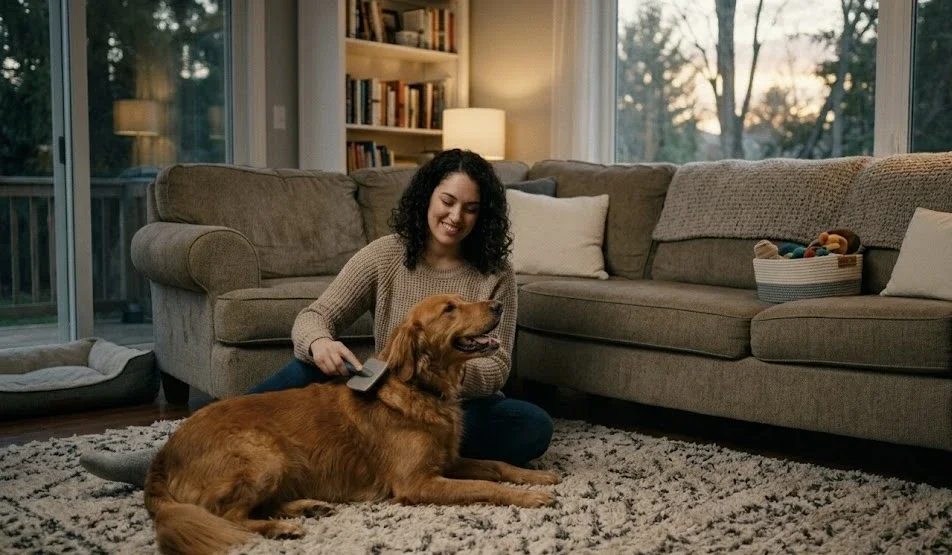
Training your dog involves far more than teaching basic commands such as “sit” or “stay.” It is a holistic process that strengthens your relationship, fosters communication, and ensures both harmony and safety at home and in public. When you commit to consistent, positive training techniques, your dog reaps the benefits of a stable and well-structured environment. If you are new to training or need expert guidance, a certified dog trainer can help you build a solid foundation and tailor approaches to your dog’s unique personality.
Establishing a regular training routine can improve your pet’s confidence and behavior. By repeating clear, predictable patterns and using the same signals, you make it much easier for your dog to learn. This predictability also reduces anxiety and confusion, providing a sense of security for both you and your pet.
When your dog knows what to expect from daily interactions, they will be more relaxed and responsive. Consistency in commands and rewards can eliminate mixed signals and help you avoid setbacks in training progress. For those struggling with their dog’s social skills or adapting to new environments, a steady approach makes a significant difference.
Positive, regular training has a profound impact on your dog's ability to behave well in challenging situations. This includes greeting new people, encountering unfamiliar dogs, or handling distractions at home or on walks. For further insight into the science behind effective training methods, consider resources like the American Kennel Club's training tips.
Enhancing Communication
Consistency establishes clear, reliable expectations for your dog. Dogs naturally look for patterns in behavior and communication. When commands remain the same every time, and when they lead to predictable outcomes, your dog understands you better. This approach builds a shared language, making it easier to guide your dog through different environments and challenges.
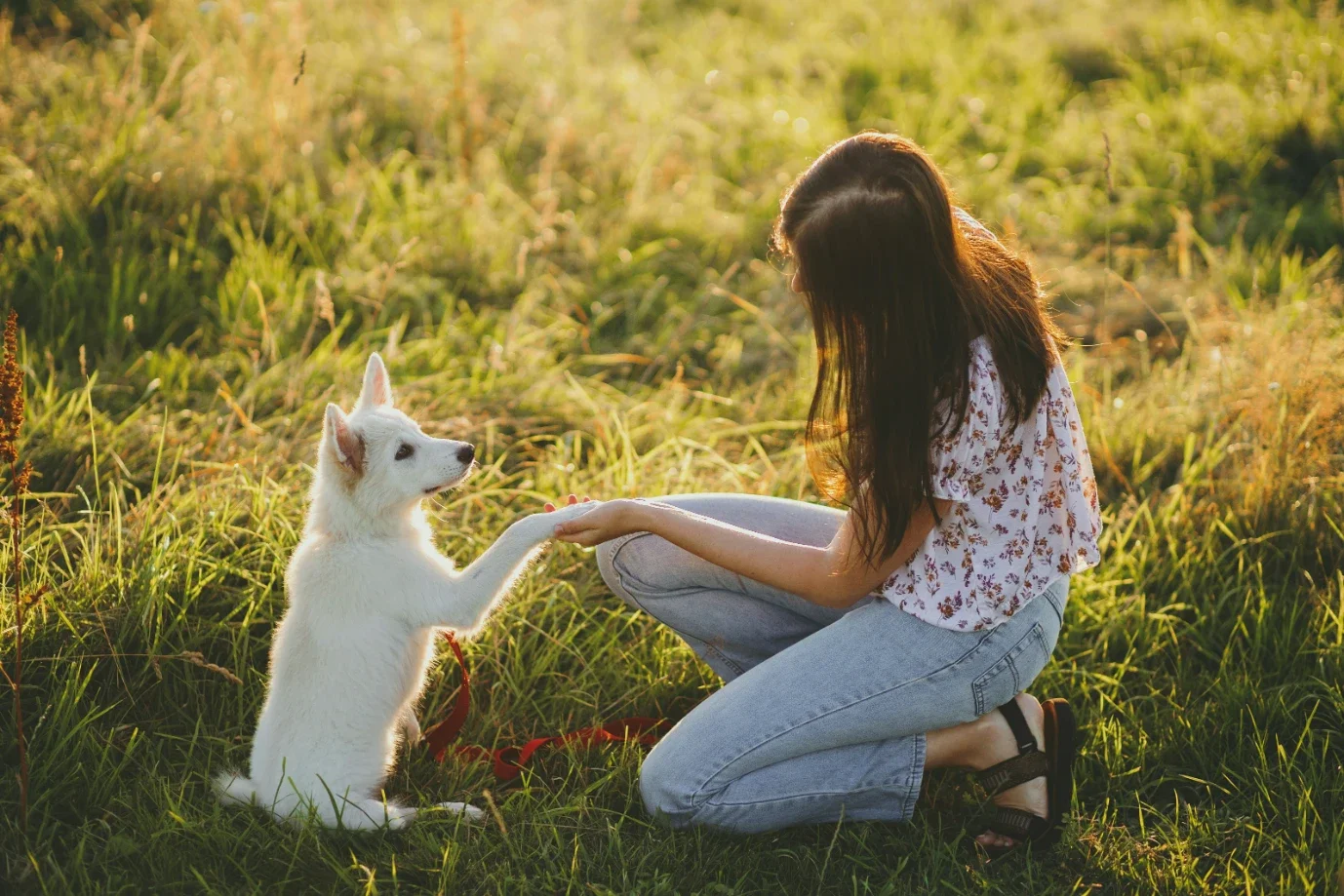
One additional way to strengthen communication is through body language and vocal cues. Dogs are highly attuned to subtle signals. When you pair your words with consistent hand gestures or tones, it helps your dog make faster associations and respond more quickly. Over time, you’ll notice your pet reacting not just to what you say, but to how you say it and how you move. This synergy between verbal and non-verbal communication greatly enhances your ability to steer your dog’s behavior in diverse or distracting environments, from busy sidewalks to quiet parks. Incorporating advanced commands and building on foundation skills as your dog progresses keeps the training dynamic and engaging for both of you.
Improving Behavior and Social Skills
Dogs learn best when taught in familiar and stable environments. Regular sessions provide valuable opportunities to reinforce positive behaviors, such as appropriate greetings or calmness during exciting situations. Over time, these lessons help your dog become well-mannered and adaptable, increasing their confidence in new places and interactions with unfamiliar people or animals. This leads to more enjoyable outings and gatherings, as your dog is less likely to exhibit unwanted behaviors.
Structured exposure to a variety of sights, sounds, and experiences during training can accelerate your dog’s socialization and ability to cope with the unexpected. Regular walks in different neighborhoods, controlled meetings with other dogs, and supervised introductions to visitors in your home are excellent opportunities for practical learning. Such varied experiences expand your dog’s comfort zone and prepare them to behave appropriately in real-life contexts, reducing fear-based reactions and boosting overall adaptability. As your dog develops, you’ll notice a marked improvement in their confidence both with familiar faces and in new settings, benefits that last a lifetime.
Optimal Training Sessions
Rather than relying on long, exhausting lessons, short daily sessions are proven to be more effective. Dogs need time to process new concepts, and frequent repetition in manageable timeframes helps them understand and retain skills. Breaking training into five or ten minutes a day keeps your dog engaged, reduces frustration, and keeps them eager to learn. This approach keeps progress steady and sustainable.
Additionally, integrating training into your normal routine, for example, practicing sits and stays before meals or at doorways, provides natural reinforcement and keeps lessons relevant. This method turns daily interactions into opportunities for learning and strengthens the association between good behavior and positive outcomes. Remember, patience and regularity are key. Celebrate even small milestones, as incremental progress adds up over time and results in lasting, reliable behaviors.
Positive Reinforcement Over Punishment
Reward-based training methods yield far better results than punitive measures. When you use treats, praise, or toys to reward your dog, you encourage your dog to repeat those behaviors. In contrast, punishment or harsh tools can harm the trust you are trying to build and may actually worsen anxiety or behavioral problems. Studies consistently show that positive reinforcement is not only the most humane approach but also the most effective. For a deeper exploration of animal behavior and positive reinforcement, Psychology Today's articles offer valuable insights.
Building Trust and Strengthening Bonds
The cornerstone of a happy partnership between humans and dogs is mutual trust. When you train with patience and consistency, your dog learns to predict your actions and reactions, fostering a sense of security. This reliability reassures your dog, deepening the emotional connection and boosting your effectiveness as a trainer.
Trust developed through regular training paves the way for advanced teamwork, such as agility or therapy work, if desired. When your dog feels safe with you as a leader, they’re more likely to try new things, conquer fears, and continue learning throughout their life. This connection is not only crucial for effective obedience but also forms the emotional backbone of your lifelong companionship.
Ensuring Safety
Consistent training does more than shape good manners; it can be lifesaving. Teaching your dog to respond reliably to commands such as “come” or “stay” reduces the risk of dangerous incidents. Whether crossing a busy street or encountering aggressive animals, your pet will look to you for guidance and follow commands without hesitation. This preparedness is essential for any dog owner, ensuring peace of mind during everyday outings and unexpected situations.
Proactive training can also help address potential problem behaviors before they become ingrained habits. Recognizing the earliest signs of distraction or disobedience allows you to intervene with positive cues, redirect attention, or provide reassurance before issues escalate. This foresight is especially important for young puppies or rescue dogs adjusting to new routines.
Conclusion
A well-structured, consistent training routine transforms your dog into a confident and well-adjusted member of your family. Through positive reinforcement, short regular sessions, and clear communication, you set the groundwork for a happy partnership. Remember, the journey of training is not just about obedience but about nurturing trust, strengthening your bond, and guaranteeing the safety and happiness of your pet for years to come.
Stay up to date with our latest ideas!