Why Does My Dog Nibble on Blankets? Common Causes
Wondering why does my dog nibble on blankets? Discover the common causes behind this quirky habit and learn how to manage it effectively.

So you've caught your dog at it again, curled up on the couch with your favorite throw blanket, nibbling away like it's the most natural thing in the world. And honestly? For your dog, it probably is. Still, it's the kind of behavior that makes most pet owners scratch their heads and wonder what on earth is going on. Is something wrong? Is it just a weird habit? Should you be worried?
The truth is, blanket nibbling is way more common than people realize, and it usually comes down to a handful of well-understood reasons. This article is going to break it all down for you. By the time you're done reading, you'll have a solid answer to that classic dog-owner question: why does my dog nibble on blankets? Common causes are often surprisingly simple, and most of them are nothing to panic about. Let's get into it.
It's Rooted in Puppyhood: The Nursing Instinct
Here's something that'll make you go "aww" and "oh, that makes sense" at the same time. One of the most common reasons dogs nibble on blankets goes all the way back to their earliest days as puppies. When pups are nursing, they instinctively knead and suckle against their mother. That gentle, repetitive motion is comforting, warm, and safe. It's basically puppy paradise.
The thing is, some dogs never fully let go of that feeling. Even as adults, the texture of a soft blanket can trigger that same soothing response. So when your dog settles in and starts nibbling, they might actually be channeling their inner puppy, seeking out that familiar comfort. It's a little like how some people still sleep with a childhood stuffed animal. No shame in it whatsoever.
Dogs that were weaned too early are especially prone to this. Without enough time to nurse naturally, they may carry that unsatisfied oral need into adulthood, and your cozy blanket ends up being a stand-in for what they missed out on. It's not a behavioral flaw; it's just a gap that never quite got filled.
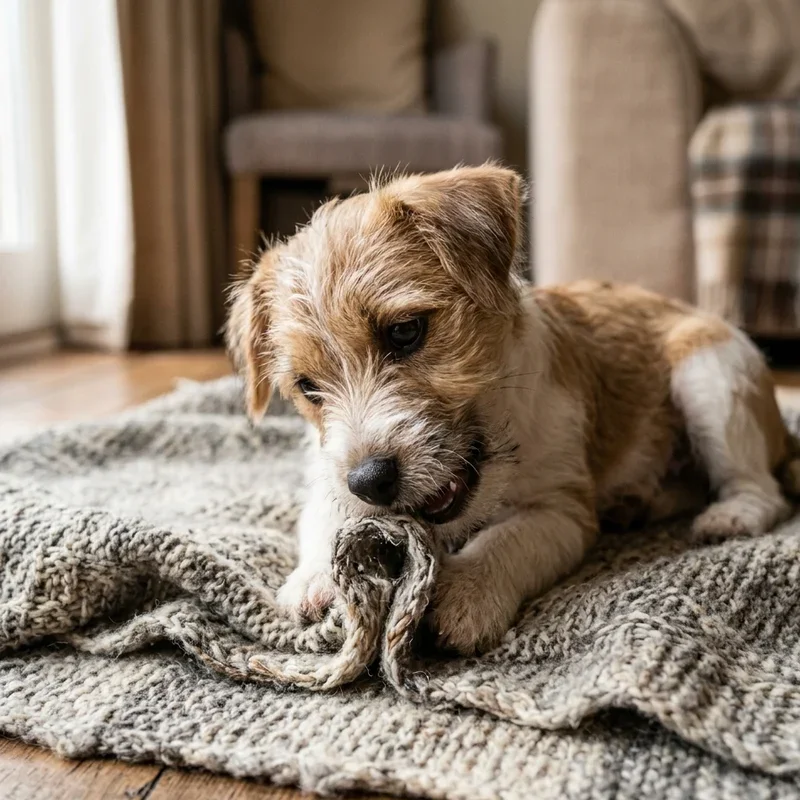
Why Does My Dog Nibble on Blankets? Common Causes Include Anxiety and Stress
Let's call a spade a spade: dogs get anxious, just like we do. Whether it's thunderstorms, a new pet in the house, a change in routine, or being left alone for long stretches, stress can show up in all kinds of ways. Blanket nibbling is one of the more subtle ones, which is exactly why it often gets overlooked.
When a dog is feeling anxious, repetitive behaviors become a coping mechanism. The rhythm of nibbling is self-soothing; it gives the dog something to focus on and physically calms the nervous system down. Think of it as your dog's version of stress-eating or nail-biting. Not the healthiest habit in the world, but not unusual either.
If you've noticed that the nibbling tends to pick up during specific situations, like when guests arrive, during fireworks, or right after you leave for work, that's a pretty strong indicator that anxiety is behind it. Keep a mental note of when it happens and you'll start to see a pattern pretty quickly.
Signs that anxiety might be the root cause include:
Pacing or restlessness around the same time as the nibbling
Whining or excessive barking with no obvious trigger
Destructive behavior showing up in other areas of the home too
Clinginess or shadowing you from room to room
Appetite changes or digestive upset that comes and goes
Boredom: The Simplest Explanation of All
Sometimes the answer isn't deep or complicated. Sometimes your dog is just bored out of their mind and looking for literally anything to do. Dogs are intelligent, social creatures. They need mental stimulation, physical exercise, and plenty of interaction to stay content. When those needs aren't being met, they find their own ways to entertain themselves.
And what's more entertaining than gnawing on a soft, interesting-smelling blanket? From your dog's perspective, it's got texture, it smells like you, and it passes the time beautifully.
Boredom-driven nibbling tends to be more casual and happen at random times throughout the day, rather than during specific stress triggers. It often goes hand in hand with other attention-seeking behaviors like bringing you toys, nudging your hand repeatedly, or barking for no apparent reason. If your dog's daily routine is a bit lacking in the fun department, this is probably the first place worth looking.
Teething in Puppies: A Very Literal Reason
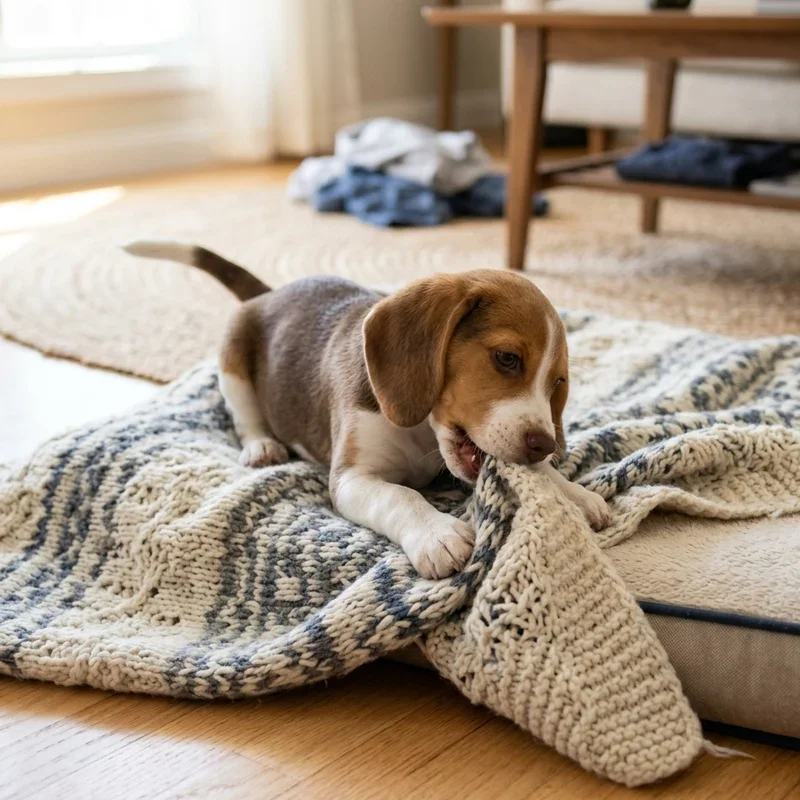
If you've got a young pup on your hands, the reason for the blanket nibbling might be about as literal as it gets. Teething hurts. Chewing and nibbling on soft things provides real relief for sore, inflamed gums. Your blanket, with its gentle texture, is honestly a pretty decent option from the puppy's standpoint.
Teething in puppies typically kicks off around 3 to 4 months of age and wraps up somewhere between 6 and 8 months. During that window, pretty much everything is fair game for chewing. Blankets, shoes, furniture corners, your hands, you name it.
The good news is this phase passes. Providing appropriate chew toys designed for teething puppies can help redirect that urge toward something more suitable and give your blankets a bit of a break. Frozen rubber toys or specially designed teething rings tend to work especially well for this.
Compulsive Behavior: When Nibbling Becomes a Pattern
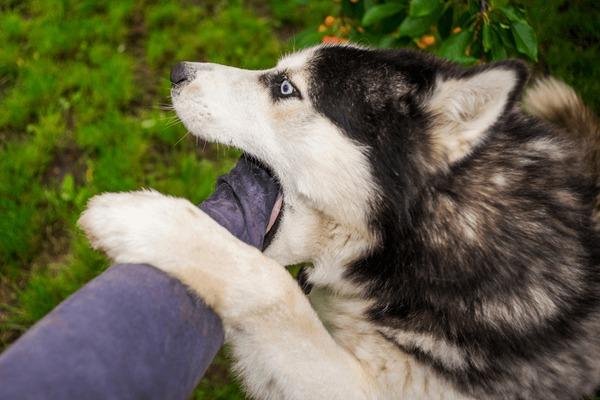
Most of the time, blanket nibbling is totally harmless. But occasionally, it can tip over into obsessive-compulsive territory, and that's when it's worth paying closer attention. If your dog nibbles so intensely or so frequently that they can't seem to stop even when you try to redirect them, or if the behavior is escalating over time, it might be something more than just a quirky little habit.
Canine compulsive disorder, sometimes called CCD, is a real condition. It's more common in certain breeds, particularly those bred for high-intensity work like Border Collies, German Shepherds, and Bull Terriers. These dogs have enormous amounts of mental energy, and if that energy doesn't have a proper outlet, compulsive behaviors can develop as a release valve.
If you suspect this might be what's going on, it's worth having a conversation with your vet or a veterinary behaviorist. They can help you figure out whether what you're seeing is within the normal range or something that needs a bit more targeted support.

Comfort Seeking: Your Blanket Smells Like You
Dogs have an extraordinary sense of smell, somewhere between 10,000 and 100,000 times more powerful than ours, depending on who you ask. To your dog, a blanket that you've used regularly is basically a detailed scent map of you. It smells like safety, familiarity, and home all rolled into one.
When your dog nibbles on that blanket, especially when you're not around, they might simply be seeking comfort in your scent. It's a way of staying connected to you even when you're not physically present. Sweet, right? A little heartbreaking if you think about it too long, but definitely sweet.
This is particularly common in dogs with strong attachment bonds to their owners, which, let's be honest, is most dogs. If the nibbling happens mostly when you're away or right after you leave the house, this is very likely a big part of what's going on.
Nutritional Deficiencies: A Less Common but Worth-Knowing Cause
It's not the first place most people's minds go, but sometimes unusual chewing or nibbling behaviors in dogs can be linked to a nutritional deficiency. A condition called pica, which involves the compulsive consumption of non-food items, can be triggered by deficiencies in certain minerals or vitamins.
If your dog isn't just nibbling but is actually trying to eat or ingest pieces of the blanket, that changes the picture significantly. It's no longer just a behavioral quirk; it could point to something going on physically. Worth mentioning to your vet if you notice this, especially if it's paired with other symptoms like lethargy, coat changes, or digestive issues that don't resolve on their own.
For most dogs doing casual blanket nibbling, nutrition probably isn't the issue. But it's good to have it on your radar as a possibility, especially if the behavior comes on suddenly with no obvious trigger.
Breed Tendencies That Make Some Dogs More Likely to Nibble
Here's something that might help explain why your neighbor's dog couldn't care less about blankets while yours has turned nibbling into a full-time hobby. Certain breeds are simply more orally fixated than others, and that's not a character flaw at all; it's just how they're wired.
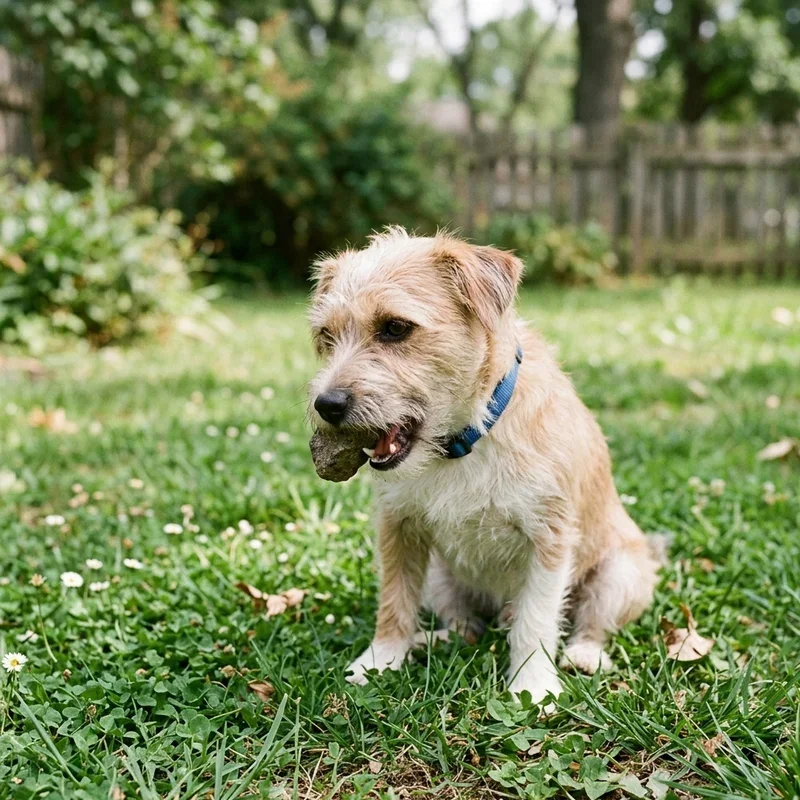
Retrievers, for example, were bred to carry things in their mouths. Having something in their mouth literally feels natural and calming to them. Terriers, with their intense prey drive, love to shake and mouth things. Spaniels are often comfort-seekers who gravitate naturally toward soft textures. If your dog falls into one of these categories, you've probably got your answer right there.
Knowing your dog's breed tendencies can actually be really helpful when it comes to managing this behavior. You're not trying to fight instinct; you're working with it by providing better outlets that satisfy the same underlying need.
How to Manage and Redirect the Behavior
Understanding why does my dog nibble on blankets and the common causes behind it is step one. Step two is figuring out what, if anything, you want to do about it. For a lot of owners, the behavior is harmless enough that it doesn't need to be stopped outright. But if it's damaging your blankets, escalating, or clearly causing your dog some distress, here are some practical strategies worth trying:
Provide appropriate chew toys and rotate them regularly to keep things interesting and novel
Increase daily exercise and mental stimulation through puzzle feeders, training sessions, or longer walks
Address anxiety triggers where possible and consider calming aids like anxiety wraps or pheromone diffusers
Redirect the behavior calmly without scolding; simply offer a chew toy when you notice the nibbling starting
If the behavior seems compulsive or uncontrollable, consult your vet or a certified dog behaviorist
Make blankets temporarily less accessible if the nibbling is causing real damage to your belongings
The key with all of this is consistency. Dogs thrive on clear expectations and routine, so whatever approach you take, stick with it long enough to see real results.
When to See a Vet About Blanket Nibbling
Most of the time, blanket nibbling is just one of those endearing little dog things that you learn to roll with. But there are situations where getting a professional opinion is genuinely the right move.
Head to the vet if:
Your dog is actually ingesting pieces of the blanket, which poses a serious risk of intestinal blockage
The nibbling has come on suddenly with absolutely no clear trigger
It's accompanied by other behavioral changes like aggression, appetite loss, or extreme lethargy
The behavior is escalating to the point where redirecting it seems nearly impossible
You suspect your dog might be in pain or physical discomfort
Your vet can rule out any medical causes and point you in the right direction if a behavioral approach is what's needed. Don't hesitate to bring it up at your next check-up even if it doesn't feel urgent.
Conclusion
Dogs nibble on blankets for all kinds of reasons, and most of them are completely normal parts of canine behavior. Whether it's rooted in puppyhood instincts, comfort-seeking, boredom, or mild anxiety, understanding the "why" makes the whole thing a lot less mysterious. In most cases, a little patience and the right management strategies are all it takes to keep things under control. As long as your dog isn't ingesting fabric or showing signs of real distress, blanket nibbling is usually just one of those quirky, harmless things that make your dog uniquely theirs.
Read next: 15 Raised Dog Kennel Ideas to Improve Outdoor Pet Spaces
Frequently Asked Questions
1. Is it normal for dogs to nibble on blankets?
Yes, it is very common and usually harmless, tied to instinct or comfort-seeking behavior.
2. Should I stop my dog from nibbling on blankets?
Only if it causes damage or your dog is actually eating the fabric itself.
3. Can anxiety cause my dog to nibble on blankets?
Absolutely, anxiety is one of the most common triggers for repetitive nibbling in dogs.
4. What age do dogs typically start nibbling on blankets?
It can start in puppyhood and continue into adulthood, especially in comfort-seeking dogs.
5. How do I get my dog to stop nibbling on blankets?
Redirect with chew toys, increase mental stimulation, and address any underlying anxiety triggers.
Stay up to date with our latest ideas!