What to Expect During Your Dog’s First Training Program
Learn what to expect during your dog’s first training program, from basic commands and socialization to building confidence and lasting good habits.
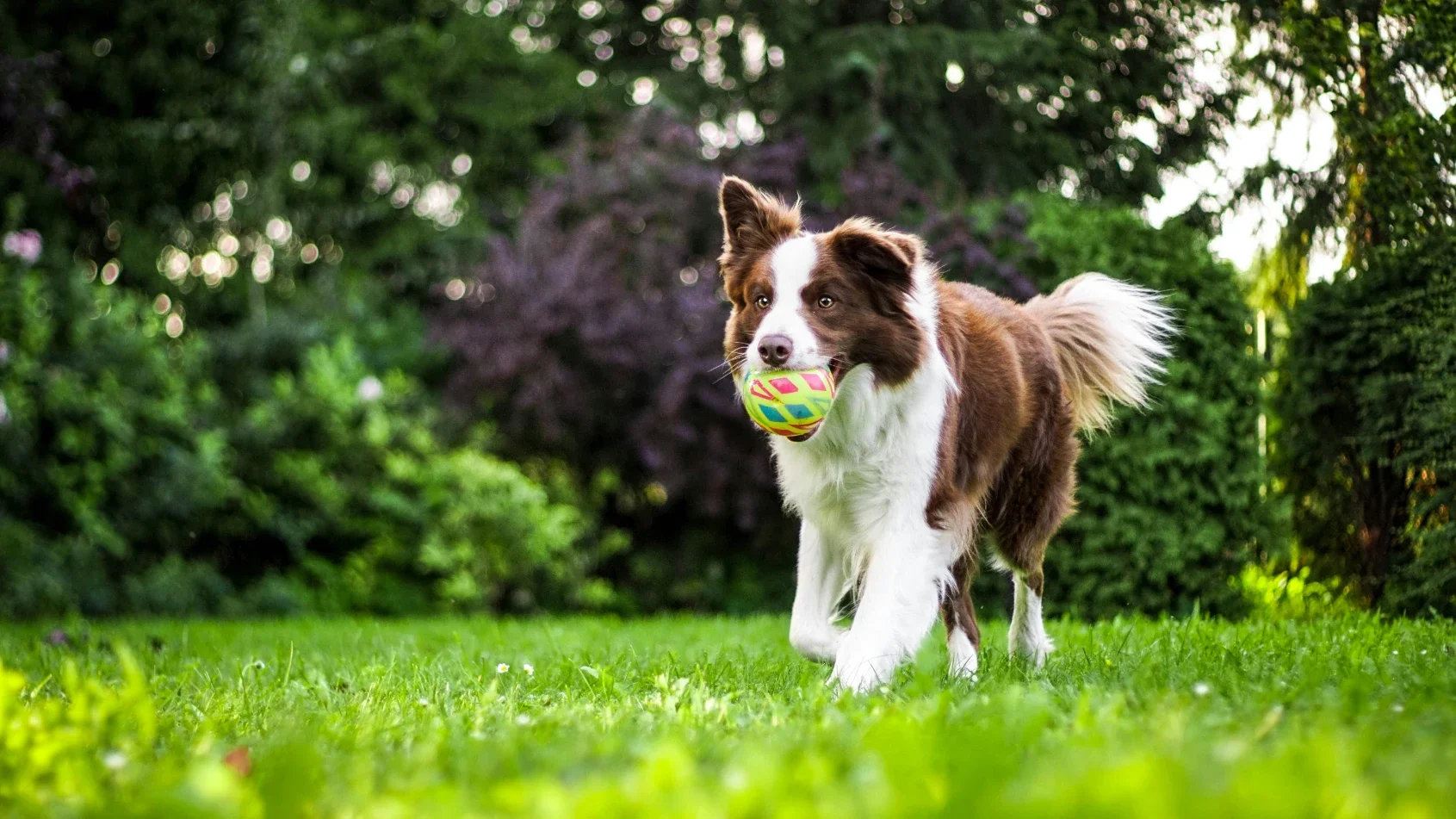
Starting a training program is an important milestone in building a positive relationship with your dog. Whether your goal is basic obedience or addressing behavioral issues, understanding what to expect helps you prepare for a productive experience.
Understanding the Purpose of Training
Training is not just about teaching commands. It creates communication, trust, and respect between you and your dog. Early sessions focus on developing focus and calmness before tackling more complex behaviors.
Initial Assessment and Goal Setting
The first step often involves an evaluation of your dog’s temperament, age, and current behavior. Trainers use this information to design a plan that suits your dog’s learning style. For example, a shy puppy may need confidence-building exercises, while an energetic young dog benefits from impulse control lessons.
Structure of a Typical Session
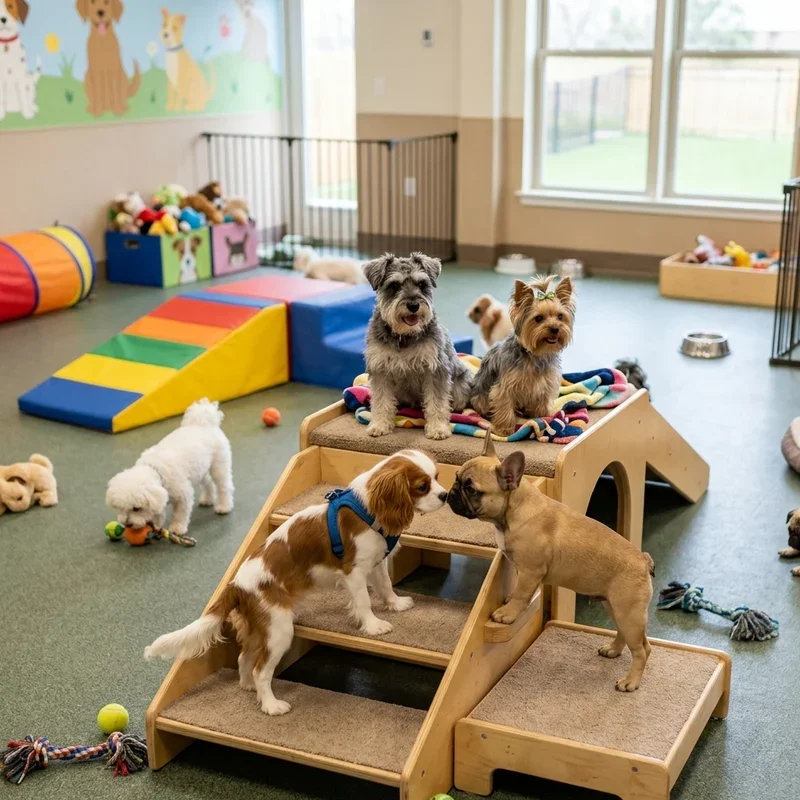
Each training session usually includes short learning intervals followed by breaks. This keeps your dog engaged and prevents frustration. Sessions may take place in a quiet environment at first and later transition to more distracting settings as your dog progresses.
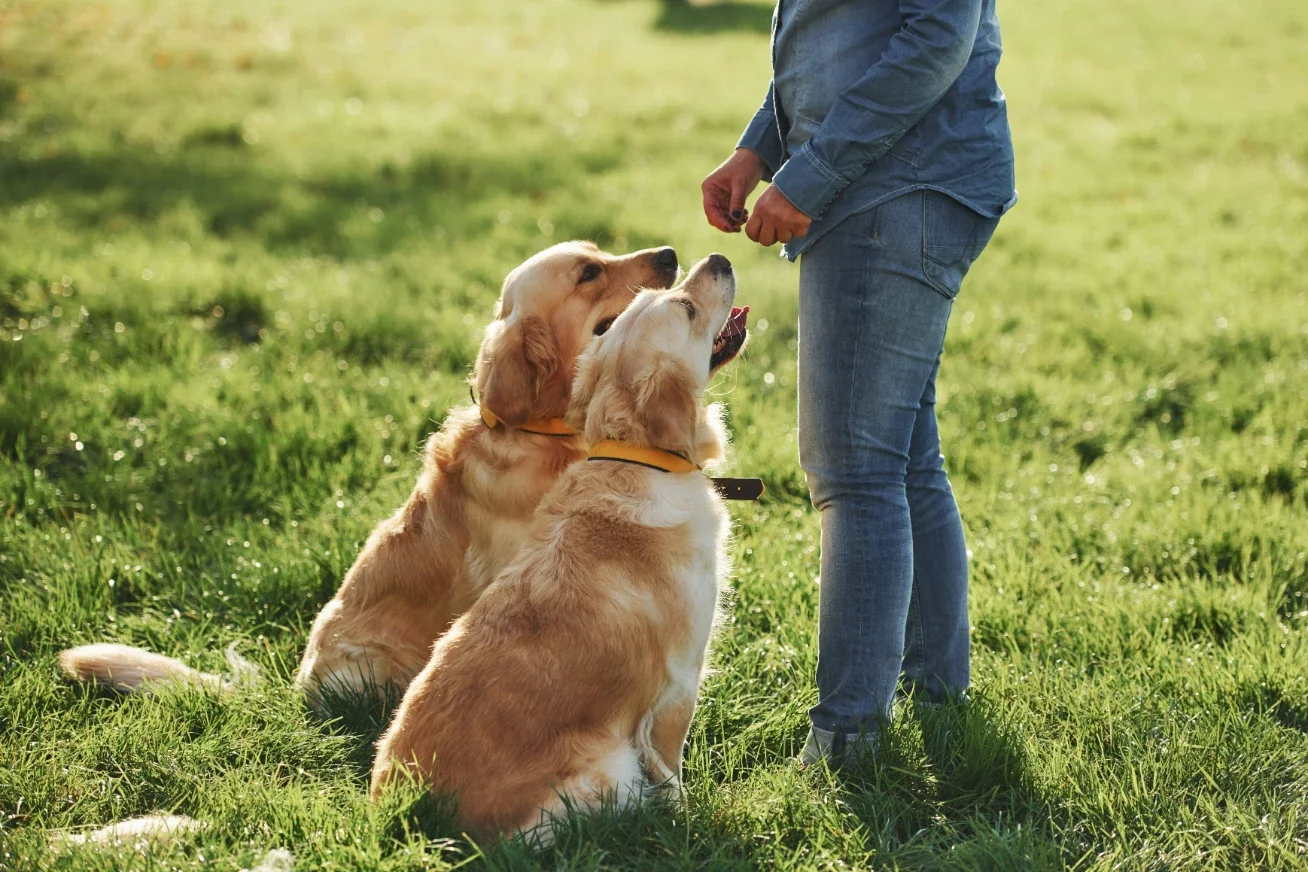
Introduction to basic cues such as sit, stay, and come
Practice of leash manners and recall
Positive reinforcement with treats or toys
Gradual increase in difficulty and distractions
Positive Reinforcement Techniques
Modern training emphasizes rewarding desired behaviors rather than punishing mistakes. This approach helps dogs associate learning with enjoyable experiences, leading to faster and more reliable results. Consistency at home is essential to reinforce what your dog learns during sessions.
Dealing with Challenging Behaviors
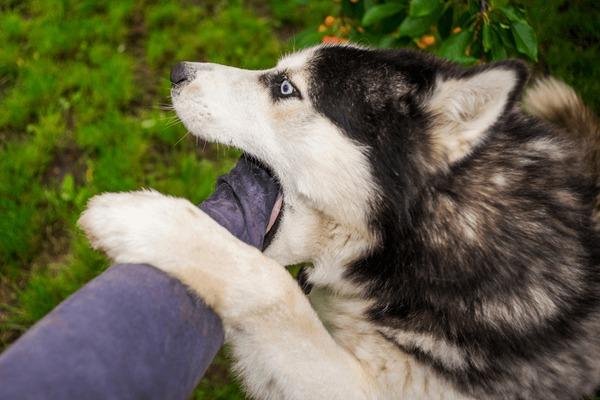
Some dogs may show signs of aggression, fear, or anxiety. Professional guidance in aggressive behavior dog training provides safe and effective methods to reduce these issues. Trainers teach owners to recognize triggers and manage situations before they escalate.
Owner Involvement Matters
Training is most successful when owners actively participate. Observing demonstrations, asking questions, and practicing exercises at home strengthen the bond between dog and handler. Over time, this partnership builds mutual understanding and confidence.
Progress and Evaluation
Improvement takes place gradually. Some dogs grasp new commands quickly, while others need additional practice. Regular feedback from your trainer helps adjust techniques and maintain motivation. Keeping sessions short and consistent leads to lasting results.
Transitioning Skills to Everyday Life
Once your dog understands the basics, practical application begins. You’ll work on polite greetings, calm walking in busy areas, and reliable recall in open spaces. This step ensures that your dog’s learning extends beyond the training environment.
Long-Term Benefits of Consistent Training
Investing time in a structured program sets the foundation for lifelong good behavior. Dogs trained with patience and positive methods are more adaptable, relaxed, and responsive to their owners. Continued practice maintains these skills and strengthens your relationship over time.
Stay up to date with our latest ideas!