The Busy Dog Mom's Guide to Raising a Well-Behaved Pup
Being a dog mom is one of the most rewarding things in the world. And also, sometimes, one of the most exhausting. Sound familiar? You're not failing.

Being a dog mom is one of the most rewarding things in the world. And also, sometimes, one of the most exhausting.You pictured peaceful walks. Maybe some couch cuddles on a lazy Sunday. What you actually got was a creature with boundless energy, a talent for destroying things that aren't toys, and absolutely no memory of the rule you explained three times yesterday.
Sound familiar? You're not failing. You're just in the thick of something that takes more than good intentions to figure out. Raising a well-mannered dog doesn't require perfection. It doesn't require hours carved out of an already packed day or some kind of special talent for animal behavior. What it actually takes is showing up consistently, understanding a little about how dogs think, and knowing when to ask for help.
Savanna Tolley, a professional dog trainer explains it well: "Training isn't about teaching dogs our language, it's about learning theirs. When owners begin to understand what their dog is trying to communicate, training becomes less frustrating and much more effective."
Once you hear that, the whole thing starts to feel different. Training stops being a task you dread and starts being something closer to a conversation. And conversations don't have to be scheduled. They just happen.
Why Training Isn't Something You Can Skip
A lot of dog owners treat training like a fire extinguisher. You grab it when something's already burning. But training isn't a fix for bad behavior. It's what prevents the confusion that leads to bad behavior in the first place.
Dogs genuinely don't know your house rules. They don't arrive understanding what "no" means, how to behave around guests, or why the couch is sometimes off-limits and sometimes not. They're not difficult. They're just guessing.
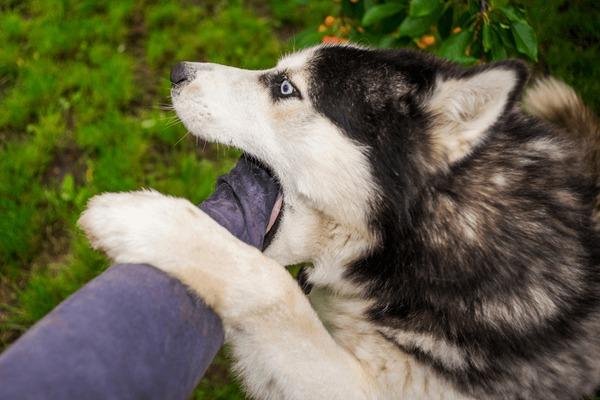
When the guessing goes uncorrected, you end up with a dog that barks at everything, jumps on every person who walks through the door, and treats your favorite shoes like a chew toy. That's not a bad dog. That's a dog without enough information.
Training gives them that information. Your dog learns what earns a reward, what to do instead of the thing you hate, and how to exist in your home without constantly bouncing off the walls. For busy families, that shift makes daily life genuinely easier. Walks become something you look forward to. People can visit without you breaking into a sweat. Your dog figures out how to settle down without being told seventeen times.
Tolley sees this play out all the time, and she makes a point that a lot of people miss: "When training clicks, owners suddenly realize their dog was always capable of learning. They just needed the right guidance and consistency."
That realization tends to hit people pretty hard. In a good way.
Why Busy Owners Struggle More Than They Should
Most dog owners today are not living a lifestyle that leaves a lot of room for extras. They're working full days, managing family obligations, running errands, and somewhere in there trying to give their dog a good life. Dogs are adaptable. But they still need structure and mental engagement to stay balanced.
The trap a lot of busy owners fall into is thinking training requires a dedicated window of time. A session. A curriculum. Something to check off the list. It doesn't work that way, and that misunderstanding is what makes people feel like they're falling behind.
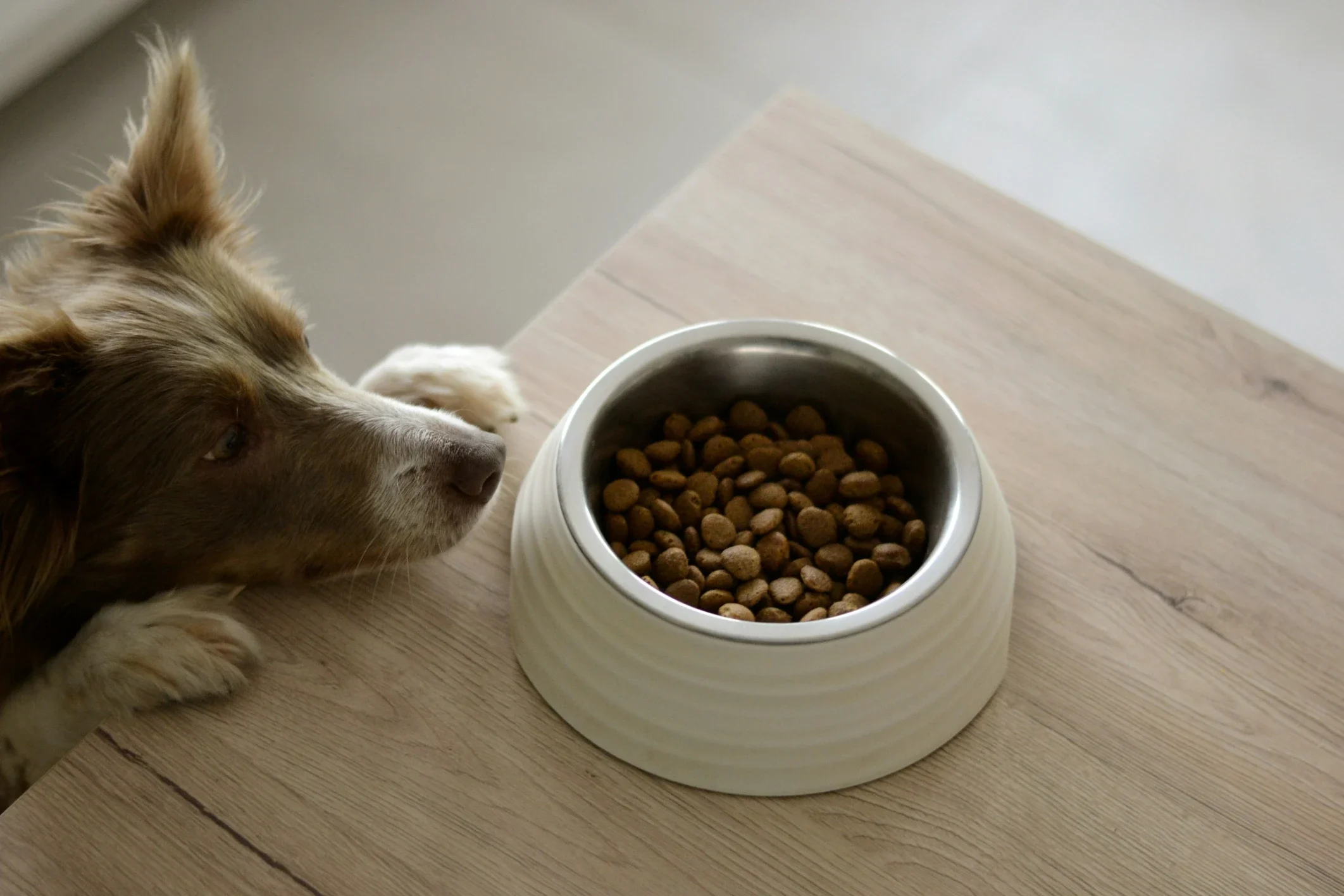
Dogs actually learn better through small, repeated moments than through occasional long sessions. Your dog sitting before you put the bowl down. A calm greeting practice every time someone comes over. Consistent leash expectations on the walk you were already taking. None of that takes extra time. It just takes intention.
The other thing that makes it harder is the advice. If you've ever gone looking for training guidance online, you know what it's like. One person is all structure and correction. Another says to let everything go and redirect. Most of it contradicts itself. What actually works sits in the middle: boundaries your dog can count on, paired with real positive reinforcement when they get it right.
The Small Stuff That Actually Changes Things
You don't need a training plan. You need a few habits that you repeat so often they become automatic. That's what actually shapes a dog's behavior over time.
Here's what that looks like in real life: your dog sits before every meal, every treat, every toy. You notice when they're being calm and you actually acknowledge it instead of only reacting when they're not. You take thirty seconds at the end of a walk to practice something simple. You pick a few house rules and you stick to them, every day, no exceptions.
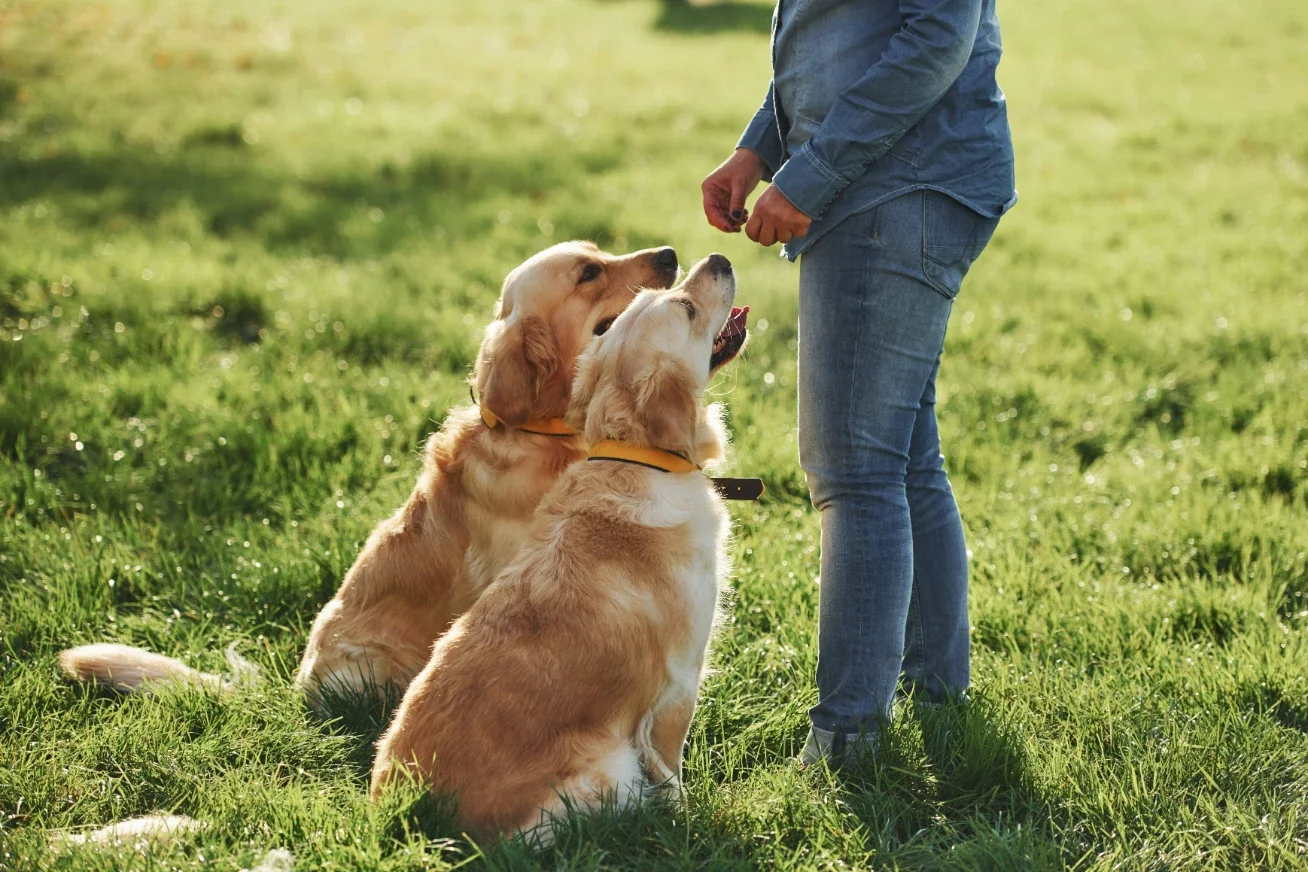
Ask for a sit before meals, treats, or toys
Reward your dog when they settle quietly without being asked
Practice something brief during walks or after playtime
Keep the rules the same so your dog knows what to expect
Make sure they get both physical and mental exercise daily
Tolley says something about this that I think more people need to hear: "You don't need an hour of training every day. Short, consistent interactions build habits much faster than occasional long sessions."
That's not a consolation prize for busy people. That's actually just how dogs learn best.
When You Need Someone Else in Your Corner
Sometimes home practice isn't enough. A dog that reacts intensely to other dogs on walks, or that has been jumping and barking and pulling for years, can be genuinely hard to turn around without help. Admitting that isn't giving up. It's being honest about what the situation actually needs.
Professional trainers do something that's hard to do on your own: they see your dog without the emotional history you carry into every interaction. They notice patterns you've stopped seeing because you've adapted around them. They can tell the difference between a dog that's dominant and a dog that's scared, and that distinction changes everything about how you respond.
The Dog Wizard builds training plans around the specific dog and the specific owner. Not a generic program, but something that accounts for what's actually happening and gives you tools you can use after the sessions end.
That last part matters. The goal isn't a dog that performs well with a trainer. The goal is a dog that behaves at home, on walks, in real life.
Why Board and Train Makes Sense for Some Families
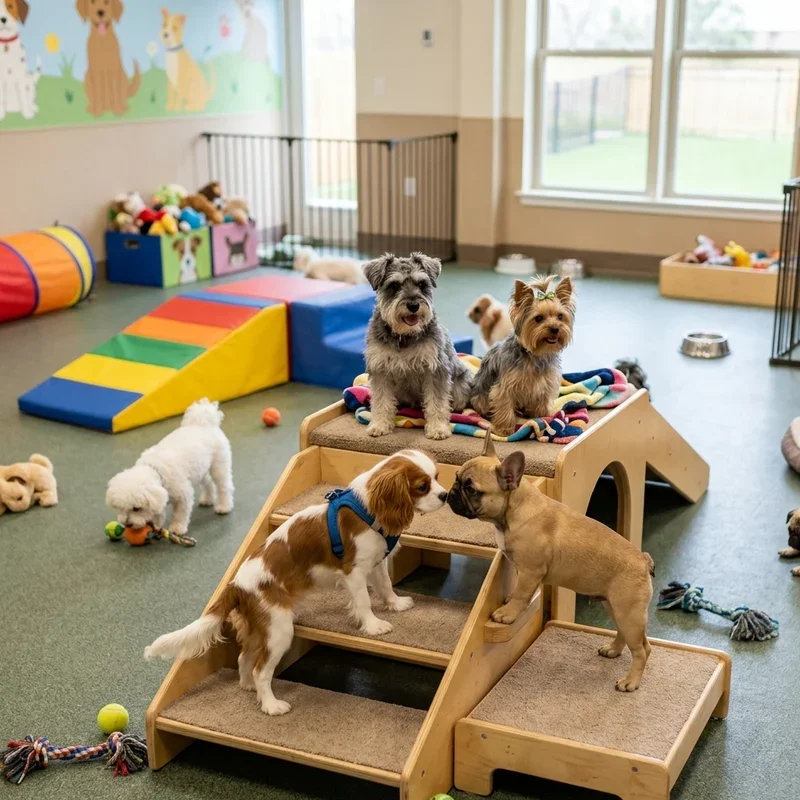
For families with packed schedules and dogs that have already developed some tough habits, board and train programs can be a genuine game-changer. The dog stays with professional trainers for a set period and works through things multiple times a day in a structured setting. That kind of repetition adds up fast.
What makes it work isn't magic. It's just that the dog gets consistent guidance all day long instead of a few minutes here and there. Leash manners, recall, impulse control. These things get practiced across different environments so the dog learns to apply them in real situations, not just in a controlled setting.
When the dog comes home, you're not starting from zero. You're picking up something that already has momentum. And you get shown exactly how to keep it going.
Tolley describes it this way: "Sometimes dogs need a reset. A structured environment allows them to focus on learning without the distractions they might experience at home."
For a lot of families, that reset is exactly what breaks the cycle.
The Rest of the Equation
Training is important. But it only does so much if the rest of your dog's life isn't set up to support it. A dog that's bored, under-exercised, or mentally understimulated is going to find outlets for that energy whether you like it or not. Usually in the form of chewing, barking, or general chaos.
Daily walks matter. Mental engagement matters. Scent games, puzzle feeders, short training bursts throughout the day. These don't have to be elaborate. They just have to happen. A dog with a tired brain is a dog that's much easier to live with. For busy owners, keeping that routine consistent is often the hardest part. That’s where support from a trusted Brooklyn pet nanny can help, making sure your dog still gets walks, companionship, and care during the hours when you simply can’t be there.
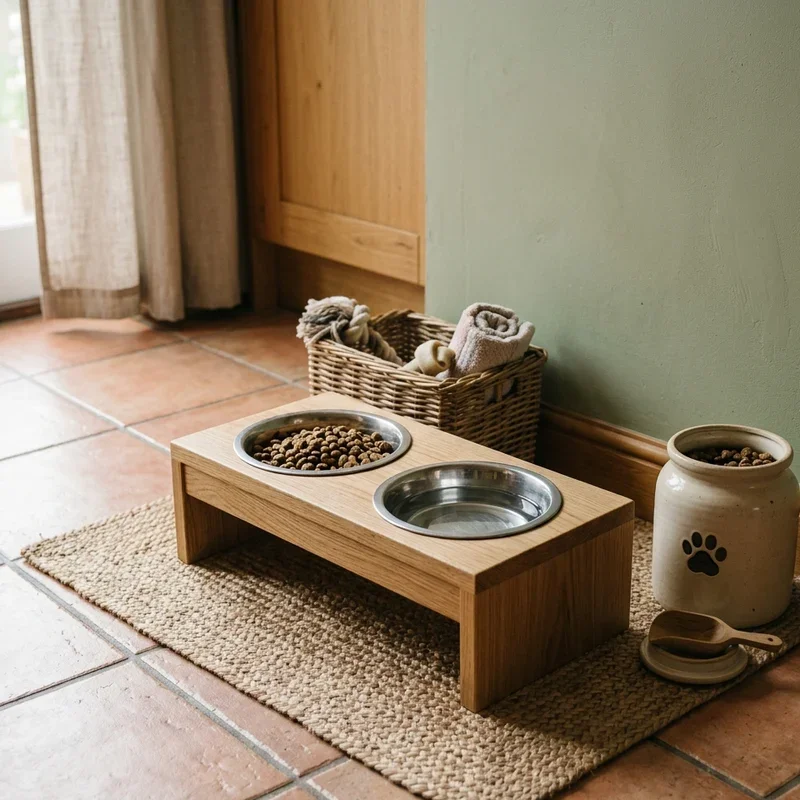
If you travel with your dog, keeping some version of their routine intact helps more than you'd think. New environments throw dogs off, and small familiar things like their own bedding or consistent feeding times give them something to anchor to.
The more positive time you put in with your dog, the stronger the relationship gets. And a strong relationship makes everything else easier, including the training.
Where This Actually Leaves You
Raising a well-behaved dog while living a real, full life is not some unreachable thing. It just doesn't look like what most people imagine when they picture "training."
It looks like small moments repeated consistently. It looks like understanding that your dog isn't trying to make your life hard, they just need clearer signals. And sometimes it looks like calling in a professional and letting them help you get unstuck.
Tolley puts the whole thing simply: "Dogs want to work with us and understand what we're asking. When owners learn how to communicate clearly and consistently, that's when the real transformation happens."
Less stress. A dog you genuinely enjoy. A relationship that actually works. That's what's waiting on the other side of this, and honestly, it's not as far away as it feels right now.
Stay up to date with our latest ideas!