Learn when an ant infestation requires professional pest control, recognize signs that DIY treatments are failing, and discover effective ways to eliminate persistent colonies.
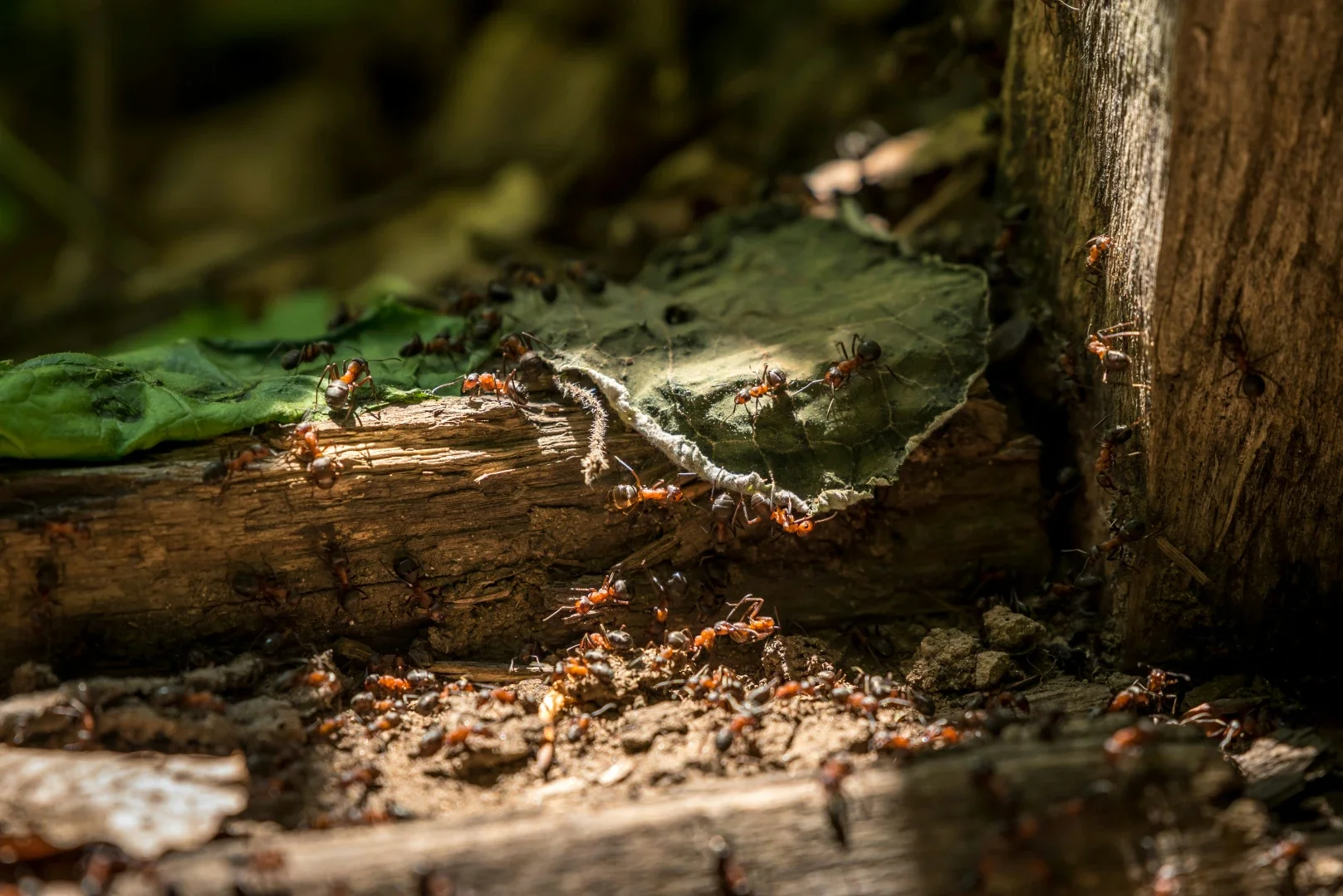
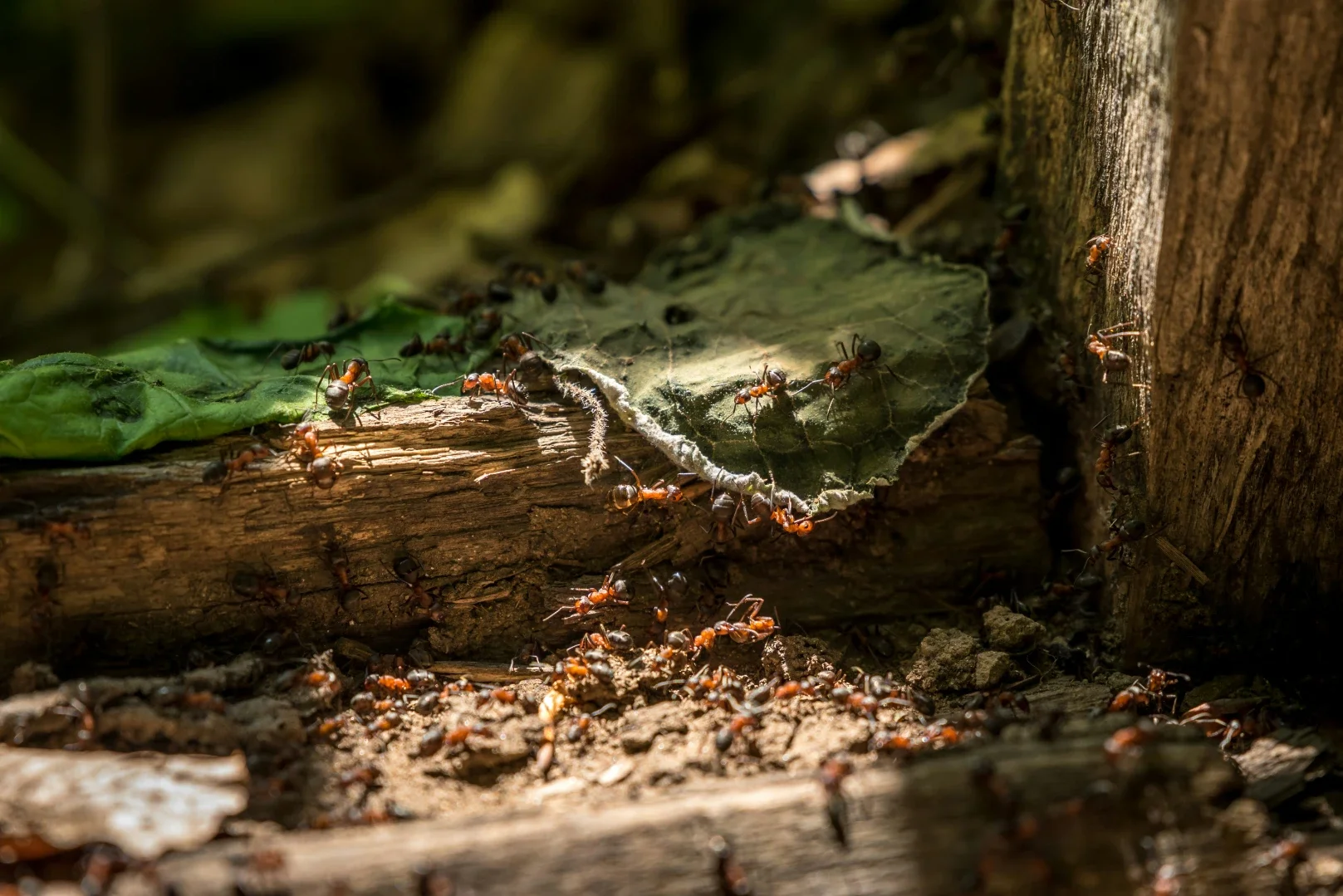
A single line of ants crossing the kitchen floor can be wiped away in seconds. A line that returns the next morning, and the morning after that, is telling a different story. Ants are persistent because the visible workers are only a small part of the colony. Most of the insects live out of sight, in walls, soil, and voids, and they follow scent trails to reliable food. Households with pets face an extra challenge, since bowls and feeding areas provide constant supplies.
How Pet Food, Water, and Crumbs Keep Ants Coming Back
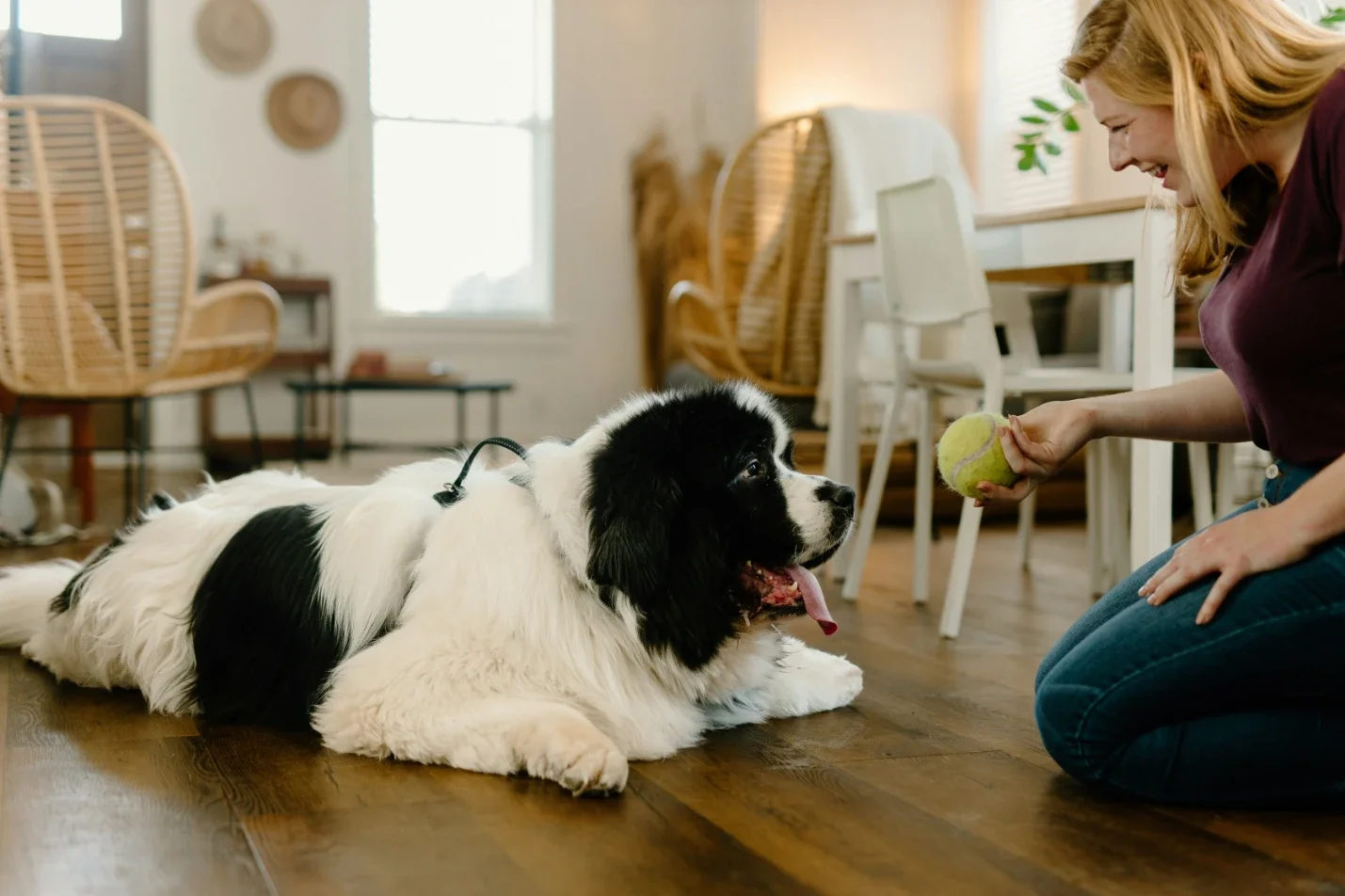
Ants search for protein, sugar, fat, and water, and pet areas often offer all four. Kibble spilled around a bowl, a sticky treat wrapper, and a damp water dish give scouts a reason to report back. Once a worker finds food, she lays a chemical trail that others follow, and the line grows quickly.
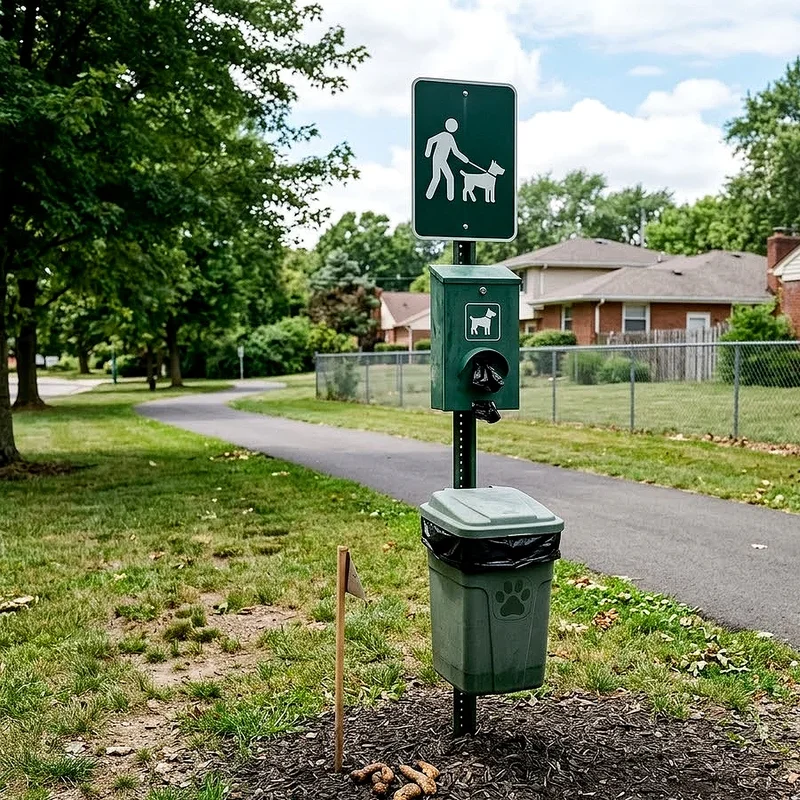
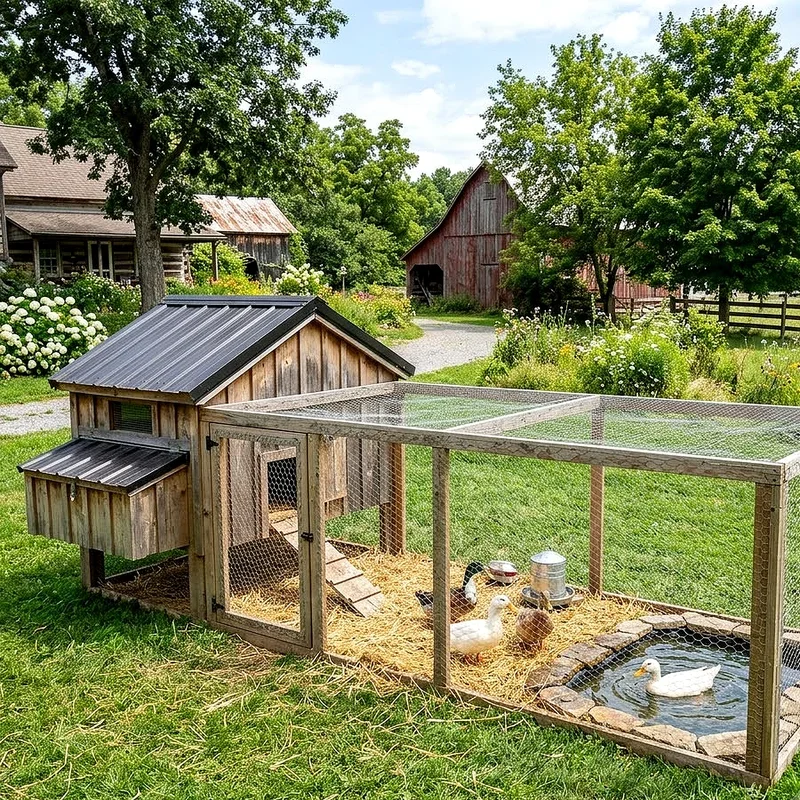
Outdoor pet areas add more attractions. Food left on a patio, water bowls, and dog waste draw ants, and nests may sit just beneath the pavers or mulch. Moisture from irrigation, leaky spigots, or poor drainage supports colonies.
Sloppy storage compounds the issue. A bag of dog food left open in a garage, or a container with a loose lid, becomes a steady food source. Even a small amount of residue on the outside of a bin can sustain foragers. The more reliable the supply, the more persistent the colony becomes.
Why Wiping Away Trails Rarely Solves the Problem
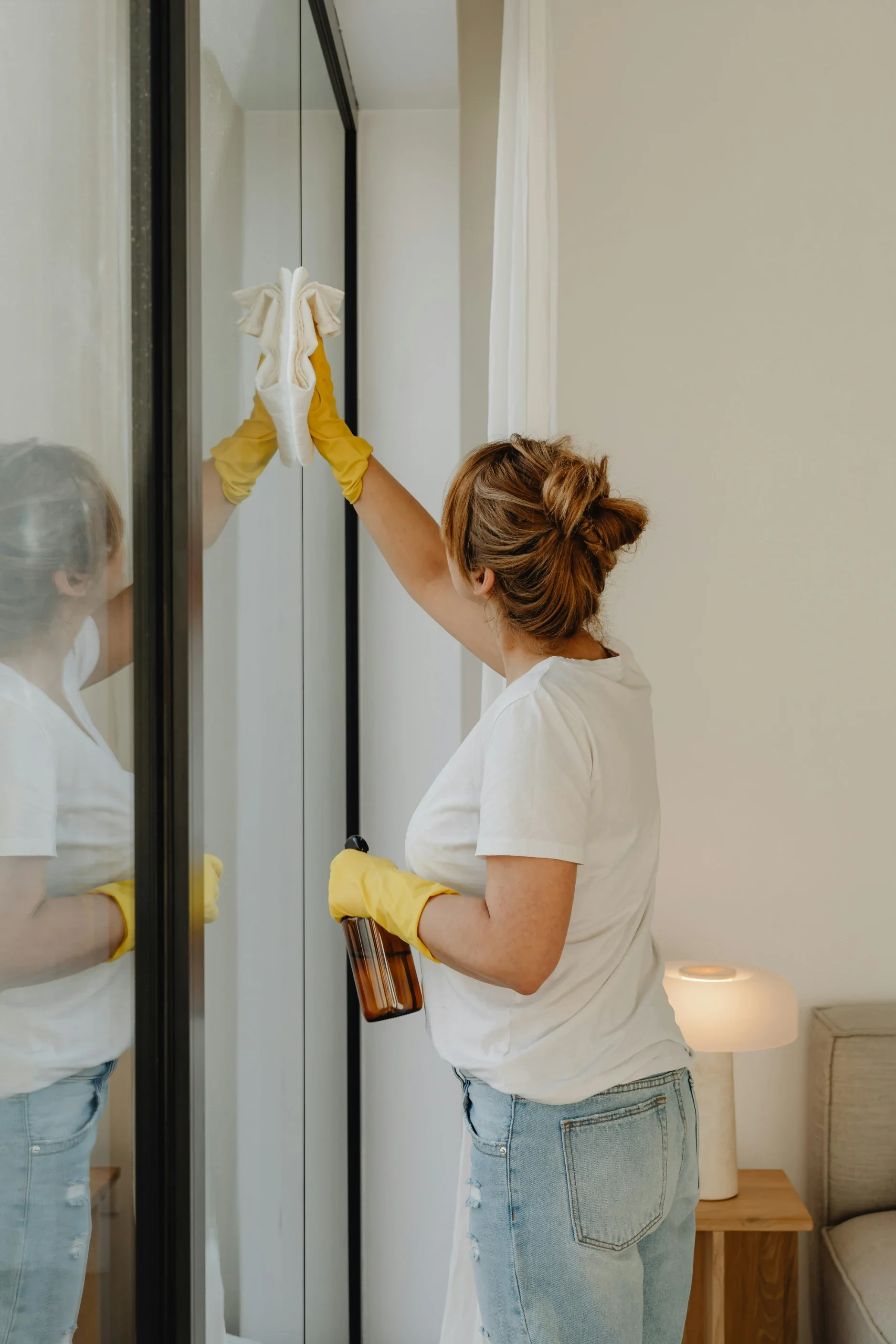
Cleaning a trail feels satisfying, but it addresses only the surface. Wiping removes the scent and the ants present, yet the colony remains intact and the workers soon rediscover the route or create a new one. Spraying visible ants with a contact product kills those that are touched while leaving the nest alone.
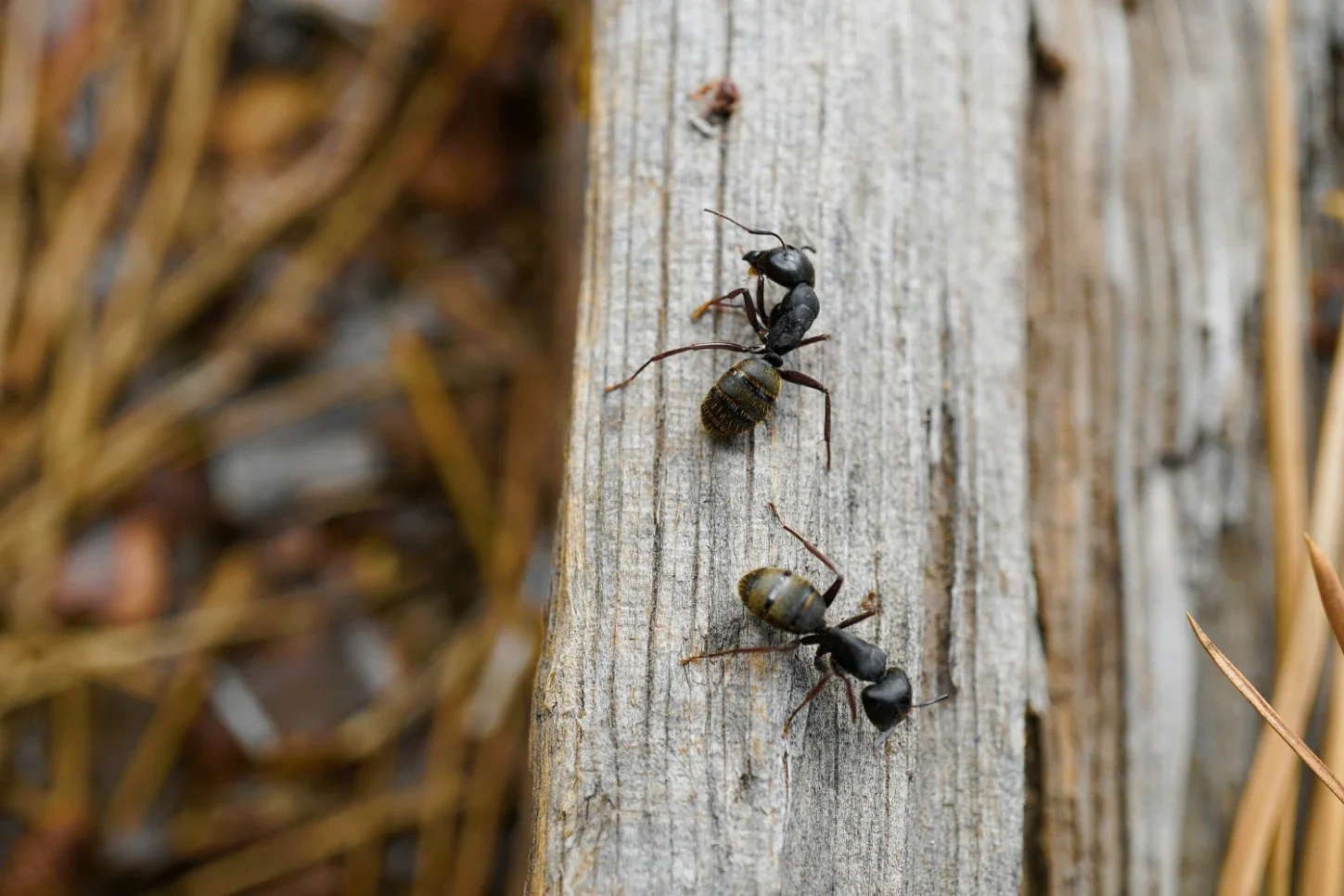
Nests can be hidden in many places. Pavement ants live under slabs and along foundations. Odorous house ants nest in wall voids and under floors, and carpenter ants hollow out damp wood. Some species keep multiple nests connected by trails, so eliminating one does not end the colony.
Repellent sprays can make things worse. Some species respond by splitting into several colonies, a process called budding, which spreads the problem. Baits work differently, since workers carry the slow-acting product back and share it with the colony, though choosing the right bait for the species and the season matters. Placing a repellent beside a bait station defeats the purpose.
Tracking Where Trails Begin and End
Careful observation can reveal more than random treatment. Follow a trail slowly, ideally during a busy period such as early morning or evening, and note where ants enter the house. Common entry points include window frames, door thresholds, utility lines, cracks in the foundation, and gaps beneath siding.
Track the direction. Ants carrying food are heading toward the nest, and ants moving away from the nest are usually empty. Following carrying workers helps locate the source. Outdoors, check along fences, under stones, around tree bases, and beside slabs.
Record findings in a log or photo series. Dates, locations, and the number of ants help show whether the problem is growing, moving, or fading. Photographing the ants helps with identification, since size, color, and body shape distinguish species. Placing a small dab of bait on a card and watching which direction workers carry it can reveal the nest’s general location.
Pet-Friendly Habits That Reduce the Attraction
Prevention works best alongside any treatment. Practical steps for homes with animals include:
Store dry food in airtight metal or heavy plastic bins.
Feed pets at set times and pick up bowls afterward.
Wipe the floor and mat beneath bowls every day.
Wash food and water dishes with hot, soapy water regularly.
Place bowls inside a shallow tray of water to create a moat if ants are a recurring problem.
Keep treats sealed and clean up crumbs immediately.
Outdoors, move feeding to a clean, dry area, and rinse patios and runs. Repair leaky faucets and sprinklers, trim vegetation touching the house, and seal gaps around windows and pipes. Be cautious with any product used around animals. Read labels, keep pets away from treated areas until dry, and ask a veterinarian if unsure about safety.
Recognizing When the Colony Is Not Being Resolved
DIY methods suit small, early problems. They work less well when the colony is established, hidden, or multiplying. Signs that the problem has outgrown household prevention include trails that return within days, activity in several rooms, ants emerging from walls or outlets, and sightings of winged ants indoors. Large black ants at night, or sawdust-like debris, may point to carpenter ants, which can damage wood.
Many households eventually ask, “do i need to hire an ant exterminator,” and the question deserves a practical answer. Repeated activity after cleaning, baiting, and sealing suggests the source is out of reach. A licensed professional can identify the species, locate nests, and choose treatments that fit the situation, including options suitable for homes with pets.
When wondering whether professional ant treatment is necessary, consider the timeline and the evidence. A problem lasting several weeks, appearing in multiple areas, or involving structural wood is worth professional attention. Bring the log and photos, and ask about product safety, follow-up visits, and what the household should do to support treatment.
Final Analysis
Ants persist because the colony hides while workers keep finding food. Pet bowls, crumbs, and damp outdoor areas make the job easy for them. Wiping trails and spraying visible insects rarely reaches the nest, so tracking activity, securing food, and fixing moisture are better first steps. When activity keeps returning despite good habits, an expert inspection replaces repeated guessing with a targeted plan, and a calmer, ant-free household follows.
Stay up to date with our latest ideas!