Learn how pet-friendly travelers can prevent bed bugs after summer trips with practical luggage checks, pet bedding precautions, and simple post-travel cleaning steps.

A summer trip with the dog in tow sounds simple until a small, rust-colored insect shows up on a hotel pillowcase. Bed bugs are expert hitchhikers. They ride in luggage, clothing, carrier pads, and bedding, then settle into a new home without anyone noticing. Travelers with pets carry extra gear, which means extra places for insects to hide. A few careful habits before, during, and after the trip lower the risk considerably.
Preparing Luggage, Carriers, and Gear Before Leaving
Preparation starts at home. Choose luggage with smooth surfaces, such as hard-shell cases, since fabric seams and pockets offer hiding places. Pack clothing in sealed plastic bags or packing cubes, which makes it easier to keep items separated from hotel furniture.
Pet gear needs the same treatment. Carriers, blankets, beds, and leashes should be clean and inspected before packing. Washing fabric items in hot water and drying on high heat removes anything hiding in the folds. Hard plastic carriers are easier to wipe down than soft ones. A lint roller and a flashlight are useful additions to the travel kit.
Research also helps. Check recent reviews of the hotel or rental for mentions of bed bugs, and confirm the pet policy. A property with a clear, stated pet policy often has stricter cleaning routines, though no place is guaranteed free of pests.
Inspecting the Room as Soon as You Arrive
Many families planning summer trips want a simple routine, and the idea behind preventing bed bug hitchhikers on trips is that a few minutes of inspection at check-in can prevent months of trouble. Keep luggage in the bathroom or on a hard surface while checking the room, since bed bugs rarely hide on tile.
Begin with the bed. Pull back the sheets and look along the mattress seams, piping, and corners for small dark spots, shed skins, or live insects about the size of an apple seed. Check the headboard, which is a common hiding place, and examine the nightstand, behind picture frames, and along baseboards. A flashlight helps reveal cracks.
Upholstered furniture deserves a look as well, especially seams and the undersides of cushions. If signs appear, ask for a different room that is not adjacent to or directly above the affected one, and consider leaving the property. Report the problem to management.
Protecting Pets, Bedding, and Belongings During the Stay
Pets should have their own bedding, kept off hotel furniture. A familiar blanket on the floor or inside a crate gives the animal comfort and a barrier from the room. Do not place pet beds against upholstered chairs or under the bed.
Keep luggage elevated on a rack, pulled away from the wall, and zipped when not in use. Avoid putting bags on the bed or carpet. Hanging clothes in the closet is better than leaving them in drawers, which can harbor insects.
Anyone reading advice about “don't let the bed bugs bite during summer travel” will also see that daily habits matter. Check the pet’s carrier each night, and inspect the animal’s bedding if it has touched the floor. Bed bugs feed on blood and can bite pets, though they prefer people. Signs on animals are rare, but families should watch for skin irritation and contact a veterinarian if concerned. Never apply pesticides to a pet unless a veterinarian recommends a specific product.
Unpacking Safely When You Get Home
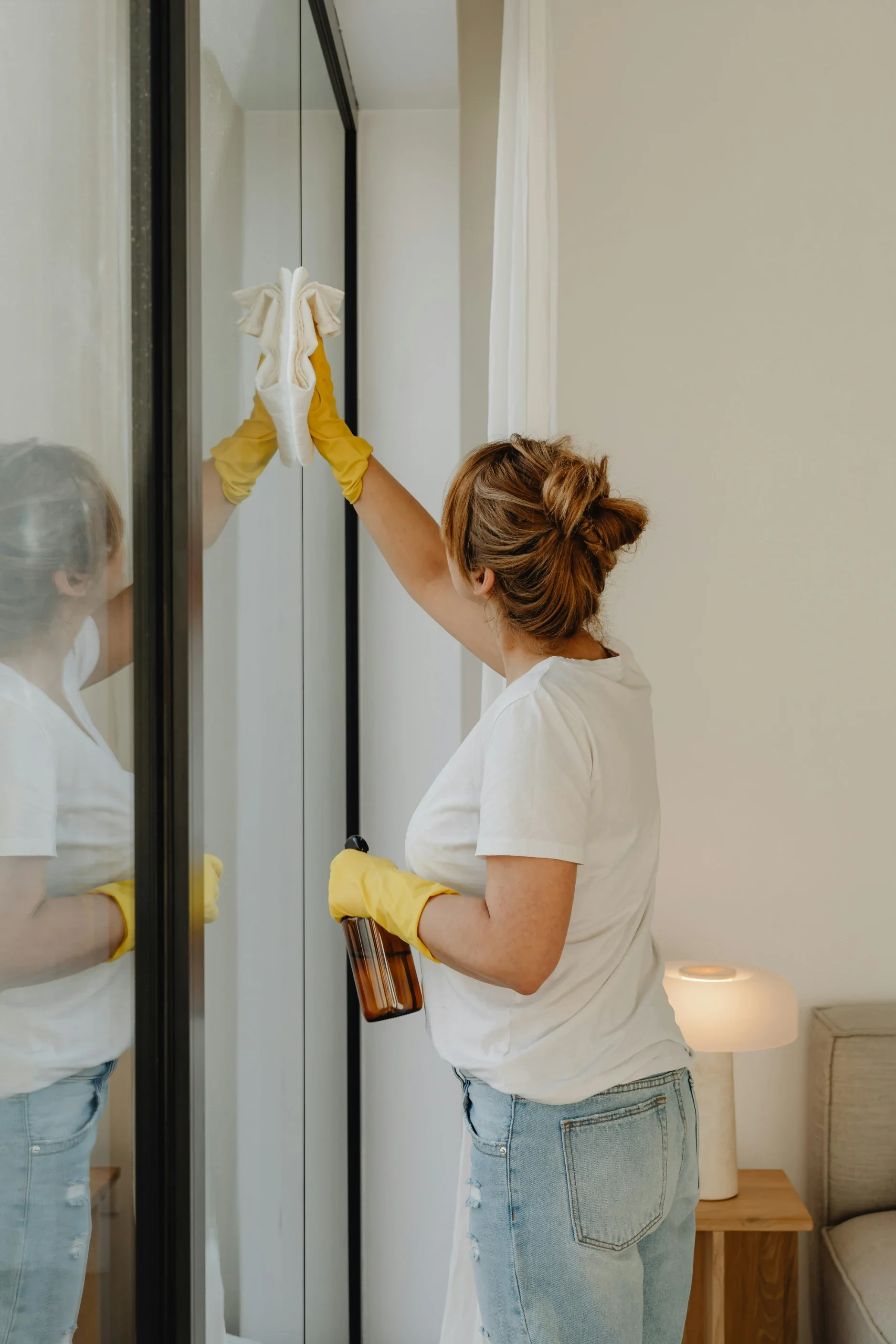
The first hour after returning is the best chance to stop a problem. Unpack in a garage, entryway, or bathroom instead of the bedroom. Place clothing directly into the washing machine, hot if fabric allows, and dry on high heat for at least thirty minutes. Heat is what kills bed bugs, and the dryer is more reliable than the washer.
Items that cannot be washed can often go into the dryer alone for a heat cycle. Hard items such as suitcases should be vacuumed, particularly the seams, pockets, and wheels, and wiped down. The vacuum bag or canister should be emptied outdoors into a sealed bag.
Pet items require the same steps. Wash bedding, blankets, and soft toys, and wipe down carriers and bowls. Brush the pet outdoors, if feasible, and inspect the coat. After cleaning, store luggage in a closet or garage, preferably in a sealed bag, rather than under the bed.
Watching for Signs After the Trip
Bed bugs can go unnoticed for days or weeks, so ongoing attention helps. Signs include:
Itchy, red welts, often in lines or clusters, appearing after sleeping.
Tiny rust-colored spots on sheets or pillowcases.
Dark specks along mattress seams or the headboard.
Shed skins or small, pale eggs in crevices.
A sweet, musty odor in heavy infestations.
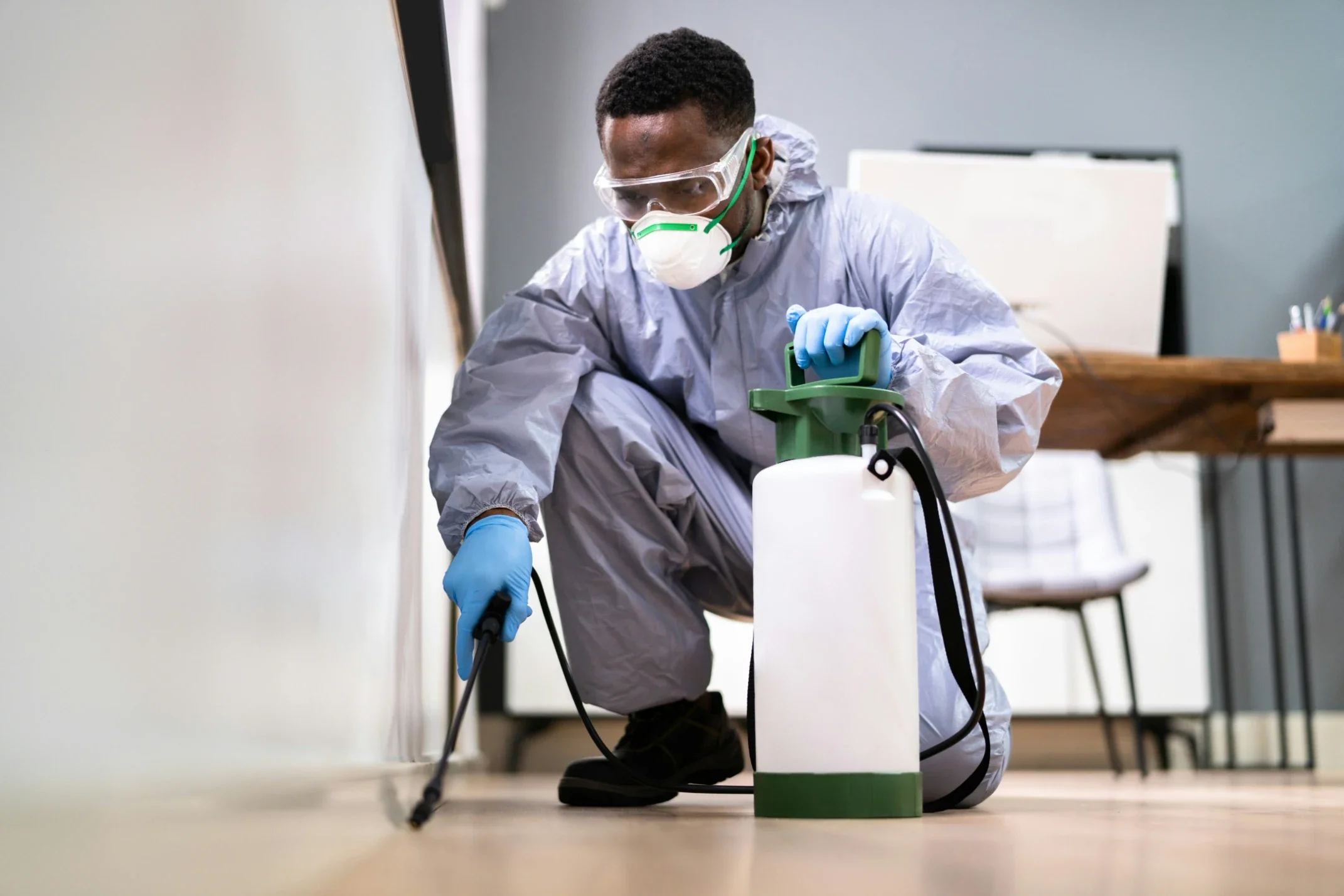
Skin reactions vary, and many people do not react at all, so bites alone cannot confirm a problem. Look for the insects or their evidence. If anything suspicious appears, save a specimen in a sealed container or tape, take photos, and contact a licensed pest professional for identification. Avoid spraying store-bought products widely, since scattering the insects can spread them to other rooms.
A weekly check of the bed and pet sleeping areas for the first month gives peace of mind. Encasements that zip around the mattress and box spring make inspection simpler and remove hiding spots.
Key Takeaways
Bed bugs travel with people and their belongings, so the best defense is a routine. Pack smart, inspect the room on arrival, protect pet gear and luggage, wash and heat-dry everything at home, and watch for signs over the following weeks. Early detection turns a potential infestation into a small, manageable problem, and a professional can confirm the species and recommend treatment when evidence appears.
Stay up to date with our latest ideas!