Learn how Paramus pet owners can store food, clean supplies, and maintain pet areas to prevent household pests and keep their homes clean and pest-free.

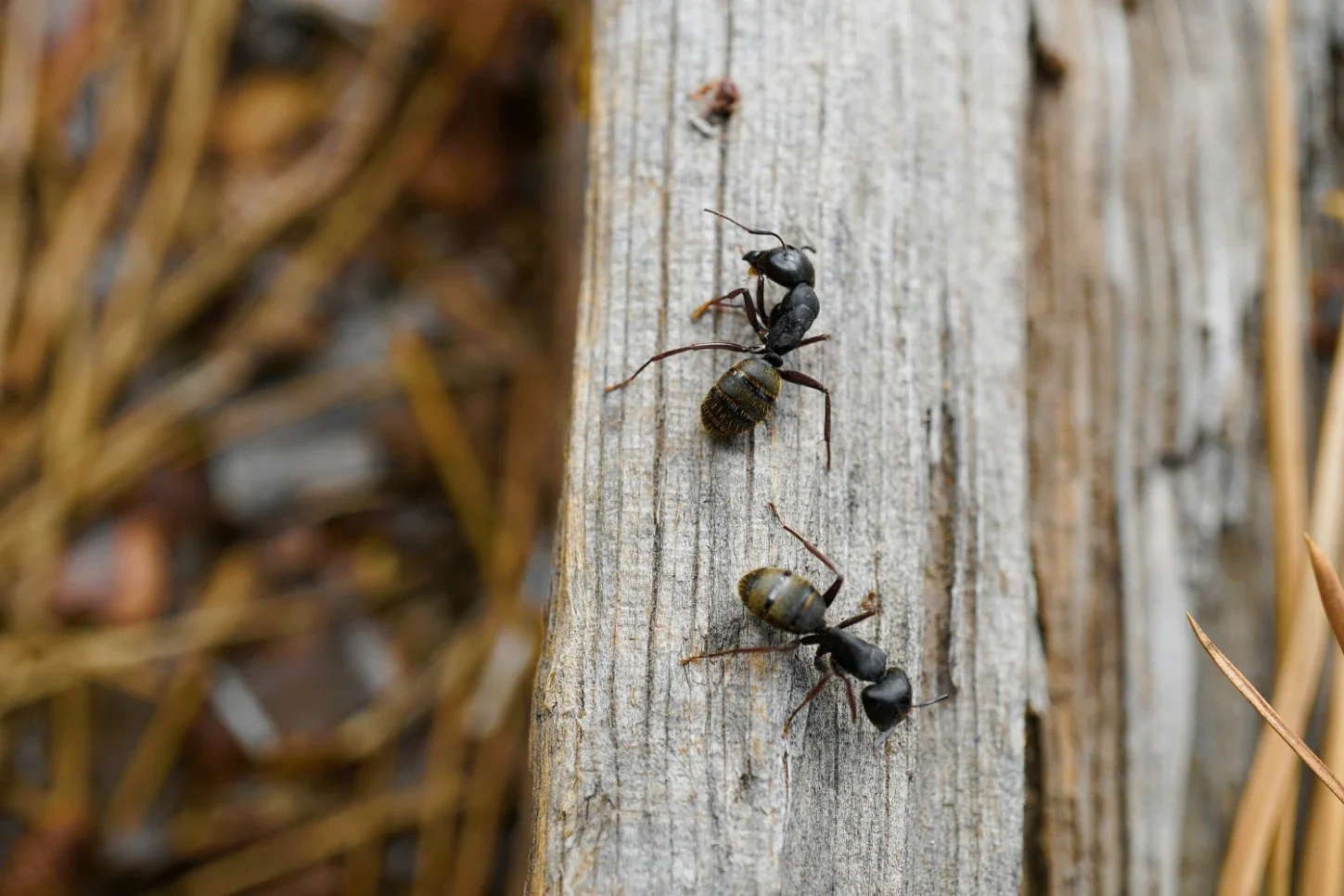
A bowl of kibble, a cozy bed, a litter box, and a water dish make a pet comfortable. They also offer food, water, and shelter to anything small enough to sneak in. Ants find spilled treats within hours, mice treat an open bag of food as a pantry, and flies gather around anything damp or soiled. Paramus homes, with cold winters that drive pests indoors and humid summers that boost insect activity, face pressure from several directions. Small changes to pet routines can remove most of the appeal.
Food, Treats, and Storage That Stops Pests
Pet food is rich in protein and fat, which attracts ants, roaches, rodents, and pantry insects. Open bags left in a garage, basement, or laundry room are especially vulnerable, since mice can chew through paper and thin plastic quickly.
Airtight containers solve most of the problem. Metal or heavy plastic bins with tight lids keep out rodents and insects, and they preserve freshness. Pouring the entire bag into the bin, or placing the bag inside it, prevents residue from sitting in a corner. Treats, dental chews, and bird seed deserve the same care. Wiping the container rim before sealing keeps crumbs from drawing ants.
Feeding schedules help. Offering measured meals and picking up bowls afterward shortens the window in which pests can feed. A washable mat under the bowl catches spills and makes cleanup easy. Sweeping or wiping the area daily removes grease and crumbs that scatter around the bowl.
Water Bowls, Bedding, and Litter
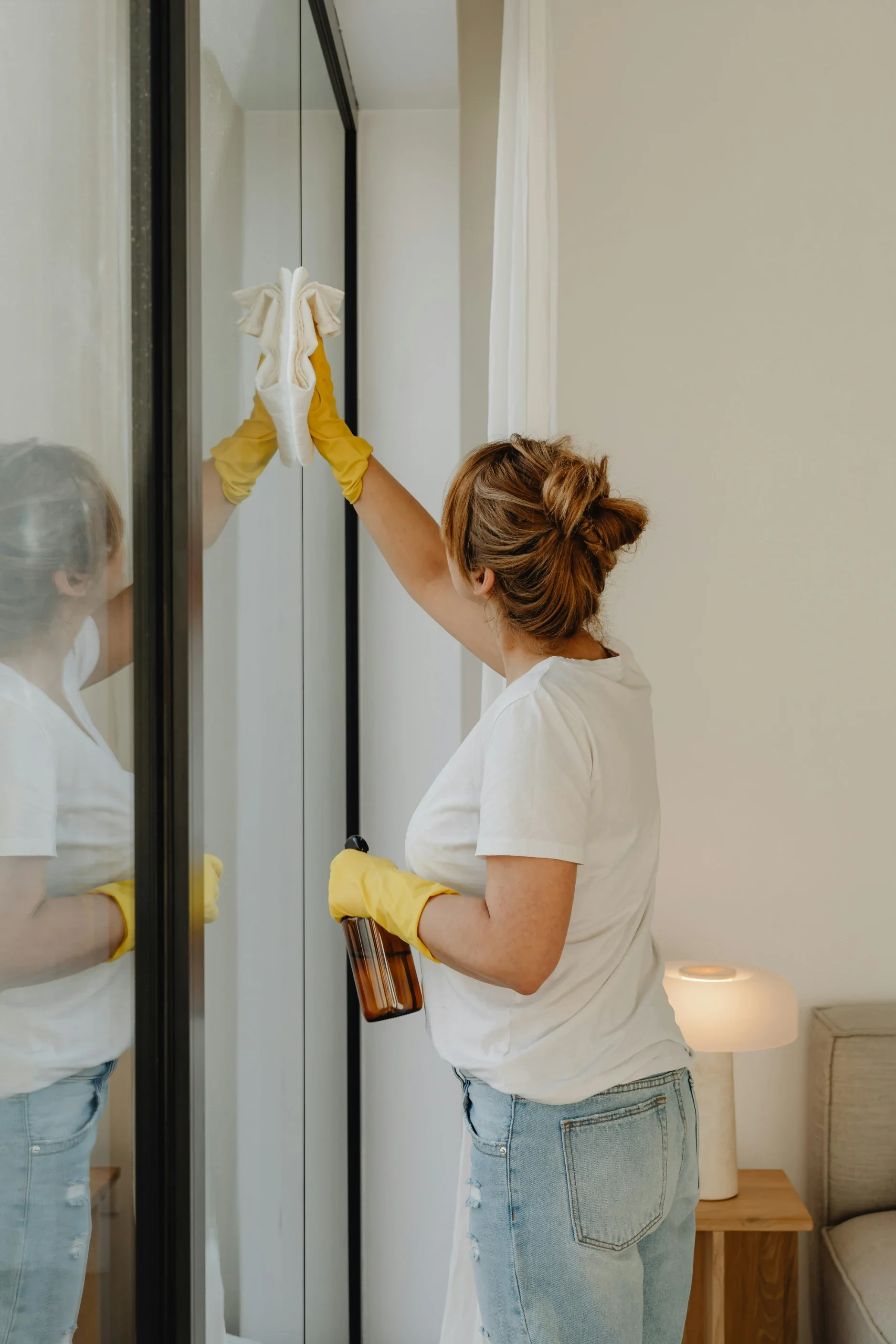
Moisture and warmth attract pests as reliably as food. Water bowls provide drinking water for insects, and a slow leak or damp mat beneath a bowl can draw ants, silverfish, and gnats. Washing bowls with hot, soapy water every day or two prevents the slimy film that supports bacteria and attracts flies.
Bedding collects hair, dander, and skin cells, which feed carpet beetles and fleas. Washing it weekly in hot water, or as the label allows, removes eggs and larvae before they develop. Vacuuming the area around the bed, including baseboards and under furniture, removes more. Fabric toys and blankets deserve periodic washing as well.
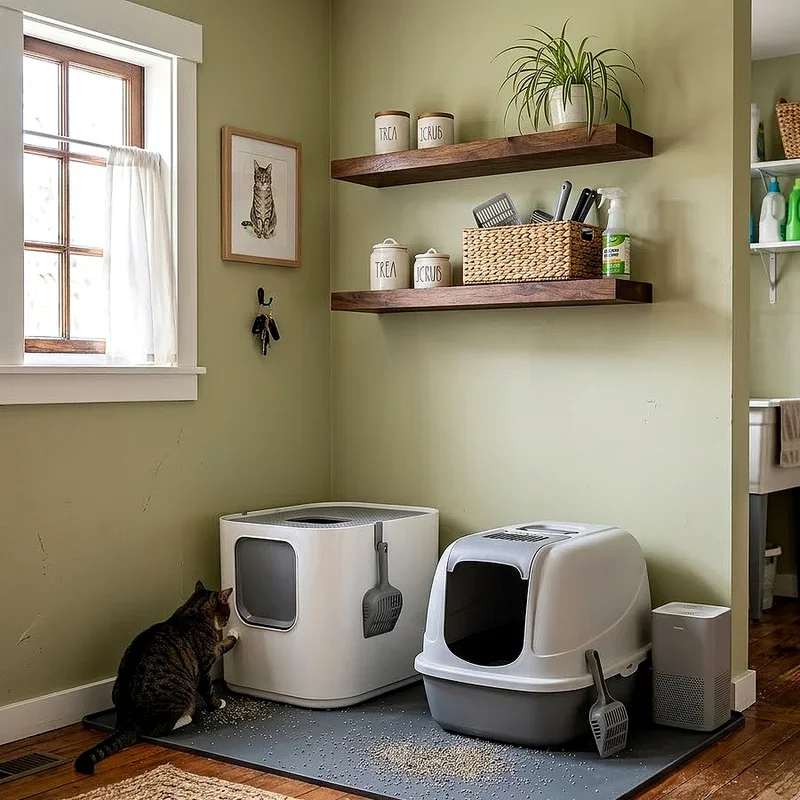
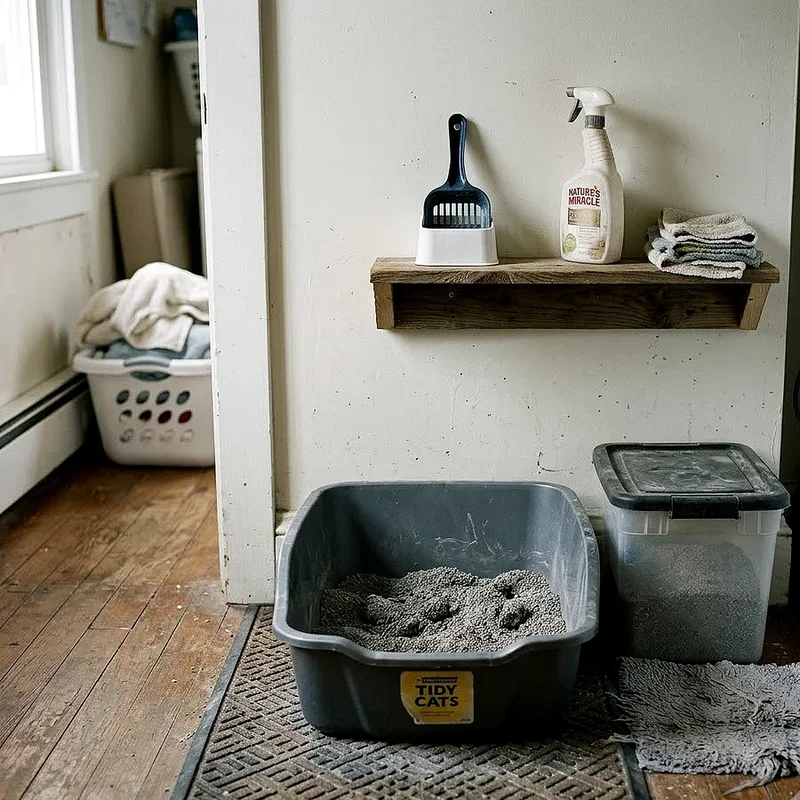
Litter boxes can attract flies and generate odors that draw rodents. Scooping daily, replacing litter on schedule, and keeping the area dry limit the problem. Placing the box on an easy-to-clean surface, rather than carpet, helps with spills. Waste bags should go into a tightly closed outdoor can.
Outdoor Pet Areas and Yard Habits
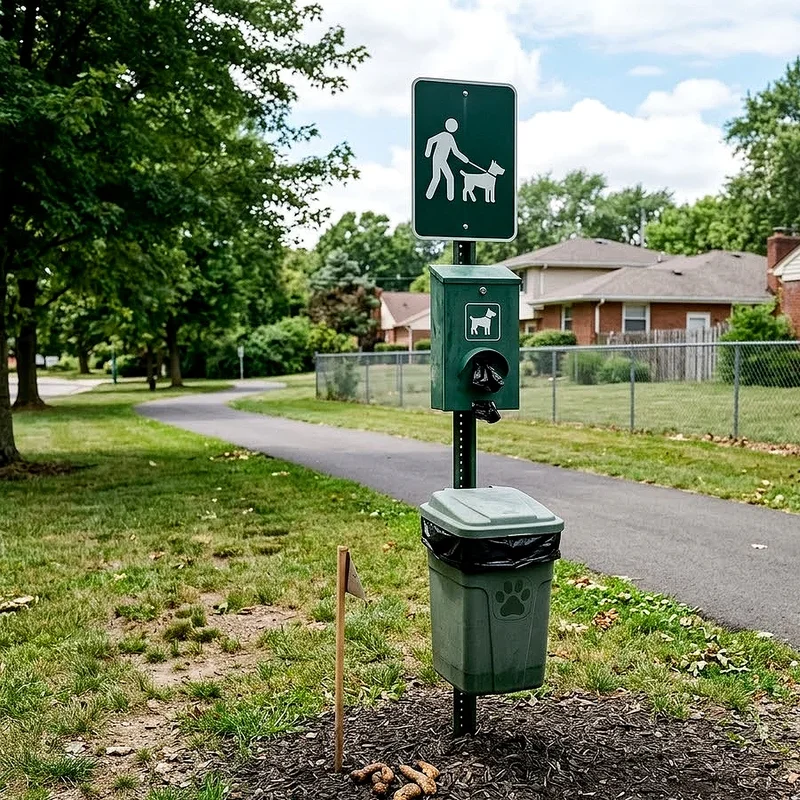
Yards bring another set of risks. Food left on a porch can draw raccoons, opossums, rats, and ants. Feeding pets indoors, or removing bowls promptly after outdoor meals, prevents this. Dog waste left on the lawn attracts flies, so regular cleanup is worthwhile.
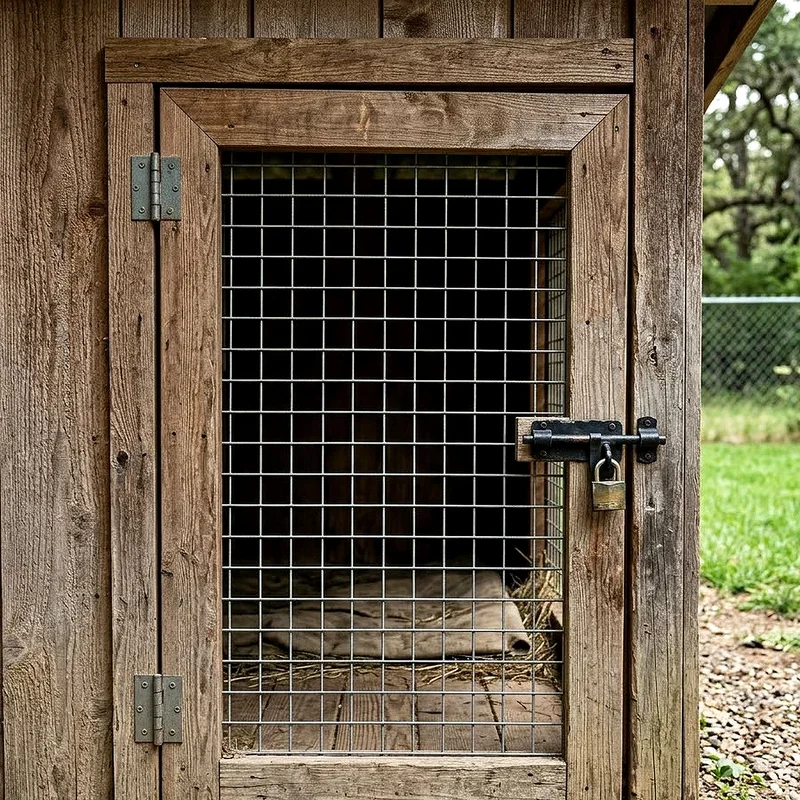
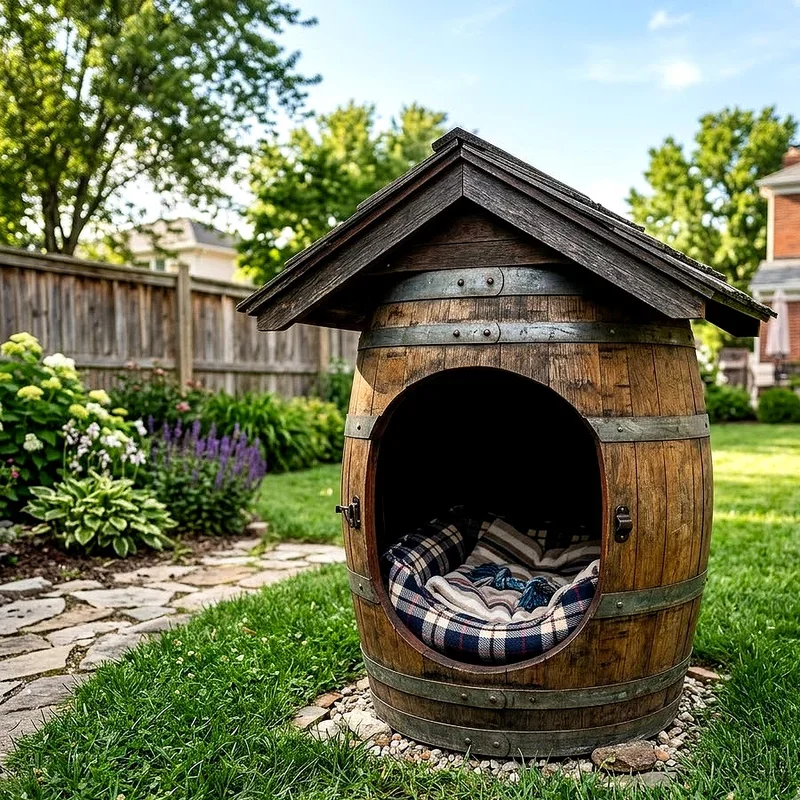
Standing water is another concern. Water bowls, kiddie pools, and toys that collect rain provide breeding spots for mosquitoes. Emptying and refilling them every day or two helps. Doghouses, kennels, and outdoor beds should be checked and cleaned regularly, since they can shelter spiders, wasps, and rodents.
Pet doors need care. A flap that does not close tightly allows insects and small animals to wander in, and some homeowners secure them at night. Persistent activity near pet areas, in spite of cleaning and storage changes, may call for Paramus pest control assistance, since a technician can inspect the exterior and identify entry points that are not obvious from inside. Trimming vegetation near the house, storing firewood away from walls, and keeping trash cans sealed also reduce harborage.
Checking Spaces Around Pet Supplies for Early Signs
Regular inspection catches problems early. A quick weekly look around feeding stations, beds, and storage areas can reveal evidence before it spreads. Signs to watch for include:
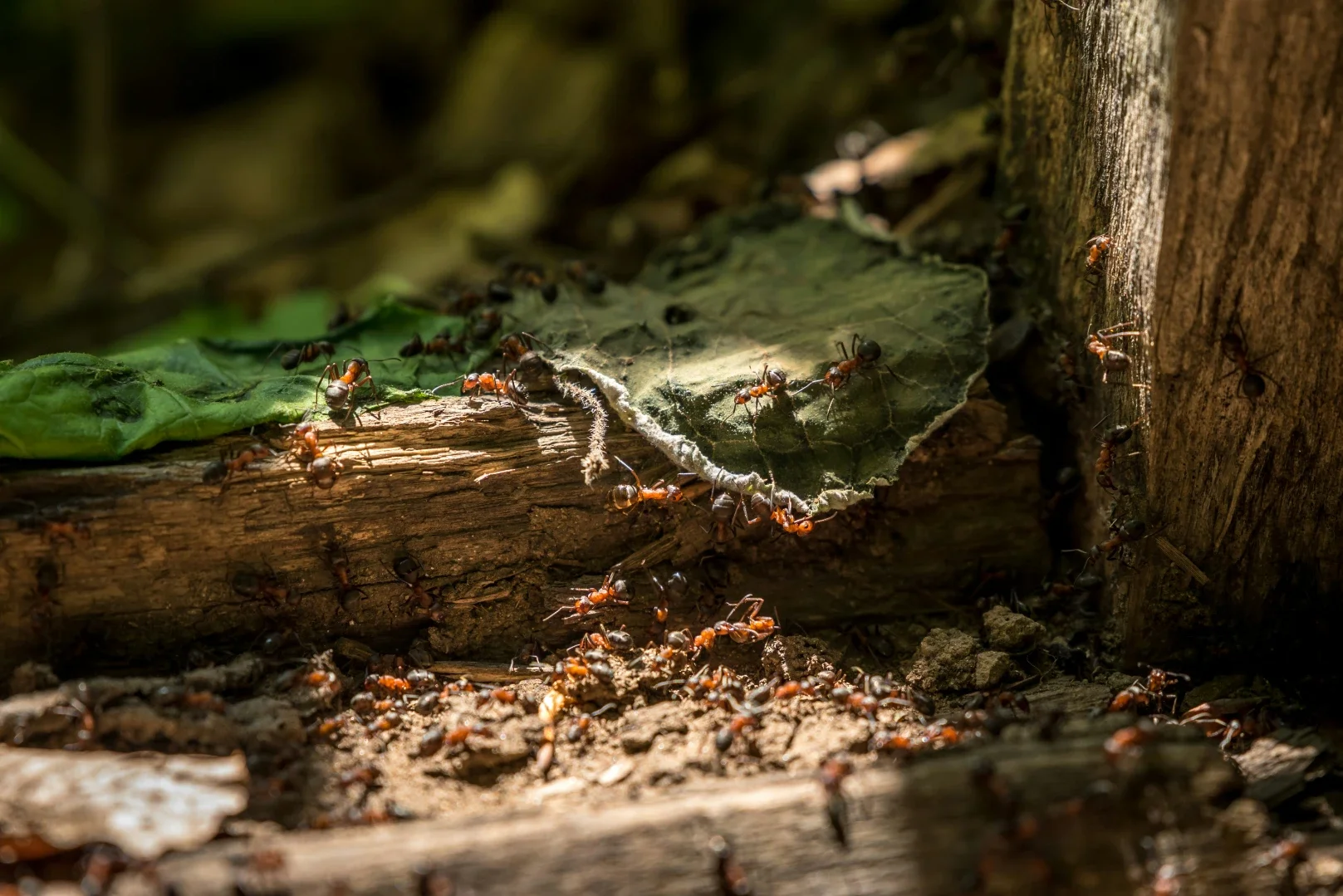
Ant trails leading to bowls or the bag of food
Small, dark droppings near food storage or along baseboards
Gnaw marks on bags, bins, or the corners of cabinets
Webs, egg cases, or insects behind furniture near the pet bed
Flea dirt, which looks like tiny black specks, in bedding or on the pet
Pets can also show signs. Scratching, restlessness, or small bites suggest fleas, and a veterinarian can recommend safe prevention suited to the animal. Never use a pest product near pets without confirming that it is safe, and follow label directions about keeping animals away from treated areas.
When evidence appears repeatedly, writing down the date, location, and pest type helps identify patterns. Photos are useful for professionals and for a veterinarian if the pet is affected.
When Pet Areas Keep Attracting Activity
Persistent problems often have a hidden source. Ants may nest in a wall behind the feeding station, rodents may enter through a gap near a utility line, and flies may breed in a drain or garbage can. Cleaning alone cannot solve these.
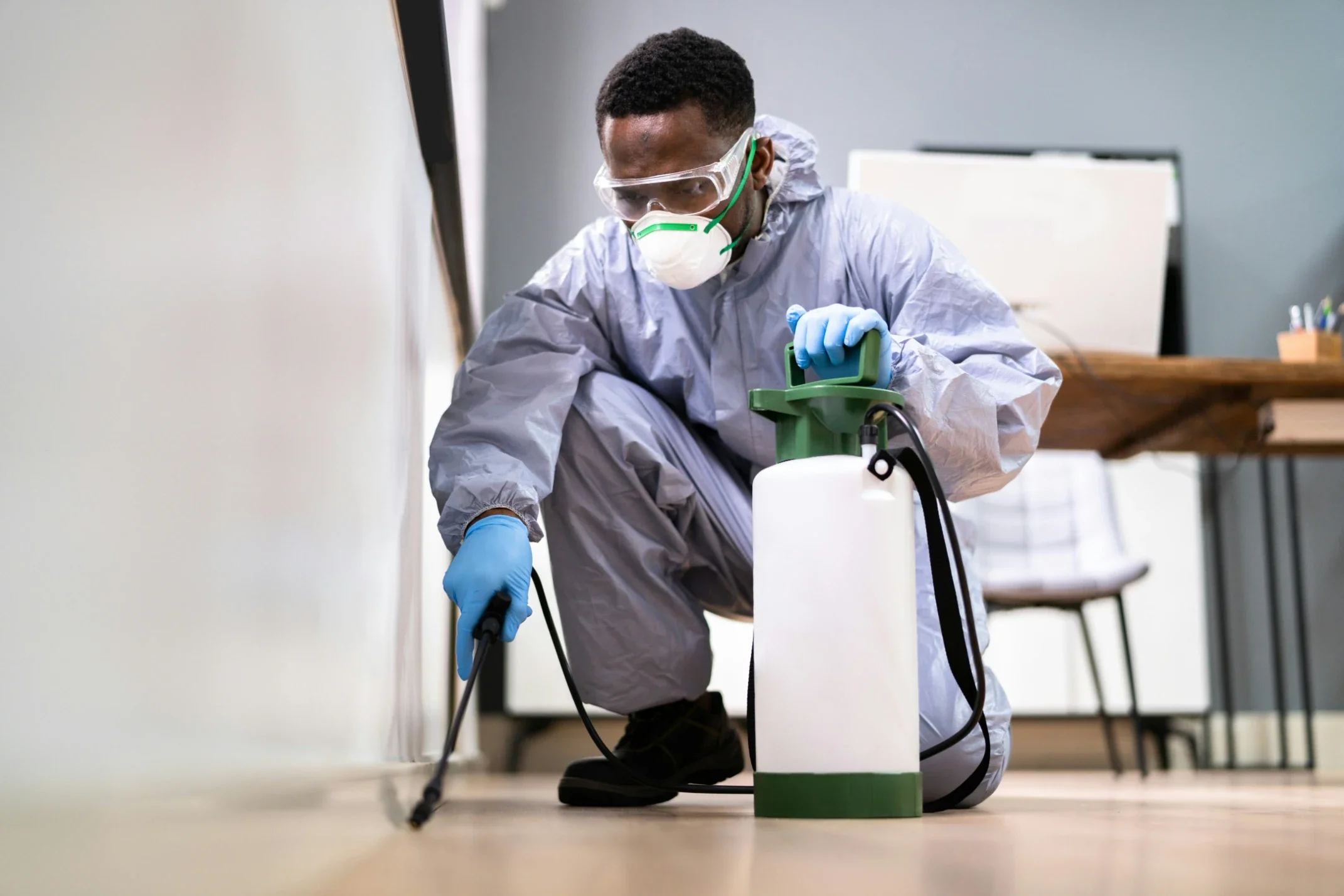
At that point, a licensed provider offering local pest management services can inspect the property, identify the species, and recommend a plan that respects the household’s pets. Families should ask about product choices, application methods, and how long animals need to stay away from treated areas. Written recommendations make follow-up easier.
Final Analysis
Pet supplies attract pests because they offer the same things pests need: food, water, and shelter. Airtight storage, regular cleaning of bowls and bedding, careful outdoor habits, and weekly checks remove most opportunities. Persistent activity usually signals a source beyond the pet area, and a professional inspection brings answers that routine cleaning cannot. Paramus pet owners who build these habits into the weekly routine keep both their animals and their homes more comfortable.
Stay up to date with our latest ideas!