Wondering how to soften dog tartar at home? Discover safe brushing tips, chews, and daily routines that protect your dog's teeth and gums.
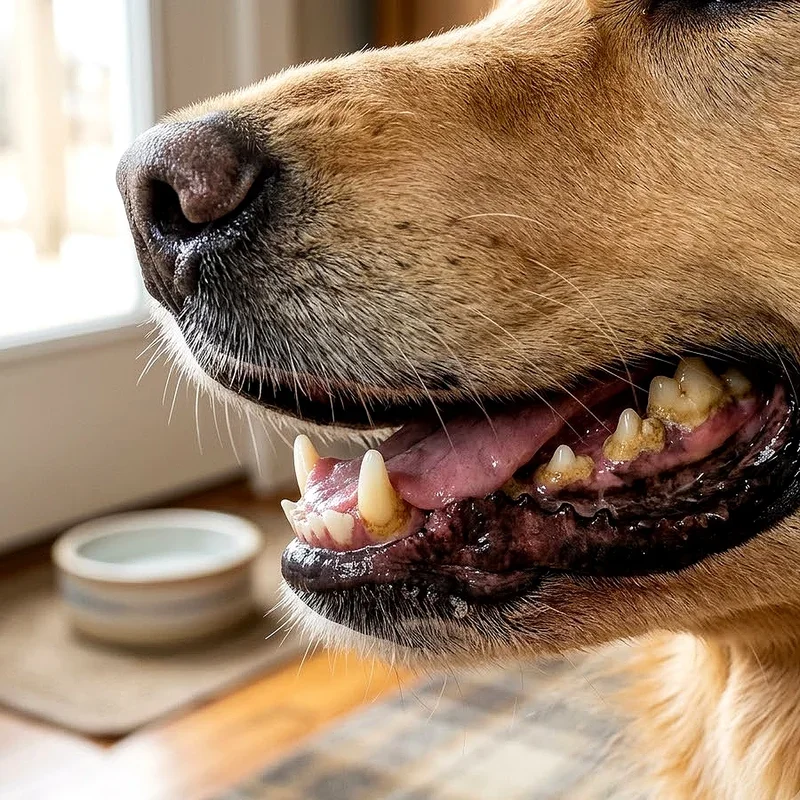
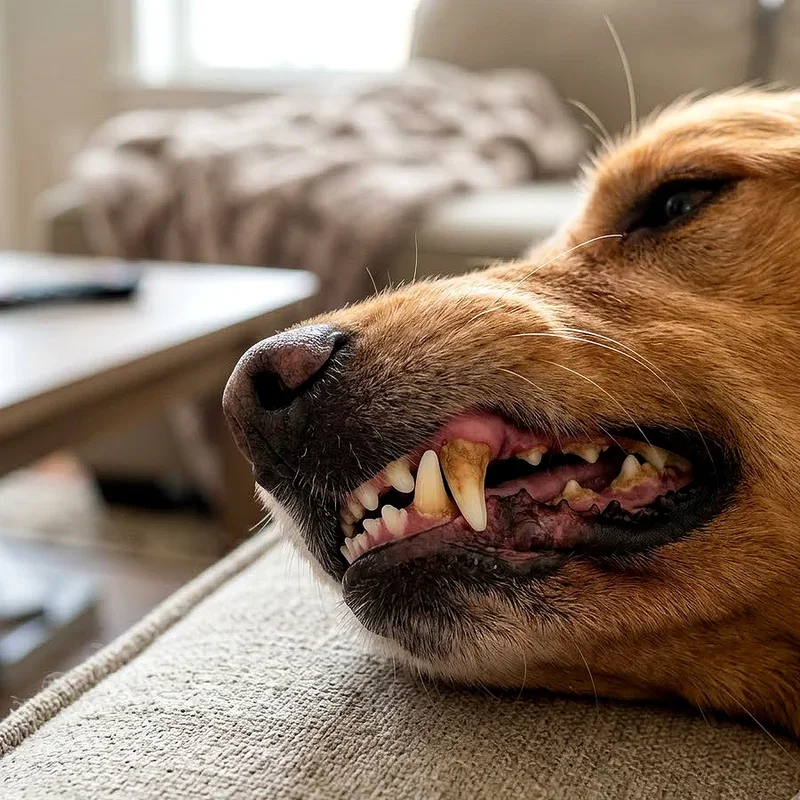
Ever leaned in for a kiss from your dog and recoiled like you'd just opened a forgotten lunchbox? Yeah. Been there. That smell usually isn't just "dog breath," and those yellowish-brown crusts hugging the gum line aren't a cosmetic quirk. They're tartar, and they're the reason so many dogs quietly suffer with sore mouths while wagging their tails like nothing's wrong. Here's the thing most pet parents never hear at the pet store: tartar doesn't magically dissolve. It's mineralized, cement-like, and once it's welded onto a tooth, no chew toy on earth is going to blast it off. What you can do, and what this guide is all about, is soften the buildup, slow down the next round, and keep your dog's mouth from sliding into full-blown dental disease. Grab a coffee. Your dog's teeth will thank you later.
What Tartar Actually Is, and Why It's So Stubborn
Let's start with a quick tour of your dog's mouth. Every time your pup eats, a thin, sticky film of bacteria forms on the teeth. That film is plaque, and it's soft, invisible, and honestly pretty easy to wipe away in the first day or two.
Leave it alone, though, and minerals in your dog's saliva swoop in and harden that plaque into tartar (also called calculus). Depending on the dog, that transformation can happen in as little as 24 to 72 hours. Fast, right? That's why dental care is a daily habit rather than a monthly chore.
Tartar matters because of what hides underneath it. The rough surface acts like a magnet for more bacteria, which then creep below the gum line, irritate the tissue, and kick off gingivitis. Left unchecked, that becomes periodontal disease, which can loosen teeth, erode bone, and send bacteria into the bloodstream. Studies have linked poor canine oral health to strain on the heart, liver, and kidneys. So yes, it's a big deal, and no, bad breath isn't just "normal for dogs."
Plaque Versus Tartar Knowing What You're Up Against
Before you start scrubbing, figure out what you're actually looking at.
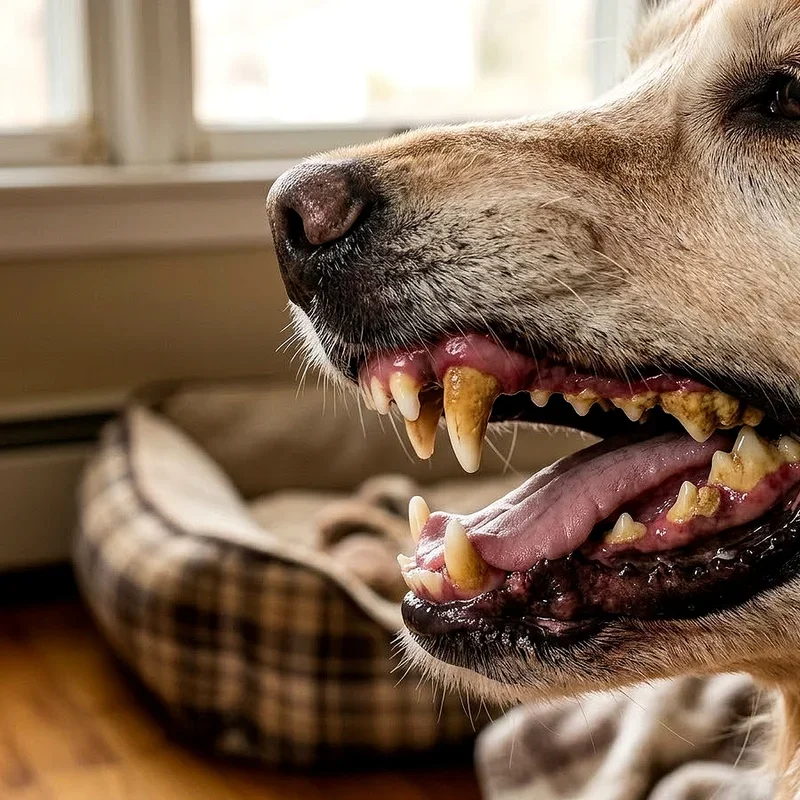
- Plaque is soft, clear or slightly whitish, and feels slick under your finger. Good news: brushing removes it easily. - Tartar is hard, gritty, and ranges from yellow to brown to a nasty greenish black. It's bonded to enamel like barnacles on a boat hull. - Gingivitis shows up as a red, puffy line right where gum meets tooth. Sometimes it bleeds when touched.
Here's the honest truth that some blogs won't tell you: once tartar is fully hardened, home care softens and slows it, but a professional cleaning under anesthesia is the only way to fully remove it. Anyone promising otherwise is selling something.
Signs Your Dog's Mouth Needs Attention Today
Dogs are stoic little poker players. They'll crunch kibble with an abscessed tooth and never say a word. Watch for these red flags instead:
1. Breath that clears a room, not just a mild doggy odor. 2. Yellow or brown crust along the back molars and upper canines. 3. Red, swollen, or bleeding gums. 4. Dropping food, chewing on one side, or suddenly preferring wet food. 5. Excessive drooling, sometimes tinged pink. 6. Pawing at the face or rubbing the muzzle along the carpet. 7. Weight loss or a grumpy mood that came out of nowhere.
Noticing two or more? Call your vet. A quick oral exam costs far less than an extraction down the road.
How to Soften Dog Tartar Dental Care Guide for Daily Home Care
Alright, the practical part. The goal here isn't to chisel tartar off like a sculptor. It's to keep new plaque from hardening while gradually loosening what's already there so it comes off easier during brushing or a professional cleaning.
Enzymatic Toothpaste Does the Heavy Lifting
Pet-specific enzymatic toothpaste is your MVP. These formulas use enzymes like glucose oxidase and lactoperoxidase to break down the sticky matrix holding plaque together. Applied consistently, they soften fresh buildup and make older deposits more brittle over time.
Never, and I mean never, use human toothpaste. Most contain xylitol or fluoride, both toxic to dogs. Poultry, beef, or vanilla-mint pet flavors go down much better anyway.
Water Additives Work While You're Busy
Pop a measured dose into the water bowl and let chemistry do its thing all day. Look for additives containing zinc gluconate, chlorhexidine, or cetylpyridinium chloride. They won't strip old calculus, but they keep the bacterial load down and slow new mineralization.
Start with half the recommended dose for picky drinkers. Some dogs stage a dramatic boycott if the water tastes different, and dehydration is a worse problem than tartar.
Dental Wipes and Finger Brushes for the Brush-Phobic
Got a dog who treats a toothbrush like a personal insult? Wipes are a gentler on-ramp. Wrap one around your index finger, rub along the outer tooth surfaces, and call it a day. You'll miss the inner surfaces, sure, but the tongue naturally cleans those better anyway.
Gels and Sprays for Spot Treatment
Ceramide-based or aloe-based dental gels sit on the tooth longer than a rinse, softening buildup slowly. Apply at bedtime after the last meal so nothing washes it away. It's a small tweak that pays off.
Food, Chews, and the Crunch Factor
Diet plays a bigger role than most folks realize. Soft, sticky food clings to teeth, which feeds the plaque cycle. Kibble with a larger, fibrous texture forces dogs to actually chew, and that mechanical scraping helps.
Some options worth a look:
- Veterinary dental diets with kibble engineered to shear along the tooth rather than shatter on contact.
- Raw carrots or apple slices (no seeds) as low-calorie crunchy snacks.
- VOHC-approved dental chews, meaning they've passed independent testing for plaque and tartar reduction.
- Rubber chew toys with ridges that massage the gums during play.
Skip antlers, hooves, cooked bones, and rock-hard nylon. A fractured tooth is a lousy trade for a slightly cleaner smile. The rule of thumb: if you can't dent it with your thumbnail, it's too hard for your dog's teeth.
Natural Helpers People Swear By
Kitchen-cabinet remedies get thrown around a lot online, and some genuinely help soften deposits when used sensibly.
- Coconut oil: mild antibacterial properties, and dogs love the taste. Rub a small dab on the gums with a finger.
- Diluted apple cider vinegar: a teaspoon in the water bowl may help loosen soft buildup, though many dogs hate the taste.
- Baking soda paste: use sparingly and rarely. It's abrasive, and swallowing too much can upset the stomach or throw off electrolytes.
- Parsley or fresh mint: breath fresheners, not tartar removers, but pleasant all the same.
A word of caution, because this needs saying loudly: don't scrape your dog's teeth with a metal dental scaler from an online shop. You'll scratch the enamel, create microgrooves where plaque settles even faster, and risk gouging the gums. Leave the sharp tools to the pros.
Brushing The Unglamorous Hero of This Whole Story
If you only take one thing from this article, take this. Brushing beats every gimmick, gadget, and miracle powder on the market. Daily is ideal, three times weekly is decent, and once a week is better than nothing at all.
Your First Week, Step by Step
1. Day one: let your dog lick toothpaste off your finger. That's it. No brush, no pressure. 2. Day two: lift the lip, touch the outer teeth with your finger for five seconds, then reward heavily. 3. Day three: introduce the brush with paste on it, but only let your dog lick it. 4. Day four: brush two or three teeth, then quit while you're ahead. 5. Day five: work up to one side of the mouth. 6. Day six: cover both sides briefly. 7. Day seven: aim for a full 30-second pass per side.
Hold the brush at roughly 45 degrees toward the gum line and use small circles. Focus on the outer surfaces of the upper back teeth, where tartar loves to camp out. Keep sessions short, upbeat, and always finish with praise or a treat.
Exhausted after all that? Honestly, most dogs adjust faster than their humans expect.
When Home Care Just Isn't Enough
There's a point where DIY hits its ceiling. If you see thick brown calculus, receding gums, wobbly teeth, or pus at the gum line, book a professional cleaning. A vet performs scaling above and below the gum line, polishes the enamel, and takes dental X-rays to spot problems hiding in the roots.
Anesthesia-free cleanings sound appealing, but they only polish the visible surface and skip the area below the gum line where real disease lives. It's cosmetic theater. Your dog deserves better.
Most healthy adult dogs benefit from a cleaning every one to two years. Small breeds, brachycephalics, and seniors often need them more frequently thanks to crowded teeth.
Mistakes That Quietly Make Tartar Worse
- Starting only after the mouth already smells terrible.
- Using human toothpaste or mouthwash.
- Brushing aggressively, which makes dogs fight the whole process.
- Relying on dental treats alone and calling it done.
- Ignoring the back molars because they're awkward to reach.
- Skipping vet checkups between cleanings.
Making the How to Soften Dog Tartar Dental Care Guide Routine Stick
Consistency beats intensity every single time. Stack the habit onto something you already do, like brushing right after your dog's evening walk or before bedtime cuddles. Keep the supplies in plain sight, not buried in a drawer, because out of sight really does mean out of mind.
Track it if you're the type. A sticky note on the fridge with seven checkboxes works wonders. And celebrate small wins, since a dog who tolerates 20 seconds of brushing today may happily sit through a full minute next month.
Conclusion
Softening tartar isn't about one magic product. It's about steady, unfussy habits: enzymatic toothpaste, regular brushing, smart chews, clean water with an additive, and professional cleanings when your vet recommends them. Start small, stay patient, and forgive yourself for missed days. Your dog won't care about perfection, but they'll definitely notice a mouth that stops aching. Fresher breath is simply the bonus prize for doing right by them.
Frequently Asked Questions
Q1: Can tartar fall off a dog's teeth naturally?
A: Rarely. Small flakes may loosen, but hardened tartar almost always needs professional scaling to fully remove.
Q2: How often should I brush my dog's teeth?
A: Daily is ideal. Three times weekly still meaningfully reduces plaque buildup, gum inflammation, and bad breath.
Q3: Are dental chews enough to prevent tartar?
A: No. Chews help reduce plaque, but brushing remains far more effective at preventing hardened tartar buildup.
Q4: Is baking soda safe for cleaning dog teeth?
A: Use sparingly. It's abrasive, tastes unpleasant, and swallowing large amounts may upset your dog's stomach.
Q5: At what age should dental care start?
A: Begin around eight weeks. Early handling builds tolerance and protects adult teeth long before tartar appears.
Stay up to date with our latest ideas!