Discover how Seedance 3.0 brings a cardboard observatory for a curious cat to life, blending creative design, playful details, and AI imagination.
A cat sitting inside an ordinary cardboard box can look as though it has discovered a private command centre. For a playful pet video, I would take that familiar image and imagine the box as a tiny observatory. The cat would remain comfortably seated while a paper moon moved slowly beyond a circular window. The result would be a fictional keepsake, not a record of an activity the animal actually performed.
My starting material would be a photograph of a willing, relaxed cat taken by its owner in an ordinary setting. There would be no costume, staged jump, bright flashing light, or attempt to make the animal stay in a box for a production. If the cat wandered away, the photography would end. The invented observatory could be developed later without asking the pet to participate in the fantasy.
The playful leap from a cardboard box to a moon-watching room is where seedance 3.0 would enter the project. As an AI video model, it supports turning text and image references into moving scenes, including reference-guided video. I would use those inputs to explore a small imagined setting around the cat's familiar appearance, keeping the final clip clearly labelled as a creative, generated scene.
Choosing a photograph with room for a story
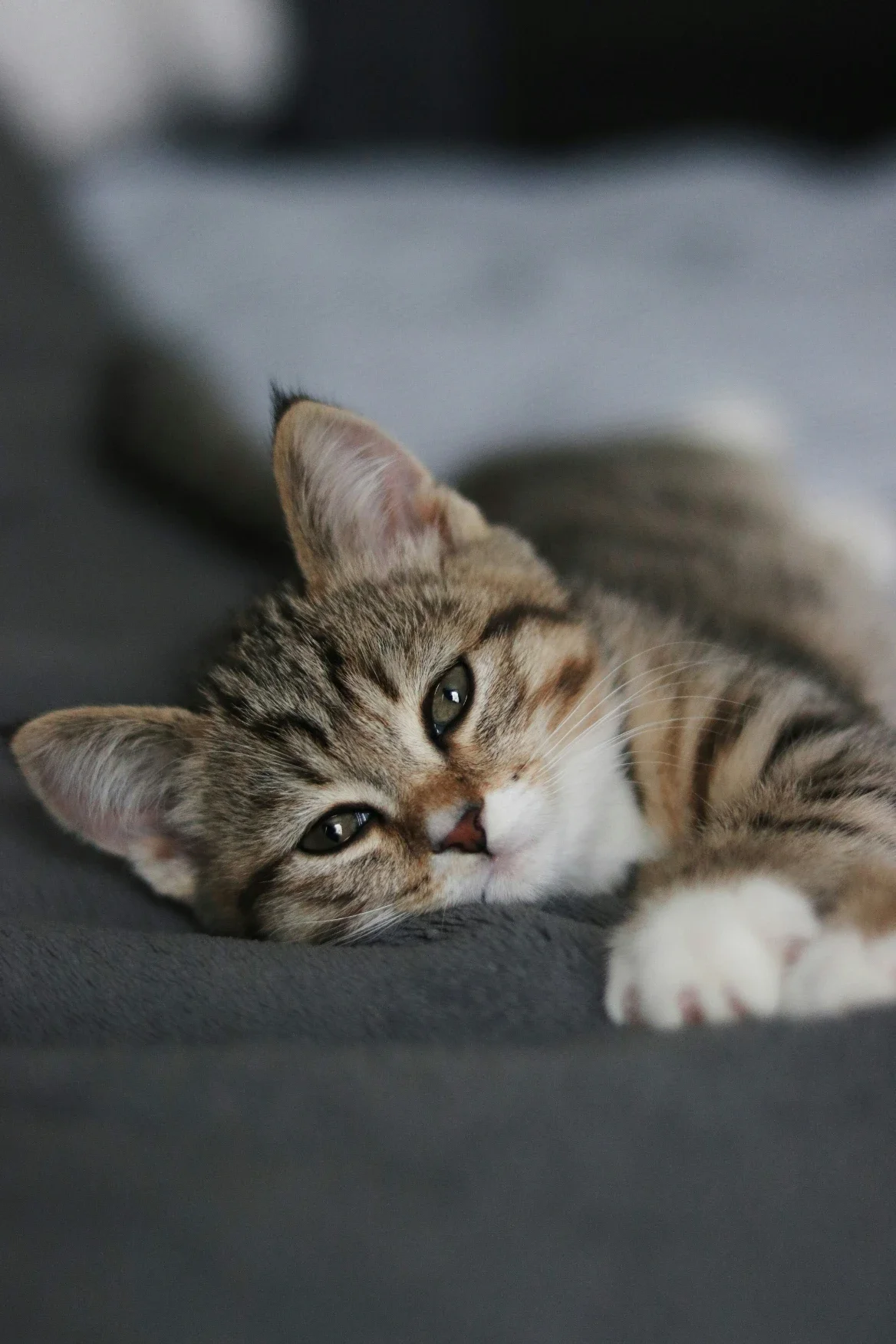
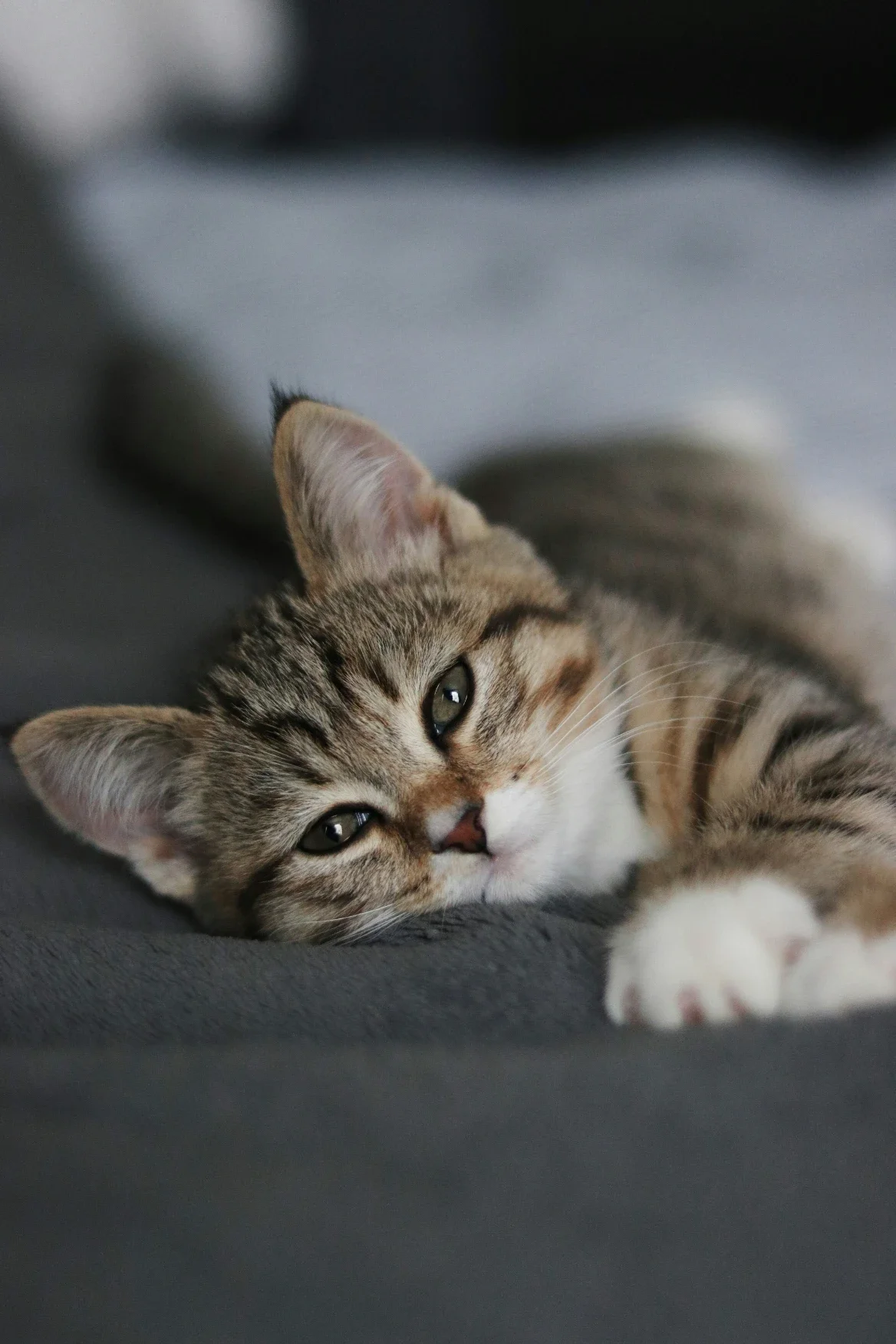
I would look for a photograph that shows the cat's face, front paws, and distinctive markings without motion blur. A three-quarter view would be especially useful because it leaves space beside the animal for the observatory window. The original background could remain simple. There is no need to photograph an elaborate set when the important reference information is the cat itself.
A second reference would establish the cardboard environment. I could photograph a small empty model with a round opening and a folded-paper control panel. The model would never need to contain the real pet. It would communicate the rough paper texture, warm brown colour, and handmade quality that make the idea charming. Smooth metal walls or a realistic spacecraft would take the story in a different direction.
For the first Seedance 3.0 scene, I would keep the cat near the left side of the frame and the window on the right. The visual relationship should be immediately readable: an observer and something worth observing. A scattering of tiny controls, blinking screens, and floating objects would compete with that simple idea, so I would leave them out.
A paper moon supplies the movement
My initial Seedance 3.0 prompt would describe a seated tabby cat in a small cardboard observatory, with soft indoor light and a pale paper moon drifting slowly past a round window. The camera would remain fixed at the cat's eye level. I would request only a slight head turn toward the window, keeping the rest of the body still. That gives the scene one clear action and a gentle sense of curiosity.
The moon would be visibly handmade, perhaps with uneven edges and a faint crease. Those details would signal imagination rather than a realistic space mission. I would avoid a crowded star field that changes constantly behind the cat. A few distant points of light and the moving paper shape would offer enough visual interest for a short clip.
If I wanted to communicate the moon's pace more precisely, I could record a reference video of a paper circle moving across an empty frame. Seedance 3.0's reference-based approach would let that material help express the desired motion. The recording would serve the creative direction, while the actual pet photograph would establish appearance. Keeping those roles distinct makes the project easier to revise.
When the first version becomes too busy
A generated draft might make the cat stand up, reach toward the window, or suddenly acquire an extra paw. I would not try to rescue that version with fast cutting. Instead, I would simplify the action to a seated pose with a small gaze change, or even remove the head movement entirely. The moon can carry the motion while the cat supplies the character of the scene.
I would review the Seedance 3.0 clip for the markings that make the pet recognisable: the stripe above one eye, the pale chin, or the colour difference between the front paws. If those features shift, a closer and clearer reference photograph might help communicate them. I would still treat the result as an interpretation, not promise the owner a perfect moving duplicate of the animal.
The cardboard itself could also become distracting. A round window might stretch into an oval, or a seam might open and close. I would reduce the camera movement and ask for a simple, stationary set. A deliberately handmade style allows uneven paper edges, but it does not need surfaces that wobble without reason. The scene should feel like a small stage rather than a melting room.
A second shot earns its place
Only after the first scene works would I consider a closer view. This Seedance 3.0 shot would show the cat's face beside the window as the moon pauses outside. The composition would make the pet's expression the focus, with the cardboard edge forming a soft border. I would keep the same light direction and avoid a new action that requires the cat to interact physically with the moon.
The transition could be a simple cut after the moon reaches the centre of the window. A conventional editor would let me connect the wide view and close view without inventing a continuous camera journey. If the two versions portray the cat differently, I would keep only the stronger shot. A single coherent moment is a better keepsake than a longer sequence with an inconsistent animal.
Sound would be optional. I might choose a soft original musical phrase or a licensed bell-like tone for the moon's arrival. I would not add distressed animal noises or suggest that the clip documents the cat's real reaction to a sound. A silent version would also work, especially if the owner wants to share it in a place where viewers often watch without audio.
Ending with the real pet in mind
The final frame would hold the cat and moon in a quiet composition before a brief closing title appears. I would add the pet's name and a clear note about the fictional generated scene in the editor. Any public sharing would depend on the owner's permission, including permission to use the original photograph. The creative treatment should be enjoyable for the person whose companion inspired it.
This Seedance 3.0 project would turn an everyday pet photograph into a small imaginary adventure while keeping the real animal away from production demands. The cardboard observatory would not teach a trick, document behaviour, or offer care advice. It would simply give a curious-looking cat a paper moon to watch and give its owner a short video built around something already loved.
Stay up to date with our latest ideas!