Discover five ways to strengthen the bond with your dog during difficult times through companionship, trust, shared routines, and emotional support.
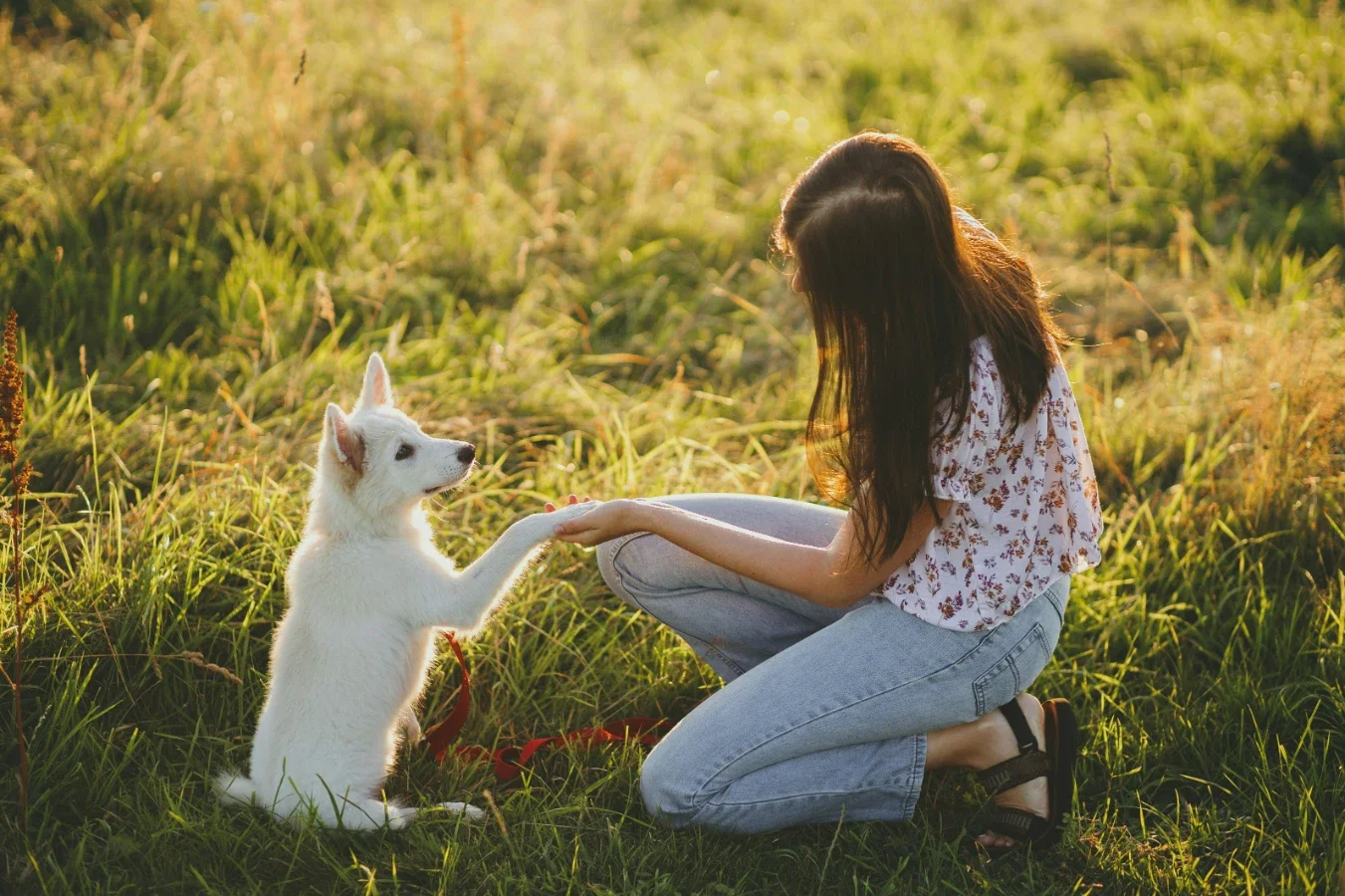
Dogs have a way of becoming woven into everyday life so completely that it can be difficult to remember what the house felt like before they arrived. They know when breakfast happens, which chair belongs to their favorite person and exactly how long they can stare at the treat cabinet before somebody gives in. During stressful or uncertain periods, those familiar routines can take on even greater meaning. The relationship between people and their dogs offers affection, consistency and companionship at times when all three can be especially welcome.
Familiarity Can Feel Comforting
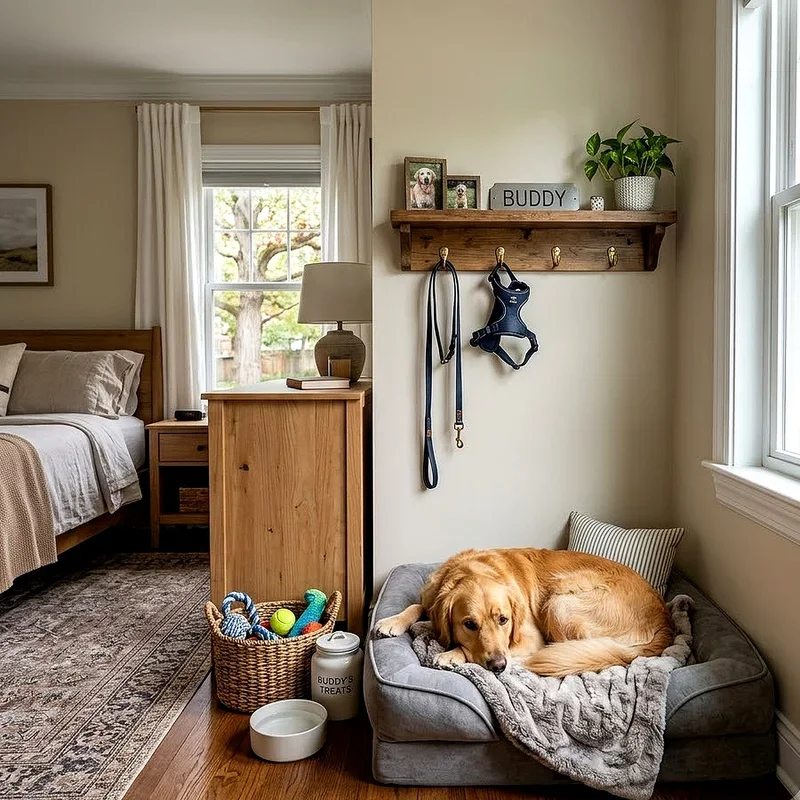
Dogs are creatures of habit, and most owners quickly become part of those habits. A dog may wait beside the bed every morning, follow the same route on an afternoon walk or settle into a particular spot on the couch each evening. These rituals might seem insignificant during an ordinary week, but they can provide reassuring structure when life becomes unpredictable.
People experience difficult periods for countless reasons. A relationship may end, a job can disappear, someone may lose a loved one or a family might move to an unfamiliar place. A dog remains wonderfully unconcerned with many of the complications surrounding those events. Dinner is still exciting. Walks still matter. The squeaky toy remains a matter of tremendous importance.
That familiarity can help preserve a sense of normal life. Caring for a dog gives someone concrete responsibilities and familiar activities to return to each day. The dog benefits from the consistency, and the owner may find comfort in maintaining routines that remain recognizable when other parts of life have changed.
Dogs Offer Remarkable Companionship
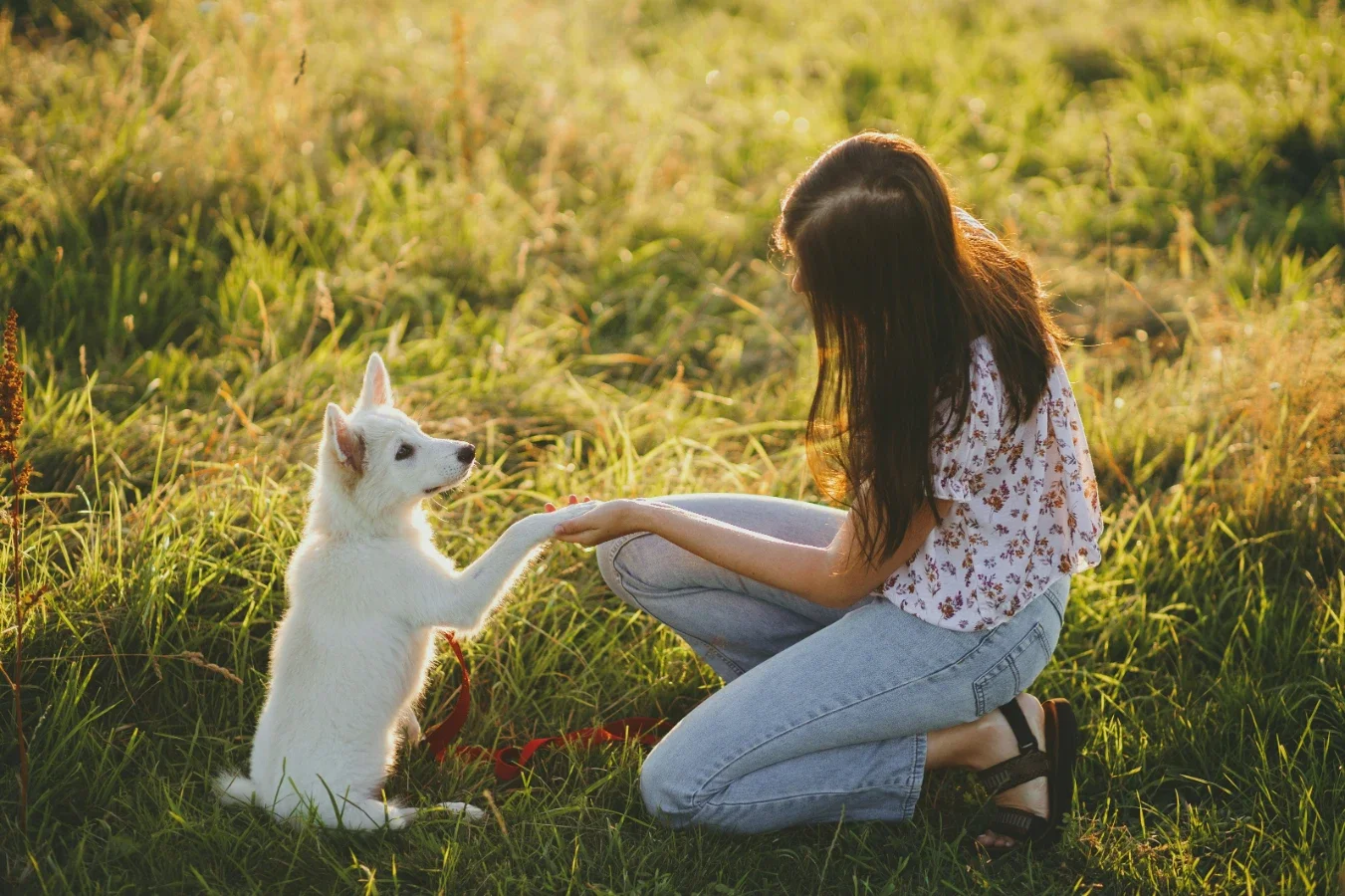
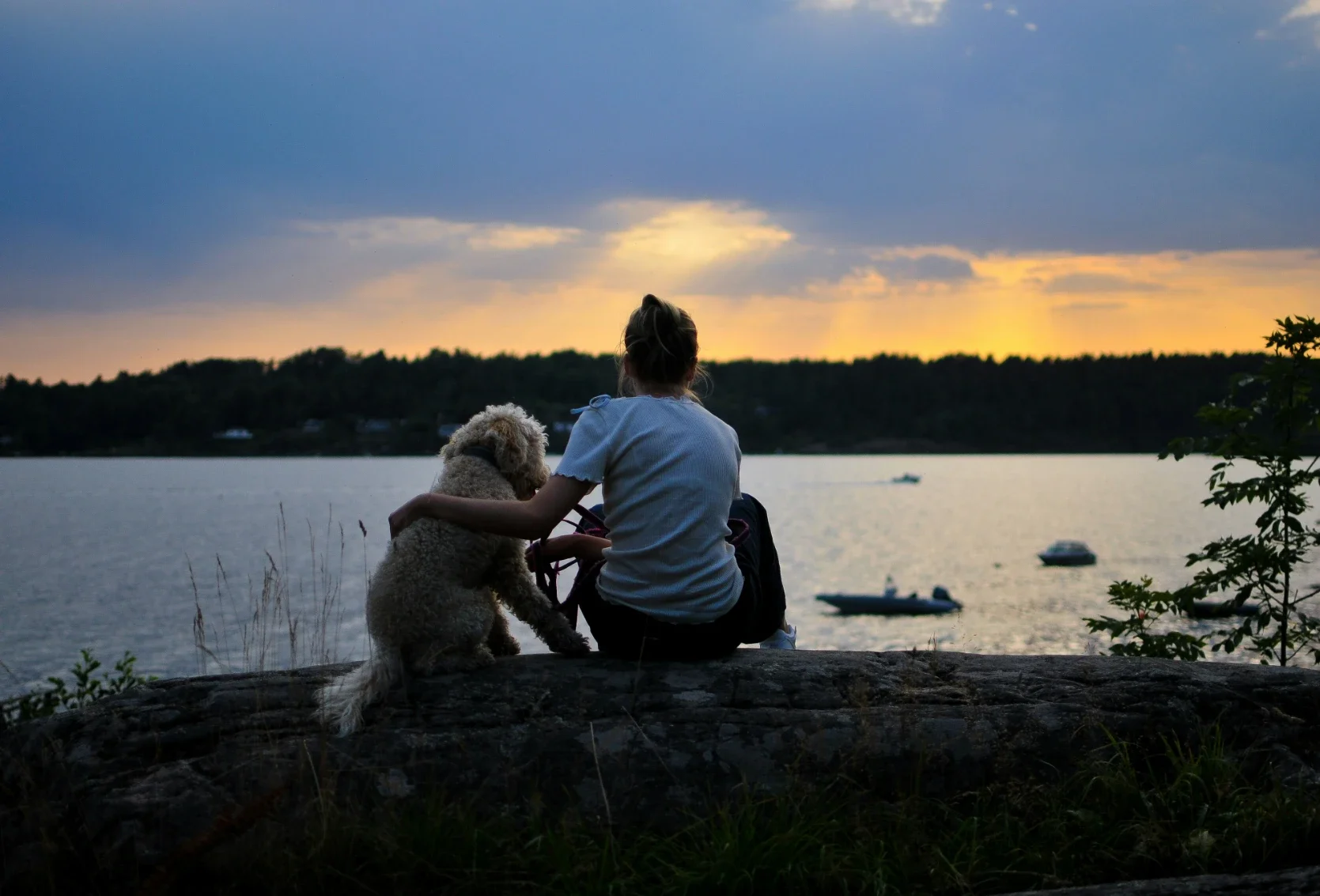
One of the greatest qualities dogs bring to human relationships is companionship without complicated expectations. Dogs do not require their owners to find the perfect words for what they are experiencing. They are perfectly content to sit nearby, follow someone from room to room or rest their head on a familiar lap.
People have found ways to bring this connection into hospitals, schools, nursing homes and other settings through trained therapy dogs. These animals and their handlers visit people to provide comfort and positive interaction. At home, family pets can offer their own form of everyday companionship simply by being themselves.
A dog cannot replace professional support when someone needs it, but that does not diminish the value of the relationship. Dogs can encourage people to get out of bed, head outside for a walk, play for a few minutes and maintain a regular feeding schedule. They also provide affection during periods when a person may feel isolated or overwhelmed.
For many dog lovers, one of the greatest comforts is knowing that their companion will be genuinely delighted to see them. Few humans can match the enthusiasm of a dog greeting someone who has been gone for approximately seven minutes.
Dogs Stay Through Life Changes
Major personal changes often disrupt familiar schedules. Someone might be recovering from an illness, adjusting to a new home, receiving mental health care or working toward sobriety. During those transitions, maintaining healthy routines and supportive relationships can become particularly important.
The benefits of pets while getting sober, starting a new depression medication or navigating another significant life change can include companionship, responsibility, familiar routines and opportunities for physical activity. A morning dog walk creates a reason to start the day. Feeding schedules provide predictable markers of time. An evening spent with a beloved pet can also provide a familiar alternative to old routines someone wants to change.
Some people receiving residential treatment may even look for programs that consider pet accommodations, although availability and policies vary considerably. That is only one small piece of a much larger picture. Most of the value dogs provide happens in ordinary life, long before or after any formal care.
Dogs accompany people through different chapters without needing to understand exactly what changed. As long as their needs are met, they are generally happy to continue the rituals that defined the relationship before life became complicated.
Shared Rituals Build Attachment
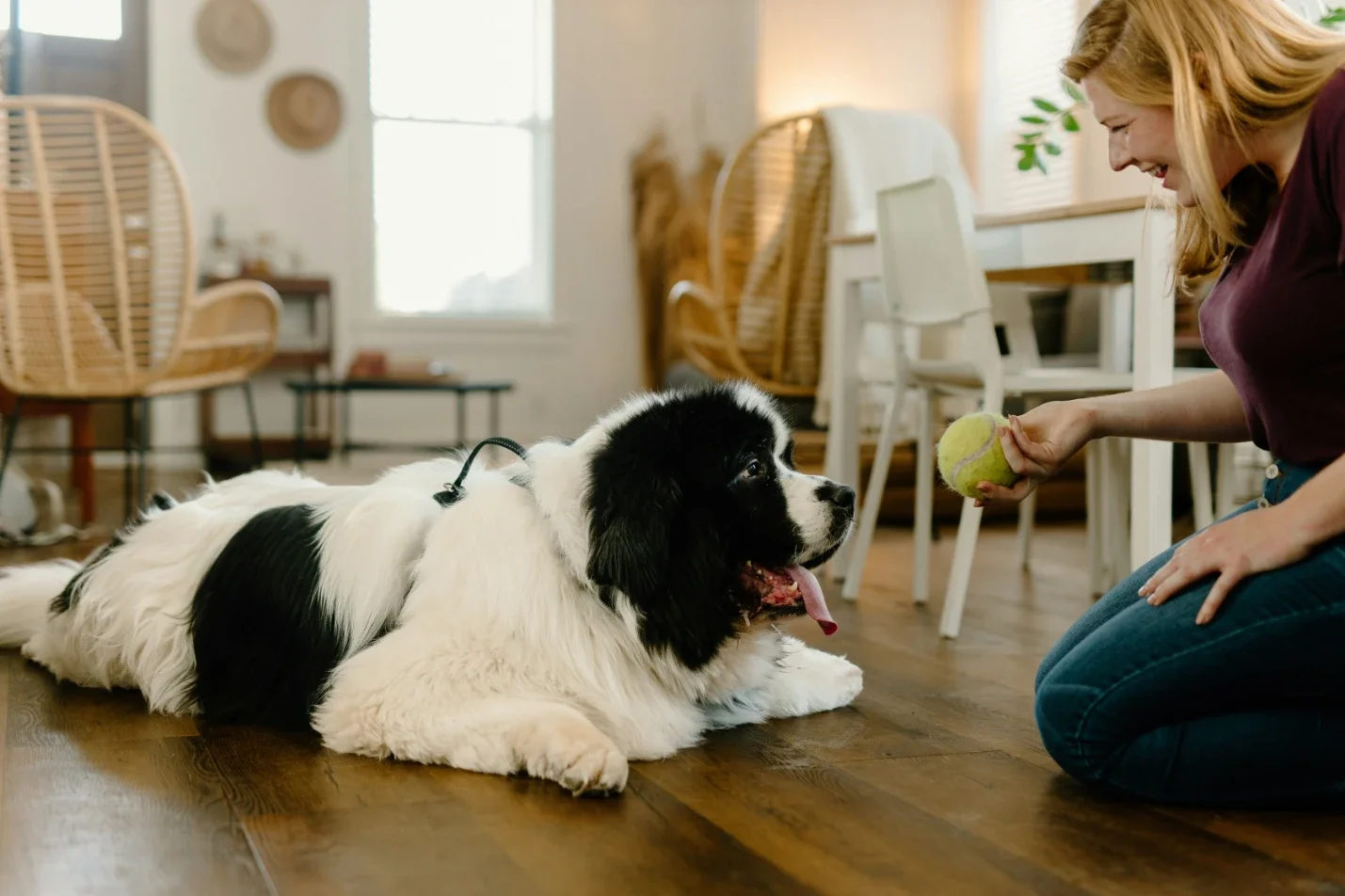
The human-dog bond is not created through one dramatic moment. It develops through hundreds of small interactions repeated over months and years. Filling the water bowl, clipping on a leash, throwing a ball in the backyard and making room on the couch all contribute to the relationship.
Dogs also learn an astonishing amount about household patterns. Many recognize the sound of a particular car, know which shoes mean a walk is coming and somehow distinguish the opening of a cheese wrapper from every other sound produced in the kitchen. Owners become equally familiar with their dogs' signals, from the look that means "outside" to the particular bark reserved for a delivery driver.
These shared rituals create a private language between dogs and their people. During difficult periods, returning to those familiar interactions can feel grounding. Life may be changing, but the dog still brings the same leash to the door and expects the same scratch behind the ears before bedtime.
Hard Times Deepen the Bond
Dogs cannot solve every problem their people face, and expecting them to would be unfair to both dogs and humans. What they can offer is far simpler and, in many circumstances, incredibly valuable. They provide companionship, affection, routine and a familiar presence that remains part of daily life.
Going through a difficult period can make owners notice just how much those ordinary interactions mean. The morning walk is no longer merely exercise. The dog sleeping beside the couch is no longer just taking a nap. These familiar moments become reminders that connection and routine can continue even when other parts of life are changing.
Hard times do not automatically strengthen every human-dog relationship, but they can reveal how deep an existing bond has become. Sometimes the dog who has been beside you all along becomes an even more treasured friend when you need one most.
Stay up to date with our latest ideas!