Do you need a permit for a fence? Ask your city or county permit office, then check the builder's license, the property line and 811 before digging.

You've picked a fence idea for the dog, so the paperwork question comes next: do you need a permit to build a fence? Your city or county permit office has the answer, and it can turn on height, placement and what exactly you're building. Whether it's a privacy fence or a simple run, two more checks are worth making yourself. One is the builder's license, the other an 811 request before anyone digs.
The fence idea comes first. The permit office, the builder's license and the 811 marks come before the posts.
Your City or County Has the Permit Answer
There's no single nationwide answer to whether you need a permit to put up a fence. It comes from the permit office of your city or your county, depending on who handles building where you live. Contact it before you order materials, with the fence's height, length and material and a rough sketch of where it will run.
Ask whether the fence calls for a building permit, a zoning approval, or both, and what each one costs. Ask how long review takes, too, so the build date doesn't slip. Replacing an old fence on the same line? Ask anyway, rather than assume the old fence's approval carries over to the new one.
Can you build a fence without a permit? Where your town requires none, yes. Where it does require one, get the permit before the build, and ask the office what happens to a fence put up without one.
The Builder's License Deserves a Closer Look Than the Permit
Choosing a fence contractor takes more than comparing quotes. In its advice on home improvement scams, the Federal Trade Commission puts this plainly: only consider builders who are licensed and carry insurance. Check the license yourself, at the state or county level, it adds, and have the contractor show that the insurance is in place.
Whether a fence builder needs a state license at all depends on the state. NASCLA, the national association for state contractor licensing agencies, has a page listing many of those agencies by name.
Pay attention to who offers to handle the permit. Per the FTC, asking the homeowner to obtain the required building permits is something scammers do. If a builder wants the application filed in your name, ask why before you sign anything.
Then put it in writing. Among the items the FTC lists for a written contract are the builder's name, address and phone, plus the license number. For a fence, it helps to add the exact line it follows and who files the 811 request.
With a license number in hand, read the whole record, not only the status. Legit Pages lays out its contractor guides in the order a hire unfolds. They start with whether the license is real and what to confirm ahead of signing. Then they turn to what can help if something goes wrong, like the license bond and workers' comp. Their examples come from a single licensing board, but the order works for a fence job in any state.
Height, the Property Line and HOA Rules All Get a Say
Height is the first number to get from the permit office, since a taller fence can need a permit where a shorter one doesn't. The cutoff differs between towns, so learn yours before a dog who jumps talks you into extra boards.
Placement matters just as much. A front yard can have a lower limit than the back, and a corner lot can have two front yards. Some offices also want the fence drawn on a site plan against property lines and easements. Keep the whole fence on your own land. An old fence or a neighbor's memory isn't a survey. If the line is unclear, a licensed land surveyor can settle it before the posts go in.
If you live in a community with a homeowners association, its sign-off is a separate yes from the city's. Read the covenants for rules on height, material and color, and find out whether the association wants plans before work starts.
Call 811 Before Anyone Digs a Post Hole
Contacting 811 is free, and it works nationwide. The 811 Before You Dig site, a Common Ground Alliance initiative, lists installing fences among the common projects that call for a request a few business days ahead.
You call 811 or file online. Your state 811 center then lets local utility operators know they need to mark buried lines in your yard with paint or flags. Have the address ready, with the county and the closest cross street, plus the type of project and the exact area where you'll dig.
How long you wait depends on your state's requirement, and every utility should respond before the first hole. The program then advises keeping digging off the marks and 18 to 24 inches clear of them on every side. For a fence, that can mean shifting a post or the whole line.
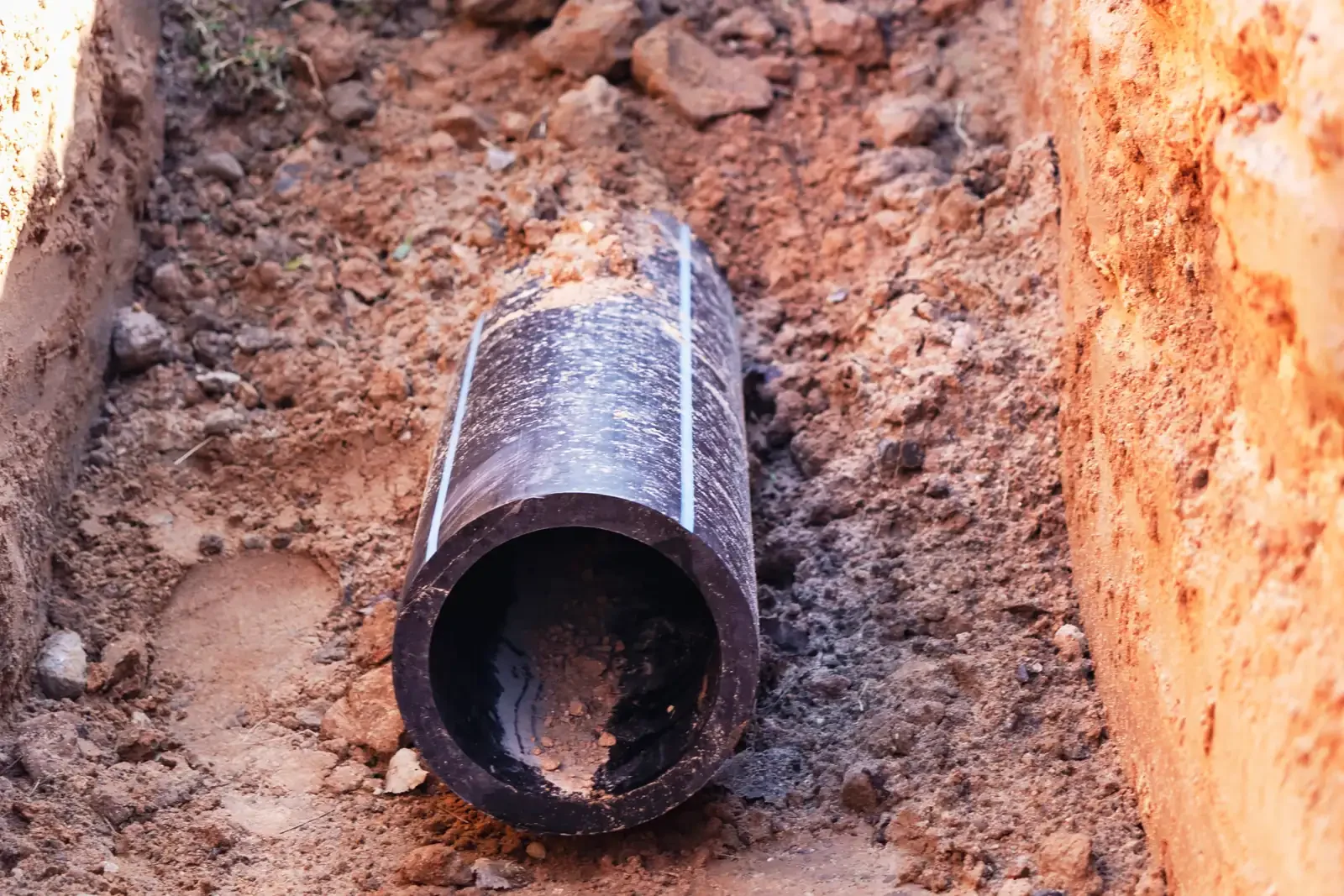
Lines like this are out of sight once the trench is filled. Post holes stay clear of the 811 marks.
A shallow hole is no exception, since some lines can sit only inches underground. If a builder does the digging, the 811 site has a separate path for professionals hired for fence installation on another person's property. Ask whether the request is filed and when the marks are due. If work drags past the request's expiration date, which varies by state, request fresh marks through your 811 center.
A Covered Dog Run May Be Reviewed as More Than a Fence
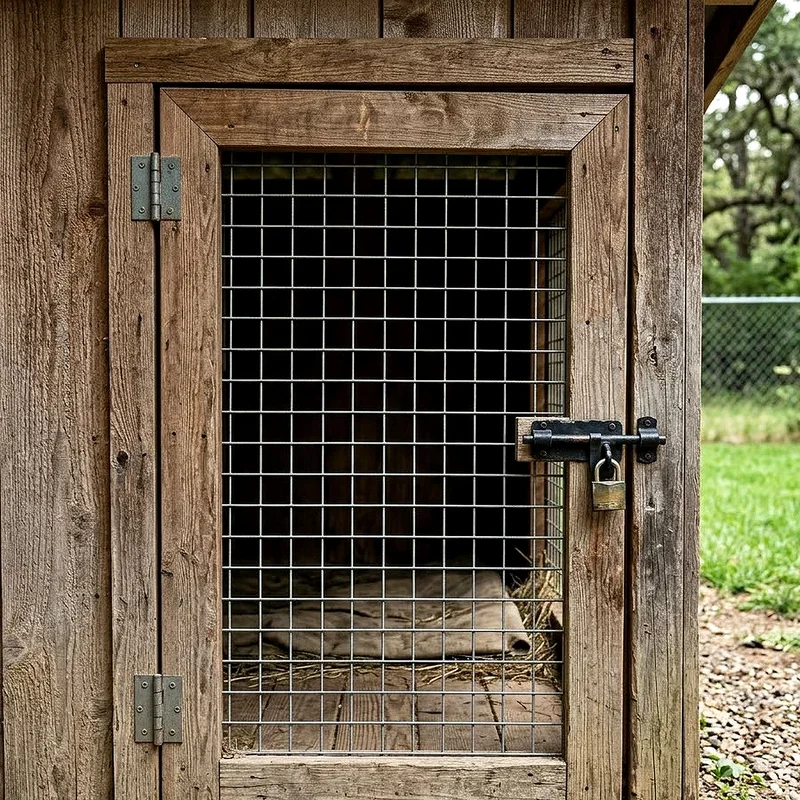
Some dog run designs add a roof for shade or a concrete pad that's easy to hose down. Once a run has either one, ask the permit office whether it's still treated as a fence or reviewed as a small structure. Bring a sketch with its size, height and roofing material, and ask the HOA too if you have one.

A roof or a slab is a good reason to ask the permit office how it views a dog run.
Key Takeaways
Before the first post goes in:
Ask your city or county permit office whether the fence needs a permit, replacements included.
Confirm the builder's license with the state or county, see proof that the business is insured, and make sure the contract shows the license number.
Settle the property line and any HOA approval before ordering materials.
Request 811 marks a few business days ahead, and keep post holes out of the 18 to 24 inches around every mark.
Stay up to date with our latest ideas!