Learn how Vancouver pet owners can reduce pest attractants around feeding and resting areas through proper food storage, cleaning, and waste management.
A bowl of kibble left out overnight does more than feed a dog. It sends a scent message to every ant, mouse, and fly within range. Pets bring comfort to a household, yet the areas built around them (feeding stations, beds, litter boxes, outdoor runs) quietly supply the three things pests need: food, water, and shelter. Because these items are used daily, spills and crumbs feel normal, and the buildup rarely gets treated as a problem. In Clark County's wet seasons, outdoor food and standing water draw even more activity toward the house. Fixing this does not require giving up convenience or changing how you care for your animals. Small habits around storage, cleaning, and entry points make a measurable difference. The sections below cover how each pet-related area attracts pests and what you can do about it, starting with the feeding area itself.
Feeding Stations That Feed More Than Your Pet
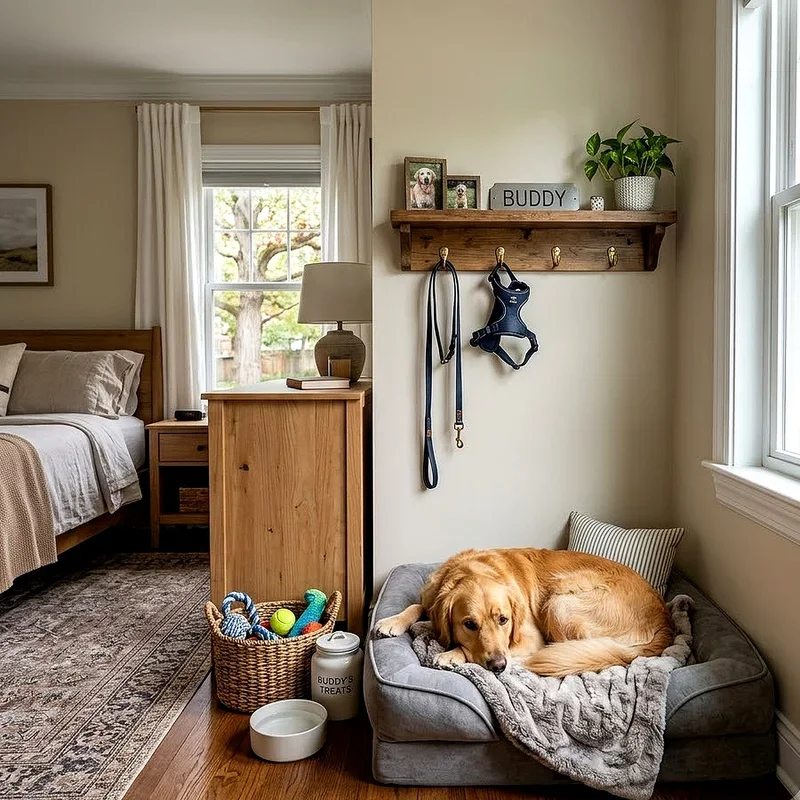
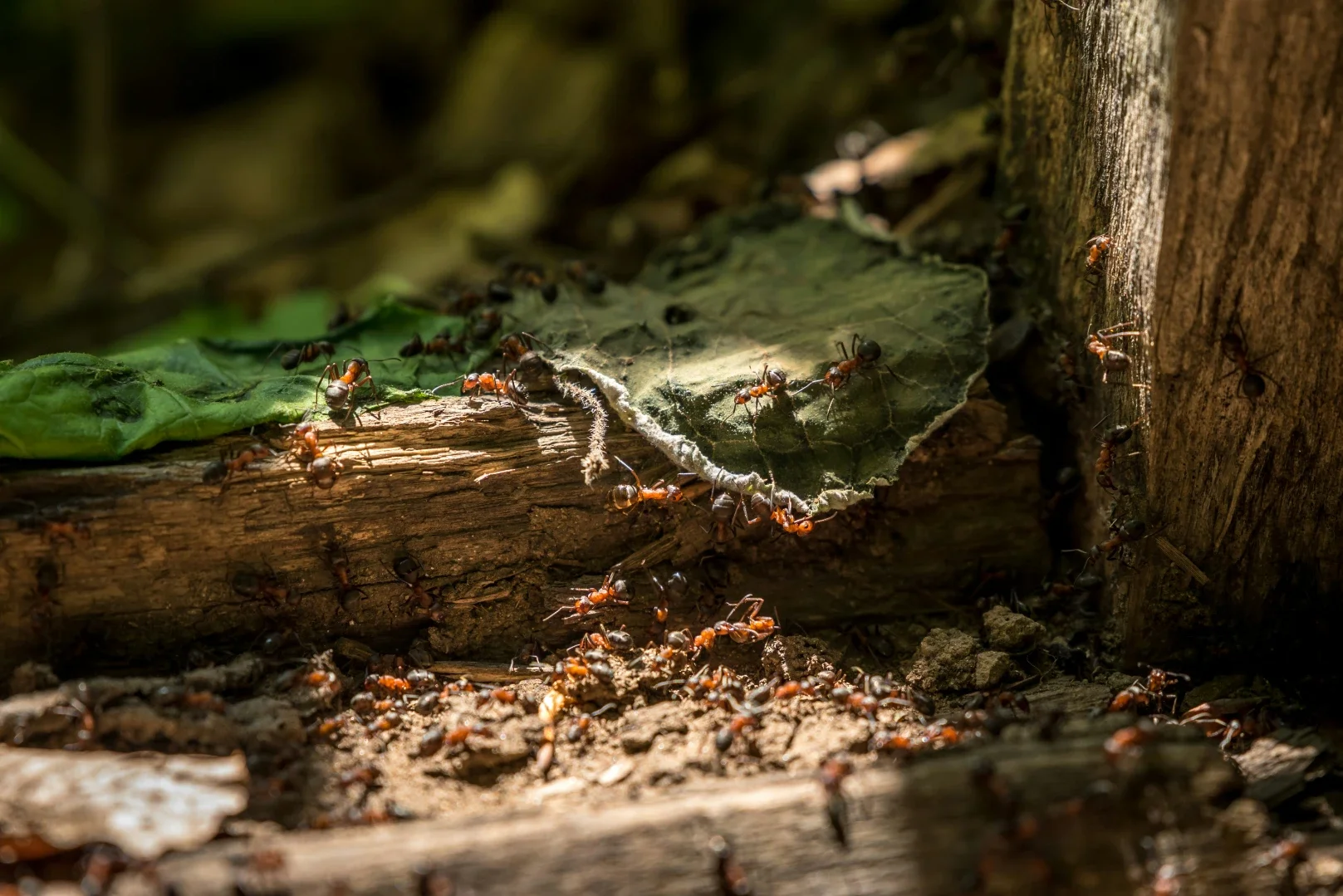
Dry kibble, canned food, and treats all carry strong odors, and ants detect them from a surprising distance. A single scout that finds a crumb lays a chemical trail, and within hours a column of workers follows it to the bowl. Mice behave similarly. They forage at night, favor food that is easy to carry, and will chew into a paper bag of kibble stored in a garage. Sealed storage is the simplest fix. Pour food into a metal or thick plastic container with a gasketed lid, and keep that container off the floor. Even so, a sealed bag tipped into an open bin invites trouble, so choose containers that close fully. Treat jars and training snacks the same way, since peanut butter chews and meaty strips attract insects and rodents alike.
Feeding habits matter as much as storage. Offer meals at set times and pick up the bowl when the pet finishes, rather than leaving it filled all day. Wipe the floor around the dish, because scattered pieces and grease spots feed pests long after the bowl is empty. Place a mat under the dish and wash it weekly. Wash bowls with hot soapy water daily, since dried residue is enough to draw ants and flies.
Water Bowls, Damp Floors, and the Insects They Draw
Water pulls in pests as reliably as food does. A bowl that sits for days grows a thin film of bacteria and algae, and the splashes around it leave damp patches on flooring. Fruit flies and drain flies breed in moist organic film, while gnats gather where soil or wood stays wet. Mice and rats need a regular water source, so a bowl in a quiet basement or garage can sustain a population that would otherwise struggle. Refill bowls with fresh water daily, scrub them weekly, and wipe up spills right away. Set bowls on a waterproof mat so leaks do not seep into subfloors or baseboards, where moisture can invite silverfish and, eventually, wood-damaging insects.
Look beyond the bowl too. Pet fountains, dripping hose connections used for filling, and overflow from outdoor troughs all create standing moisture. Empty and clean fountain reservoirs on schedule, and replace filters as the manufacturer directs. Outdoors, tip out saucers and buckets after rain so mosquitoes do not breed in them.
Flies and ants that return despite clean bowls and dry floors point to a source you cannot see, such as a hidden leak or a nest inside a wall. When activity keeps reappearing in the same pet corner, local pest control in Vancouver can identify the species and trace the origin, which spares you from repeating the same cleanup without result.
Bedding, Crates, and Litter Boxes as Hidden Shelter
Beds, blankets, and crates give pests something a bowl cannot: warmth and a place to hide. Fleas are the best-known example. Adult fleas stay on animals, but eggs fall into bedding and carpet, where larvae feed on organic debris and skin flakes. Dust mites, clothes moths, and carpet beetles also favor fabric that holds hair and dander. Mice will tear soft bedding into nest material if the bed sits against a quiet wall. Wash pet bedding weekly in hot water when the fabric allows, and dry it fully, since damp cloth invites mold and insects. Vacuum around the bed and under furniture at the same time, because eggs and hair collect there. Crates with removable trays are easy to rinse, which keeps crumbs from piling up underneath.
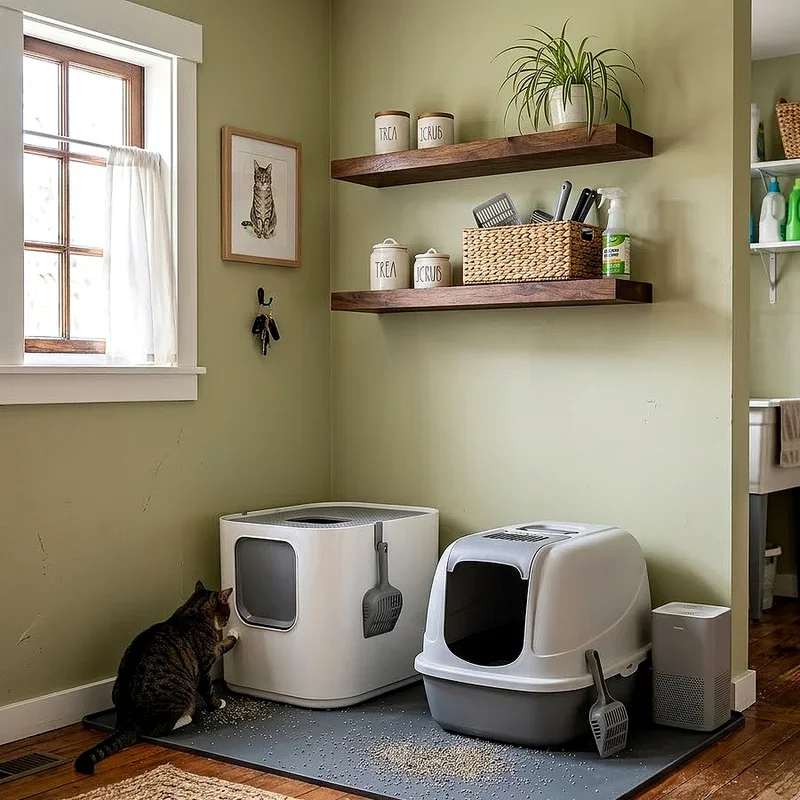
Litter areas deserve a separate routine. Scoop at least daily, and empty and wash the box on a regular schedule. Soiled litter attracts flies and releases odors that draw rodents and cockroaches. Keep the box on a hard, washable surface instead of carpet, and store fresh litter in a lidded container. Seal used litter in a bag and place it in a covered outdoor bin. If you keep a rabbit or guinea pig, change hay and bedding often, because stored hay can host mites and attract mice.
Outdoor Pet Spaces, Pet Doors, and the Gaps They Create
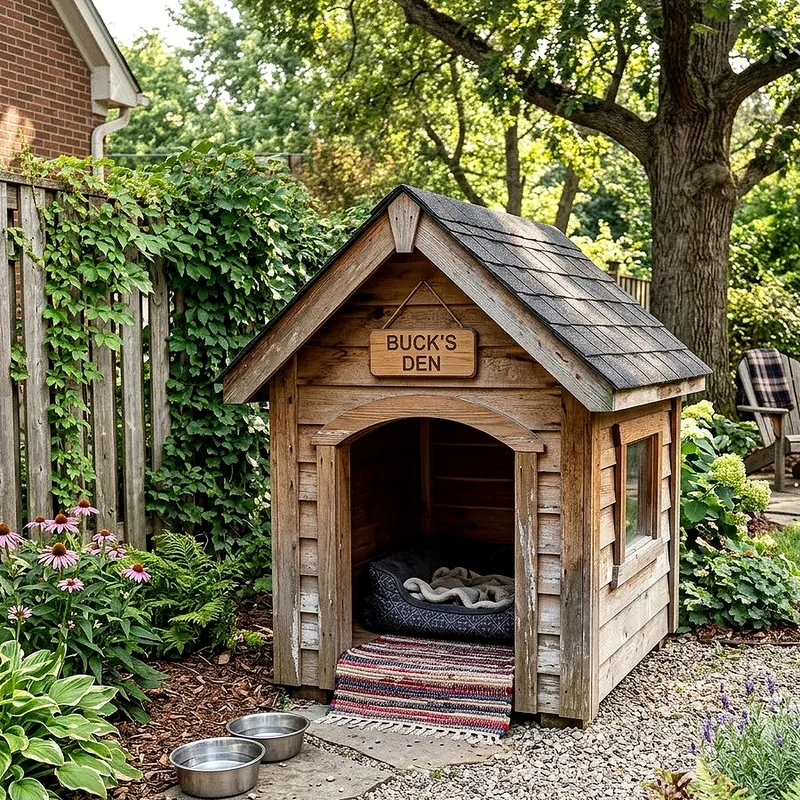
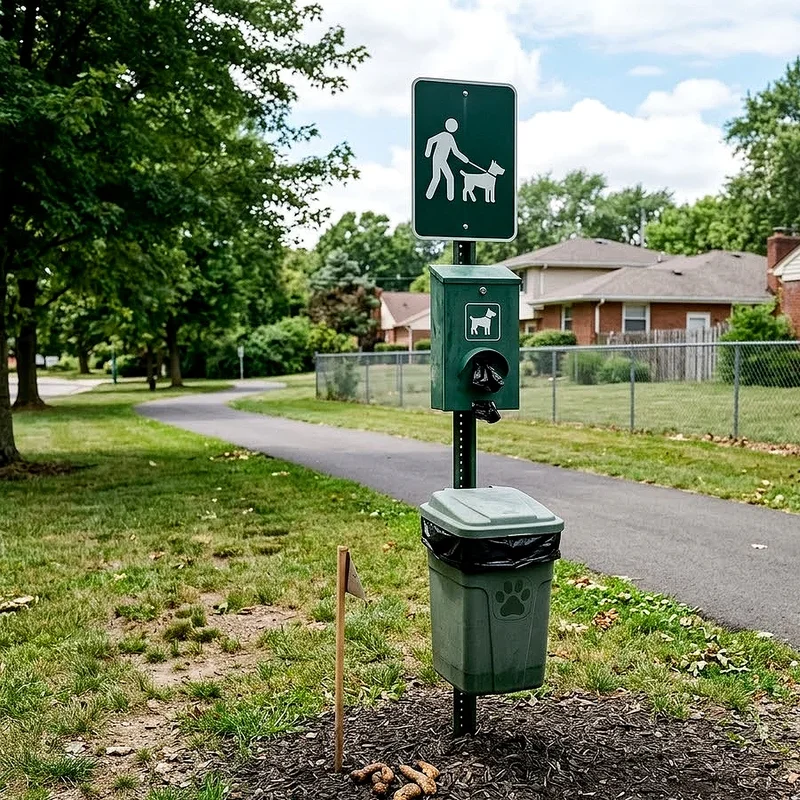
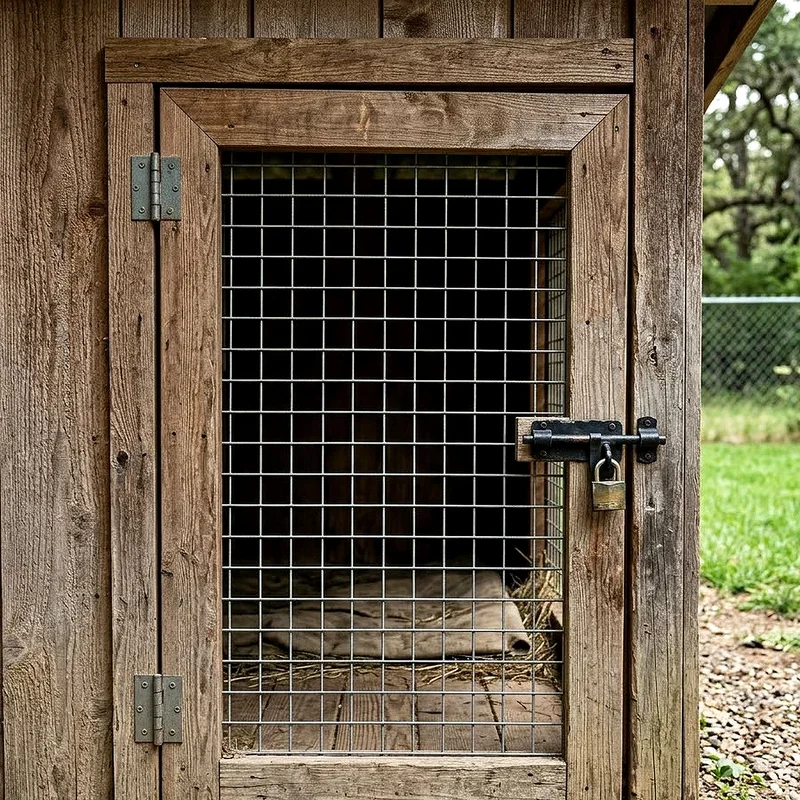
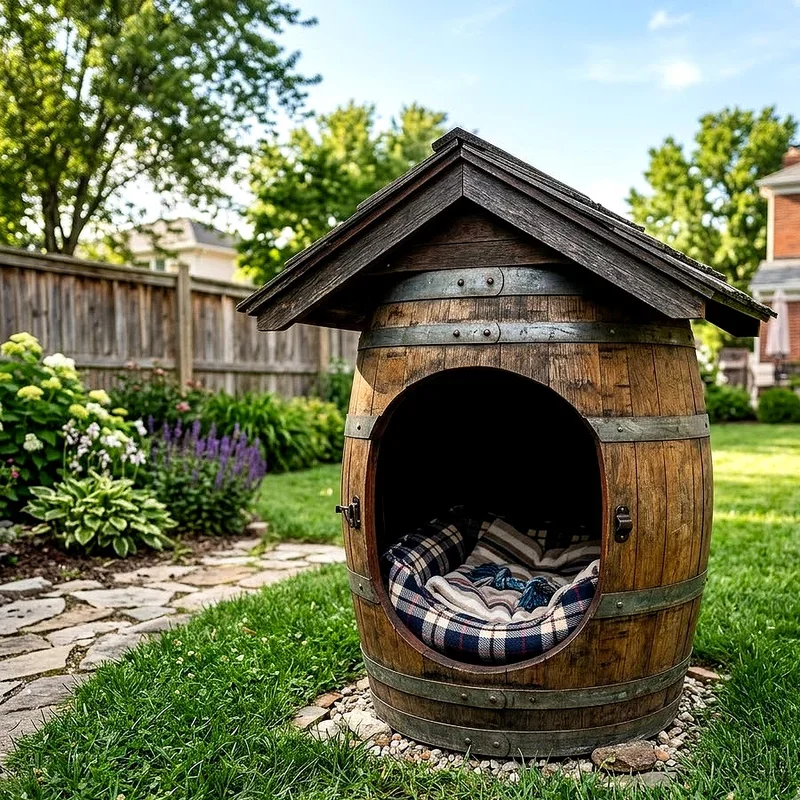
Yards and patios carry their own set of attractants. Pet waste left on the lawn draws flies and feeds rodents, so pick it up at least every few days and seal it in a bag. Outdoor food bowls should come in at night, since raccoons, opossums, rats, and ants all visit them after dark. Keep dog houses, hutches, and cat shelters lifted off the ground, and clear leaf litter, woodpiles, and thick brush nearby, where rodents shelter. Check drainage areas and shaded corners for pooling after rain.
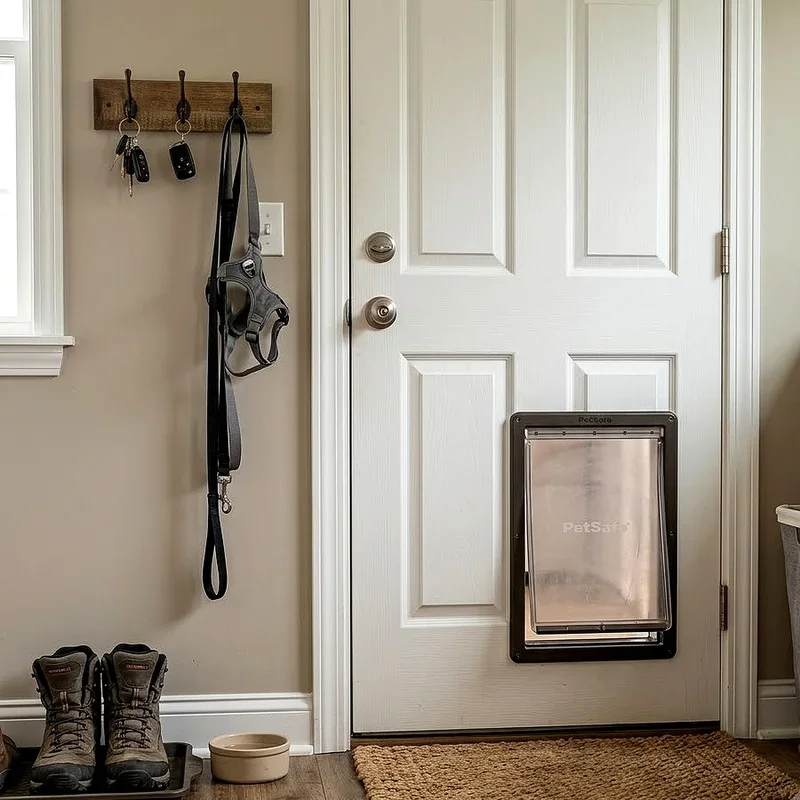
Pet doors are easy to overlook. A flap that no longer seals, a frame with cracks around it, or a door cut into a wall with hollow space behind can all give mice and insects direct access. Inspect the flap for tears, the frame for gaps wide enough to slip a pencil through, and the surrounding wall for gnaw marks. Weatherstripping and a snug magnetic closure help, and many owners lock the door at night. Seal small gaps with metal mesh or cement-based filler rather than foam, since rodents chew through foam.
When rodent droppings, ant trails, or fly swarms keep showing up near the pet door or yard despite these steps, local pest control can inspect the structure and surrounding grounds, then recommend a plan based on what is actually present.
A Simple Routine That Keeps Pet Areas Unappealing
Good intentions fade without a schedule, so tie pet-area care to tasks you already do. Daily jobs take minutes: wash bowls, pick up uneaten food, scoop the litter box, and wipe the feeding spot. Weekly jobs go a little deeper. A short routine might look like this:
Wash bedding and vacuum around beds and crates.
Scrub water bowls, fountains, and feeding mats.
Inspect food containers for chew marks or loose lids.
Check the pet door, frame, and nearby wall for gaps.
Walk the yard for waste, standing water, and stored food.
Monitoring helps you catch trouble early. Glance along the walls near the feeding area for droppings, which resemble dark grains of rice when they come from mice. Watch for ants gathering on a counter edge or windowsill after you clean, since that suggests a trail leads in from outside. Keep a simple note with dates and locations. A single ant on a hot day means little, while a trail that returns every week means something is feeding it.
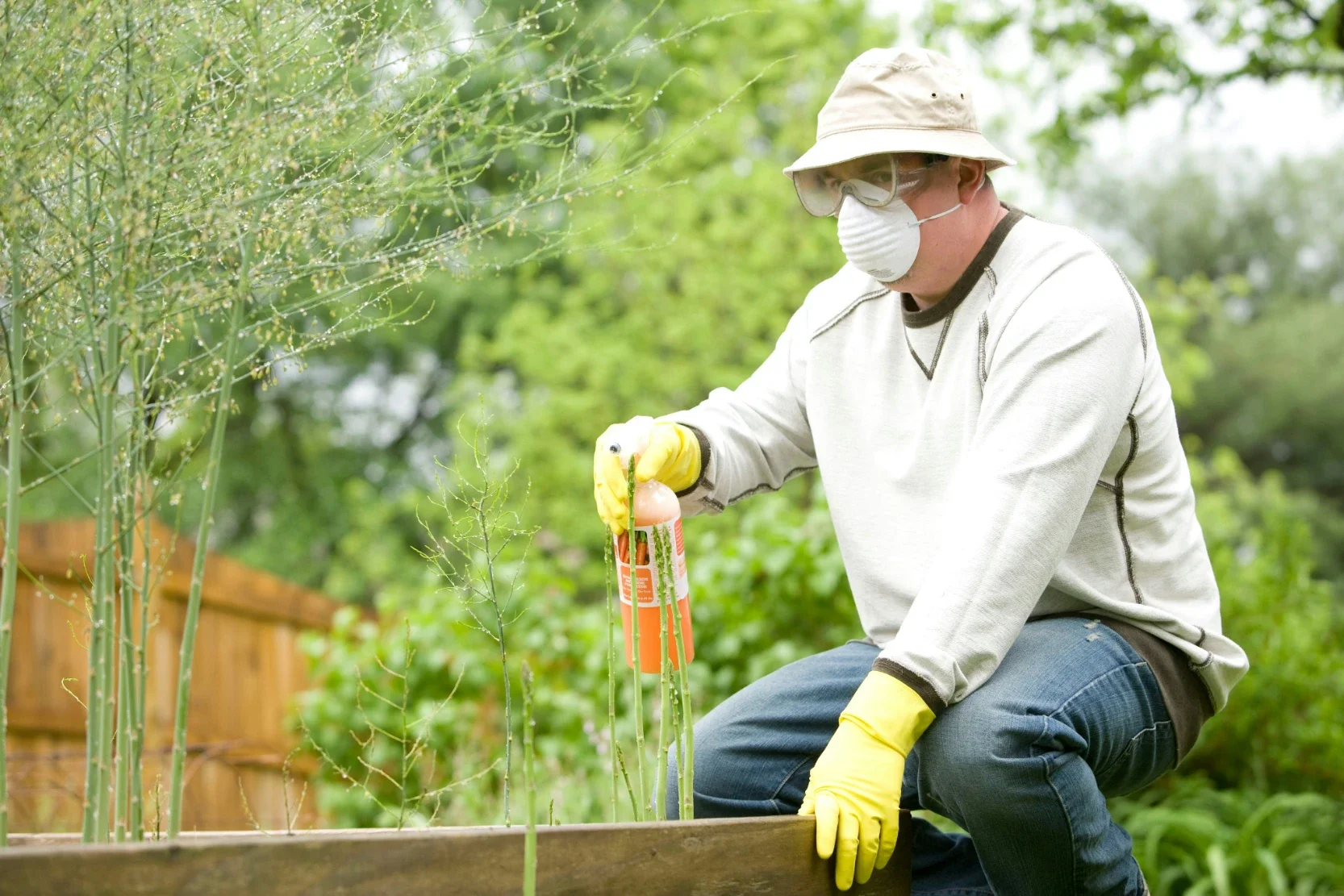
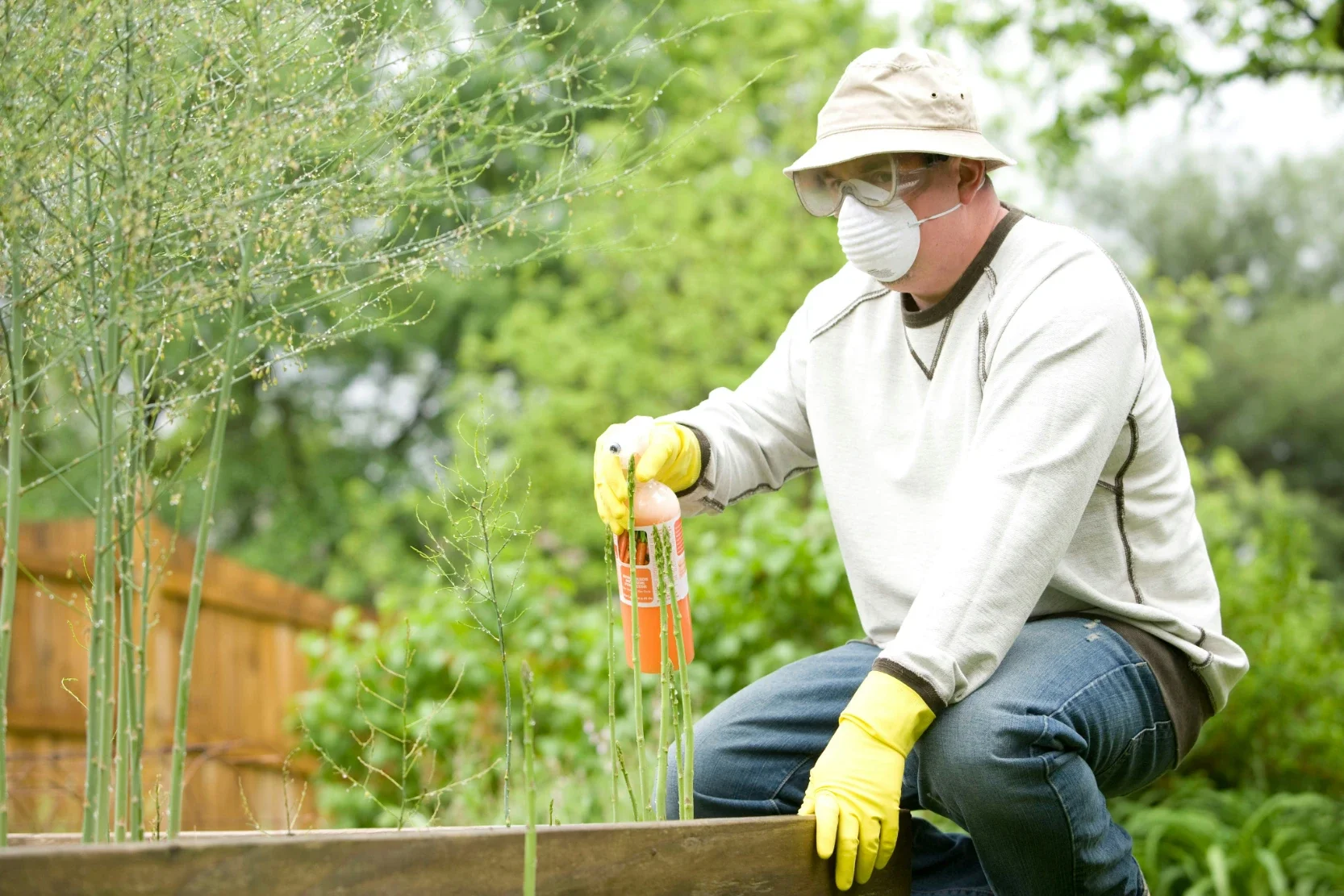
Pet safety also needs attention. Some insecticides and rodent baits are hazardous to animals, so read labels carefully and keep pets away from affected areas. Ask a veterinarian or a licensed professional about safe options before using any treatment product.
Final Analysis
Pets and pest prevention share more common ground than most owners expect, because the habits that keep animals healthy also keep unwanted visitors away. Food stored in sealed containers, bowls washed daily, dry floors, laundered bedding, scooped litter, and a pet door that closes tightly remove the food, moisture, and shelter that ants, rodents, and flies look for. None of these steps is complicated, and together they cost little compared with repairing chewed materials or repeating emergency cleanups. Consistency matters more than perfection, since a short daily and weekly rhythm catches most issues while they are small. When signs return anyway, treat them as a clue that the cause lies beyond the bowl, and seek a professional assessment instead of repeating the same fix. Your pets stay comfortable, and your home stays a poor choice for everything else.
Stay up to date with our latest ideas!