Discover 15 stunning outdoor bird aviary ideas to transform your backyard into a paradise for feathered friends and nature lovers.
Have you ever stepped outside and wished your backyard sounded like a tropical rainforest? Building an outdoor bird aviary is like giving nature a VIP invitation to move in permanently. Whether you keep parakeets, finches, or simply want to attract wild songbirds, an aviary turns a boring patch of grass into something truly magical. Think of it as interior design, except your clients have feathers and opinions about perch placement. The best part is that aviaries come in every shape, size, and budget imaginable. From sleek modern enclosures to charming rustic cages draped in climbing vines, there is an option for every backyard and every bird lover. In this guide, you will discover fifteen creative outdoor bird aviary ideas that blend function with jaw-dropping beauty. Ready to give your yard wings? Let us dive right in.
1. The Classic Walk-In Aviary
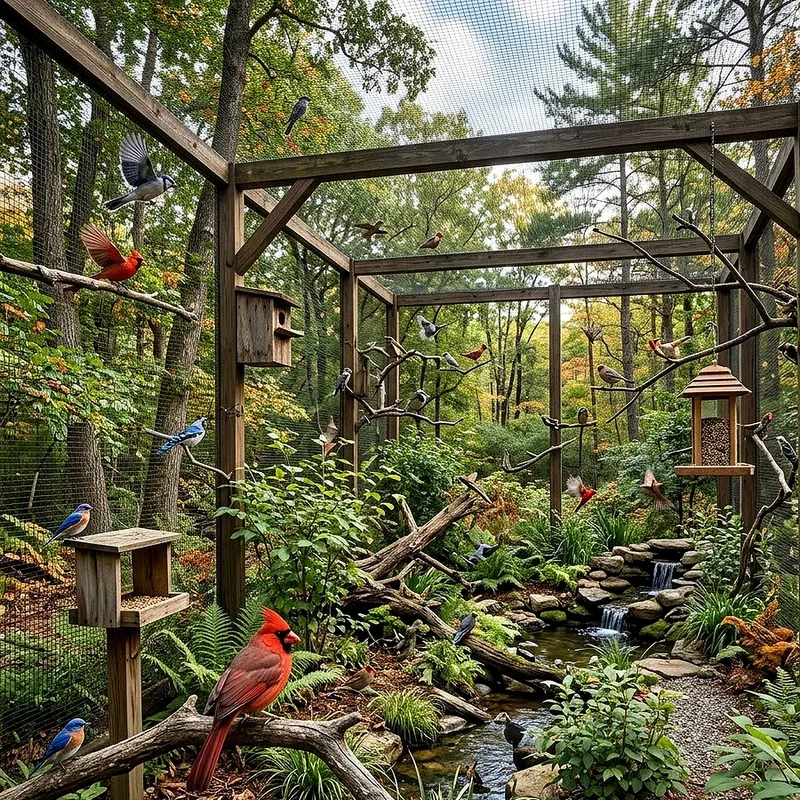
A walk-in aviary is the granddaddy of backyard bird enclosures, and honestly, nothing beats stepping inside a space filled with chirping, fluttering birds. Picture a large rectangular frame made from galvanized steel or treated wood, wrapped in fine wire mesh on every side. You walk through a double-door entry, and suddenly you are standing in the middle of a living ecosystem. This design gives your birds plenty of room to fly freely, which keeps them healthier and happier than cramped cages ever could. You can plant small trees and shrubs right inside, hang feeders at different heights, and add a shallow water feature on the ground. It becomes your personal sanctuary just as much as theirs, a place where morning coffee tastes a whole lot better.
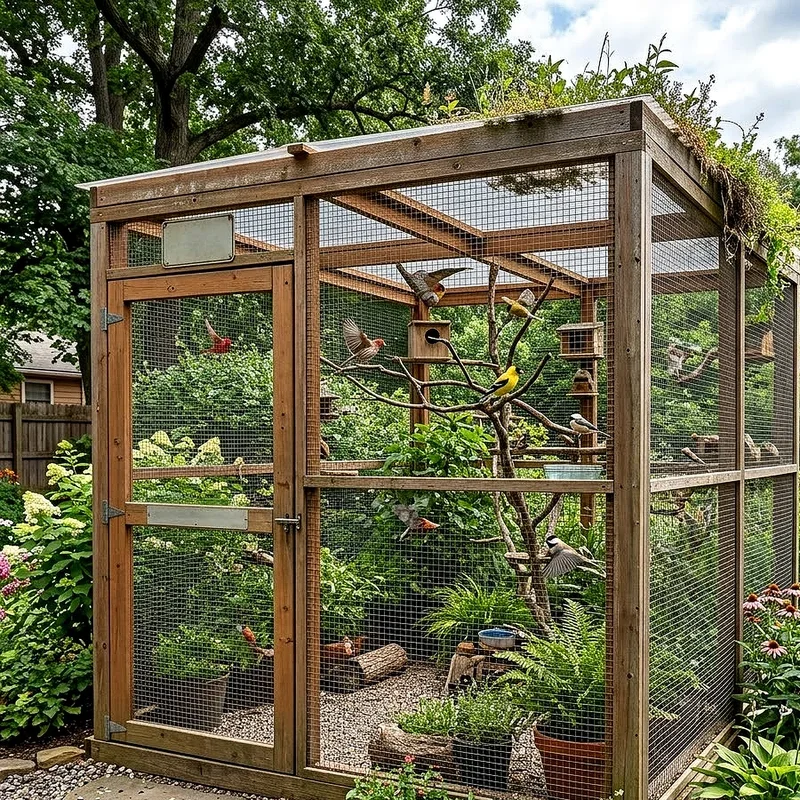
2. A Rustic Wooden Flight Cage
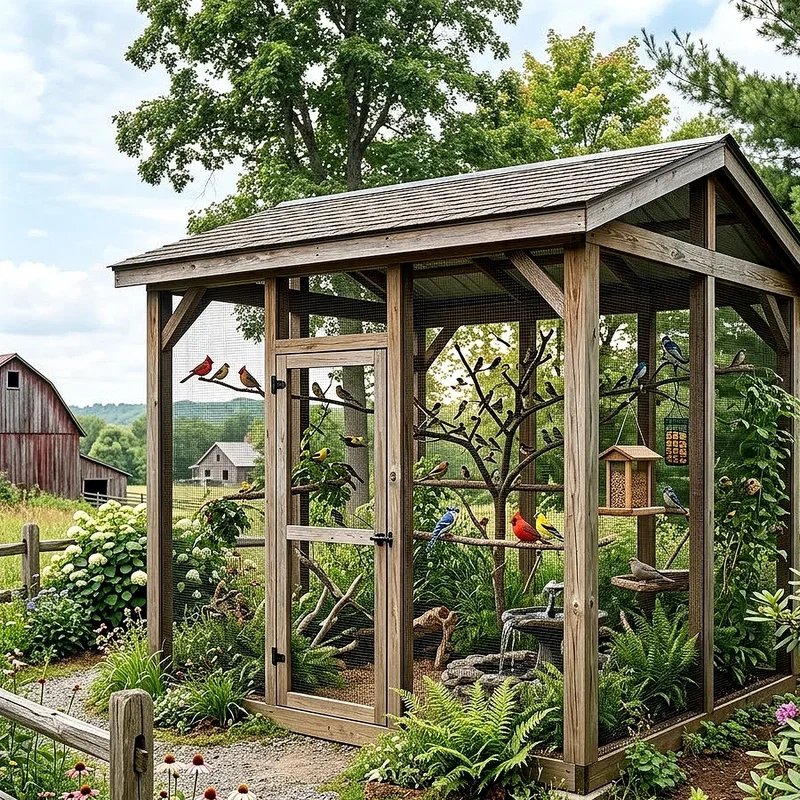
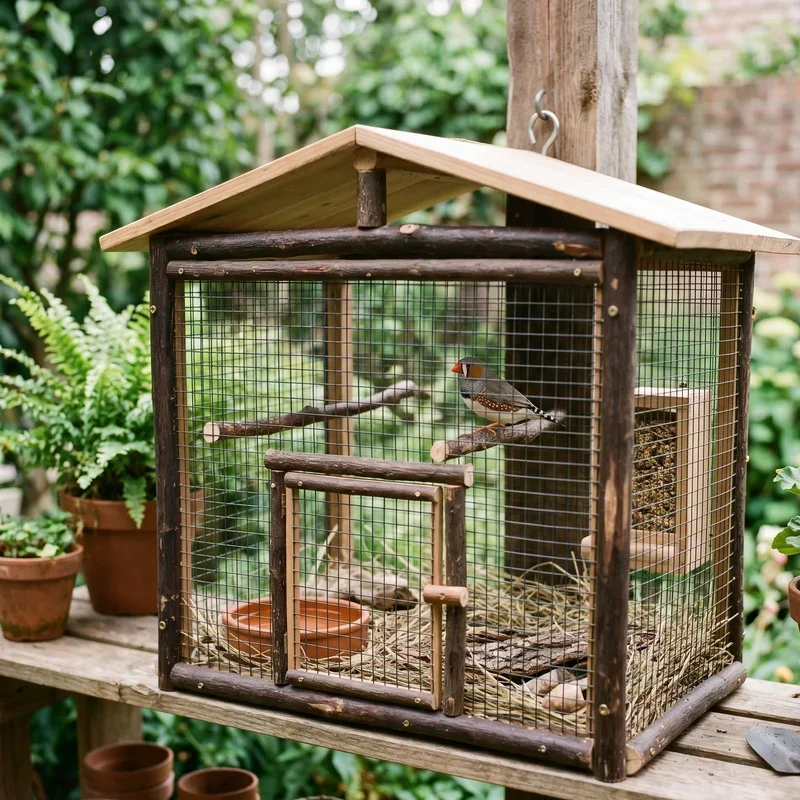
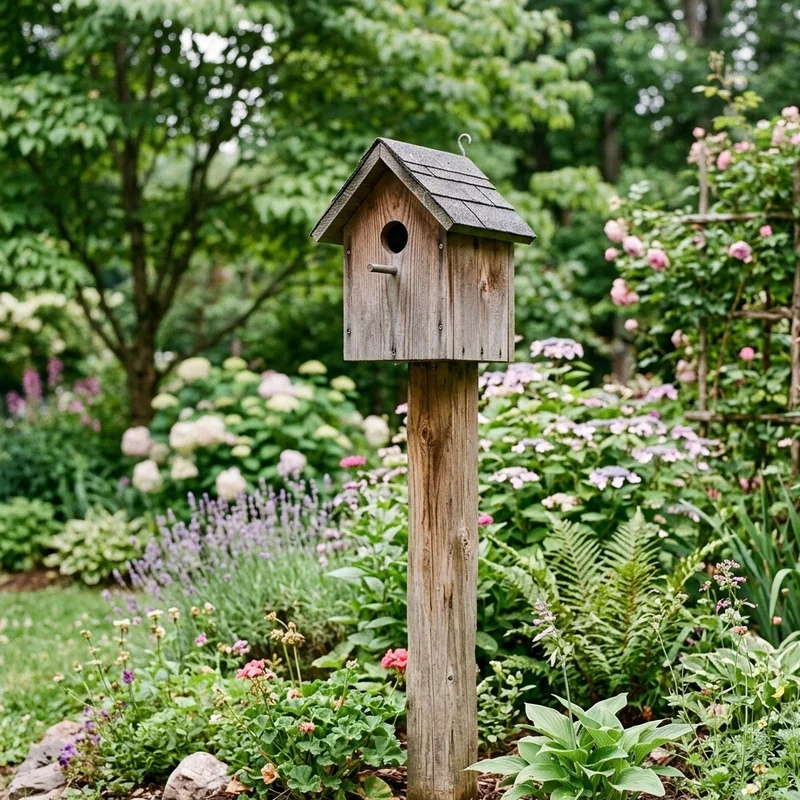
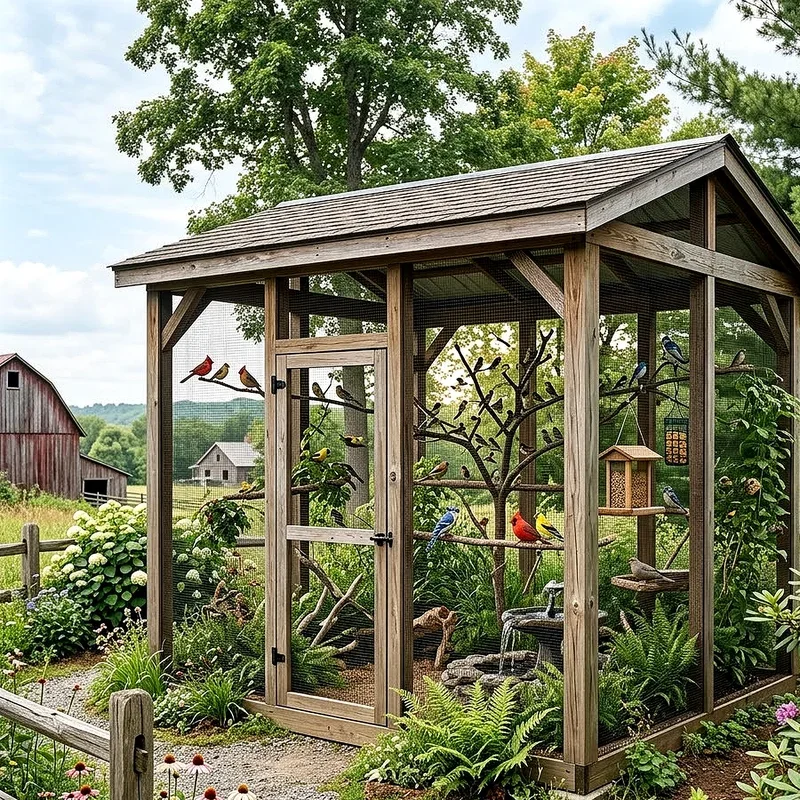
If your backyard has a cottage or farmhouse vibe, a rustic wooden flight cage fits in like a missing puzzle piece. Imagine weathered cedar posts, a sloped shingled roof, and mesh panels framed with rough-cut timber that looks like it grew straight out of the garden. This aviary style feels warm and organic, blending effortlessly with flower beds and vegetable gardens nearby. You can mount it against a fence or position it as a freestanding feature surrounded by wildflowers. The wooden structure absorbs the landscape rather than fighting against it, which is what makes it so appealing. Add some climbing roses along the posts, scatter natural wood perches inside, and toss in a terracotta birdbath. Your birds get a cozy home, and your yard gets a Pinterest-worthy focal point that neighbors will absolutely envy.
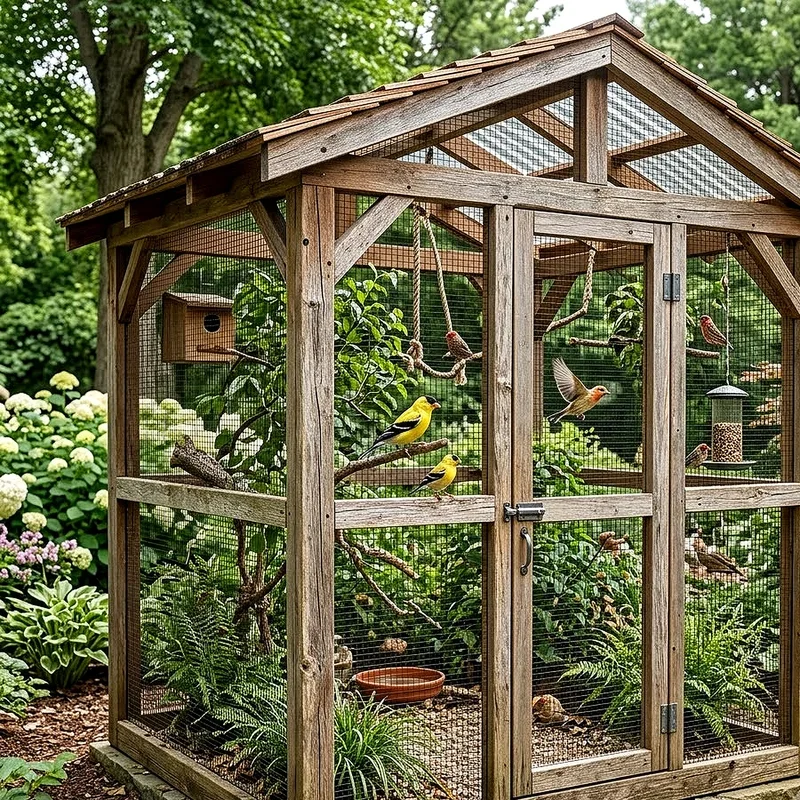
3. The Victorian Greenhouse Aviary
Why not combine elegance with functionality by repurposing a Victorian-style greenhouse into a stunning bird aviary? These structures feature ornate metal frames, arched glass panels, and pointed rooftops that scream sophistication from every angle. Swap some glass panels for mesh to allow proper airflow while keeping that gorgeous silhouette intact. The remaining glass traps warmth during cooler months, creating a comfortable microclimate your birds will adore. Inside, you can arrange potted palms, hanging ferns, and cascading ivy to mimic a lush conservatory atmosphere. The beauty of this design is the drama it delivers without looking out of place in a well-maintained garden. It transforms bird keeping from a casual hobby into a statement piece, something that looks like it belongs on the grounds of an English country estate rather than a suburban lot.
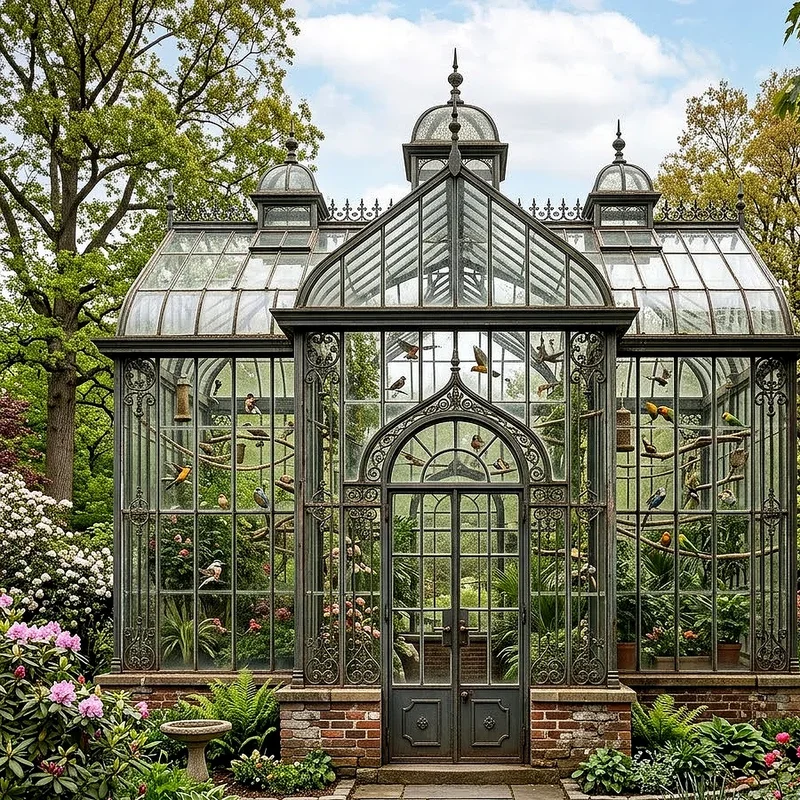
4. A Modern Minimalist Mesh Enclosure
For homeowners who love clean lines and contemporary design, a minimalist mesh aviary offers sleek simplicity that refuses to clutter the landscape. Think powder-coated black aluminum framing, taut stainless steel mesh panels, and a flat or slightly angled roof that echoes modern architecture. This aviary does not shout for attention because it does not need to. Its strength lies in understated elegance, like a well-tailored suit compared to a sequined jacket. You keep the interior sparse with geometric perches, a single stone water bowl, and perhaps one sculptural branch for visual interest. The transparency of the fine mesh lets you watch your birds from across the yard without any visual barrier feeling heavy. It works brilliantly beside a modern patio, a swimming pool, or a minimalist Zen garden where less truly becomes more.
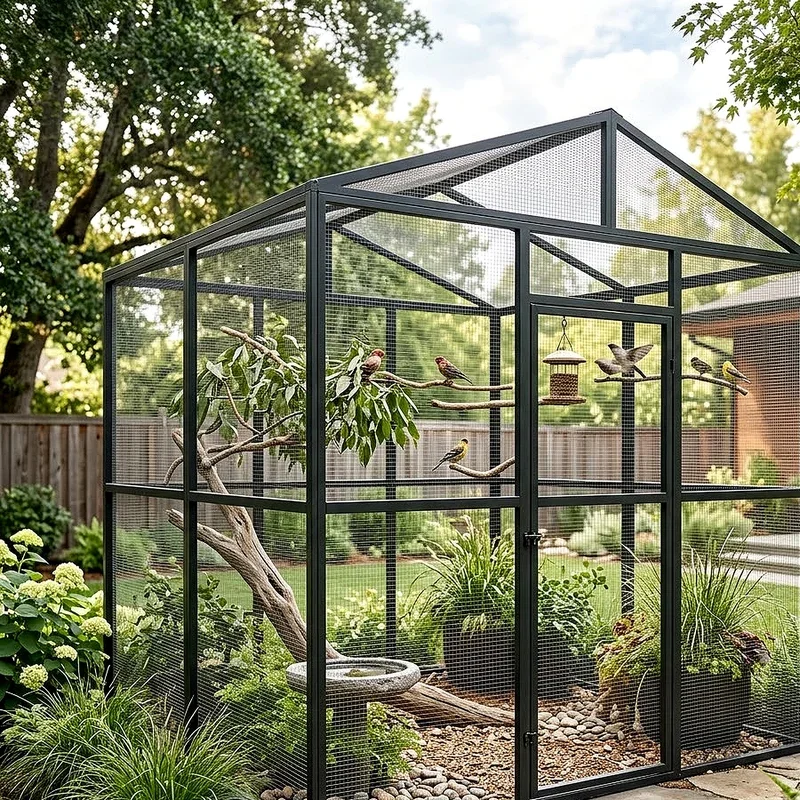
5. The Garden-Integrated Aviary
What if your aviary did not look like an aviary at all? A garden-integrated design weaves the enclosure directly into your existing landscaping, so the mesh panels disappear behind climbing jasmine, bougainvillea, and honeysuckle vines. You position the structure among your raised garden beds, surround it with ornamental grasses, and let nature do the decorating over a single growing season. The birds benefit from natural shade, insect visitors for snacking, and the sensory enrichment of living plants pressing against their home. Meanwhile, your yard gains texture and depth because the aviary becomes another garden element rather than a separate structure. It is like hiding a treehouse inside a forest canopy. Guests might not even realize birds live there until they hear the singing drifting through the leaves on a quiet afternoon.
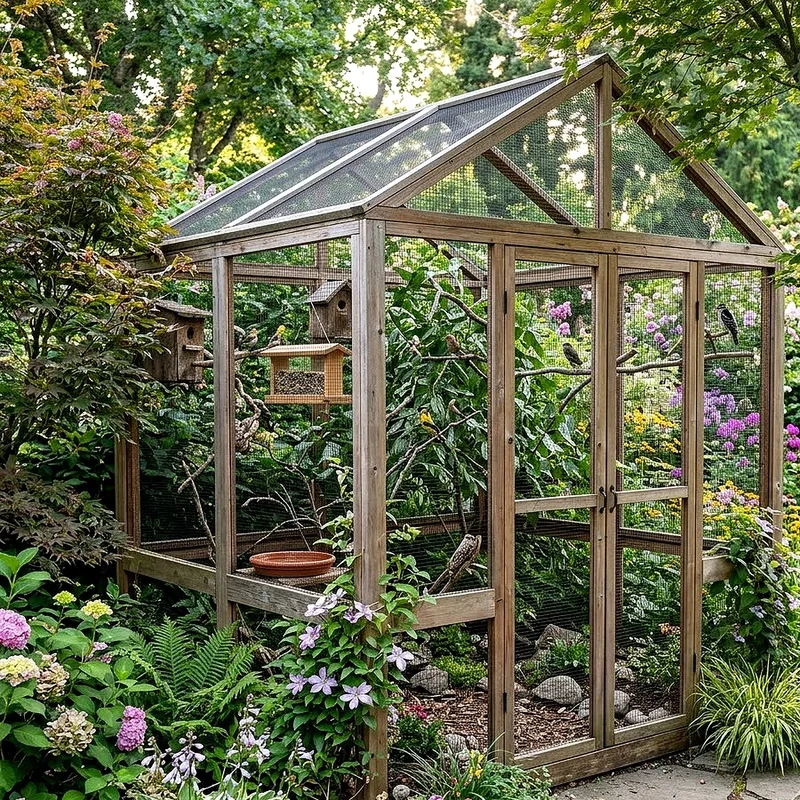
6. A Tropical Paradise Retreat
Turn a section of your backyard into a slice of the tropics by designing an aviary that screams island getaway from every angle. Use bamboo poles for the frame, thatch or palm fronds for a portion of the roof, and surround the base with large tropical plants like elephant ears, bird of paradise, and banana palms. Inside the enclosure, install misting systems that keep humidity levels comfortable for exotic species like lorikeets or parrotlets. Hang coconut shell feeders, string natural rope perches between bamboo crossbars, and place a shallow stone basin filled with fresh water. This setup works especially well in warmer climates where the plants thrive year-round. Even in cooler regions, you can replicate the effect seasonally and bring container plants indoors during winter, keeping that vacation energy alive as long as possible.
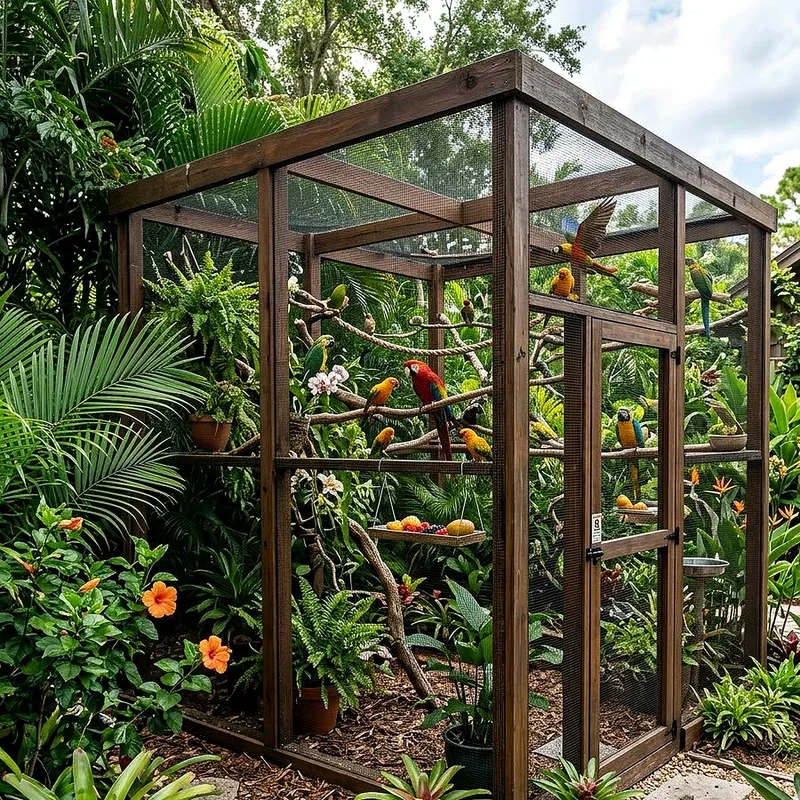
7. The Corner Patio Aviary
Not everyone has acres of land, but that does not mean small backyards miss out on the fun. A corner patio aviary tucks neatly into an unused angle of your deck or patio, turning wasted space into a vibrant living feature. Build a triangular or L-shaped frame that hugs two walls, then cover the open sides with mesh. This clever arrangement maximizes floor area while keeping the aviary feeling spacious inside. You can mount planters along the walls for trailing greenery, install a small fountain for ambient sound, and arrange seating just outside so you can enjoy the birds during dinner or weekend relaxation. Think of it as your tiny corner of paradise, proof that you do not need a mansion to create something extraordinary for your feathered companions and yourself.
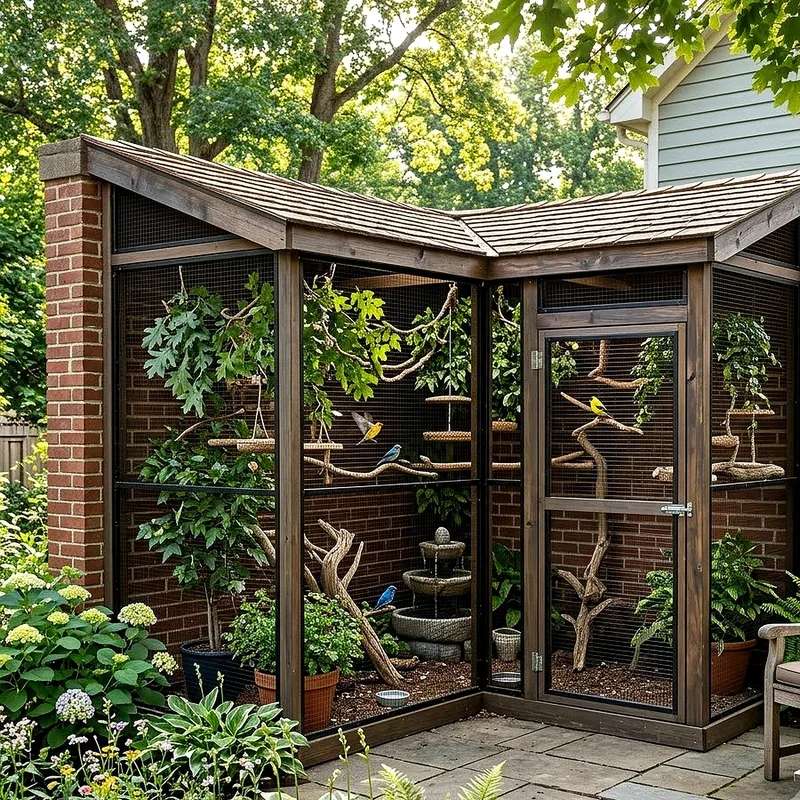
8. A Multi-Level Tower Aviary
When horizontal space runs short, go vertical. A multi-level tower aviary stacks several compartments upward, giving your birds room to climb, hop, and fly between floors through connecting openings. Each level can serve a different purpose, with feeding stations on one floor, nesting boxes on another, and open flight space at the top where birds catch the breeze. The tower silhouette adds dramatic vertical interest to flat backyards, functioning like a garden sculpture that happens to house living creatures. You can wrap the exterior in climbing vines or leave the mesh exposed for a more industrial look depending on your taste. Place it near a garden wall, beside a tall hedge, or standing alone as a proud centerpiece. This design proves that thinking upward solves problems just as effectively as thinking outward ever could.
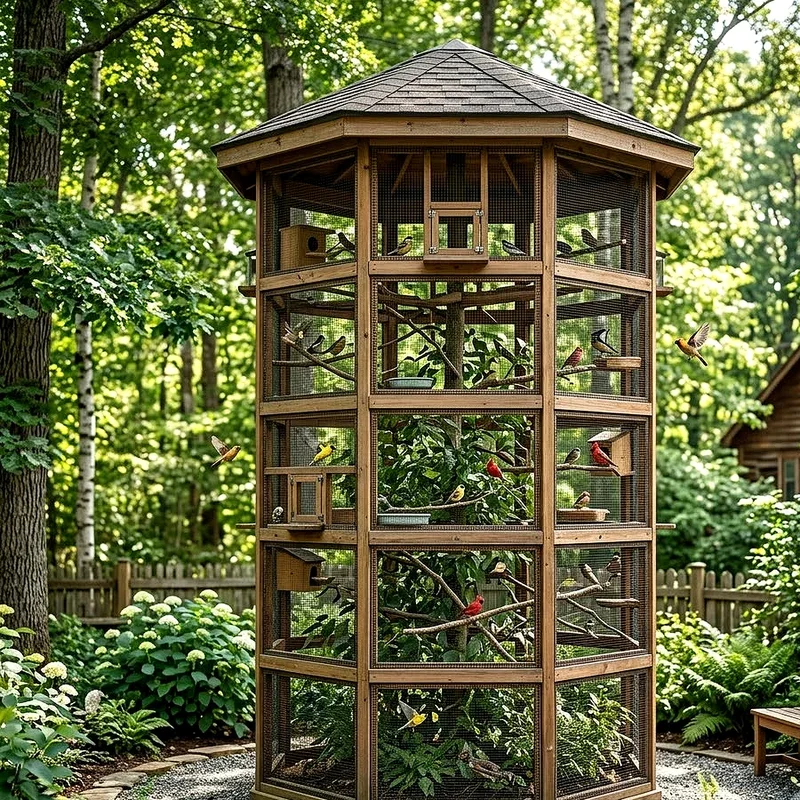
9. The Natural Habitat Aviary
Instead of building a structure and adding plants afterward, why not design around existing natural features? A natural habitat aviary uses living trees, stone outcroppings, or hillside contours as part of its architecture. You simply wrap mesh around a cluster of mature trees, fence in a rocky slope, or enclose a section of woodland already teeming with insects and wild plants. The birds experience something remarkably close to genuine wild living, with real bark to explore, natural leaf litter to scratch through, and seasonal changes that keep their environment dynamic. You spend less money on materials because nature provides half the infrastructure for free. This approach works beautifully for native species conservation projects or anyone who wants their aviary to feel less like a cage and more like a protected pocket of untouched wilderness right in the backyard.
10. A Portable Rolling Aviary
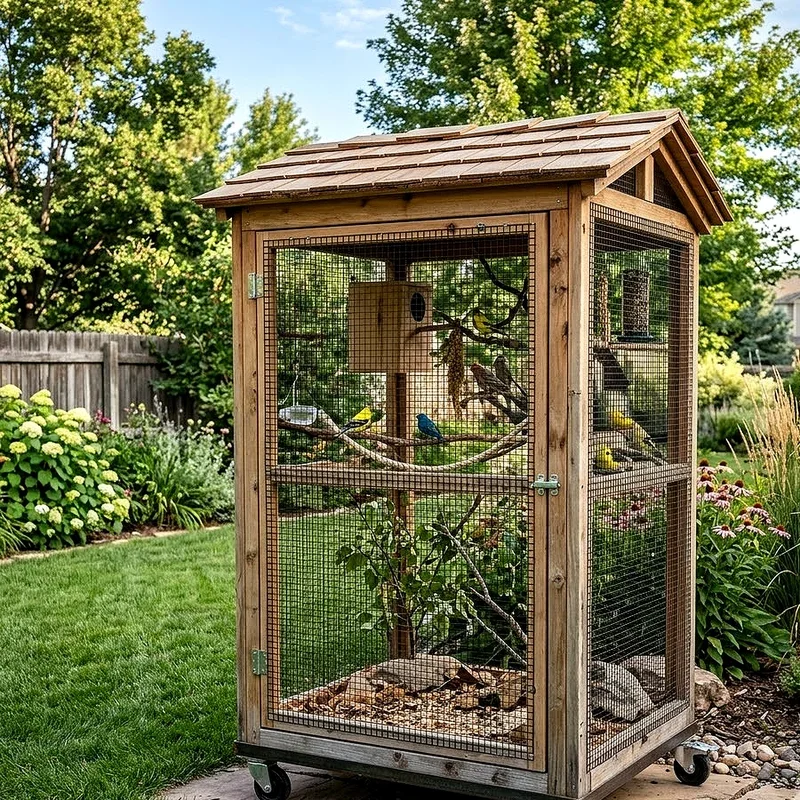
Flexibility is king when you cannot commit to a permanent structure, and a portable rolling aviary hands you that freedom on wheels. Build a sturdy rectangular cage mounted on heavy-duty locking casters so you can roll the entire setup to follow the shade in summer or chase sunny patches during cooler months. The frame usually consists of lightweight aluminum or treated wood, wrapped in durable hardware cloth that withstands weather and curious predators. Add removable trays at the bottom for easy cleaning and clip-on feeders along the sides for convenient refilling. This design works wonders for renters, seasonal bird keepers, or anyone who likes rearranging their outdoor space regularly. You move it beside the garden for breakfast, near the patio for evening entertainment, and into the garage when storms threaten. Total convenience without permanent commitment.
11. The Courtyard Centerpiece Aviary
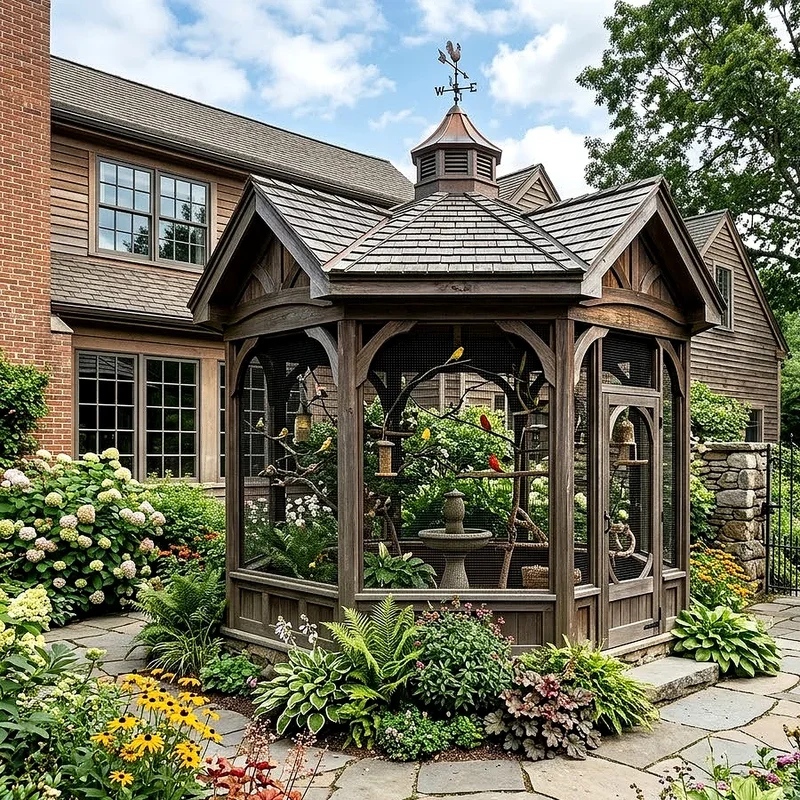
Some backyards revolve around a central feature, and an aviary placed dead center in a courtyard makes a statement that visitors never forget. Imagine a hexagonal or octagonal enclosure surrounded by pathways, low hedges, and flowering borders, drawing every eye toward its elegant form. The shape allows viewing from multiple angles, so guests can stroll around the perimeter and appreciate different birds from every direction. Inside, you create layered planting with tall grasses in the center, mid-height shrubs along the sides, and ground cover plants carpeting the floor for a lush three-dimensional effect. A decorative finial or weathervane on top adds classic charm that ties the aviary to the broader garden design. This approach works phenomenally for formal garden layouts where symmetry and intentional placement define the overall aesthetic of the space.
12. An Attached Sunroom Aviary
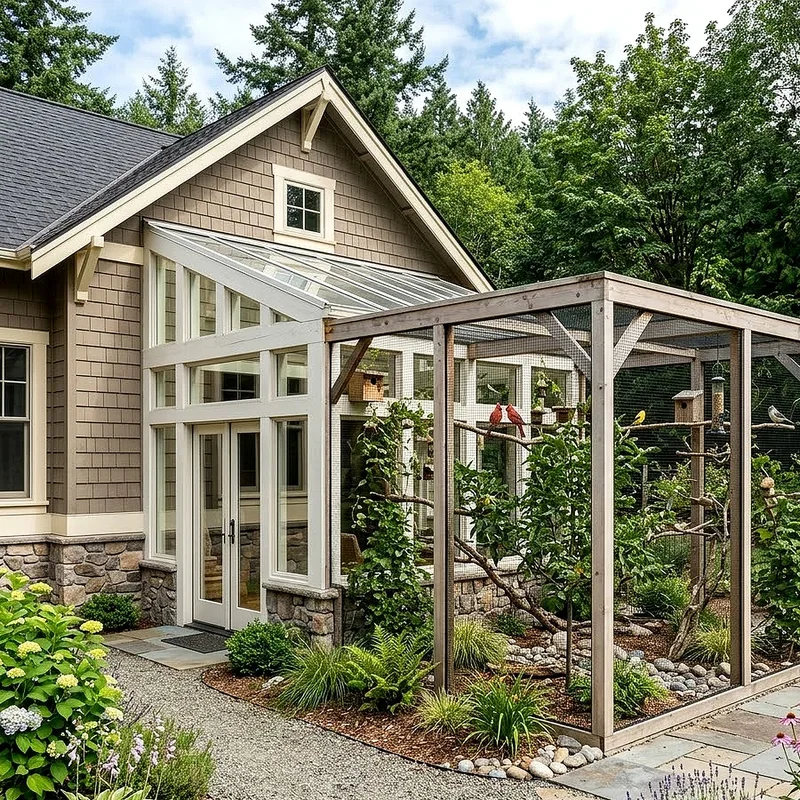
Blurring the boundary between indoors and outdoors, an attached sunroom aviary extends directly from your house through a wall, patio door, or large window opening. You enjoy watching your birds from the comfort of your living room while they enjoy fresh air, sunshine, and natural breezes outside. The structure typically features a transparent polycarbonate roof for weather protection, mesh walls for ventilation, and a solid base that connects seamlessly to your home foundation. Heating elements or insulation panels can extend the usability through colder seasons, making this a year-round option rather than just a fair-weather setup. Plant shelves along the interior walls bring greenery to both the birds and your indoor view simultaneously. It functions like a conservatory with wings, merging your domestic space with the natural world in a way that feels genuinely effortless and deeply satisfying every single day.
13. The Pond-Side Aviary
Water and birds share an ancient romance, so placing your aviary beside an existing garden pond creates harmony that feels almost poetic. The reflection of the enclosure shimmering across the water surface doubles the visual impact, while the sound of splashing from a fountain or waterfall provides constant ambient enrichment for your birds. You can extend a shallow section of the pond directly into the aviary through a mesh-covered channel, giving water-loving species like ducks or small wading birds access to a natural bathing area. Surround the perimeter with moisture-loving plants like irises, rushes, and ferns to soften the transition between water and land. The resulting scene looks like something pulled straight from a nature documentary, except you built it yourself and you get to enjoy it every single evening from your back porch.
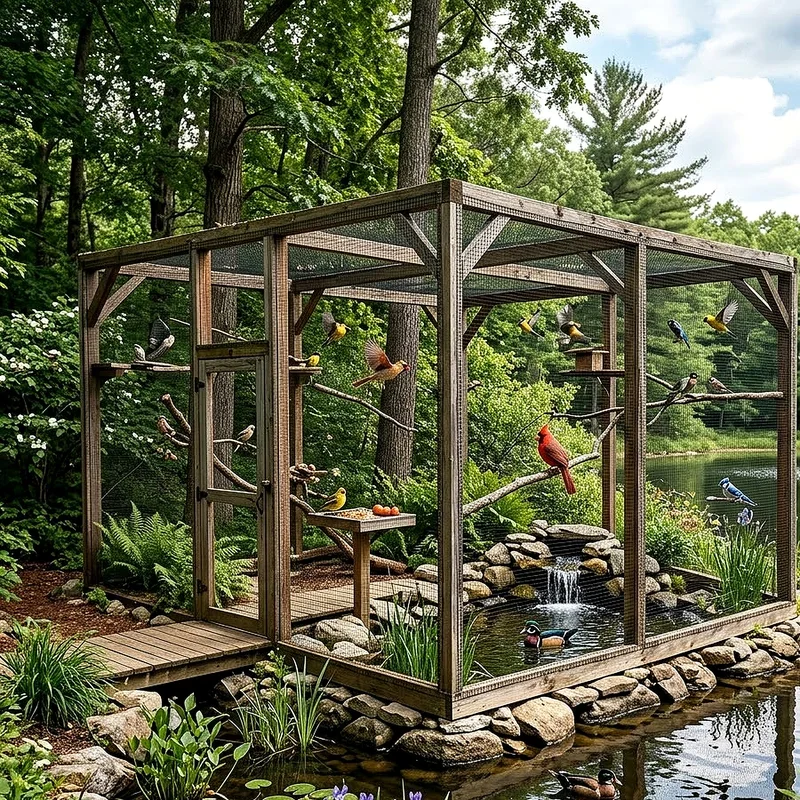
14. A Budget-Friendly DIY Aviary
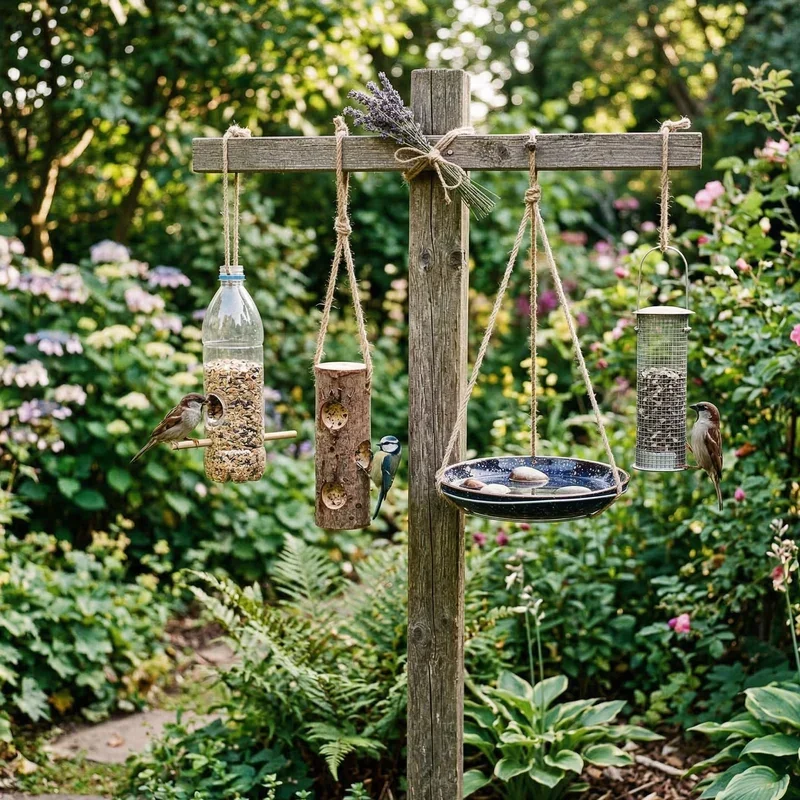
You do not need deep pockets to build a beautiful bird aviary because resourcefulness beats spending power every time. Repurposed materials like old wooden pallets, salvaged window frames, leftover fencing wire, and reclaimed lumber can come together into a charming enclosure that costs a fraction of store-bought options. Start with a simple rectangular frame, staple hardware cloth around the sides, and add a sloped plywood roof covered with leftover shingles or corrugated plastic. Thrift stores often sell decorative brackets, hinges, and hooks that add character without adding expense. The imperfect handmade aesthetic actually becomes the charm, giving your aviary a personality that mass-produced kits simply cannot replicate. Paint it in cheerful colors, hang handmade feeders from driftwood branches, and let your creativity fill the gaps that your budget cannot. Every bird cares about safety and space, never price tags.
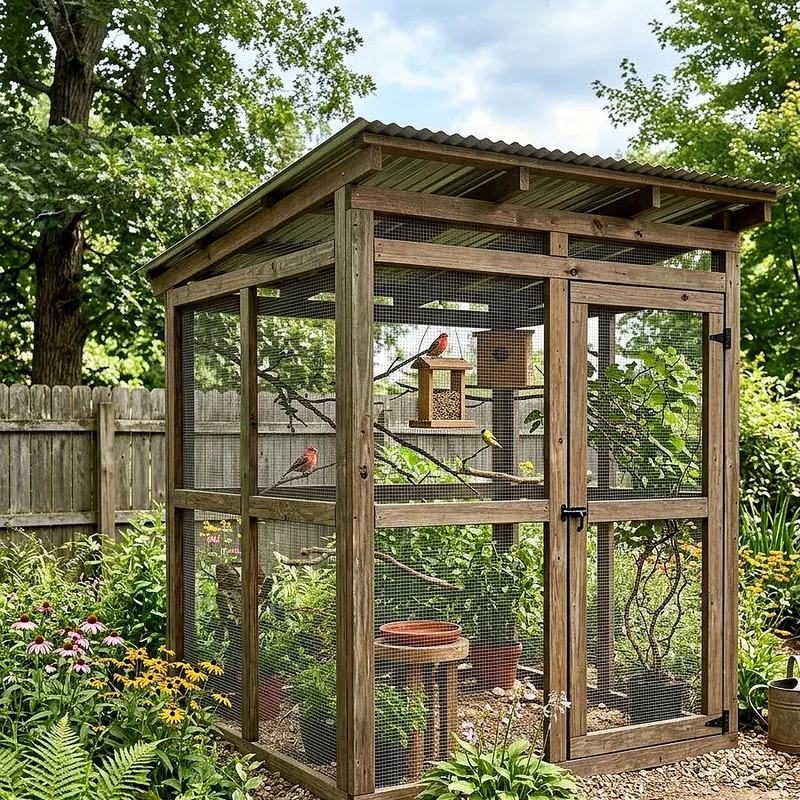
15. The Grand Estate Aviary
For those with ample space and ambition, a grand estate aviary transforms an entire section of the property into a breathtaking bird sanctuary that resembles something from a botanical garden. We are talking soaring ceilings, stone pathways winding through the interior, mature trees growing inside the enclosure, and enough square footage for dozens of species to coexist peacefully. Architectural details like arched doorways, wrought iron accents, and cupola rooftops elevate the structure beyond a simple cage into genuine landscape architecture. You might include separate chambers for breeding pairs, a climate-controlled section for delicate tropical species, and a visitor viewing gallery for entertaining guests. This aviary is not just a hobby project. It is a legacy piece, something that becomes the defining feature of your property and possibly the most talked about backyard in the entire neighborhood for generations to come.
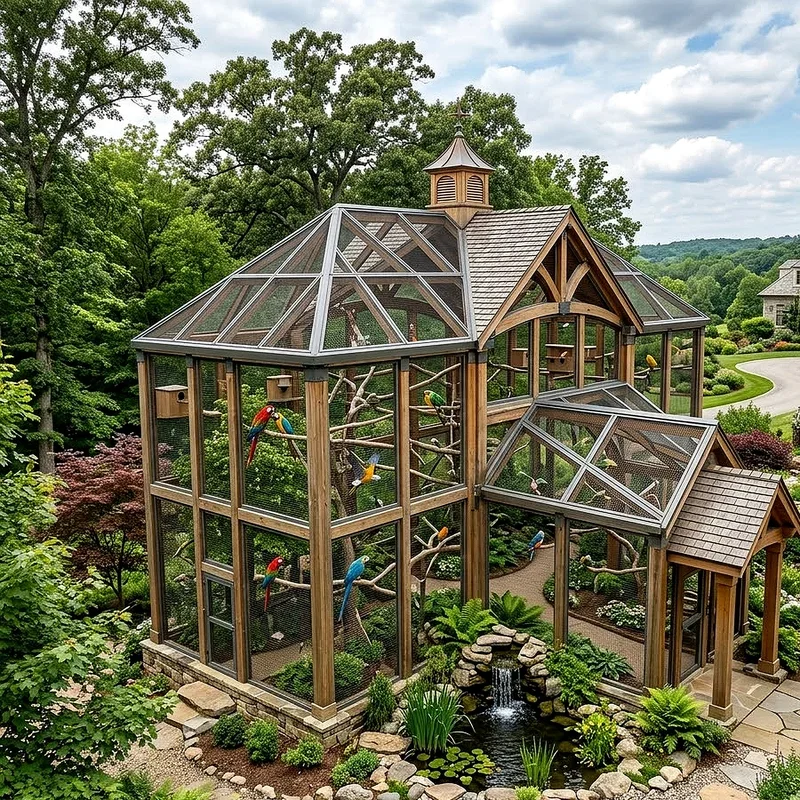
Conclusion
Building an outdoor bird aviary is one of those rare projects where beauty, purpose, and joy collide in the most wonderful way. Whether you choose a simple rolling cage or a grand estate enclosure, every option on this list brings nature closer to your daily life. Your birds get a safe, enriching home. Your backyard gains a stunning focal point. And you gain a peaceful retreat that no amount of money could buy off a shelf. So grab your measuring tape, sketch a few ideas, and start turning that empty corner of your yard into something truly extraordinary. The birds are already waiting.
Read next: 15 Bird Bath Fountain Ideas for a Beautiful Garden
Frequently Asked Questions
Q1. What is the best material for building an outdoor bird aviary?
A: Galvanized steel and treated hardwood offer the best durability against weather and predators.
Q2. How much does it cost to build a backyard bird aviary?
A: Costs range from under one hundred dollars for DIY builds to several thousand for custom designs.
Q3. Do outdoor aviaries need a roof for weather protection?
A: Yes, a partial or full roof protects birds from rain, direct sun, and airborne predators.
Q4. What bird species thrive best in outdoor aviaries?
A: Finches, canaries, budgies, and cockatiels adapt wonderfully to well-designed outdoor aviary environments.
Q5. How do I protect aviary birds from predators at night?
A: Use fine mesh walls, secure locks, and motion-activated lights to deter nocturnal predators effectively.
Stay up to date with our latest ideas!