How to Keep Dog Nails Short Without Clipping
Learn how to keep dog nails short without clipping using safe, stress-free alternatives that both you and your pup will love.
Let us be real for a second. Nail clipping day is probably the most dreaded event on your dog's calendar, and honestly, it might be on yours too. The squirming, the whimpering, the constant battle to hold a paw steady while your dog acts like you are performing some kind of medieval torture ritual. It is exhausting for everyone involved, and half the time you end up quitting halfway through because you are terrified of hitting the quick.
But here is the thing most dog owners do not realize. You do not actually have to clip your dog's nails to keep them at a healthy length. Yep, you read that right. There are plenty of effective, stress-free ways to maintain those nails without ever picking up a pair of clippers.
The question of "How to Keep Dog Nails Short Without Clipping" comes up constantly in vet offices, dog parks, and online forums, and for good reason. Nobody wants to traumatize their furry best friend over a grooming task that should not have to be such a big deal. So if you and your pup have been locked in an ongoing cold war over nail maintenance, this article is about to become your new best friend. Let us explore every clip-free method out there and find the perfect fit for your dog.
Why Long Nails Are a Problem for Dogs
Before we jump into the solutions, it helps to understand why nail length matters in the first place. A lot of people assume long nails are just a cosmetic issue, but they can actually cause some pretty serious problems for your dog.
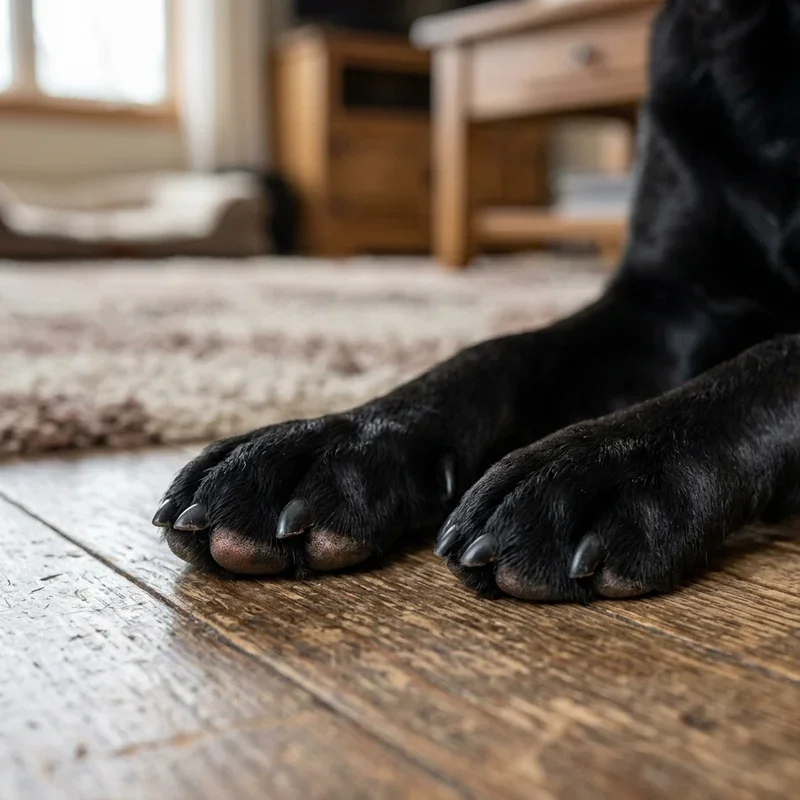
When a dog's nails get too long, they change the way the foot makes contact with the ground. Instead of walking on their paw pads the way nature intended, dogs with overgrown nails end up with their toes splayed outward or pushed backward. This throws off their entire posture and gait, kind of like how wearing shoes that are two sizes too big would mess with the way you walk.
Over time, this altered gait puts extra stress on the joints, tendons, and ligaments in the legs and spine. It can lead to chronic pain, arthritis, and mobility issues, especially in older dogs who are already dealing with age-related joint wear. Some dogs even develop painful ingrown nails that curl back into the paw pad, which is every bit as awful as it sounds.
Long nails also get caught on carpets, furniture, and outdoor surfaces, which can lead to torn or broken nails. A broken nail is not just painful. It can bleed heavily and become infected if not treated properly. And trust me, an emergency vet visit for a ripped nail at ten o'clock on a Saturday night is nobody's idea of a good time.
So keeping those nails short is not about vanity. It is about your dog's comfort, health, and overall quality of life. And the good news is you have got options beyond the dreaded clippers.
How to Keep Dog Nails Short Without Clipping: The Best Alternatives
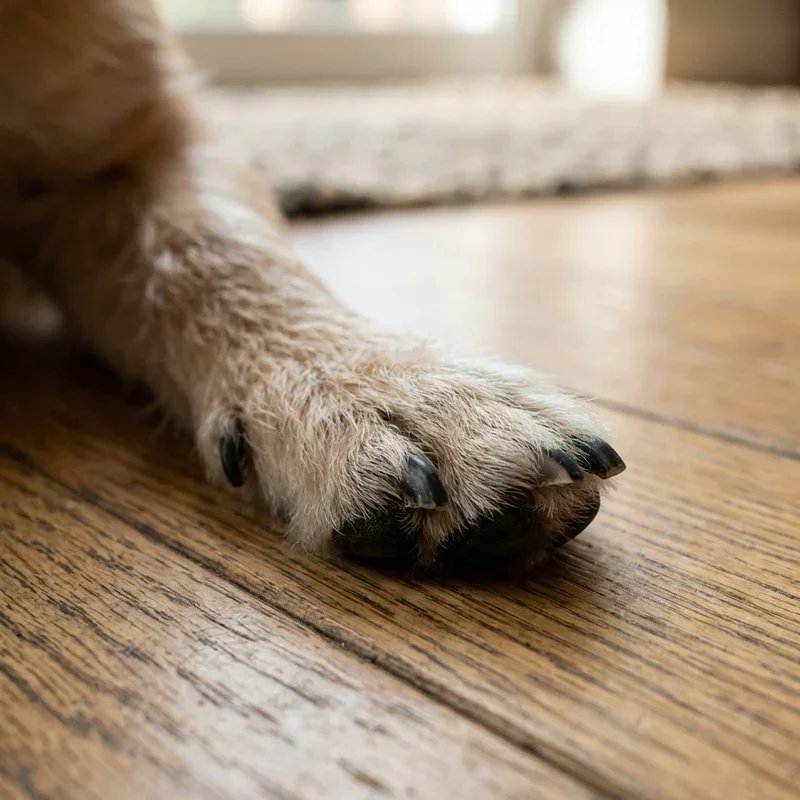
Alright, let us get to the good stuff. There are several effective methods for maintaining your dog's nail length without going anywhere near a pair of nail clippers. Some of these work passively through everyday activities, while others are more hands-on but still way less stressful than traditional clipping.
Walking on Hard Surfaces
This is probably the easiest and most natural way to keep your dog's nails filed down, and the best part is your dog will not even realize it is happening. When dogs walk or run on rough, abrasive surfaces like concrete, asphalt, or pavement, the friction gradually wears down their nails with every step. It is basically a free pedicure built right into your daily walks.
Dogs who regularly walk on sidewalks and paved roads tend to have naturally shorter nails than dogs who spend most of their outdoor time on grass or soft dirt. The concrete acts like a giant nail file, smoothing and shortening the nails a little bit each day.
The key is consistency. A quick five-minute stroll around the yard is not going to do much. But a solid thirty to forty-five minute walk on pavement a few times a week can make a noticeable difference, especially for dogs with lighter-colored nails that tend to be softer and wear down more easily.
There are a few things to keep in mind with this method though. Hot pavement in the summer can burn your dog's paw pads, so stick to morning or evening walks when the ground is cooler. And while concrete is great for filing nails, it can be tough on the paw pads themselves if overdone. Check your dog's paws regularly for signs of wear, cracking, or irritation.
This approach works best as a maintenance strategy rather than a fix for severely overgrown nails. If your dog's nails are already quite long, you will need a more direct method to get them back to a reasonable length before daily walks can take over the upkeep.
Using a Nail Grinder or Dremel
If clipping makes you nervous but you still want a hands-on approach, a nail grinder might be your perfect middle ground. These handheld tools use a small rotating sanding drum to gradually file down the nail instead of cutting through it all at once. Think of it like using a power sander instead of a saw. Same result, but with much more control.
Nail grinders offer several advantages over clippers. The biggest one is safety. Because you are removing tiny amounts of nail at a time, the risk of hitting the quick is dramatically lower. You can work slowly, checking the nail after each pass, and stop the moment you see the first hint of pink or the chalky white center that signals you are getting close.
The other major benefit is the smooth finish. Clippers tend to leave sharp, jagged edges that can scratch skin, snag on fabric, and catch on carpets. A grinder leaves the nail smooth and rounded, which is more comfortable for your dog and less destructive for your floors and furniture.
Most dogs tolerate grinders better than clippers once they get used to the sensation and the sound. The vibration can be a bit startling at first, so introduce the tool gradually. Let your dog sniff it, turn it on near them without touching their paws, and offer plenty of treats and praise. Over the course of a week or two, most dogs learn that the grinder is no big deal.
Look for a grinder that is specifically designed for pets. They tend to be quieter and have lower vibration levels than standard hardware store Dremels, which makes a big difference for sensitive dogs. Cordless models are easier to maneuver, and some come with guard attachments that prevent you from grinding too far.
Scratch Boards and Nail Files for Dogs
Here is a method that has really taken off in the last few years, and dog trainers absolutely love it. A scratch board is essentially a flat board covered with sandpaper that teaches your dog to file their own nails through a scratching motion. Yes, you read that correctly. Your dog does the work themselves, and most of them think it is a blast.
The concept is simple. You hold the board at a slight angle on the ground and encourage your dog to drag their front paws across the surface. With a bit of positive reinforcement and some treat motivation, most dogs pick up the behavior pretty quickly. They scratch at the board, the sandpaper files their nails, and everybody wins.
You can buy pre-made scratch boards online or make your own for just a few dollars. All you need is a sturdy piece of wood or a thick cutting board and some medium-grit sandpaper attached to the surface with heavy-duty tape or adhesive. Start with 80-grit sandpaper for faster filing and switch to a finer grit like 120 or 150 as your dog gets used to the process.
The beauty of scratch boards is that they give your dog a sense of control over the process. Nobody is restraining them, nobody is grabbing their paws, and the experience is entirely positive. For dogs who have had traumatic experiences with nail clipping in the past, this can be an absolute game changer.
One limitation is that scratch boards primarily work on the front nails. Teaching your dog to scratch with their back paws is trickier, though not impossible with creative training. For the rear nails, you might need to combine the scratch board with another method like walking on pavement or using a grinder.
Digging Activities and Enrichment Games
Some dogs are natural diggers, and if yours happens to be one of them, you can actually channel that instinct into a nail maintenance strategy. Digging in packed dirt, sand, or gravel naturally wears down the nails through friction and abrasion. It is not the most precise method, but it works surprisingly well as a supplement to other approaches.
Set up a designated digging spot in your yard using a sandbox or a sectioned-off area filled with a mix of dirt and sand. Bury treats or toys just below the surface to encourage your dog to dig enthusiastically. The more they dig, the more their nails get filed down naturally.
If you do not have a yard or would rather not encourage digging in your garden beds, you can replicate the effect with enrichment activities. Snuffle mats, puzzle feeders, and even scattering kibble across a textured rubber mat all encourage pawing and scratching motions that contribute to mild nail wear.
This method works best for dogs who already enjoy digging and pawing at things. Trying to force a non-digger into becoming an excavation enthusiast probably will not get you very far. But for the dogs who are already rearranging your backyard on a regular basis, you might as well let their hobby pull double duty.
Playing on Rough Textured Surfaces
Expanding on the idea of passive nail wear, you can incorporate rough-textured surfaces into your dog's regular play routine for ongoing nail maintenance. Dog parks with concrete or stone pathways, tennis courts, basketball courts, and even parking garages all provide the kind of abrasive surface that naturally shortens nails during active play.
Playing fetch on a paved surface is particularly effective because the quick stops, starts, and direction changes create extra friction on the nails. Each time your dog plants their feet, pivots, or skids to a stop, their nails are getting a tiny bit of filing. Over time, it really adds up.
Some dog owners have gotten creative and installed textured mats or concrete pavers in their yards specifically for this purpose. A small section of rough concrete near the backdoor gives your dog a daily nail-filing opportunity every time they go in and out. It is a subtle touch, but it makes a real difference over the long haul.
Just like with pavement walking, be mindful of temperature and paw pad health when using this approach. Rough surfaces are great for nails, but they can be harsh on the soft tissue of the paw pads, especially during hot weather or extended play sessions.
Training Your Dog to Accept Nail Maintenance
Regardless of which method you choose, a little bit of training goes a long way toward making the process smooth and stress-free. Dogs who have negative associations with nail care need time and patience to unlearn those fears.
Start by desensitizing your dog to having their paws handled. Many dogs are naturally touchy about their feet, so spend a few minutes each day simply holding and gently massaging their paws without doing anything else. Pair this with treats and calm, positive praise. The goal is to teach your dog that paw handling equals good things.
If you are introducing a grinder or a scratch board, take it slow. Let the tool become a familiar, non-threatening part of the environment before you start using it. Dogs are creatures of association, and the more positive experiences they have with a tool before you actually use it on their nails, the more cooperative they will be when the time comes.
Never force the issue. If your dog pulls away, gets anxious, or shows signs of stress, back off and try again later. Pushing through resistance only reinforces the fear and makes future sessions harder. One nail per sitting is perfectly fine if that is all your dog can handle. You will get there eventually, and the journey matters more than the speed.
Consistency beats intensity every single time. Short, frequent, positive sessions build trust and familiarity far more effectively than one long, stressful battle. Five minutes of relaxed paw handling three times a week will accomplish more than a forty-five minute wrestling match once a month.
How to Keep Dog Nails Short Without Clipping: Understanding the Quick
One of the biggest challenges with any nail maintenance method is dealing with the quick. The quick is the blood vessel and nerve that runs through the center of each nail, and it is the reason nail trimming can be so nerve-wracking. Hit the quick, and you get bleeding, pain, and a dog who will remember that experience for a very long time.
Here is something most people do not know. The quick actually recedes over time when the nail is kept short. If your dog's nails are currently overgrown with long quicks, you can gradually encourage the quick to retreat by filing or wearing down small amounts of nail on a regular basis. Every few days, take off just a tiny bit of length, and the quick will slowly shrink back toward the toe.
This process takes patience. You are not going to go from overgrown talons to perfectly trimmed nails in a week. It can take several weeks or even a couple of months of consistent, gradual shortening for the quick to fully recede to a healthy length. But once you get there, maintenance becomes much easier because you are working with shorter quicks and lower risk.
For dogs with dark nails where you can not see the quick, the gradual approach is especially important. Work in small increments, check the nail cross-section after each pass with the grinder, and stop when you see a small dark circle in the center of the nail. That circle means you are getting close to the quick and it is time to move on to the next nail.
How Often Should You Maintain Your Dog's Nails
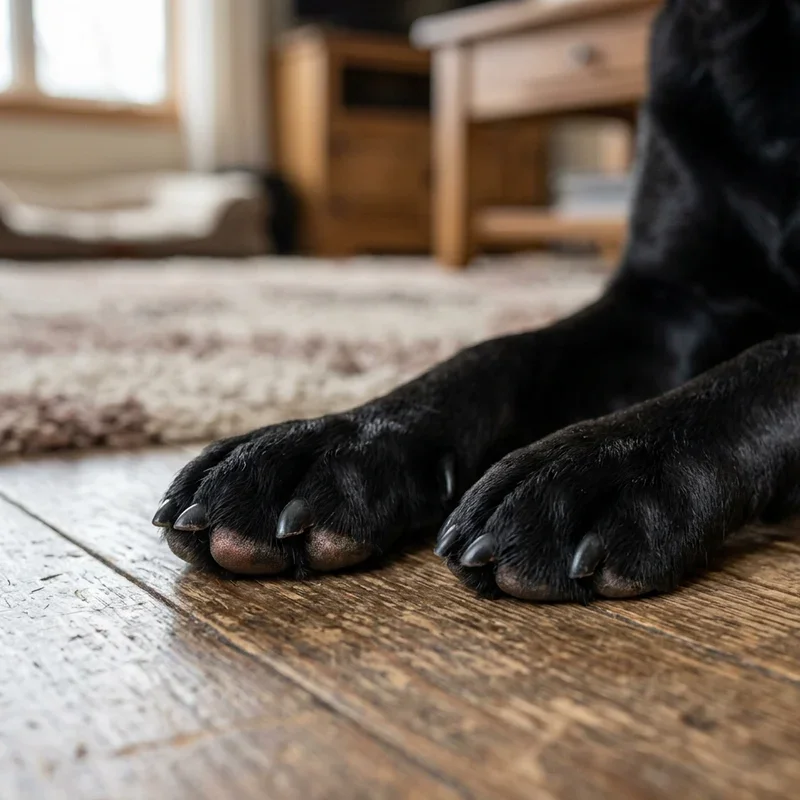
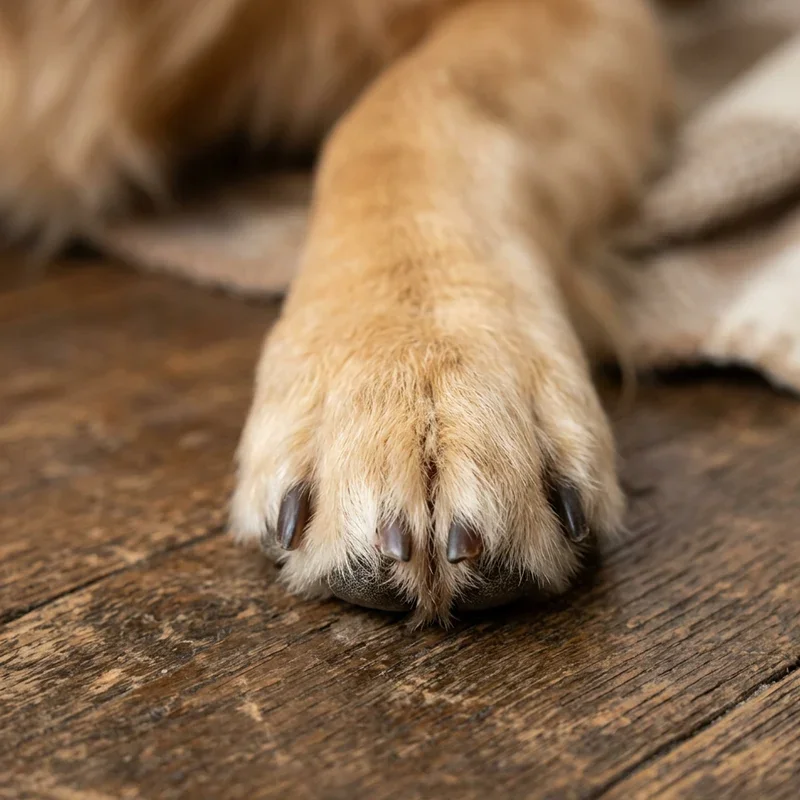
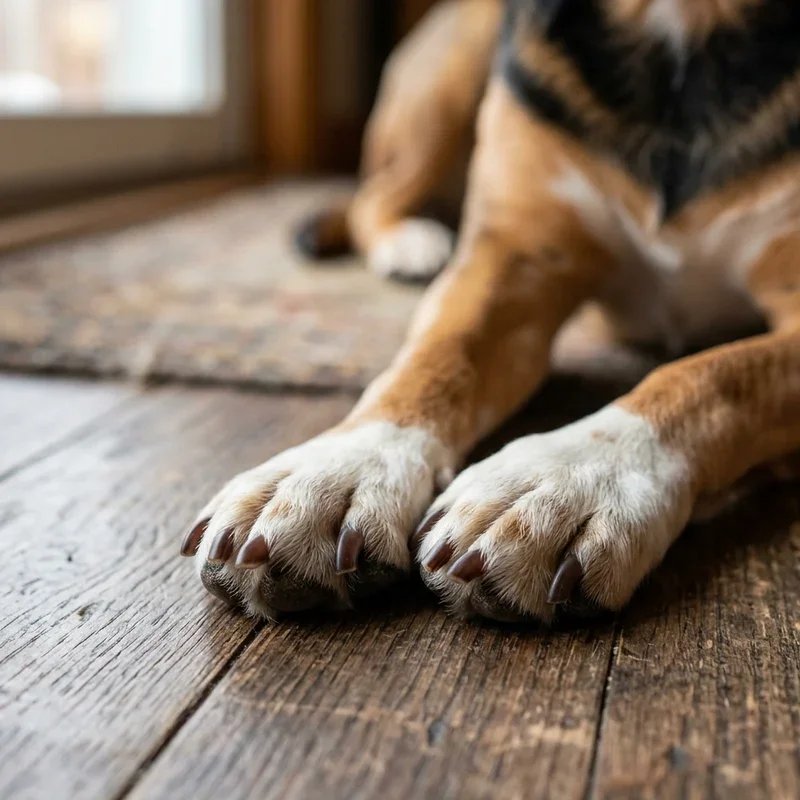
The ideal nail maintenance schedule depends on your dog's breed, activity level, and the surfaces they typically walk on. As a general rule of thumb, if you can hear your dog's nails clicking on the floor when they walk, those nails are too long.
For most dogs, some form of nail maintenance every one to two weeks keeps things in good shape. Dogs who walk extensively on pavement might need less frequent attention, while dogs who spend most of their time on soft surfaces might need more.
Puppies and senior dogs often need more regular nail care. Puppies' nails grow quickly, and senior dogs tend to be less active, meaning their nails do not get as much natural wear from exercise and play.
Get into the habit of checking your dog's nails weekly, even if you do not need to do anything that particular week. Regular checks help you stay ahead of any overgrowth and catch potential issues like cracked or split nails before they become painful problems.
When You Might Still Need Professional Help
While all of these clip-free methods are effective, there are situations where professional intervention is the smartest call. If your dog's nails are severely overgrown, curling under, or growing into the paw pad, a veterinarian or professional groomer should handle the initial trim. Extremely long nails with extended quicks require careful, experienced cutting to avoid injury and excessive bleeding.
Dogs with medical conditions that affect nail growth, such as autoimmune disorders or fungal infections, also need professional guidance. Abnormal nail growth can be a symptom of an underlying health issue, and no amount of sandpaper or pavement walking is going to address the root cause.
If your dog has extreme anxiety around any form of nail maintenance, a veterinarian can discuss sedation options for initial trimming sessions. Once the nails are back to a manageable length, you can transition to the gentler methods we have discussed for ongoing maintenance.
Some breeds have unique nail characteristics that require special attention. Dogs with dewclaws, for instance, have those extra nails higher up on the leg that never make contact with the ground. Dewclaws will not wear down naturally through walking or playing, so they need a separate maintenance plan. A grinder works well for dewclaws since they tend to be smaller and softer than the main nails.
Nutrition and Nail Health
Believe it or not, what your dog eats plays a role in how their nails grow and how strong they are. A balanced diet rich in biotin, omega fatty acids, zinc, and high-quality protein supports healthy nail growth and strength.
Dogs with brittle, flaky, or overly hard nails might benefit from a dietary adjustment or supplementation. Biotin supplements, fish oil, and zinc-enriched foods can improve nail quality over time. Of course, talk to your vet before adding any supplements to your dog's diet, but nutrition is a factor worth considering if your dog's nails seem unusually problematic.
Hydration matters too. Just like human nails, dog nails can become dry and brittle when the body is not getting enough water. Make sure your dog has constant access to fresh, clean water, especially during hot weather when dehydration risk increases.
Common Myths About Dog Nail Care
There are a few persistent myths about dog nail care that are worth debunking while we are on the topic.
The idea that dogs who walk outside enough will never need nail maintenance is not quite accurate. While outdoor activity certainly helps, most domestic dogs do not walk on surfaces rough enough or long enough to keep all their nails perfectly maintained. The front nails usually wear down more than the back ones, and dewclaws get zero natural wear regardless of activity level.
Another common myth is that filing or grinding nails hurts the dog. When done correctly, these methods are completely painless. The outer portion of the nail has no nerve endings, so your dog feels pressure and vibration but no pain. The only time it becomes uncomfortable is if you go too far and hit the quick, which is exactly why the slow, gradual approach is so important.
Some people believe that certain breeds simply do not need nail care. While it is true that some breeds wear their nails down more naturally than others, every dog needs some level of nail monitoring and maintenance. Ignoring the nails entirely is a recipe for problems regardless of breed.
Conclusion
Keeping your dog's nails at a healthy length does not have to involve the stress and drama of traditional clipping. From pavement walks and scratch boards to nail grinders and digging activities, there are plenty of gentle, effective alternatives that both you and your pup can live with. The secret is finding the method that fits your dog's personality and lifestyle, staying consistent, and being patient with the process. Your dog's paws will thank you, and those click-free floors will be the sweetest reward of all.
Read next: 15 Dog Kennel Ideas for Multiple Dogs at Home
Frequently Asked Questions
1.How long does it take to shorten dog nails without using clippers?
It typically takes several weeks of consistent grinding, walking, or filing to noticeably shorten overgrown nails.
2.Can walking on concrete really keep my dog's nails short enough?
Regular walks on concrete help maintain nail length but may not fully replace all other maintenance methods.
3.Are nail grinders safe for puppies and small breed dogs?
Yes, pet-specific nail grinders with low speed settings are perfectly safe for puppies and small breeds.
4.How do I know if my dog's nails are too long?
If you hear clicking sounds when your dog walks on hard floors their nails need shortening.
5.Will a scratch board work for my dog's back nails too?
Scratch boards primarily file front nails, so back nails usually need alternative methods like grinding or walking.
Stay up to date with our latest ideas!