How to Choose Healthy Dog Treats: What Every Owner Should Know
Learn how to choose healthy dog treats with expert tips on ingredients, nutrition, portion sizes, and what every responsible pet owner should know.

We all love treating our dogs. Whether it's a quick reward during a training session or a little something to brighten their afternoon, treats are one of the simplest ways to bond with your four-legged friend. But with so many options lining the shelves these days, picking the right treat can feel surprisingly overwhelming. Not all treats are created equal, and what looks appealing on the packet doesn't always match what's actually inside it. Here's what you need to know to make better choices for your pooch.
Why the Ingredients List Matters More Than the Packaging
It's easy to be drawn in by colourful packaging and clever marketing claims. Words like "natural," "premium," and "wholesome" sound reassuring, but they aren't always regulated in the way you might expect. The real story is on the back of the packet, in the ingredients list.
As a general rule, the fewer ingredients, the better. A good dog treat should list a recognisable protein source as the first ingredient, whether that's chicken, beef, salmon, or lamb. If the first thing you see is "cereals," "derivatives," or something you can't pronounce, it's worth putting it back on the shelf. Dogs don't need artificial colours, excessive salt, or added sugars in their snacks, and yet these crop up in a surprising number of popular products.
If your dog has a sensitive stomach or known allergies, single-ingredient treats can be a real lifesaver. Freeze-dried liver, dehydrated fish skins, or simple meat jerky strips give you full control over what your dog is eating without the guesswork.
Understanding the Different Types of Dog Treats
Not every treat serves the same purpose, and understanding the different types available can help you pick the right one for the right occasion.
Biscuit treats are the classic option most of us grew up seeing in the cupboard. They're dry, crunchy, and usually come in fun shapes. They work well as everyday rewards and can help keep teeth relatively clean thanks to their texture. Just keep an eye on the size to make sure it's appropriate for your dog's mouth.
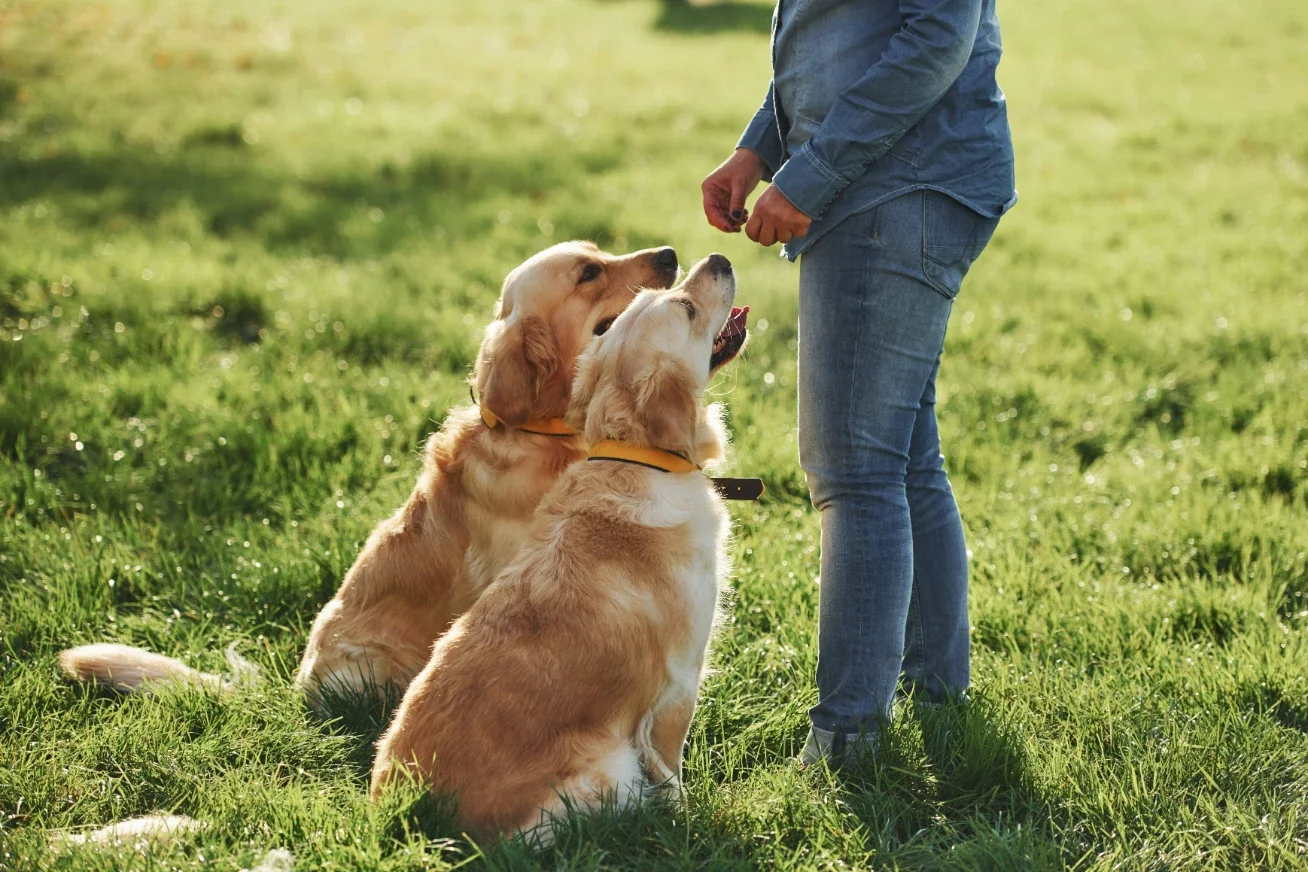
Soft training treats are small, moist, and quick to eat, which makes them ideal for training sessions. Your dog can swallow them without stopping to chew, keeping the momentum going during a training exercise. They tend to have a stronger smell, which is exactly what grabs your dog's attention when you need it most.
Freeze-dried treats are often considered the gold standard for quality. They're made by removing moisture from real meat, which preserves the flavour and nutrients without any need for artificial preservatives. They're lightweight, easy to break into smaller pieces, and most dogs go absolutely mad for them.
Dental chews are designed to support oral hygiene. They usually have a textured surface that helps scrub plaque and tartar as your dog chews. They're a helpful supplement to brushing, though they shouldn't be relied upon as a total replacement for proper dental care.
Long-lasting chews like bully sticks, yak chews, or dried animal parts fall into their own category. They keep dogs occupied for longer periods and can be great for relieving boredom or calming anxious dogs. Always supervise your dog with these, and throw away the end piece once it gets small enough to be a choking hazard.
How Many Treats Are Too Many?
This is one of those questions that catches a lot of dog owners out. It's so easy to get carried away, especially when those big eyes are staring up at you. But treats should make up no more than around 10% of your dog's daily calorie intake. The PDSA recommends reducing your dog's regular food by the same amount to avoid overeating. Go beyond that 10% regularly, and you risk weight gain, digestive issues, and nutritional imbalances.
For small breeds, this can mean as few as two or three treats a day. For larger dogs, you have a bit more room to work with, but it still adds up quickly if you're not paying attention. One helpful trick is to break larger treats into smaller pieces. Your dog gets the same excitement from receiving a reward regardless of the size, so you can stretch a single treat across several repetitions during training without overdoing it.
If you're doing a lot of training, consider reducing your dog's regular meal portions slightly to compensate for the extra calories coming from treats. It sounds simple, but it's something many owners overlook.
What to Avoid
Some ingredients are best avoided entirely when choosing treats for your dog. Here are a few red flags to watch out for:
Artificial preservatives such as BHA, BHT, and ethoxyquin have raised concerns among pet owners and some veterinary professionals. While they're still used in some products, many brands have moved towards natural alternatives like mixed tocopherols (vitamin E) instead.
Added sugars and syrups serve no nutritional purpose for dogs and can contribute to weight gain and dental problems over time.
Vague labelling is a warning sign. Terms like "meat and animal derivatives" or "various sugars" tell you very little about what's actually in the product. The more specific the label, the more confidence you can have in what you're feeding your dog.
Rawhide remains a controversial choice. While many dogs enjoy it, rawhide can pose choking risks and digestive issues if swallowed in large pieces. If your dog is a heavy chewer, safer alternatives like natural rubber toys or digestible chews are worth considering.
Matching the Treat to the Moment
Thinking about when and why you're giving a treat can help you choose more effectively. For quick training rewards, small and soft is ideal. You want something your dog can eat in a second so the lesson keeps moving. For a longer distraction while you're on a video call or need a quiet half hour, a long-lasting chew does the job beautifully. For a simple end-of-walk reward or a bedtime biscuit, a standard crunchy treat hits the spot.
If you're looking for a well-researched starting point, Pretty Fluffy has put together a thorough guide to the best dog treats for training and everyday rewards that breaks down the top options by type, covering everything from freeze-dried meat to dental chews. It's a useful resource if you want to compare products before committing to a purchase.
Homemade Treats: Worth the Effort?
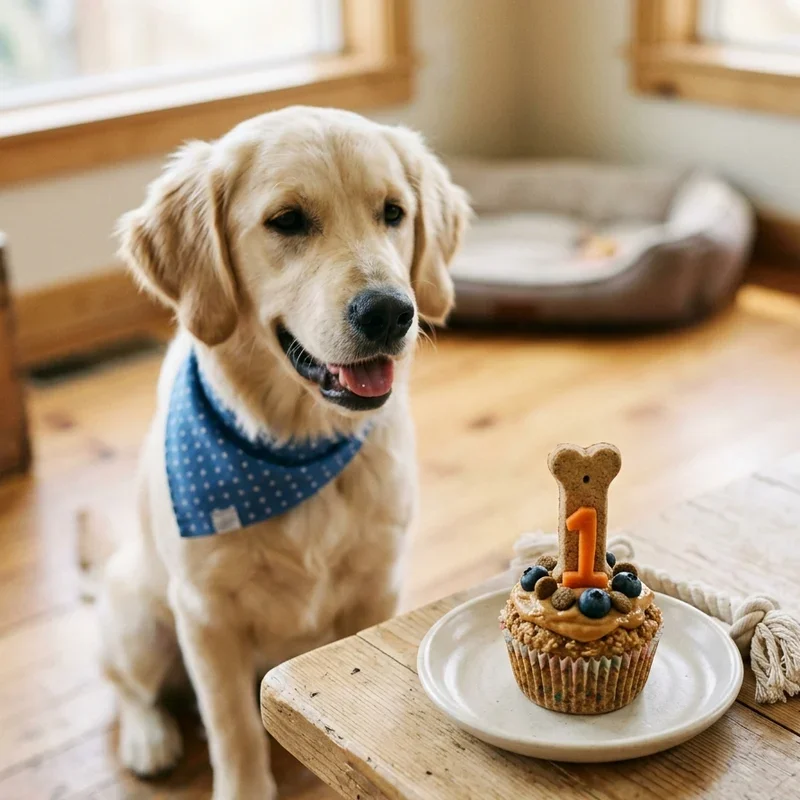
If you enjoy a bit of time in the kitchen, making your own dog treats can be a rewarding experience. It gives you complete control over ingredients, and most recipes are surprisingly simple. Basic combinations like peanut butter and oats, sweet potato slices baked until crispy, or blended banana and pumpkin frozen into moulds can keep your dog happy without any of the additives found in shop-bought alternatives.
Just be mindful of ingredients that are toxic to dogs. Xylitol, an artificial sweetener found in some peanut butters, is extremely dangerous. Grapes, raisins, chocolate, onions, and macadamia nuts should also be strictly avoided. When in doubt, a quick check with your vet or a reliable pet nutrition source will keep you on the safe side.
Homemade treats don't last as long as commercial ones, so store them in the fridge and use them within a few days, or freeze them in batches for longer shelf life.
A Treat Should Be a Treat
At the end of the day, treats are meant to be enjoyable for your dog and convenient for you. The best approach is to keep a small rotation of options on hand: something soft for training, something crunchy for everyday, and something long-lasting for when your dog needs to settle. Read the labels, watch the portions, and don't be afraid to try a few different brands until you find what your dog genuinely loves.
Your dog doesn't care about fancy packaging or marketing claims. They care about taste, texture, and the fact that it came from you. Get the basics right, and treat time becomes one of the best parts of the day for both of you.
Stay up to date with our latest ideas!