Why Is My Dog Limping on a Front Leg? Common Causes
Why is my dog limping on a front leg? Discover common causes, warning signs, and when to visit the vet for your furry friend.
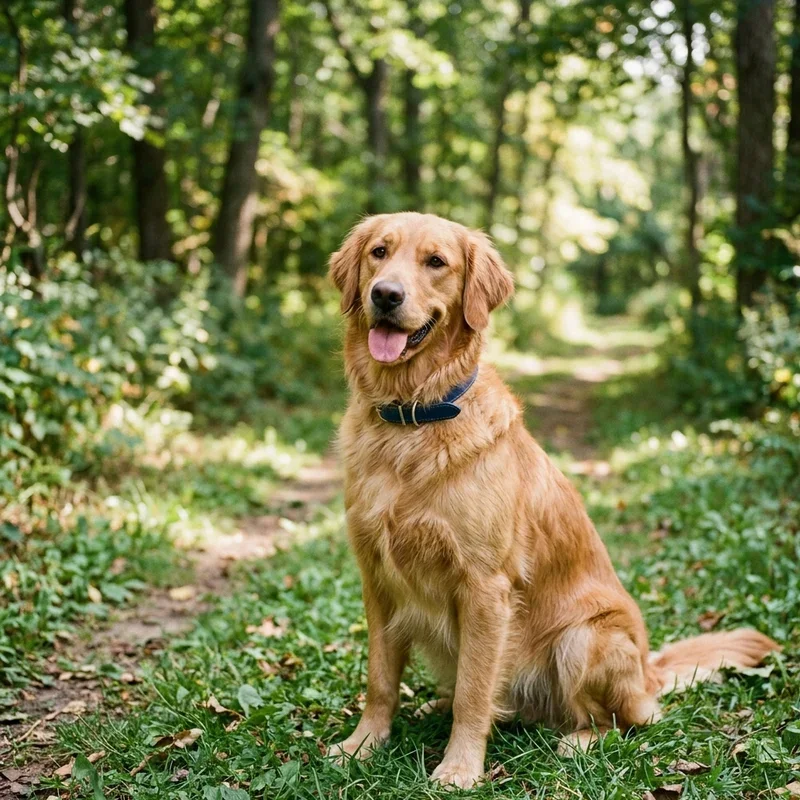
Nothing stops you in your tracks quite like watching your best friend hobble across the living room floor. One minute your dog is zooming around the backyard, and the next, they're holding up a front paw like it personally offended them. It's enough to make any pet parent's stomach drop. So, why is my dog limping on a front leg? Common causes range from something as simple as a thorn stuck in a paw pad to something more serious like a fracture or joint disease. The good news is that most causes of front leg limping are treatable, especially when you catch them early. Before you spiral into worst-case scenarios, let's walk through the most likely reasons your pup is favoring one leg and figure out what you can do about it.
Understanding the Basics of Front Leg Limping in Dogs
First things first, not all limps are created equal. You might notice your dog suddenly refusing to put weight on a leg after a play session, or perhaps the limp has been creeping in gradually over the past few weeks. These two scenarios tell very different stories. A sudden limp usually points to an acute injury, think of a sprain, a cut, or even a broken nail. On the flip side, a limp that develops slowly often signals a chronic condition like arthritis or a degenerative joint issue. Paying attention to when the limp started and how it behaves throughout the day gives your vet a solid head start in figuring things out.
Dogs are also pretty good at masking pain, believe it or not. By the time you actually see them limping, they might have been dealing with discomfort for a while. So if something looks off, trust your gut and don't brush it aside.

Why Is My Dog Limping on a Front Leg? Common Causes Explained
Let's get into the nitty-gritty. There are quite a few reasons your dog could be limping on a front leg, and some are way more common than you'd think.
Soft Tissue Injuries
Sprains and strains top the list when it comes to front leg limps. Dogs love to run, jump, and do all sorts of acrobatics that their bodies sometimes can't keep up with. A misstep during a game of fetch or an awkward landing off the couch can stretch or tear the ligaments and muscles in the front leg. You'll typically notice swelling around the affected area, and your dog might yelp when you touch it. Rest and anti-inflammatory medication usually do the trick, though severe tears might need more involved treatment.
Paw Pad Problems
Here's one that catches a lot of owners off guard. Something as tiny as a splinter, a piece of glass, or even a burr wedged between the toes can cause your dog to limp noticeably. Hot pavement during summer months can also burn the paw pads, leading to pain and limping. Take a close look at your dog's paws, spreading the toes apart gently and checking the pads for cuts, cracks, or foreign objects. Sometimes the fix is as straightforward as removing a stuck thorn and applying a little antiseptic.
Broken or Torn Nails
A broken nail might sound like no big deal to us, but for dogs, it's incredibly painful. The quick, which is the blood vessel inside the nail, becomes exposed when a nail breaks, and that causes significant discomfort. If your dog suddenly starts limping after running on rough terrain or catching a nail on something, check those nails right away. You might spot bleeding or notice a nail hanging at an odd angle. A trip to the vet is a smart move here since they can trim and treat the nail properly to prevent infection.
Joint Problems and Arthritis
Arthritis isn't just an old dog's problem, though it certainly becomes more common with age. This condition causes inflammation in the joints, making movement stiff and painful. If your dog's limp seems worse in the morning or after they've been resting for a while, arthritis could be the culprit. You might also notice them being reluctant to climb stairs or jump into the car. Certain breeds are more prone to joint issues, including Labrador Retrievers, German Shepherds, and Golden Retrievers. Management usually involves a combination of weight control, exercise modification, supplements, and sometimes prescription medication.
Elbow Dysplasia
This one's a biggie for larger breeds. Elbow dysplasia is a developmental condition where the bones in the elbow joint don't fit together properly. It usually shows up in younger dogs, typically between four and twelve months of age, and causes a persistent front leg limp that gets worse with exercise. The condition can range from mild to severe, and treatment options include everything from physical therapy and weight management to surgical intervention in more advanced cases. Early detection really makes a difference here, so don't put off that vet visit if your young pup is showing signs.
Bone Fractures
Fractures are exactly what they sound like, and they're every bit as serious as you'd expect. A hard impact, a fall, or even a car accident can break bones in the front leg. Dogs with fractures typically won't put any weight on the affected leg, and you might notice visible swelling or deformity. This is one situation where you need to get to the vet immediately. Fractures require proper diagnosis through X-rays and treatment that may involve splinting, casting, or surgery depending on the severity and location of the break.
Osteochondritis Dissecans
Quite a mouthful, right? This condition, often called OCD in veterinary circles, happens when a piece of cartilage in a joint partially separates from the underlying bone. It's most common in the shoulder joints of young, large-breed dogs and causes intermittent limping that tends to worsen after physical activity. Dogs with OCD might seem fine after resting but start limping again once they get moving. Treatment can range from strict rest to arthroscopic surgery, depending on how severe the cartilage damage is.
Nerve Damage or Neurological Issues
Sometimes the problem isn't in the bones or muscles at all. Nerve damage from an injury, a herniated disc in the neck, or even conditions affecting the brachial plexus, which is the network of nerves controlling the front legs, can cause limping. You might notice your dog dragging the paw or having an unusual gait rather than a traditional limp. Neurological causes need thorough veterinary evaluation since they often require specialized diagnostic tools like MRIs or nerve conduction studies.
Bone Cancer
It's the possibility no pet parent wants to consider, but it's important to be aware of. Osteosarcoma, the most common type of bone cancer in dogs, frequently affects the long bones of the front legs. It's more prevalent in large and giant breeds, and the limping it causes tends to worsen progressively over time. Swelling at the site and increasing pain are typical signs. If your vet suspects bone cancer, they'll likely recommend X-rays and possibly a biopsy. Early detection opens up more treatment options and can significantly impact your dog's quality of life.

When Should You Take Your Limping Dog to the Vet?
Not every limp needs an emergency vet visit, but some definitely do. You should seek immediate veterinary care if your dog can't bear any weight on the leg, if there's visible deformity or bone protruding through the skin, if the limping followed a traumatic event like being hit by a car, or if your dog is showing signs of extreme pain such as crying, excessive panting, or aggression when you approach. For milder limps, it's reasonable to monitor the situation for twenty-four to forty-eight hours, keeping your dog rested and comfortable. If the limp persists beyond that window or gets worse, go ahead and schedule that vet appointment.
Home Care Tips for a Limping Dog
While you're keeping an eye on things at home, there are several steps you can take to help your pup feel more comfortable. Limit their activity and keep them from running, jumping, or playing rough. Check their paw for any obvious problems like foreign objects or injuries. Apply a cold compress to swollen areas for about ten minutes at a time, using a cloth barrier to protect the skin. Make sure they have a comfortable, supportive place to rest, and avoid letting them use stairs if possible. However, resist the urge to give your dog human pain medication since many over-the-counter drugs like ibuprofen and acetaminophen are toxic to dogs.
Diagnosing the Cause of Your Dog's Front Leg Limp
Your veterinarian has a whole toolkit for getting to the bottom of a front leg limp. The process usually starts with a thorough physical examination, where the vet will watch your dog walk, feel along the leg for areas of pain or swelling, and test the range of motion in each joint. From there, they might recommend X-rays to check for fractures, joint abnormalities, or signs of bone disease. In some cases, blood work, joint fluid analysis, or advanced imaging like CT scans or MRIs may be needed to pinpoint the exact cause. The diagnostic approach really depends on what the initial exam reveals, so be prepared for a process that might involve a couple of visits.
Treatment Options That Can Get Your Dog Back on Track
Treatment naturally depends on what's causing the limp in the first place. For soft tissue injuries, rest and anti-inflammatory medications prescribed by your vet are often sufficient. Joint conditions like arthritis might call for a long-term management plan involving joint supplements such as glucosamine and chondroitin, prescription pain relief, physical therapy, and lifestyle adjustments. Fractures and severe joint conditions might require surgical intervention followed by a rehabilitation period. Whatever the diagnosis, following your vet's instructions closely and attending follow-up appointments will give your dog the best shot at a full recovery.

Preventing Front Leg Injuries in Your Dog
An ounce of prevention really is worth a pound of cure when it comes to your dog's leg health. Maintaining a healthy weight takes pressure off the joints and reduces the risk of injuries. Regular, moderate exercise keeps muscles strong and joints flexible without overdoing it. Keeping your dog's nails trimmed to an appropriate length prevents painful breaks and catches. Providing joint supplements, especially for breeds prone to joint issues, can support long-term joint health. And being mindful of the surfaces your dog exercises on, avoiding extremely hot pavement or rough terrain with sharp debris, goes a long way in protecting those precious paws.
Conclusion
Watching your dog limp on a front leg is undeniably worrying, but understanding why is my dog limping on a front leg and its common causes puts you in a much better position to help them. Whether it's a simple paw pad injury or something more complex like elbow dysplasia, early attention and proper veterinary care make all the difference. Stay observant, trust your instincts as a pet owner, and don't hesitate to reach out to your vet when something doesn't seem right. Your furry companion is counting on you.
Read next: 15 Dog Nook Ideas to Pamper Your Furry Friend
Frequently Asked Questions
Q1.Can a dog's front leg limp heal on its own without treatment?
A: Minor sprains or strains may heal with rest, but persistent limping always needs veterinary evaluation.
Q2.How can I tell if my dog's front leg limp is serious?
A: Inability to bear weight, visible swelling, or crying in pain indicates a serious condition needing attention.
Q3.Is it safe to give my dog aspirin for a front leg limp?
A: Never give medication without consulting your vet first, as many human drugs are toxic to dogs.
Q4.What breeds are most prone to front leg limping issues?
A: Large breeds like Labrador Retrievers, German Shepherds, and Rottweilers are especially prone to joint problems.
Q5.Should I wrap my dog's front leg if they are limping?
A: Avoid wrapping without veterinary guidance since improper bandaging can restrict circulation and worsen the injury.
Stay up to date with our latest ideas!