How Dog Handlers Dress for High-Demand Operations
Learn how dog handlers dress for high demand operations with gear and clothing designed for comfort, durability, mobility, and performance.
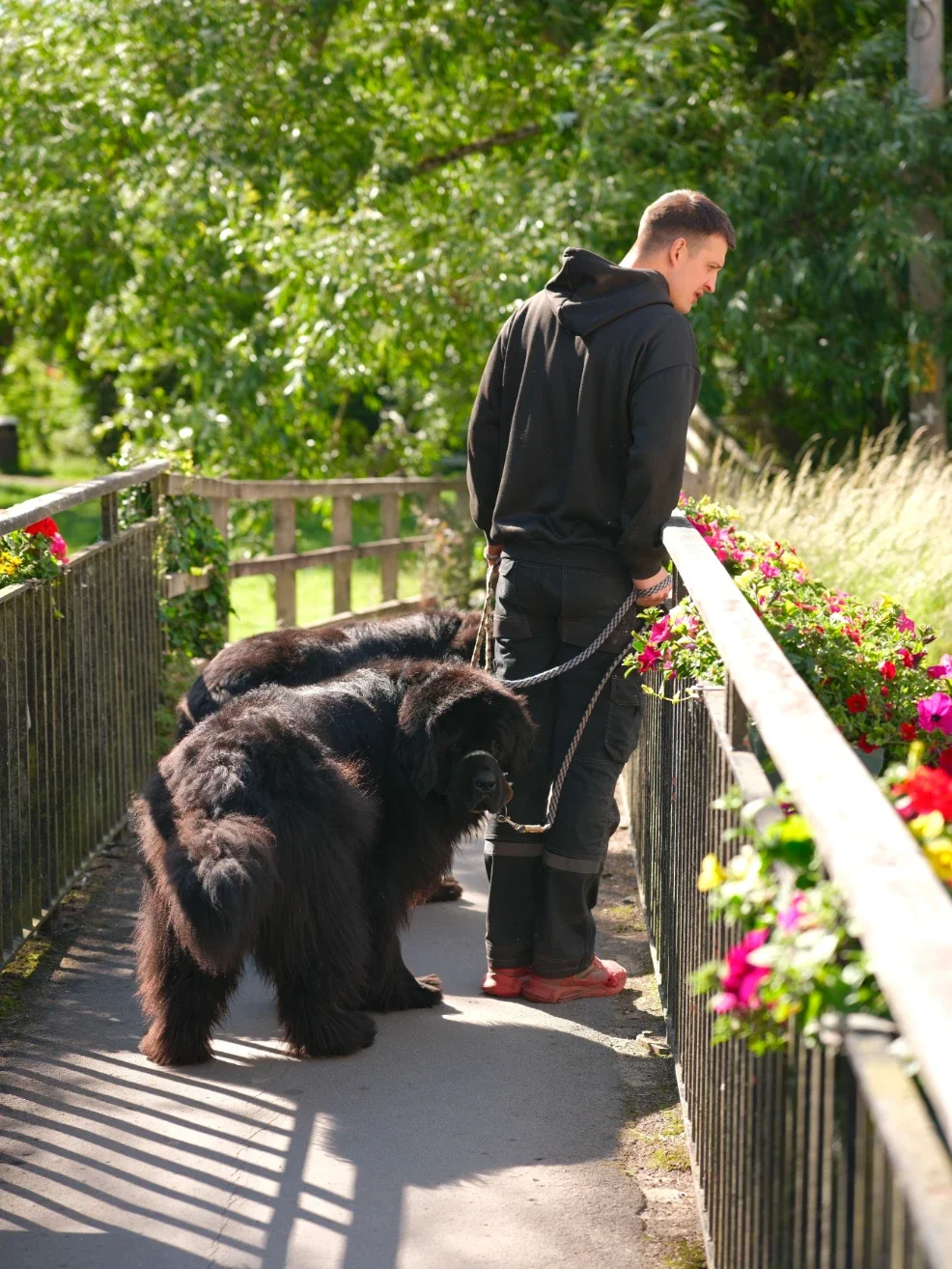
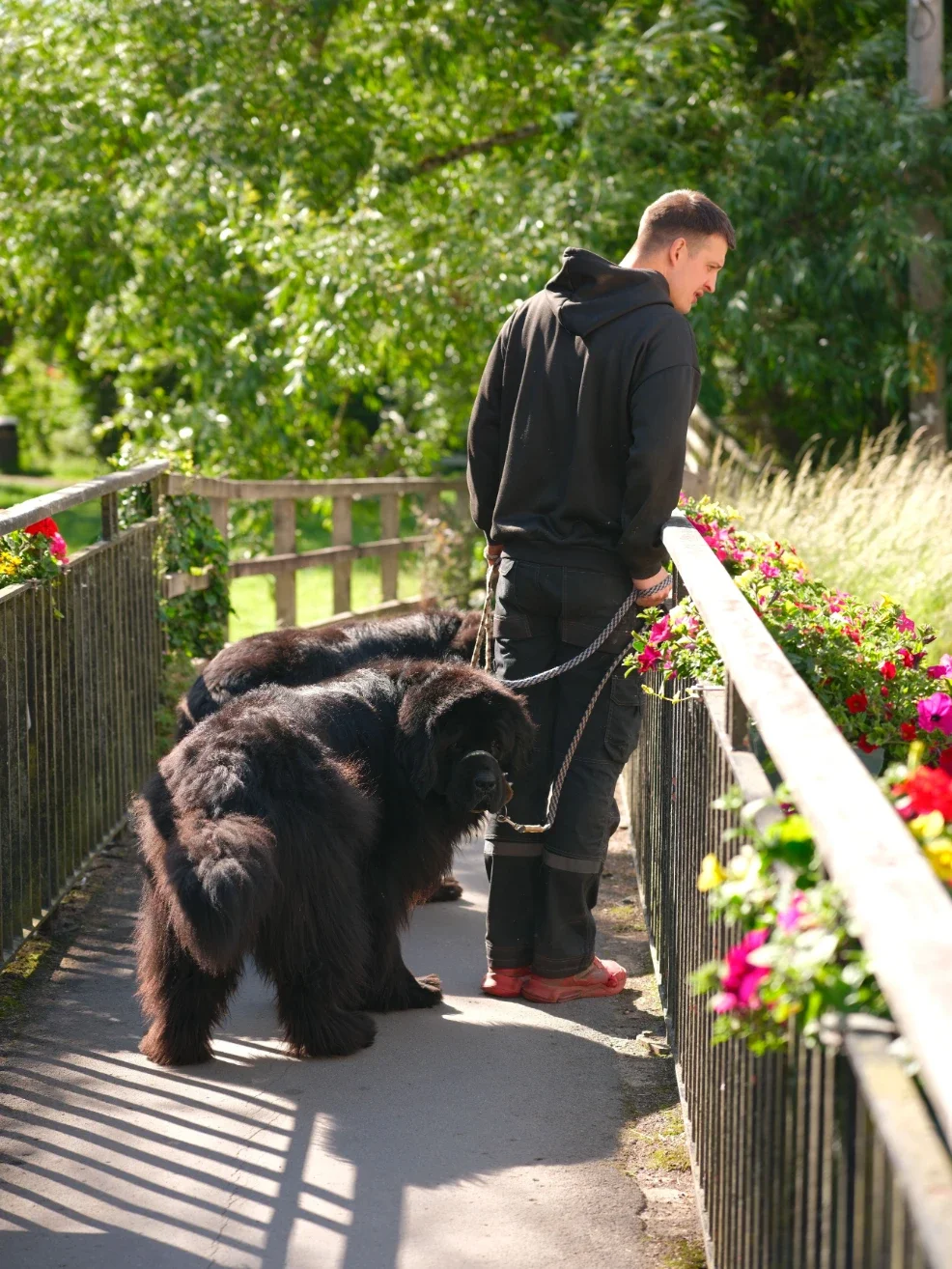
Dog handlers work in environments that place constant demands on both mobility and durability. Whether the role involves law enforcement, military operations, search and rescue, detection work, or competitive canine sports, clothing is part of the handler's equipment system. Every garment must support movement, withstand abrasion, and maintain functionality during long shifts.
A handler's clothing is selected for performance, not appearance. Poor gear can restrict movement, increase fatigue, or create safety risks during critical tasks.
Clothing Must Support Constant Movement
Dog handlers rarely remain stationary. They walk, run, kneel, climb, and navigate uneven terrain while maintaining control of an active working dog.
This creates several clothing requirements:
Full range of motion in the hips and knees
Reinforced areas at high-wear points
Breathable fabrics for temperature regulation
Fast-drying materials for wet environments
Secure storage for essential equipment
Lower-body mobility is especially important. Handlers often spend hours tracking, searching structures, or moving through wooded terrain. Durable tactical pants are commonly chosen because they combine stretch, abrasion resistance, and cargo storage without restricting movement.
Fabric selection matters as much as design. Ripstop blends are widely used because they resist tearing while remaining lightweight enough for extended wear.
Layering Systems for Variable Conditions
Professional handlers frequently operate across changing weather conditions during a single shift.
Instead of relying on one heavy garment, most use a layering system:
Moisture-wicking base layer
Insulating mid-layer
Weather-resistant outer shell
This approach allows rapid adjustment without sacrificing mobility.
Base layers move sweat away from the skin. Mid-layers provide thermal retention. Outer layers protect against wind, rain, and environmental hazards.
Search and rescue teams often work in remote environments where temperatures fluctuate significantly between day and night. A flexible layering system helps maintain comfort and performance during long deployments.
Why Durability Is Critical
Working dogs frequently pull handlers through dense vegetation, rubble fields, urban environments, and confined spaces.
Clothing must withstand:
Repeated kneeling
Contact with rough surfaces
Leash friction
Snag hazards
Exposure to dirt and moisture
Reinforced knees, double-stitched seams, and abrasion-resistant panels help extend garment lifespan.
The importance of protective clothing becomes clear when examining injury data among working dog professionals. A 2025 study of military working dog handlers found injury rates exceeding 14,000 injuries per 10,000 person-years, highlighting the physically demanding nature of the occupation.
Because handlers experience repetitive strain and constant physical stress, clothing serves as a first line of defense against minor injuries and excessive wear on the body.
Footwear Is Often the Most Important Gear
Footwear has a direct impact on endurance, stability, and injury prevention.
Handlers typically prioritize:
Aggressive traction
Ankle support
Waterproof construction when needed
Shock absorption
Lightweight design
Terrain dictates footwear selection.
Urban K9 handlers may prefer lightweight tactical boots optimized for pavement and structures. Search and rescue teams operating in forests or mountains often require more aggressive tread patterns and increased ankle protection.
Poor footwear can increase fatigue and reduce operational effectiveness during long tracking assignments.
Equipment Integration Matters
Modern dog handlers carry more than a leash.
Operational roles often require access to:
Radios
GPS devices
Medical kits
Training aids
Reward toys
Flashlights
Documentation tools
Clothing must integrate with this equipment without creating bulk or limiting movement.
Many handlers use modular belt systems or load-bearing vests. Garments are selected to work alongside these systems rather than compete with them.
Pocket placement is particularly important. Frequently used tools should remain accessible while maintaining balance and freedom of movement.
Visibility and Environmental Considerations
Visibility requirements vary significantly by role.
Search and rescue personnel often wear high-visibility colors to improve identification in wilderness environments.
Law enforcement and military handlers may require subdued colors that reduce visual detection.
Environmental exposure also influences clothing choices.
Handlers operating in hot climates focus on ventilation and moisture management. Cold-weather teams prioritize insulation and wind resistance. Wet environments require waterproof materials that remain breathable during physical activity.
The goal is always the same: maintain operational performance while minimizing environmental stress.
Dressing for the Job, Not the Occasion
Experienced dog handlers build clothing systems around mission requirements rather than individual garments.
Effective handler apparel combines:
Mobility
Durability
Weather protection
Equipment accessibility
Long-term comfort
Every component must function as part of a larger system.
The dog may be the most visible part of the team, but handler performance directly affects operational success. Clothing that supports movement, reduces fatigue, and withstands demanding conditions helps ensure both handler and dog can perform effectively when the task becomes challenging.
Stay up to date with our latest ideas!