How Much Is Dog Boarding? Average Costs Explained
Wondering how much is dog boarding? Average costs explained here, from budget kennels to luxury suites, so you can plan smart for your pup.

So you've got a trip coming up, and the big question hits you: what do I do with the dog? Leaving them home alone isn't an option, and asking your neighbor for the hundredth time feels awkward. Dog boarding is often the go-to solution, but before you book anything, you're probably wondering what it's actually going to cost you.
Here's the thing, dog boarding prices vary wildly depending on where you live, what type of facility you choose, and how many extra perks your pup needs. This guide breaks it all down in plain English so you're not caught off guard when the bill comes. Let's dig into how much is dog boarding, average costs explained, and what you're really paying for.
What Is Dog Boarding, Exactly?
Dog boarding is essentially a temporary home for your pet while you're away. Think of it like a hotel stay for dogs, except instead of room service, they're getting playtime, meals, and belly rubs from staff. There are several different types of boarding setups available, and each one comes with its own price tag.
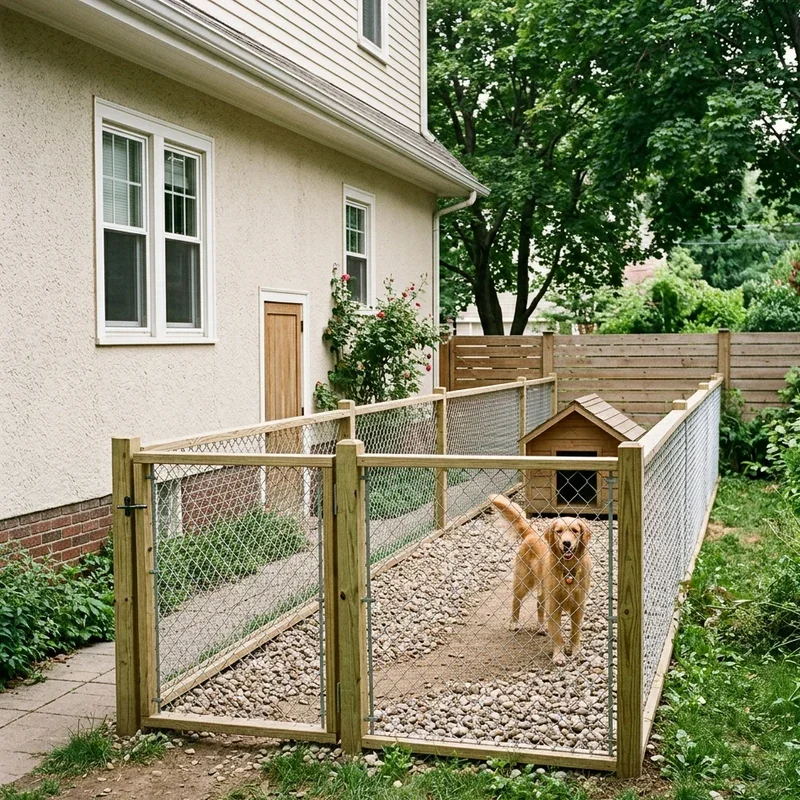
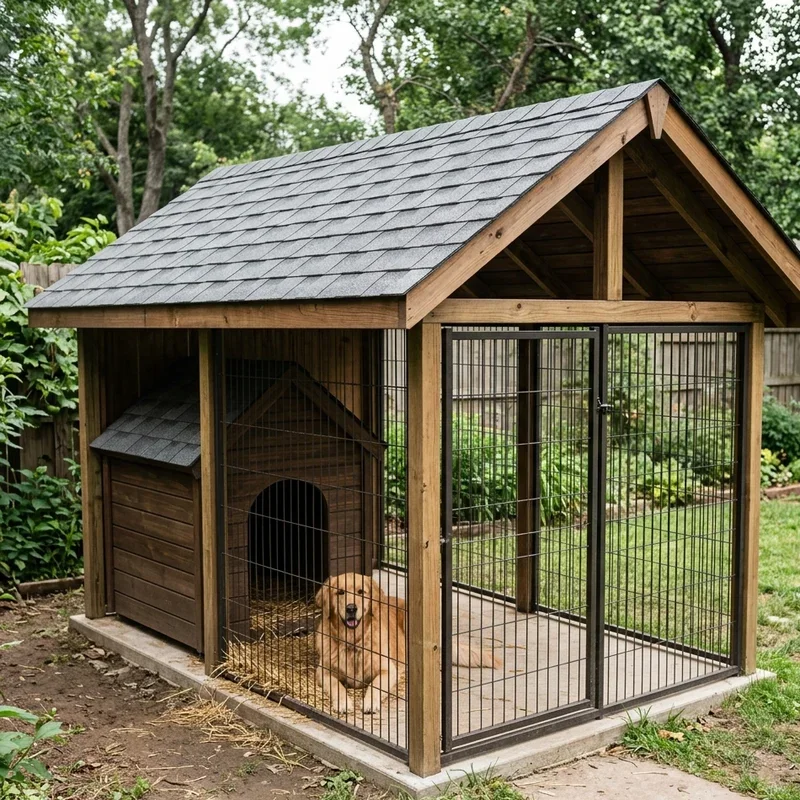
Traditional kennels are the oldest setup in the book. Your dog stays in an enclosed run or crate and gets scheduled outdoor time throughout the day. These tend to be the most affordable option, and they're usually licensed and inspected, which is reassuring.
Luxury boarding facilities are a whole different world. We're talking climate-controlled suites, webcams so you can check in on your pup, gourmet meals, and even bedtime tuck-ins. Honestly, some of these places make regular hotels look bland.
In-home boarding, sometimes called pet sitting with overnight stays, is when someone takes your dog into their own home. This option is popular with dogs who get anxious in kennel settings because it feels more like, well, home.
Breaking Down the Numbers: How Much Is Dog Boarding? Average Costs Explained
Alright, let's get to the part you actually came here for. Prices differ based on a bunch of factors, but here's a general snapshot of what you can expect across the United States:
Traditional kennel boarding typically runs between $25 and $45 per night. If you're in a smaller town or rural area, you might find spots closer to $20. Big cities like New York, San Francisco, or Chicago? Brace yourself, because you could be paying $60 to $85 per night or more.
Luxury boarding facilities sit comfortably in the $50 to $100 per night range, and some high-end spots charge upward of $150 for premium suite accommodations. If your dog has expensive taste, those costs add up fast.
In-home boarding through platforms like Rover or Wag generally costs between $30 and $70 per night, depending on the sitter's experience, location, and reviews.
Doggy daycare with overnight stays tends to hover around $40 to $75 per night, with some facilities offering weekly packages that bring the per-night cost down a bit.
Here's a quick comparison to keep things organized:
Traditional Kennel: $25 to $45 per night
Luxury Boarding Facility: $50 to $150 per night
In-Home Boarding: $30 to $70 per night
Doggy Daycare Overnight: $40 to $75 per night
Weekly Packages: Often 10% to 20% off nightly rates

What Factors Affect the Price?
Knowing the averages is helpful, but understanding why prices fluctuate is even more useful. There are several key things that push those numbers up or down.
Location, Location, Location
Where you live is probably the biggest pricing factor. Urban areas with high costs of living mean higher boarding rates across the board. A kennel in rural Tennessee is going to look very different on your credit card statement than one in downtown Los Angeles. Even within the same city, neighborhoods can make a noticeable difference.
Dog Size and Breed
Bigger dogs cost more to board, plain and simple. Some facilities charge tiered rates based on weight, so a Great Dane is going to run you more than a Chihuahua. Certain breeds that are considered high-energy or more difficult to manage might also come with a small surcharge at some places.
Length of Stay
Most facilities offer a standard nightly rate, but many will give you a discount if you're boarding for an extended period, like a week or longer. It's always worth asking about weekly rates before you commit, because some places don't advertise those deals upfront.
Peak Season and Holidays
Ah, the holiday surge. Thanksgiving, Christmas, spring break, and summer vacation season are all times when boarding facilities fill up fast and prices jump. You could see rates increase by 25% to 50% during peak periods. Booking early is your best friend here. Seriously, don't wait until two weeks before Thanksgiving to try to find a spot.
Add-On Services
This is where the costs can really start climbing if you're not paying attention. Most boarding facilities offer extra services a la carte, and they're easy to tack on when you're feeling guilty about leaving your dog.
Common add-ons include:
Extra playtime or one-on-one attention sessions: $5 to $20 per session
Grooming services like baths or nail trims: $15 to $50
Training sessions during their stay: $20 to $50 per session
Administering medication: sometimes free, sometimes $2 to $10 per dose
Webcam access to check on your dog: $5 to $15 per stay
Special dietary meals or feeding schedules: varies
Special Needs Dogs
Dogs that require medication, have behavioral issues, or need special accommodations often come with additional fees. Older dogs or those recovering from surgery might need quieter environments or closer supervision, and facilities that can provide that level of care generally charge more for it.

Types of Dog Boarding Facilities Compared
It helps to really know your options before you start calling around. Each type of facility has its own vibe and price structure, and not every dog is going to thrive in the same environment.
Traditional Kennels
These are often run by veterinarians or experienced animal care professionals. The pros: they're regulated, staffed, and your dog is in a controlled environment. The cons: some dogs find the noise and confinement stressful, especially if they've never been boarded before. If your dog is pretty easygoing and social, a kennel can be a perfectly fine option.
Luxury Pet Hotels
Think of these as the four-star resorts of dog boarding. The amenities are impressive, and they often offer things like swimming pools, massage therapy, and premium bedding. The experience is genuinely wonderful for dogs who love stimulation and attention. The catch, of course, is that you're going to pay for every bit of that luxury. But hey, if your dog is used to living large, why should vacation be any different?
Home-Based Sitters
Many dogs do much better in a home environment than in a facility. Platforms like Rover make it easy to browse local pet sitters, read reviews, and even message them before committing. The variety in pricing can be a bit confusing at first, but you're generally getting a more personalized experience for your dog. This is a great option for anxious dogs or puppies who need more attention.
Veterinary Boarding
Some veterinary clinics offer boarding services, which is ideal if your dog has a health condition that needs monitoring. Prices are generally on par with traditional kennels, though you might pay a bit more for the medical expertise on hand. If your dog has ongoing health needs, this peace of mind might be worth every extra dollar.
How Much Is Dog Boarding? Average Costs Explained by State
Geography plays such a big role that it's worth looking at a few specific examples. In states like Mississippi, Alabama, or Arkansas, you can still find solid kennels in the $20 to $30 per night range. Meanwhile, in California, New York, or Massachusetts, even mid-range facilities often start at $55 or $60 per night.
Here's a rough regional breakdown:
Northeast (NY, MA, CT): $55 to $90 per night
West Coast (CA, WA, OR): $50 to $85 per night
Southeast (GA, FL, SC): $30 to $55 per night
Midwest (OH, IL, MI): $30 to $60 per night
South Central (TX, LA, AR): $25 to $50 per night
Mountain West (CO, UT, AZ): $35 to $65 per night
These are ballpark figures, and you'll find outliers in every region. The point is, if you're planning a trip, factor in your location before setting a budget.
Tips for Saving Money on Dog Boarding
Nobody wants to blow their vacation budget on boarding costs before they've even bought their own plane ticket. Thankfully, there are some legit ways to trim the expense without sacrificing your dog's wellbeing.
Book early, especially for holidays. This is almost always the number one tip, and it's good advice because it also gives you time to visit the facility and make sure you feel comfortable.
Look for multi-dog discounts. If you have more than one dog, many facilities offer a reduced rate for the second or third pet. It doesn't hurt to ask.
Skip the unnecessary add-ons. Your dog doesn't need a massage and a bedtime story every night. Stick to the basics, and save those splurges for when you really need them.
Consider in-home sitters for shorter trips. If you're only gone for a night or two, having a trusted friend or a local sitter check in on your dog at home might be cheaper and less stressful than full boarding.
Try a boarding trial run. Before your big trip, book a one or two night trial stay. Your dog gets comfortable with the environment, you get peace of mind, and you'll know what to expect cost-wise going forward.
Ask about loyalty discounts. Some facilities offer punch card style deals or returning customer discounts. If you board your dog regularly, it's worth asking if there's a program that could save you money over time.
Red Flags to Watch Out For
Price shouldn't be the only thing guiding your decision. A super cheap facility that doesn't meet basic safety standards isn't a bargain, it's a risk. Watch out for these warning signs when evaluating a boarding option:
Staff that won't let you tour the facility before booking. Any reputable place should be happy to show you around.
Overcrowded spaces with little room for dogs to move or play. Dogs need proper space, and cramped conditions can lead to stress and illness.
No vaccination requirements. A good facility will ask for proof that your dog is current on core vaccines like rabies and Bordetella. If they're not checking, that's a big problem.
Vague or nonexistent emergency protocols. Ask what happens if your dog gets sick or injured. If the staff fumbles the answer or seems unsure, keep looking.
Poor reviews or a pattern of complaints about cleanliness, injuries, or lost belongings. One or two negative reviews might be noise, but a pattern is a pattern.

What to Bring When Dropping Off Your Dog
Once you've booked a spot and feel good about your choice, there are a few things you'll want to pack to make your dog's stay more comfortable:
Their regular food to avoid digestive issues from a sudden diet change
Any medications with clear written instructions
A favorite toy or blanket that smells like home
Emergency contact information and your vet's phone number
Vaccination records if the facility hasn't already verified them
Some facilities provide everything, while others expect you to bring the basics. It's always a good idea to ask ahead of time so you're not scrambling at drop-off.
Conclusion
Dog boarding doesn't have to be a mystery or a budget buster. Once you understand the factors at play, from location and facility type to your dog's specific needs and the time of year, you can make a smart, informed decision. How much is dog boarding? Average costs explained throughout this guide give you a solid foundation to start comparing options. Whether you go with a traditional kennel or a luxury pet hotel, the goal is simple: your pup stays safe and happy while you're away, and you come home to a wagging tail.
Read next: 15 Dog Door Ideas for Easy Pet Access at Home
Frequently Asked Questions
1. Is dog boarding stressful for dogs?
It can be, especially at first, but most dogs adjust well within the first day or two.
2. How early should I book dog boarding for holidays?
Book at least four to six weeks ahead for busy holiday periods to secure a spot.
3. Are there cheaper alternatives to traditional dog boarding?
Yes, in-home pet sitters and trusted friends or family can be more affordable options.
4. Do boarding facilities require vaccinations for my dog?
Most reputable facilities require proof of current rabies, Bordetella, and distemper vaccines.
5. Can I visit my dog while they are boarding?
Some facilities allow visits, but many discourage it as it can increase separation anxiety significantly.
Stay up to date with our latest ideas!