How to Prevent Back Problems in Dachshunds
Learn how to prevent back problems in Dachshunds with practical tips on exercise, weight management, home safety, and everyday care for better spinal health.
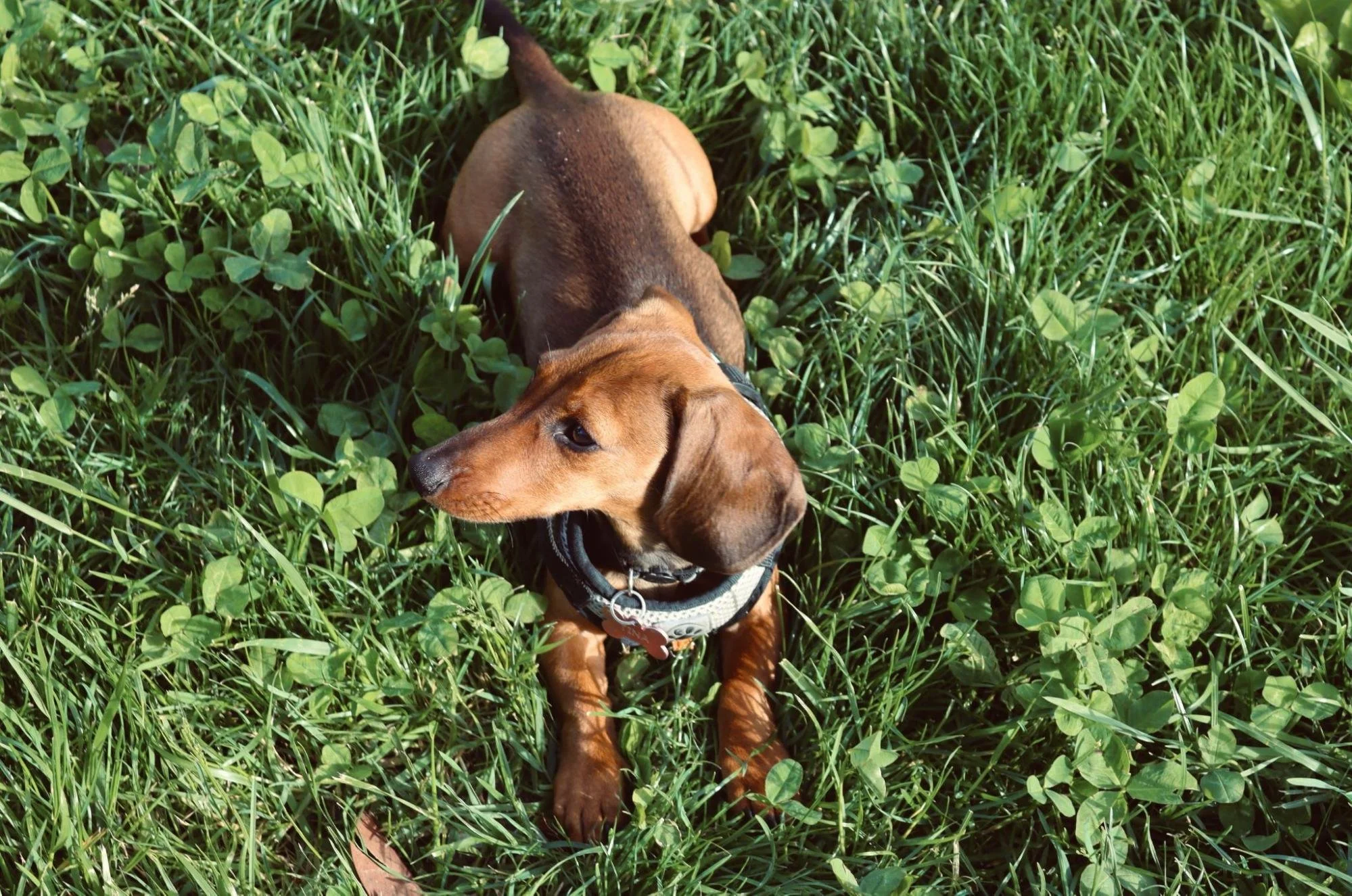
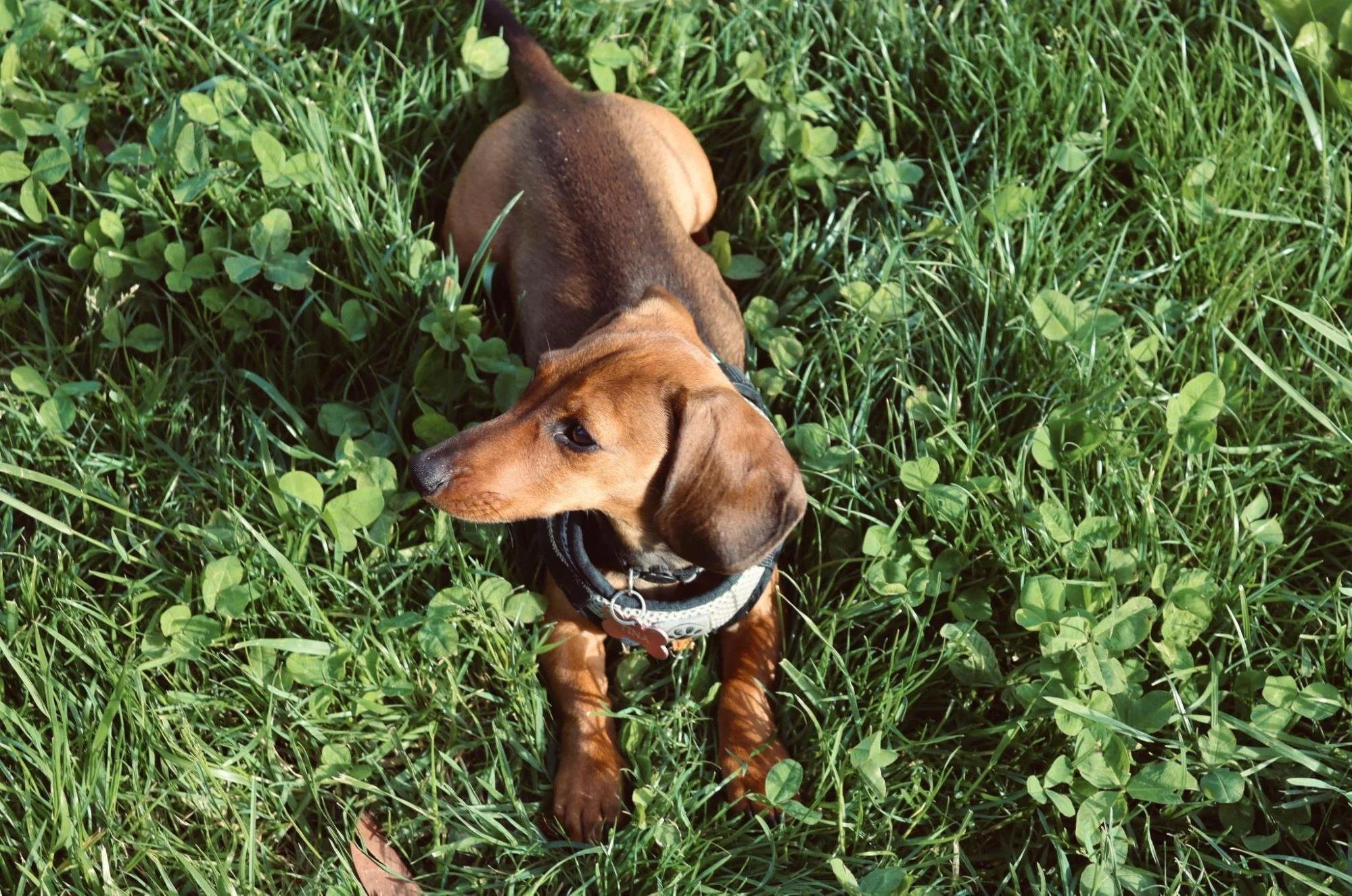
Dachshunds, which are often also called Doxens, are famous for their long backs and short legs, but that very shape also puts them at risk of developing spinal injuries. IVDD impacts 1 in 4 Dachshunds during their lifetime. Fortunately, the majority of these cases can be avoided by using certain habits daily for your Dachshund. Learn more about what every Dachshund owner should know.
Why Dachshunds Are So Prone to Back Problems
Due to their predisposition to chondrodystrophy, the condition causes their discs to harden and break down before other breeds. Dachshunds’ long spine and short rib cage creates excess strain on their discs, especially during common activities. These pre-existing conditions can lead to ruptured discs that exert pressure on the spinal cord.
The symptoms of IVDD can range from mild (reluctance to jump on furniture, hunched posture, yelping when picked up) to severe (dragging hind legs, loss of bladder control, paralysis). In many cases, the condition can develop rapidly, making it crucial to take preventative measures to avoid such an illness altogether.
1. Manage Their Weight Closely
Extra weight is one of the biggest risk factors for back injuries in Dachshunds. The more weight your Dachshund has the more pressure is placed upon their spine. Try to keep your Dachshund as lean as possible - you should be able to feel (not see) their ribs - and avoid overfeeding them despite their pleading eyes.
2. Limit Jumping On and Off Furniture
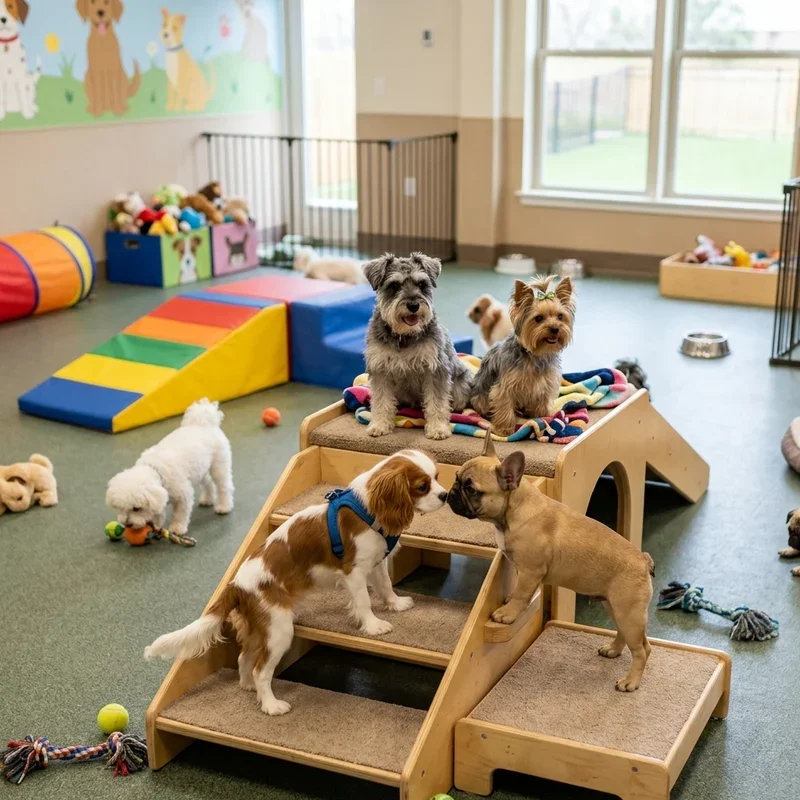
Jumping down from a couch, bed, or car seat is one of the most common causes for disc injuries. Try to get ramps or pet stairs and place them on furniture and vehicle access points. Also, try to keep your Dachshund off high furniture altogether if you can't fully block the jump.
3. Support Their Body When Picking Them Up
Always pick up a Dachshund with two hands — one under the chest, one supporting the hindquarters — so the spine stays level. Never lift by grabbing under the front legs alone so that it doesn’t put too much pressure on the lower back and twist the spine.
4. Use a Harness, Not a Collar
A collar puts pressure on the neck and can put unnecessary twisting pressure on the spine. A well-fitted body harness distributes pressure more evenly and gives you better control during walks, reducing sudden twisting movements.
5. Watch the Stairs
Repeatedly running up and down stairs can be hard on a Dachshund's back. If stairs are unavoidable in your home, consider carrying your dog for stair use, or installing a gate to limit unsupervised access.
6. Keep Them Active — But With Low-Impact Exercise
Regular, gentle exercise can help to keep the muscles that support the spine strong. Daily walks and play are good exercises, but it is important to avoid high-impact activities like jumping on the frisbee, wrestling with bigger dogs, or playing tug-of-war.
7. Choose Flooring Wisely
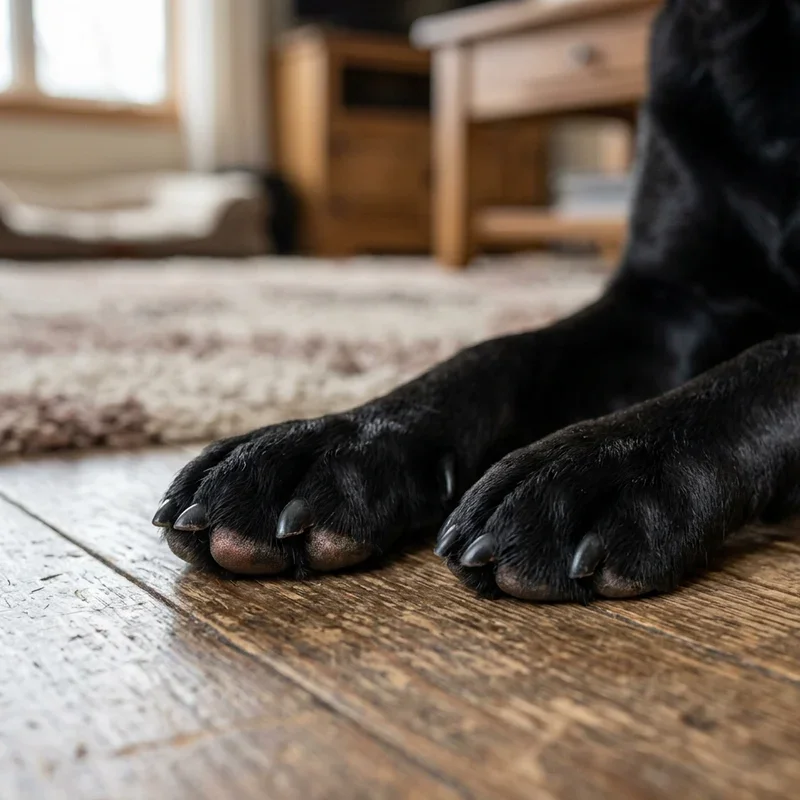
Dachshund’s long bodies and short legs make their joints more susceptible to strain if their legs slip on slippery hardwood or tile floors. Placing rugs or mats in high traffic areas of the home can reduce this risk for them.
8. Know the Early Warning Signs
Catching a problem early can be the difference between a full recovery and permanent damage. Contact your vet promptly if you notice:
Reluctance to jump, climb stairs, or be touched along the back
A hunched or "roached" posture
Yelping without an obvious cause
Wobbly or weak back legs
Dragging of the back feet
9. Start With Genetics — Choose Your Breeder Carefully
While the environment and habits that a dog develops during their lifetime play a huge role in the development of IVDD, genetics also play a role in the likelihood of the disease developing. Responsible breeders screen their breeding dogs for any issues related to their backs and discs, and avoid breeding dogs that have a history of developing IVDD. Therefore, prospective owners of Dachshunds should take the time to find and purchase their dogs from a responsible breeder rather than from one that does not pay attention to the health of the dogs that they breed.
The Bottom Line
Dachshunds don’t have to deal with the inevitability of back problems. By maintaining the perfect weight and making a few adjustments to the home, dog owners can significantly reduce the risk of spinal injuries in these breeds, ensuring several happy years with their Dachshund companion roaming the house happily.
Stay up to date with our latest ideas!