15 Goat Barn Ideas for Small Farms and Backyard Herds
Discover 15 creative goat barn ideas for small farms and backyard herds. Build safe, functional shelters your goats will love!
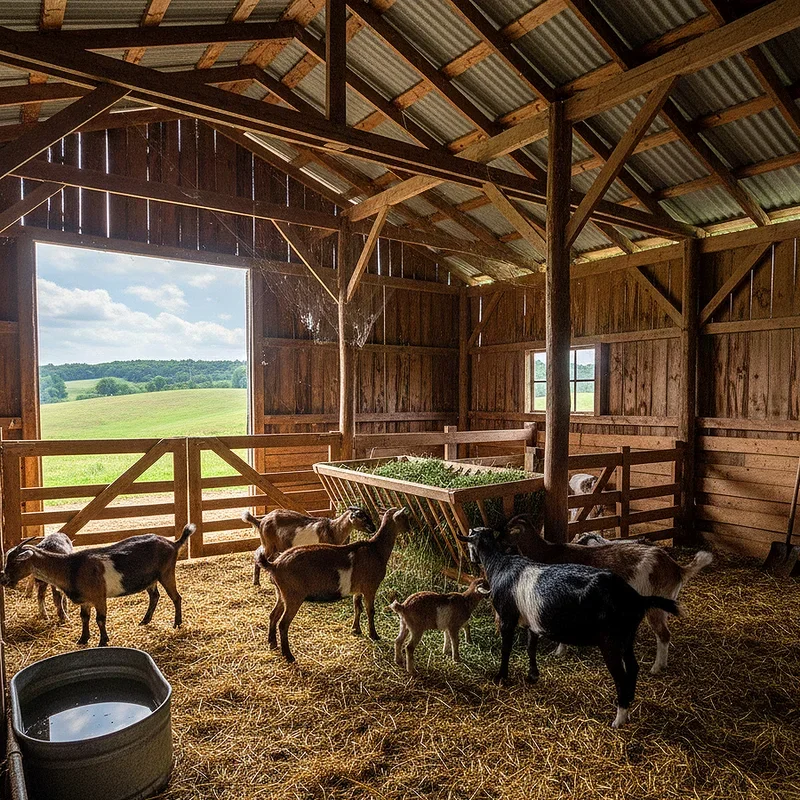
Have you ever watched your goats huddle under a tree during a rainstorm and thought there has to be a better way? You are absolutely right, and the good news is that building a proper goat barn does not require a massive budget or engineering degree. Whether you are raising a couple of Nigerian Dwarfs in your backyard or managing a small herd of dairy goats on your homestead, your animals deserve a safe and comfortable shelter. The right barn protects them from harsh weather, predators, and health problems while making your daily chores much easier. In this comprehensive guide, we explore fifteen fantastic goat barn ideas that work perfectly for small-scale operations. From simple three-sided shelters to converted shipping containers, you will find inspiration for every budget and skill level.
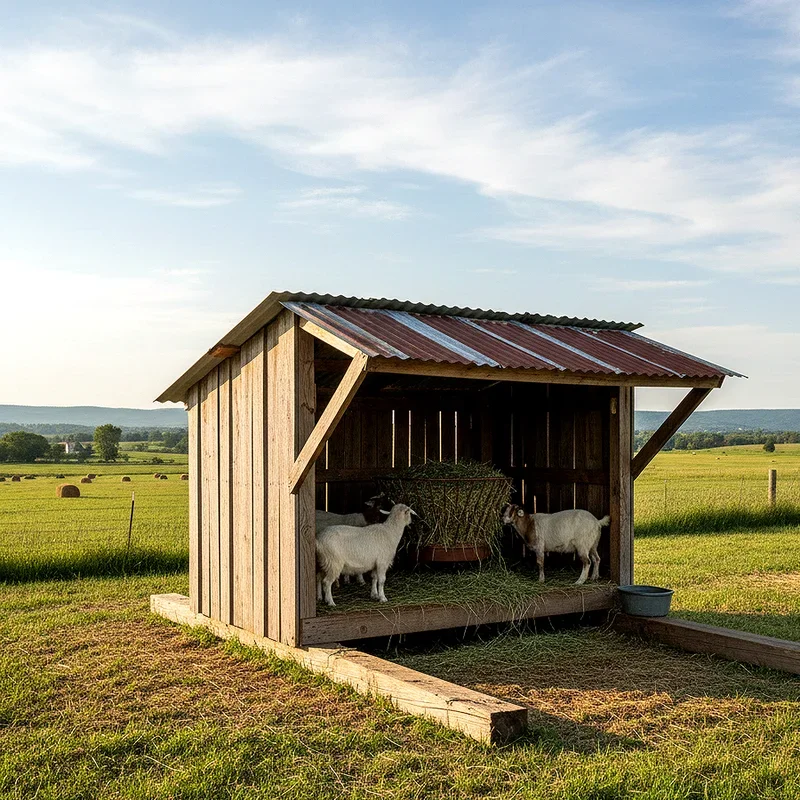
1. Classic Three-Sided Shelter
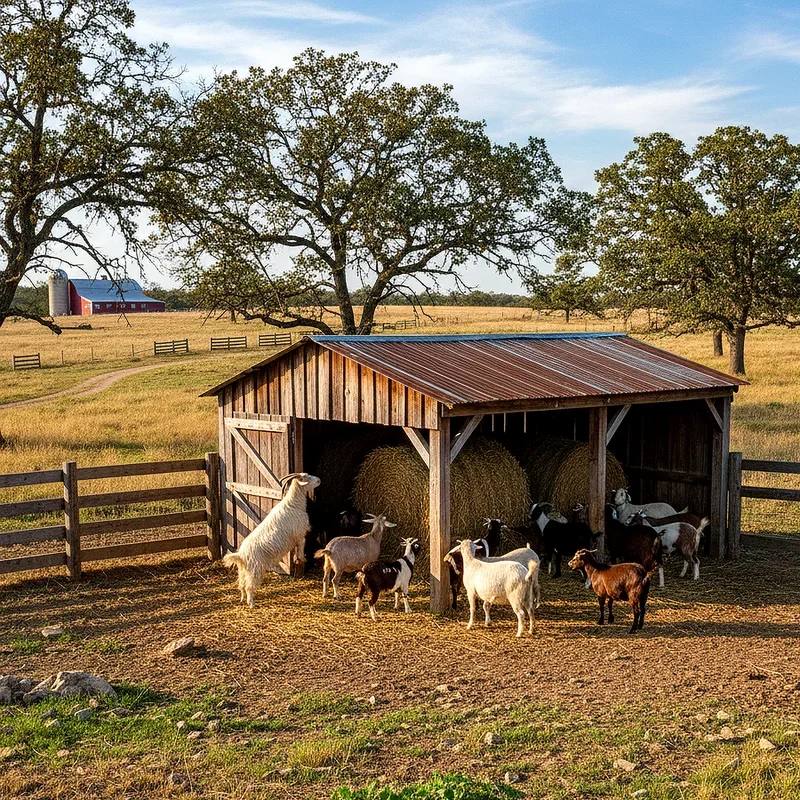
The classic three-sided shelter remains the most popular choice among goat owners for excellent reasons. This timeless design provides adequate protection from wind, rain, and snow while maintaining excellent ventilation that goats desperately need. You simply build three solid walls with the open side facing away from prevailing winds, creating a cozy refuge without trapping moisture inside. Think of it as a protective hug that still lets your goats breathe freely. Most farmers construct these shelters using basic lumber and metal roofing, keeping costs remarkably low. The open front allows goats to come and go as they please, satisfying their curious nature. You can build one in a weekend with minimal carpentry skills, and your goats will thank you during every storm.
2. Pallet Goat Barn on a Budget
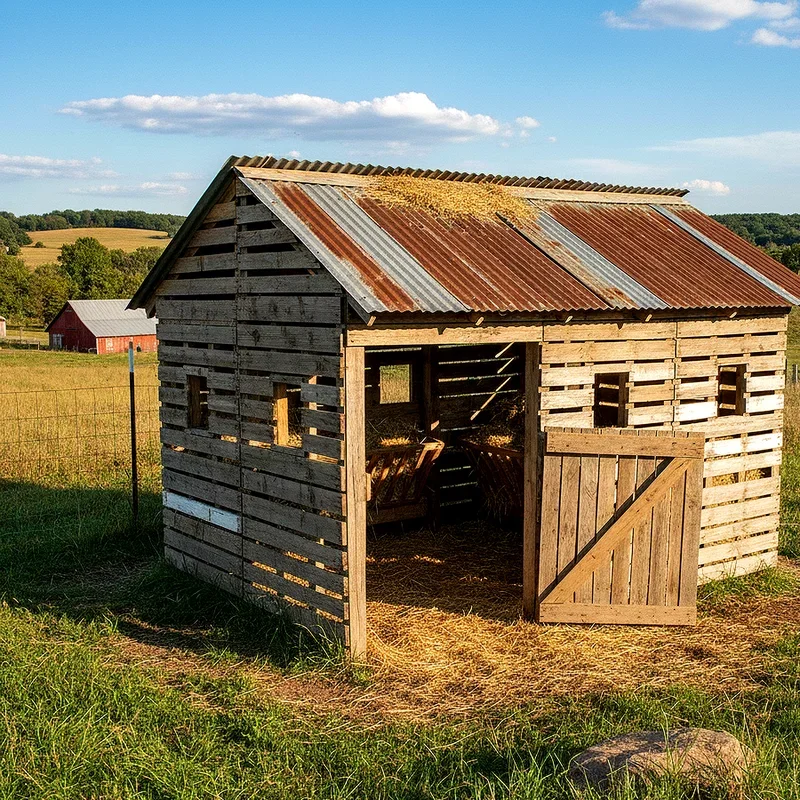
Are you working with a tight budget but still want quality housing for your herd? Pallet construction offers an incredible solution that costs almost nothing. Many businesses give away wooden pallets for free, and you can transform these humble materials into a sturdy goat barn with some creativity. Start by standing pallets upright and securing them together to form walls, then add a sloped roof using additional pallets covered with metal sheeting or tarps. The gaps between pallet boards provide natural ventilation, though you might want to cover some areas with plywood for wind protection. This rustic approach creates surprisingly durable structures that goats absolutely love. Your wallet stays happy while your goats stay dry and comfortable throughout every season.
3. Hoop House Shelter Design
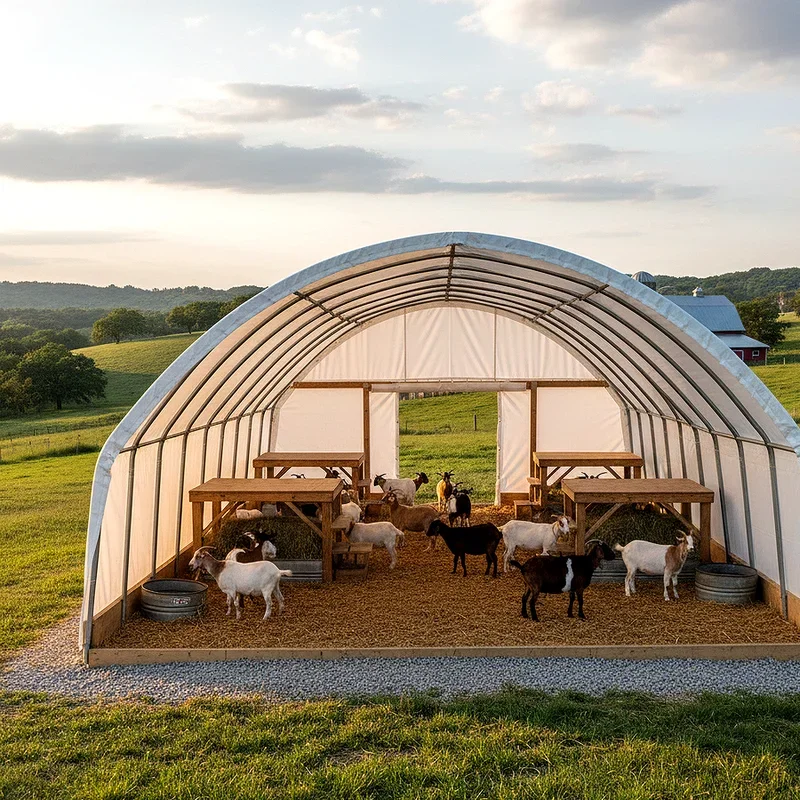
Hoop houses bring greenhouse technology to goat housing with spectacular results for small farm owners. You create this structure by bending long metal or PVC pipes into arches and covering them with heavy-duty tarps or greenhouse plastic. The curved design naturally sheds rain and snow while providing generous interior space for your herd to roam. Goats appreciate the bright, airy atmosphere inside, and you will love how quickly these structures go up. Many farmers complete a basic hoop house in just one afternoon with a helper. The materials remain affordable, and you can easily extend the length to accommodate growing herds. During summer months, simply roll up the sides for maximum airflow, then close everything down when winter arrives.
4. Converted Garden Shed
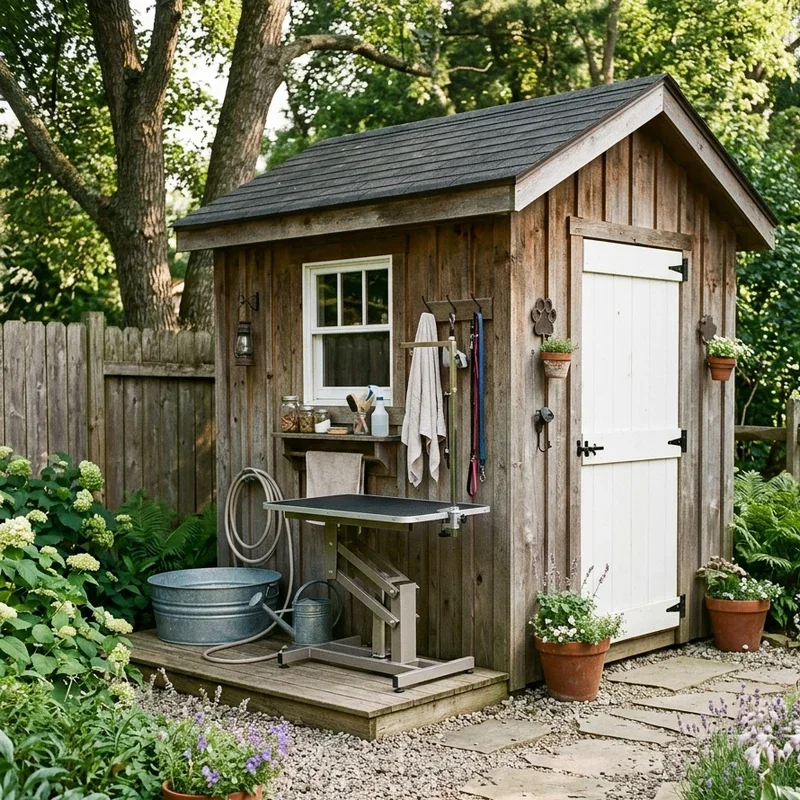
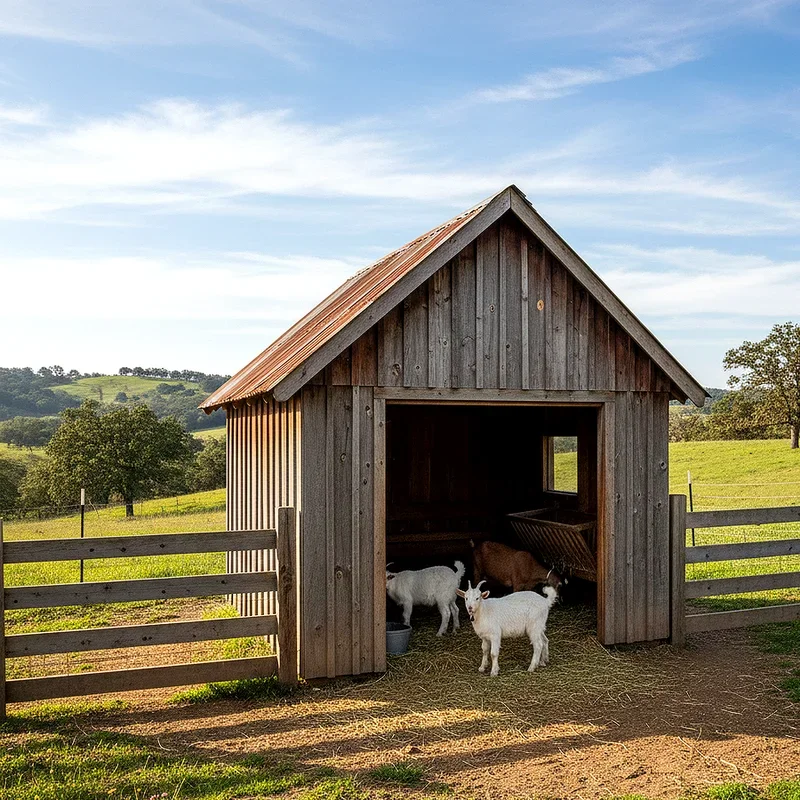
Why build from scratch when you can repurpose an existing structure into perfect goat housing? Garden sheds make excellent candidates for conversion because they already feature solid construction and weatherproof roofing. You simply need to add proper ventilation, install some basic feeding stations, and perhaps create a divided kidding area. Many homeowners have unused sheds sitting in their backyards just waiting for new purpose. Check local classifieds for people giving away or selling sheds cheaply when they move or renovate. The existing floor provides easy cleaning surfaces, and you can add windows for extra light. Your converted shed becomes a charming goat cottage that looks intentional rather than improvised, adding visual appeal to your property.
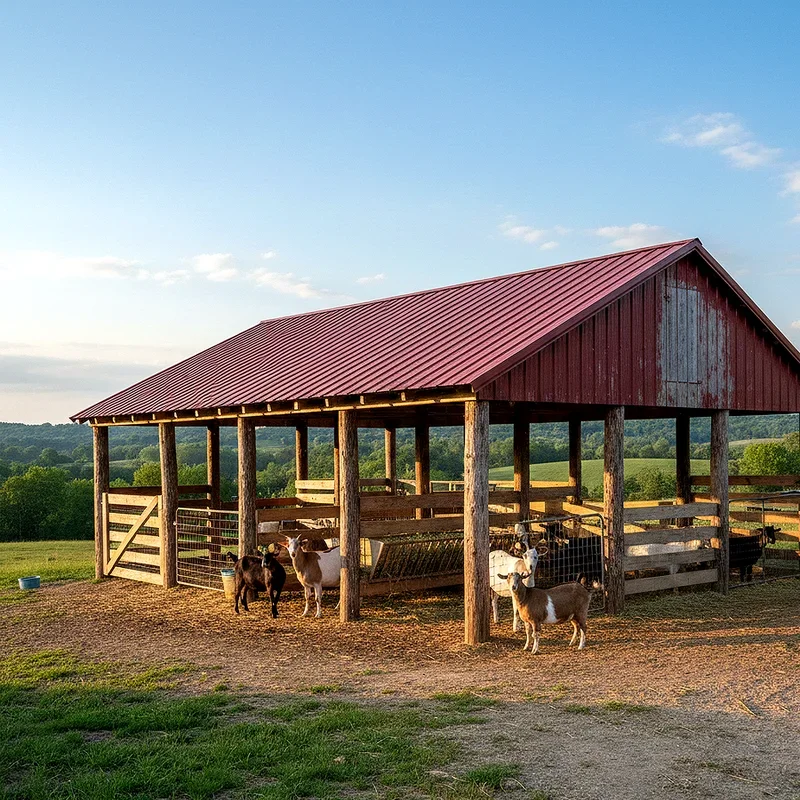
5. Pole Barn Style Structure
Pole barns represent the gold standard for livestock housing across America, and your goats deserve this classic treatment too. This construction method uses vertical posts sunk into the ground as the primary support system, eliminating the need for expensive concrete foundations. You attach horizontal beams between poles, add wall siding, and top everything with a pitched metal roof. The resulting structure stands incredibly strong against wind and weather while providing ample interior space. Pole barns allow for wide-open floor plans that you can customize with stalls, storage areas, and milking stations. Many farmers choose this style because it scales easily from small backyard barns to larger agricultural buildings. The initial investment pays off through decades of reliable service.
6. Shipping Container Conversion
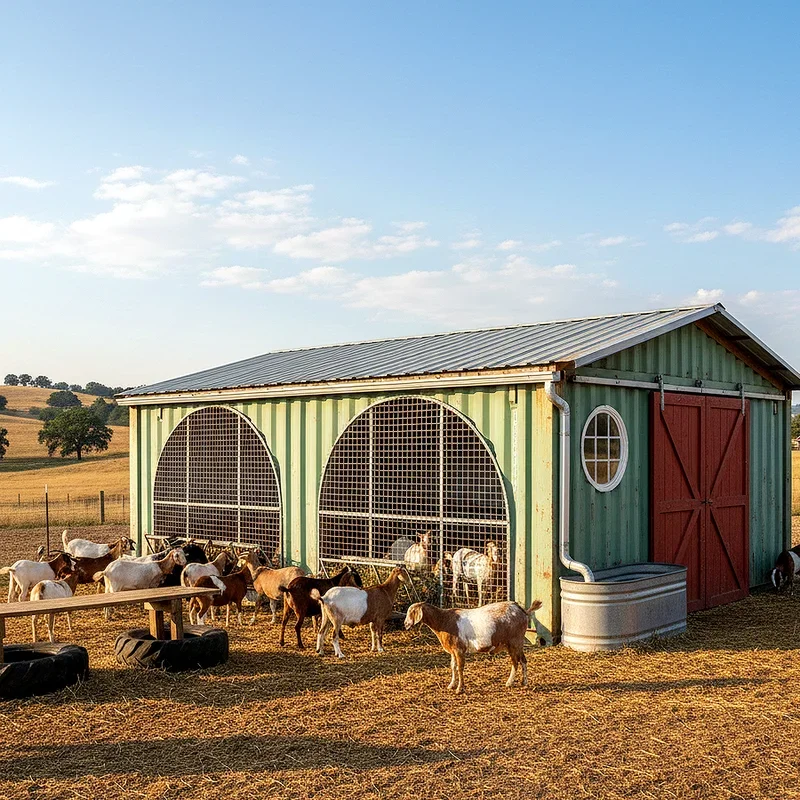
Shipping containers have revolutionized affordable construction, and creative goat owners now use them for innovative barn designs. These steel boxes arrive already weatherproof and incredibly sturdy, providing an instant shell for your goat housing project. You cut openings for doors and windows, add proper ventilation systems, and install interior features according to your needs. The uniform shape makes planning simple, and containers stack or connect for expanded capacity. Insulation becomes important in extreme climates since metal conducts temperature dramatically. Many suppliers sell used containers at reasonable prices, especially those with minor cosmetic damage that goats certainly will not mind. This modern approach creates a unique barn that sparks conversation while keeping your herd perfectly protected.
7. A-Frame Goat House
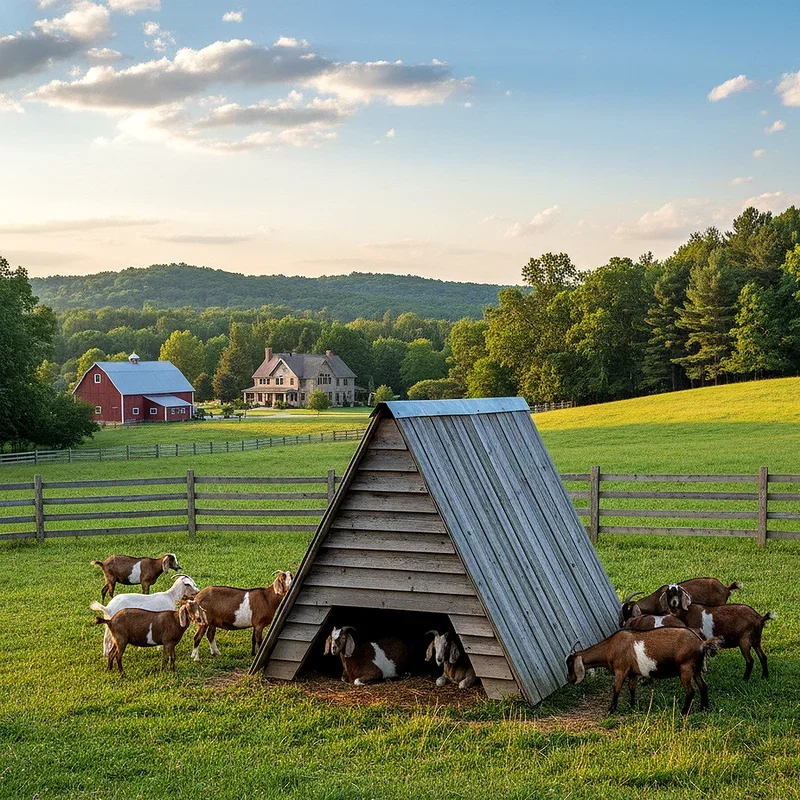
The charming A-frame design brings both function and visual appeal to your goat housing solution with remarkable efficiency. Two angled walls meet at a peak, creating a structure that resembles a cozy cabin from a storybook. This shape naturally sheds water and snow while providing excellent headroom in the center for you and your goats. Construction requires fewer materials than traditional rectangular buildings because the walls double as the roof. Smaller A-frames work perfectly for miniature goat breeds or as kidding shelters within larger pastures. You can build one using plywood sheets and basic framing lumber in a single weekend. The distinctive silhouette adds architectural interest to your property while your goats enjoy their stylish new home.
8. Lean-To Attached Shelter
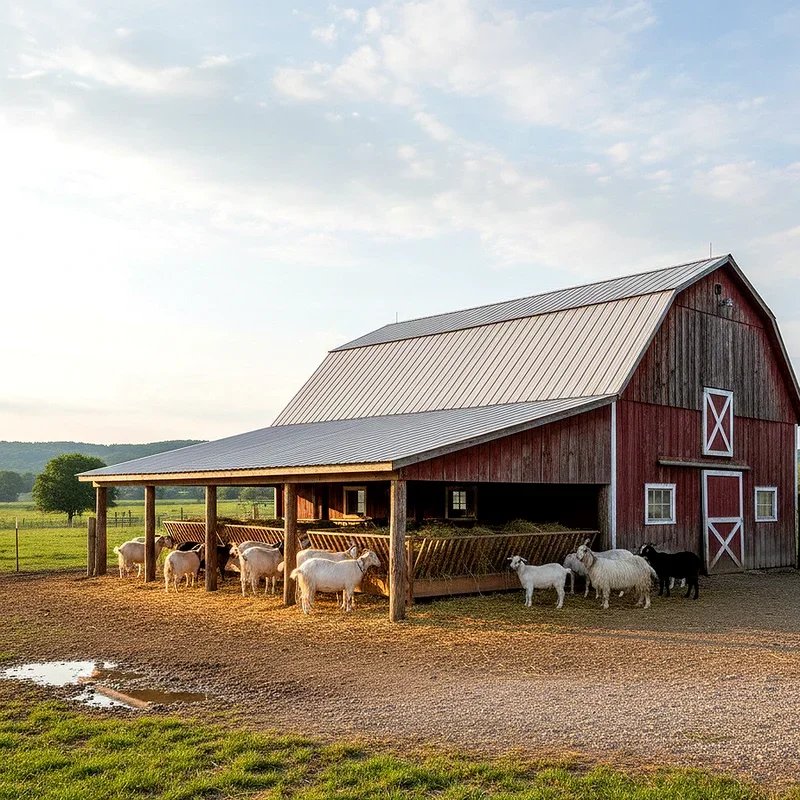
Do you have an existing barn, garage, or sturdy fence line on your property? A lean-to shelter takes advantage of that existing structure to reduce your building work significantly. You construct a sloped roof that attaches to the existing wall and extends outward, supported by posts on the opposite side. This creates covered space for your goats while sharing structural support with something already standing. Lean-to designs work wonderfully along fence lines, creating sheltered areas within pastures without building complete standalone structures. The shared wall provides extra wind protection on one side while the open front maintains necessary ventilation. Your goats gain comfortable housing, and you save time, money, and materials through clever design thinking.
9. Portable Goat Shelter on Skids
Rotational grazing keeps pastures healthy, but your goats still need shelter wherever they graze each week. Portable shelters mounted on wooden skids solve this puzzle beautifully for small farm operations. You build a compact but sturdy shelter on a platform of heavy timber runners, allowing tractors or trucks to drag the entire structure to new locations. Your goats enjoy fresh grazing areas while always having familiar housing nearby, reducing stress during moves. These mobile homes distribute manure across different pasture sections, improving soil fertility naturally. Size these shelters appropriately for your herd and towing capacity, keeping them compact enough for easy movement. The flexibility transforms your grazing management while providing consistent shelter quality throughout your property.
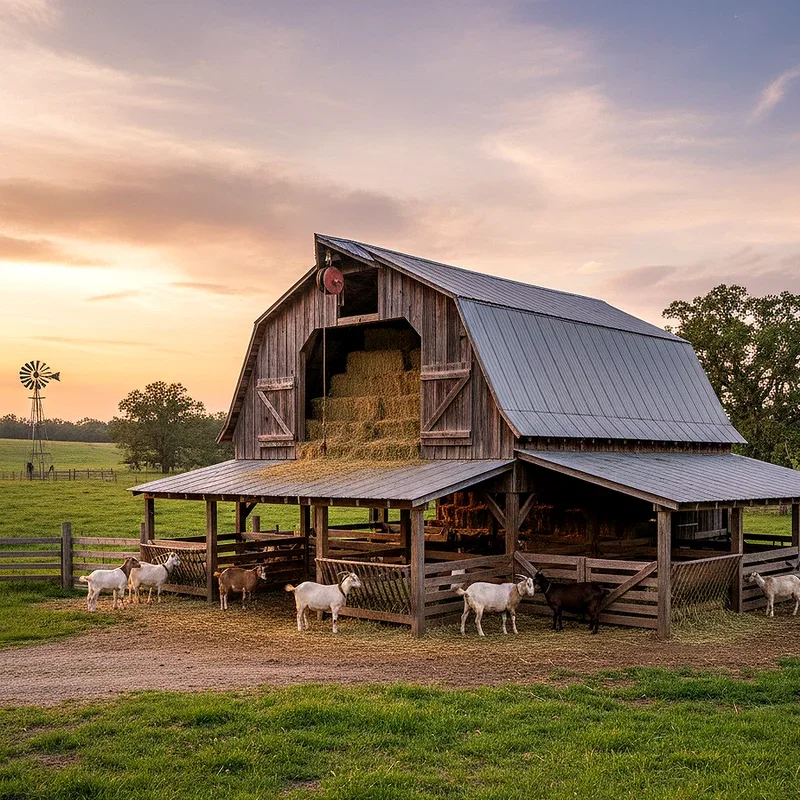
10. Two-Story Barn with Hay Storage
Smart farmers maximize every square foot, and two-story barns accomplish this goal spectacularly for goat operations. The ground floor houses your goats in comfortable stalls or open areas, while the upper level stores hay and supplies safely overhead. This arrangement keeps feed dry and accessible while making efficient use of your building footprint. You save money on separate storage buildings and reduce the distance you carry heavy hay bales daily. A simple pulley system or interior stairway provides access to the upper level. Goats actually benefit from the insulation that stored hay provides above them during cold months. This traditional barn style connects you with generations of farmers who understood practical agricultural building design.
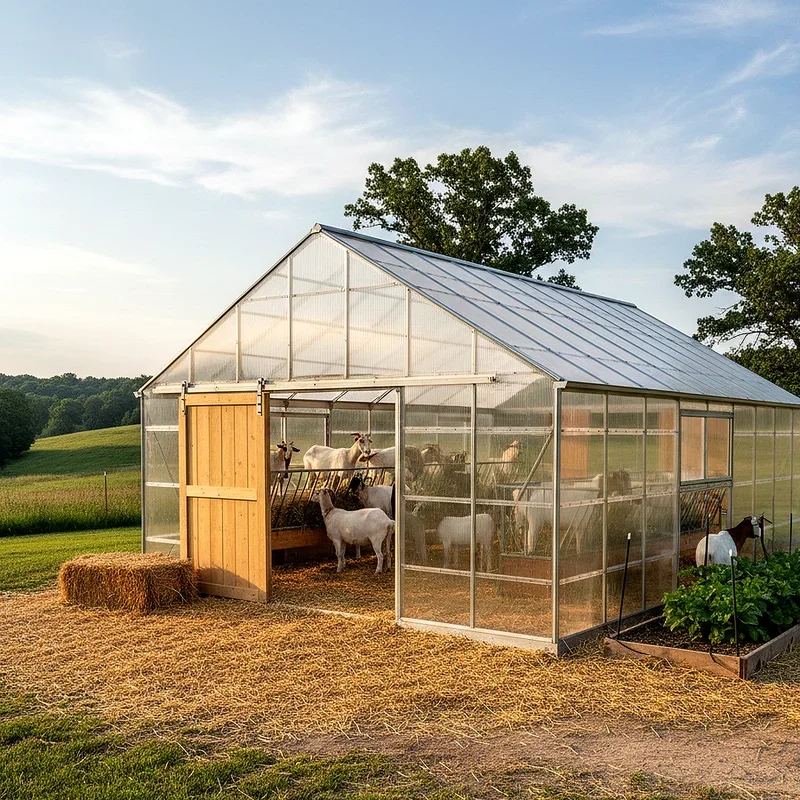
11. Greenhouse-Style Goat Barn
Imagine combining the growing power of a greenhouse with comfortable goat housing in one innovative structure. Greenhouse-style barns use transparent or translucent roofing panels that flood the interior with natural light throughout the day. Your goats enjoy bright, cheerful living spaces that feel open and welcoming rather than dark and confined. The solar gain during winter months helps warm the interior naturally, reducing heating concerns in moderate climates. You can even grow climbing plants along interior walls, creating edible treats for your curious herd. Proper ventilation becomes critical to prevent overheating during summer, so include plenty of operable windows and vents. This creative approach produces a stunning barn that impresses visitors while keeping goats happy.
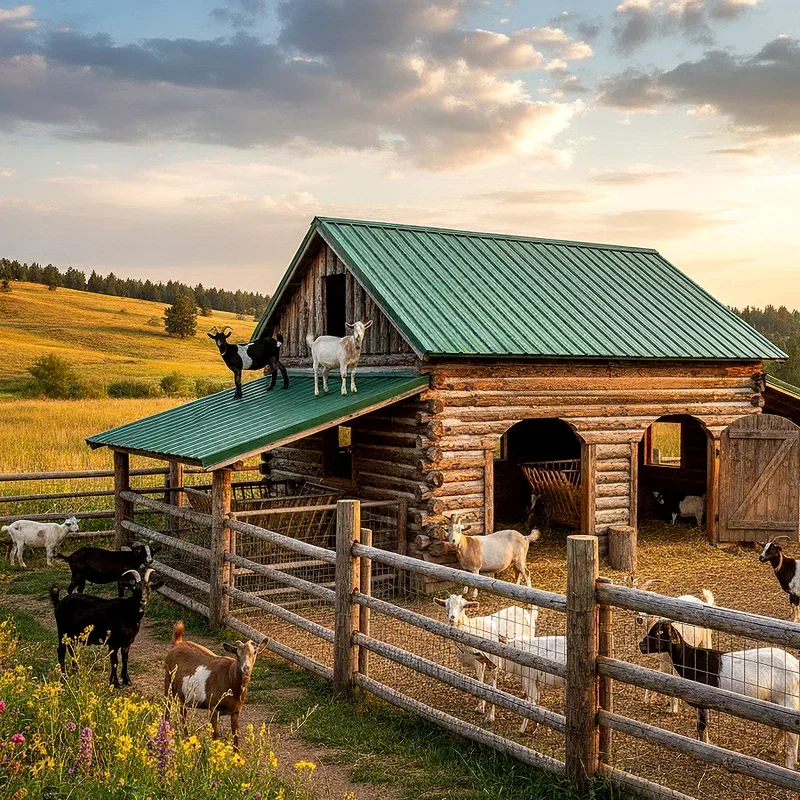
12. Log Cabin Goat House
Nothing says rustic charm quite like a log cabin, and your goats deserve this classic aesthetic as much as any human homesteader. Log construction creates naturally insulated walls that stay cool in summer and retain warmth during winter months. You can source logs from your own property during forest management activities or purchase them from local sawmills at reasonable prices. The thick wooden walls require minimal additional finishing and weather beautifully over time. Your goat cabin becomes a focal point of your property, blending seamlessly with natural surroundings while providing superior shelter. This construction method takes more time and skill than simpler designs but creates a structure that lasts for generations. Your great-grandchildren might someday use this same goat house.
13. Modular Panel System
Flexibility matters when your goat operation might grow or change over time, making modular construction an excellent choice. You build individual wall and roof panels that bolt together, allowing easy reconfiguration as needs evolve. Start with a small structure, then add panels to expand capacity when your herd grows. These systems also allow you to disassemble and relocate your barn if you move to a new property someday. Many commercial manufacturers sell modular livestock housing kits with detailed instructions for assembly. Alternatively, you can design your own panel system using consistent dimensions throughout. The upfront planning investment pays dividends through years of adaptable housing that grows alongside your goat keeping journey.
14. Underground Earth-Sheltered Barn
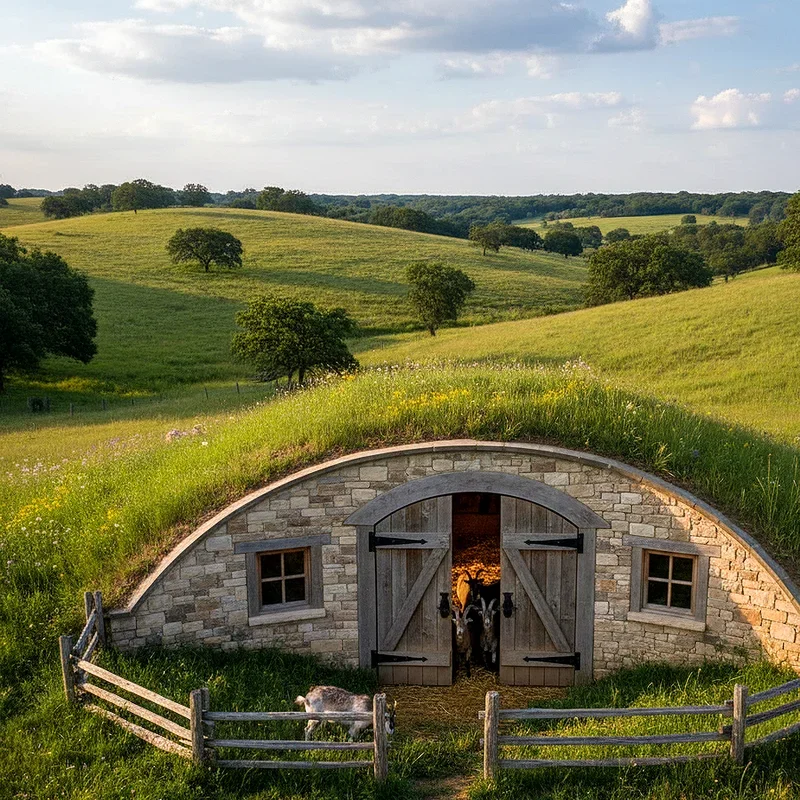
Have you considered using the earth itself to shelter your goats from temperature extremes throughout the year? Earth-sheltered or partially underground barns maintain remarkably stable temperatures because surrounding soil insulates the structure naturally. You excavate into a hillside or berm earth against walls, creating a cave-like environment that stays cool in summer and warm in winter. Your goats enjoy comfortable conditions year-round while you spend less on heating or cooling equipment. Drainage becomes absolutely critical with this design to prevent moisture problems, so plan carefully before breaking ground. The grass-covered roof blends into your landscape, creating a hobbit-hole aesthetic that delights visitors. This unique approach works best on properties with suitable topography and soil conditions.
15. Multi-Stall Community Barn
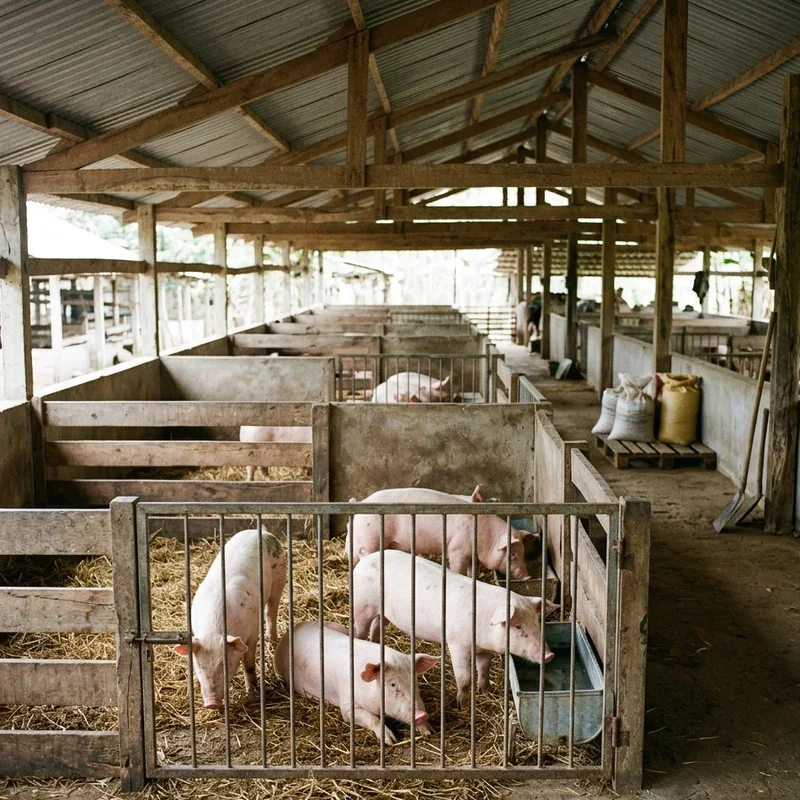
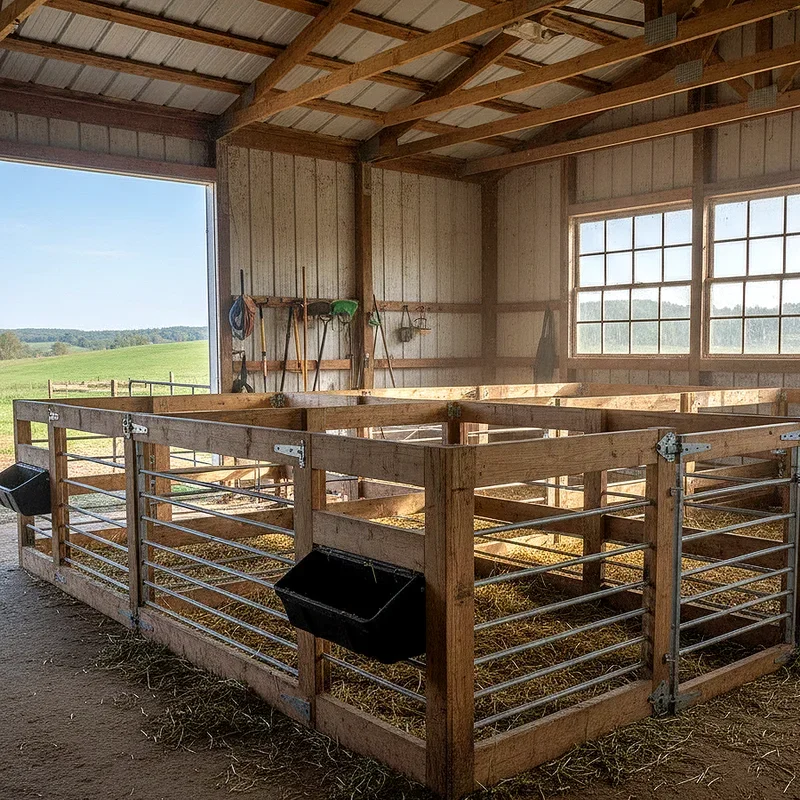
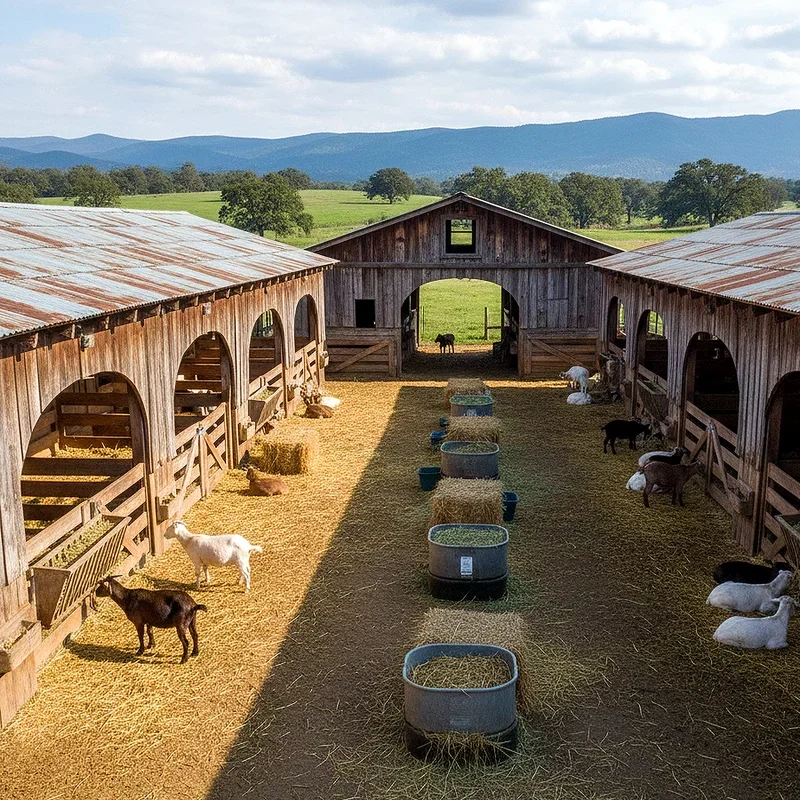
Managing multiple goats with different needs requires thoughtful barn design that accommodates various situations simultaneously. A multi-stall community barn provides separate areas for breeding bucks, pregnant does, nursing mothers with kids, and general herd housing all under one roof. You design individual stalls with appropriate sizing while maintaining a central aisle for easy access and feeding. This arrangement simplifies daily management and allows proper separation when health or breeding concerns arise. Include a dedicated kidding stall with extra warmth and privacy for expectant mothers. Your community barn becomes the hub of your goat operation, bringing all housing functions into one efficient location. This investment in proper facilities transforms chaotic goat keeping into organized, enjoyable farm management.
Conclusion
Building the perfect goat barn for your small farm or backyard herd does not require professional construction experience or unlimited budgets. From simple pallet structures to sophisticated multi-stall community barns, you now have fifteen inspiring ideas to consider for your property. Remember that your goats primarily need protection from weather extremes, good ventilation, and secure shelter from predators. Start with a design that matches your current skill level and budget, knowing you can always upgrade later as your herd grows. The best barn is one that actually gets built, so choose a manageable project and begin creating comfortable housing for your beloved goats today.
Read next: 15 Large Dog House Ideas for Comfortable Pet Living
Frequently Asked Questions
Q1. How much space does each goat need inside a barn?
A: Each goat needs approximately fifteen to twenty square feet of indoor shelter space.
Q2. Do goats need insulated barns in cold climates?
A: Goats tolerate cold well but need dry, draft-free shelter with adequate bedding.
Q3. What flooring works best for goat barns?
A: Packed dirt or gravel floors with deep bedding provide excellent drainage and comfort.
Q4. How important is ventilation in a goat barn?
A: Ventilation is critical because ammonia buildup causes serious respiratory health problems.
Q5. Can I keep goats and chickens in the same barn?
A: Yes, many farmers successfully house goats and chickens together with proper management.
Stay up to date with our latest ideas!